Property Types We Roof in San Angelo, TX
Commercial roofing in San Angelo, TX
Property Types We Roof
Plan commercial roofing in San Angelo around each building use. Compare warehouse, hotel, cold-storage and manufacturing roof needs.
A roof scope changes with the use below it. A warehouse has loading doors and inventory. A hotel has occupied rooms, while a cold-storage building must protect temperature-controlled operations. We inspect the roof system and building needs before planning the work. The local business park brings together document storage with manufacturing, distribution, transportation and energy operations. That mix makes access and equipment coordination part of a property-specific roofing decision.
Commercial Warehouse Roofing
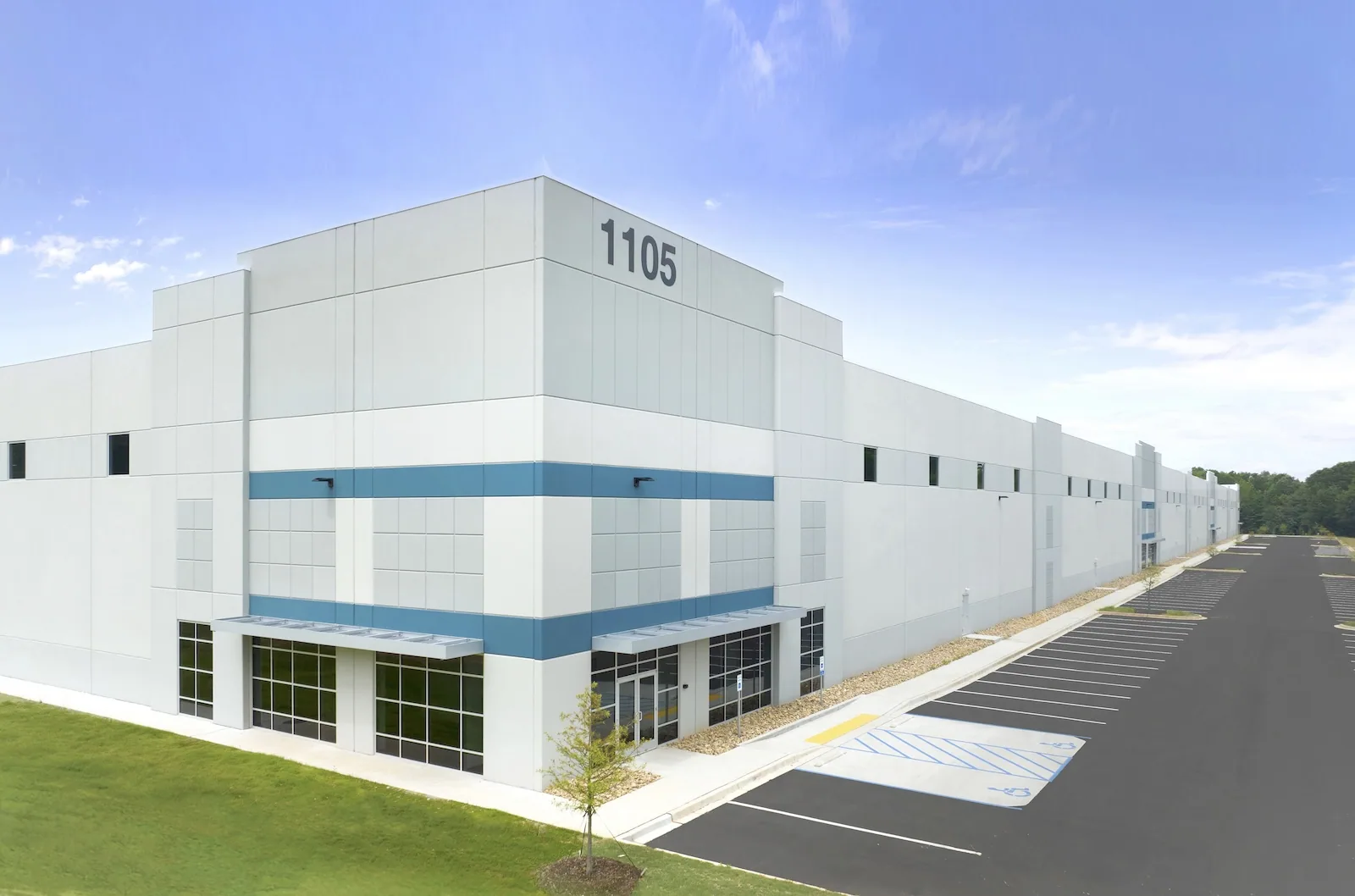
Distribution Center Roofing
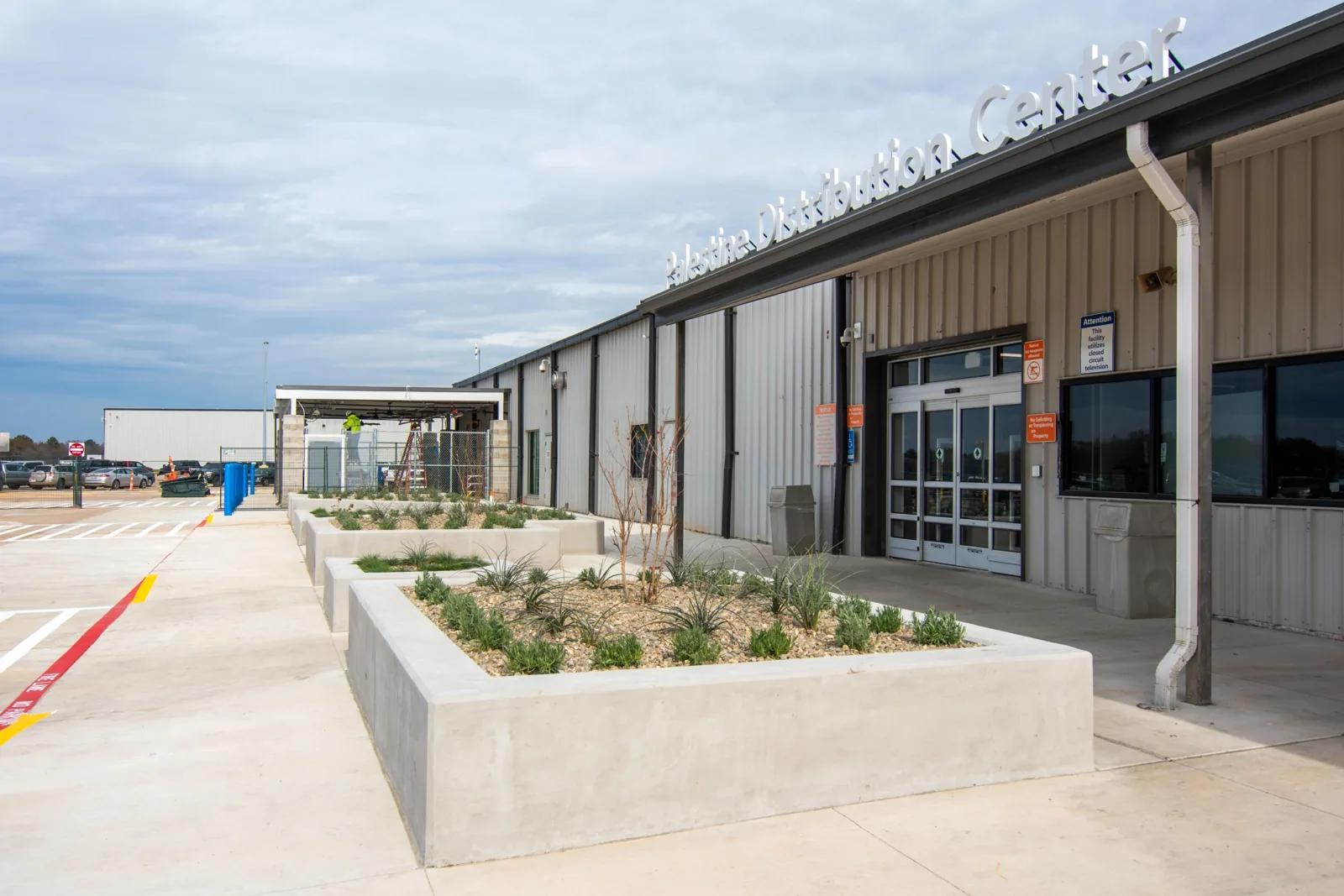
Manufacturing Plant Roofing
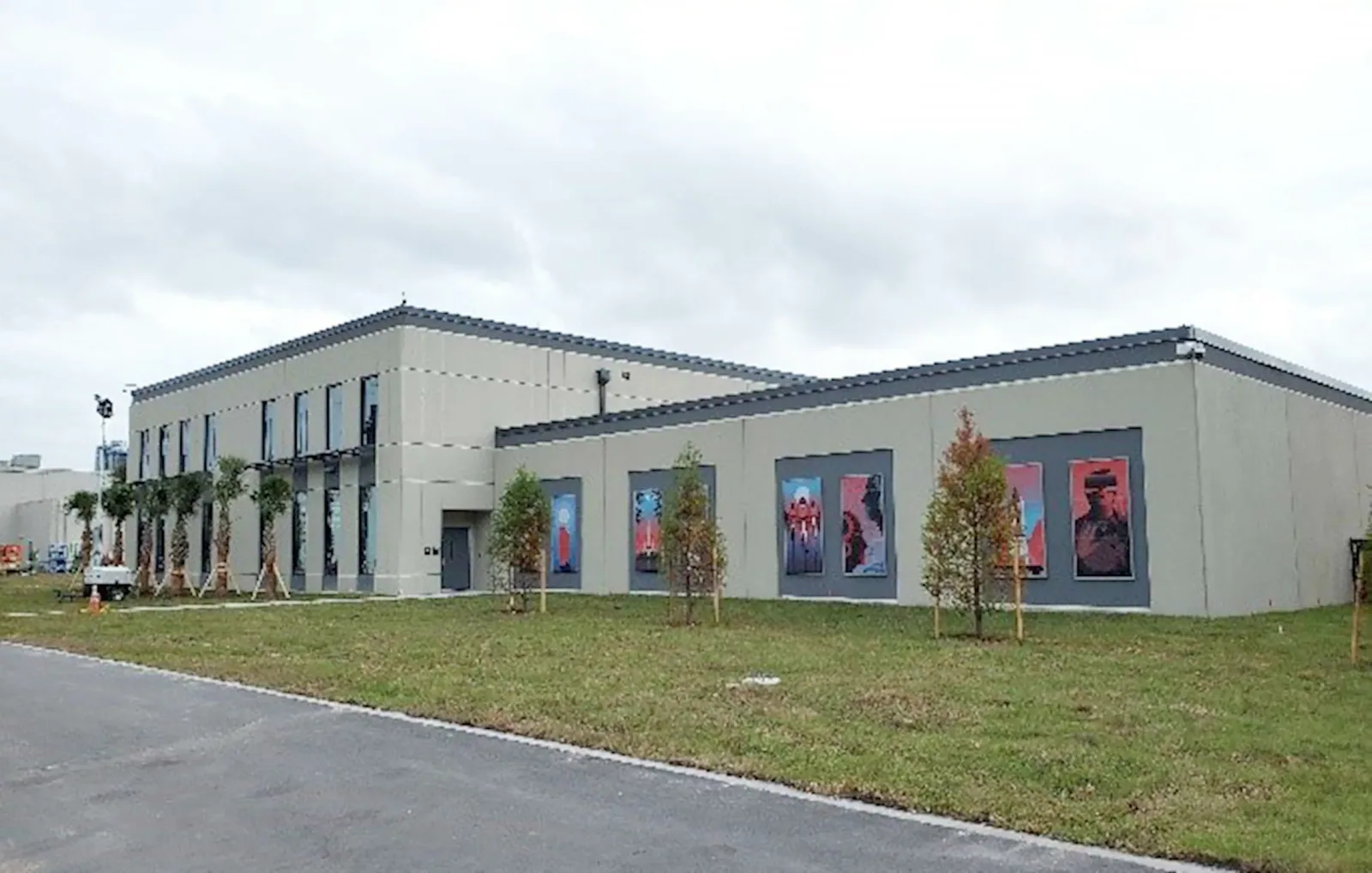
Cold Storage and Freezer Roofing
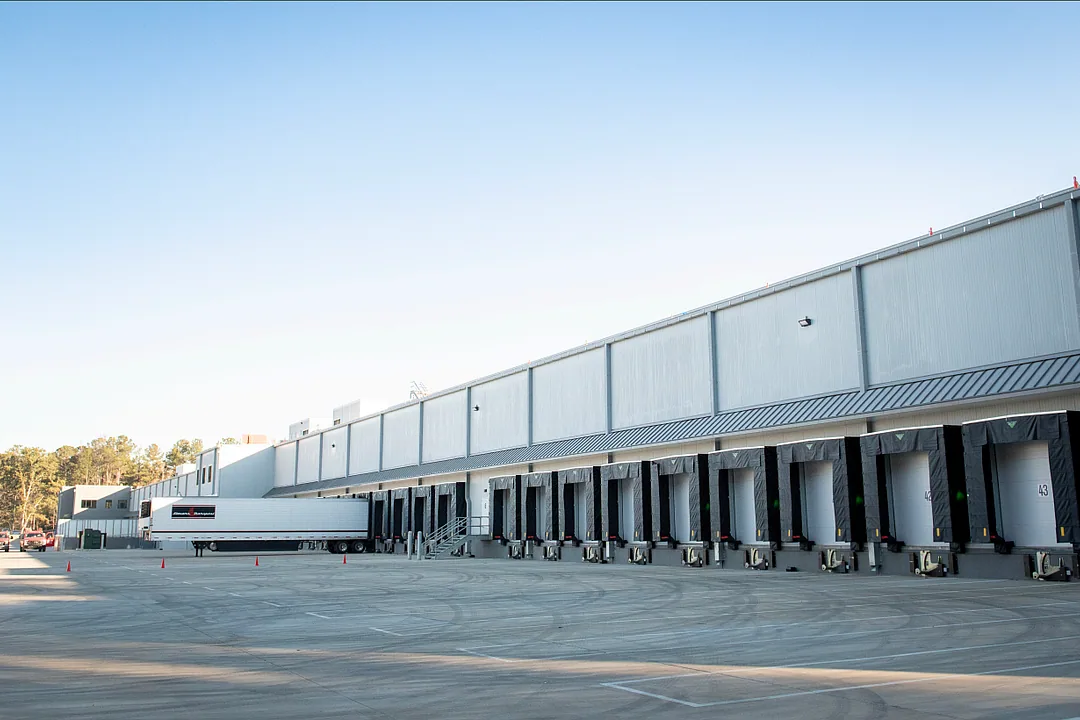
Data Center and Computing-Space Roofing
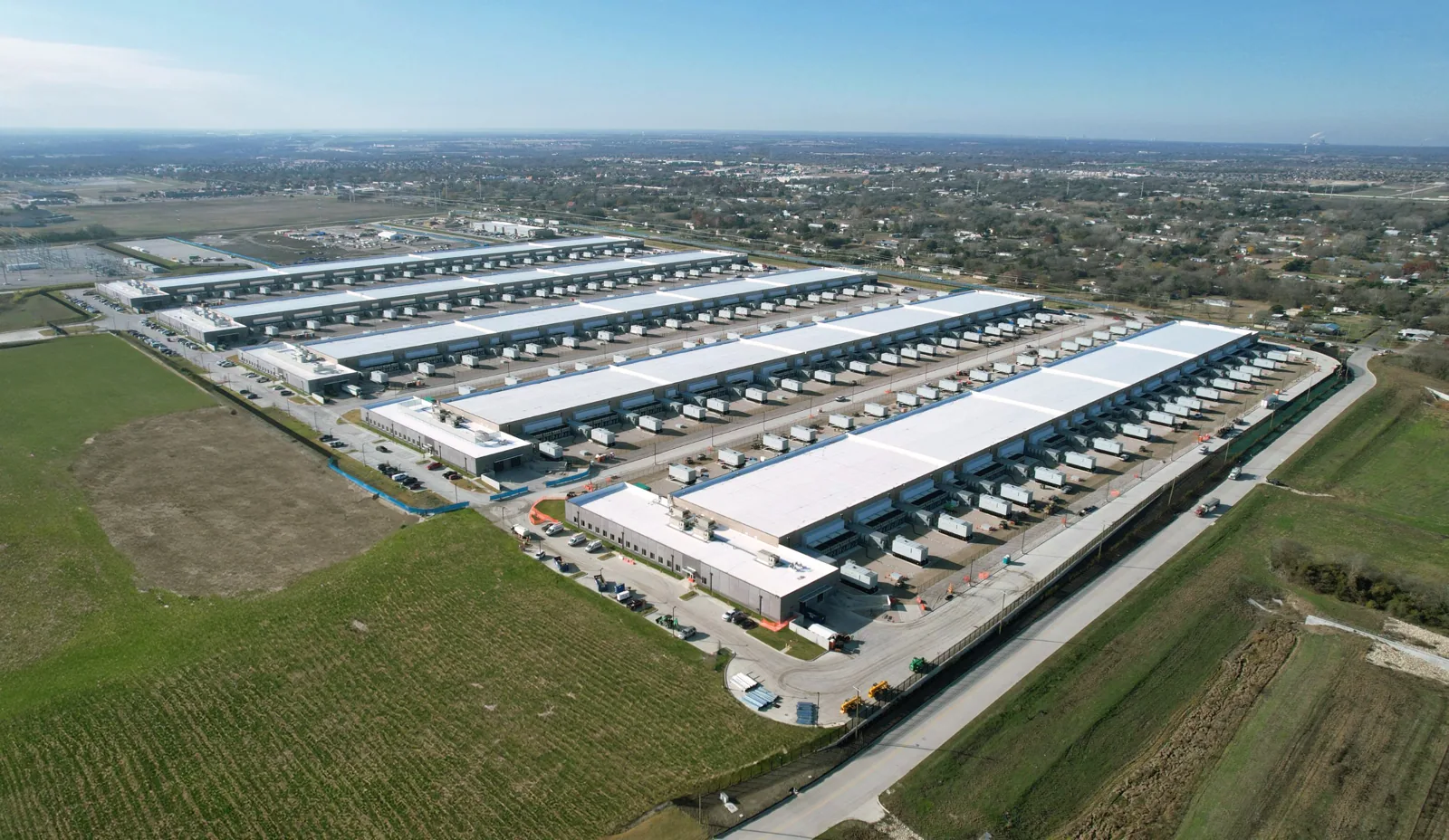
Commercial Office Building Roofing
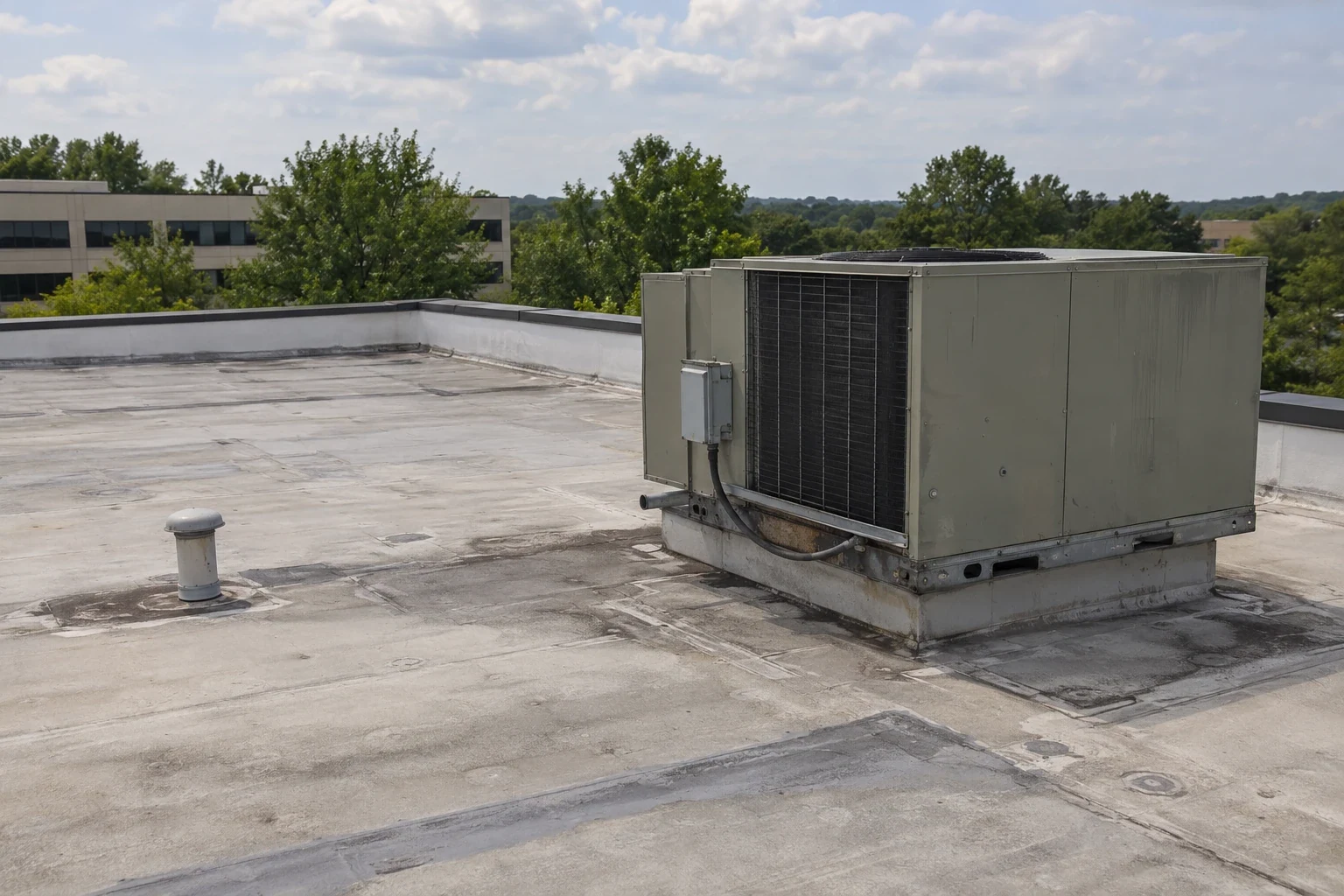
Medical Office and Clinic Roofing
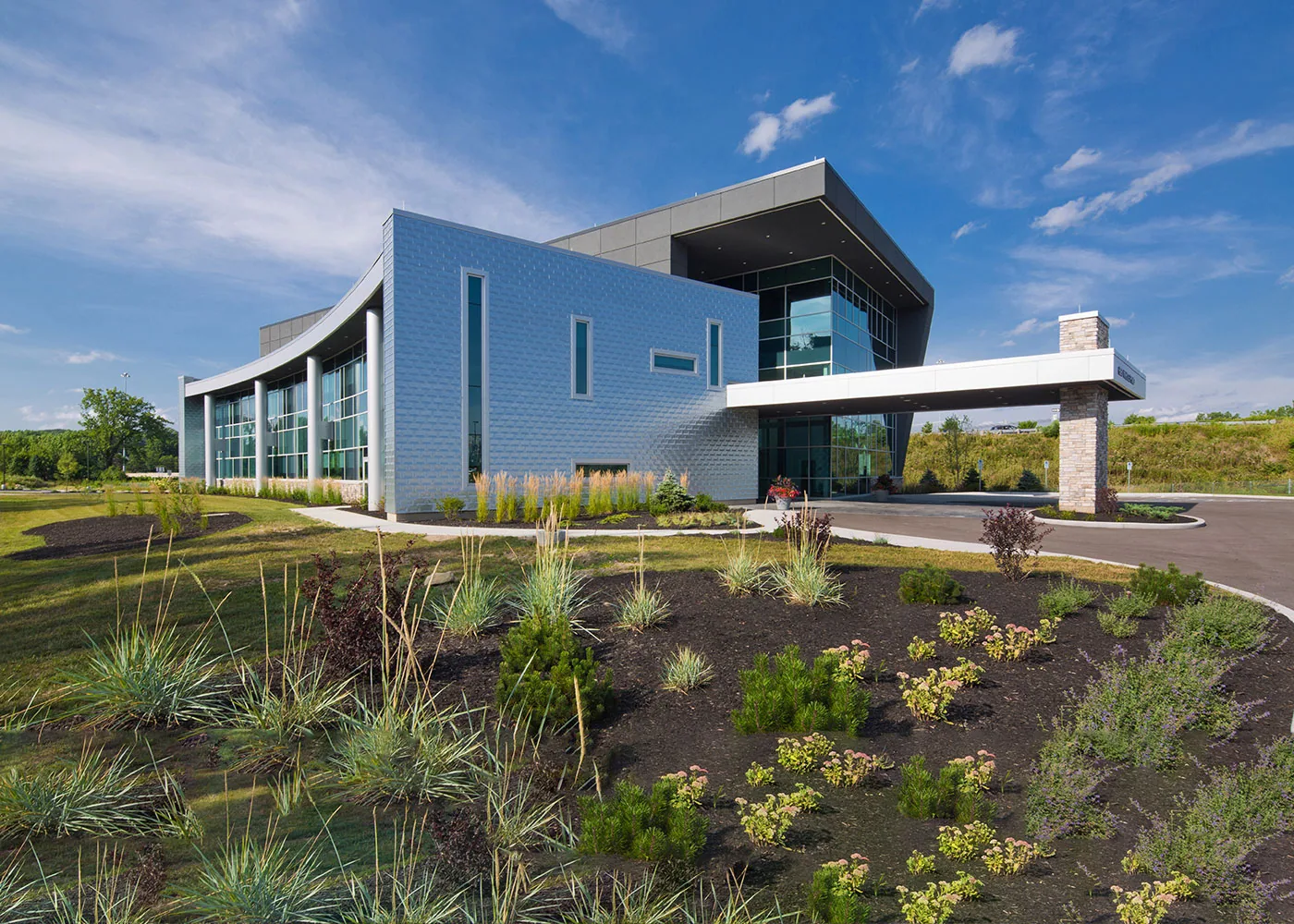
Hospital and Healthcare Facility Roofing
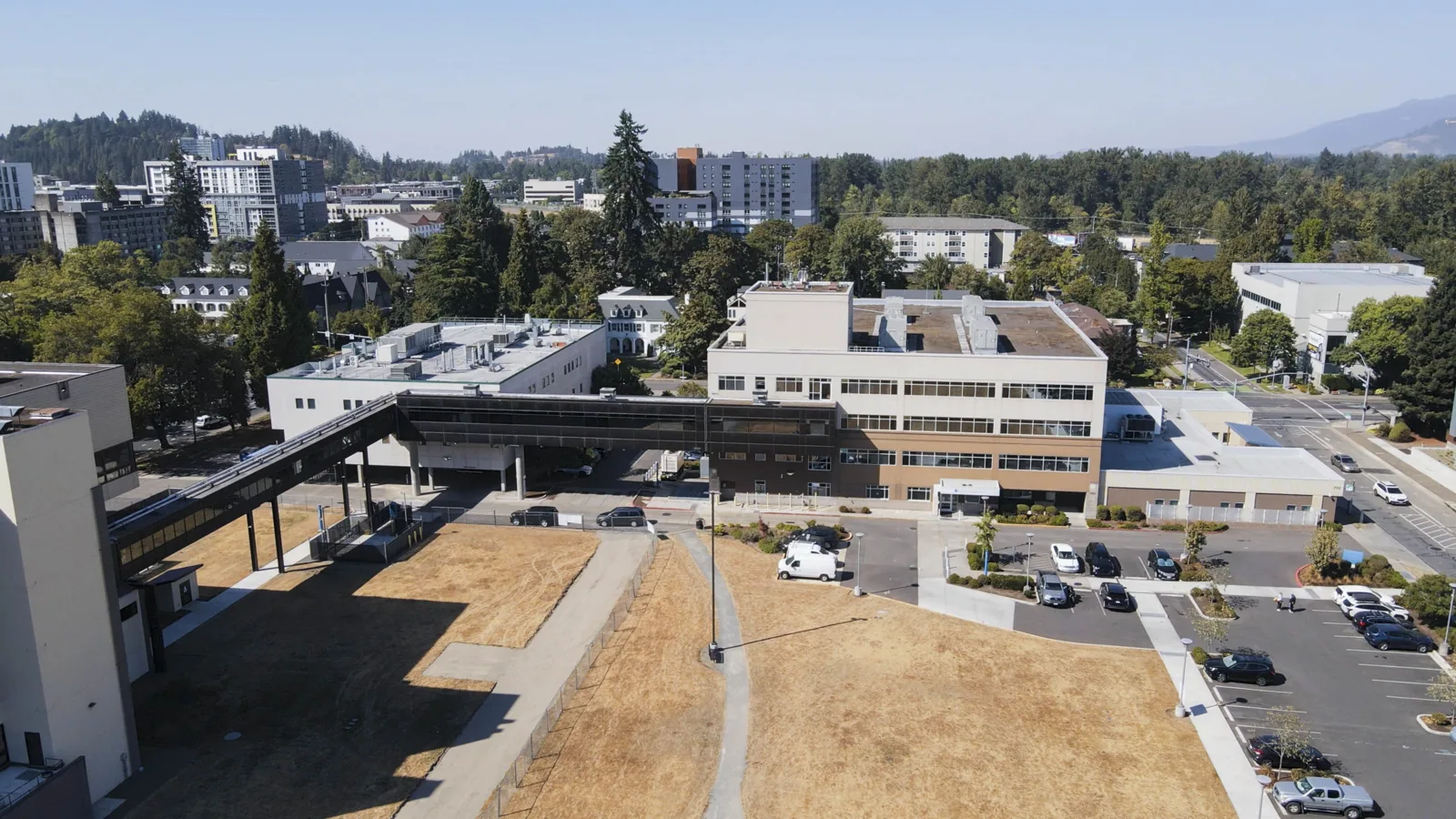
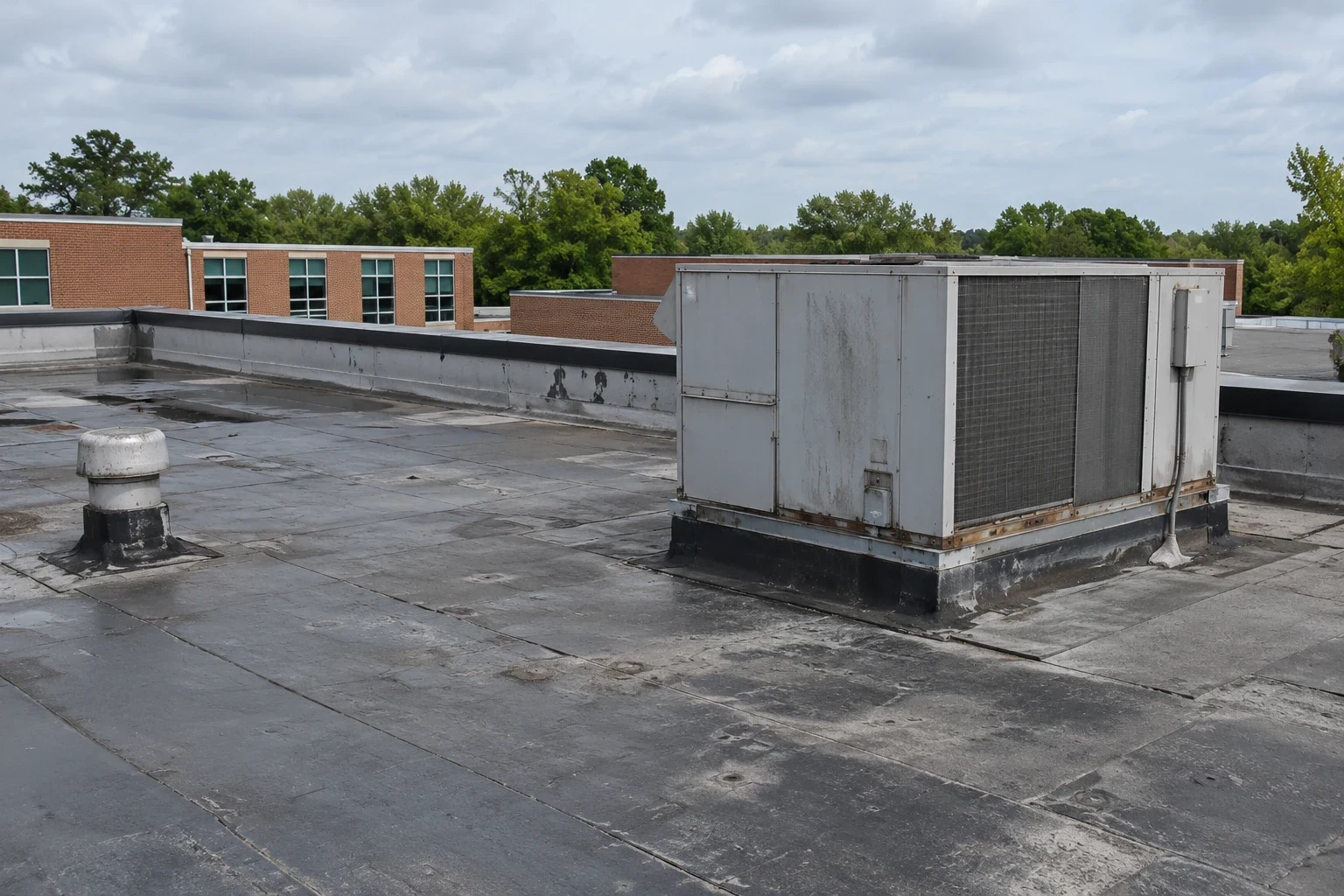
School and District Building Roofing
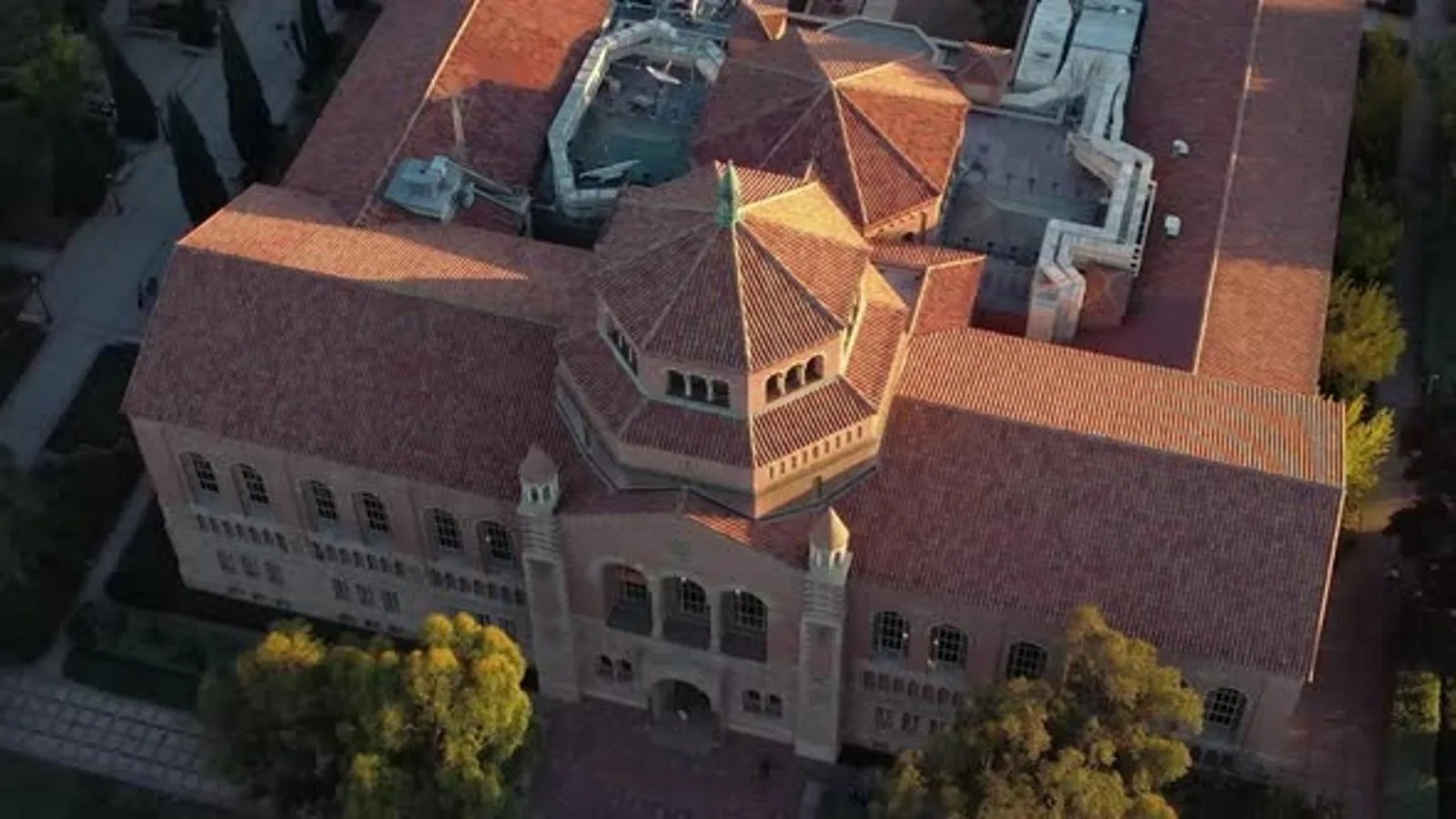
College and University Roofing
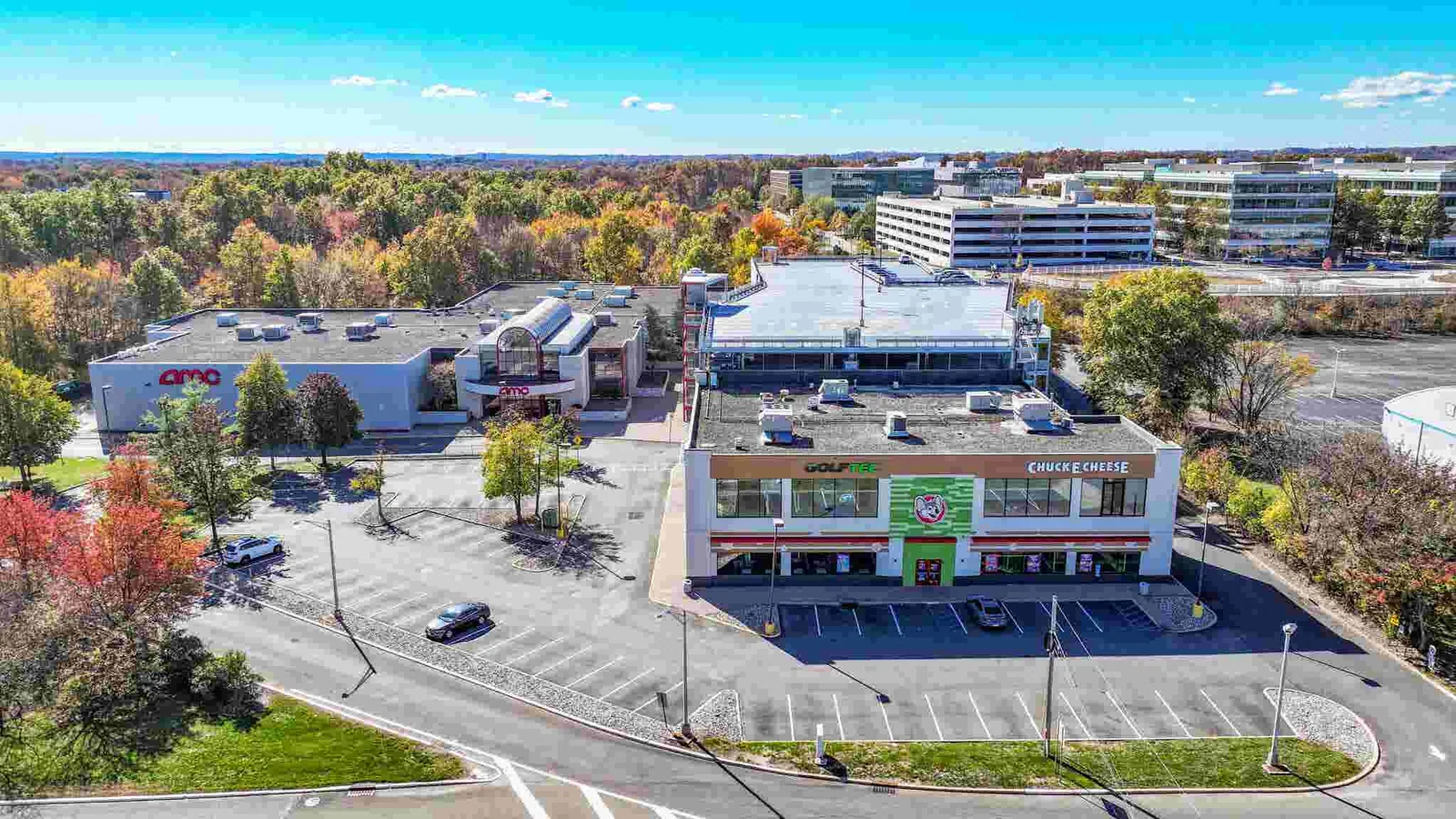
Shopping Center and Strip Retail Roofing
Big-Box Retail Roofing
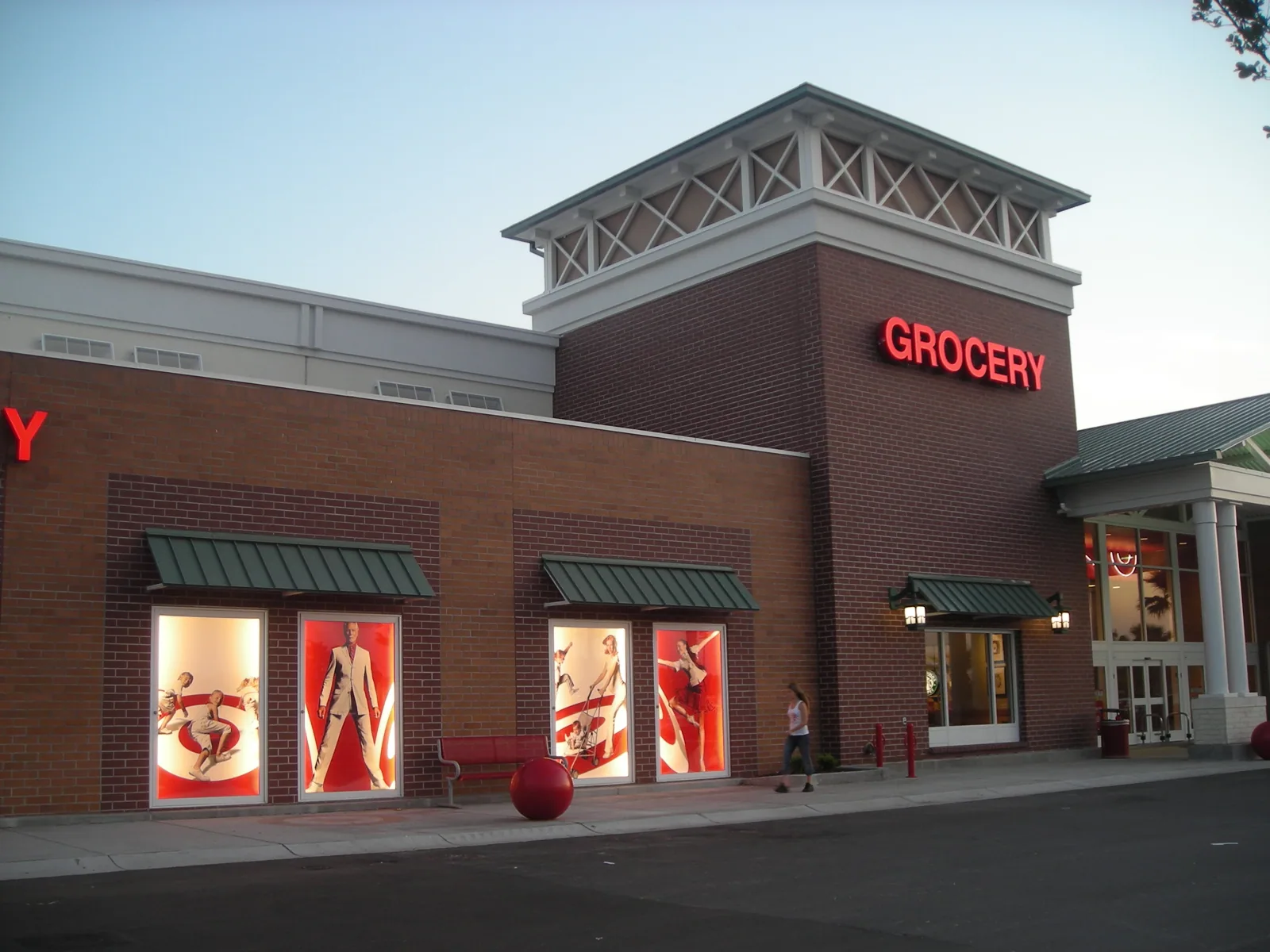
Grocery Store and Food Retail Roofing
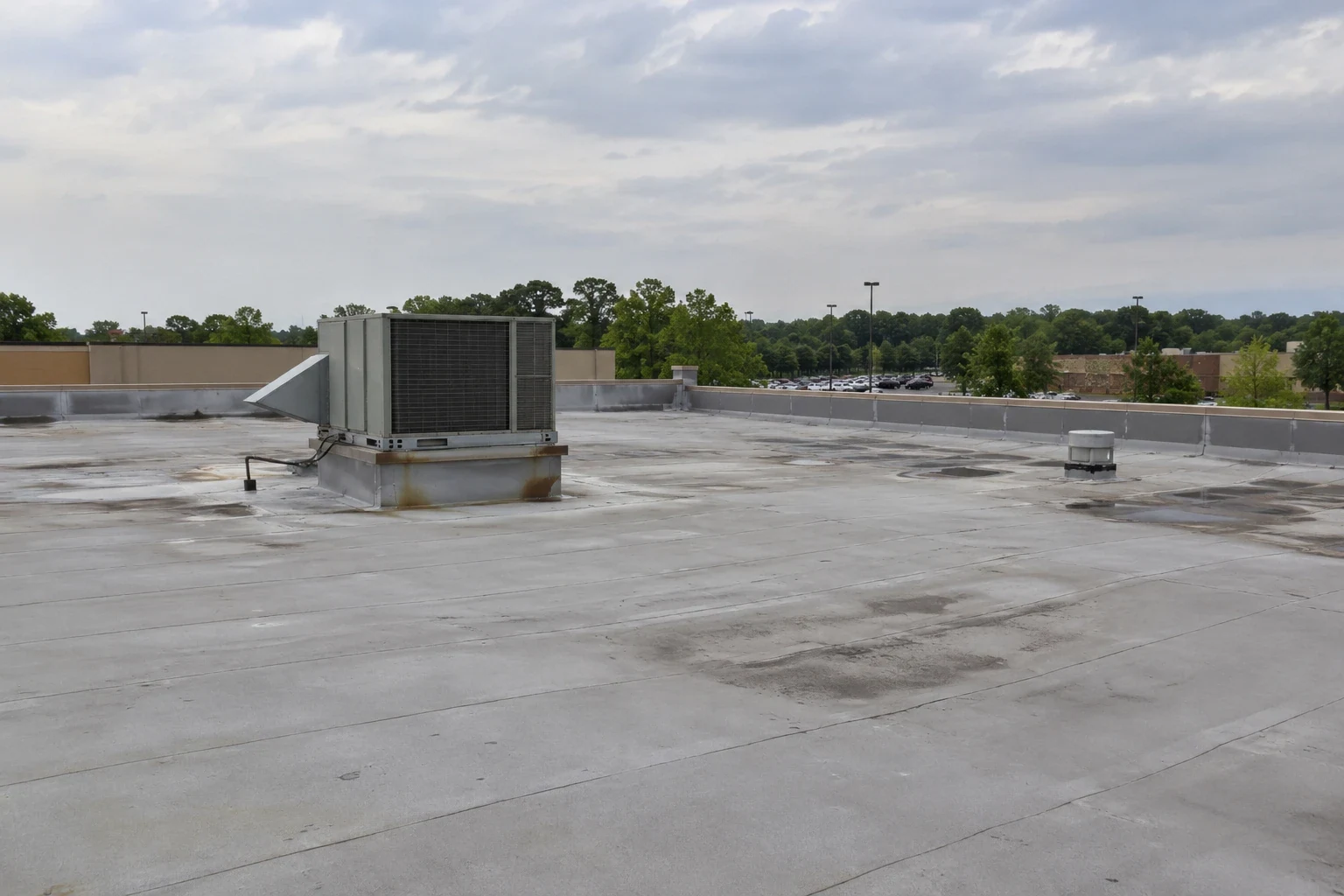
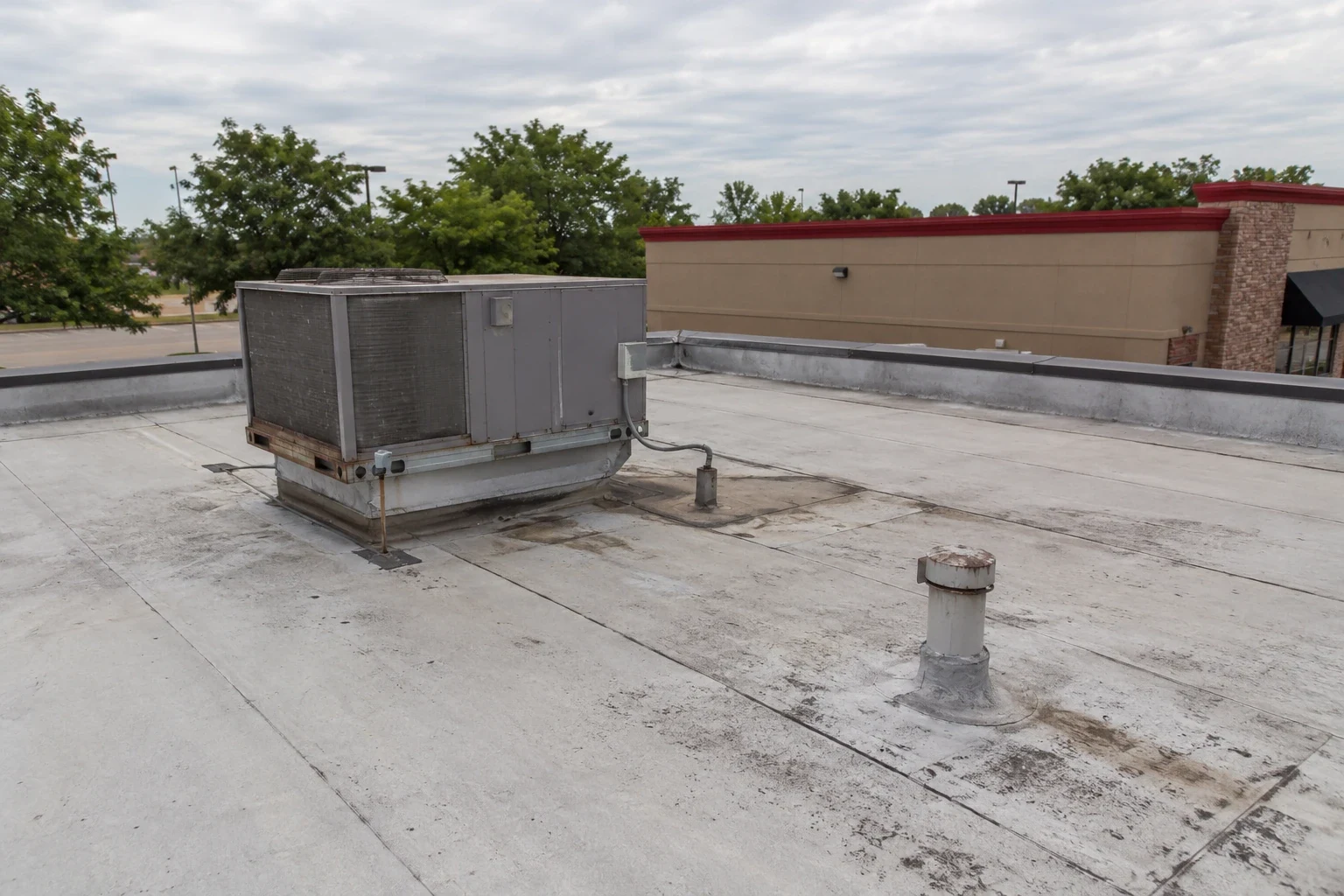
Restaurant and Commercial Kitchen Roofing
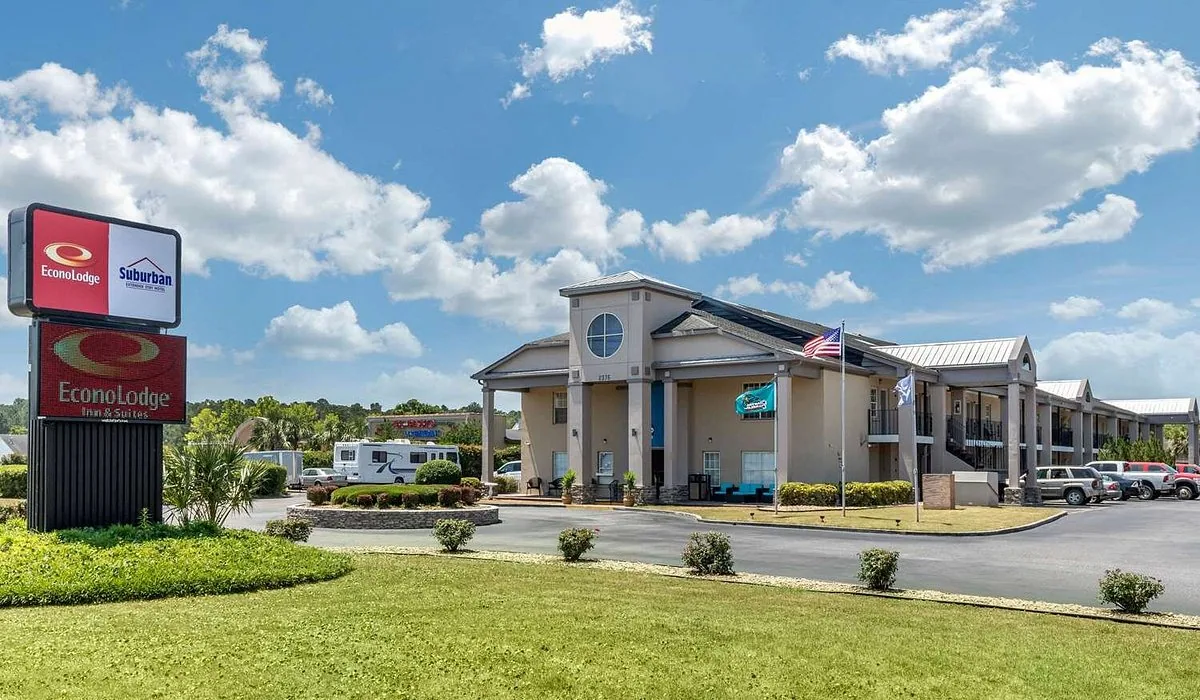
Hotel Roofing
Apartment and Multifamily Roofing
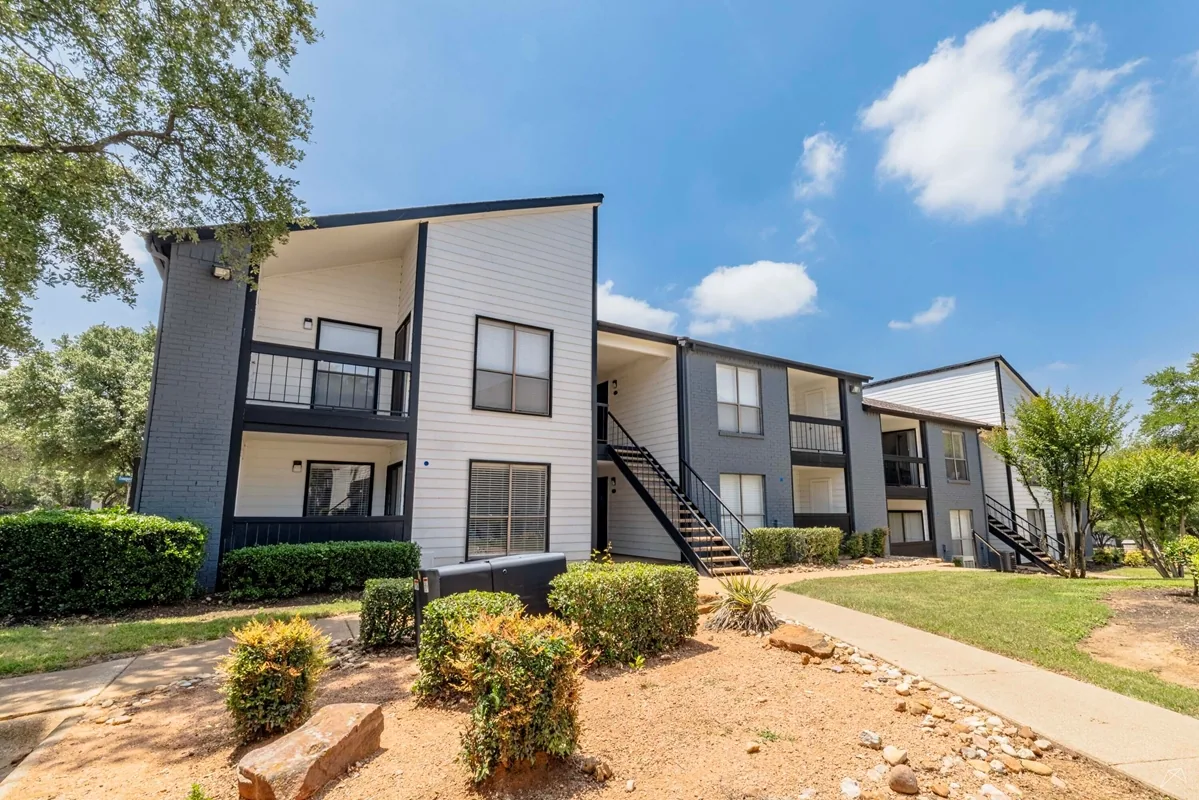
Senior Living Community Roofing
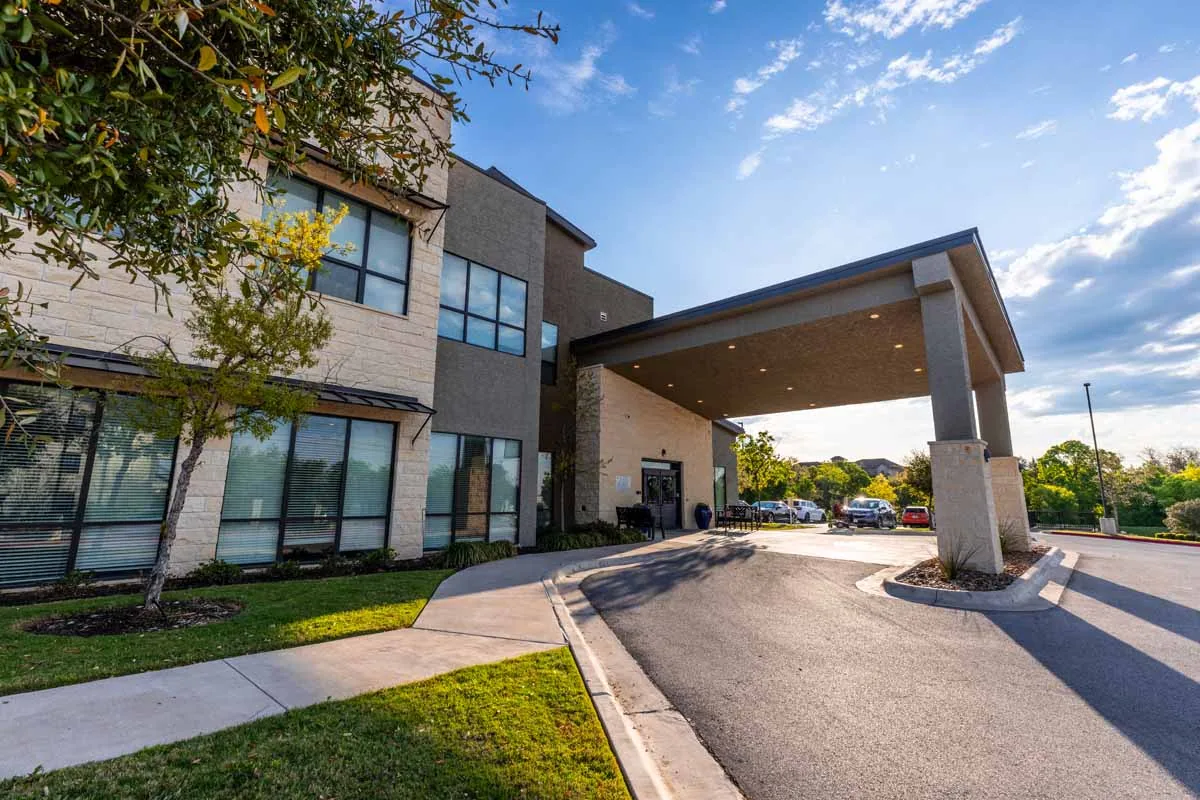
Church and House of Worship Roofing
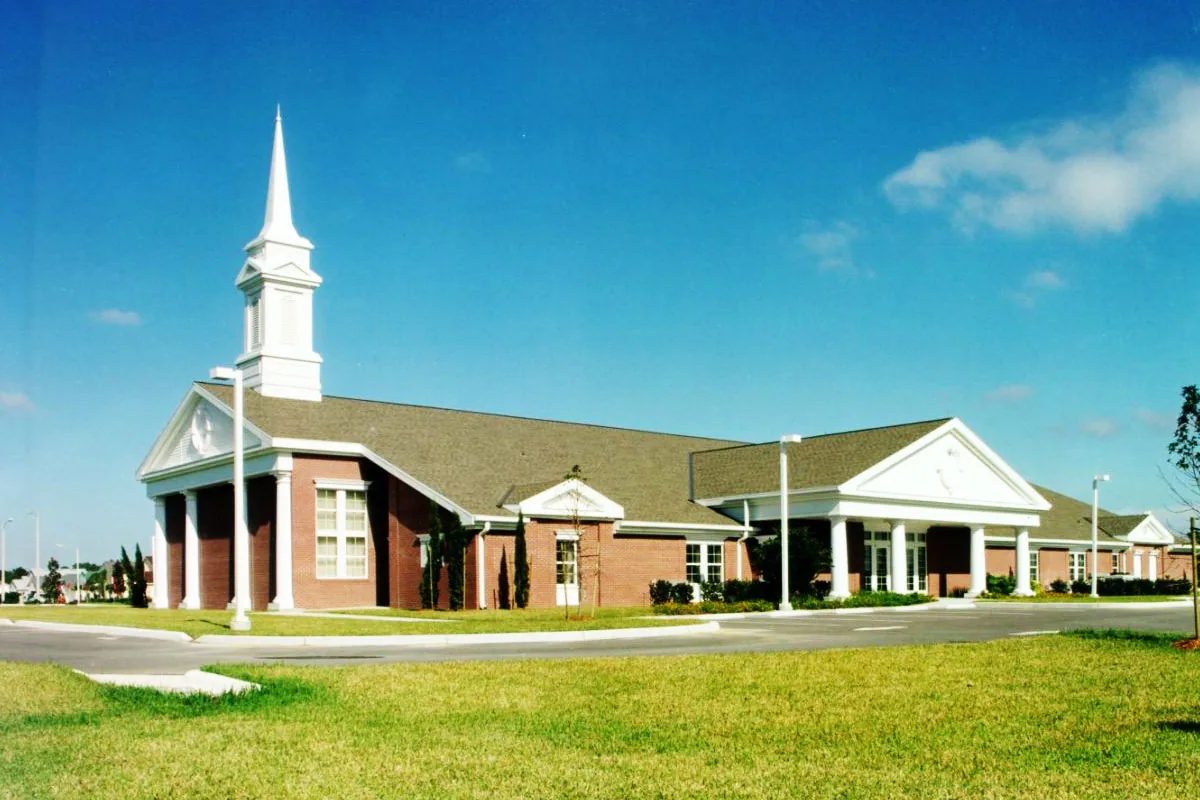
Government and Municipal Building Roofing
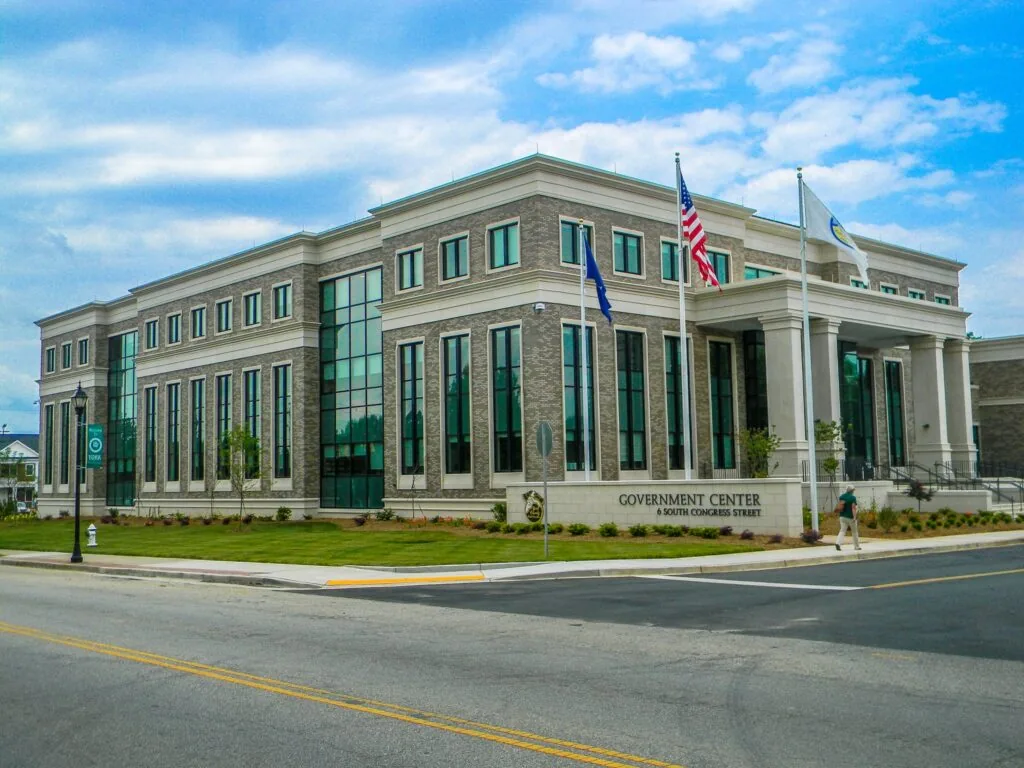
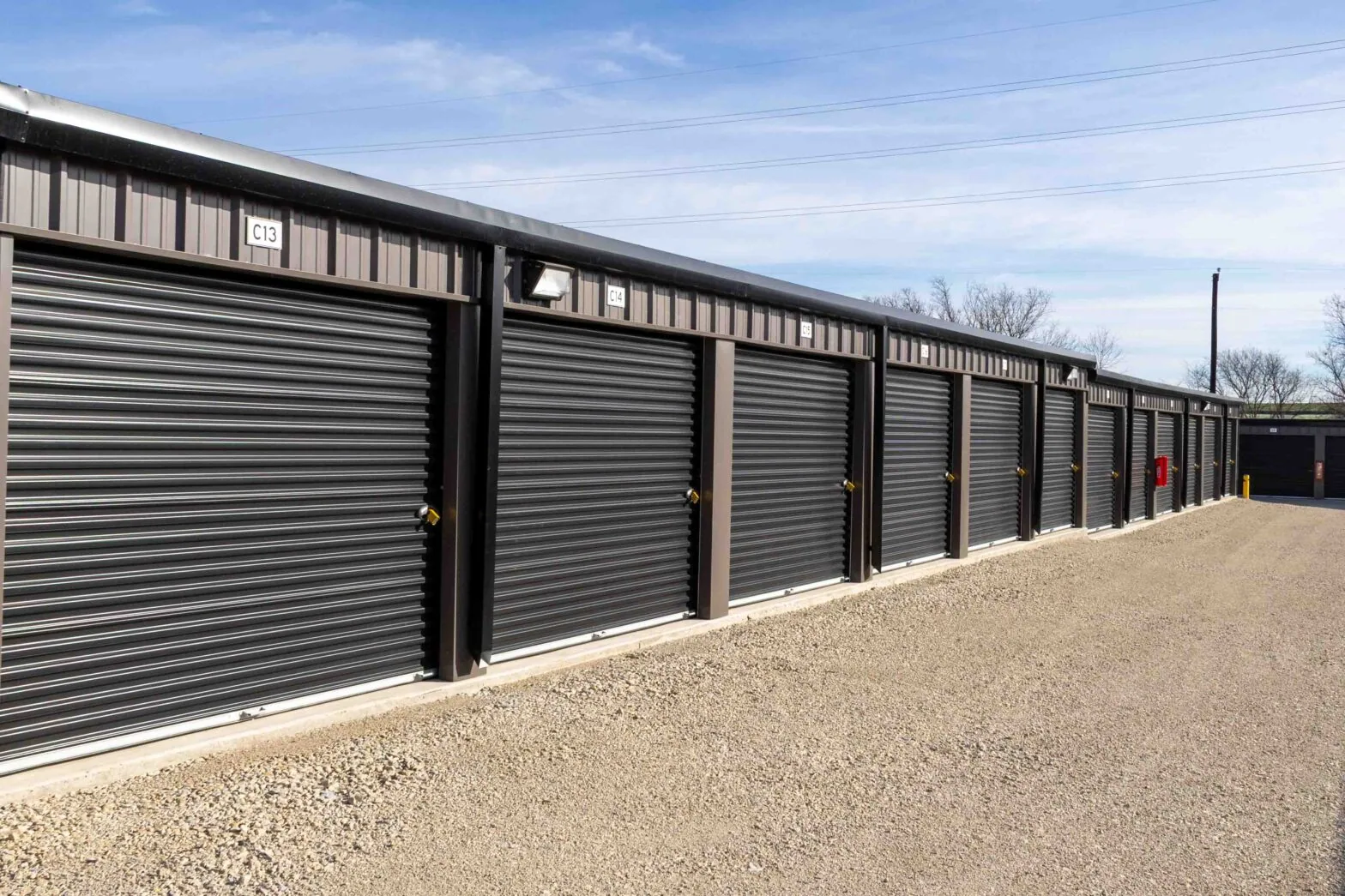
Self-Storage Roofing
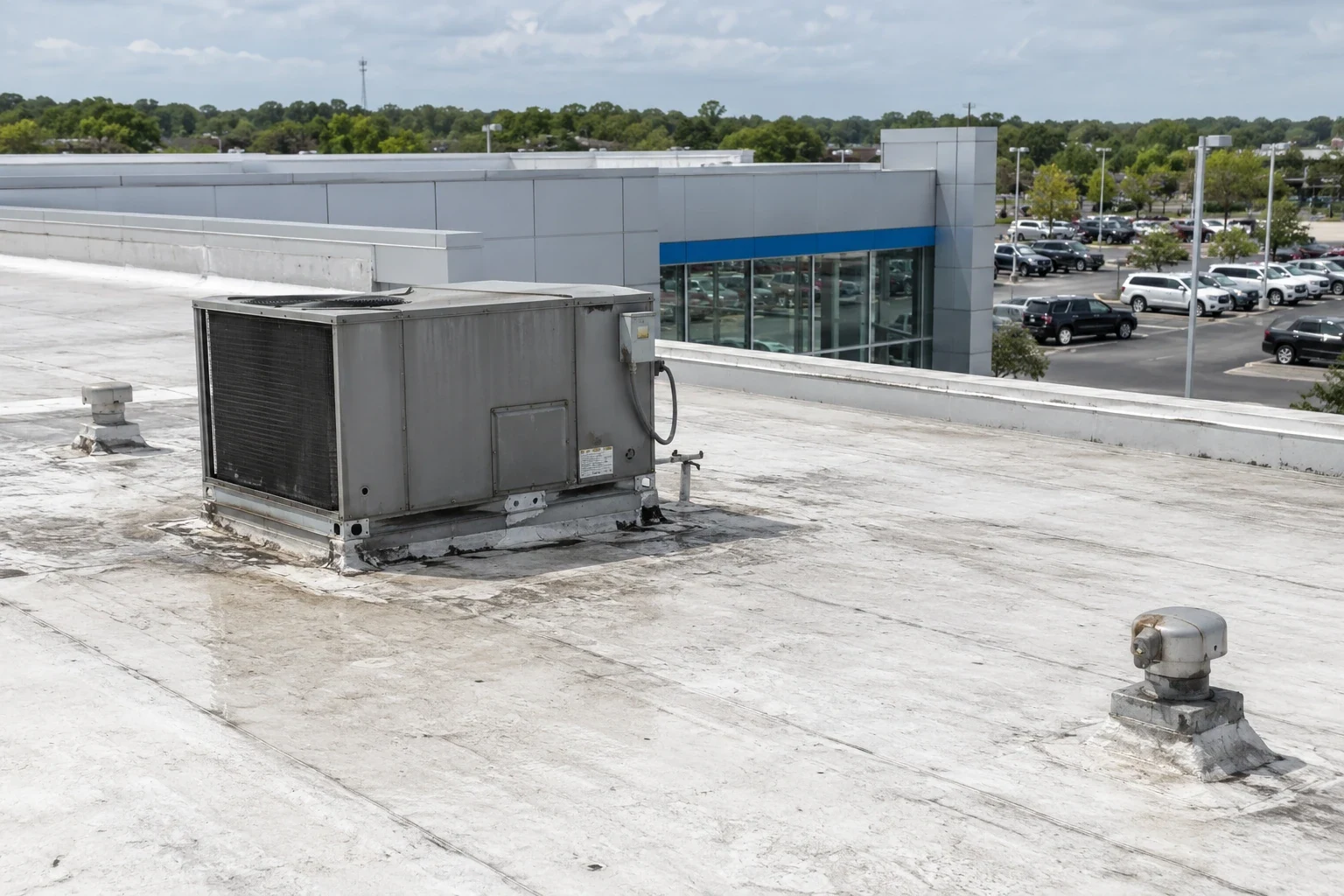
Auto Dealership Roofing
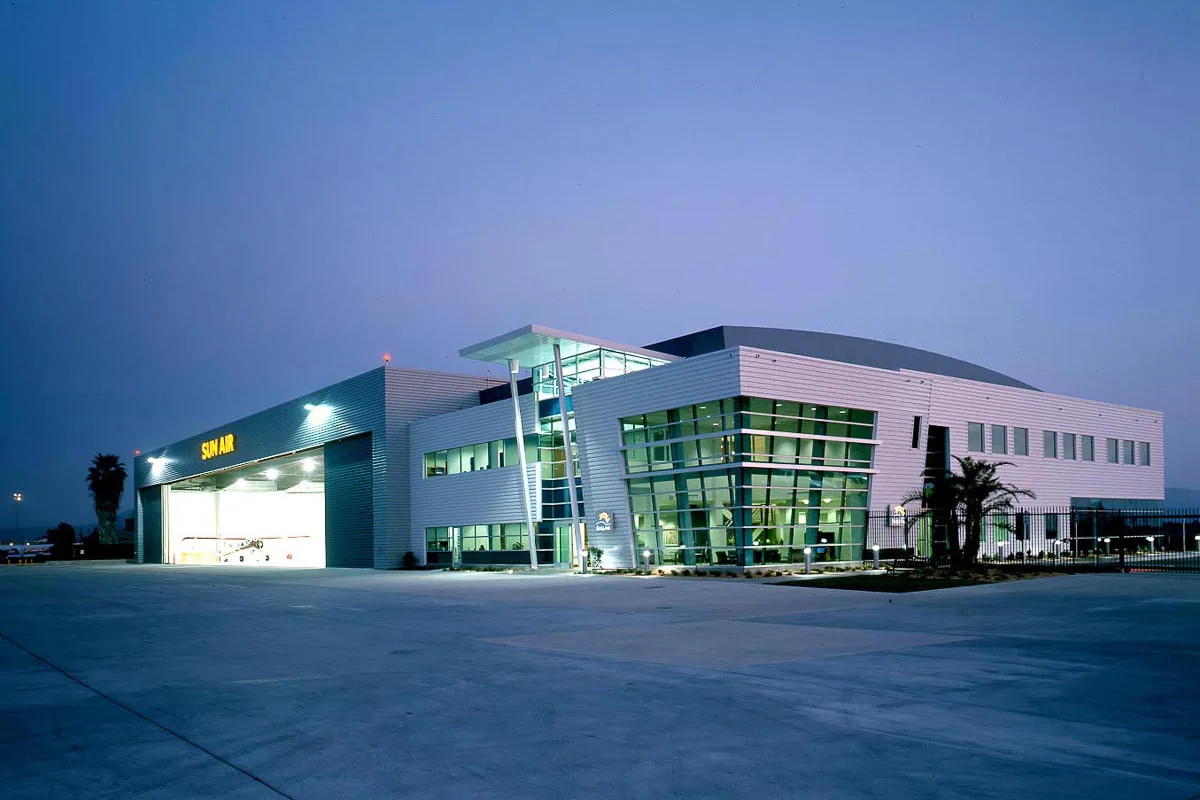
Aircraft Hangar and Aviation Building Roofing
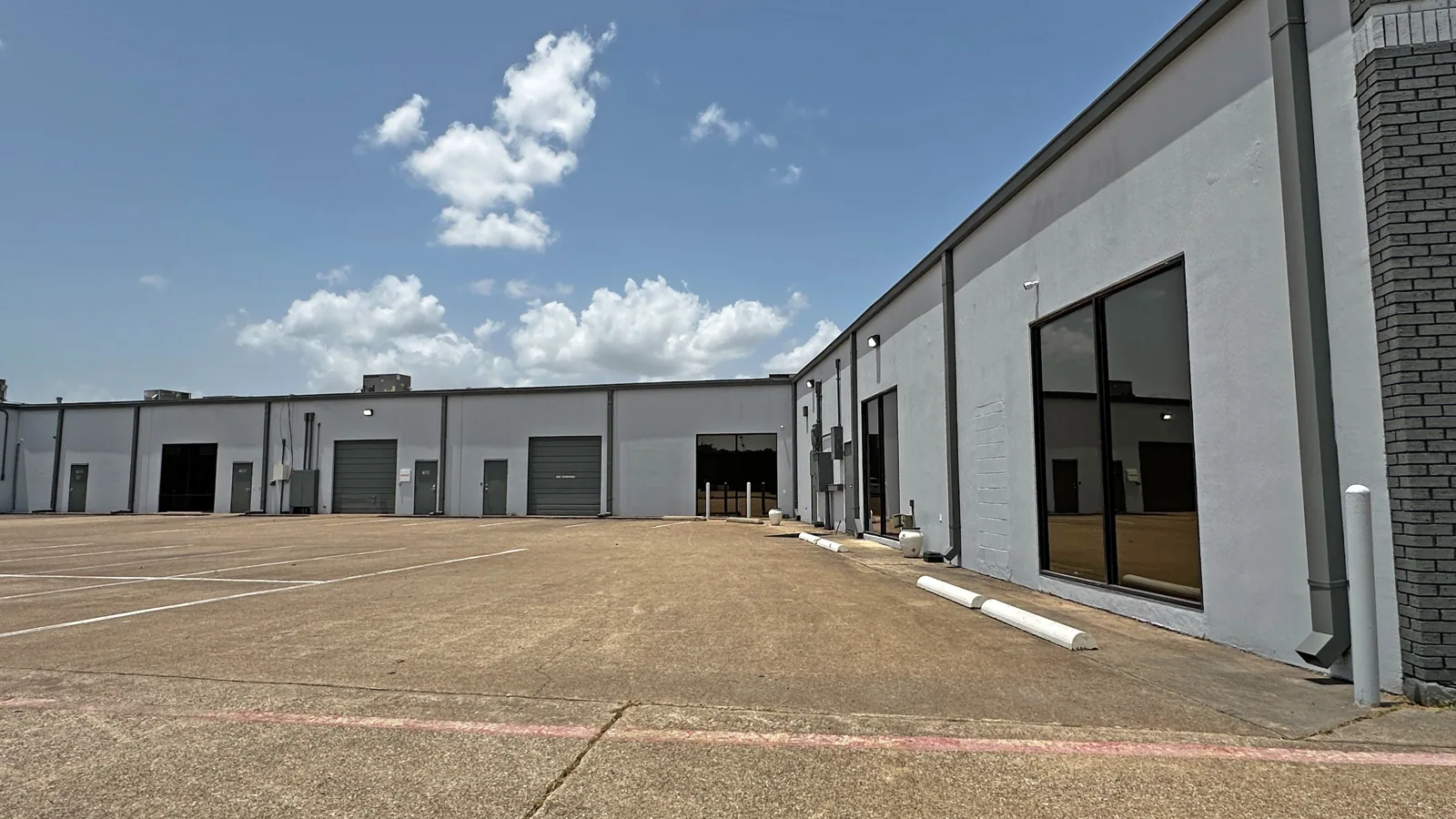
Flex and Light-Industrial Roofing
Gym and Fitness Center Roofing
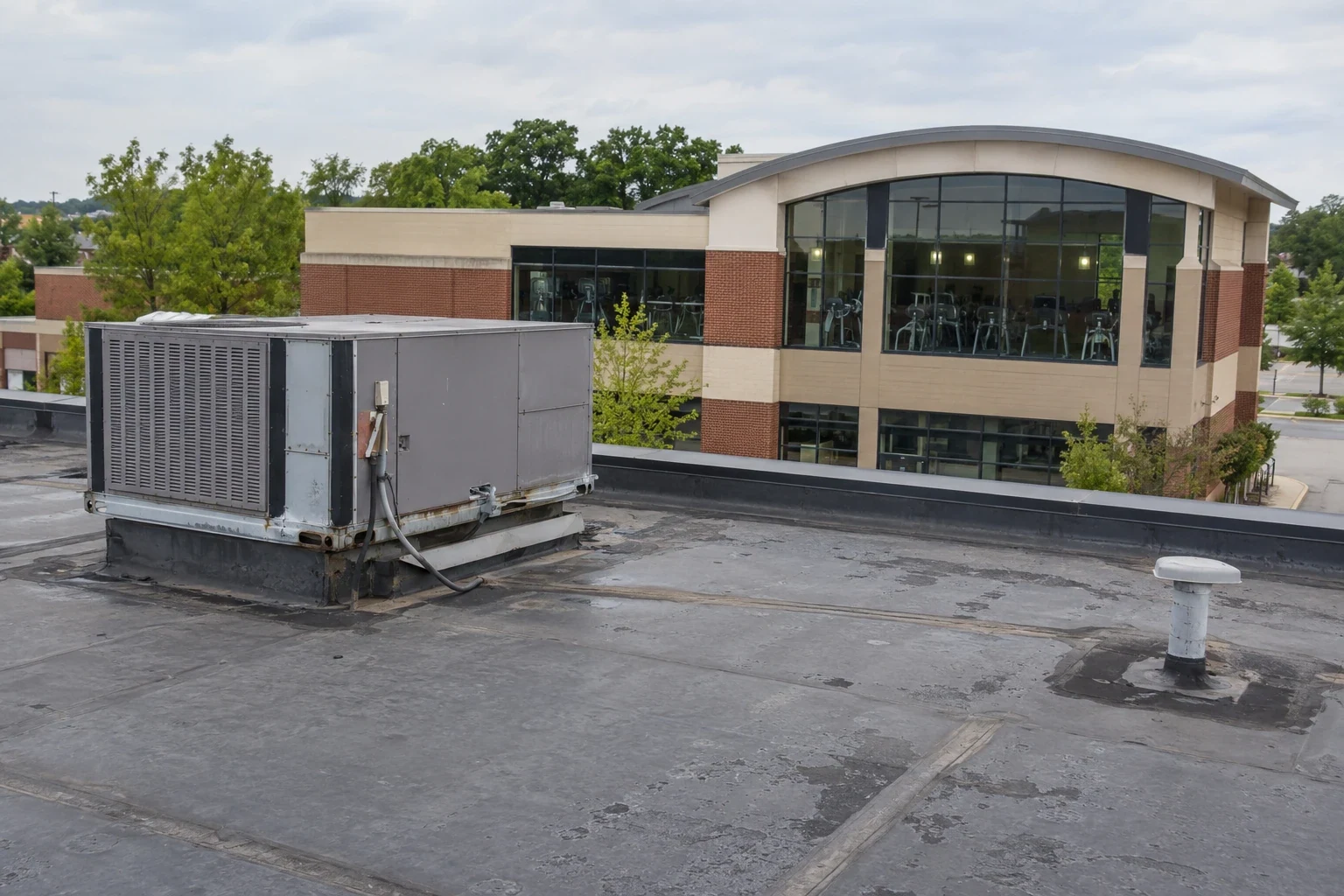
Air Force Base Building Roofing
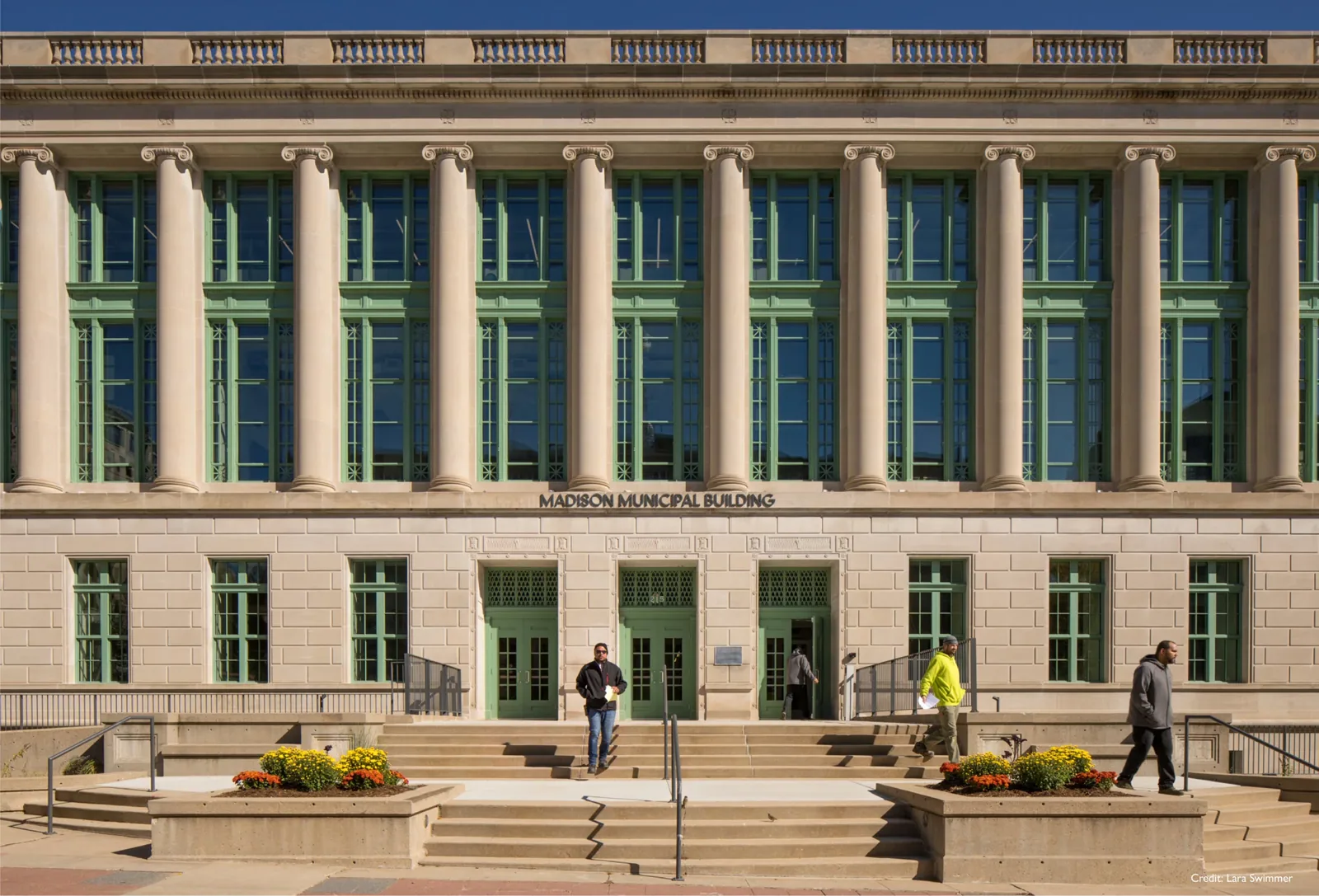
National Guard Armory and Readiness Center Roofing
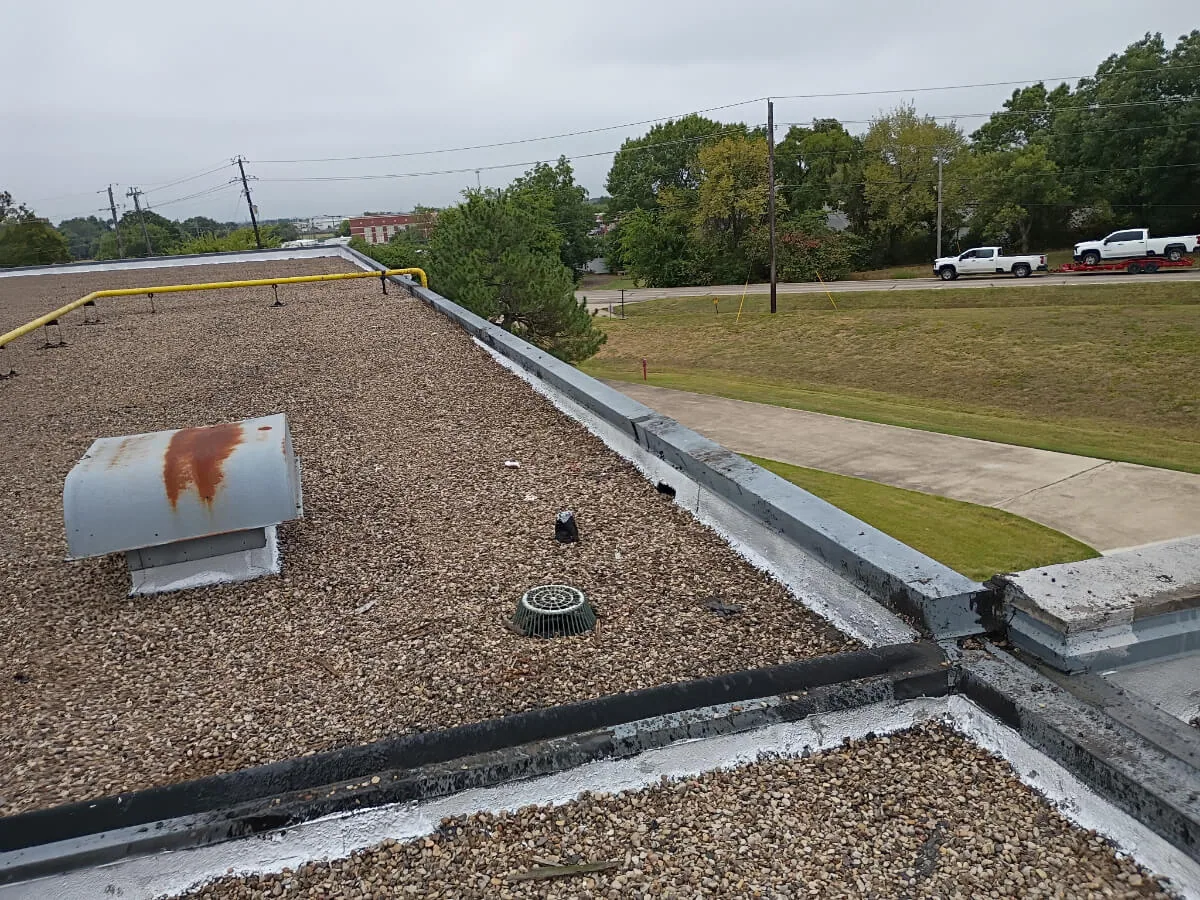
Barracks and Military Housing Roofing
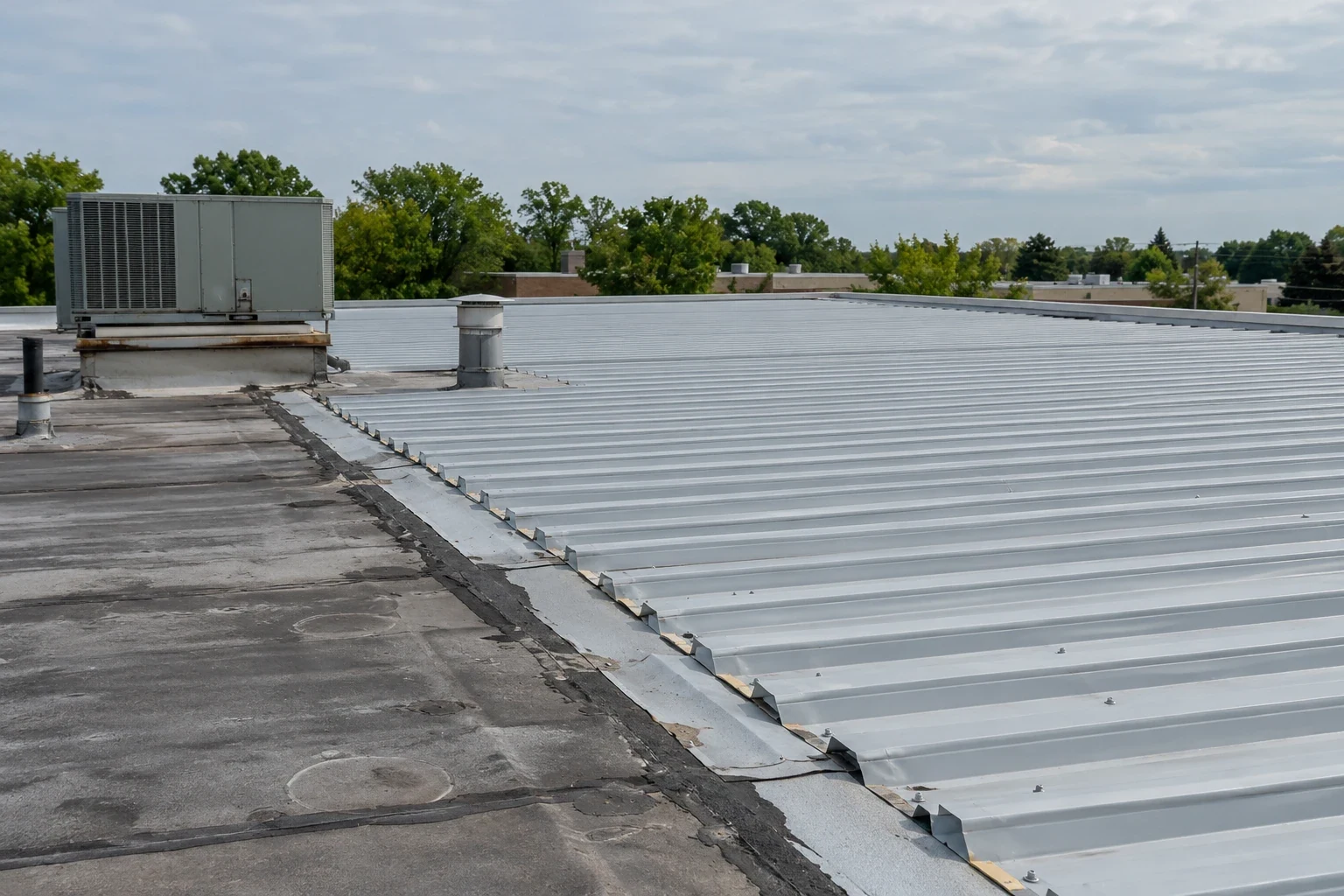
VA Clinic and Medical Facility Roofing
More detail
More About Property Types We Roof
Identify what needs protection below
Before work starts, we ask which rooms, production lines or storage areas sit below the repair. The answer shapes interior protection, access routes and the order of material removal. We coordinate with the property manager on loading, tenant hours and equipment service. A roof opening is limited to a section the crew can close safely. That keeps a leak response from disrupting more space than the roof condition requires.
Our warehouse roof inspections consider loading and storage access. A hotel roof plan considers guest circulation and room protection. Neither property label establishes a roof system or condition.
Verify the assembly instead of guessing
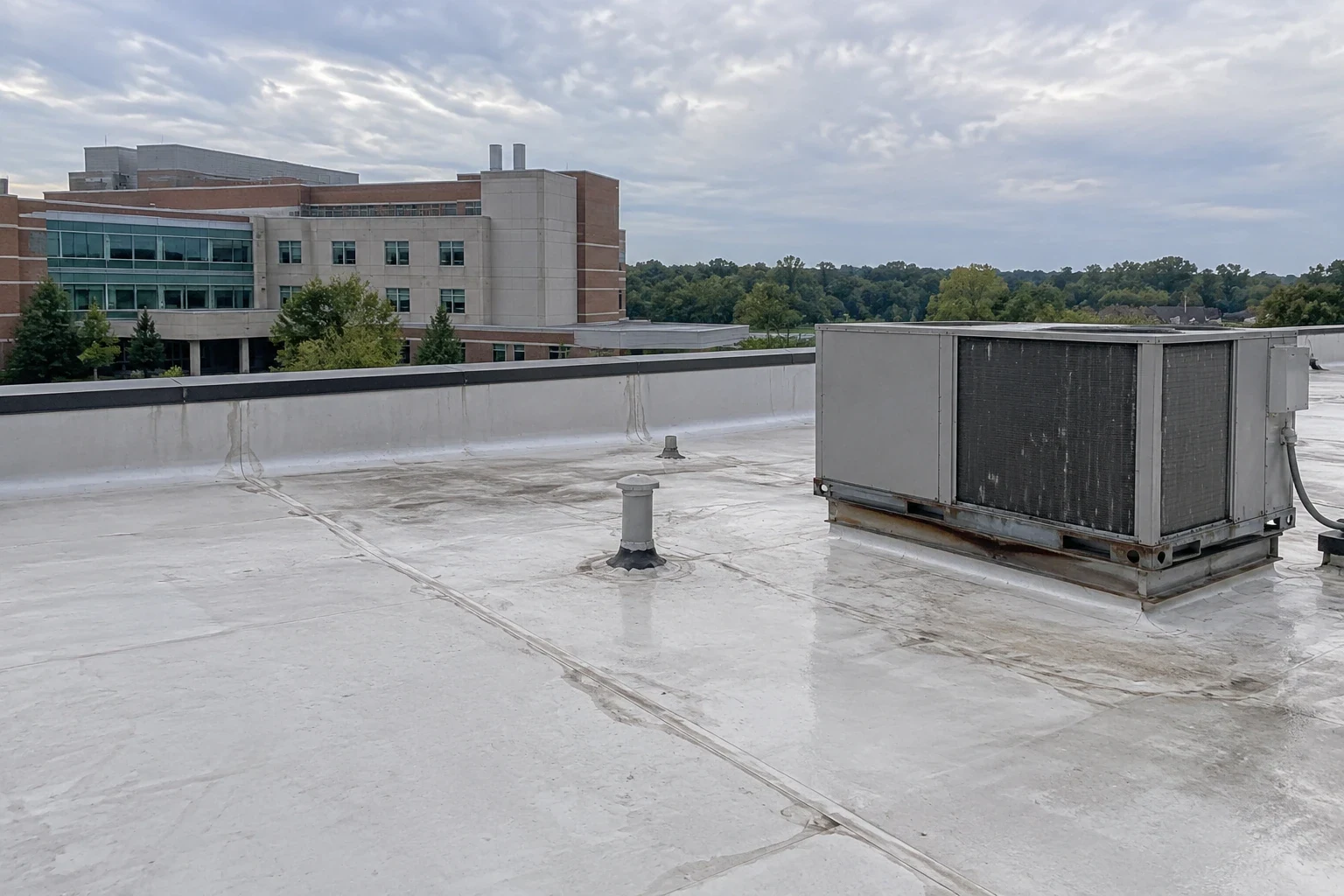
Facility type is context, not a substitute for inspection. We identify membrane, metal, drains, curbs and insulation. A cold-storage roof can require attention to vapor control and thermal continuity. A manufacturing plant may have service penetrations or equipment routes. The crew confirms these features on site before selecting a repair material.
Where the assembly is hidden, a test cut can identify layers and moisture. We record the finding and explain the removal boundary. A written roof inspection separates visible conditions from areas that need further testing. For a manufacturing roof, that record can also support planning around shifts and equipment access.
Use moisture findings to guide the option
A localized defect may be repaired if the surrounding assembly is sound. A recover requires dry, attached material and project approval. A coating needs a compatible surface and stable details. Replacement becomes more practical when moisture or failure extends across the roof. We compare options using the roof evidence, then state the access, removal and insulation factors that affect cost and schedule.
San Angelo summer heat affects surface preparation and installation timing. The work window depends on the chosen system and the roof conditions. A commercial repair can address a limited seam or curb. If the assembly qualifies, coating restoration may be compared with replacement. The written scope describes what will be removed and how the roof will be closed each day.
Keep each building decision separate
Photos, repair locations and moisture results should remain attached to the correct property record. A portfolio manager can then compare risks without assuming one building's conditions apply to another. We document work completed, exclusions and any follow-up item. A condition report supports maintenance planning and budget review.
The Downtown Historic District contains residential and commercial properties. That mix illustrates why nearby location alone does not determine a building's roof needs. For San Angelo properties in the Business & Industrial Park or Downtown area, we inspect the actual assembly and plan around its operation.
Commercial Roofing Questions
Do property types determine which roof system you install?
No. We verify the existing assembly, deck, drainage, equipment and project requirements. Building use shapes access and protection, while roof conditions guide material choice.
Can you inspect several buildings in one portfolio?
Yes. We document each building separately, then organize findings by urgency and next action. That keeps the portfolio comparison useful without blending distinct roof conditions.
What changes between warehouse and hotel roof work?
Loading and inventory protection may matter at a warehouse. Guest circulation and occupied-room protection can shape a hotel plan. We confirm actual site needs before scheduling.
Does a cold-storage roof need special review?
The roof and wall assembly may affect thermal continuity and moisture control. We verify the system and building conditions before proposing repair or replacement.