Commercial Roofing in Wall, TX
Service Areas
Wall at a Glance
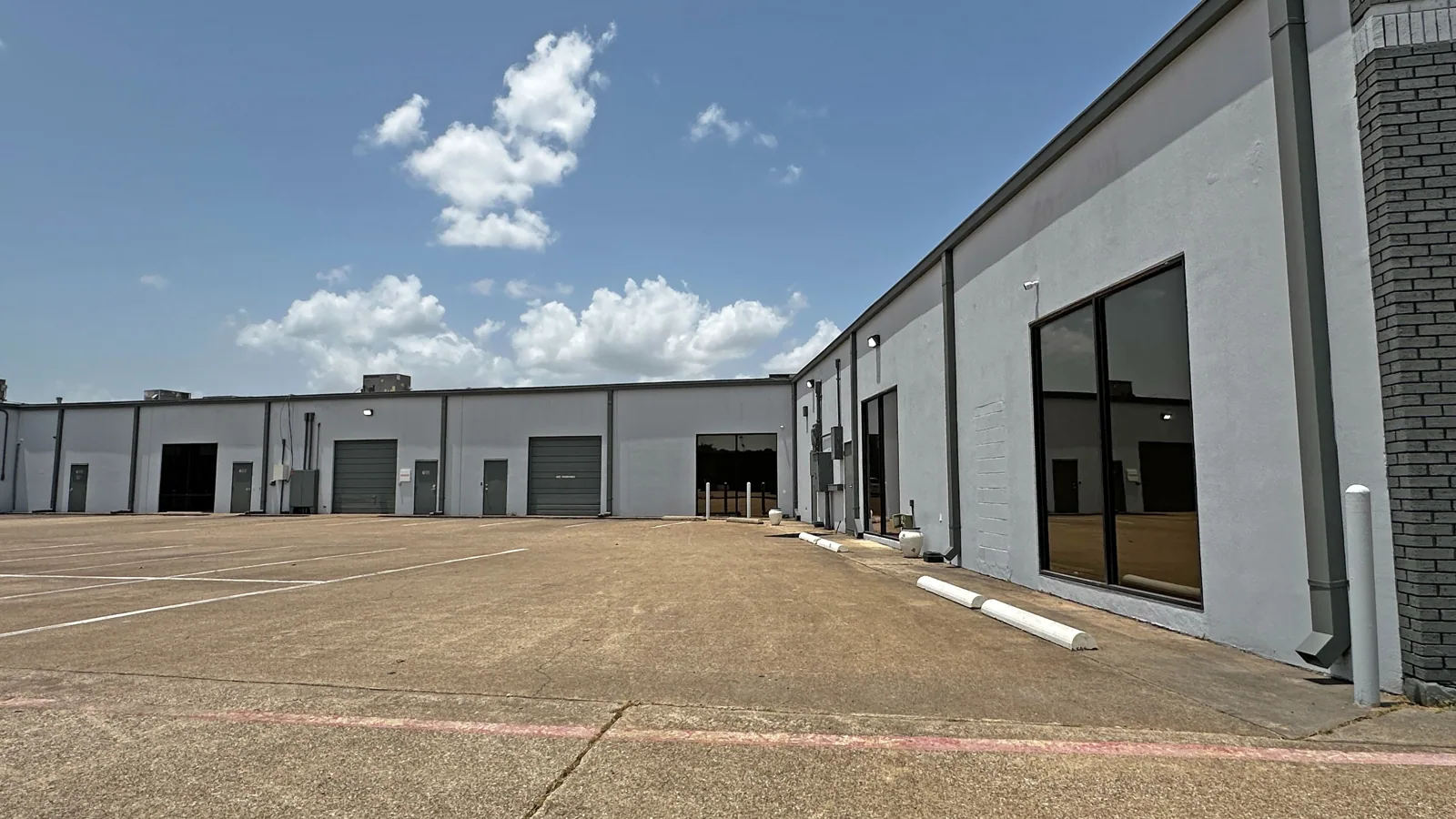
A failed drain connection can turn a narrow roof repair into a question about the receiving insulation and deck. In Wall, we start with the opening and trace the water path before assigning a wider removal allowance. Wall lies on U.S. Highway 87 about ten miles southeast of San Angelo. The Wall Co-op provides cotton ginning, grain storage, farm supplies and fuel services in the community. Those commercial uses bring different hours, deliveries and equipment needs; they do not establish a roof condition for any property. Before an inspection, the site contact confirms access, safe parking, ladder or hatch rules, and any active loading area. We identify the reported interior location, inspect the roof detail above it, and note adjacent conditions that could change the correction. The proposal separates the visible repair from any test opening. If concealed material changes the scope, we document the finding, state a measured addition and request approval before expanding removal. A commercial roof inspection gives ownership evidence for that decision rather than a preset recommendation.
Wall
Map drainage and material transitions
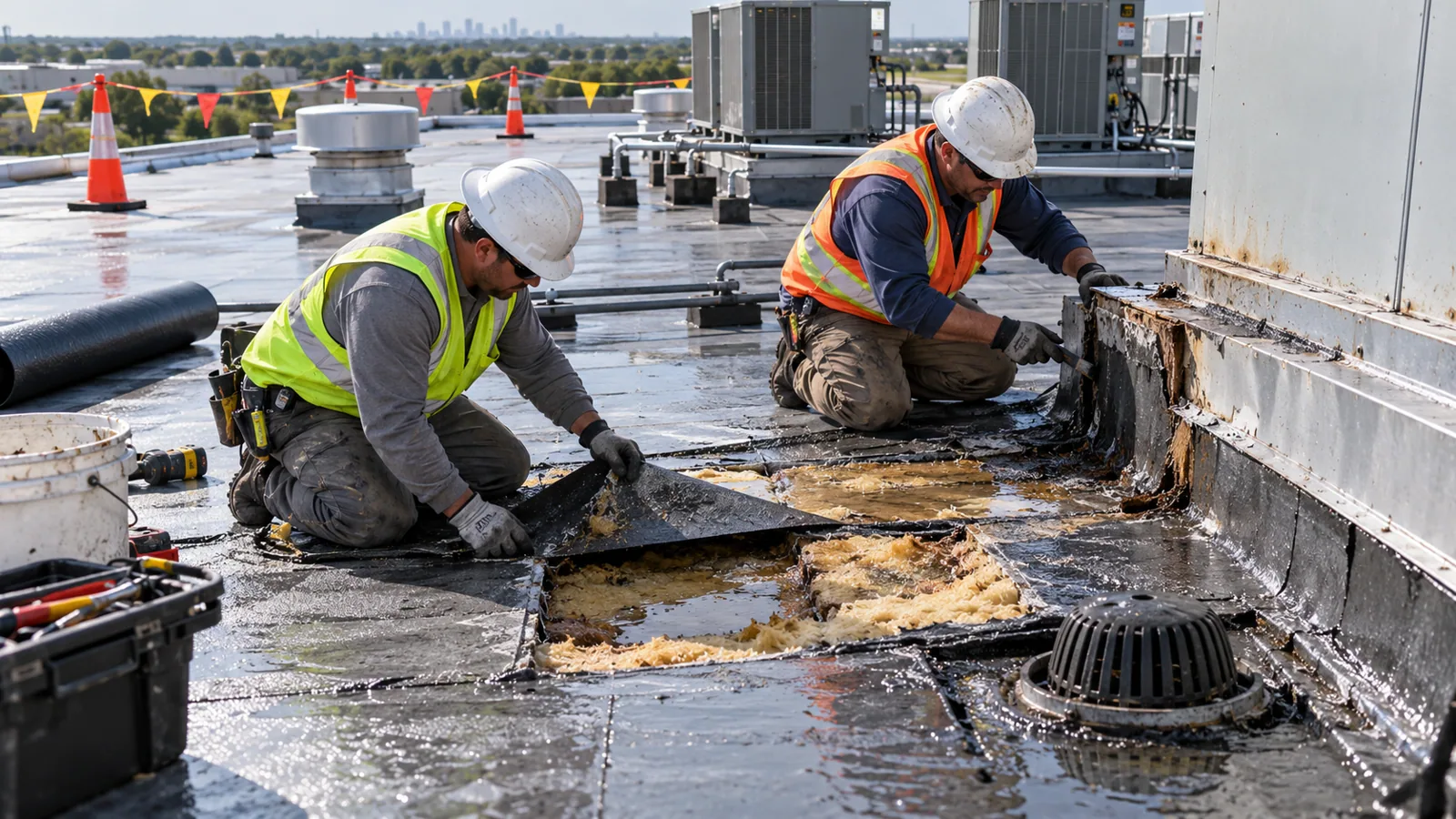
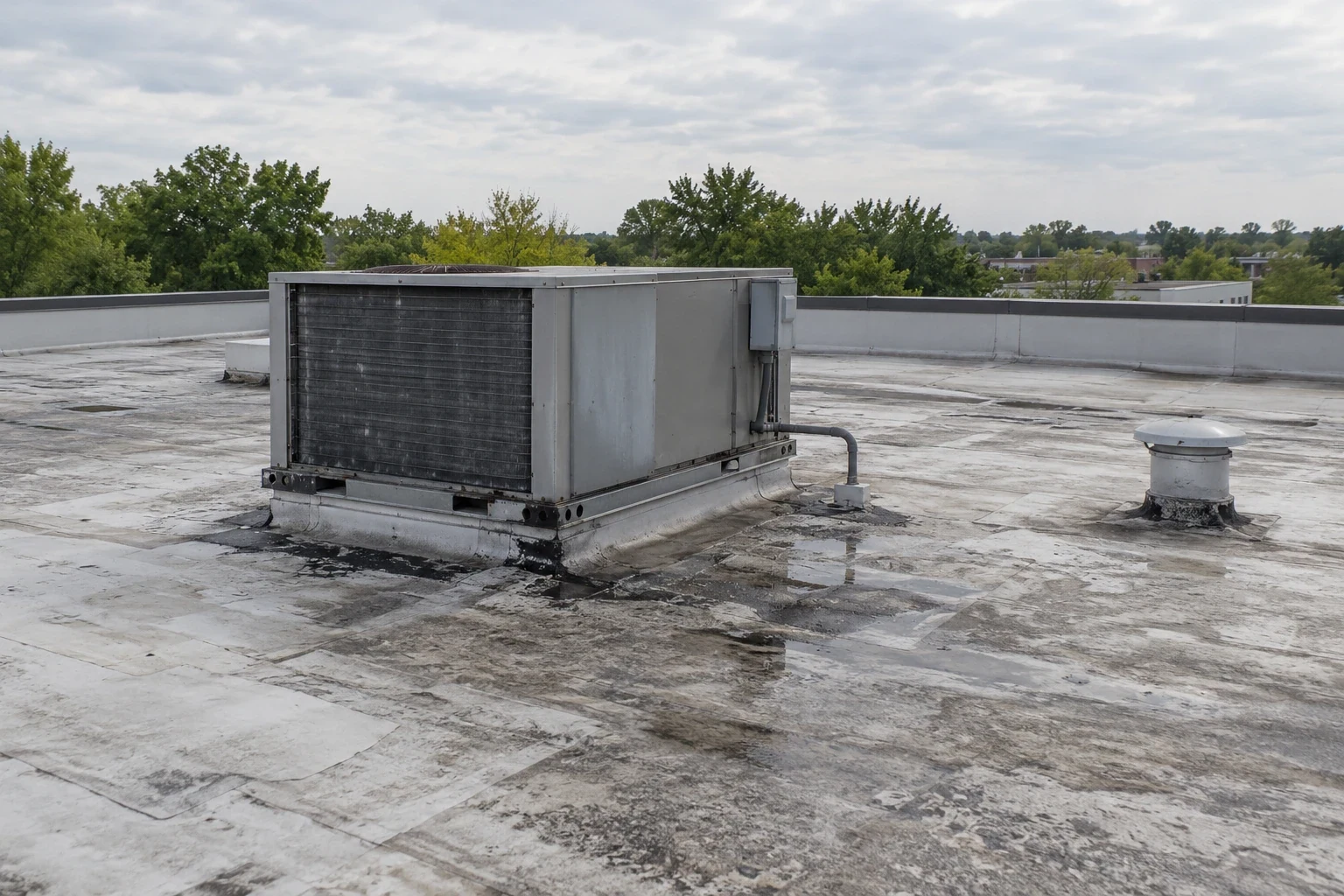
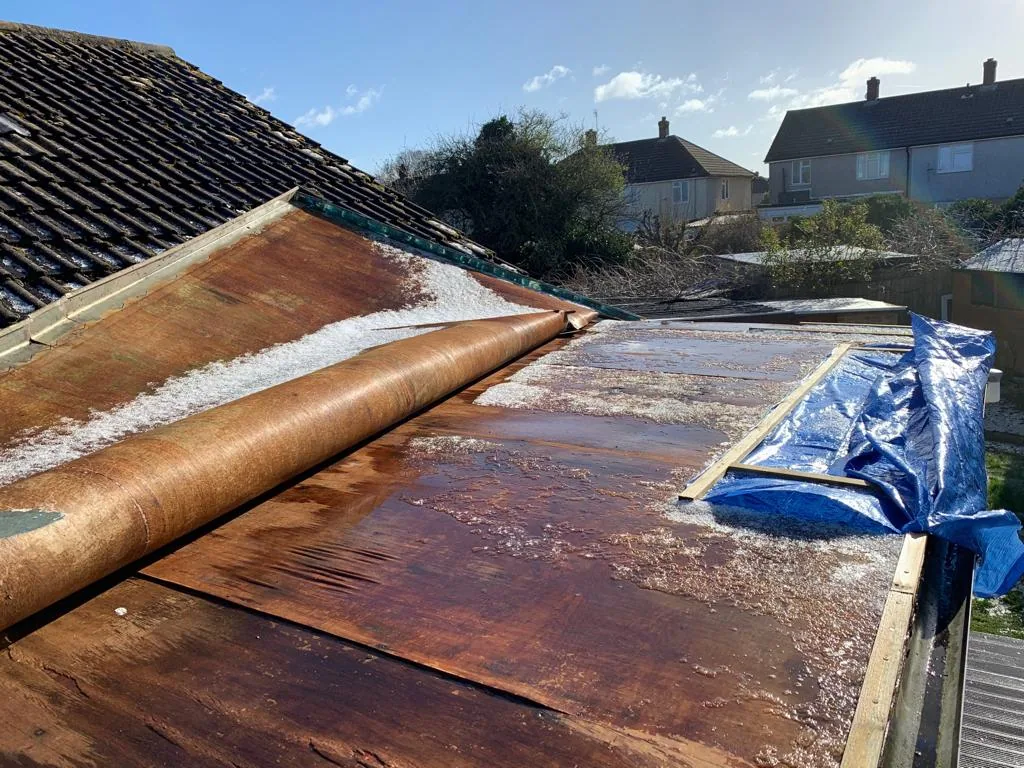
Water near a drain may enter at the bowl, a nearby seam, a penetration or an upslope edge. We inspect the detail from the roof side, then compare it with interior reports and repair history. The drain itself may be sound while the adjacent membrane has separated. Conversely, a clogged path can leave water standing long enough to expose a weakness that needs a different correction. We record the visible condition, roof material, attachment and receiving surface. A drain or scupper repair should identify whether the correction includes a clamping ring, flashing, conductor or local membrane work. The estimate states what is included and what remains outside the boundary. When moisture beneath the surface is possible, an owner-authorized opening gets a separate allowance and closure detail. We photograph the exposed layers and measure the affected area before the scope changes. That record helps the manager compare a focused repair with a broader section without treating uncertainty as confirmed damage.
Price the drain or seam that changes the work Send the Wall property location, reported roof condition, operating window and available repair records. We will inspect the affected area and define included work, access needs and any opening allowance.
Wall
Consider the operating day
Facilities connected with grain storage, farm supplies, fuel or local retail may have truck movements and delivery windows. A property in Wall has different access conditions from Downtown San Angelo or the Cultural District. Those comparisons help frame the need to confirm each location; they do not establish schedules, roof construction or occupant needs at a Wall address. We confirm actual operations with the property contact rather than assume every Wall site follows the same schedule. The route below the work area, equipment clearances and material staging can affect a safe repair. The manager identifies whether a receiving lane must remain open, whether work needs separation from occupied rooms, and who can approve a temporary closure. A repair is sequenced so that removal, temporary protection and permanent tie-in have named stop points. The crew does not leave an exposed section at the end of a shift. Where active operations cannot pause, phased occupied-building work can reduce the area exposed at once, subject to actual access and weather conditions. The schedule records what the crew can complete in one work period and which approvals must be available before concealed material is opened. An agriculture-linked operator may also need to protect a seasonal work window or a route used by service vehicles. We ask the site contact which movements cannot be blocked, what time a delivery may arrive and where a lift or debris container can stand. If those conditions restrict staging, the proposal should price the actual mobilization method rather than hide it inside an undefined allowance. A short coordination call can identify the representative authorized to pause work if a lane, gate or roof condition changes. The manager receives a daily update with the completed area, any temporary protection and the next decision required. This record helps separate a production delay from a concealed roof condition and gives ownership a clean basis for rescheduling or releasing added work.
Wall
Review heat and storm evidence
The July climate record shows typical San Angelo daily high values between 96 and 99 degrees Fahrenheit. Heat affects worker exposure and the timing of work on sun-exposed materials. It also makes movement at long metal edges and exposed fasteners worth checking when those details are part of the requested repair. The surface condition still has to be observed. The May 2020 San Angelo report documents hail damage to homes and vehicles. It provides regional context, not evidence about a Wall commercial roof. If the owner requests a post-storm review, we photograph roof areas by location and distinguish visible impact from ordinary aging, traffic or earlier patching. A hail-damage inspection does not establish insurance coverage or predict a carrier's decision. It documents what can be seen and what remains unresolved. That separation is useful when the property needs a repair now while ownership gathers records for a separate claim decision.
Wall
Separate a local repair from renewal
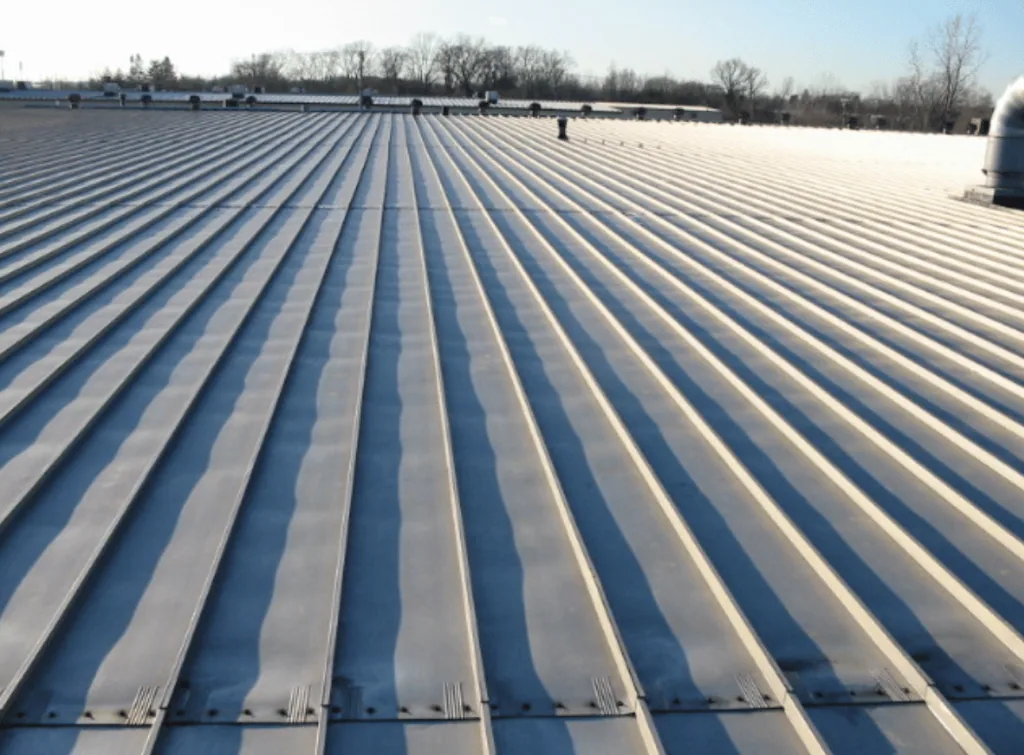
A narrow seam or drain correction can remain contained when adjoining material is stable and the new work has a suitable receiving surface. If repeated leaks, wet insulation or failed attachment extend beyond that area, ownership can compare section replacement or reroofing. We define the observed extent first. A standing-seam metal roof has different movement, clips and panel conditions than a membrane assembly. A coating is not a substitute for repairing an unstable substrate or open detail. We review the existing roof type, drainage pattern, edge termination, penetrations and any prior layers before recommending a system. If the findings do not support a larger scope, the written proposal keeps the repair local. It can identify maintenance observations without turning them into immediate work. The owner receives included tasks, exclusions, opening allowances and the condition that would change the comparison. This keeps the funding choice tied to visible roof evidence.
Wall
Close with a documented boundary
Before work begins, the property representative confirms who can release added removal and how quickly that approval can be reached. We can provide photographs, measurements and a short description of the exposed layer so ownership has a usable decision point. The crew protects the opening while waiting and does not treat a verbal request to investigate as automatic authority for expanded permanent work. At closeout, the record identifies the repaired detail, materials installed, remaining concealed area and any follow-up item. Where preventive attention is appropriate, a maintenance visit can review drains, seams and perimeter connections on an agreed schedule. It should list observed items and price corrective work separately. For properties with more than one roof, the multi-site roof program can organize records by building, while each repair remains tied to its own evidence and approval. The decision package stays specific to the Wall property requested.
Questions and answers
Questions About Wall
Does standing water prove that the roof membrane has failed?
No. We inspect the drain, adjacent seams and surrounding surface, then document the entry condition that supports a repair.
Can the crew keep a loading or receiving lane open?
We confirm the property schedule, staging limits and protected route before setting the work sequence. Conditions may require a temporary closure.
Does the 2020 San Angelo hail event establish damage at a Wall property?
No. It is regional context only. An inspection must document the conditions visible on the requested property.
What happens if a test opening reveals wet insulation?
The crew records and measures the material, secures the opening, and requests approval for added removal before extending the permanent repair.