Commercial EPDM Roofing in San Angelo, TX
Roof Systems
Commercial EPDM Roofing at a Glance
Dust beneath a repair tape can interrupt its bond to rubber membrane. Pressing the tape again does not remove that contamination. EPDM roofing in San Angelo, TX requires preparation suited to the material. We examine the bond surface, seam and surrounding sheet. A connection repair needs compatible components and the required application conditions. The visible edge should be assessed alongside the assembly it joins.
Commercial Roofers San Angelo repairs and installs EPDM commercial roofing. The San Angelo Cultural District includes manufacturing, retail and nonprofit buildings. A roof project for an occupied property there needs access and operating requirements considered. We inspect the existing membrane and determine which construction can remain. Tracing an active roof opening connects the repair decision to the failed detail rather than the room where water eventually appears.
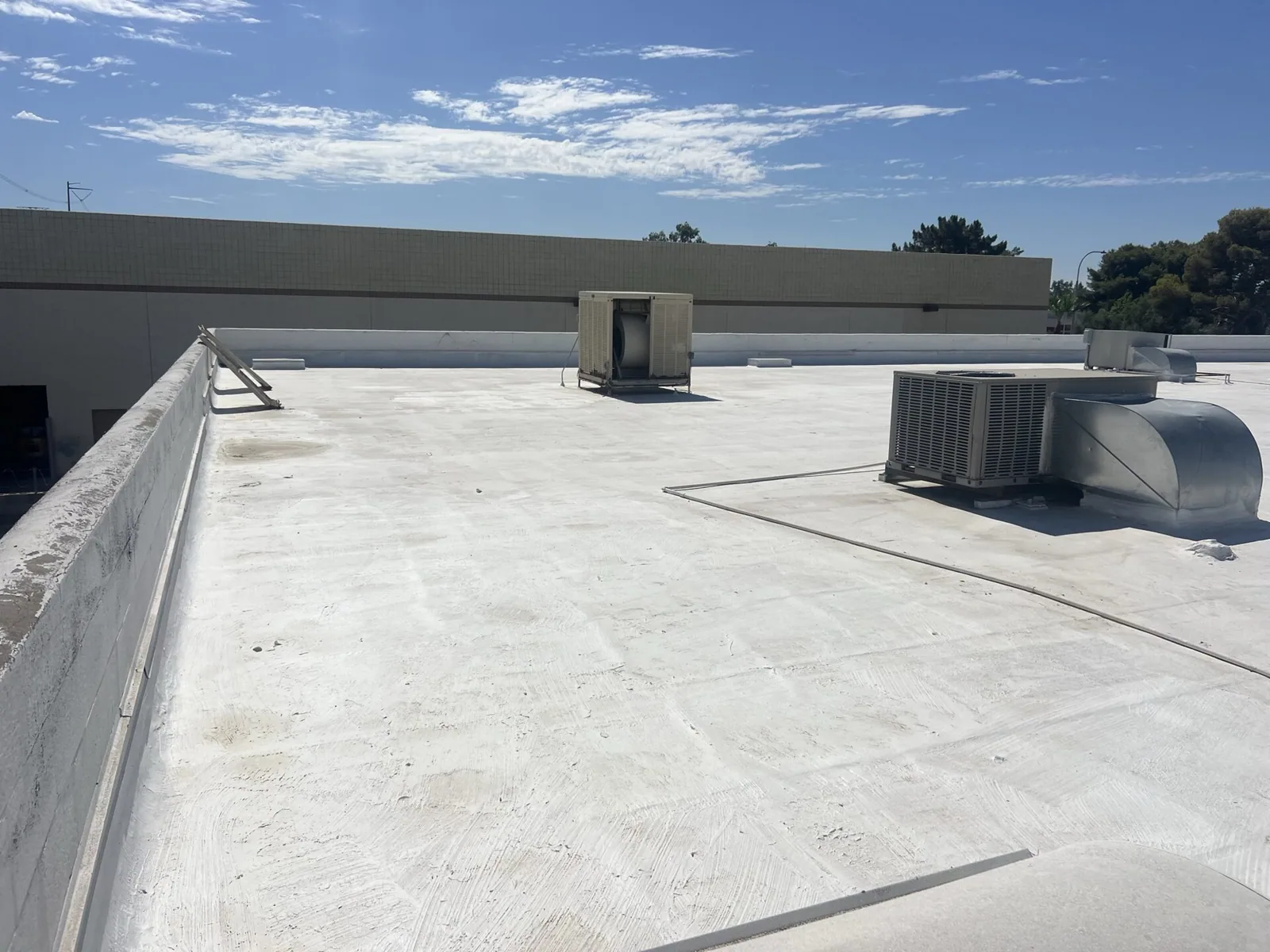
Commercial EPDM Roofing
Restore the bond surface before joining the repair
EPDM connections use compatible adhesives, primers, tapes or flashing components. The selected detail determines the preparation and application procedure. We clean the material and assess its condition before bonding. A weathered surface may need specific treatment to accept the repair. Primer and adhesive require the appropriate application conditions. Moisture or contamination can interfere with a connection that looks properly pressed from above.
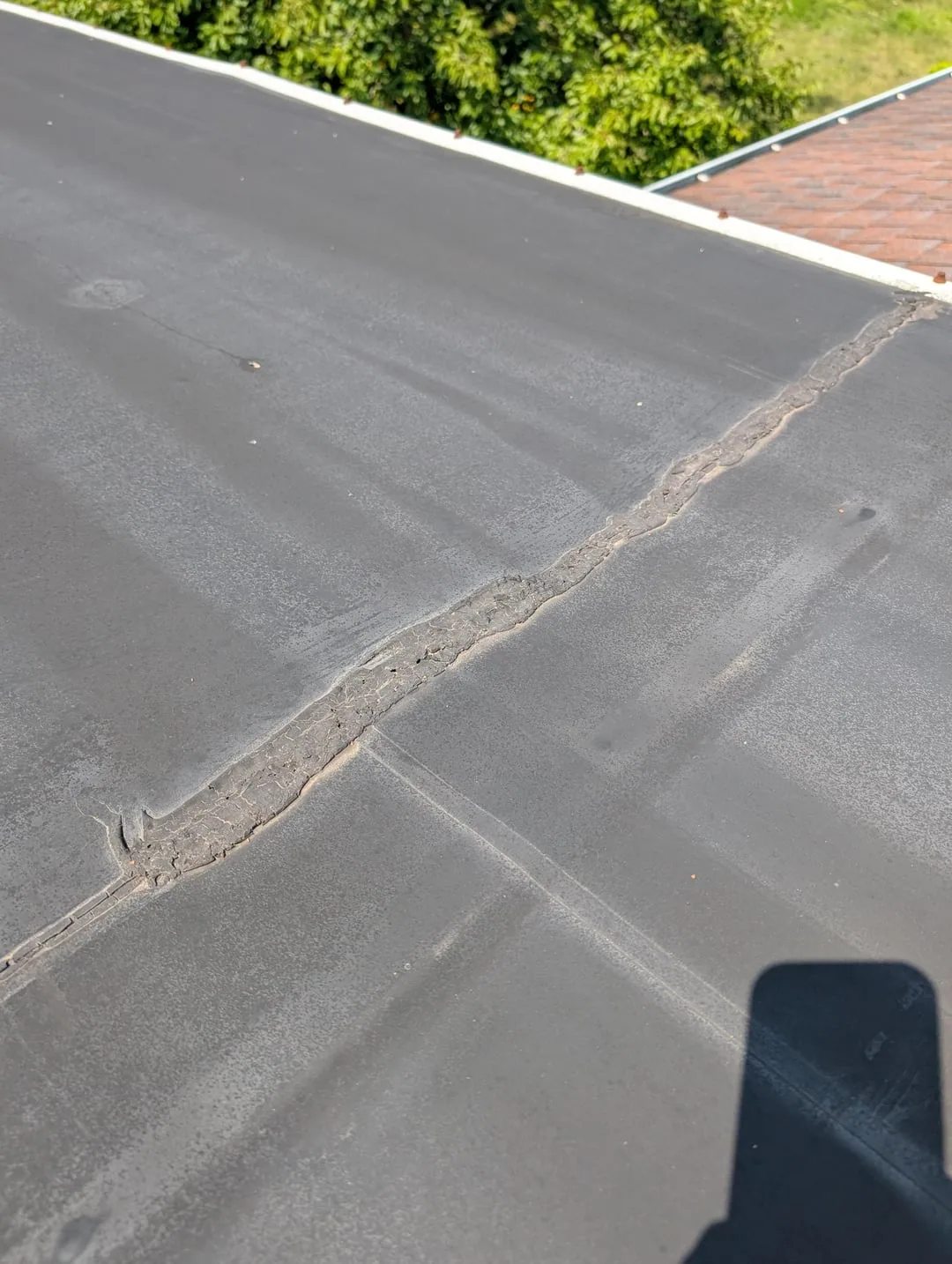
We examine existing seam repairs for their material and bond condition. Another layer over loose tape can retain the same weak interface. The failed component should be removed or treated as the system requires. Repairing separated seam connections includes access to suitable adjoining membrane. Pressure during installation matters where the repair component requires rolling. The finished bond must follow the actual detail requirements, so the preparation and application procedure receive attention alongside the dimensions of the patch placed over the opening.
Define the EPDM bond repair Arrange an assessment with the separating seam or flashing location and building schedule identified. We will examine preparation, restraint and concealed conditions before setting the correction.
Commercial EPDM Roofing
Check movement where the sheet meets fixed construction
Membrane movement can concentrate stress at a wall or curb base. We examine restraint, flashing condition and attachment along that transition. A sheet pulling away from a fixed point needs the cause assessed. Loose construction or dimensional change can affect the appropriate correction. A patch over the separation may remain under the same tension. Suitable repair can require rebuilding the affected connection with sound supporting material.
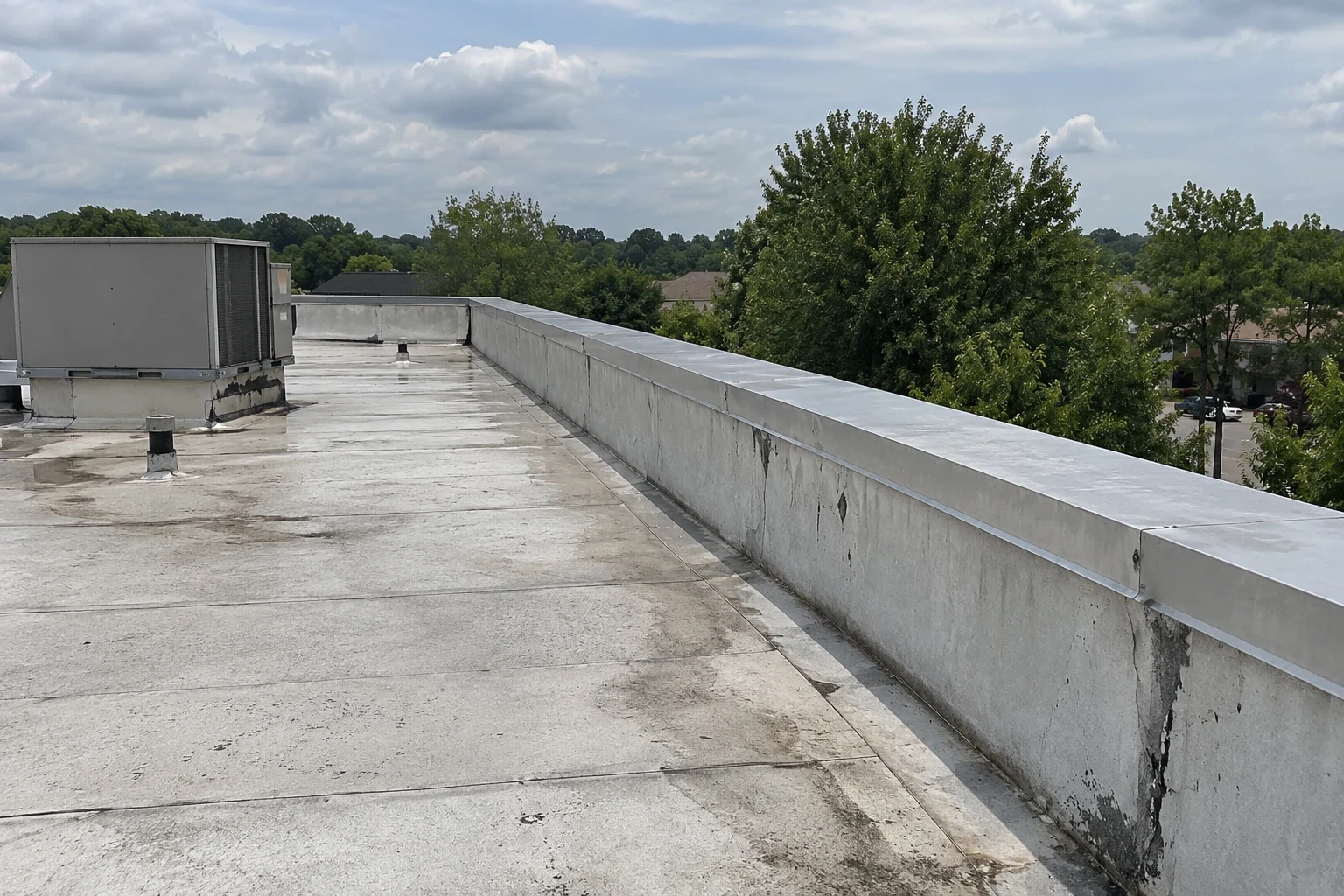
Perimeter securement needs assessment against the selected assembly requirements. We inspect accessible edges and adjoining metal components for displacement. The connection should transfer the intended loads without tearing the membrane. Correction of perimeter metal may accompany the EPDM work where the detail has deteriorated. New flashing needs a suitable upper closure and compatible bond. We also examine how it meets the horizontal field. Those relationships determine whether a localized component repair is practical or adjoining material must be removed to establish a complete weatherproof transition at the building edge.
Commercial EPDM Roofing
Examine beneath cuts from rooftop service work
A dropped metal component can cut EPDM near equipment. The cut needs examination for water beneath the surface. We check insulation and supporting layers where the findings require opening. A dry localized defect can lead to a different scope from wet material. The repair area should reach sound membrane for the intended bond. Equipment contact must also be corrected where it caused the damage.
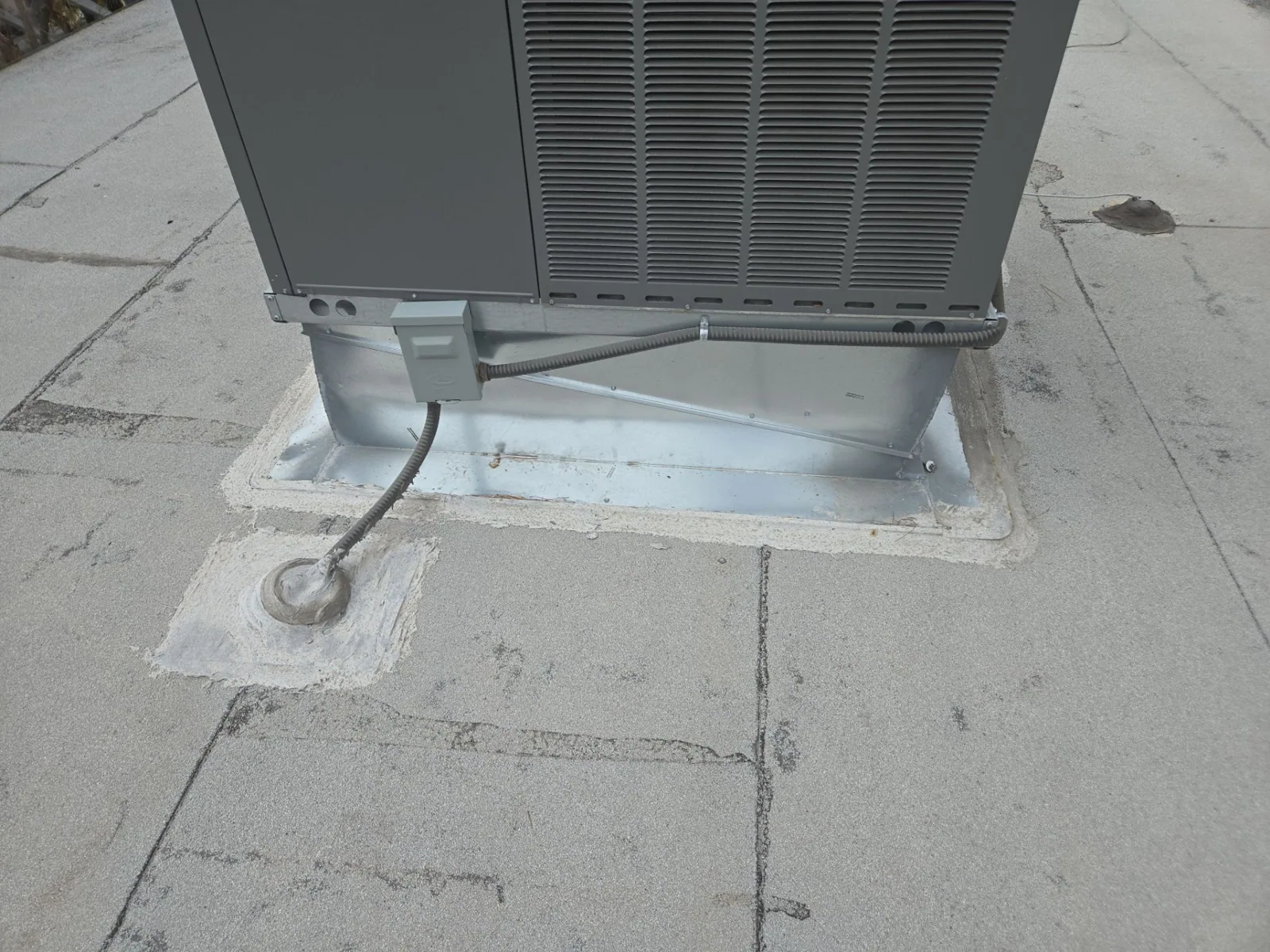
Support placement beneath piping and equipment can affect those contact points. We coordinate support correction with the responsible trade. Suitable walk areas protect frequently used routes where the assembly permits them. They must preserve access to details and drainage components. Later work should avoid placing sharp tools directly against the sheet. The purpose is to reduce repeated service damage while keeping repairable membrane and collection points accessible, rather than cover every traffic mark without assessing whether a cut or pressure defect exists beneath it.
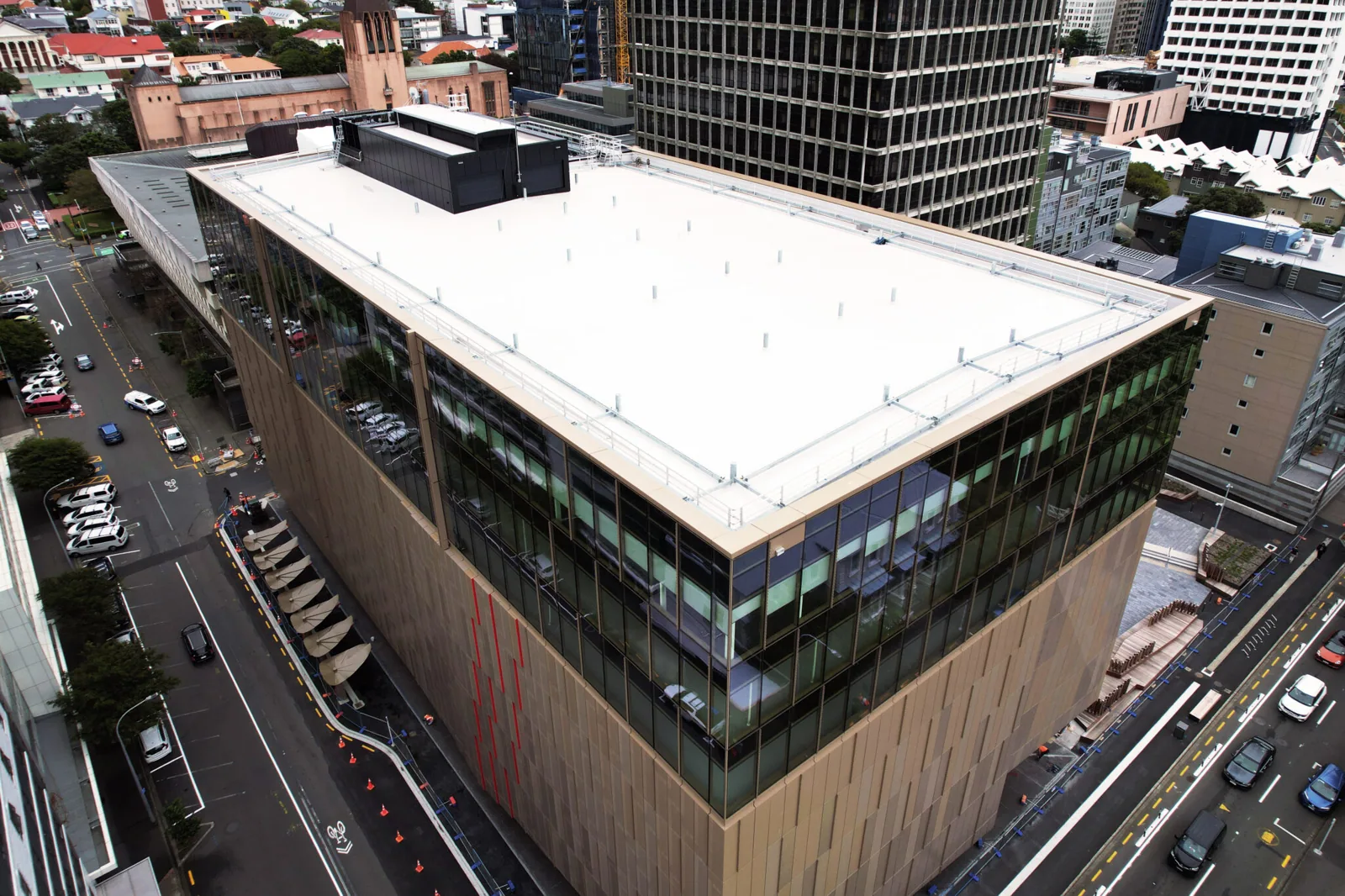
Commercial EPDM Roofing
Compare rubber membrane with the proposed exposure
EPDM is a flexible rubber roof membrane with its own compatibility requirements. Black and reflective versions have different surface characteristics. We review the actual material and project needs before selecting the assembly. Contact with incompatible oils, solvents or other substances needs particular consideration. A repair product should be selected for the installed membrane. Appearance or flexibility alone does not establish compatibility at a connection.
PVC roofing for suitable chemical exposures may provide a different comparison where building use calls for it. Reflective TPO membrane options also require their own assembly assessment. We examine the existing roof, equipment exposure and installation constraints for each viable choice. Material selection should address waterproofing and attachment as well as the desired surface properties. For EPDM, the proposal needs its seam method, support requirements and detail construction defined. That allows the manager to compare actual assemblies rather than treat all flexible roofing sheets as interchangeable material over the same unexamined layers.
Commercial EPDM Roofing
Fit the bond application to the occupied building
Grape Creek has high-school, elementary and middle-school facilities plus separate administration. Roof work for an occupied educational building needs room activities considered. Adhesive and primer application may require ventilation coordination near intakes. We identify those positions and discuss suitable arrangements with building staff. Material drying and application conditions must also fit the available schedule. A task planned after instruction still needs enough time for suitable closure.
For commercial and institutional buildings in Grape Creek, the specific roof construction determines the work sequence. We assess access, removal areas and the protection needed underneath. Building staff can then coordinate affected rooms with the proposed task. Equipment or intake changes may need mechanical input. The schedule should distinguish those interruptions from ordinary membrane placement. Each completed area needs its required bond and weather closure examined. Keeping the operating arrangement tied to those construction steps helps the project use an appropriate working period without rushing material preparation or leaving an unfinished connection above the next occupied activity.
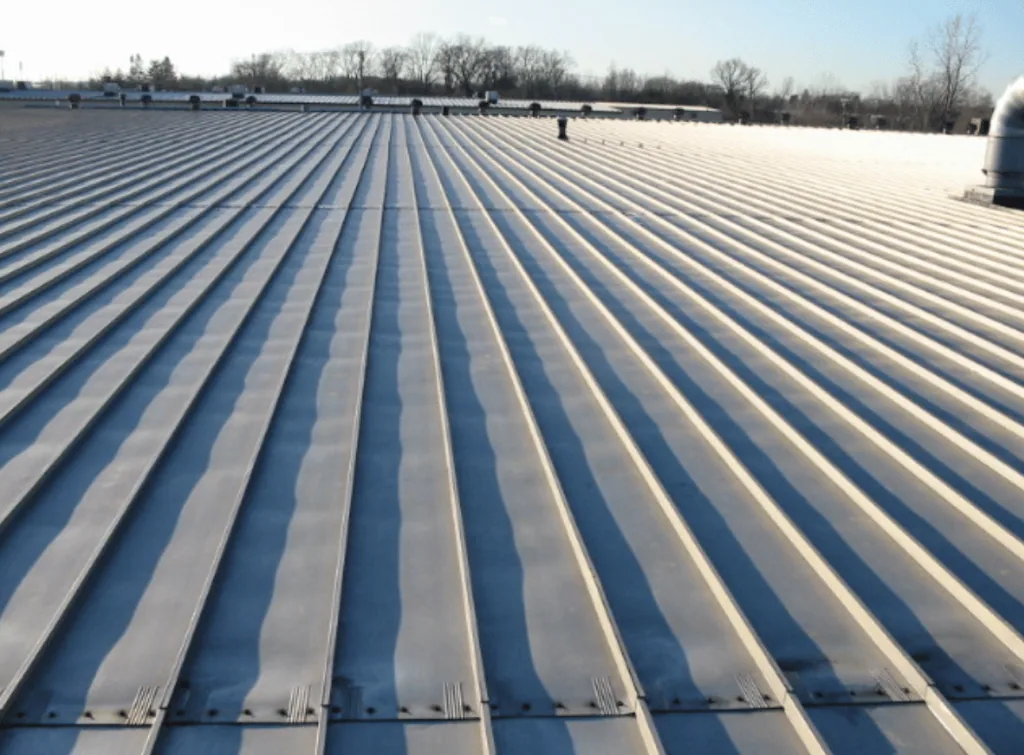
Commercial EPDM Roofing
Resolve moisture before retaining the existing insulation
A resilient membrane surface can conceal wet supporting material. We examine suspect areas before accepting an assembly for repair or recover. Suitable testing helps establish the extent of affected layers. Deteriorated decking and inadequate attachment also need evaluation. The condition of the visible rubber sheet is therefore only part of the decision.
Recovering a serviceable roof assembly requires the retained construction to meet the proposed system requirements. Added thickness changes drainage and flashing clearances. The cost comparison should include those alterations alongside the field covering. Localized EPDM repair may be more suitable where the surrounding construction remains sound. We identify the boundary and the detail needed for that option. The manager receives a comparison connected to the physical findings and occupied work constraints. That establishes whether the next task is a prepared bond repair, supporting-layer correction or a broader replacement of unsuitable roofing material.
Questions and answers
Questions About Commercial EPDM Roofing
Can repair tape be pressed back down after its edge releases?
Examine the cause of the lost bond before reusing the component. Dirt, moisture or inadequate preparation may be involved. We inspect the existing material and select the required correction. A loose repair may need replacement with properly prepared compatible components, because pressure alone does not correct contamination beneath the bond.
Why is the rubber sheet pulling at a wall connection?
Movement, restraint or attachment condition may be loading the transition. We examine the membrane and supporting construction at that location. The repair should address the stressed connection rather than only bridge its gap. Rebuilding the affected detail may be necessary to connect sound material without preserving the same damaging tension.
Does flexible EPDM mean insulation beneath a cut can stay?
Insulation condition needs assessment separately from membrane flexibility. We check suspect moisture and damaged supporting layers where appropriate. Wet or unsuitable material requires correction before closure. The patch then connects to sound surrounding membrane, with the contact cause addressed if equipment or service work produced the cut.
How are primers and adhesives scheduled near occupied classrooms?
Coordinate the application method and nearby ventilation with responsible building staff. We identify intake locations and any restriction affecting the rooms beneath the work. Suitable material conditions must fit that period. The plan should allow proper preparation and closure rather than assume a brief unoccupied window is enough for every connection task.
What makes an EPDM recover unsuitable for the existing roof?
Wet layers, inadequate attachment or deteriorated support can prevent suitable retention. We assess those conditions against the proposed assembly. Added thickness also needs drainage and flashing space reviewed. The findings determine which corrections are necessary and whether the viable scope remains a recover or requires more extensive removal.