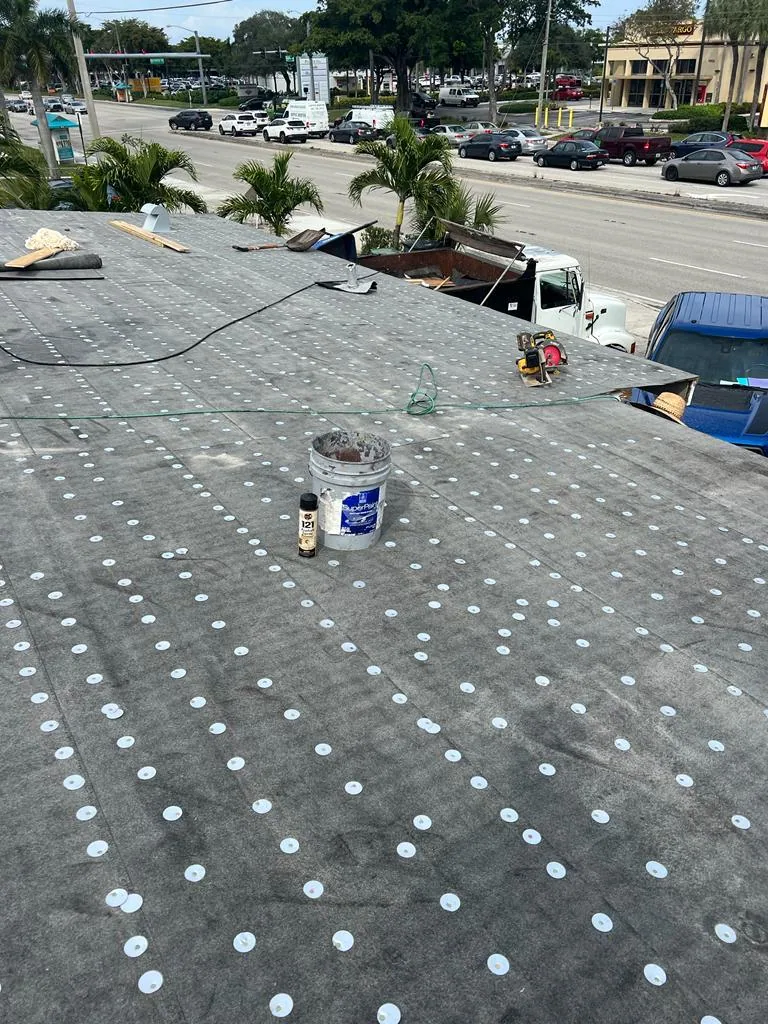
Church and House of Worship Roofing in San Angelo, TX
Property Types We Roof
Church and House of Worship Roofing at a Glance
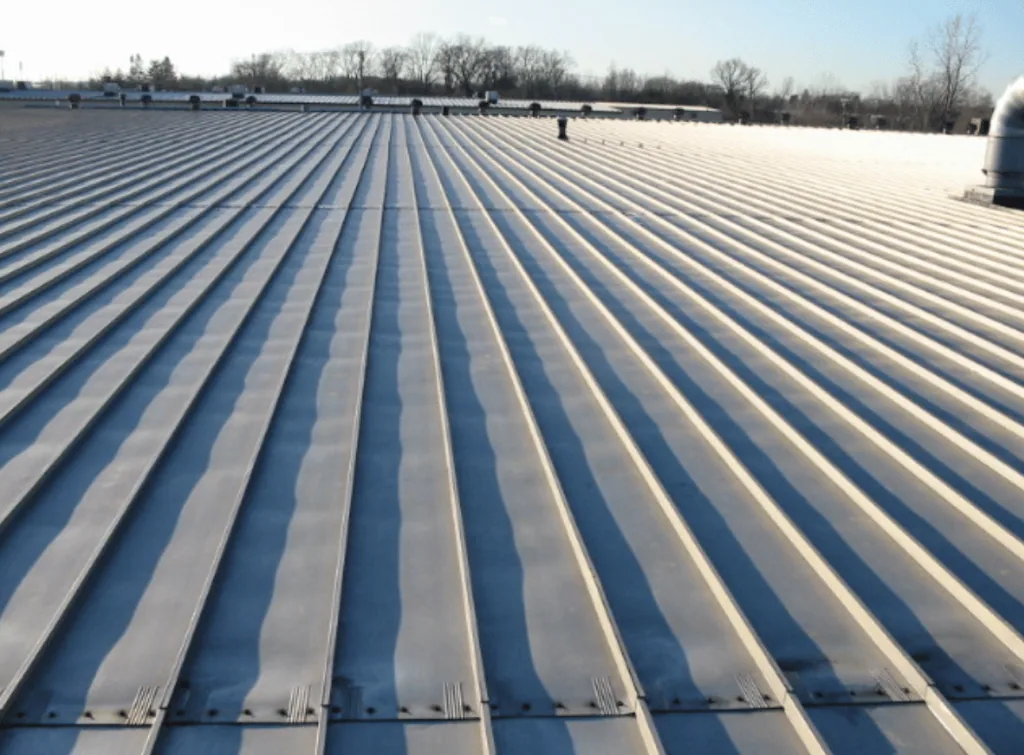
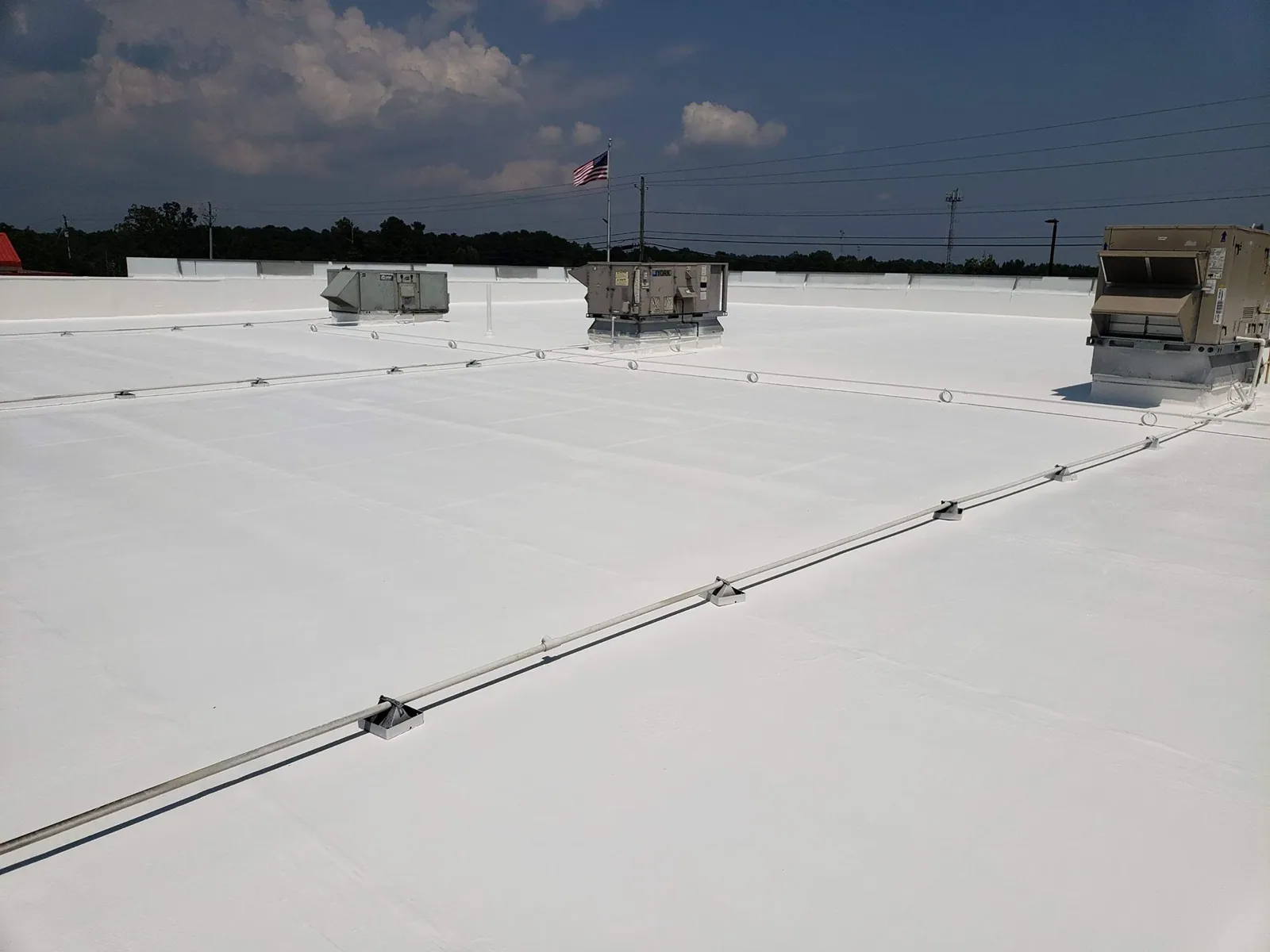
A lower membrane roof can meet a taller metal slope at a difficult transition. The connection must handle runoff and movement from both surfaces. Church roofing in San Angelo, TX requires examination of that junction before a localized patch is selected. We assess the flashing, attachment and receiving roof condition. The correction follows the actual materials and geometry, including any damaged support beneath the visible connection.
The Downtown Historic District contains residential and commercial properties with dining, shopping and entertainment uses. A worship roof still needs its own sanctuary, hall and access assessment. The San Angelo Cultural District covers about 200 acres south of the Concho River; a church property there still needs its own sanctuary, hall and access assessment. We identify whether the involved connection is above worship space, a hall or another occupied area before arranging removal. Commercial Roofers San Angelo repairs and replaces commercial roofing for houses of worship. Investigation of roof leakage above worship space identifies the involved detail and supporting condition. We coordinate access with the particular building's services and other occupied uses. A roof task above a hall or room needs its own removal area and closure sequence defined.
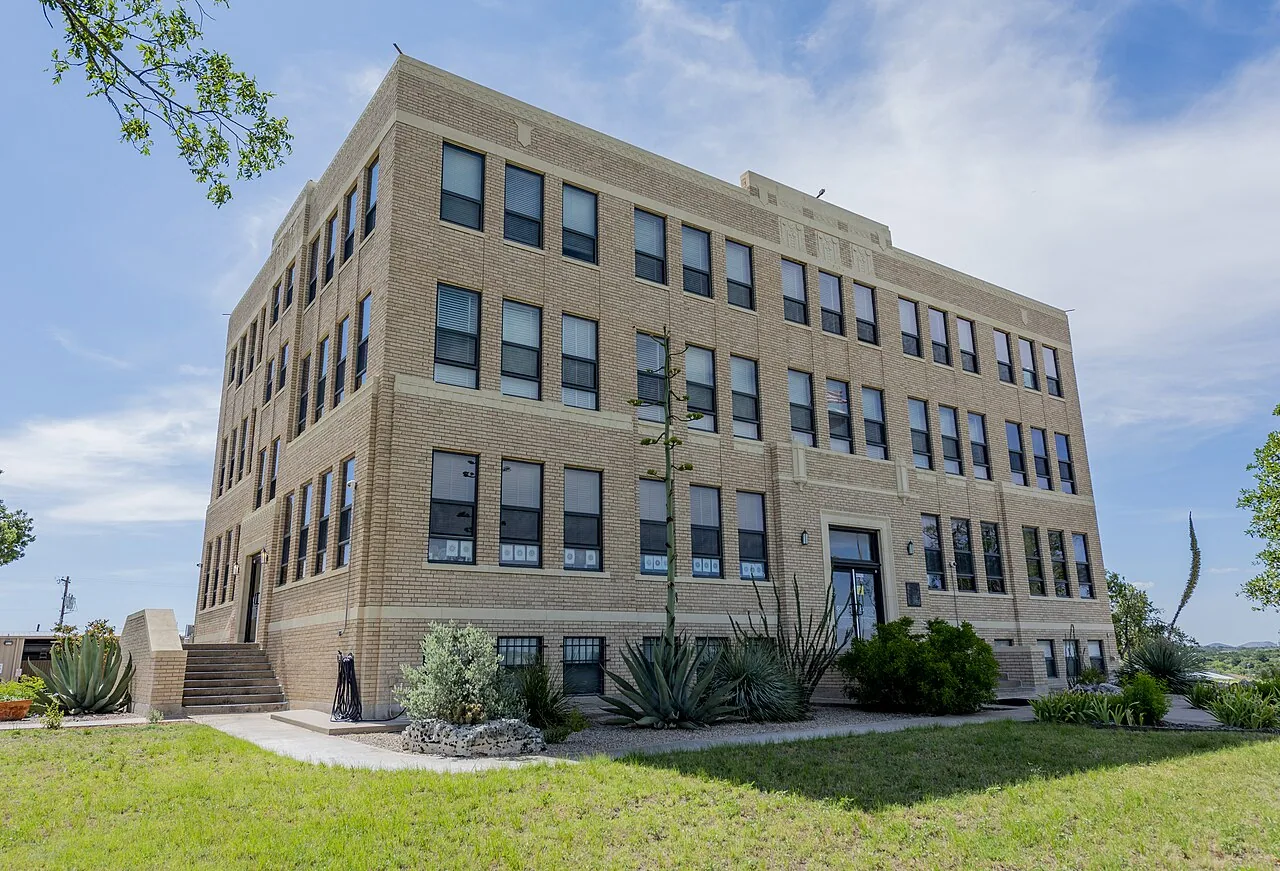
Church and House of Worship Roofing
Examine both surfaces at the change in roof slope
The upper surface can deliver concentrated runoff to a lower connection. We inspect the overlap arrangement and the receiving material. Metal movement and membrane attachment have different detail requirements. The chosen transition must accommodate them without an unsupported seal spanning the junction. Deteriorated material at either side can change the extent of the correction.
Standing-seam roof connections depend on the installed panel and attachment arrangement. The adjoining low-slope material needs its own compatible termination. We examine accessible components and investigate concealed conditions where indicated. A new exposed bead cannot rebuild missing support or correct an unsuitable overlap. The scope should identify which side of the transition needs removal and how the new work joins retained construction. Repair of adjoining roof penetrations and flashing may also be necessary when separate details are involved. Each correction follows its own water connection, so the completed junction is not expected to compensate for another unresolved defect nearby.
Examine the church roof transition and removal scope Arrange a visit with leakage locations, roof records and service-space availability ready. We will assess the involved connection and identify the construction period needed for its correction.
Church and House of Worship Roofing
Set the removal sequence against the actual room use
A congregation's roof can cover worship space, offices or a shared hall. We establish the occupied area beneath the task with responsible building personnel. A service schedule alone does not describe every activity using the space. Access for materials or investigation may affect a different room or entrance. Those conditions help define practical restrictions before construction begins.
A worship hall can remain scheduled even when offices are closed. Staff identify the rooms affected by roof exposure and the entrances used for material handling. As with roof work at public-use buildings, establish the available entrance before a church delivery occupies the ordinary approach. We define removal, supporting correction and weather closure stages. Reroofing around continued building activity needs sufficient time to complete each connection properly. A short gap between events may permit assessment without allowing the full reconstruction stage. The sequence should make that distinction clear. Work affecting an entrance also needs a suitable access arrangement, with the roofing task coordinated around the routes that remain available during its defined exposure.
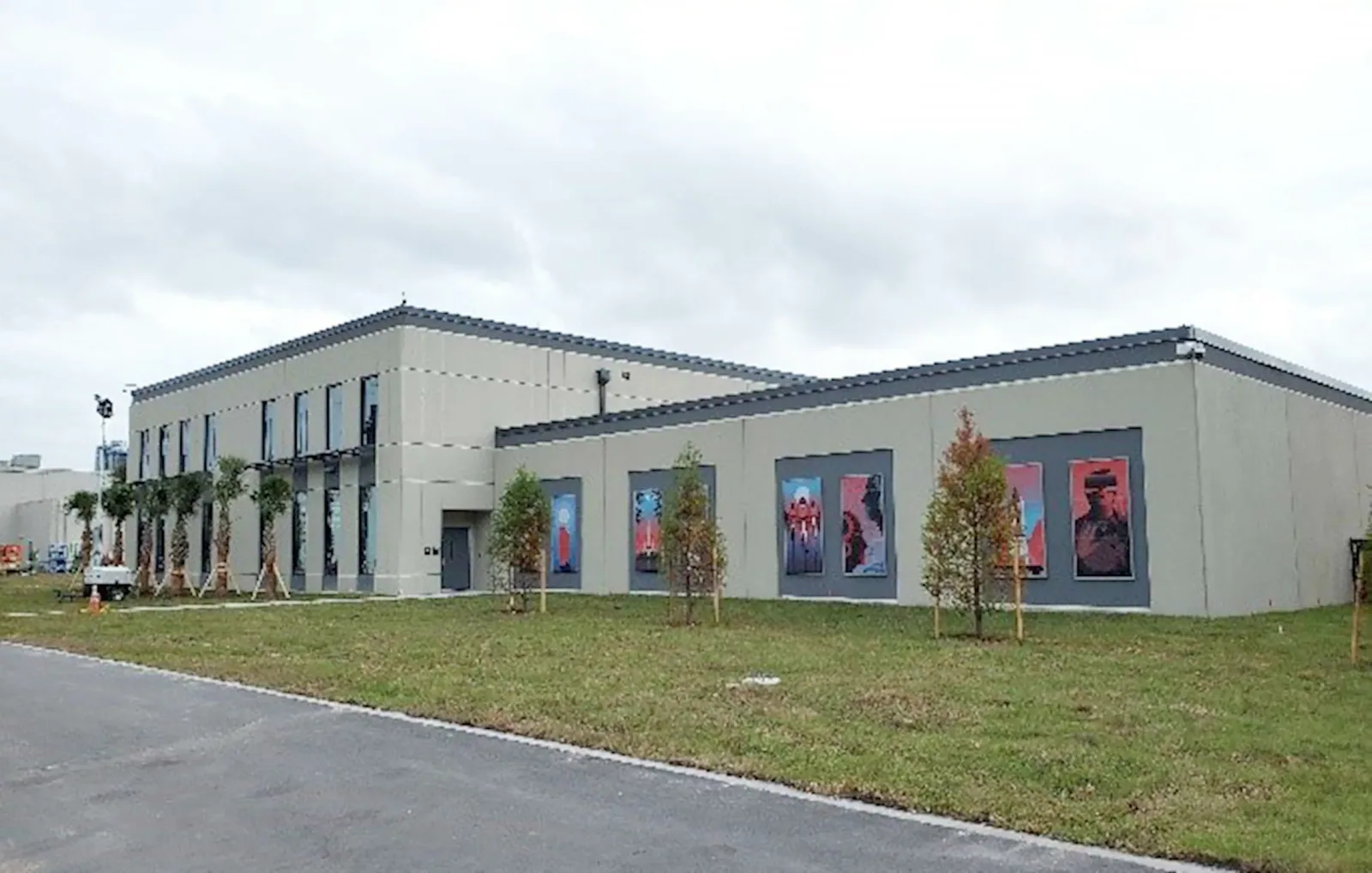
Church and House of Worship Roofing
Investigate the support before covering a repaired junction
A leak at a transition can affect insulation, deck edges or another supporting component. We examine suspect construction and establish the material needing correction. Suitable verification distinguishes wet or deteriorated layers from retained sound support. The visible opening does not establish that boundary by itself. A repair needs an appropriate surface for its attachment and completed weather connection.
Correction of insulation and cover-board support follows the selected assembly requirements and physical findings. We identify deck involvement where the investigation indicates it. Removal may reveal conditions requiring further assessment before closure. Sound retained construction can support a limited repair when the detail requirements permit. A wider affected area changes the practical scope above the occupied room. The comparison should identify that difference instead of treating all supporting work as incidental to an exposed seal. Building personnel can then coordinate the actual removal and material-handling task, including access needed to restore the involved layers before the roof junction is completed.
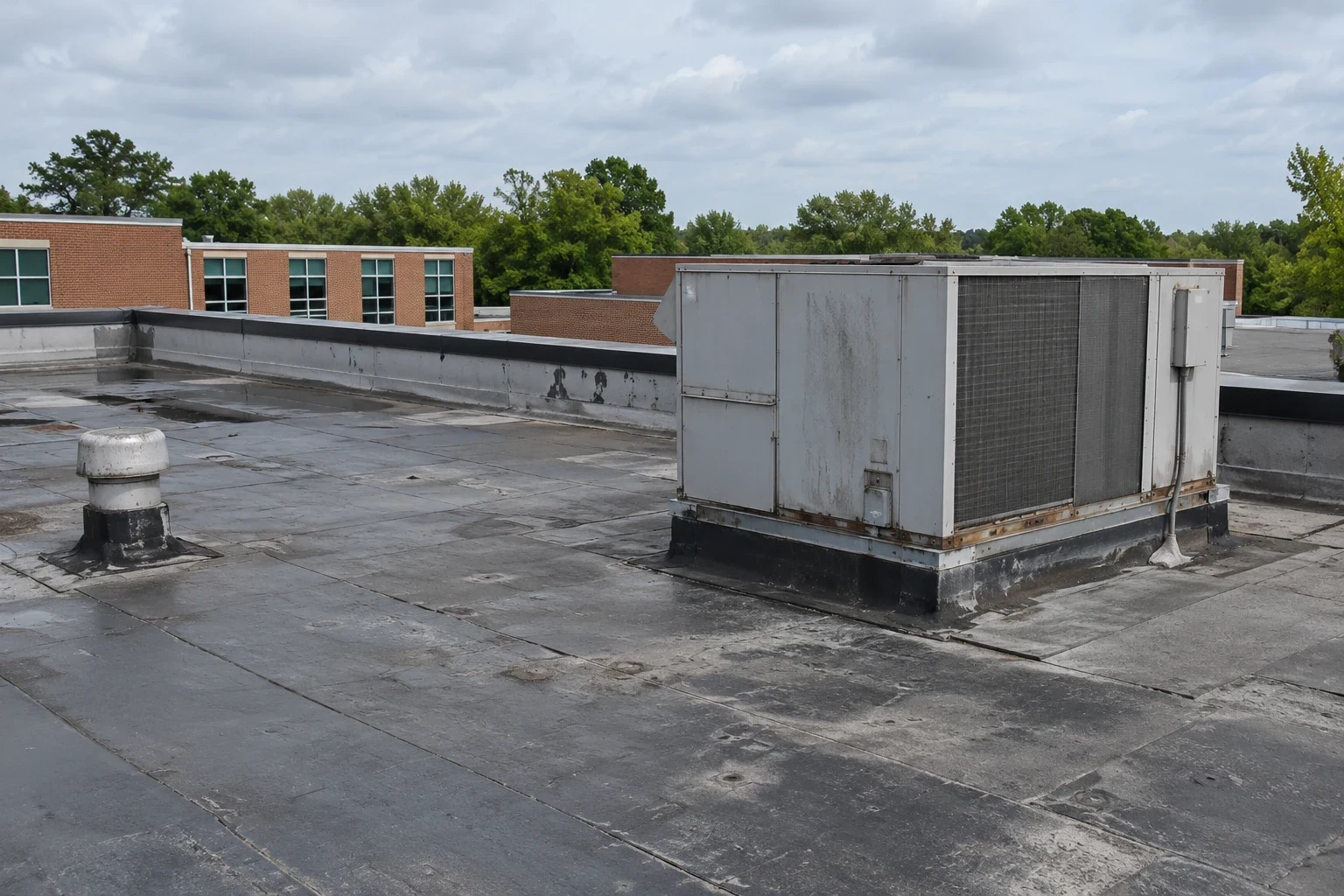
Church and House of Worship Roofing
Match the retained covering to a compatible repair method
Different membranes and metal finishes require different preparation and connection methods. We identify the installed material before selecting the repair components. Cleaning must suit the retained surface without damaging it. A trial bond or other appropriate examination may help establish whether the proposed connection is suitable. Unsound material needs correction before it receives the new detail.
Modified-bitumen roof repair requirements differ from those of a single-ply membrane or metal assembly. The selected method must fit both the product and the occupied-building arrangements. We examine equipment access and material handling before scheduling the construction. A church classroom or adjoining activity room needs its contents and ceiling access located before construction. Keep classroom equipment outside the exposed removal area during roof work for occupied educational rooms. The agreed room restriction must cover preparation and closure, not only removal. The suitable correction should explain preparation, removal and completed detail requirements. That gives responsible staff a defined construction sequence to assess against building activity. Convenience of application does not replace material compatibility or the supporting condition needed for a lasting weather connection.
Church and House of Worship Roofing
Leave the repaired transition available for future inspection
A completed connection needs access for examination of its edges and adjoining surfaces. We check the finished detail according to the installed material requirements. Drainage must remain clear at the receiving roof. Components displaced by later service work can affect that route or the weather seal. A new symptom needs examination at its actual location rather than another patch based on the previous repair alone.
For house-of-worship roofing around Mertzon and its occupied community buildings, the building layout determines access to that detail. We identify repaired areas and remaining work when the project has several stages. Maintenance of church roof connections should address outlets, transitions and service contact separately. Staff can report changes in leakage, loose material or water retention. The resulting assessment follows the affected component and surrounding construction. A clear description of the completed work helps distinguish a new defect from unfinished scope, while continued building activity remains coordinated with any exposure needed for the next roof task.
Questions and answers
Questions About Church and House of Worship Roofing
Why does leakage at a metal-to-membrane junction need both surfaces examined?
The transition depends on compatible connections and suitable geometry on each side. We inspect runoff delivery, attachment and material condition. A defect may involve the upper overlap, lower termination or supporting construction. The selected correction should address the actual failure without relying on one new exposed seal to accommodate every movement and drainage condition.
Can a service-free morning provide enough time for church reroofing?
Define the actual removal and closure stage before choosing the period. Some available gaps suit assessment but not full reconstruction. We identify supporting correction and material preparation requirements. Responsible building personnel coordinate room activity and access. The schedule must permit proper completion of the involved assembly before the agreed restrictions are changed.
How does damaged support affect a small flashing repair?
Confirm the involved material beneath the visible defect. The weather connection requires sound support and suitable attachment or bonding conditions. We define removal through appropriate investigation. A localized repair can remain practical where the neighboring construction is serviceable, but affected insulation or deck material needs correction before the rebuilt flashing is closed.
Should the easiest patch material be used over an unidentified church roof?
Identify the existing covering and its condition first. We assess appropriate preparation and compatible connection requirements. An unfamiliar surface may need additional verification before a method is selected. The proposed material must suit the actual roof and detail, with occupied-building access coordinated for its application rather than using convenience as the selection basis.
What should church staff report after a previously repaired transition leaks again?
Provide the location, timing and any nearby equipment or surface changes. We examine the completed detail and adjoining construction. New damage or a separate opening may require a different correction. The repair history helps direct assessment, but the current physical findings establish the appropriate scope and any supporting material that needs investigation before another closure.