Big-Box Retail Roofing in San Angelo, TX
Property Types We Roof
Big-Box Retail Roofing at a Glance
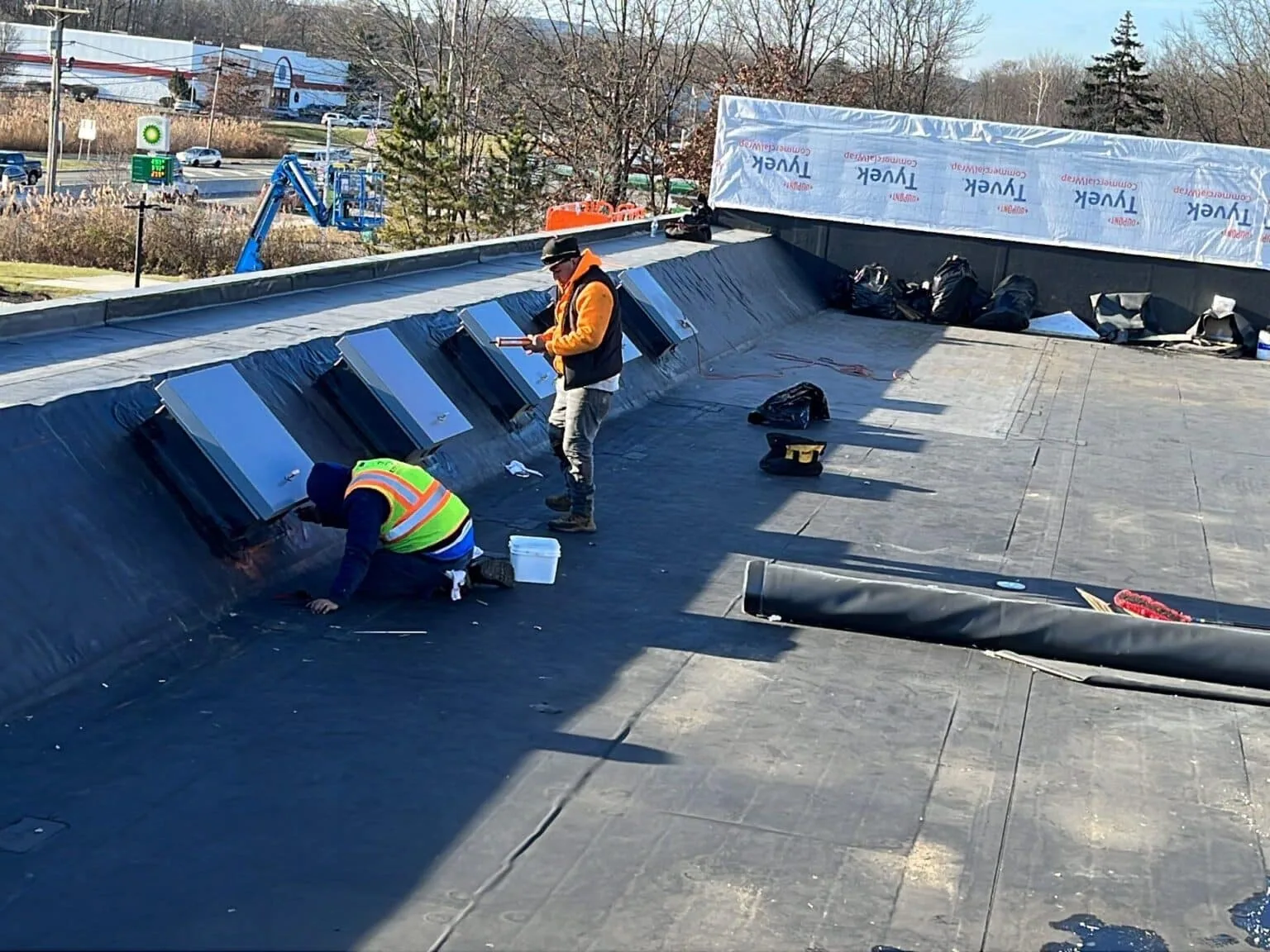
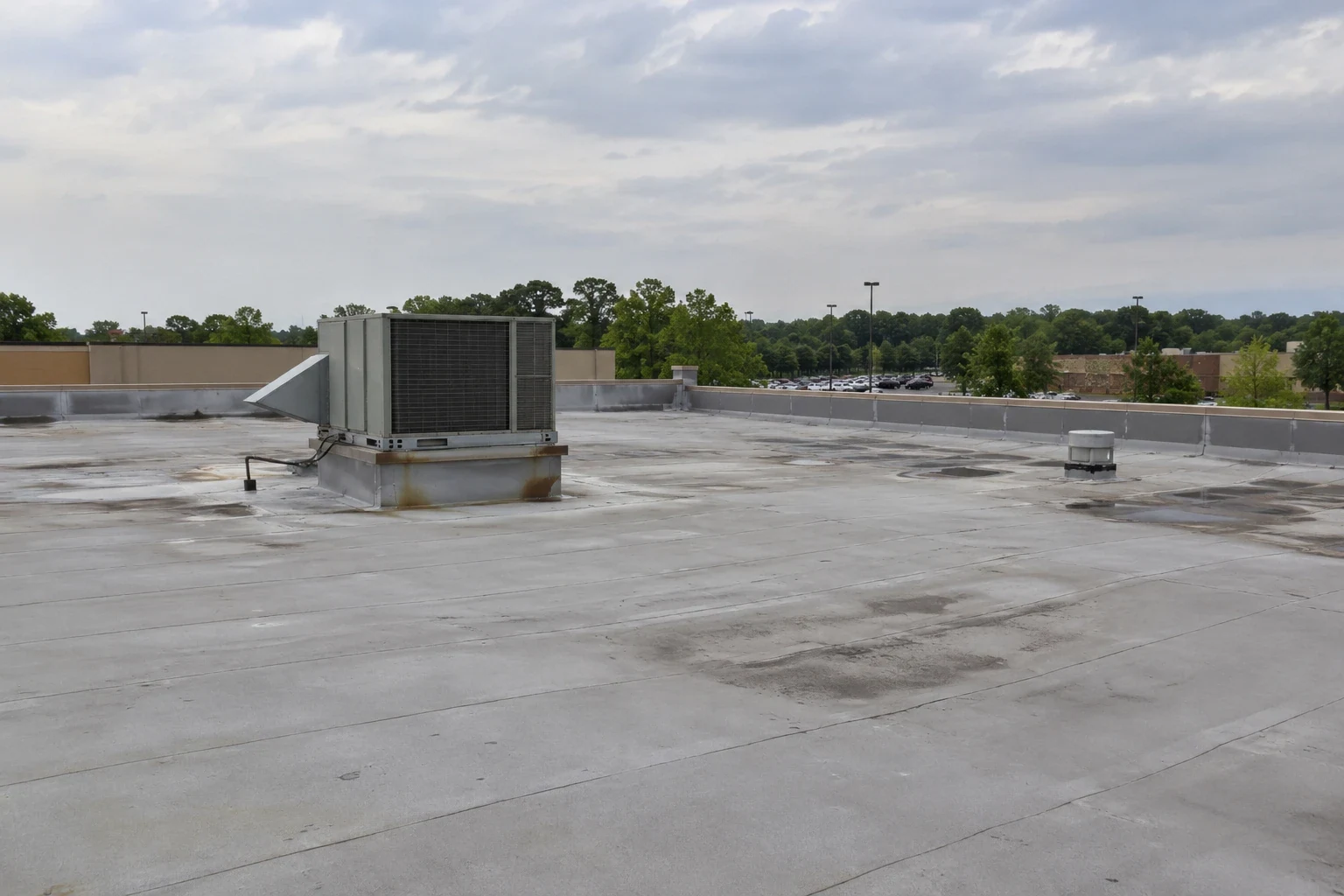
Compression beneath a repaired seam can leave a narrow water trough. The surface patch may remain bonded while the depression persists. Big-box retail roofing in San Angelo, TX needs both conditions examined. We assess the membrane and the support beneath the retained water. The correction should restore suitable construction at the affected position. Sales-floor activity also determines the protection needed while those layers are exposed.
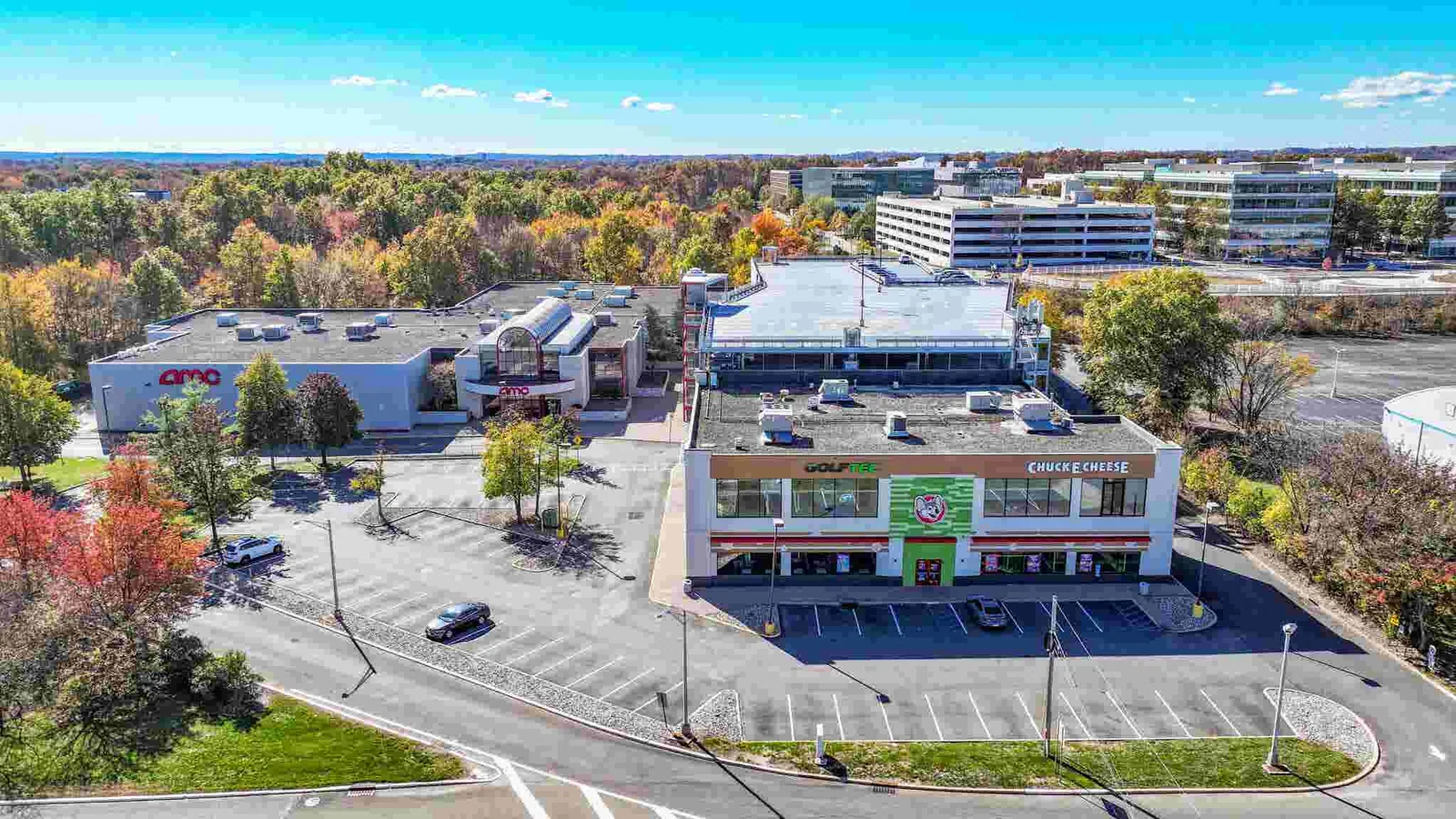
College Hills Boulevard contains pharmacy and discount-store operations. Roof work for an occupied retailer there needs stock and customer access considered. Commercial Roofers San Angelo repairs and replaces commercial retail roofs. Repair of the affected retail assembly follows the physical condition, with the working boundary coordinated before removal above occupied space.
Big-Box Retail Roofing
Examine the depressed seam beneath its repair strip
A low line can result from compression or another supporting-layer condition. We inspect the surface elevations and accessible construction before choosing treatment. Retained water may be an effect of that geometry. Renewing the seam strip cannot raise the support beneath it. Suitable investigation can identify whether insulation, board or decking needs correction. The membrane bond and the depressed construction remain separate assessment questions.
Replacement of unsuitable insulation and supporting board may require a wider opening than the visible seam defect. We define the boundary through examination and appropriate confirmation. Wet material also needs removal where found. The correction should join sound surrounding construction without creating another abrupt water barrier. We assess the connection method for the retained covering before closure. A repaired seam then has suitable support and a workable drainage approach. That turns an apparently recurring surface problem into a construction task addressing the physical cause, rather than another strip applied across a depression left unchanged below it.
A test opening can reveal whether the board edge is crushed or the depression follows the supporting deck. Those findings lead to different corrections. We measure the surrounding elevations before changing the local build-up. Raising only the repair position can push water toward an adjoining seam. The rebuilt profile should connect into suitable drainage, with compatible membrane over a stable supporting surface.
Assess the retail seam and its support Arrange a retail-roof review with retained-water areas, stock restrictions and receiving times identified. We will determine the supporting correction and the working boundary needed for suitable closure.
Big-Box Retail Roofing
Separate exposed work from stock and customers
A roof opening above occupied shelving needs its interior relationship identified. We examine the deck and proposed removal depth to assess debris control. The manager establishes suitable stock protection and customer restrictions below. Some goods or equipment may need relocation during exposure. A working boundary must fit those measures and the weather closure possible. Removing more material is unsuitable if the protected area underneath does not support it.
Roofing above grocery stock can add food-handling or refrigeration requirements. Responsible staff assess the actual products and operations. Retail roofing should not assume one protection method fits every occupied area. We coordinate the physical task with the room use and agreed restrictions. A suitable sequence may permit activity away from the exposure to continue. The specific area and period should be defined before roofing materials arrive. That lets the manager arrange stock and customer access around the construction required, without treating a field repair as an isolated task detached from the occupied sales floor below.
Big-Box Retail Roofing
Compare the new covering with its supporting construction
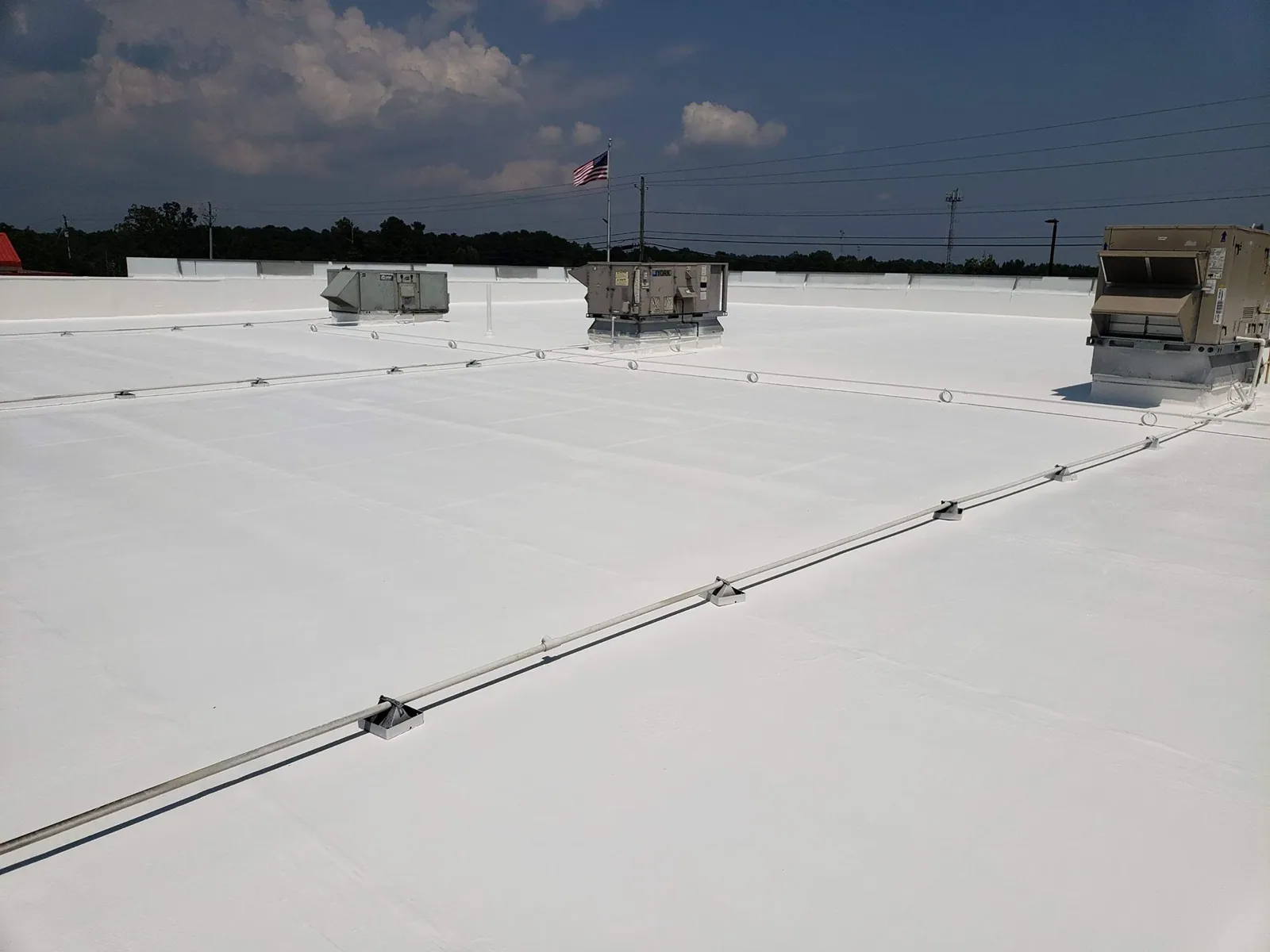
Surface selection begins with the existing roof and its condition. We examine attachment, drainage and the layers proposed for retention. A reflective membrane still requires suitable support and complete weather details. New thickness may change curbs and edge connections. Those alterations belong in the system comparison. A field material price alone leaves necessary construction outside the apparent replacement scope.
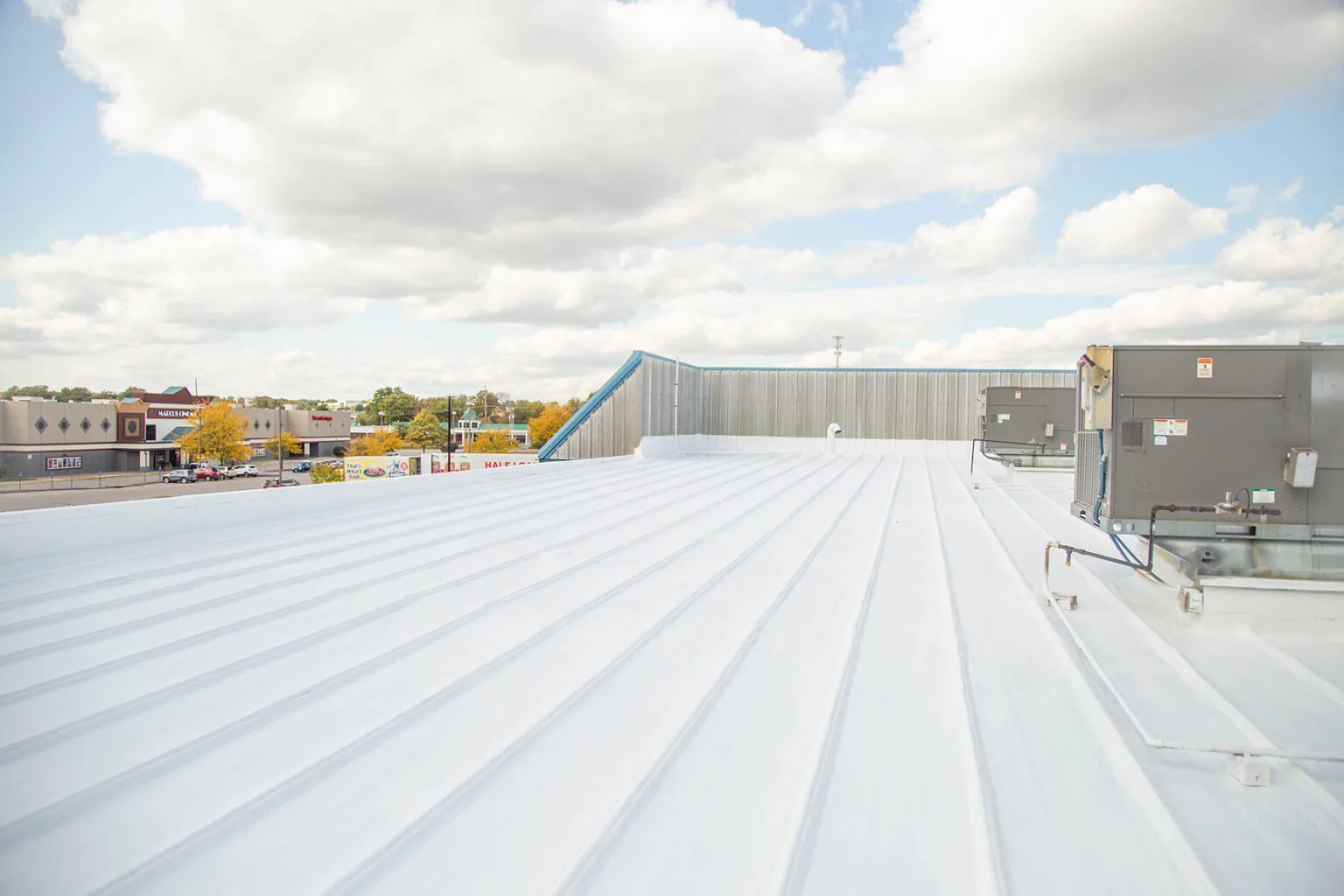
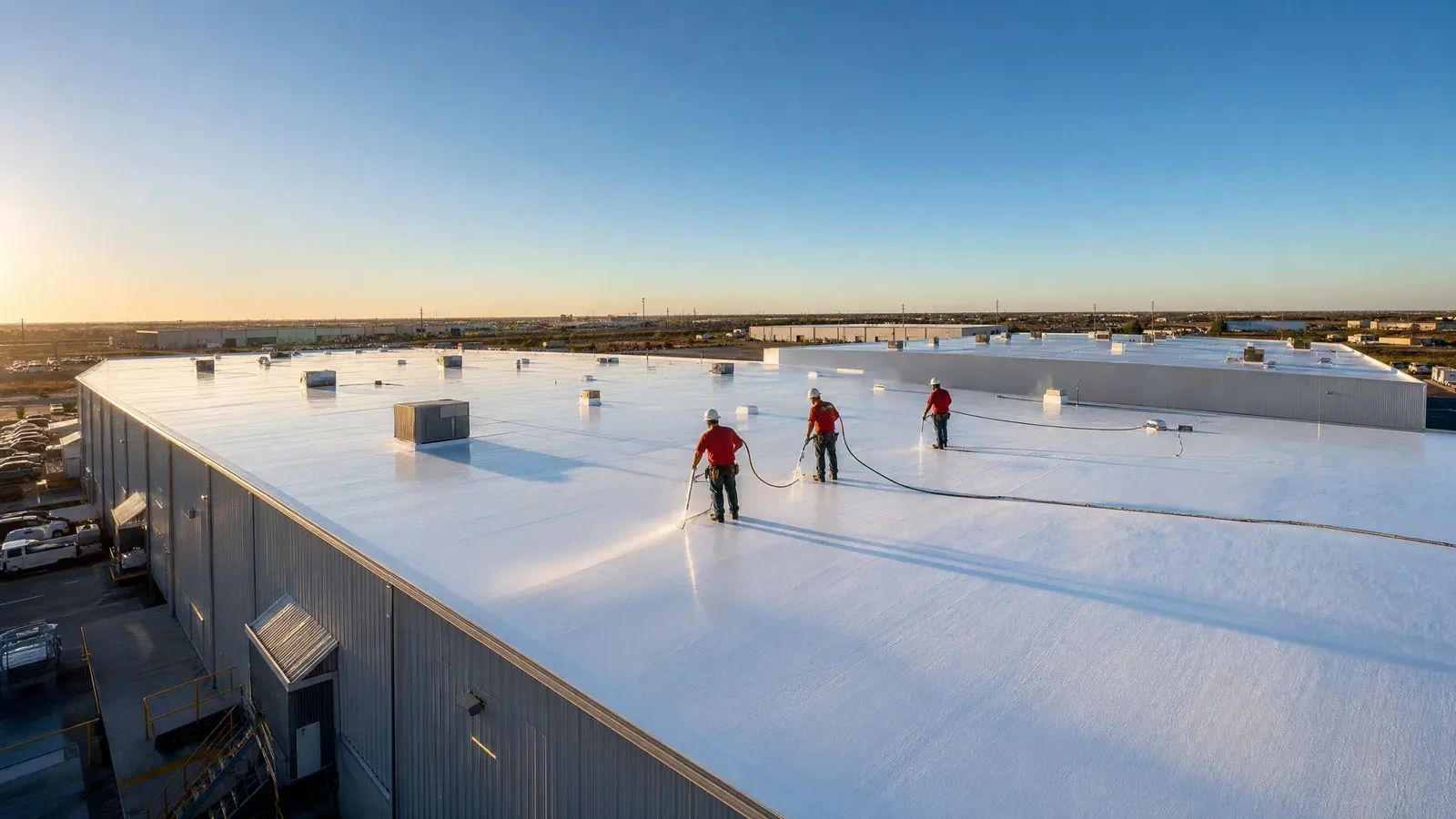
Reflective roof installation should include insulation and detail requirements alongside surface properties. TPO roofing for a suitable retail assembly needs its welded seams and attachment arranged for the building. We compare viable options through their removal and preparation needs. Shared retail-roof construction may add tenant boundaries or equipment alterations to that review. A single operating retailer has its own access and protection arrangement. The decision follows the actual assembly and occupied use, giving the manager a complete construction comparison before an installation method and removal sequence are assigned to the project.
Big-Box Retail Roofing
Place roof logistics beside the actual receiving schedule
Roof material lifting can conflict with stock deliveries near a loading entrance. We assess equipment position, waste movement and temporary storage before work. The manager identifies receiving periods and routes needing continued use. Required exits and emergency access must remain usable during the arrangement. We assess suitable support for material staged on the roof. The chosen route should make daily closure components available without blocking essential movement.
North Chadbourne has discount retail and restaurant activity. For buildings along the North Chadbourne Corridor, we examine the actual access layout. A working period may need revision when routine receiving occupies the intended lifting area. Staged replacement over occupied retail should retain enough time for supporting repairs and weather protection. The roof opening cannot be left dependent on a delivery still waiting for access. We coordinate those tasks by location and sequence, so customer and stock movement can use their agreed routes while materials reach the roof area scheduled for suitable closure.
Big-Box Retail Roofing
Correct contact damage before it reaches supporting layers
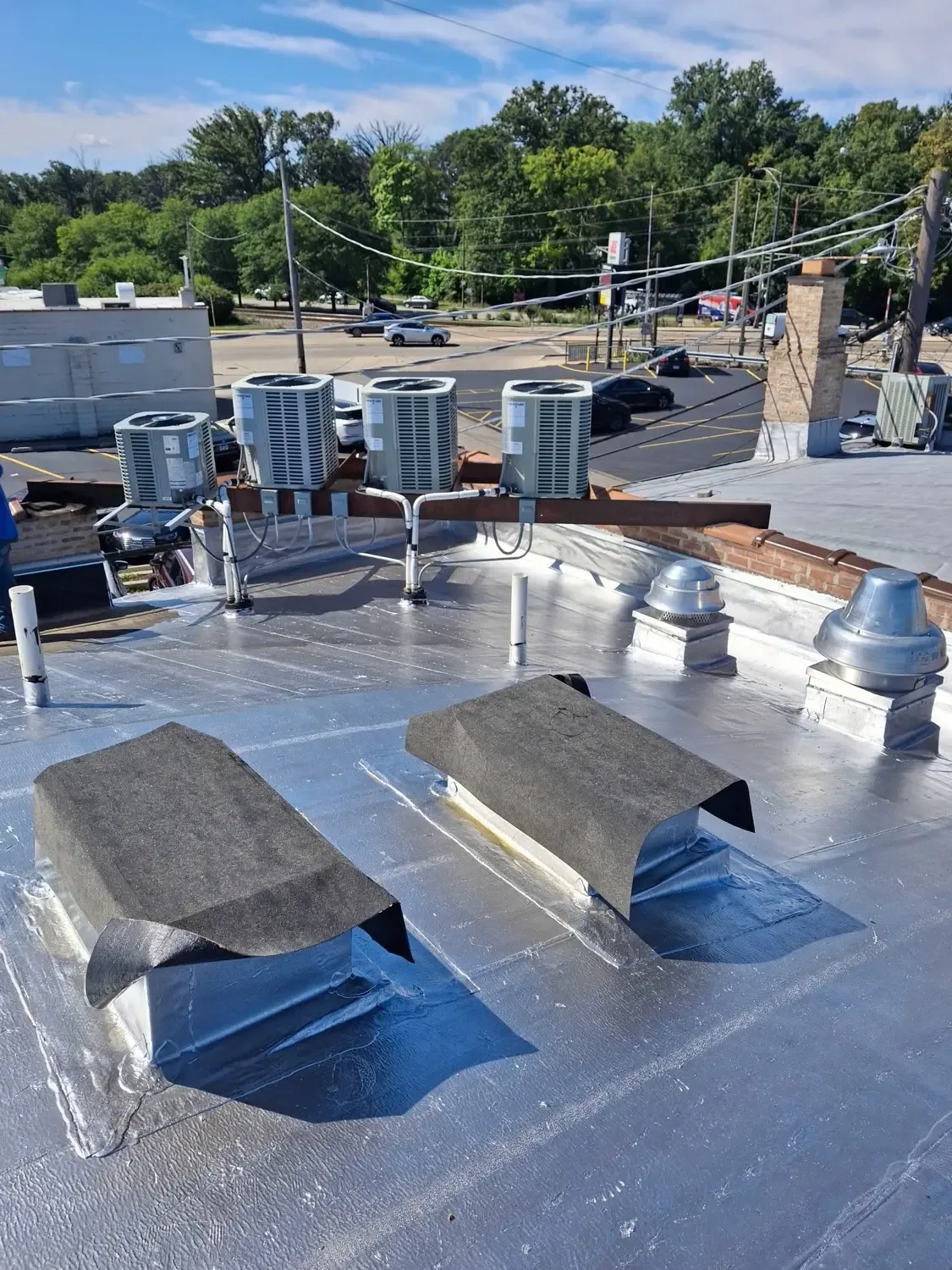
Equipment service can create punctures or wear near a repaired field. We examine traffic routes and concentrated support contact at those positions. Suitable protection should preserve drainage and inspection access. Sharp tools and displaced pads need controlled handling or correction. A damaged surface also needs assessment for moisture beneath it. The repair should address the contact cause along with the affected roofing.
Maintenance of retail roof details can distinguish cleaning needs from physical correction. Outlets require a clear approach, while depressed construction may need a separate repair. Staff observations of new retention or displacement help locate another focused assessment. After roof work, the finished connections and agreed service routes need examination and clearing. Later patches must use compatible material and suitable preparation. The manager can then coordinate equipment tasks with the completed assembly in view. Preserving those physical functions keeps a new support, patch or service route from recreating damage at the position just corrected.
Questions and answers
Questions About Big-Box Retail Roofing
Why does water remain along a seam that has already been patched?
The support beneath the seam may be depressed even where the new bond remains sound. We inspect surface elevations and investigate involved layers as appropriate. A correction may need insulation or other supporting material replaced. The repair must provide suitable connection and geometry, so another bonded strip is not treated as a remedy for an unchanged trough beneath the covering.
Can shelving stay beneath a roof area being opened?
Assess the removal depth and protection required with the manager. We examine the deck and identify the affected interior position. Some tasks can use suitable protection and restricted access. Others require stock moved before exposure. The working area should fit that arrangement and the closure possible, with any food or equipment requirements established by responsible personnel.
Does a reflective roof remove the need for supporting-layer repairs?
Correct unsuitable retained construction before installing the new surface. We assess moisture, support and attachment as well as the proposed covering. Reflectivity changes sunlight absorption but does not restore wet insulation or a damaged connection. The complete proposal should identify those repairs and any curb or drainage alteration required by the finished roof height.
How do stock receiving periods affect a reroofing shift?
The material and waste route must fit the actual building movement. We coordinate lifting access with the manager before removal begins. A different position or period may be necessary when receiving uses the same area. The roofing sequence still needs suitable support correction and weather closure, so delivery access should be settled before it limits the construction possible that day.