Commercial Roof Inspection in San Angelo, TX
Commercial Roofing Services
Commercial Roof Inspection at a Glance
Rust around a fastener can signal a weakened metal connection. The surrounding sheet may still look intact from a distance. A commercial roof inspection in San Angelo, TX checks the connection directly. We examine the material carrying the load and the seal around it. The finding should distinguish deterioration from an isolated surface mark. That difference changes repair extent and the need for further exposure.
Commercial Roofers San Angelo inspects low-slope and metal commercial roofs. We examine seams, flashing, drainage and accessible supporting details. Wall has agricultural ginning, grain-storage and farm-supply activity. An assessment for a building in that community needs its operating constraints identified. Roof access and material handling can affect inspection timing. We establish the purpose of the visit before deciding which physical checks the assembly requires.
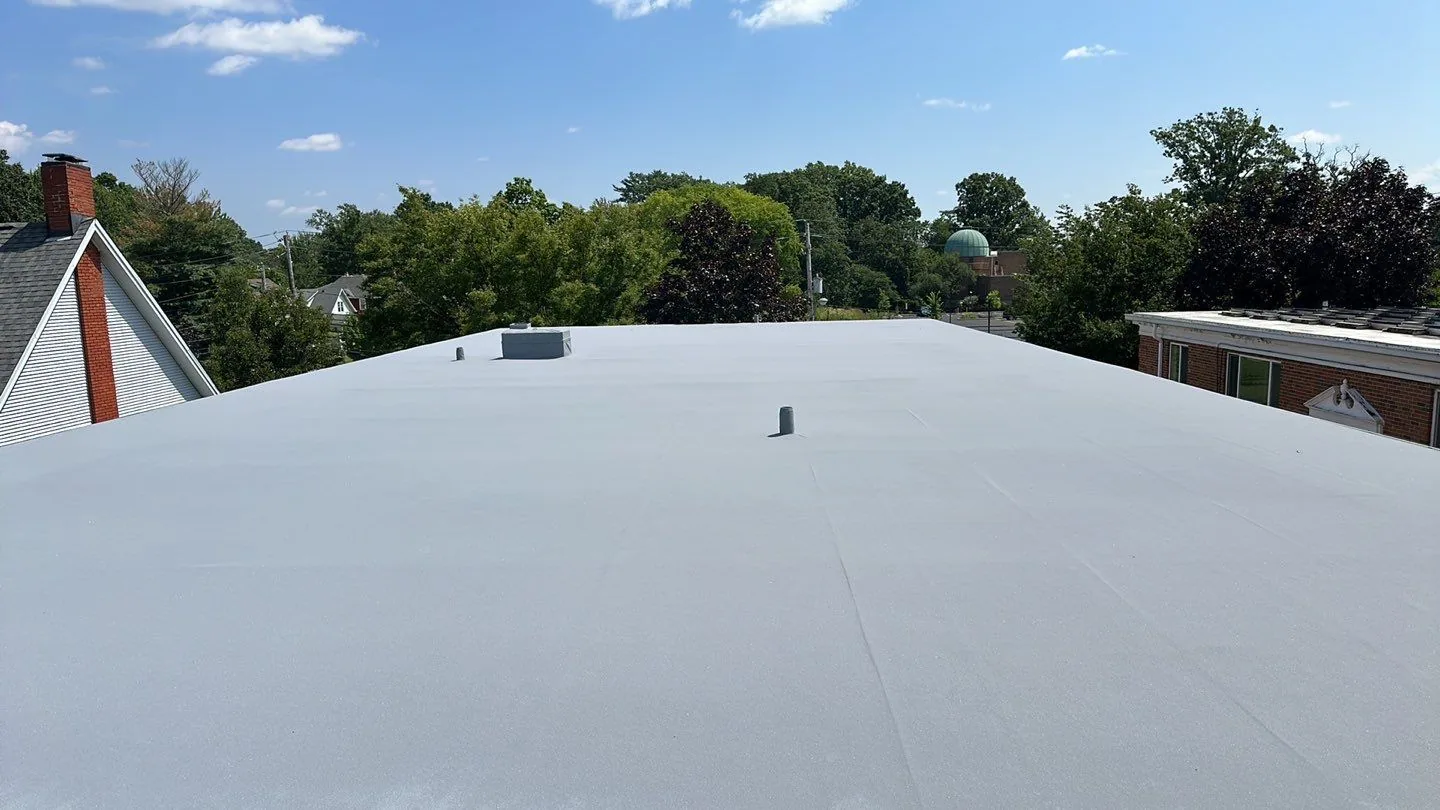
Commercial Roof Inspection
Set the decision the inspection must resolve
A maintenance review asks different questions from a purchase assessment. We need to know whether the manager is planning repairs, replacement or a transaction. The building schedule and known leak history help set the examination scope. A recent equipment installation can focus attention on curbs and supports. Available roof drawings show the intended construction for comparison with observed conditions. We note where additions may have changed that assembly.
An accessible surface inspection cannot expose every concealed connection. Where hidden condition affects the decision, additional investigation is appropriate. A roof survey for property due diligence may require assembly identification and selective testing. An immediate maintenance visit can prioritize visible hazards and defects first. We define what will be examined and what needs separate authorization. The inspection then produces findings relevant to the pending decision rather than a broad description detached from the work the property manager must arrange.
Choose the inspection question Arrange an inspection with your repair, purchase or replacement decision identified. We will examine the details and select the additional tests needed to resolve that decision.
Commercial Roof Inspection
Examine the field and its joined edges
A membrane surface can wear differently beside equipment and service routes. We look for abrasion, punctures, cracking and separation of layers. Previous repairs need checking for compatible material and secure edges. We examine accessible seams with an appropriate probe after assessing the membrane. The pressure must suit the material and avoid creating damage. A suspicious opening receives closer examination rather than being marked by appearance alone.
Thermoplastic welds and adhered rubber seams need different interpretation. We check the connection method present instead of applying one test indiscriminately. For TPO roof seams, a loose overlap can reveal incomplete or deteriorated joining. Repair suitability also follows the condition of the surrounding sheet. Metal roofs require attention to panel laps and closure details. We inspect visible attachment, sealant and movement provisions where accessible. The examination connects each defect with the construction that must be restored, which helps distinguish isolated repair from a wider pattern of deterioration.
Commercial Roof Inspection
Follow drainage through the low points
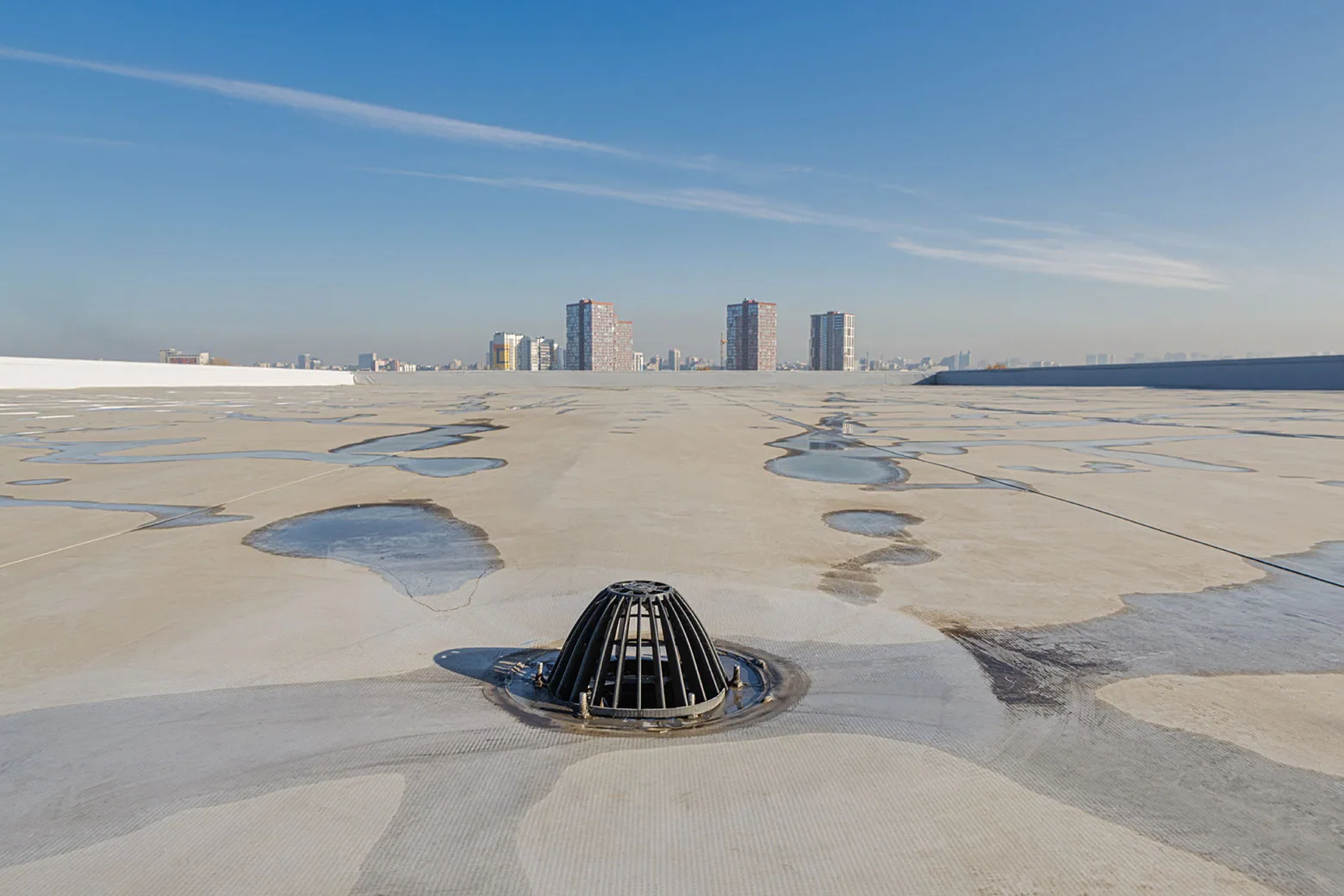
Staining and accumulated debris can identify places that retain water. We inspect the approach to drains and scuppers for obstruction. Depressions may originate in compressed insulation or structural geometry. Their correction requires more than cleaning an otherwise open outlet. We check accessible overflow provisions and nearby flashing height. Those details influence how high water can rise against roof interruptions.
Persistent ponding corrections require a clear account of the low area. We identify its position relative to equipment, walls and outlets. Roof drain piping can require assessment by a plumbing specialist. The exterior inspection distinguishes that need from a membrane or flange defect. Where rainfall history is available, it helps explain how quickly an area drains. The manager can record standing water after an event without entering an unsafe roof area. Those observations supplement the physical findings and help direct any necessary elevation measurements.
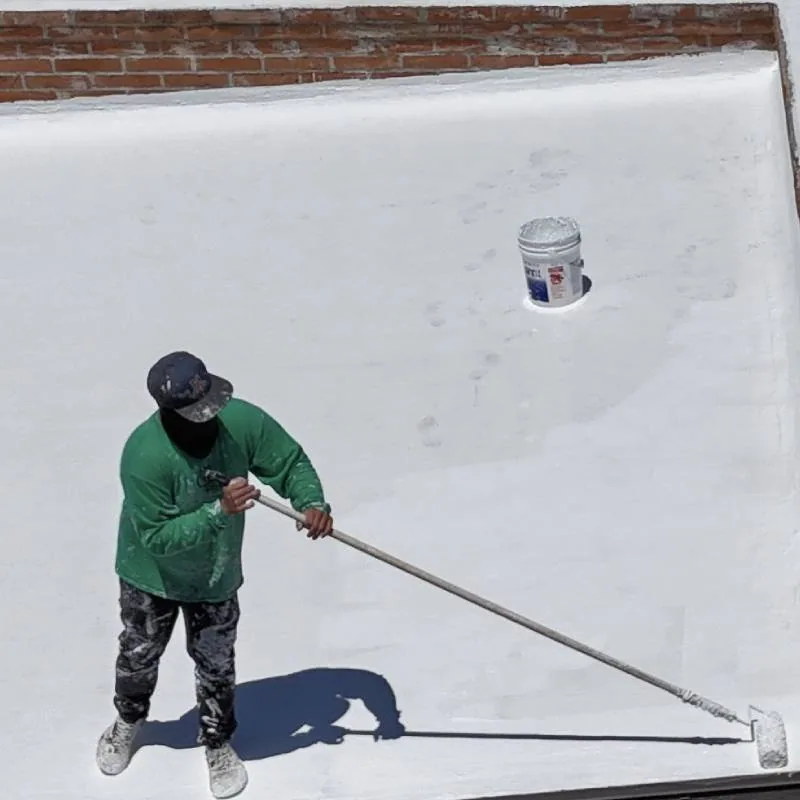
Commercial Roof Inspection
Check movement where the roof meets equipment
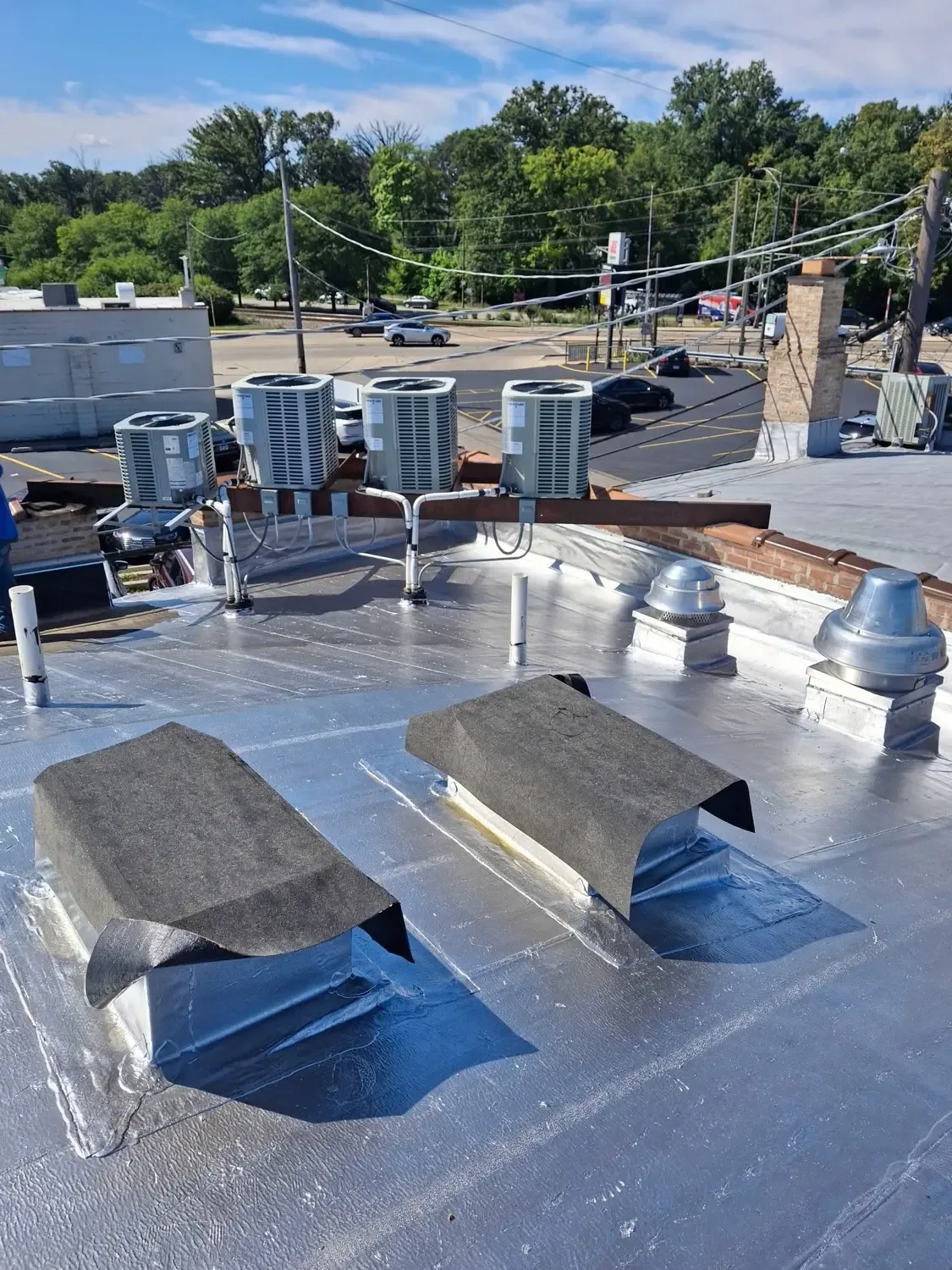
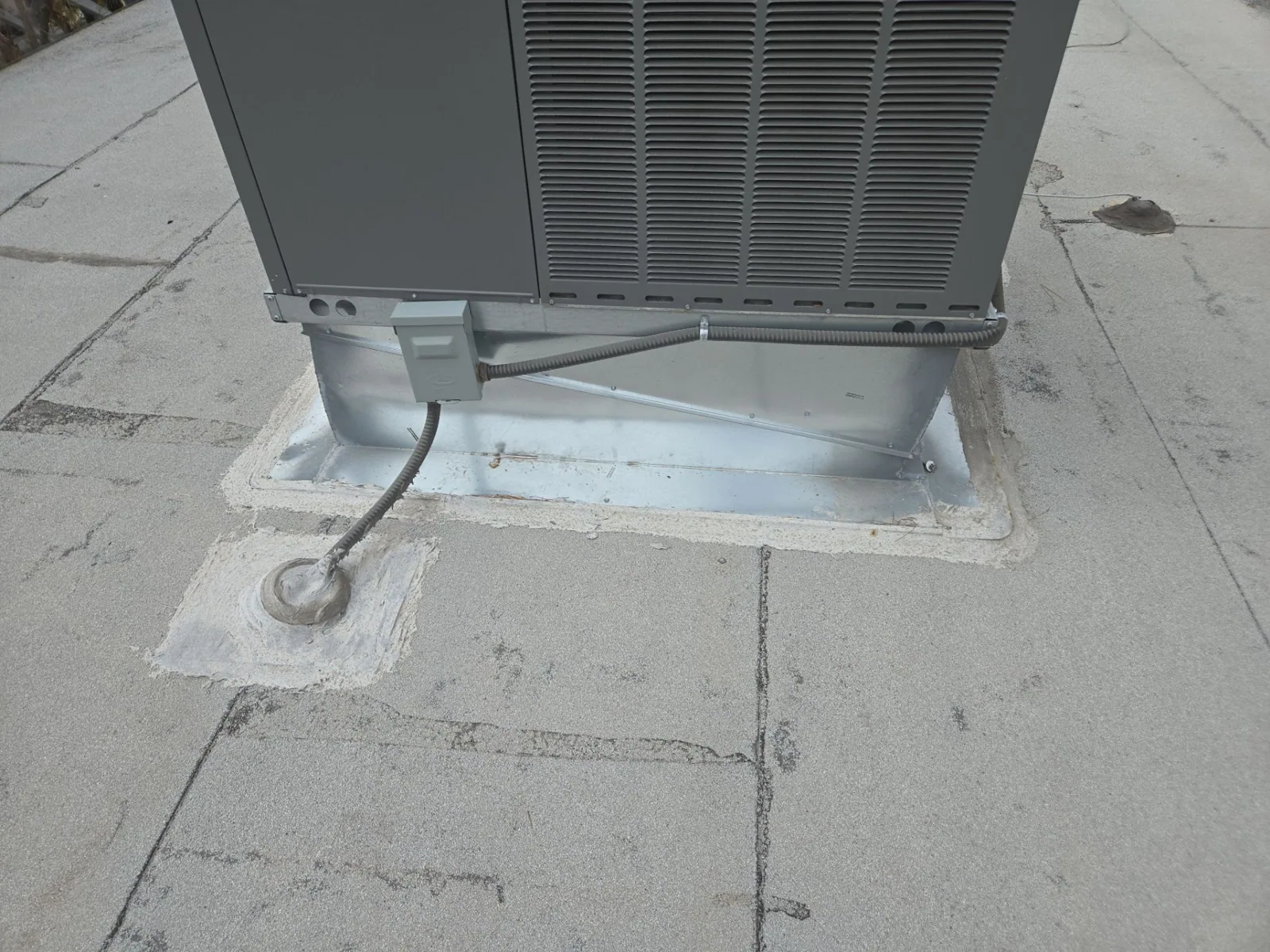
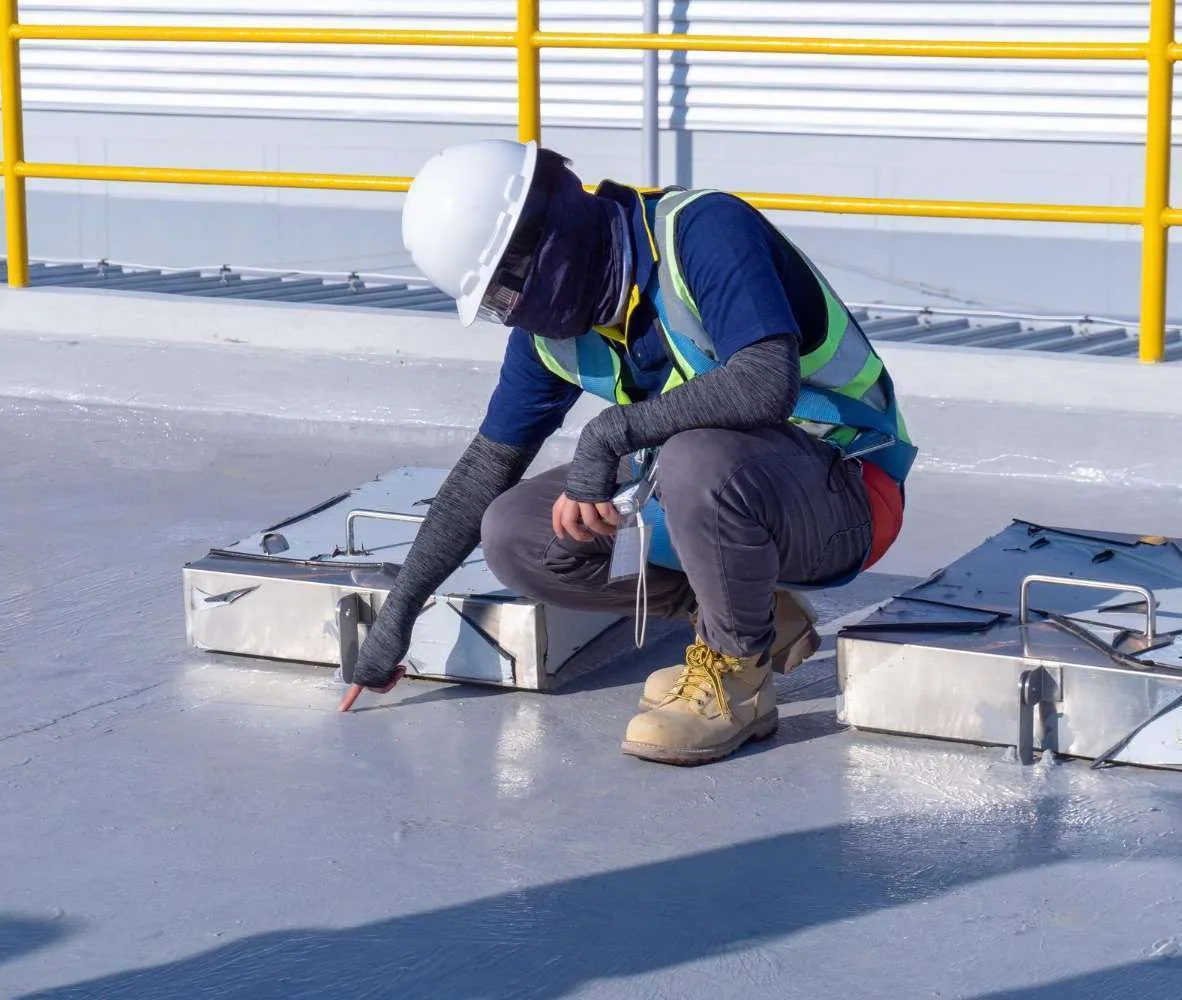
A pipe collar can flex while the adjoining termination remains rigid. We inspect that transition for stress, splitting and loss of seal. Loose equipment supports may abrade material during vibration or service. We look at the support contact and nearby traffic damage together. A roofing patch cannot correct an improperly supported mechanical assembly by itself. The equipment trade must address that part of the defect.
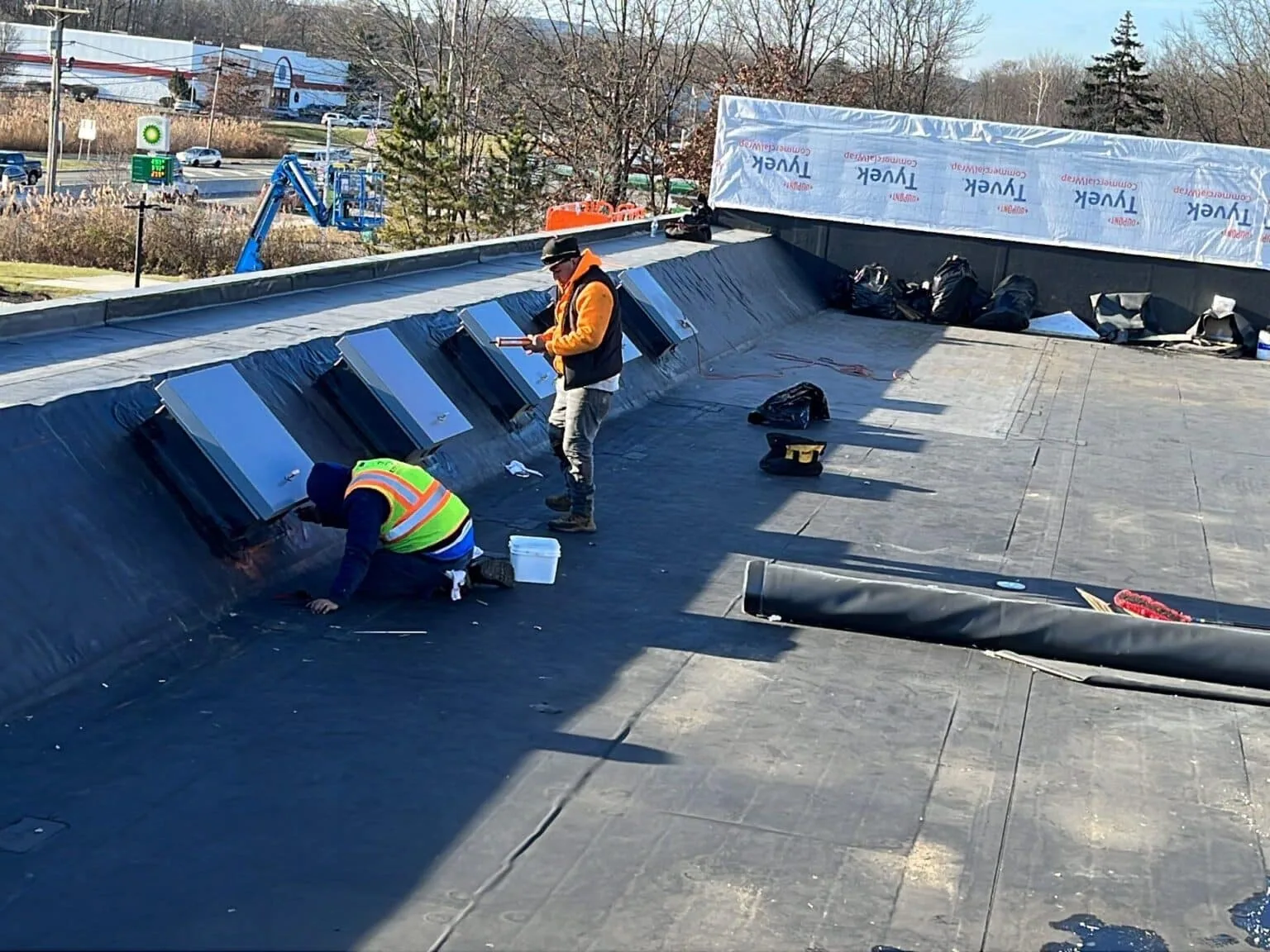
San Angelo heat makes expansion clearance relevant at metal details. We check where long metal components meet membrane or wall terminations. The inspection considers joint condition and the movement allowed by attachment. Rooftop service equipment also needs clear maintenance access. Correcting curb and support interfaces may require coordinated work by multiple trades. We identify the component responsible for each correction. The resulting scope should restore weather protection while keeping equipment movement from loading the same flashing detail again.
Commercial Roof Inspection
Select deeper tests for unresolved conditions
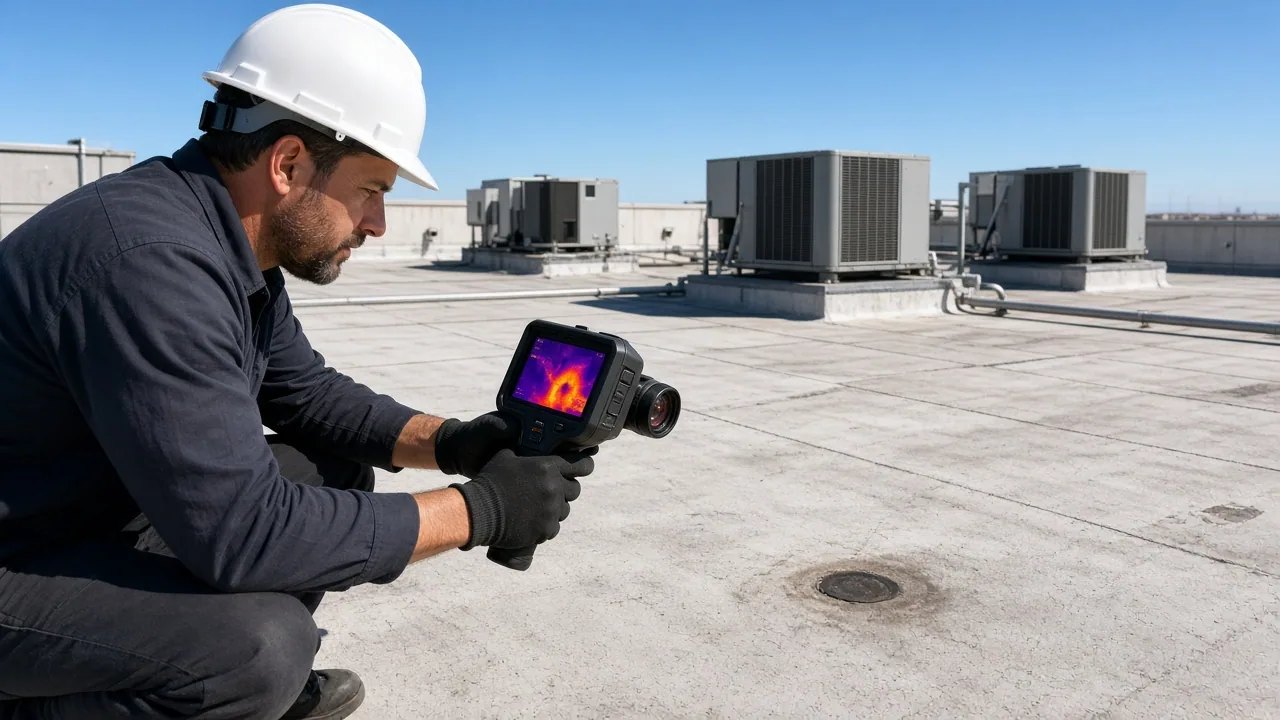
A soft area underfoot can warrant checking the layers beneath it. Safe access remains necessary before investigating that condition. We assess whether moisture mapping or test cuts will resolve the uncertainty. Infrared screening with test-cut confirmation can locate suspect thermal patterns. The chosen sampling positions should represent the assembly and observed defects. Each opening is repaired after the layers have been examined.
Visible deck concerns can require structural evaluation beyond roofing inspection. We explain which finding triggers that referral and why it matters. Avoiding the suspect area may be necessary until its condition is assessed. A drone image can help observe inaccessible sections, but it cannot probe a seam. The hands-on visit and supplementary methods serve different questions. We select them for those questions rather than treating more photographs as more certainty. Additional testing should reduce a defined uncertainty that affects removal, attachment or the sequence of repair work.
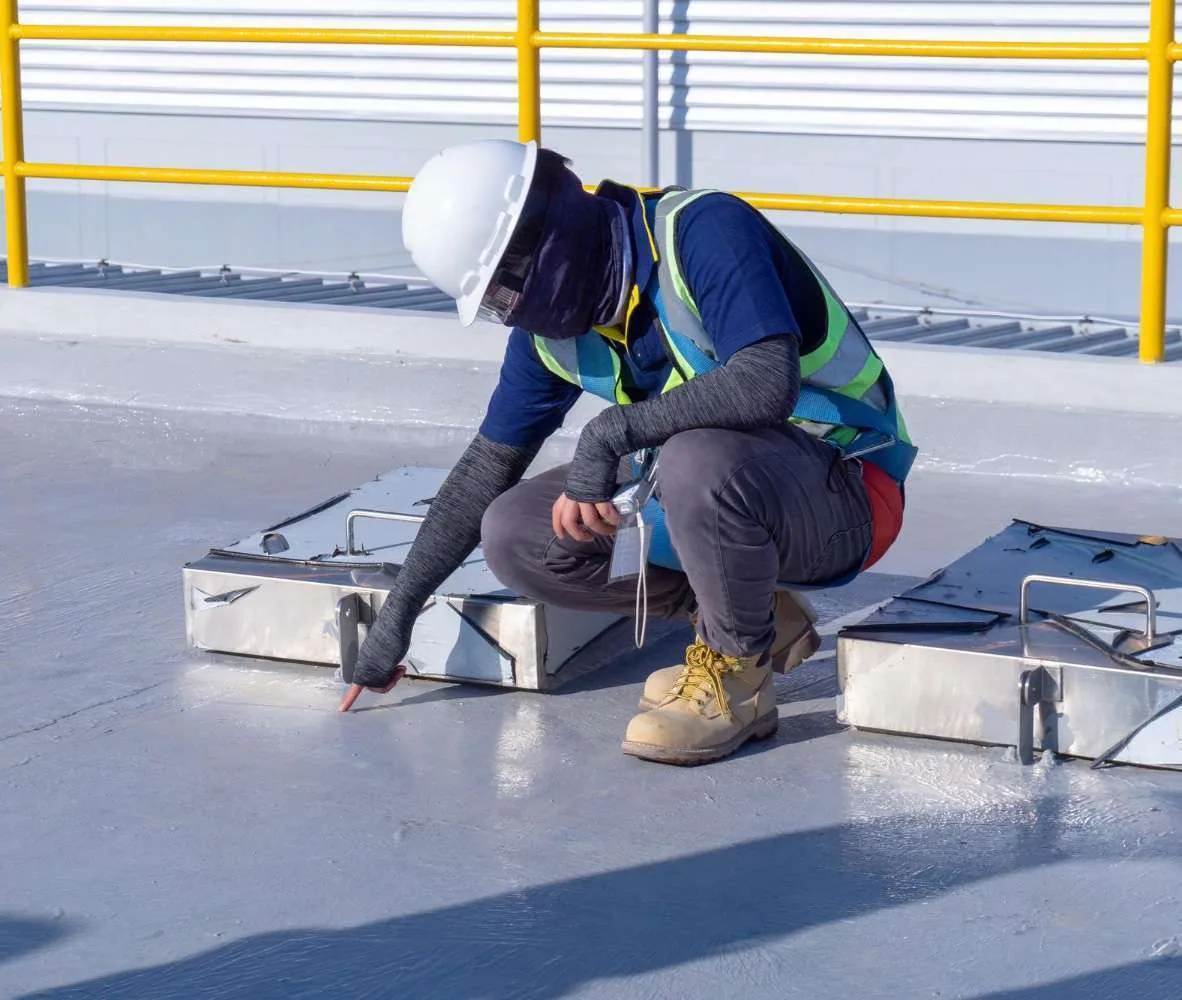
Commercial Roof Inspection
Assign the next action to each defect
An active water path takes priority over cosmetic surface variation. We distinguish immediate protection needs from scheduled repairs and monitoring items. The findings include location, observed condition and the proposed next action. Planned commercial roof repairs can then address related details during one mobilization. That grouping must preserve the distinction between unrelated causes. A leak and a loose support may occupy the same section without sharing one repair method.
The Knickerbocker Road Corridor contains hotel dining operations and restaurants. A roof assessment for a building there needs the affected room use identified. Repair timing over food preparation differs from work over an unused store room. For agricultural buildings in the Wall area, material access and occupied operations also guide scheduling. We translate defect positions into practical work zones. The manager can then coordinate the proposed correction with the activity below, while keeping any unsafe or moisture-damaged area out of ordinary use.
Questions and answers
Questions About Commercial Roof Inspection
Can an inspection support a purchase decision before closing?
A purchase assessment needs its scope matched to the transaction question. We examine accessible roof condition and identify additional testing needed for concealed layers. Bring available drawings and repair records. The findings distinguish observed defects from unresolved conditions, helping the buyer plan further evaluation or roofing work before accepting the construction risk.
Is seam probing appropriate on a fragile membrane?
Probe technique must suit the membrane and its condition. We first assess the surrounding material for brittleness and deterioration. A fragile area may need another examination method or a controlled opening. The inspection should identify a defect without extending it through inappropriate pressure or an unsuitable tool.
What does a soft roof area mean for the inspection?
Softness can indicate damaged supporting material, moisture or another assembly condition. We restrict access where walking could be unsafe. Selective testing may establish the cause and affected layers. A deck concern may require structural review. The next action follows the finding rather than assuming all soft areas have the same cause.
Will drone images replace checks at drains and curbs?
Images can locate visible issues and help orient an examination. They cannot establish seam bond strength or the condition inside a drain connection. We use direct checks where those details control the repair decision. Inaccessible areas may require planned access rather than a conclusion based solely on their appearance from above.
How should planned equipment replacement affect the roof review?
Tell us which units or curbs will change before the visit. We examine their interfaces and the roof material around them. The equipment work can affect flashing height, traffic paths and temporary openings. Assessing those details together helps avoid completing a roof repair immediately before another trade must reopen the same area.