Commercial Roofing for School Districts in San Angelo, TX
Industries We Serve
School Districts at a Glance
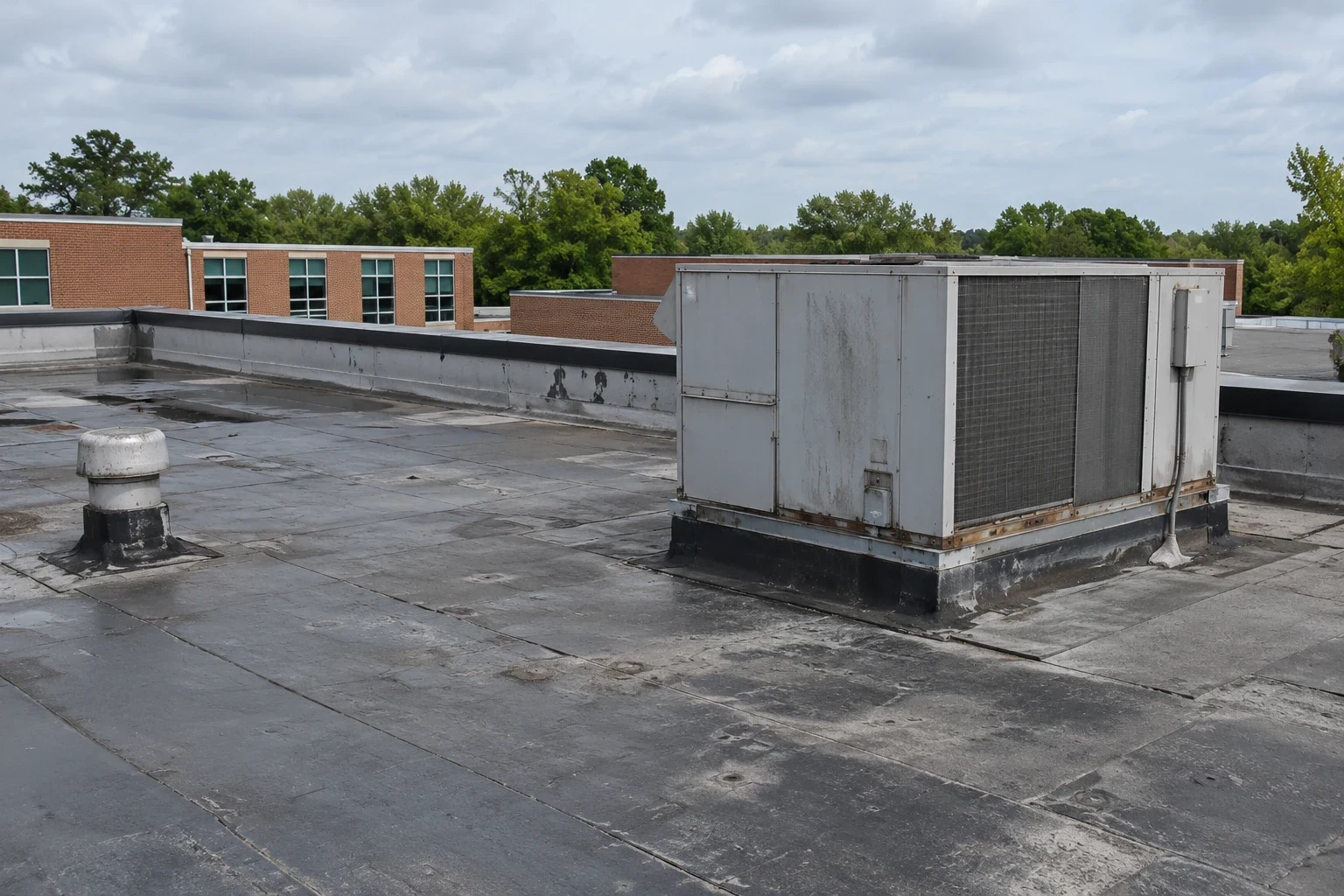
Compressed cover board at a roof impact can alter the repair boundary. The visible mark needs examination alongside the material supporting the covering. Commercial roofing for school districts in San Angelo, TX follows those physical findings. We assess the surface and investigate suspect layers where indicated. A localized patch should have suitable support beneath it rather than conceal involved material outside the obvious impact position.
Grape Creek has a separate administration building from its high-school and elementary/middle-school facilities. Elementary, middle and high-school education is provided by Wall ISD. District roof planning needs the reported condition located at the actual building before access and occupied-room arrangements are selected. Commercial Roofers San Angelo inspects, repairs and replaces commercial school roofing. Assessment of school roof construction and occupied space identifies the involved material and practical exposure needed for the correction.
School Districts
Verify the impact condition before selecting a patch extent
A roof impact can affect the covering, adjoining detail or material beneath it. We examine accessible marks and damaged components. Suitable verification helps define involved support where the findings indicate it. A surface indentation does not establish the same correction as an open cut. The installed material and actual condition guide the method needed to restore the weather connection.
Investigation of hail-related school roof damage follows reported impacts and physical findings. San Angelo experienced baseball- to grapefruit-sized hail on May 21, 2020. For a current school assessment, we examine the surface, seams and raised details. Observed split lines or deformed flashing help direct supporting investigation. Supporting investigation may extend the repair boundary. A sound surrounding assembly can permit localized correction when the system requirements allow it. Wider involvement needs another removal and closure sequence. The selected task should identify that construction, so district staff coordinate the actual roof exposure above the affected rooms instead of treating the visible impact mark as the complete work area.
Define the district roof correction and affected room stage Arrange an assessment with building-specific symptoms, reported impacts and room availability identified. We will establish the material boundary and the construction period needed for the affected school roof.
School Districts
Locate each roof finding at its actual school function
A district can have classrooms, administration and shared service functions in different buildings. We identify the relevant roof section and occupied space with district personnel. A defect above an office can have different access effects from one above active classroom equipment. The correction still follows the installed assembly and material condition. The building function helps define the restriction, not the roof system or damage extent.
Roof coordination for public-agency operations needs a specific construction task and responsible access contact identified. At a school district, staff establish the applicable room use and service arrangements. We distinguish verified removal from areas requiring more assessment. The priority should account for the actual material correction and occupied area affected. Two similar leak reports may need different work when support or equipment access differs. A district comparison should keep those differences visible. That allows the decision to follow each building's physical roof findings while the practical restriction is located against the room and circulation space needed during that particular stage.
School Districts
Match the working period to removal and complete weather closure
An available school-building period must accommodate the actual roofing stage. Investigation can require less exposure than removal and reconstruction. We identify preparation, supporting correction and completed detail requirements before the period is selected. Equipment access or material handling may affect another space beyond the opening. Those tasks need coordination with the responsible district personnel.
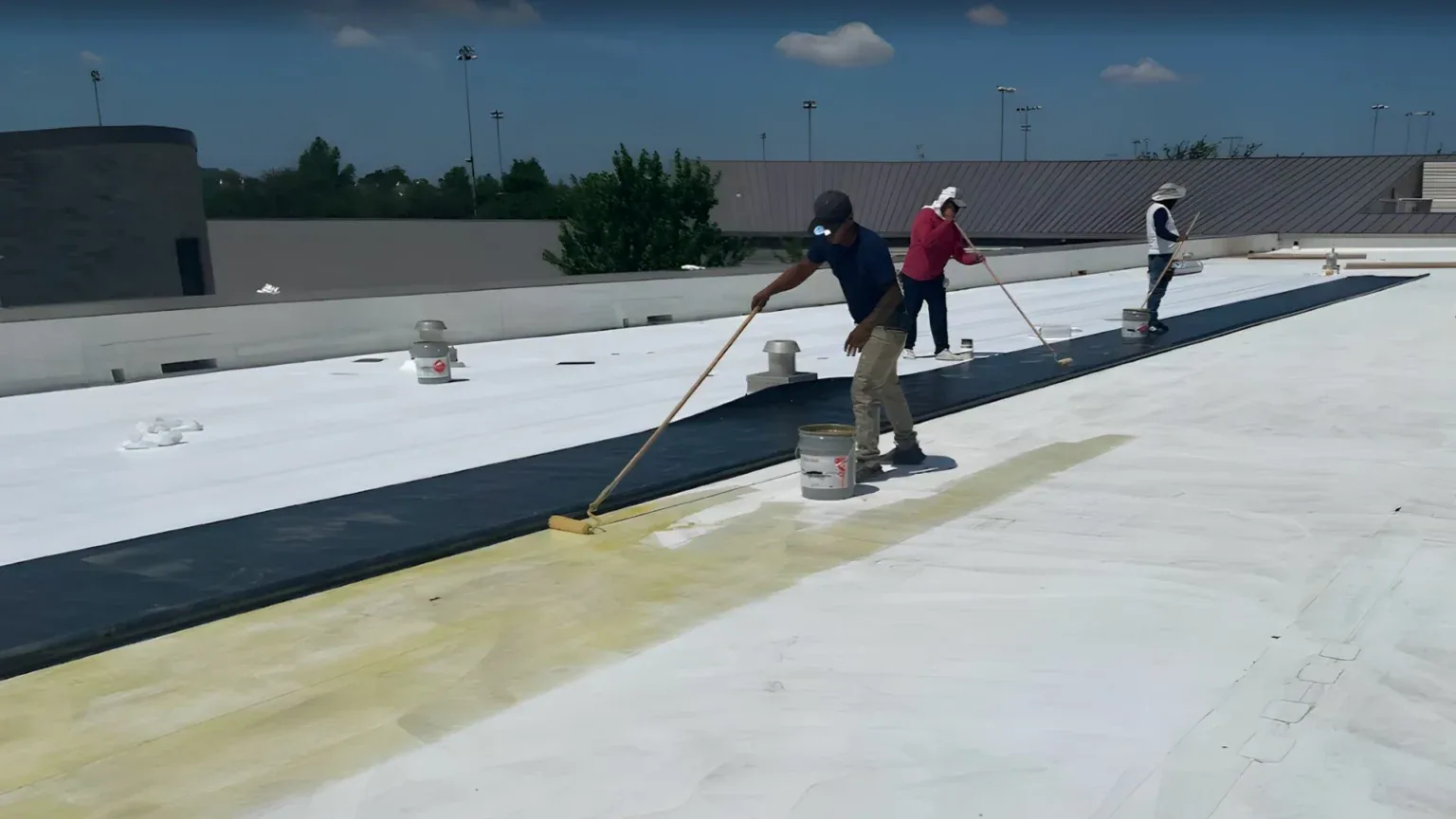
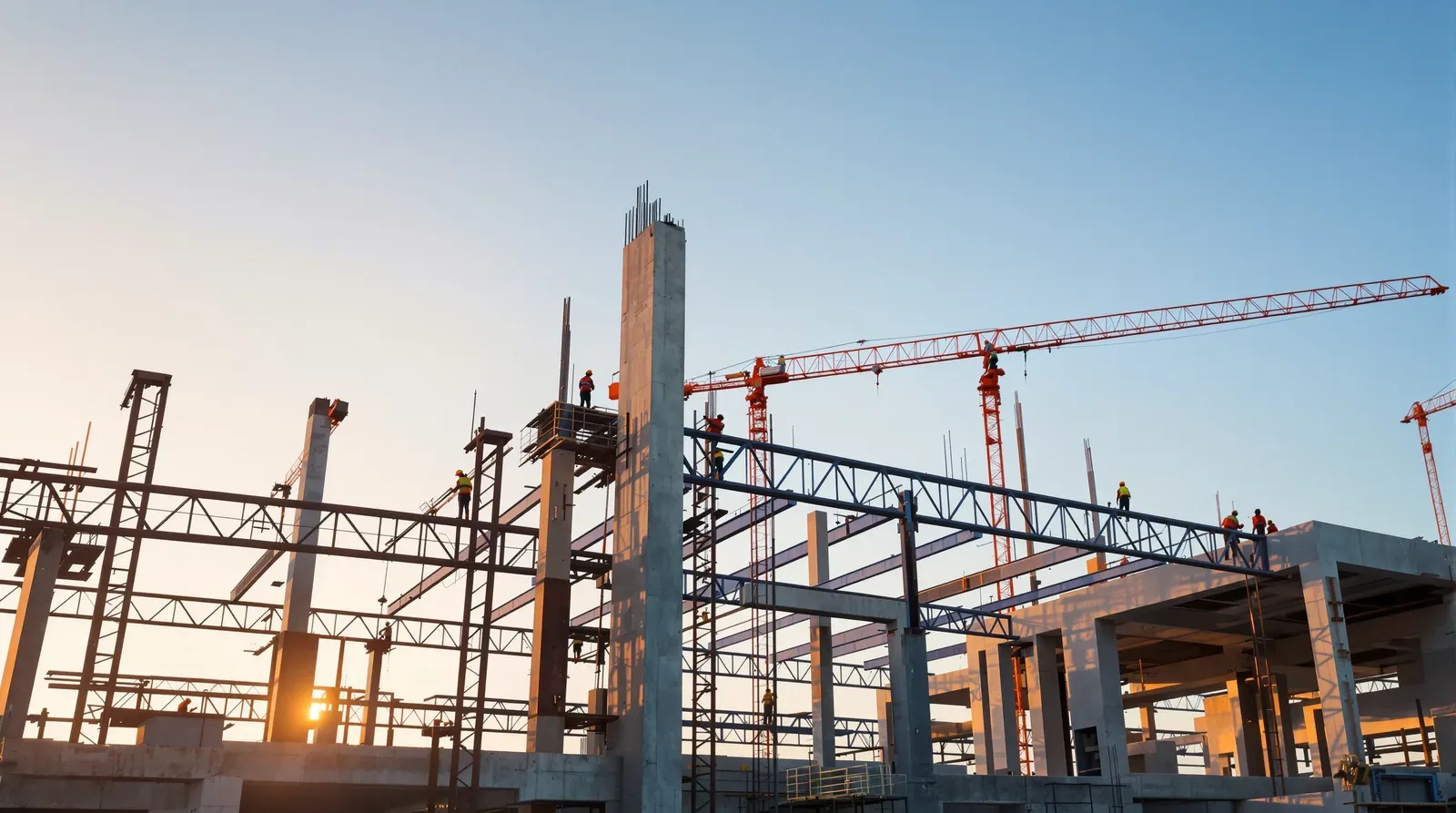
Reroofing with school-building activity coordinated defines the room and route restrictions for each stage. A gap in classroom use does not necessarily make equipment or a shared corridor unavailable. Staff establish the actual occupied arrangements. We identify the roof construction requiring restriction and its closure needs. For roof work within a coordinated school construction project, supporting and equipment tasks need an agreed order before the roofing detail is rebuilt. The plan should explain that sequence clearly. The selected period must permit the required material conditions to be met, with suitable examination of completed connections before restrictions change for the affected occupied area.
School Districts
Compare retained material with the proposed roof connection
A limited correction requires sound adjoining construction and compatible preparation. We identify the installed covering and existing repair material. The chosen detail must suit the actual field membrane or metal surface. Wet or deteriorated supporting layers require assessment and suitable removal. The repair boundary needs to account for those conditions before the new weather connection is completed.
Examination of district roof details and retained layers directs further investigation where the findings require it. A broader roof option can change removal, drainage and equipment connections. Correction of school roof insulation and cover-board support follows the selected assembly and verified construction condition. We define the material requiring reconstruction rather than assume every layer can remain under another patch. The district can then compare localized work with a wider scope using actual physical differences. That makes the decision specific to the building and involved layers, with occupied-room and service arrangements coordinated for the removal extent established through the assessment.
School Districts
Identify repaired sections for the next district roof task
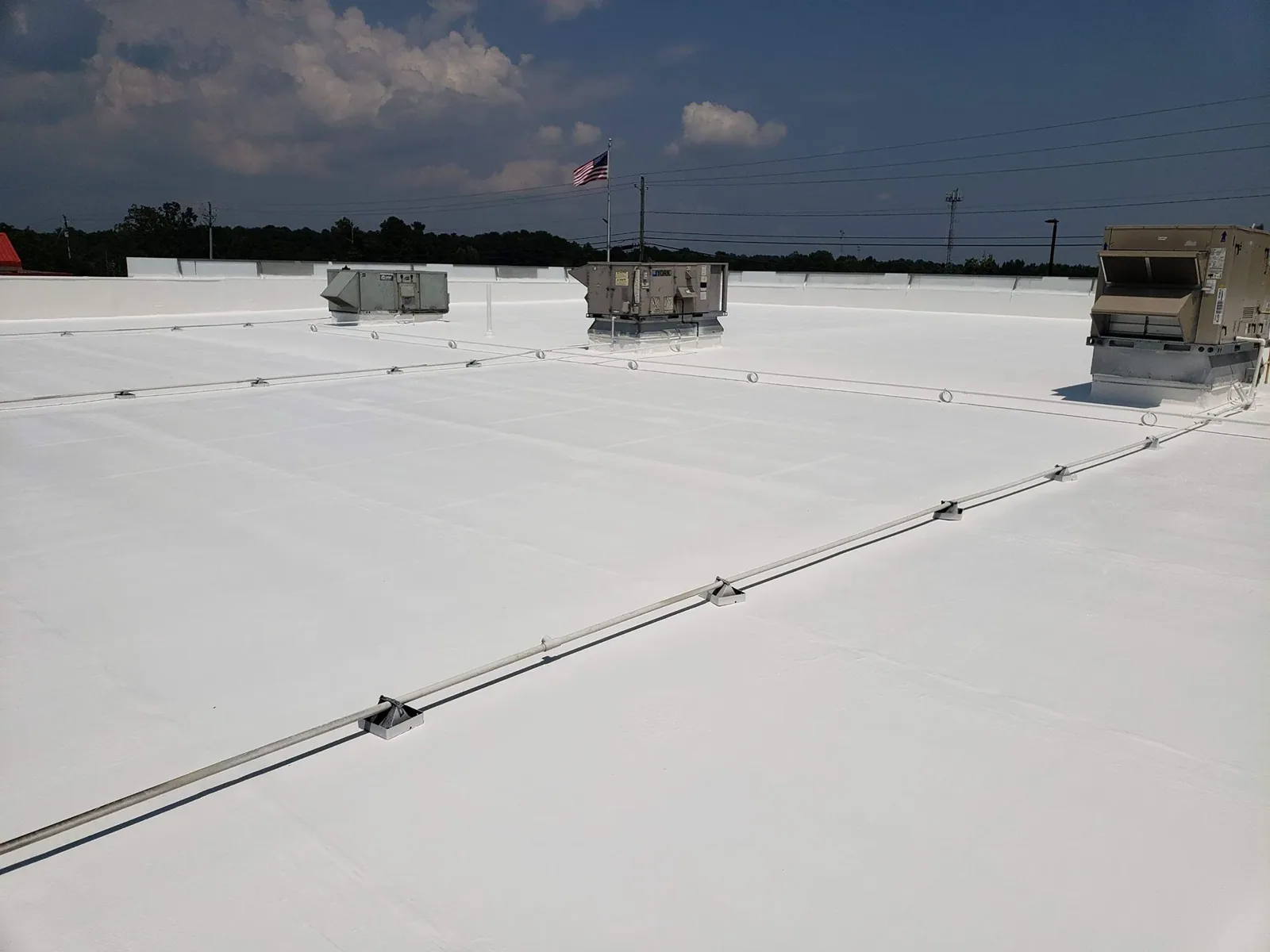
A completed correction should identify its location, material and relevant boundaries. We examine accessible connections using the installed system requirements. Retained sections or temporary closure remain distinct from finished construction. A later equipment change or new impact can affect another detail. The next assessment follows current findings rather than assume an earlier repair scope resolves every changed symptom.
For district roof work around Grape Creek's school-building setting, responsible staff coordinate the actual building and access arrangement. Maintenance of district roof weather connections examines outlets, details and relevant service contact. Observations should locate the particular room or roof component affected. A changed surface or leakage report may require new supporting investigation. We identify the construction needed before another removal stage is arranged. Clear completed-work boundaries help focus that task, with the district's room, equipment and circulation restrictions updated for the actual roof exposure rather than carried forward automatically from a different building or earlier condition.
Questions and answers
Questions About School Districts
Why investigate cover-board condition beneath a visible school roof impact?
The supporting layer may need correction beyond the exposed covering mark. We examine the impact and verify suspect construction where indicated. A suitable retained boundary helps define the repair. The new weather connection requires appropriate support, so involved compressed or deteriorated material should not remain concealed simply because the surface patch can cover the visible position.
How should a district compare similar roof symptoms at separate buildings?
Locate the actual defect, retained material and occupied area at each building. Similar reports can involve different construction and equipment access. We define verified correction and further assessment needs separately. District staff can then coordinate room use against the real removal and closure task, rather than assign identical scope based only on the symptom description.
Does a classroom gap establish enough time for complete roof reconstruction?
Define the construction stage and supporting correction before choosing the period. Some gaps suit investigation but not removal and closure. We identify preparation and detail requirements. Responsible personnel coordinate room, equipment and shared-route arrangements, with sufficient time for the specified materials and completed connections before the occupied restrictions are changed.
Can another roof patch retain all insulation around a damaged school detail?
Verify the supporting condition and suitable boundary first. We investigate suspect moisture or deterioration where the findings indicate it. Sound material may remain when the assembly requirements permit. The selected correction should address involved layers and compatible connections, so a new patch is not used to conceal support that cannot receive the completed weather detail.
What information helps assess a new leak after a district roof repair?
Provide the building, affected room and timing of the changed symptom. Include relevant equipment work or reported new impacts. We examine the current material and connection condition. The resulting scope follows those findings, with further verification and district access arrangements defined for the actual task rather than assuming the earlier correction should be repeated everywhere.