About Commercial Roofers San Angelo
Commercial Roofers San Angelo is a commercial roofing contractor for property managers, building owners and facility teams. We inspect low-slope and metal roofs, document conditions and complete repair, replacement, recover, coating and maintenance work. Our work starts with the building use and roof assembly. San Angelo properties range from the Downtown central business district to the multi-occupant Business & Industrial Park. Each has its own access, schedule and repair decisions.
Built around the roof condition
Let the roof condition decide the next step
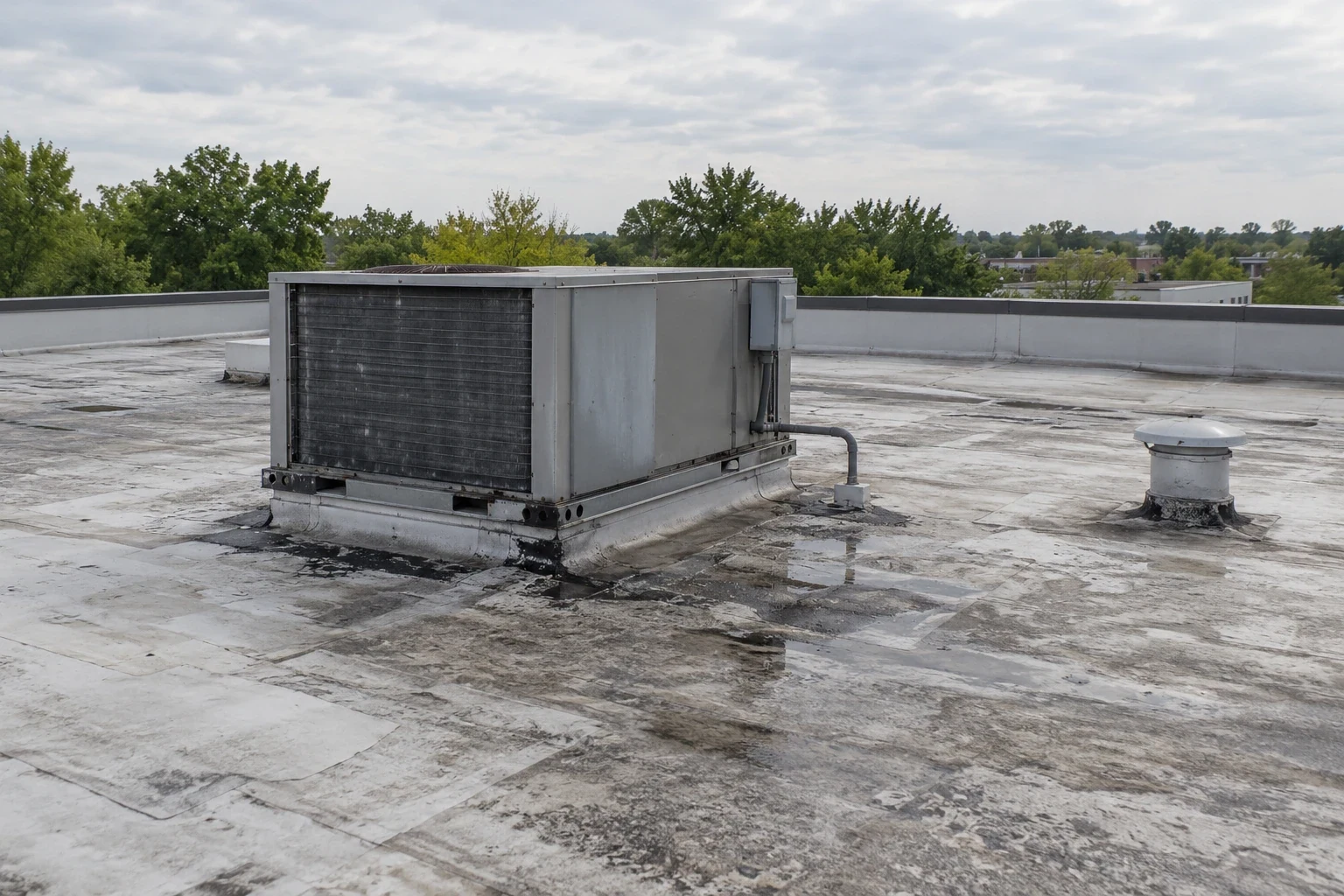
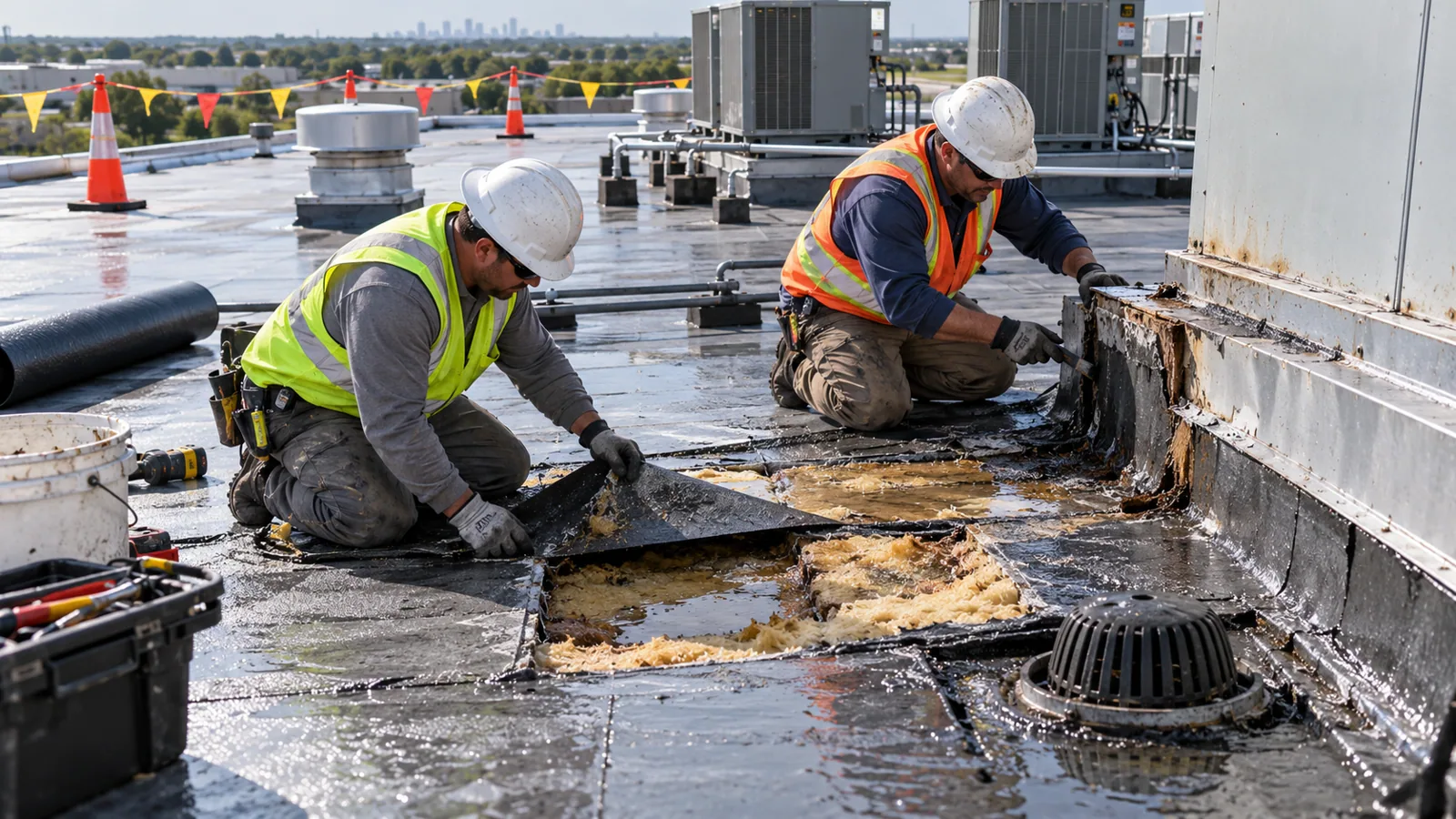
A leak report opens an investigation. We trace the path across seams, drains, curbs and insulation. When moisture extent is uncertain, a test cut can reveal whether the assembly is dry or wet. Photos and a written condition report explain what we observed and what remains unconfirmed. The manager can compare local repair with restoration or replacement using the same evidence.
For an active opening, emergency response protects the interior and limits further water entry. Permanent work follows when material can be inspected and prepared. A commercial roof inspection gives the property team a roof-specific record. The repair scope names the failed seam, curb or flashing and the material tie-in.
We do not price an unknown area as if its limits were established. When a visual inspection cannot confirm insulation condition, we explain the test and what result would change the proposal. If an opening shows wet material, the manager receives the added quantity and a price before work continues. If the material is dry, the repair may remain narrower. This keeps scope and approval connected to a field observation.
Connect system behavior to maintenance
TPO and PVC seams are heat welded. EPDM uses adhesive and flashing materials. Metal panels need secure attachment and room for movement. Coating systems depend on surface compatibility and preparation. We identify the existing assembly before selecting repair stock. A product choice does not correct wet insulation or a loose termination by itself.
We can evaluate TPO, EPDM, metal and coating systems within the requirements of a specific project. The proposal explains prep, removal and tie-in. It also shows whether testing is needed before the next scope decision.
Material details deserve the same discipline. A membrane patch needs clean, compatible surface and a bonded edge. Metal flashing needs attachment that remains secure while allowing movement. A coating is considered only after moisture and bond checks. We follow the selected system requirements for preparation and installation rather than covering an unresolved defect.
Coordinate access before material arrives
Roof work affects doors, loading, equipment access, tenant schedules and rooms below the work area. We coordinate these restrictions with the property manager before staging. A phased project can limit how much roof is open at one time. The work plan identifies each section, the day's close point and who approves a change if concealed conditions are different from the inspection.
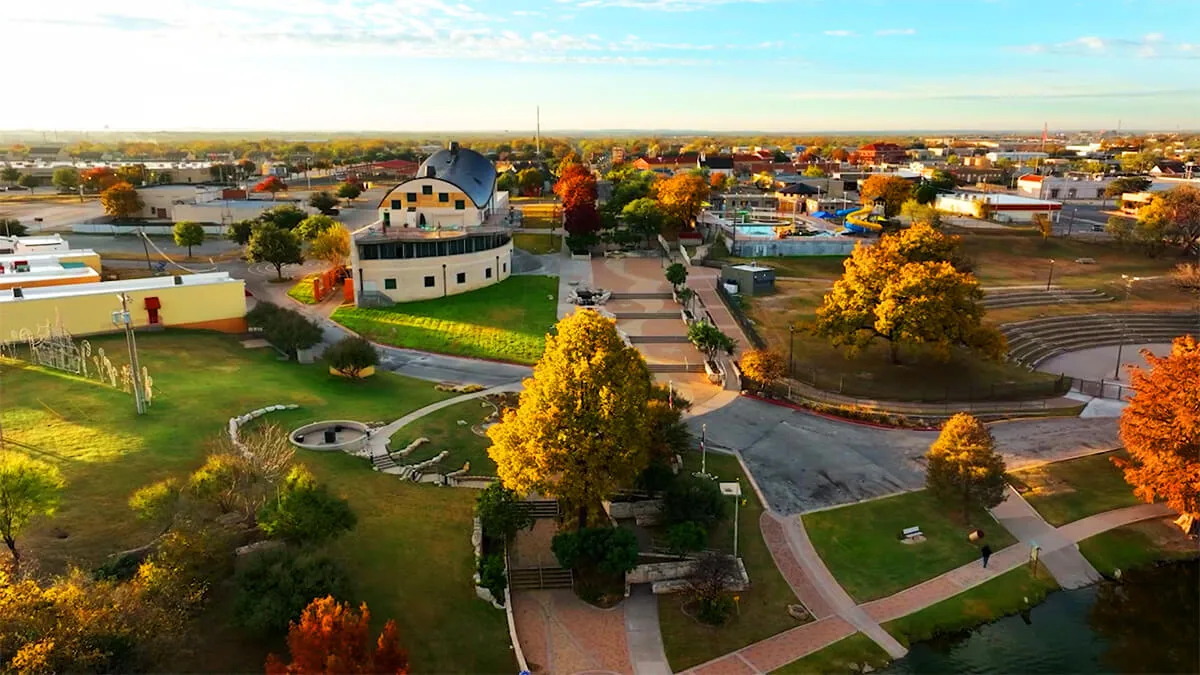
The Business & Industrial Park lists manufacturing, distribution, transportation, energy and document storage uses. That range makes freight and equipment coordination part of the discussion, but no building's roof is inferred from the park's use. Downtown San Angelo includes residential and commercial properties. We keep staging and public entry specific to the property. For a multi-building portfolio, condition reports keep roof findings tied to each assembly.
Record damage instead of assuming it
San Angelo experiences severe hail as a regional hazard. On May 21, 2020, hail across the city damaged homes and vehicles. That event helps explain why an owner may request an inspection; it does not show damage to any commercial roof. We look for punctures, loosened seams, edge movement and water entry on the property. Any report ties observed damage to photographs and location.
If water enters, we protect the space below and make a safe temporary correction. We identify when permanent repairs can follow and what areas require testing. An active leak can reach us after hours, on a weekend or on a holiday. The first response protects the interior; permanent correction follows a separate scope. Claim documentation can include the inspection record and repair estimate without making a coverage decision for an insurer.
Areas Served
Where we start
What to Bring to a Roof Visit
Bring the records that change the decision
Useful starting information includes the address, roof access rules, leak locations, prior repairs, operating hours and any available system records. We use those details to plan a focused visit and identify the question the inspection needs to answer. If the roof is actively leaking, call for containment first. If the work is planned, share budget timing and any upcoming equipment changes.
Our goal is a scope the property manager can review and approve. The proposal connects material removal, preparation, flashing and closeout to observed conditions. If hidden moisture changes the quantity, we document the finding and price before expanding the work. For a business in the Business & Industrial Park or the Downtown district, the same direct record helps keep the roof decision specific and accountable.
For larger roofs, we can divide a project into sections that match access and operation needs. The sequence sets where tear-off begins, how insulation is protected and when each zone closes. If a building has sensitive equipment below, the manager can align roof work with an operations contact. Every phase gets its own photo record and closeout notes.
Field records that last
Make future maintenance more direct
After work, photographs show the completed seam, flashing, drain or curb. The closeout notes material removed, moisture condition and any open item. A future manager can compare a new leak with the previous repair. That record supports scheduled maintenance and capital planning, rather than another roof visit with no history.
A maintenance inspection can revisit details before a small defect reaches the interior. The capital planning process can sequence projects by condition and budget timing. The Cultural District covers about 200 acres south of the Concho River. Its broad geography, like the industrial park and downtown, is context for access and building use, not a substitute for a roof inspection.
When a repair exposes a detail that cannot be confirmed from above, we document the opening and review options with the manager. The final report notes what was changed and what remains as a separate recommendation. It becomes a record for the next service contact.
Questions from San Angelo Building Owners
Do you handle both commercial repair and replacement?
We inspect the assembly and compare repair, recover, restoration and replacement where the conditions support those options. The written scope states the condition and work limits.
Can you respond to a roof leak outside business hours?
Emergency response runs 24 hours a day, seven days a week, including holidays. We contain active water, protect the interior and document permanent repair needs.
Do you work on metal and low-slope roofs?
Our work covers low-slope membrane and commercial metal roofs. Inspection verifies the assembly so material selection, attachment and flashing details match the roof.
What makes your estimate specific to my building?
It identifies observed conditions, moisture testing, access, repair area, materials and any exclusions. Concealed conditions that change scope are documented and priced for approval.