Data Center and Computing-Space Roofing in San Angelo, TX
Property Types We Roof
Data Center and Computing-Space Roofing at a Glance
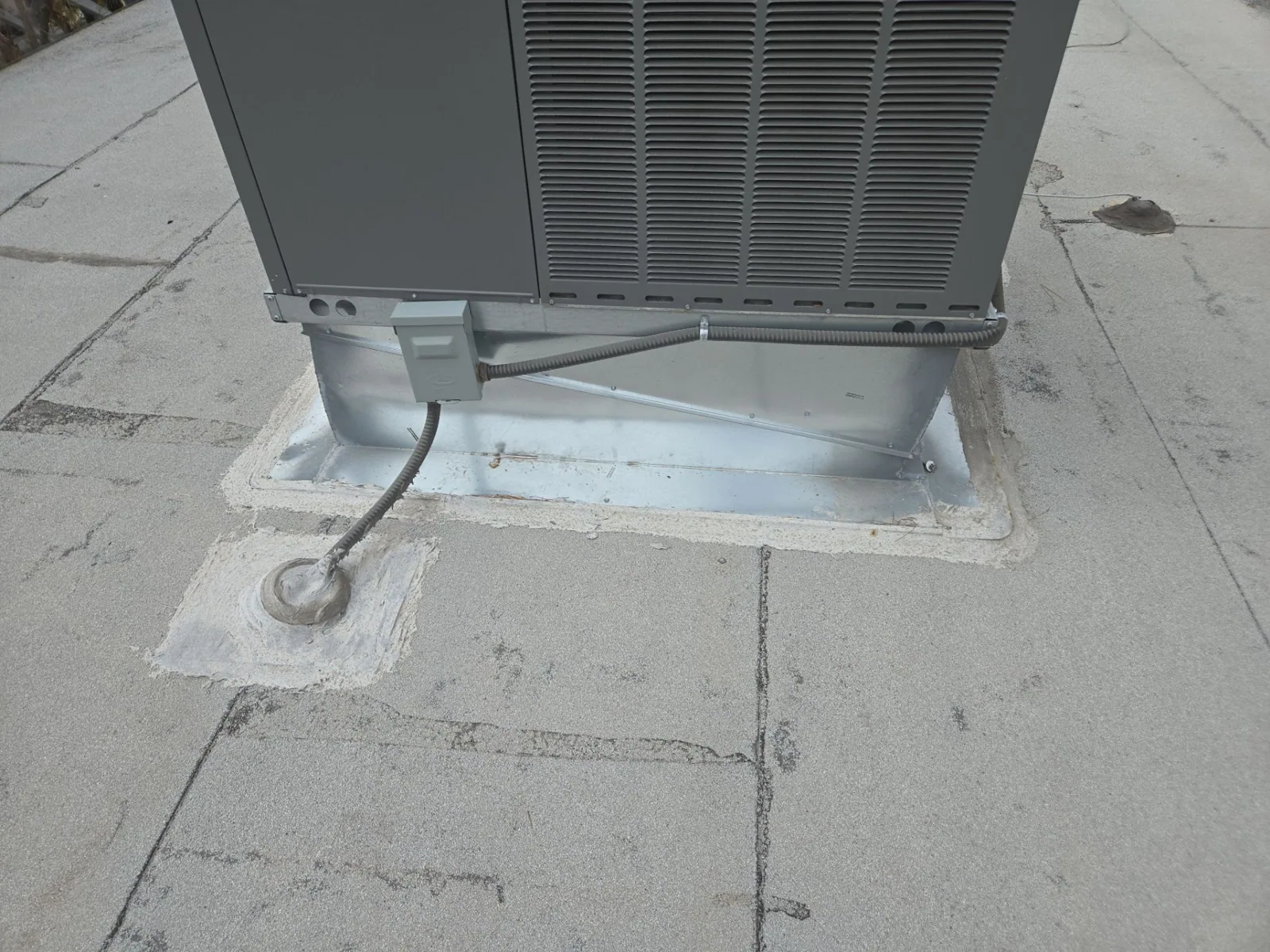
A cooling-line penetration can place a weather connection above computing equipment. Its repair needs the opening and operating consequences assessed together. Data center roofing in San Angelo, TX requires focused coordination. We examine the membrane detail and supporting construction around the line. The building staff identifies sensitive equipment and access restrictions below. Roof removal then follows a protection and closure plan suited to that specific area.
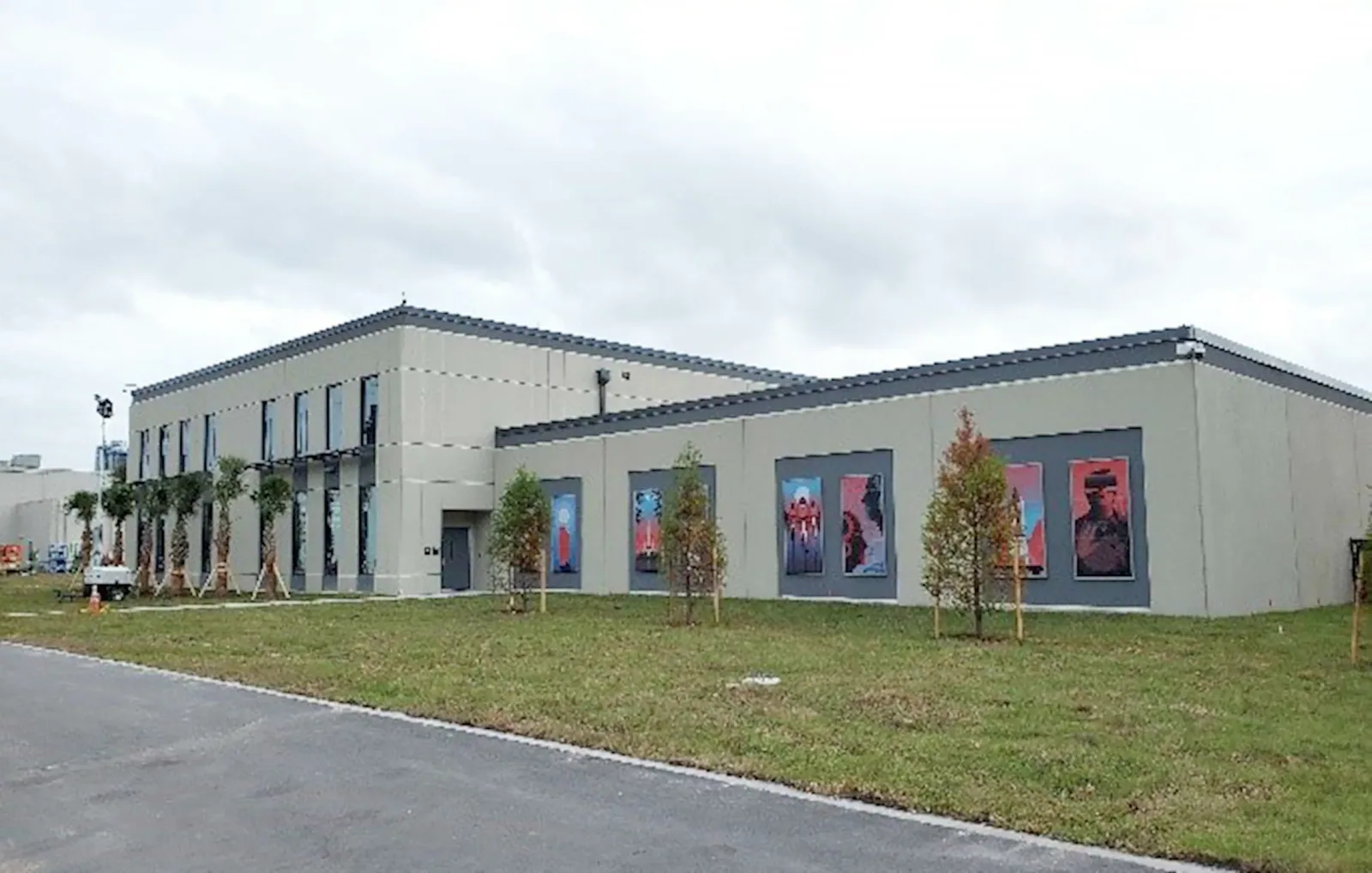
Commercial Roofers San Angelo repairs and replaces commercial roofing above computing spaces. The San Angelo Business & Industrial Park has manufacturing and document-storage operations. Roofing serving a technical space within a commercial building there needs its actual requirements examined. We identify the roof condition without assuming a particular computing installation from the business use. A focused assessment above sensitive equipment establishes the physical roofing task before its operating limits are scheduled.
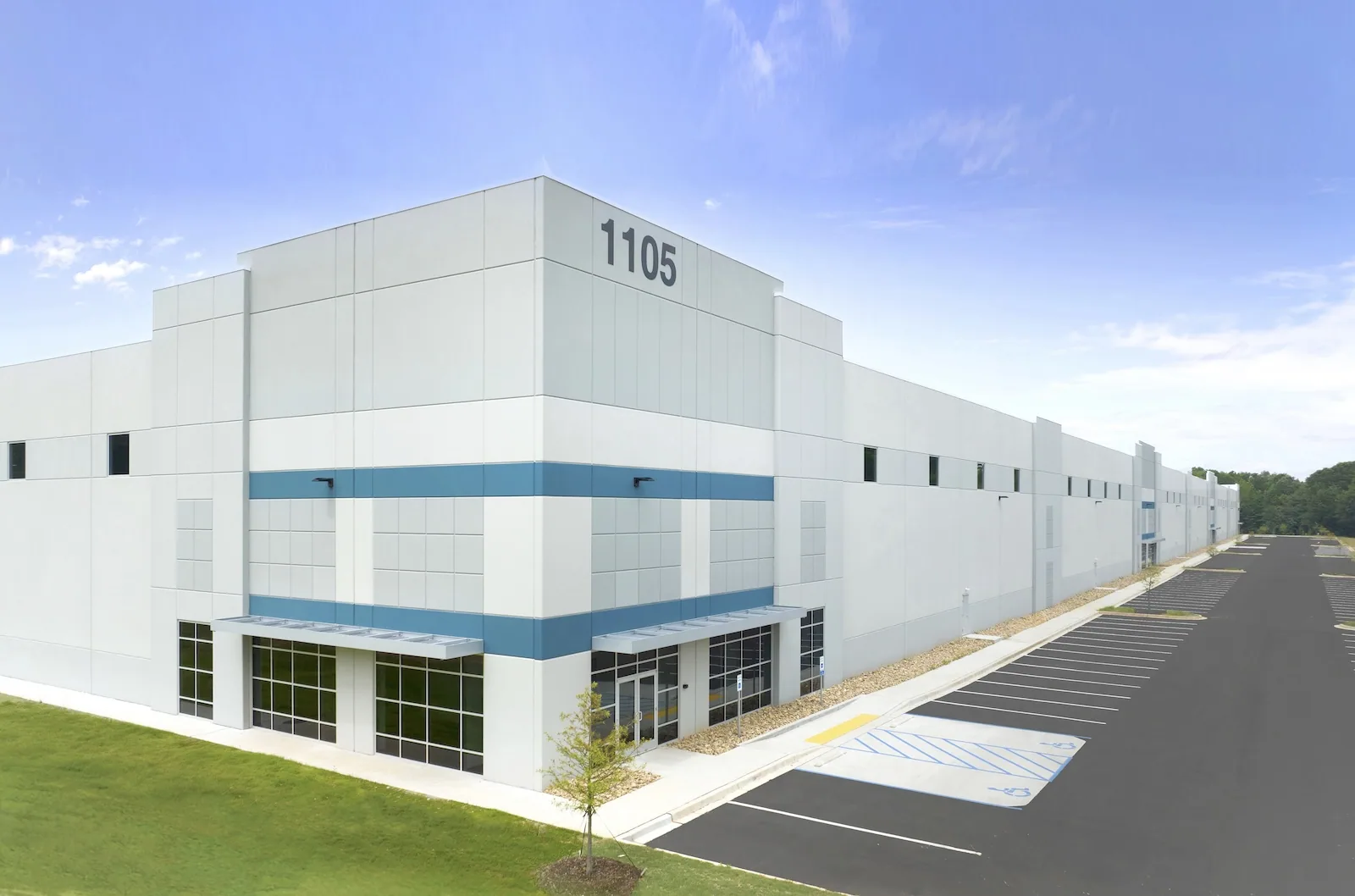
Data Center and Computing-Space Roofing
Investigate the connection before exposing the room below
A water report needs its physical path investigated before construction starts. We inspect accessible seams, penetrations and drainage around the suspect area. Cooling condensate or service piping may require mechanical evaluation as well. The observed position indoors does not set the roof removal boundary. Suitable testing should be coordinated with responsible facility personnel. Any method introducing water needs to be assessed against the sensitive operation beneath it.
Tracing and correcting a roof opening can involve different work from repairing a cooling-system discharge. We define the accessible findings and any further examination needed. Electrical equipment and indoor safety concerns belong with the responsible qualified personnel. The roofing sequence should preserve their required controls. A suitable repair targets the failed detail and involved layers, with protection identified before removal. We investigate each physical water path before opening the roof above sensitive equipment.
Assess the roof above the computing operation Request a focused roof review with water observations, equipment restrictions and permitted access identified. We will define the roofing correction and the protection needed for its working area.
Data Center and Computing-Space Roofing
Confirm supporting-layer condition without broad unnecessary removal
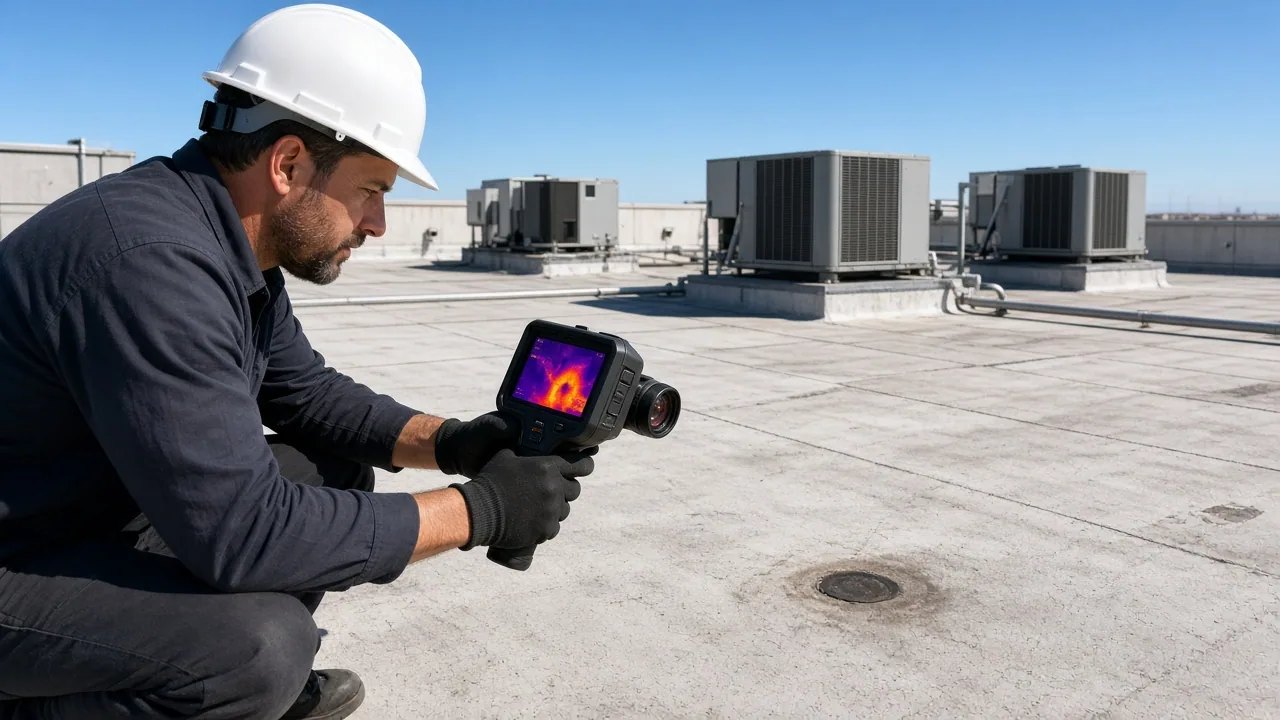
Moisture can remain beneath intact membrane beside a defect. We investigate suspect areas to define suitable removal where necessary. Screening can help identify positions requiring confirmation when conditions permit. The result needs interpretation against the actual assembly and roof equipment. Selected cuts provide physical information about the involved layers. Each opening then requires a suitable compatible closure following examination.
Thermal screening with confirmation at selected positions can reduce uncertainty about the proposed material boundary. We coordinate access and testing restrictions with facility staff. Wet insulation or damaged decking needs its appropriate correction before new covering. A dry retained area may permit a smaller construction task. The scope should distinguish those findings instead of treating the whole equipment room footprint as one removal area. We connect the correction to sound adjoining construction, while the protection plan covers the actual exposure needed to remove the affected layers and restore the roof connection above the sensitive space.
Data Center and Computing-Space Roofing
Coordinate roof details beside equipment that must remain available
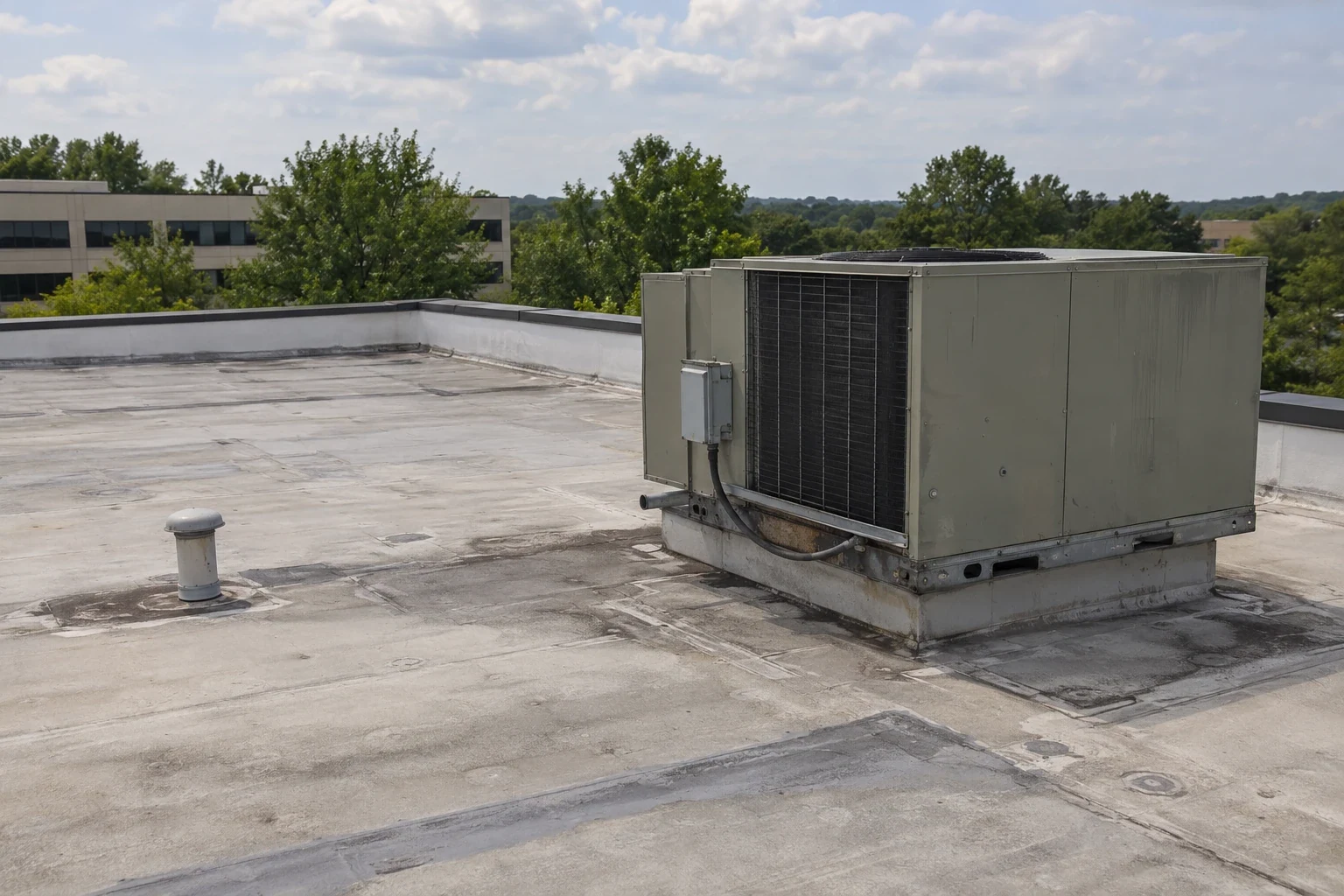
Cooling equipment can constrain access to the roof connection needing repair. We assess curbs, line entries and service clearances before membrane removal. A curb alteration may require mechanical disconnection or lifting. Those tasks need responsible personnel to establish an appropriate operating arrangement. Available backup equipment should not be assumed from the building type. The actual capacity and operating plan must be confirmed by facility staff.
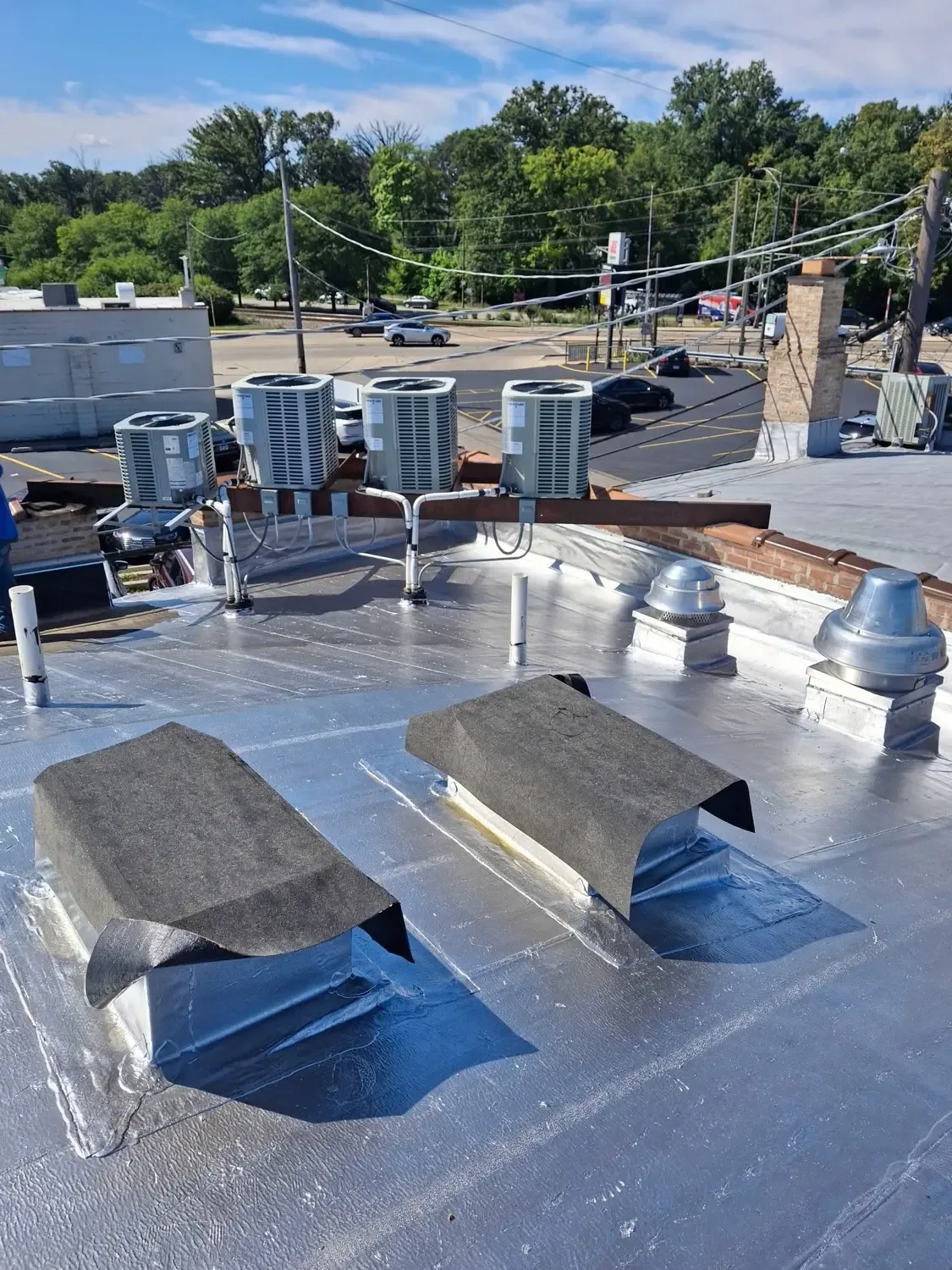
Roof work at cooling curbs and supports needs its closure sequence coordinated with the equipment task. New roof thickness can change flashing space and access-panel clearance. We measure those relationships before accepting the construction arrangement. Equipment-intensive industrial roof work can have related trade requirements, but each building needs its own assessment. The roof scope identifies the opening and weather detail we will correct. The mechanical and operating tasks remain assigned to the responsible personnel, so the project can close its roofing connection without relying on an undefined cooling interruption or restart.
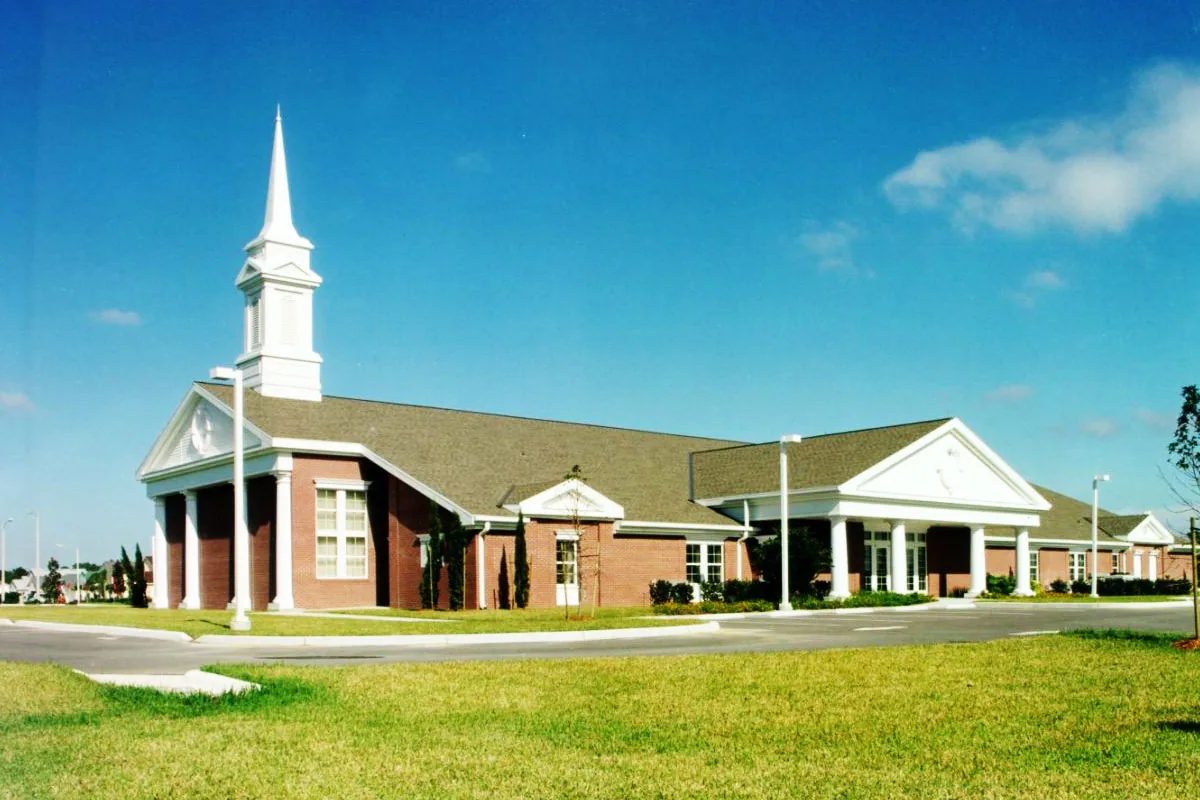
Data Center and Computing-Space Roofing
Define the exposure boundary around the computing operation
Removing roofing layers can expose deck joints or damaged construction. We examine accessible support and identify the protection required underneath. Dust, debris and weather need controls suited to the actual opening. Material handling can also create disturbance near sensitive rooms. The manager establishes operating restrictions and suitable separation for that work. A controlled roof area should have its protection ready before removal starts.
Downtown San Angelo contains commercial properties with dining, retail and entertainment activity. Computing space within an occupied commercial building there needs roof access assessed alongside other room uses. Roof work above offices and equipment rooms may need different restrictions at adjoining positions. We coordinate the actual plan with responsible building staff. Staged removal during continued occupancy should permit suitable weather closure within each working period. The chosen boundary follows those construction and protection needs. It should not expand merely because more field membrane can be removed while the supporting corrections and final transitions still need installation time.
Data Center and Computing-Space Roofing
Assess the assembly beneath the proposed replacement covering
A new membrane requires sound supporting layers and suitable attachment. We examine retained insulation, decking and accessible connections before defining replacement. Deterioration may need correction beneath a surface that looks serviceable. Added thickness can alter drains, curbs and perimeter geometry. We include those detail changes in the proposed assembly before installation. The material choice should follow that complete construction assessment.
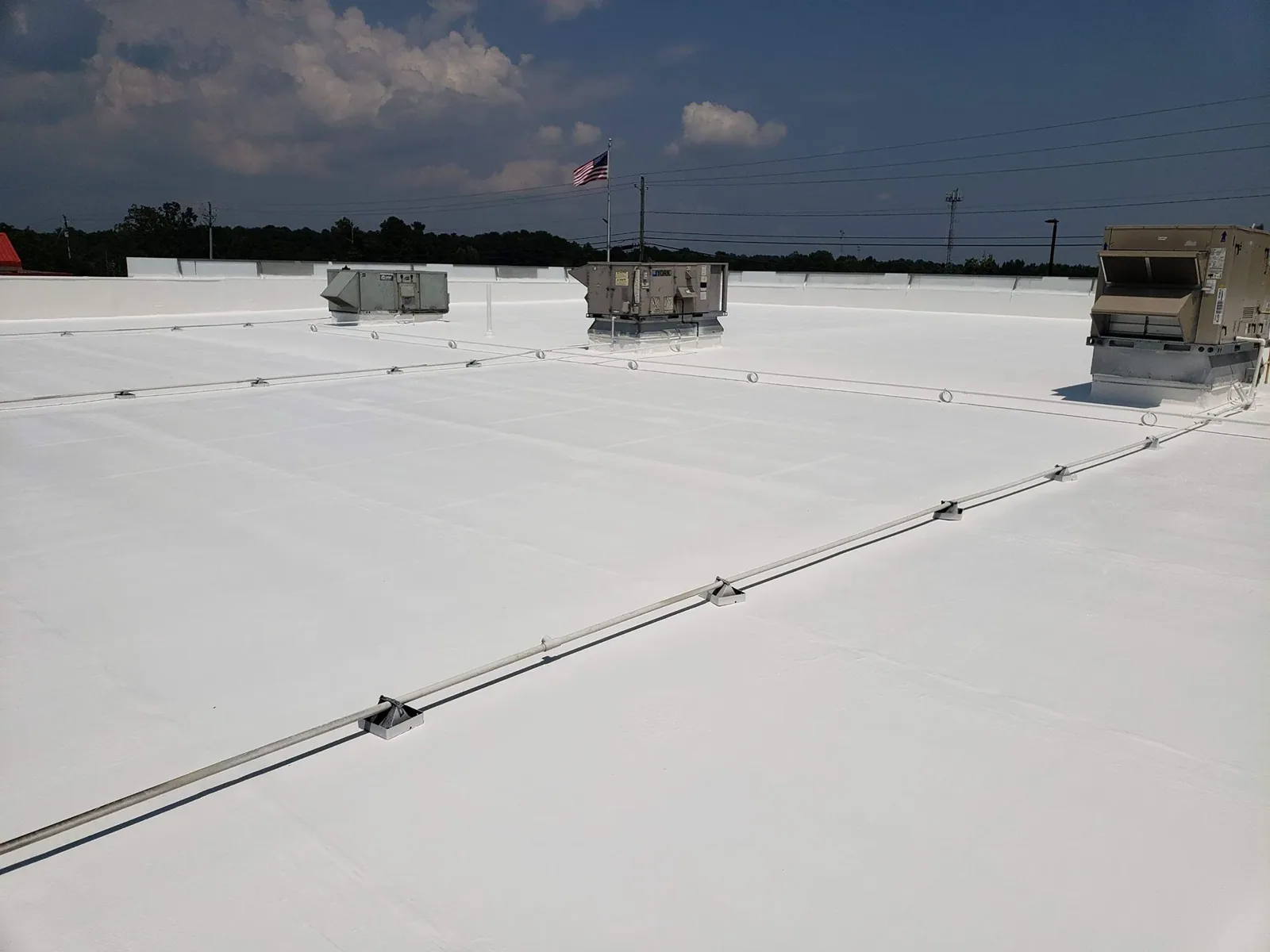
TPO replacement construction needs its welded details and load-transfer arrangement suited to the building. Other systems can provide different viable options for the assessed exposure. The comparison includes removal, preparation and the occupied installation sequence. We identify which tasks affect computing-space access or equipment coordination. The finished assembly still needs waterproofing and attachment through its details, with a practical closure plan above the actual room operation rather than an assumed result from the covering material alone.
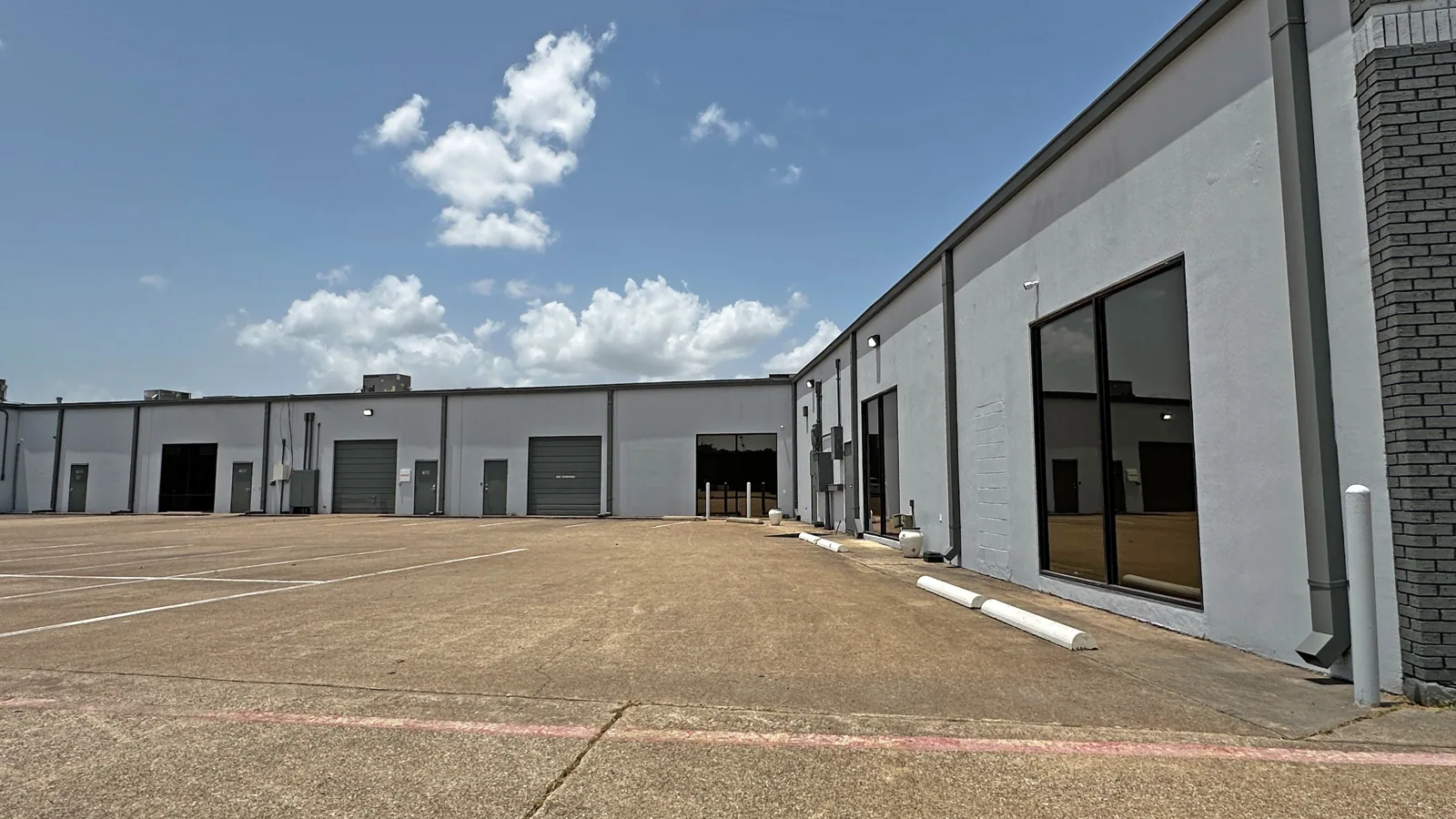
Data Center and Computing-Space Roofing
Keep critical connections accessible after roof work
Later equipment service can damage a repaired membrane or its flashing. We assess service routes and concentrated contact positions during the project. Suitable protection should preserve drainage and access to joints. Completed work needs inspection before the construction restrictions are lifted. Any temporary detail awaiting another task should remain clearly identified to responsible personnel.
For commercial buildings in Downtown San Angelo, the maintenance arrangement follows the actual roof equipment and occupied space. Roof condition records for future work can identify corrected details and material requirements. The manager can use that information when coordinating the next roof or equipment task. New moisture reports still need a focused investigation of their physical cause. Keeping seams, outlets and penetrations available for assessment helps that work proceed without unnecessary equipment removal. The completed roof should provide suitable weather protection while its maintenance remains practical around the computing operation it serves.
Questions and answers
Questions About Data Center and Computing-Space Roofing
Can water testing proceed directly above operating computing equipment?
The method requires assessment and agreement with responsible facility personnel. We identify the suspected path and consider suitable examination or testing. A method introducing water needs controls appropriate to the operation below. The investigation should resolve a defined roofing question without creating an unmanaged exposure at the sensitive equipment.
Does data-center use mean cooling can continue through every roof task?
Facility staff must establish the actual equipment and operating arrangement. We assess the roof access and any lifting or disconnection needed. Some corrections can affect equipment service. Facility staff must confirm backup capacity and any permissible cooling interruption. The roof task needs a defined sequence and responsible trade checks.
Why confirm thermal findings before setting the removal area?
Thermal patterns need interpretation against the roof construction and equipment. We use appropriate confirmation to assess suspect supporting layers. The physical findings help define what needs removal and what can remain. That supports a focused correction instead of assigning the whole computing-space footprint to one unconfirmed moisture condition.
What controls the size of a reroofing area above sensitive rooms?
Protection, supporting corrections and suitable closure determine the practical boundary. We assess the task beneath and within the roof before removal. The available working period must cover those stages. The area should be revised where necessary, so membrane placement speed does not leave an unfinished transition above an operation requiring controlled exposure.
How should later cable work be coordinated with the completed roof?
Review the penetration and support arrangement before altering it. We assess compatible weather details and the access needed for installation or later repair. Responsible trades handle the cable task and relevant safety requirements. The final arrangement should preserve drainage and service routes, with sound roof closure at each affected connection.