Commercial KEE Roofing in San Angelo, TX
Roof Systems
Commercial KEE Roofing at a Glance
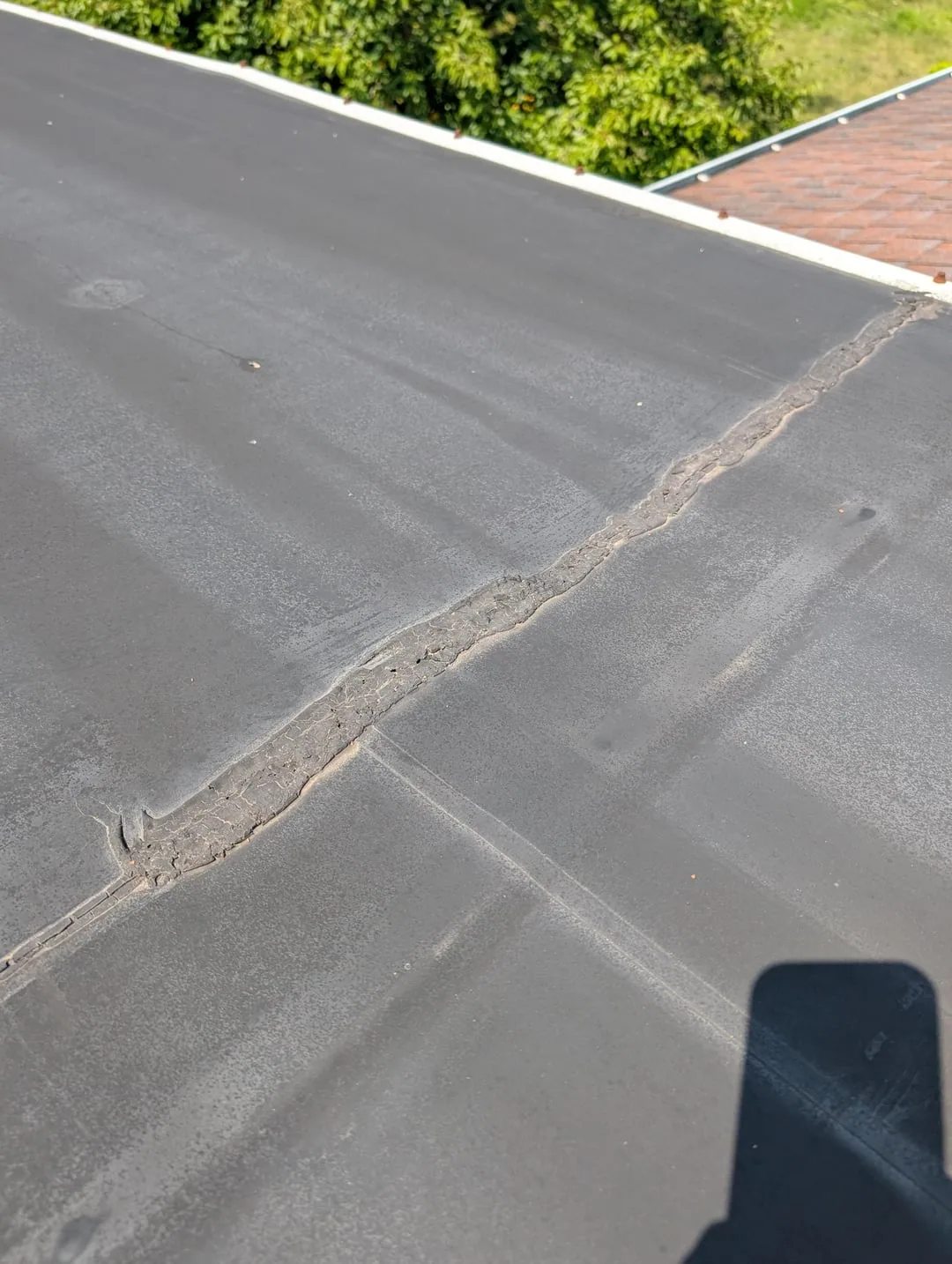
A stiff repair strip can load the flexible membrane beside it. Similar color does not establish compatibility between those materials. KEE roofing in San Angelo, TX needs the existing sheet identified. We assess its composition, condition and approved repair method. The connection should suit the material that will remain. A repair chosen by appearance can leave the bond and movement requirements unresolved.
Commercial Roofers San Angelo installs and repairs KEE and PVC-alloy roofing. Manufacturing and energy operations are among the San Angelo Business & Industrial Park uses. Membrane selection for a building there needs its actual exposure considered. We examine equipment contact, roof construction and the required work sequence. Identifying the retained roofing assembly helps determine the compatible materials and preparation required for the proposed task.
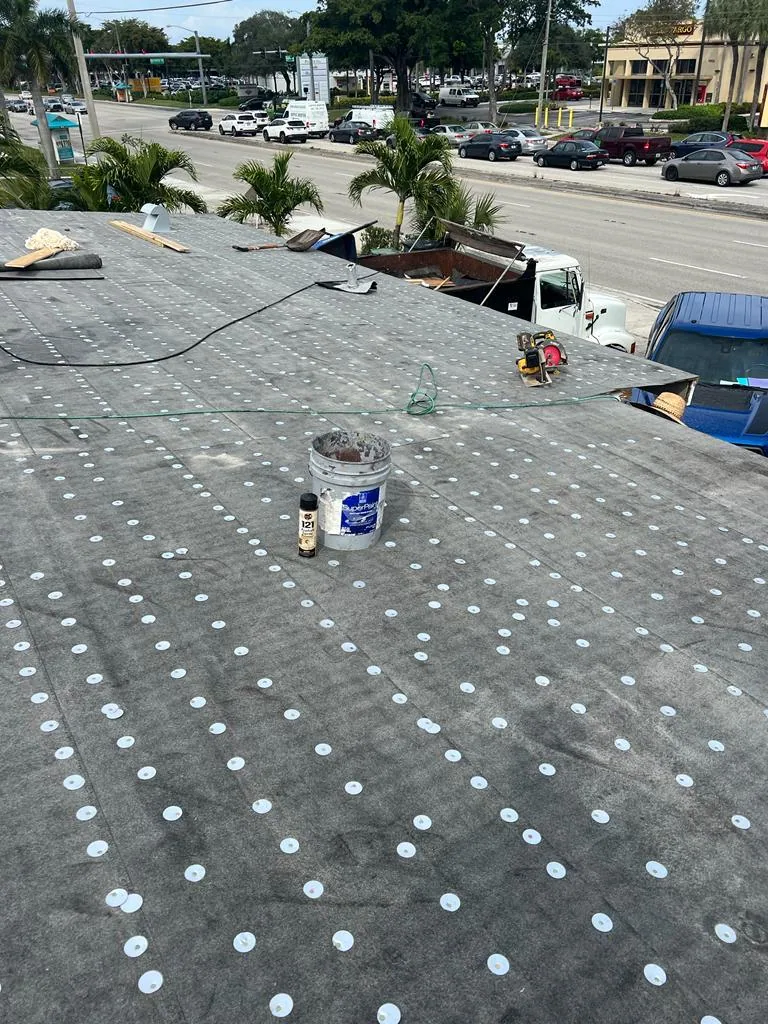
Commercial KEE Roofing
Identify the alloy before specifying repair components
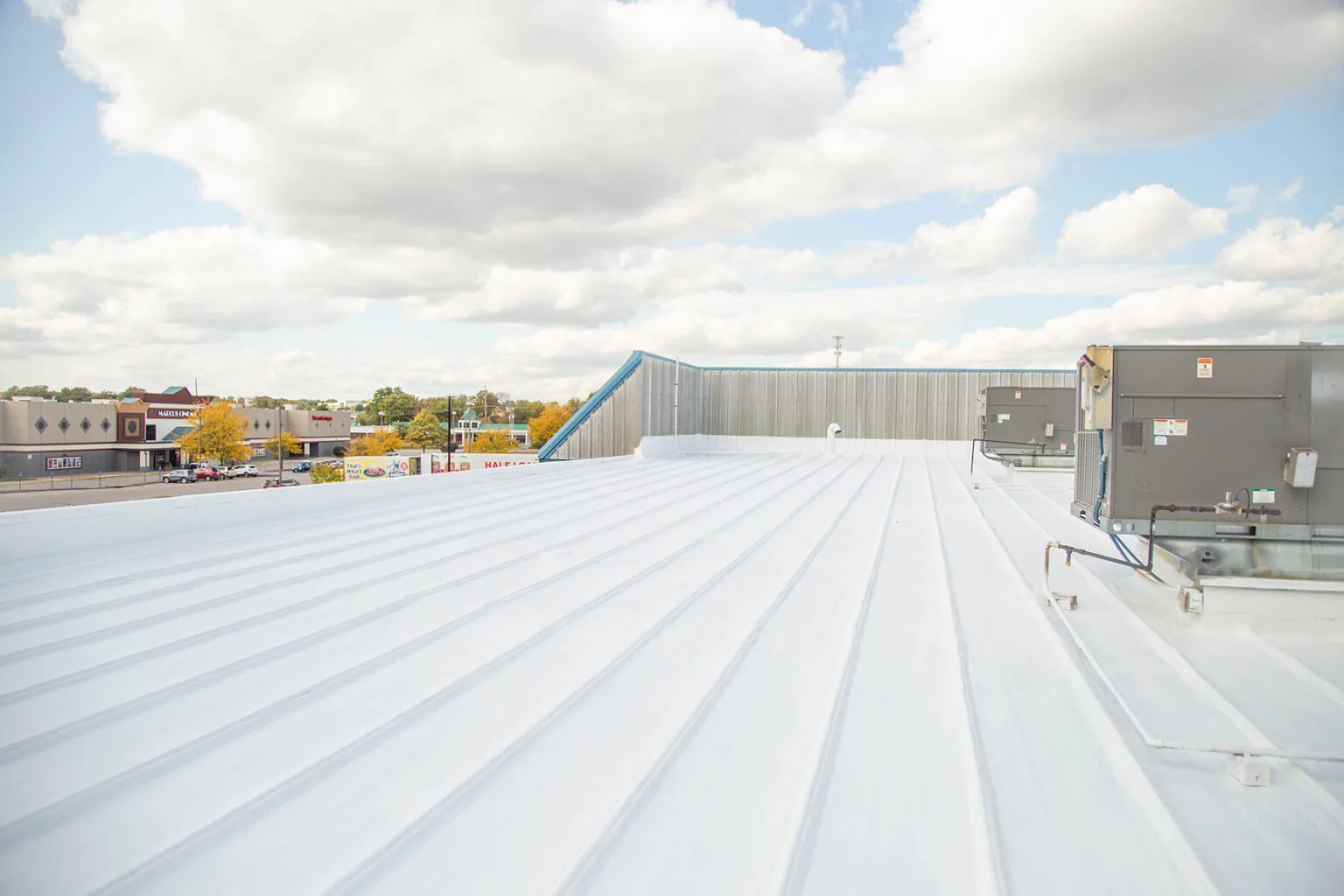
KEE roofing uses a polymer-modified membrane formulation with particular material properties. PVC-alloy products can differ in their composition and reinforcement. We review the installed product information where available. The material identity influences cleaners, primers and repair components. The selected system instructions should govern the proposed connection and preparation method.
We compare the actual sheet with the intended patch and flashing materials. Existing repairs need their compatibility examined as well. PVC membrane repair may share some techniques while requiring different product-specific preparation. That distinction matters on an aged roof with several repair materials. Uncertain or detached components can increase the extent needing removal. We assess whether a suitable connection can be made to the remaining membrane. The repair scope follows the identified material and its condition. We test the proposed connection before accepting another alloy sheet as compatible.
Establish the alloy and the suitable connection Request a KEE roof review with material records, equipment exposure and the repair location ready. We will assess compatibility and the access needed to complete the membrane connection.
Commercial KEE Roofing
Assess flexibility at the connection under load
A membrane needs suitable behavior at transitions that experience movement. We examine cracking, distortion and deterioration around restrained details. The sheet and reinforcement both influence its response. Flexible appearance in the field does not establish condition at a stressed corner. We inspect those locations directly and evaluate the adjoining connection. A damaged transition may require replacement beyond the visible split.
San Angelo normal July high temperatures extend from 96 to 99 F. Roof materials also experience changes between solar heating and cooler periods. Those heat cycles make movement and detail support practical inspection concerns. Connections around penetrations and raised curbs need compatible flashing and appropriate geometry. We examine restraint and upper closure before selecting the repair. A new flexible strip cannot correct a curb that moves independently without a suitable detail. The completed construction should address that relationship, keeping material properties connected to the actual mechanical condition rather than using flexibility as a reason to overlook unsupported joints.
Commercial KEE Roofing
Set the weld procedure on representative material
Weathered membrane can need preparation before accepting a repair weld. We assess contamination and the surface condition at the proposed connection. Trial welds help establish a suitable procedure for the material. Their examination follows the selected system method after cooling. A connection that peels poorly needs its preparation or condition reassessed. Continuing the same setting across a roof can repeat the weak bond.
Weld intersections and formed details deserve separate attention from straight overlaps. Thickness changes can affect contact during application. We examine the finished edges and correct discontinuities where found. Repair of a failed membrane seam needs sound compatible material for its full connection. The selected system requirements determine the bond area and treatment. A successful test on a clean portion should not be assumed to represent an oily repair area elsewhere. We adjust the assessment to those differences before defining which existing material can remain and which connection needs replacement.
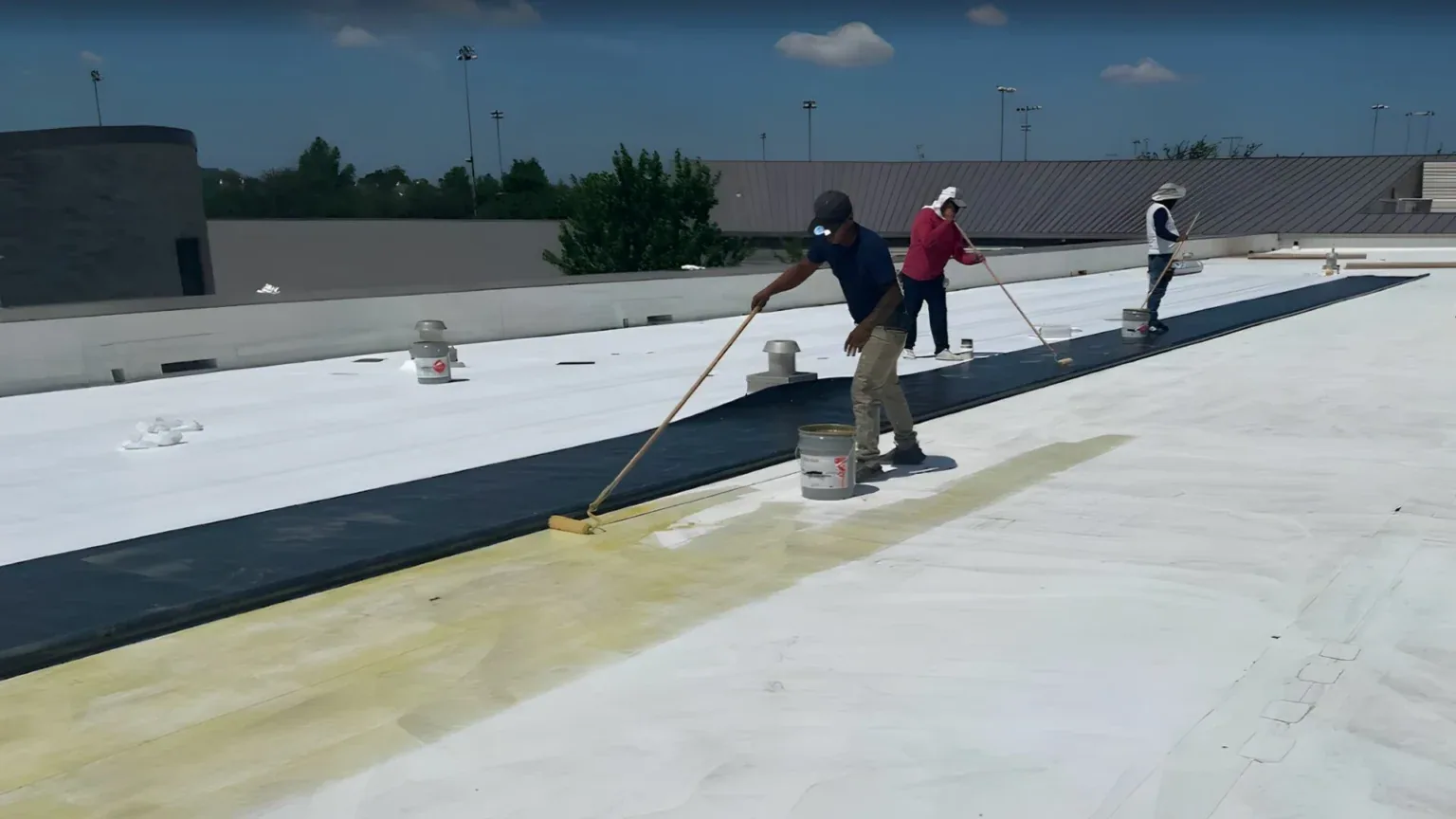
Commercial KEE Roofing
Review the substances reaching the roof surface
Some KEE and PVC-alloy products provide resistance useful for particular exposures. The actual product and substance still need to be reviewed together. Heat, concentration and contact duration can affect material suitability. We assess equipment discharge and the condition where it lands. Roof components outside the membrane may have different resistance. Suitable exhaust and maintenance practices remain necessary even with an appropriate covering.
The Sherwood Way Corridor has grocery and restaurant operations. For a food business there, grease and equipment access can influence assembly selection. Roofing above grocery operations also needs ventilation and occupied stock considered. We coordinate equipment-related corrections with the responsible trade. The material comparison includes preparation and future repair compatibility at those exposed positions. Reflective TPO roof systems may be another option where the actual exposure permits them. Choosing between viable assemblies requires the complete roof detail and operating needs assessed, rather than accepting a broad claim of chemical resistance as the whole selection method.
Commercial KEE Roofing
Keep the sheet selection tied to insulation and attachment
Wet insulation compromises the retained assembly beneath a sound-looking membrane. We investigate suspect material before proposing recover or localized repair. Deck condition and attachment also influence what can remain. A high-performance sheet does not restore deterioration in those supporting components. The scope should identify necessary removal and construction corrections. Only then can the new membrane be installed onto a suitable base.
Insulation and protective board selection must fit the intended assembly. The connection method and substrate affect installation requirements. Additional thickness can alter drain approaches and curb flashing space. We assess those elevations before accepting the construction arrangement. Material delivery and occupied access also affect the practical sequence. The comparison should include those tasks alongside the field membrane choice. That gives the manager a project connected to retained condition, rather than an alloy substitution that leaves wet layers or a confined flashing detail outside the scope required for the finished roof.
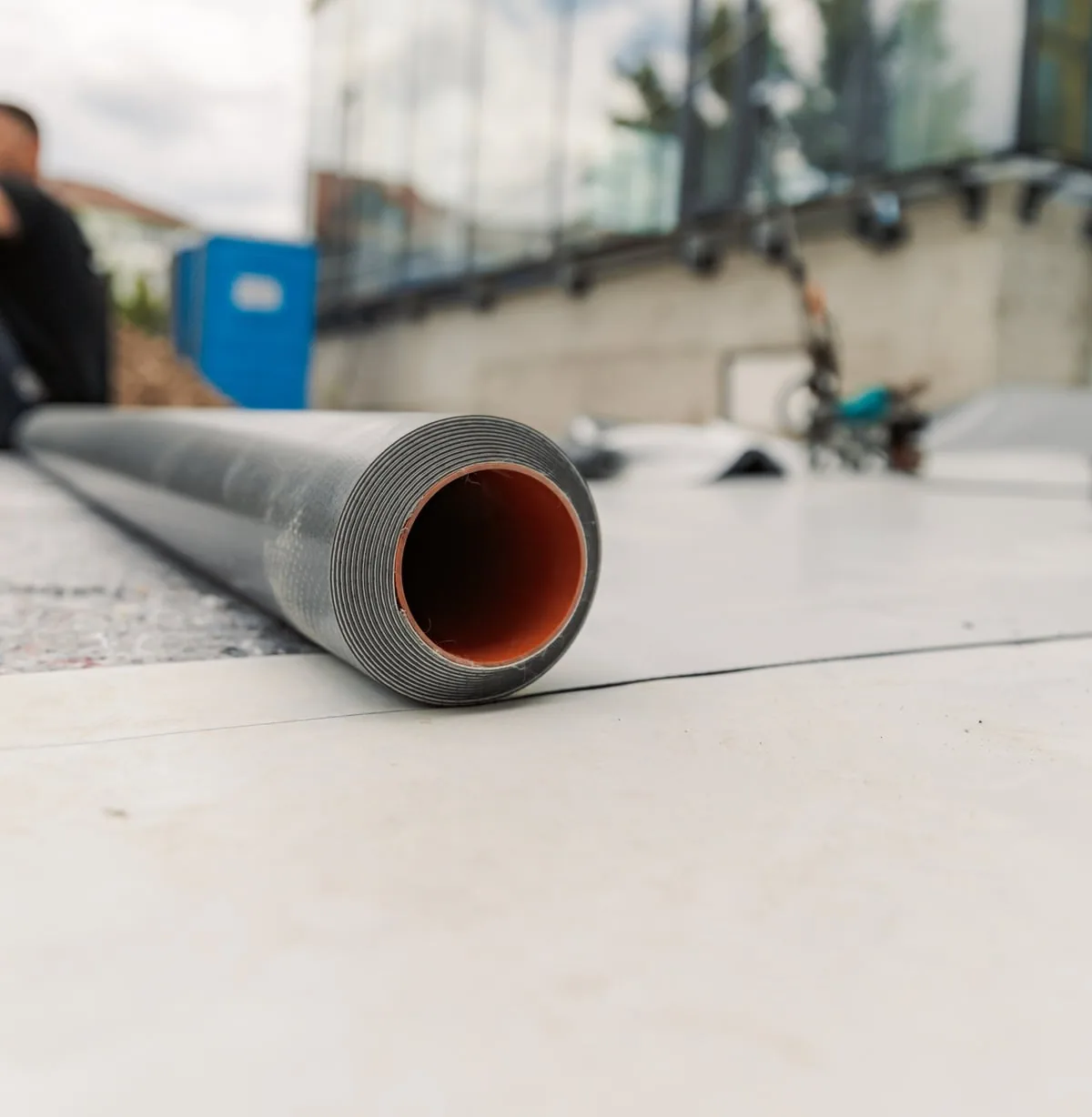
Commercial KEE Roofing
Preserve repair access through the equipment layout
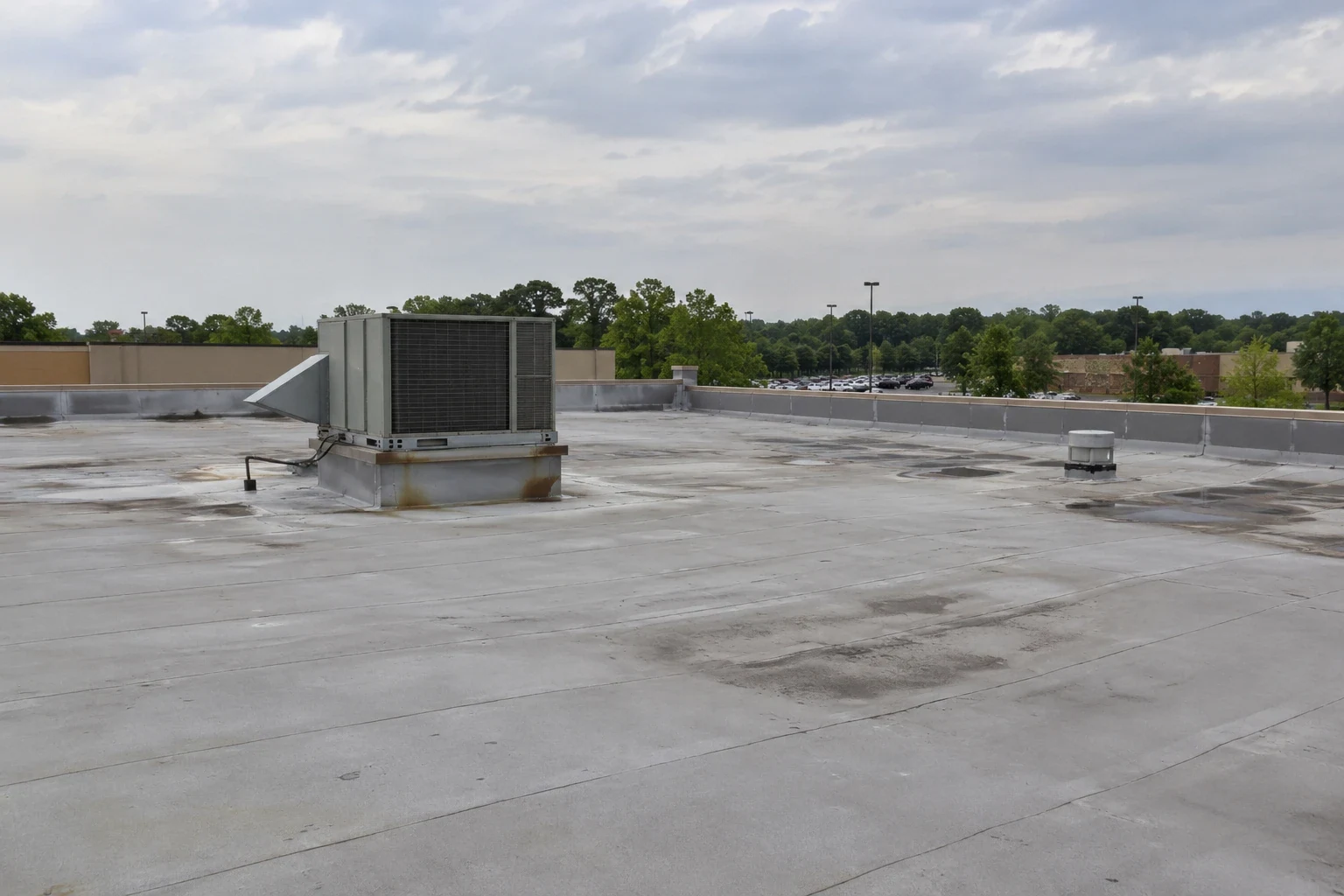
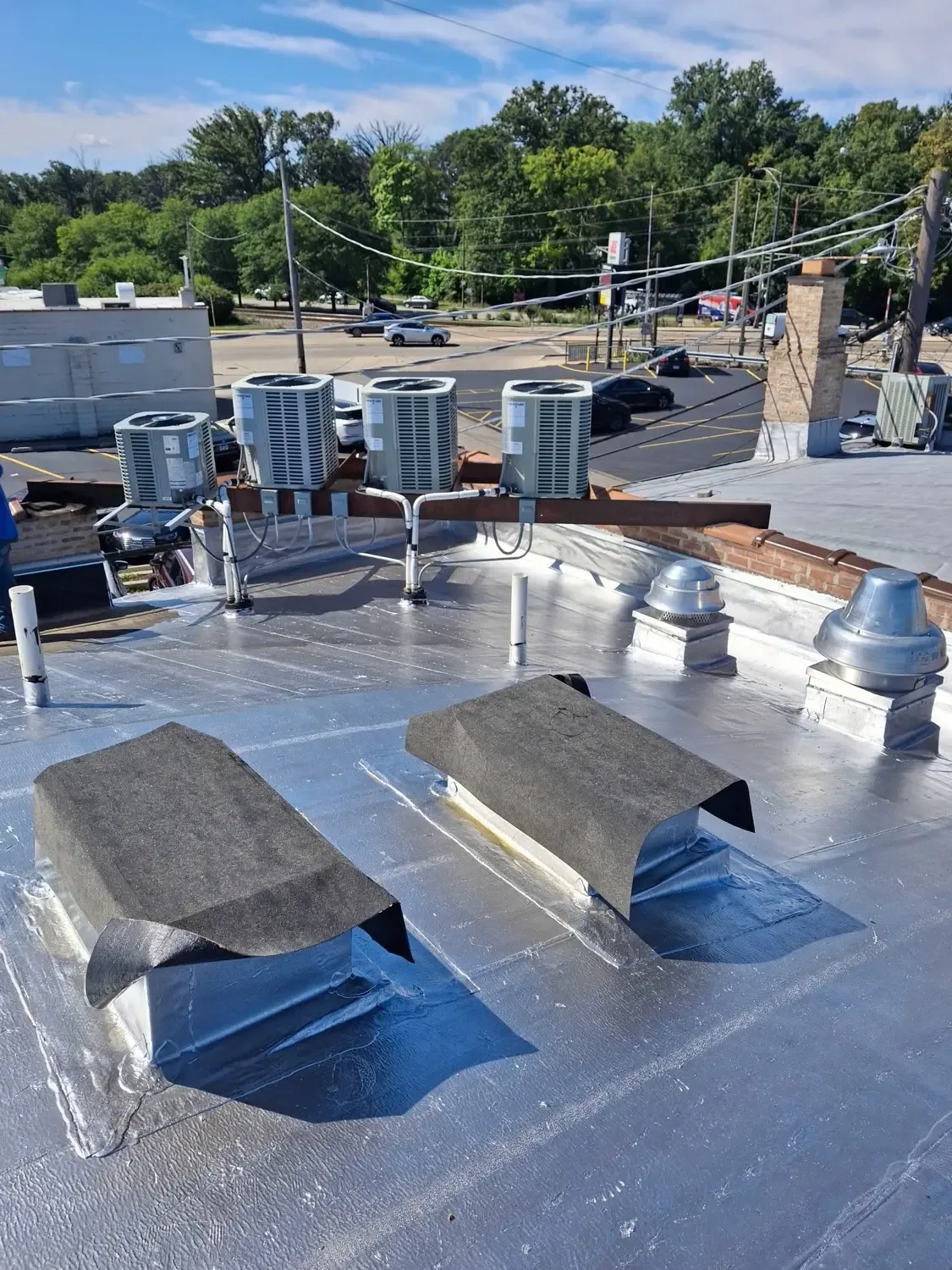
Closely spaced equipment can leave insufficient room to prepare a sound patch. We examine the area needed for cleaning, welding and inspection. Supports or service lines may require coordinated movement before repair. Their contact with the covering also needs suitable protection. Repair access should remain possible after replacement equipment is installed. A weatherproof detail concealed beneath inaccessible components becomes harder to maintain.
For businesses along the Sherwood Way Corridor, equipment work should be coordinated with operating hours and intake requirements. We identify the roofing task and any trade access it needs. The selected material must receive its required preparation and application conditions. Completed details are examined before protective measures are removed. Future maintenance should use compatible components and preserve drainage. We explain which connection areas need continued access, so later equipment service does not turn a repairable seam into an obstructed task requiring unnecessary dismantling before the membrane can be cleaned and joined correctly.
Questions and answers
Questions About Commercial KEE Roofing
Can any PVC patch be welded onto a KEE roof?
Identify the installed material and review the selected system requirements first. We assess the proposed repair components and existing surface condition. Similar appearance does not establish a suitable connection. Test preparation and welding may be necessary. The repair should use compatible material with a satisfactory bond to the retained sheet.
Does chemical resistance mean exhaust deposits can remain untreated?
Control the continuing exposure and examine the affected roof components. Product resistance needs assessment for the substance and conditions involved. Residue can interfere with repair preparation even where the membrane remains serviceable. We coordinate equipment corrections where appropriate and define the cleaning or material replacement needed for a sound connection.
Why test a weld if the same equipment worked on another roof?
Material condition and working conditions can change the suitable procedure. We prepare representative test connections for the actual sheet and inspect them as required. Different contamination or weathering areas may need separate assessment. The result helps determine the preparation and settings needed before the larger repair or installation task proceeds.
Can a flexible alloy sheet compensate for a moving curb?
The curb movement and detail geometry require their own correction. We examine support, restraint and the upper termination. Suitable flashing material must be installed in a construction arrangement that accommodates the intended movement. Adding flexible membrane across an unresolved structural or attachment defect can leave the new connection under the same damaging load.
What should a KEE replacement scope include beneath the membrane?
Assess the supporting layers, moisture condition and attachment before selection. We identify removal and repairs needed to provide a suitable base. Drainage elevations and flashing space also need review. The proposed assembly should include those construction tasks alongside the membrane, so the installed sheet does not retain unsuitable material beneath it.