Roof Systems in San Angelo, TX
Commercial roofing in San Angelo, TX
Roof Systems
Compare TPO, EPDM, PVC, metal and coating systems for San Angelo commercial roofs. Match repairs to the assembly and building use.
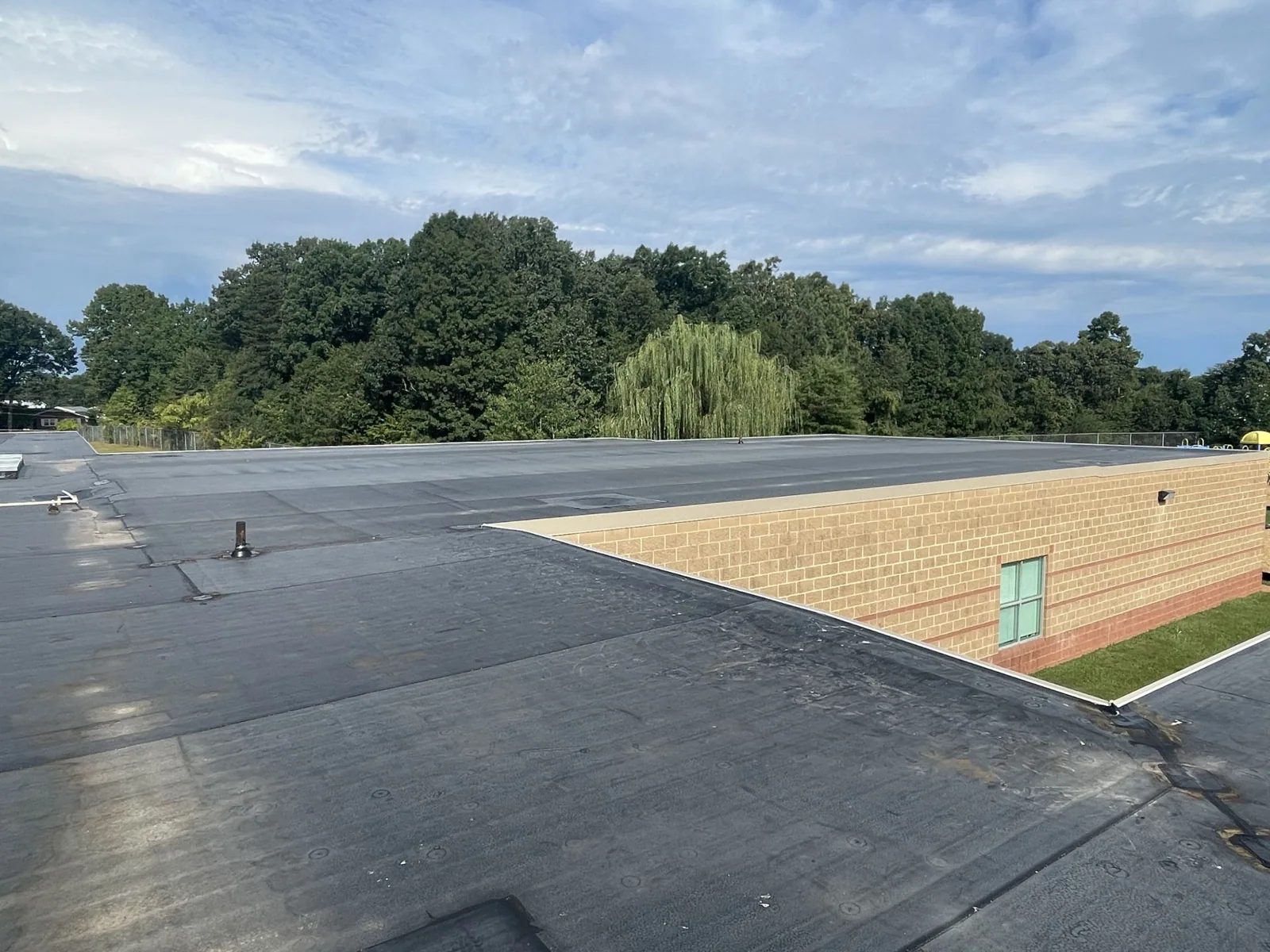
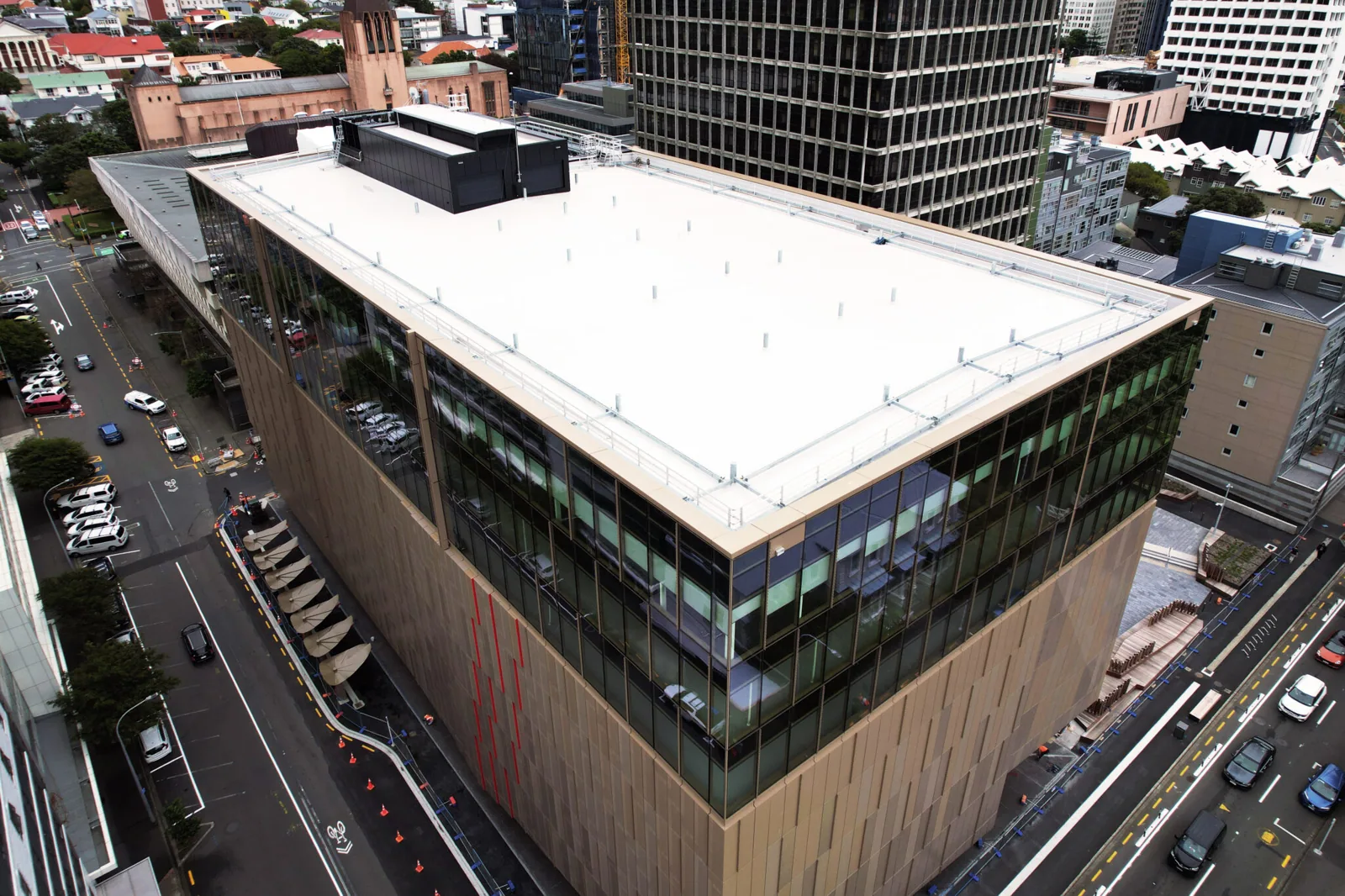
San Angelo commercial roofs use different assemblies, and the repair detail has to match the material already in place. We inspect the membrane, seams, insulation, drainage and penetrations before recommending a system. July daily high normals in the city reach 96 to 99°F, a practical reason to test bond and surface condition before restoration. Manufacturing, storage and transportation uses in the Business & Industrial Park also make equipment access and roof service routes part of the decision.
More detail
More About Roof Systems
Know the material before ordering repair stock
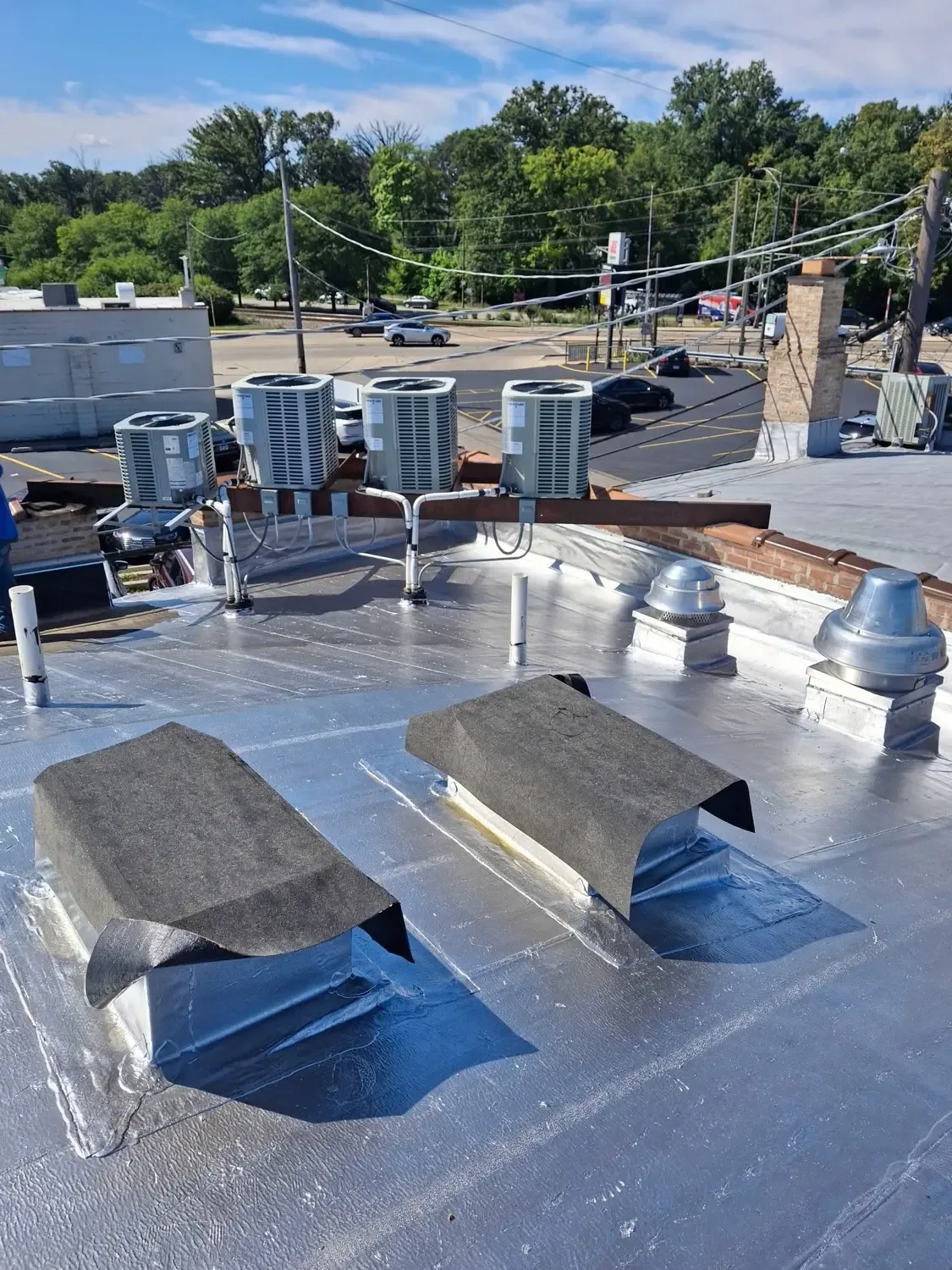
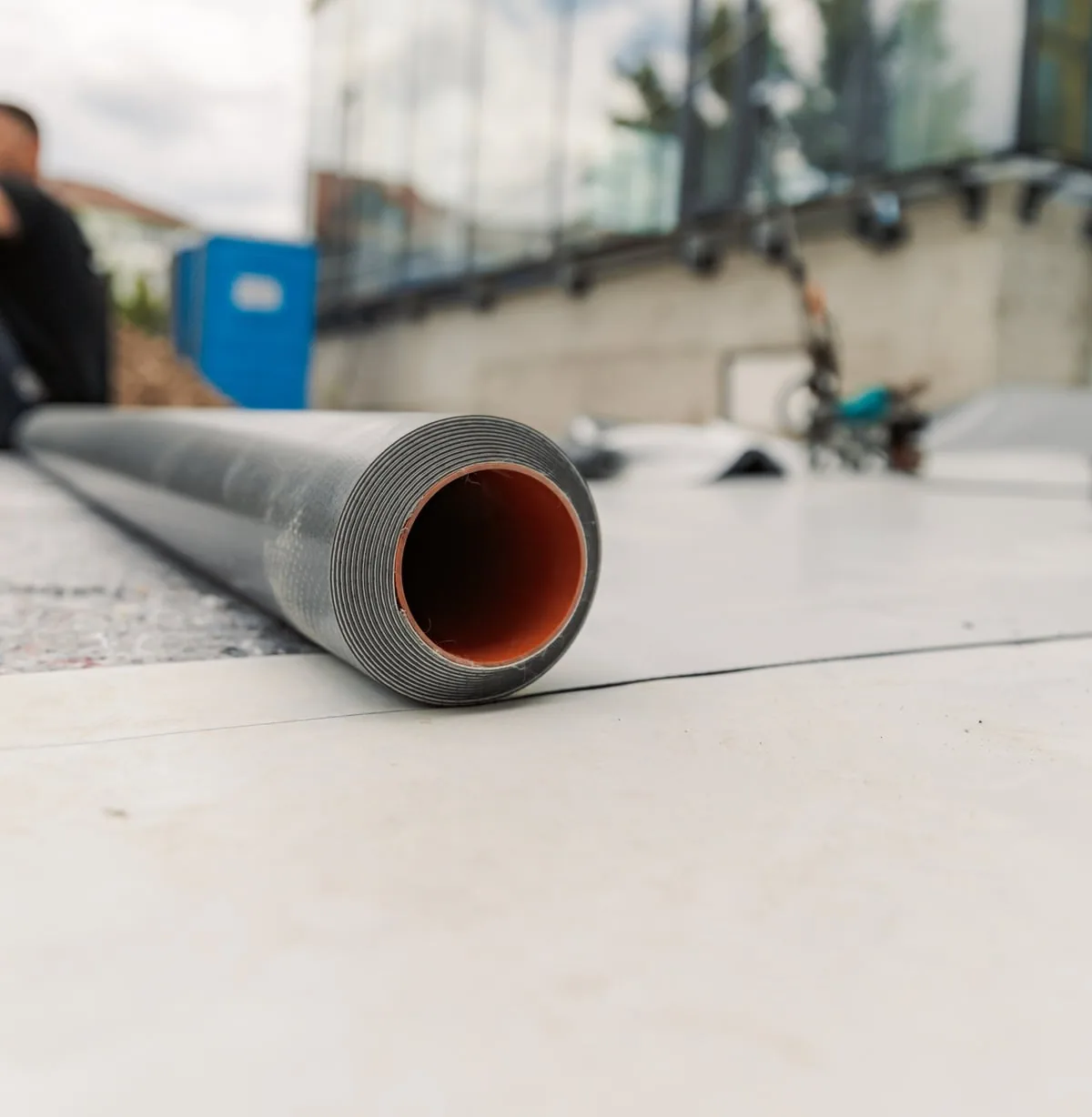
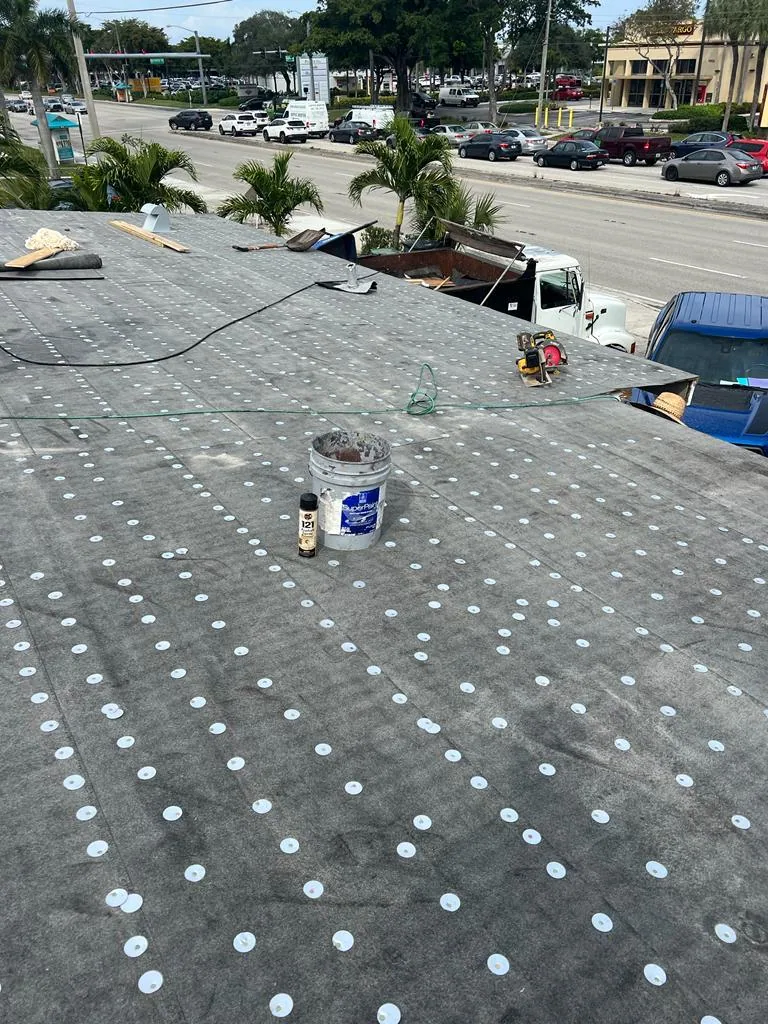
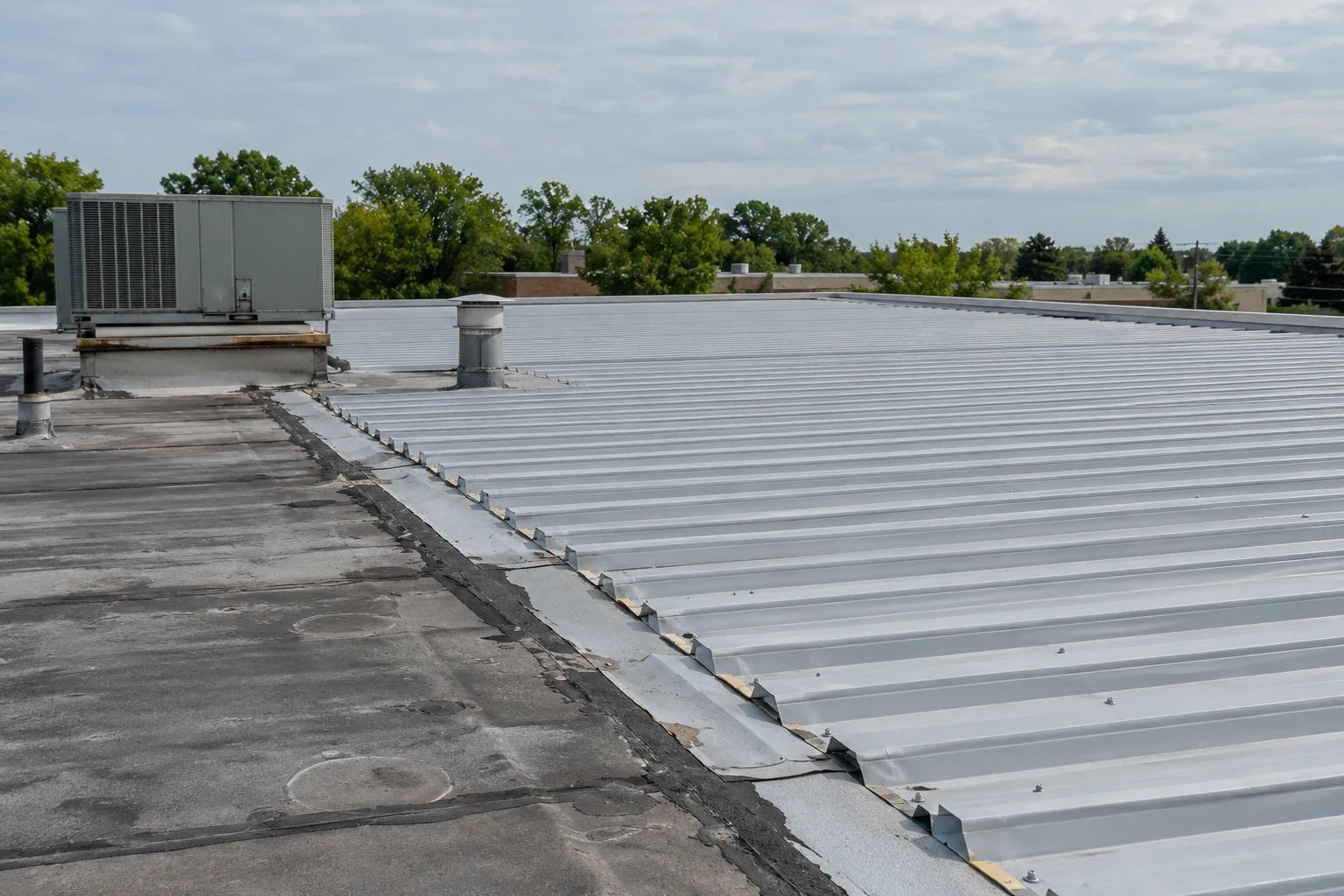
TPO and PVC membranes are heat welded. EPDM uses adhesive and flashing products matched to the membrane. Modified bitumen and built-up systems rely on asphaltic layers, while standing seam metal depends on panel attachment and movement. Coatings require a compatible substrate and preparation. Visual color alone cannot confirm a material. We check records and field details before specifying a patch or new layer.
A test cut can reveal insulation layers and moisture that affect the system choice. If a roof is wet, the membrane option does not solve the hidden condition. Our TPO system review and EPDM repair start with assembly evidence.
Evaluate how each roof carries water
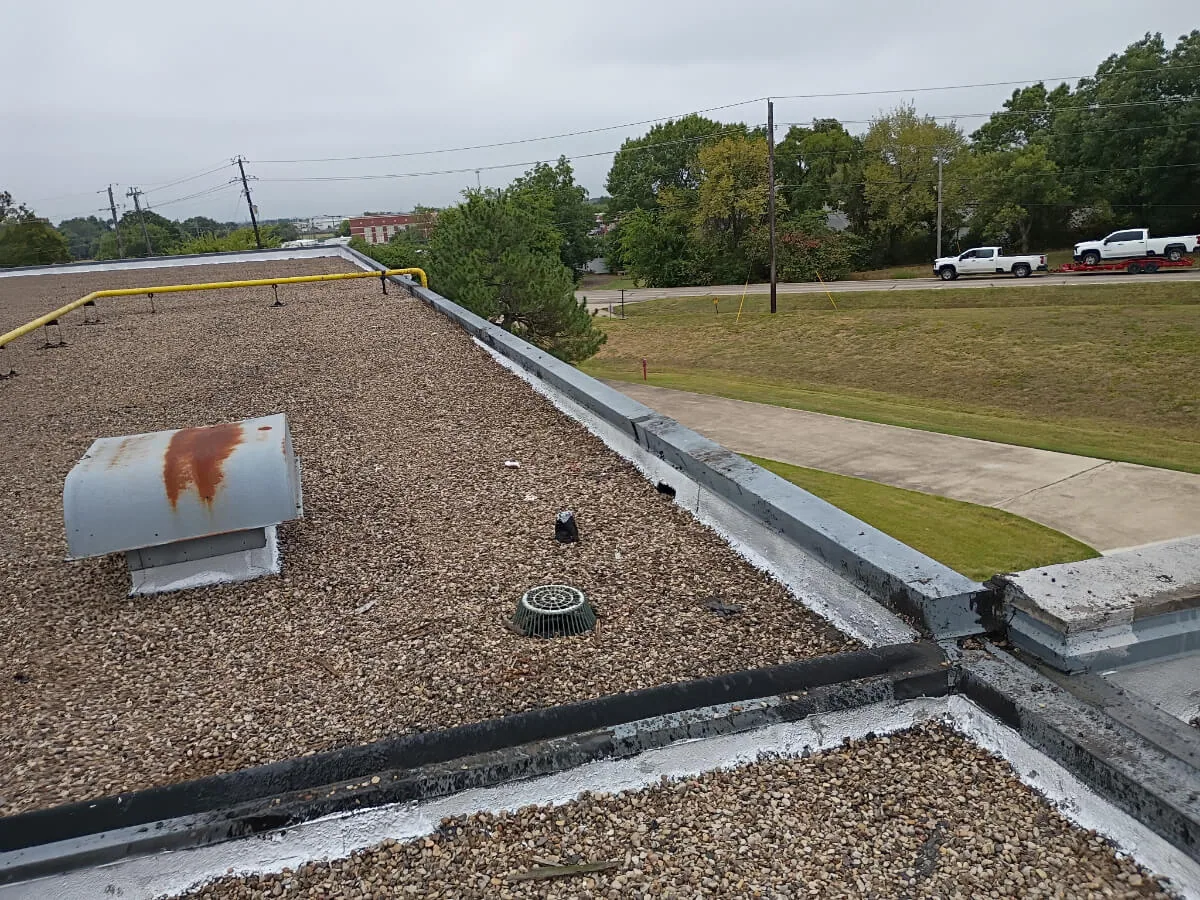
Membrane seams, metal laps, wall transitions and drains handle water differently. We inspect the weakest connections and identify how each detail should be restored. A standing seam panel needs room to move; a membrane lap needs a clean, bonded edge. A coating must not cover loose flashing or wet insulation. These details affect whether repair, recover or replacement remains practical.
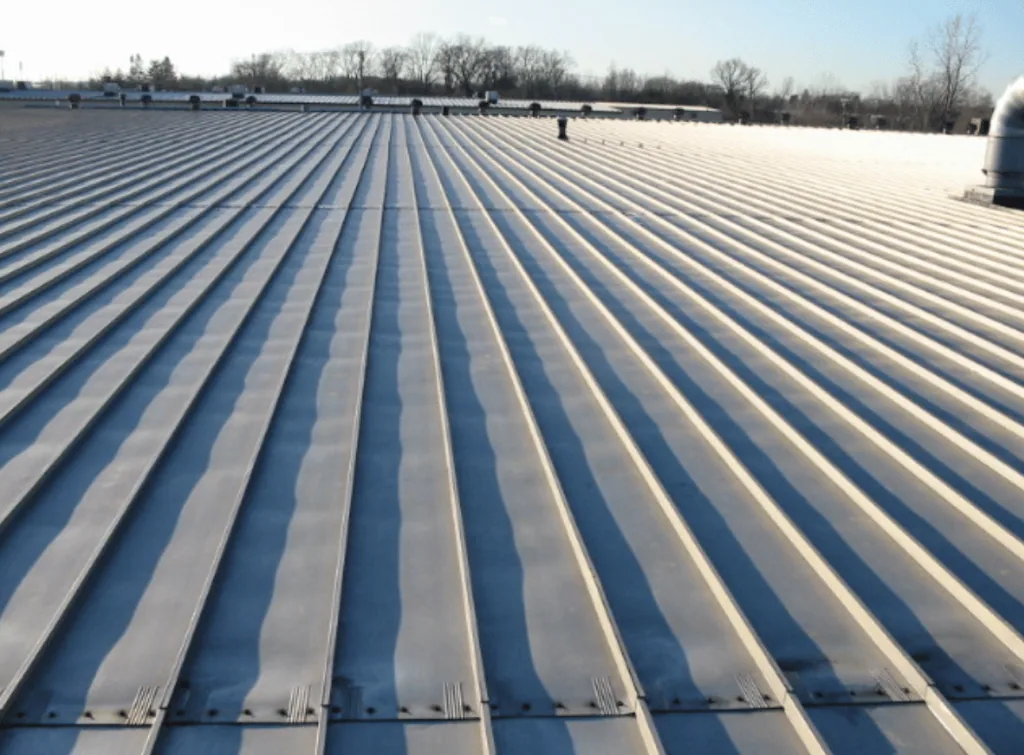
The proposed material must also align with the building schedule. Hot surfaces influence adhesive, welding and coating windows. An occupied facility may need a work sequence that leaves only one roof area open. A standing seam metal roof and a PVC membrane roof need distinct inspection and installation methods.
Include equipment, loading and future service
A roof system supports more than the open field. Equipment curbs, pipe penetrations, walk paths and edge metal need compatible details. A manufacturing or distribution building may need repeat equipment access, while an office roof may have fewer service points. We verify the actual roof and coordinate with facility contacts rather than infer its needs from a property label.
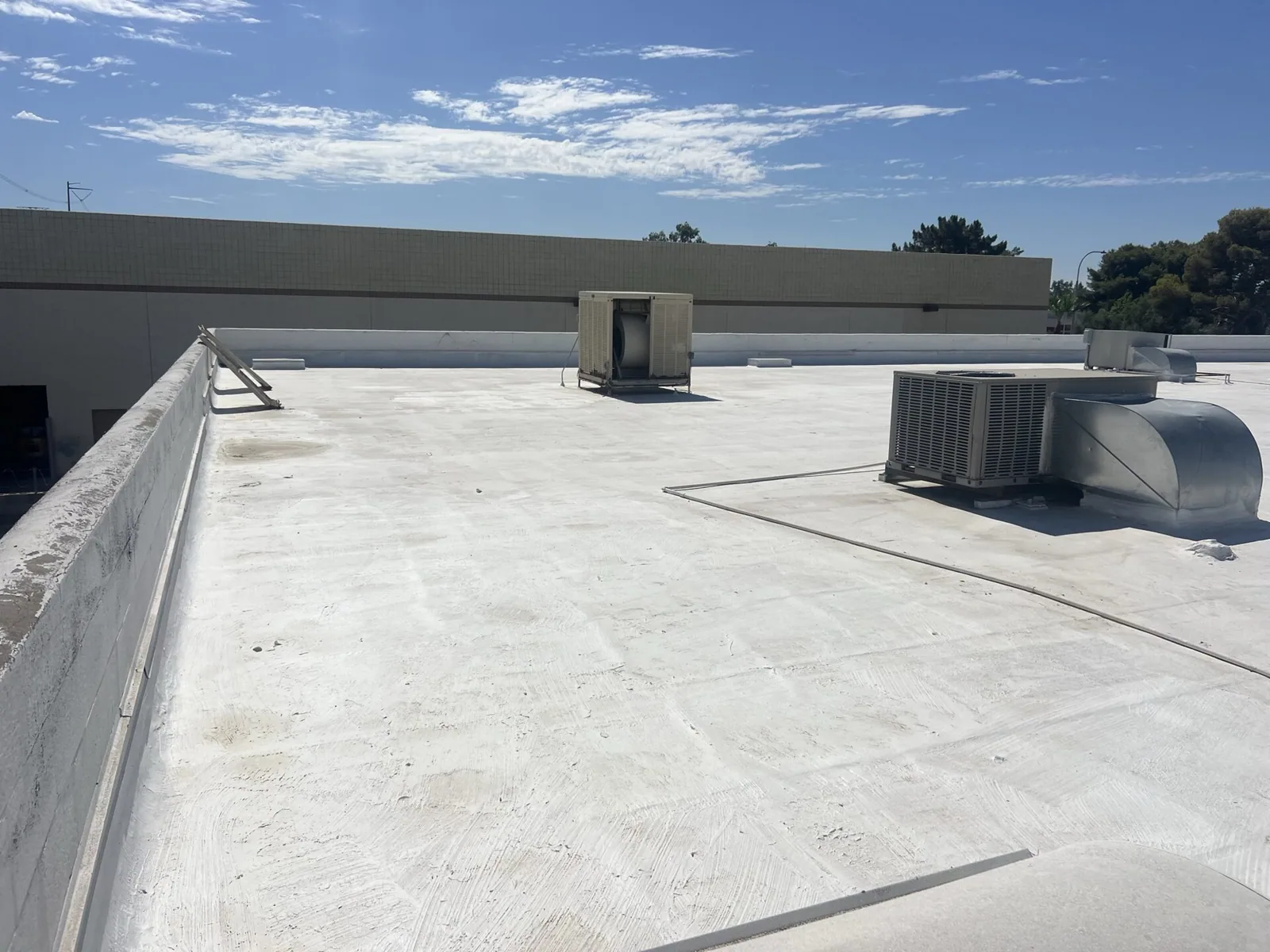
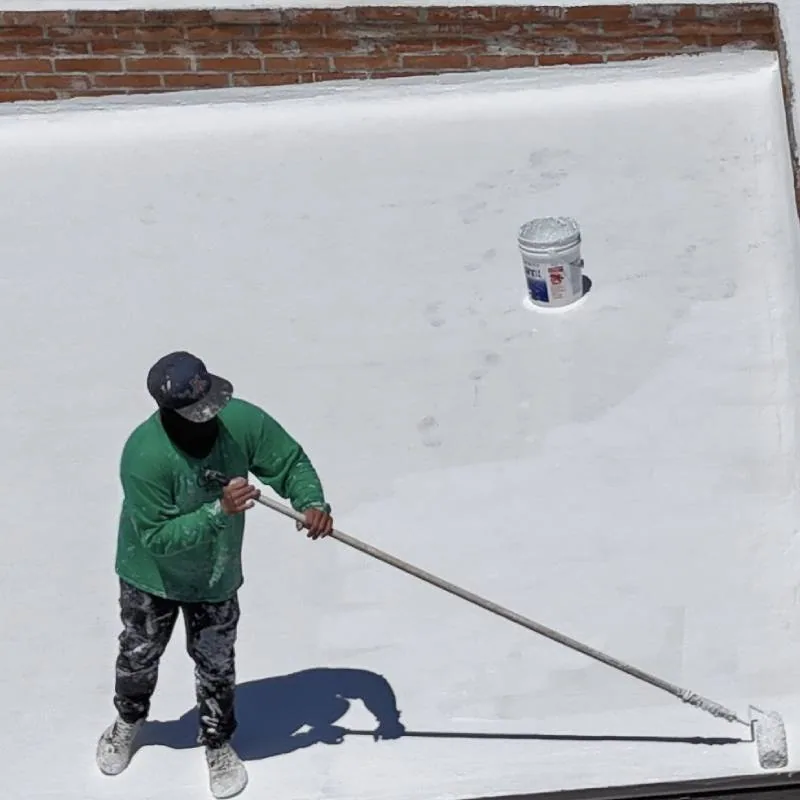
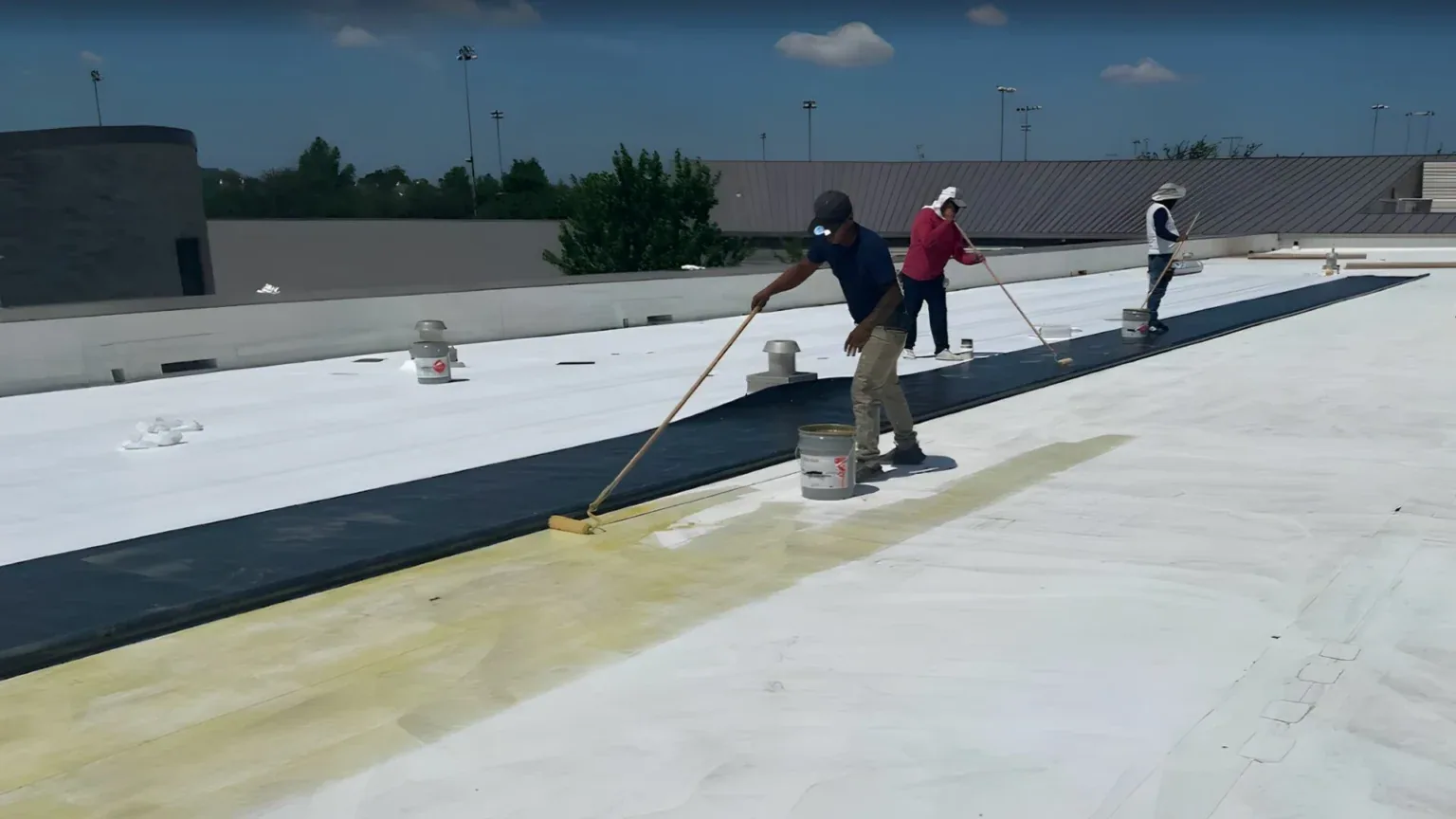
Cost and timing depend on tear-off, insulation, detail count, access and selected system. A recover may reduce removal when the current assembly is dry, attached and accepted by project requirements. Replacement may be necessary where the substrate is wet or the bond is failing broadly. For a coating restoration, we test adhesion and define preparation separately from finish work.
Preserve details for future repair
Photos, repair maps and product records help a later manager identify which assembly is present. We record the material at each roof area and note any transition between systems. The maintenance record should show where seams were repaired, what insulation was replaced and which areas need inspection. A roof condition report can carry those facts into capital planning.
In San Angelo, regional hail history can inform inspection timing, but damage is confirmed on the roof itself. When repair is needed, our inspection service records visible impact and tests uncertain conditions. Property managers can compare system choices for the warehouse or industrial park, then apply findings to each assembly.
Commercial Roofing Questions
Can a coating go over any existing membrane?
No. We identify the membrane, test compatibility and check moisture, adhesion, flashing and drainage. Preparation and repair details must suit the specific system.
What tells you which membrane is installed?
Roof records and field details help. We inspect seams, surface characteristics and transitions, and may open a small area if the assembly remains uncertain.
Can metal and membrane roofs share one repair approach?
The materials move and seal differently. We match attachment, flashing and seal methods to the assembly, then document each roof section separately.
Does hail history mean replacement is needed?
No. Regional hail can be a reason to inspect. We document property-specific impact and moisture findings before recommending repair, replacement or continued monitoring.