Commercial Built-Up Roofing in San Angelo, TX
Roof Systems
Commercial Built-Up Roofing at a Glance
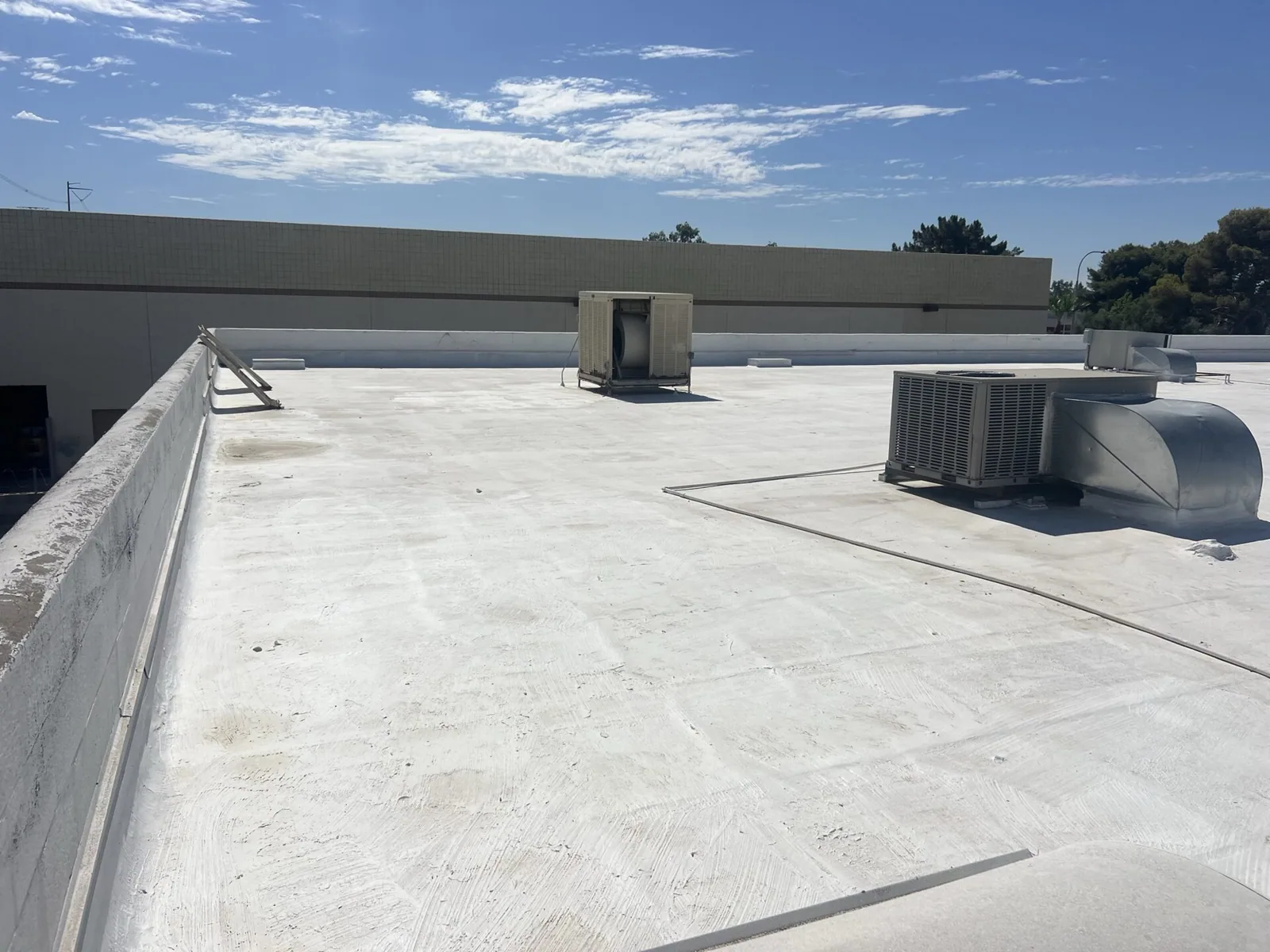
Displaced aggregate can expose a bituminous surface previously protected from sunlight. The exposed position needs examination beneath its changed appearance. Built-up roofing in San Angelo, TX requires the plies assessed separately. We inspect surfacing, connections and suspect conditions within the assembly. Replacing scattered aggregate does not correct a split membrane below. A suitable repair follows the physical construction and the condition found.
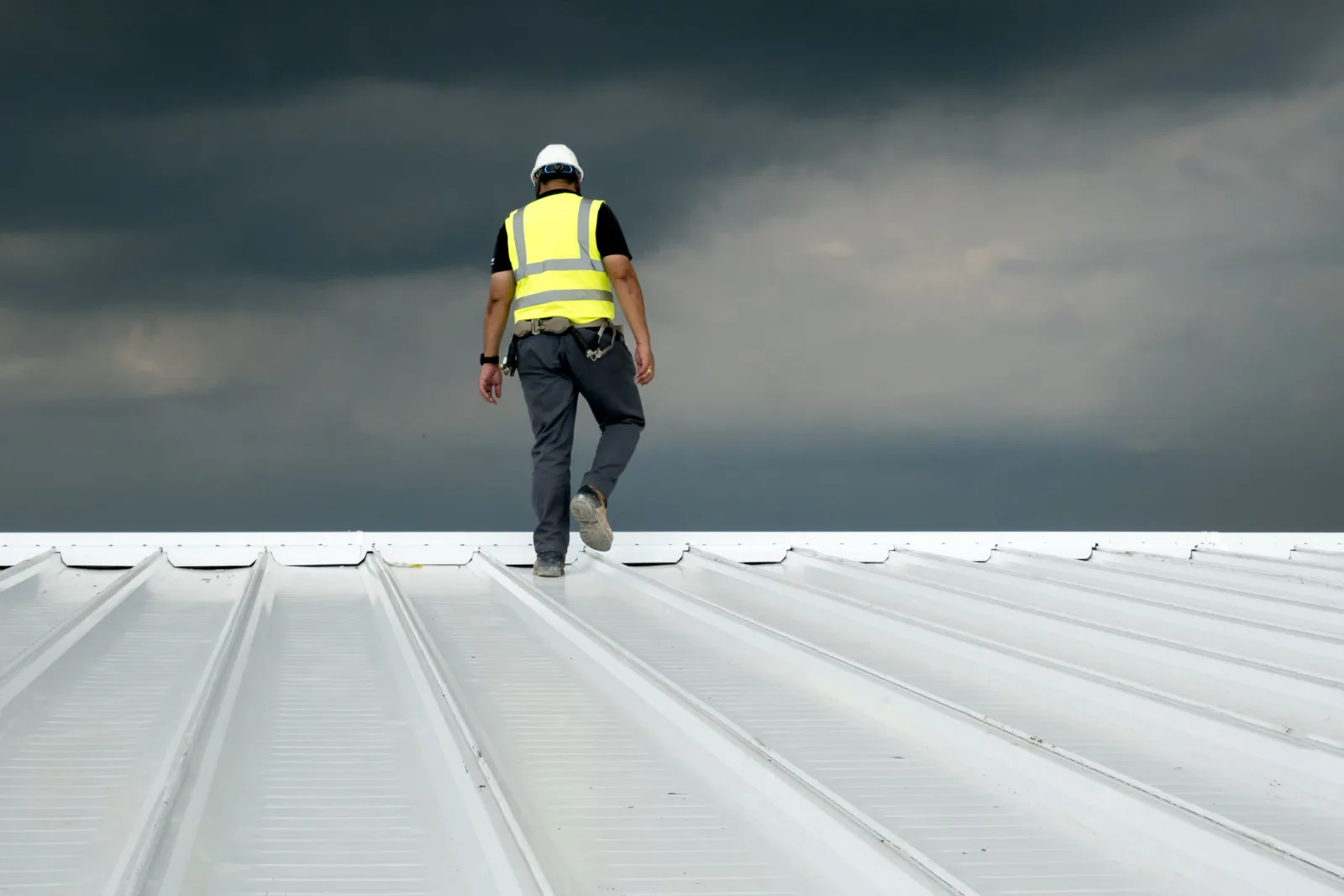
Commercial Roofers San Angelo repairs and replaces built-up commercial roof systems. The Main Street Corridor contains grocery and discount retail operations. A project for an occupied building there needs access and indoor protection considered. We examine the retained layers before choosing the removal or repair method. Assessment of the multi-ply assembly helps distinguish a surface-maintenance task from deterioration requiring deeper construction work.
Commercial Built-Up Roofing
Identify the plies beneath the protective surface
Built-up roofing combines multiple reinforcing plies with bituminous material. The surfacing and application arrangement vary with the assembly. We identify the existing construction through records and suitable examination. A roof may include earlier repairs or materials added later. Those changes can affect compatibility at the next connection. The number of visible coatings does not establish the underlying ply construction.
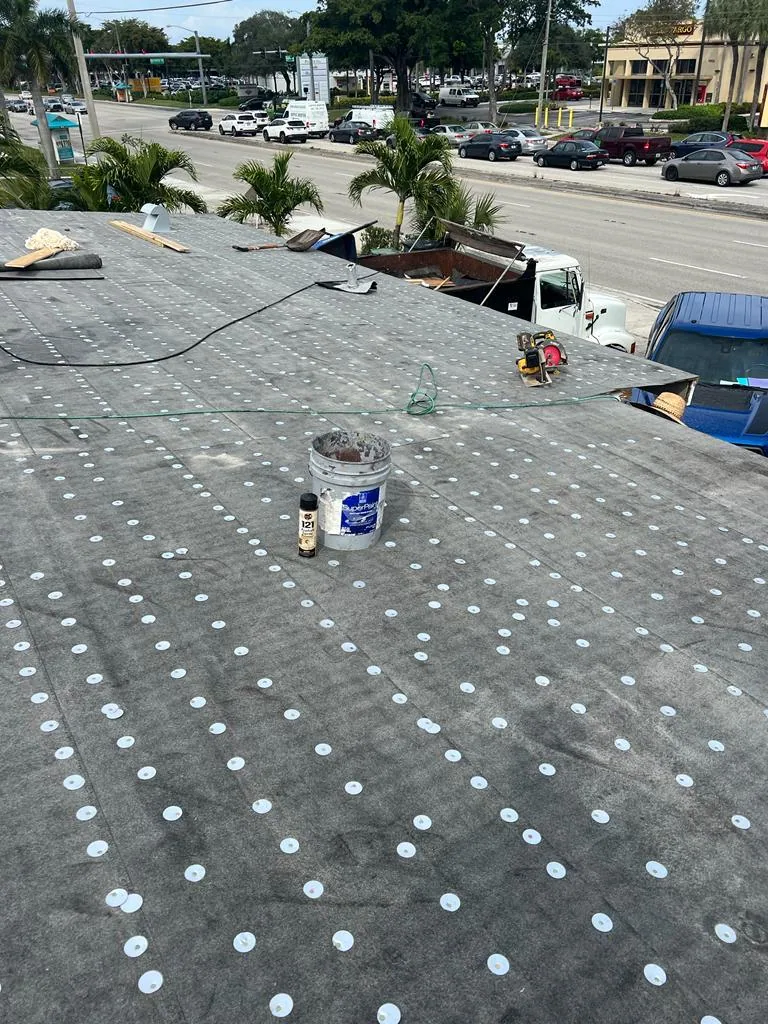
Selected test openings can reveal the sequence and condition of layers. We close those openings using suitable compatible repairs. The findings help determine which material can remain in the proposed scope. Modified-bitumen replacement options may involve a different sheet and installation sequence. We compare those requirements with the existing base and occupied use. A multi-ply appearance should not lead to an assumed repair detail. The connection needs materials suited to the actual construction, including any surfacing removal or preparation needed before a sound bond can be made into the retained roofing.
Determine what the built-up layers can retain Schedule a roof review with the affected surfacing, suspected moisture and occupied access identified. We will assess the plies and compare the suitable repair or replacement construction.
Commercial Built-Up Roofing
Test suspect layers before retaining them
Moisture can remain inside an assembly beneath apparently intact surfacing. We assess soft areas, displaced material and conditions suggesting deeper involvement. We use suitable testing to define the affected extent beyond a single opening. The deck and insulation may need examination where the findings warrant it. Wet or deteriorated construction requires suitable removal and correction. New waterproofing should not simply conceal the affected layers.
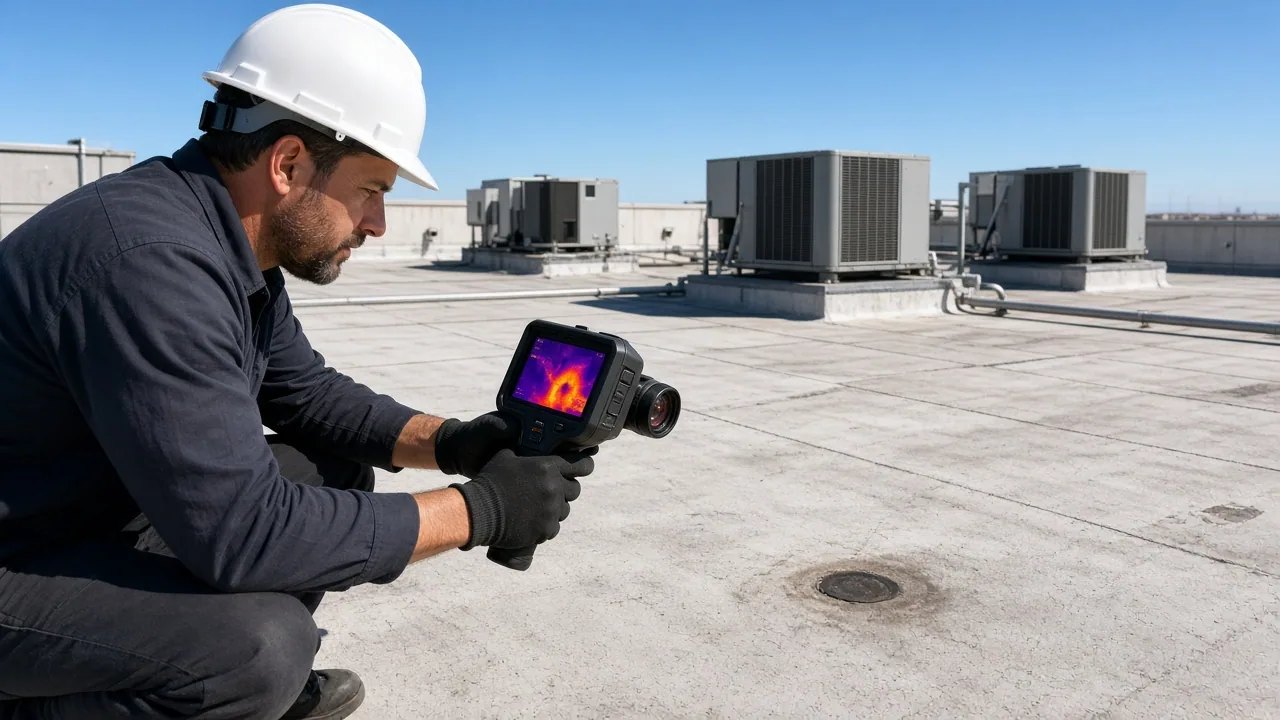
Thermal assessment with physical confirmation can help locate suspect areas when the assembly and conditions permit. Aggregate and other roof features affect how that assessment is interpreted. We combine the screening result with examination and testing. A dry retained area may support a different option from a wet portion. The boundary should connect the proposed repair to sound material. We also consider access for investigating decking beneath the affected construction. Those tasks can change removal quantities and timing, so moisture extent belongs in the scope before the surface work is priced as an isolated patch.
Commercial Built-Up Roofing
Correct splits through the involved roofing layers
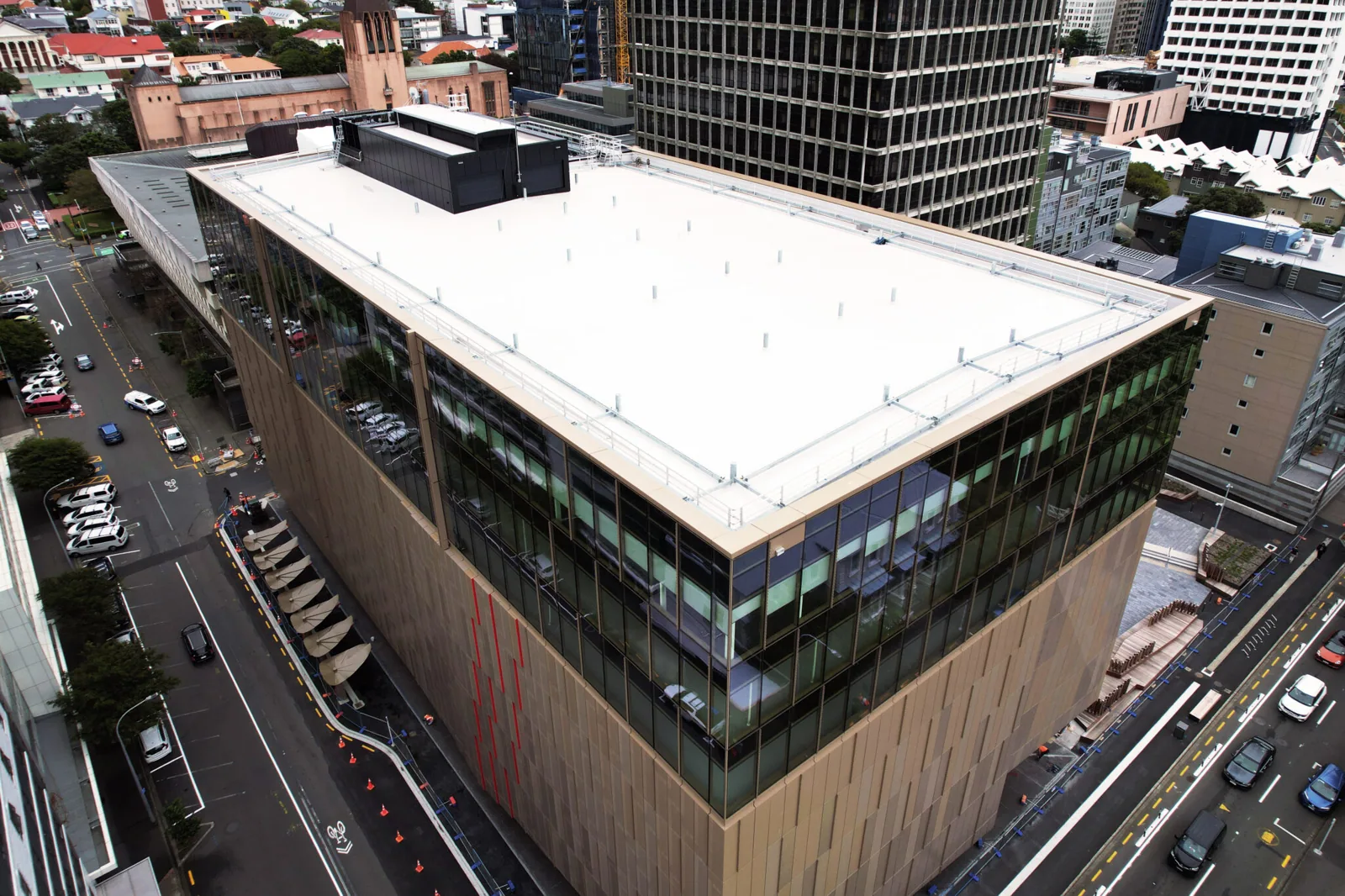
A visible split can extend through more than the outer surface. We examine its depth, adjoining bond and the supporting construction. Movement or a substrate condition may be loading the same line repeatedly. The repair needs to address that cause where identified. Compatible reinforcement and connection geometry follow the selected repair requirements. Surface sealant alone can leave the split active within the layered assembly.
We inspect changes in plane and penetrations near the affected position. Correction of failed roof flashing may require separate construction from a field split repair. Wall attachment and upper metal can create independent openings. The selected scope should distinguish those connections instead of applying one treatment everywhere. A patch needs sound material beyond the damage and suitable preparation beneath its bond. We examine the completed transition into the retained roof. The repair restores continuity through the waterproofing layers. We also investigate the cause of repeated separation before applying another protective surface.
Commercial Built-Up Roofing
Restore protection only after the membrane is sound
Aggregate, coatings and other approved surfacing protect the completed assembly. Their condition needs inspection alongside the underlying waterproofing. Exposed asphalt can weather differently from protected portions nearby. We assess cracking and material condition before selecting a surface correction. Loose material near drains also needs management. Restoration should preserve water movement and avoid introducing debris into outlet approaches.
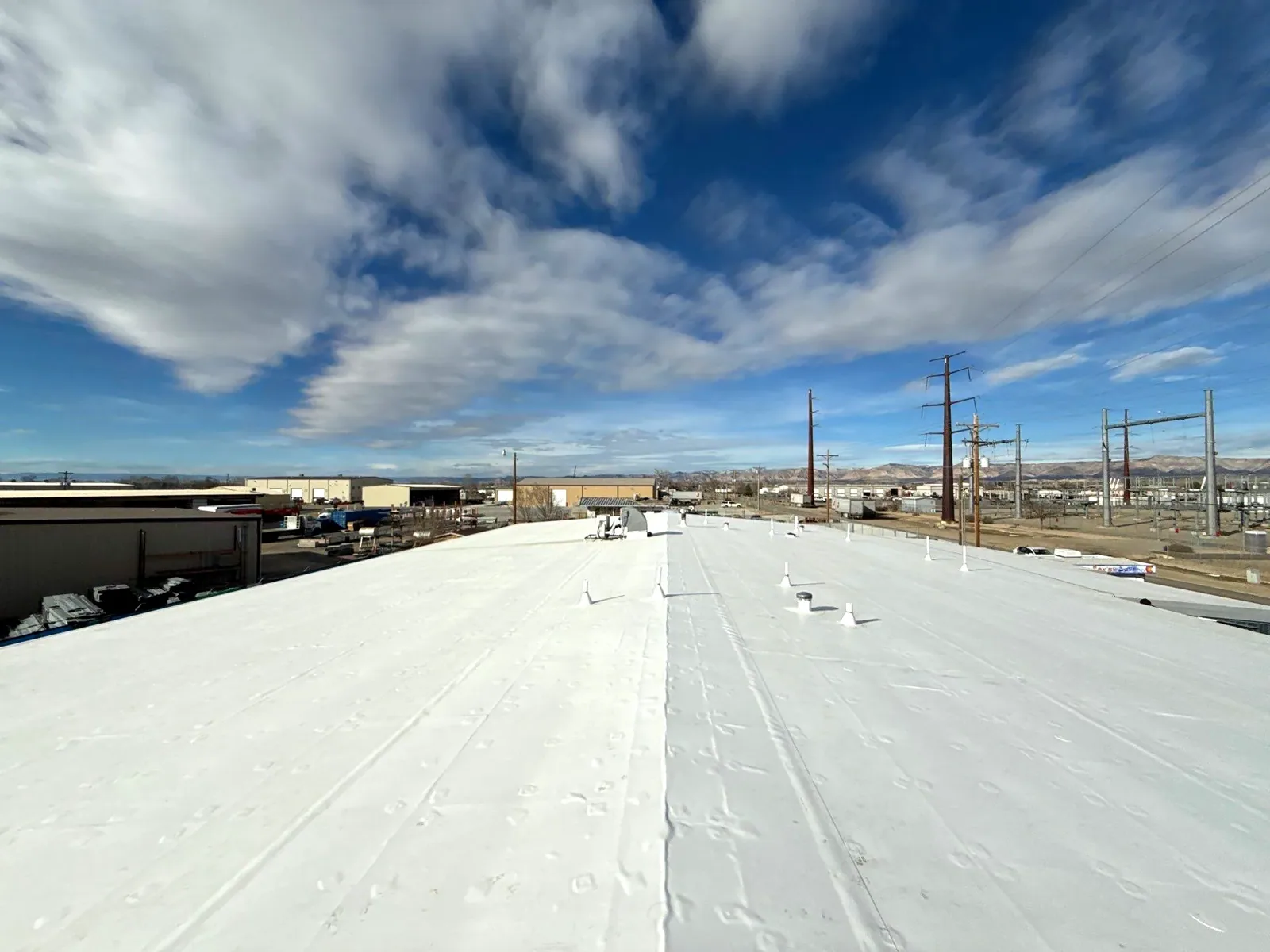
San Angelo normal July highs reach between 96 and 99 F. Solar heating and temperature changes make surface protection relevant to aging. We examine the roof condition rather than treat heat as a property-specific diagnosis. Coating a suitable prepared assembly requires compatible material and an assessed bond surface. Acrylic roof-surface treatments also have drainage and application requirements. Those requirements should be reviewed for the actual retained construction. A protective finish is useful where the membrane remains suitable; its application should follow necessary ply and flashing repairs rather than conceal them.
Commercial Built-Up Roofing
Account for layered removal and material handling
Removing a built-up assembly can generate heavy layered debris. We assess its handling and disposal route before opening the roof. Aggregate and other materials need controlled movement near outlets and occupied entries. Equipment placement and roof staging require suitable load consideration. The daily removal area must also fit replacement and weather closure. Material thickness alone does not set that practical sequence.
For roof replacement above grocery operations, stock, ventilation and delivery access can constrain the working period. The Sunset Drive Corridor includes groceries and shopping-center food businesses. A project there needs the actual building operations assessed beside the roof layout. We coordinate protection below the work and any equipment task affecting closure. Suitable temporary transitions need to connect into the retained assembly. The installation schedule should include those connections, not just removal speed. That gives the manager a sequence reflecting material handling, occupied restrictions and the time needed to complete weather protection.
Commercial Built-Up Roofing
Compare complete replacement with suitable retention
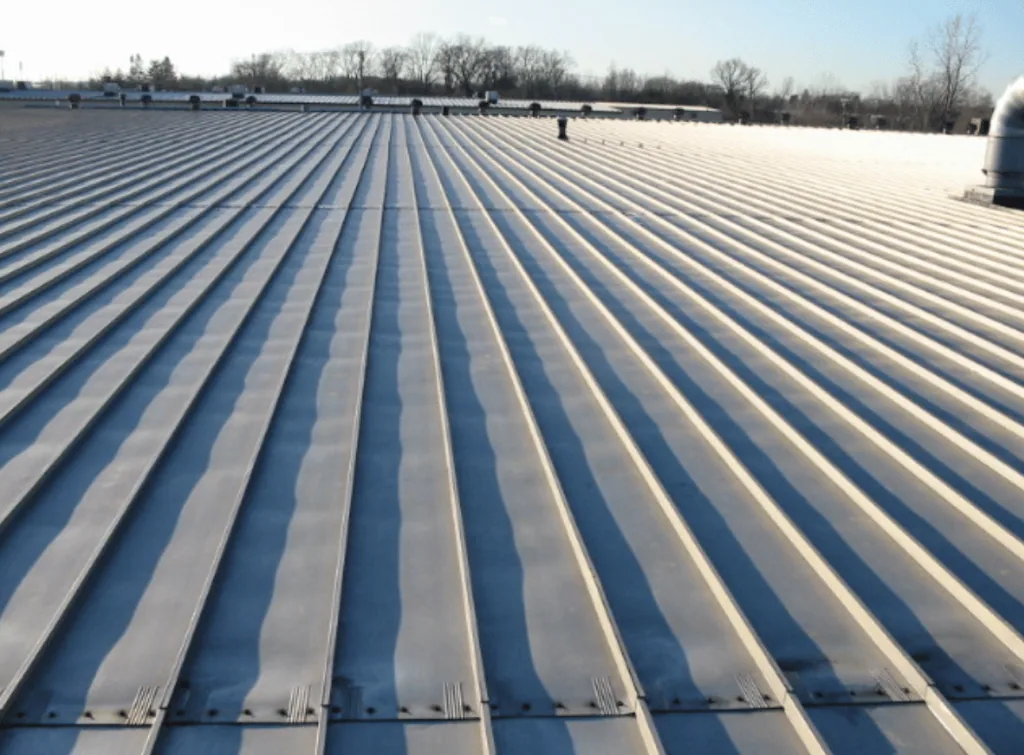
A recover may be possible only where the existing construction is suitable. We examine moisture, attachment and the applicable project requirements. Added weight and thickness need review against the proposed assembly and building. Curb height, edges and drains can require changes. Those corrections belong in the comparison with removal and replacement. Leaving old material in place is not a complete scope by itself.
Retention beneath a new roof covering should be assessed against its actual condition. Businesses along the Main Street Corridor also need the work matched to occupied use. We explain which construction remains and which requires correction for each viable option. The comparison includes removal, supporting-layer repair and revised details. After installation, outlets and service routes must be cleared of construction material. Continued inspection should check surfacing and connections together. The manager then has a maintenance task suited to the completed assembly, rather than repeatedly restoring the appearance of a surface without examining the waterproofing beneath it.
Questions and answers
Questions About Commercial Built-Up Roofing
Does bare asphalt where aggregate moved mean the whole roof failed?
Assess the exposed material and adjoining assembly before deciding. We examine surfacing, cracking and the condition of the underlying plies. A localized protection task may be suitable where the waterproofing remains sound. Split or deteriorated material needs its own correction before surfacing is restored over the affected position.
How is concealed moisture assessed beneath built-up roof surfacing?
Combine suitable screening with physical examination and confirmation testing. We account for the assembly features affecting interpretation. Selected openings help establish the layers and moisture condition. The findings identify the affected boundary and supporting material requiring removal. We assess each surface irregularity against the construction beneath it.
Can another coating close a split through several plies?
Repair the involved waterproofing layers using a suitable compatible detail. We assess the split depth and cause before treatment. A surface coating may protect an appropriate repaired assembly afterward. It should not replace the construction needed to connect sound material across a defect that remains active beneath the finish.
Why does built-up roof removal need a separate handling plan?
Layered material and surfacing create debris that must be moved safely. We assess lifting, staging and disposal alongside occupied access. Outlet protection and suitable roof loading also matter. The sequence should allow controlled removal and replacement closure without leaving loose material near entries, drains or unfinished roofing connections.
What must be checked before a recover is selected?
Review the retained moisture condition, attachment and supporting construction. We also assess project requirements, added loads and finished detail heights. A suitable recover needs those matters addressed together. The cost comparison should include necessary alterations, so retention is evaluated as a complete construction option rather than only reduced removal.