Manufacturing Plant Roofing in San Angelo, TX
Property Types We Roof
Manufacturing Plant Roofing at a Glance
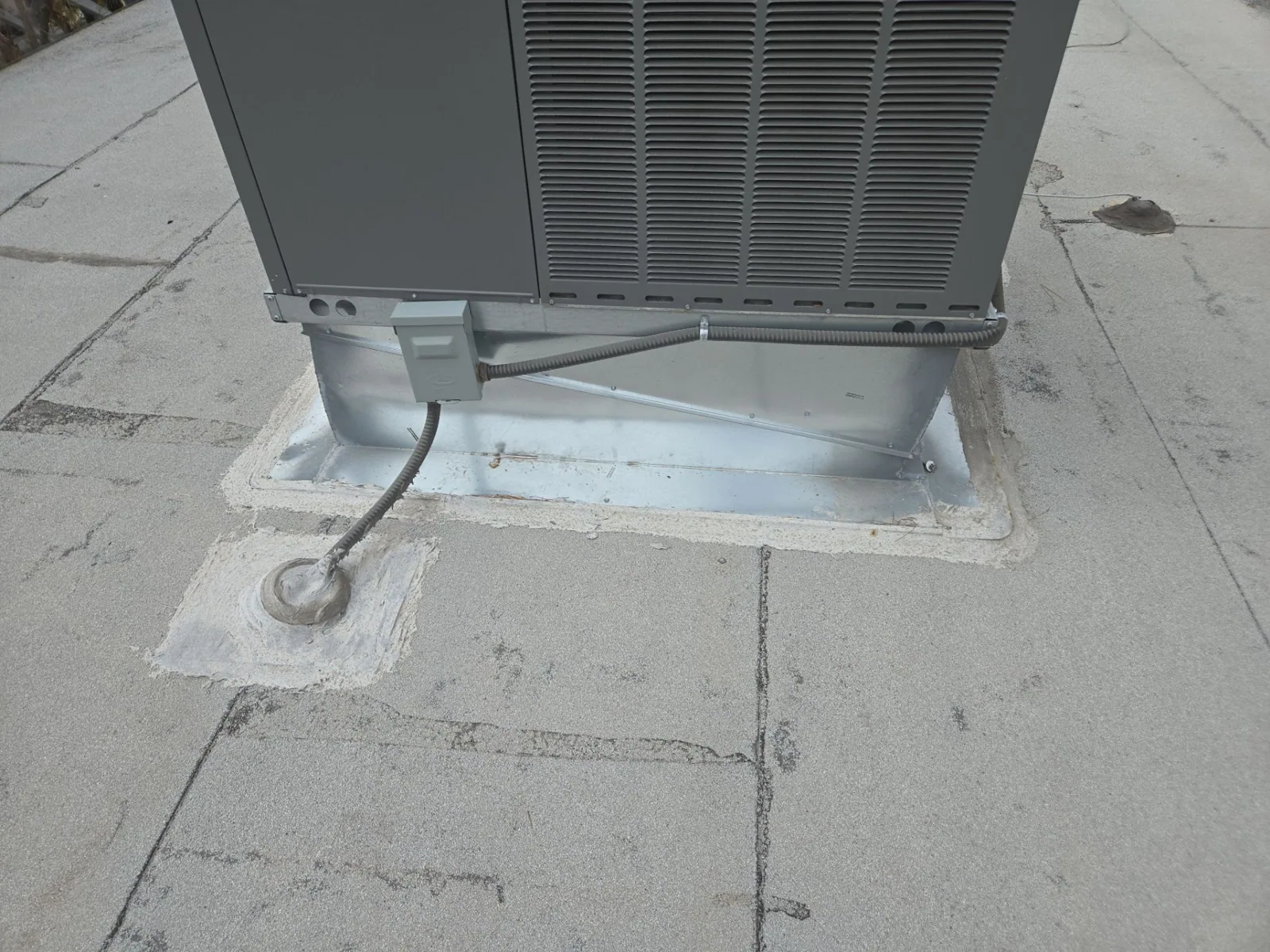
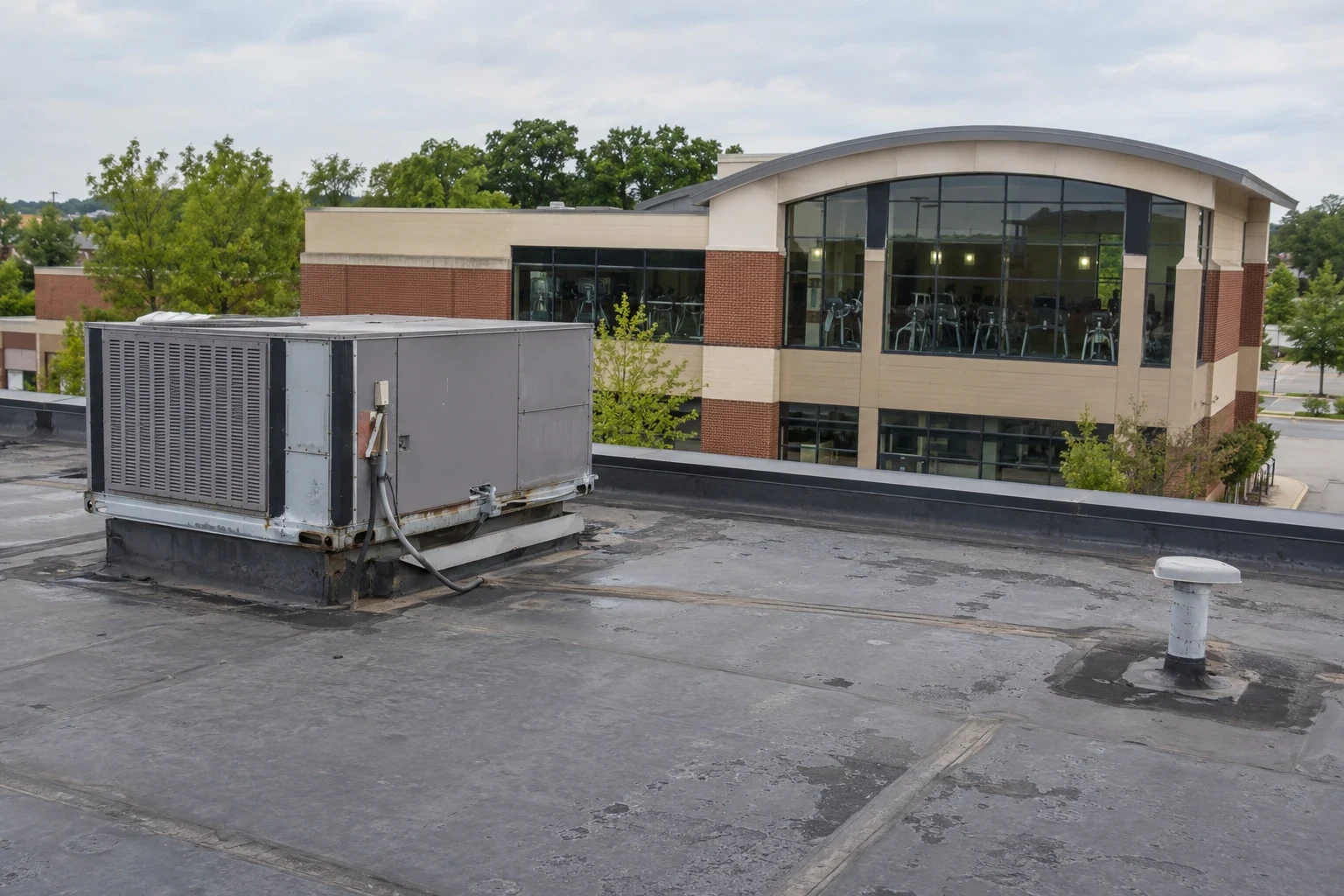
Vibration at an exhaust curb can repeatedly load its flashing connection. The roof patch may separate while the equipment keeps running. Manufacturing plant roofing in San Angelo, TX needs that interaction assessed. We examine the curb, support and adjoining waterproofing. Repair should address the motion and the damaged material. The equipment task also needs a suitable sequence beside the production activity below.
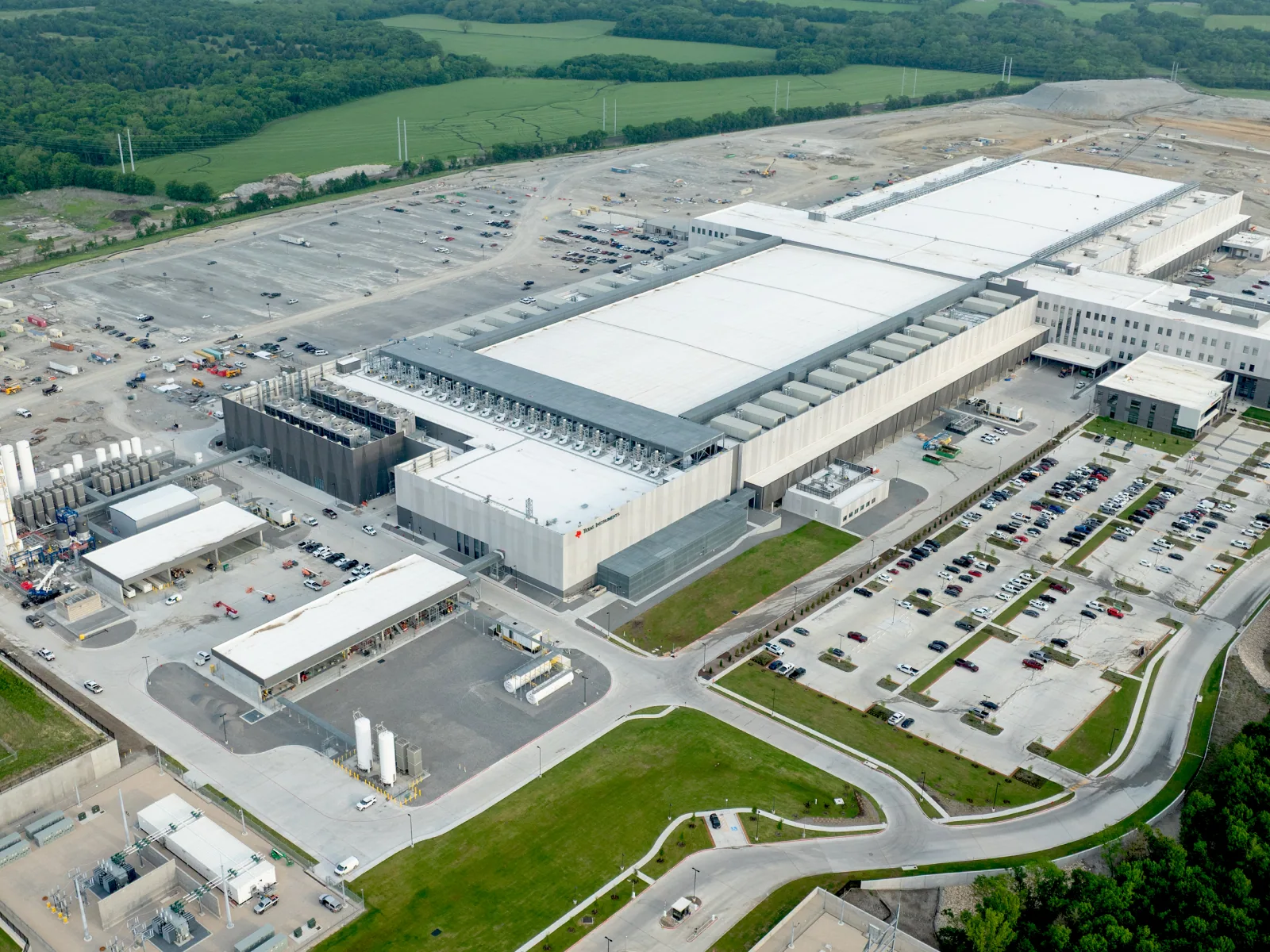
Commercial Roofers San Angelo repairs and replaces commercial roofs above manufacturing operations. The San Angelo Business & Industrial Park includes manufacturing and energy businesses. A roof project for a plant there needs its actual process restrictions identified. Examination of the roof and equipment interfaces establishes the construction task before its production impact is scheduled.
Manufacturing Plant Roofing
Trace vibration into the curb and roof detail
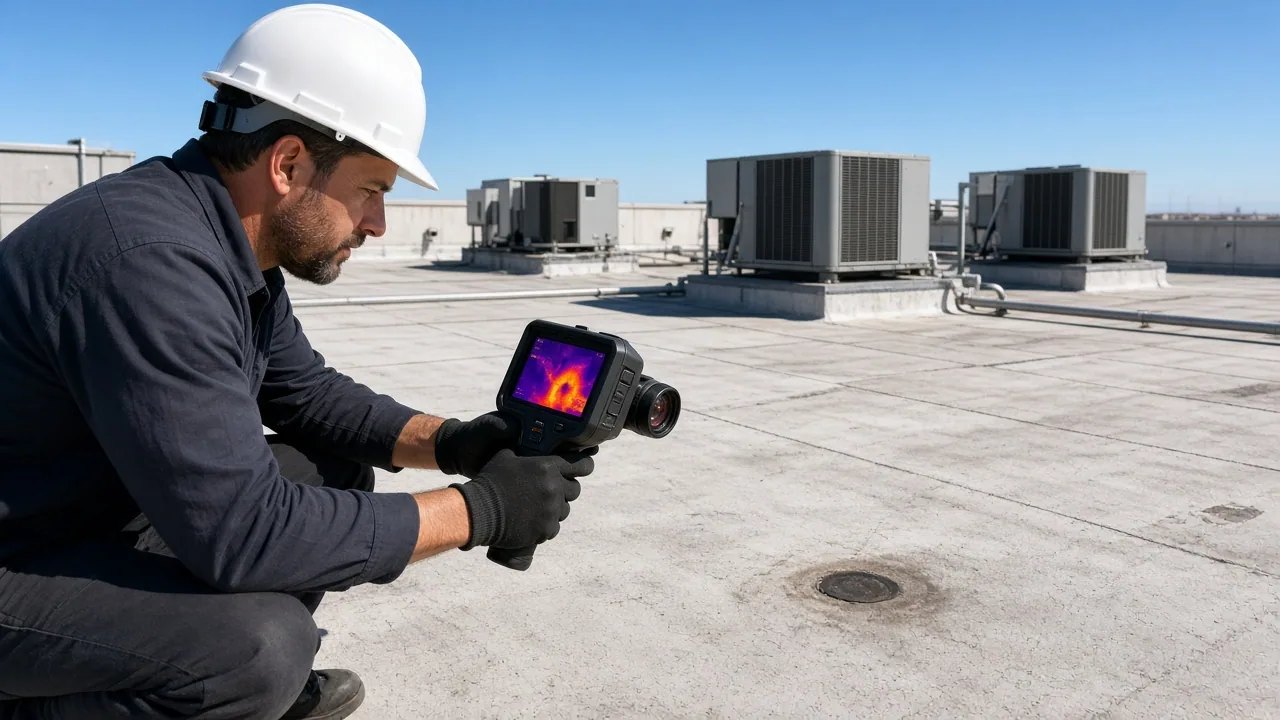
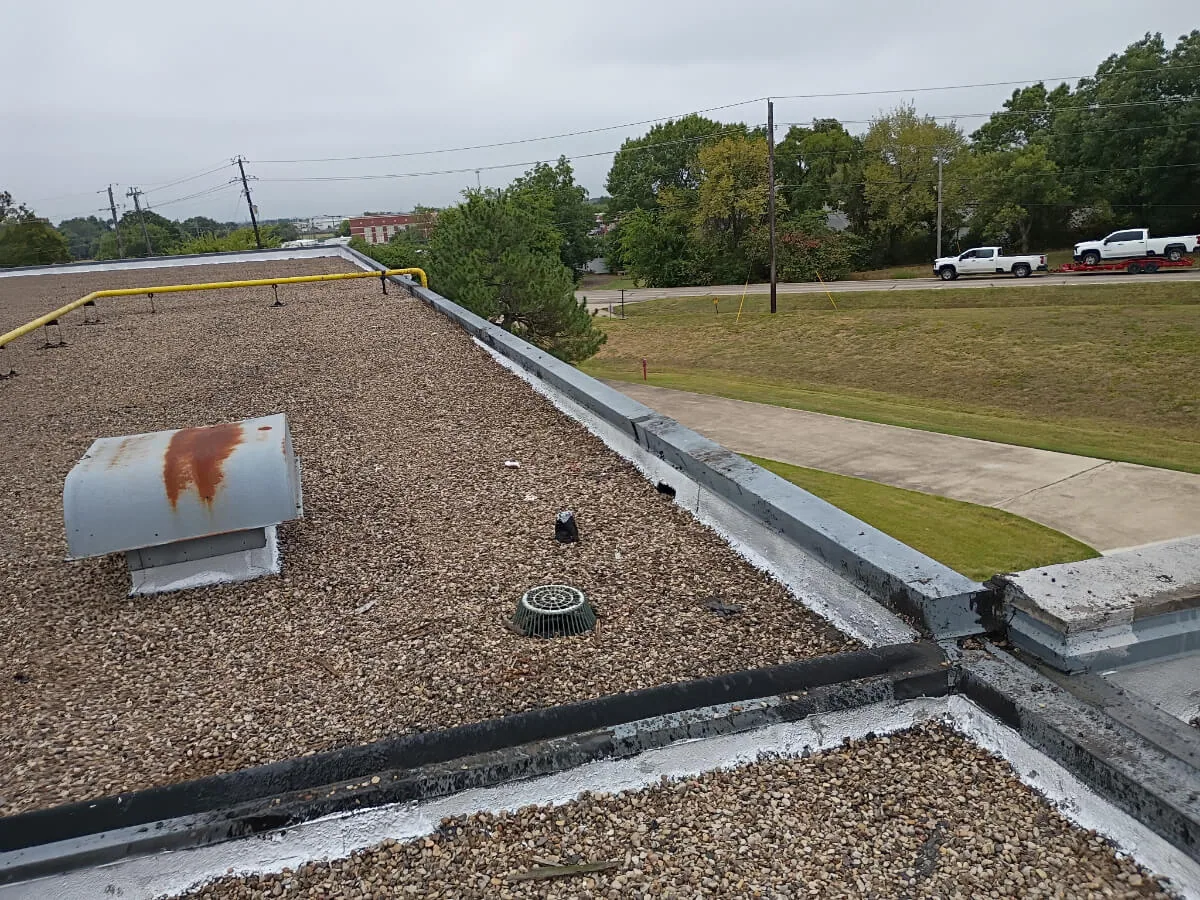
Equipment movement can originate in a mechanical component or supporting connection. We examine accessible roof details for displacement and repeated separation. The mechanical trade needs to assess the unit where its operation causes motion. Structural support may also require qualified evaluation. New flashing cannot stabilize an inadequately supported piece of equipment. The roof correction should proceed with the necessary support or mechanical task defined.
Curb and support repairs around rooftop equipment can require lifting or disconnection. We assess access for that work before membrane removal. The new connection needs suitable geometry and compatibility with the retained roof. Mechanical restart should follow the agreed completion and check sequence. The plant manager needs to know which equipment interruption affects production. We therefore connect the shutdown to the specific correction rather than assign a general roof-work period. Resolving the support and flashing together gives the repaired detail a suitable base instead of placing another patch into a connection still loaded by the same vibration.
Connect the plant defect to the working sequence Arrange a roof review with equipment movement, affected process areas and available shutdown periods identified. We will determine the construction correction and the protection needed beneath it.
Manufacturing Plant Roofing
Match exposure controls to the process beneath the roof
Production equipment and materials can be sensitive to debris or water exposure. We identify the operation beneath each proposed removal area. The manager establishes process restrictions and suitable protection for that space. Deck openings can change the debris-control method needed during work. We examine accessible construction before setting the removal boundary.
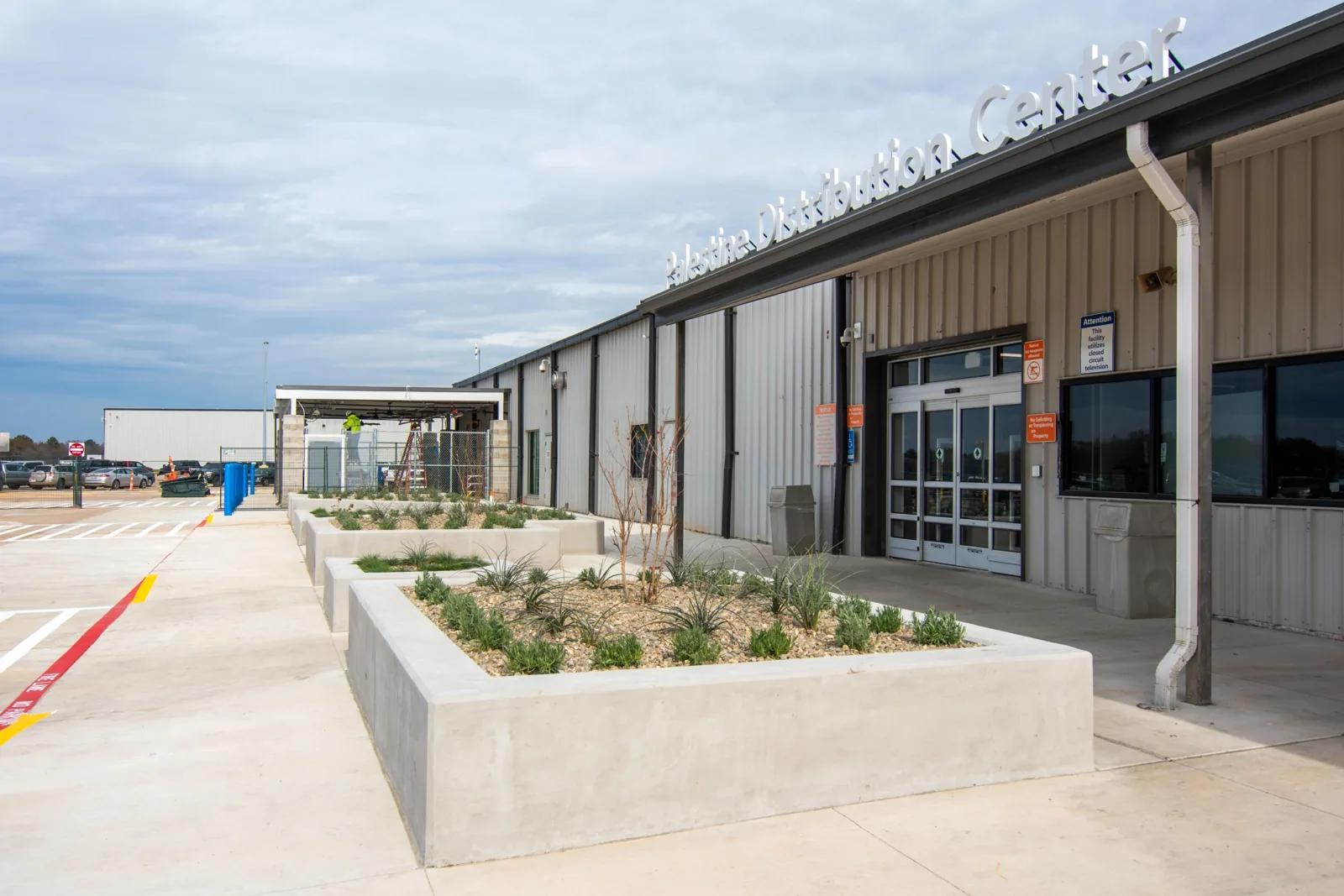
Ethicon has an employee cafeteria on the Pulliam Street Corridor. Roof work affecting an occupied food-service area needs its own protection and ventilation arrangements. A plant can contain different room uses within the same building. Roofing for mixed industrial and occupied spaces needs those differences assessed directly. We coordinate exposure controls by task and location. A suitable sequence may permit unaffected activity elsewhere to continue. The important distinction is the actual process below the opening, not a blanket assumption that every room requires the same shutdown or can tolerate the same debris and ventilation conditions.
Manufacturing Plant Roofing
Identify exhaust and material contact before choosing roofing
A rooftop discharge can affect membrane, metal and flashing differently. We examine the substance reaching the surface and the equipment arrangement. Chemical resistance needs review for the specific material and exposure. Temperature and contact duration can affect suitability as well. A coating or membrane label does not establish compatibility with every process discharge. The equipment should also control unwanted deposits where correction is necessary.
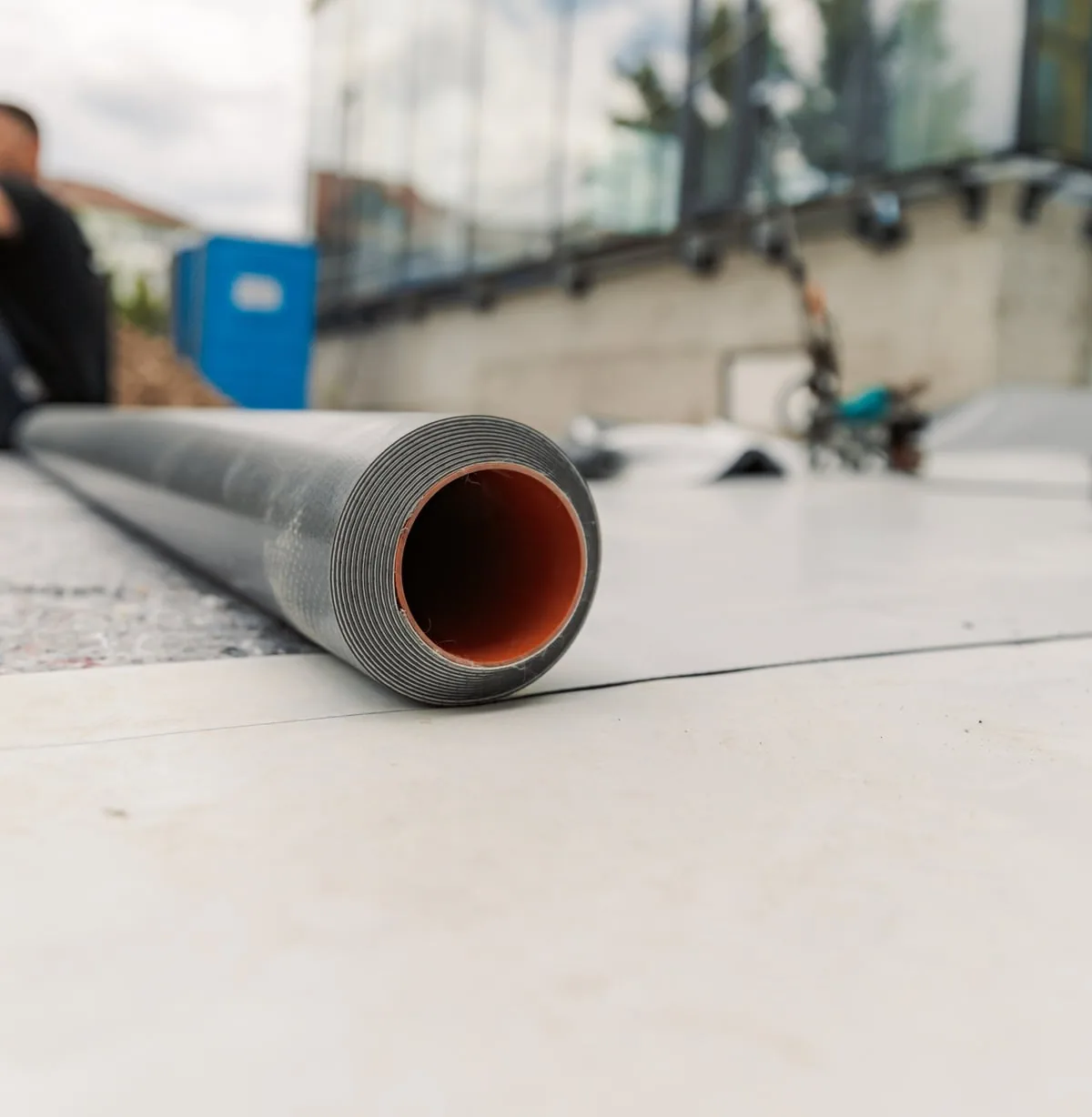
PVC roofing for appropriate industrial exposures may provide one suitable comparison. Other assemblies have their own compatibility and installation requirements. We assess the actual covering and propose corrections for affected details. Suitable cleaning and bond testing may be needed before repairs proceed. The responsible trade handles changes to the exhaust equipment. The roof task then addresses the damaged construction and prepared connection. We select materials for the exposure identified on the plant. The field sheet, adjoining seals and metal components each need suitable protection.
Manufacturing Plant Roofing
Define affected layers before pricing the field repair
A roof opening may have allowed moisture into insulation beside it. We examine the surrounding assembly rather than limit the scope to the visible gap. Suitable confirmation testing helps establish the involved material boundary. The deck and attachment need assessment where exposure reveals deterioration. Damaged support can require correction before new waterproofing is installed.
Investigation of suspect concealed moisture can assist when the assembly and conditions permit. Screening results need physical confirmation at suitable locations. We identify the retained area capable of supporting the selected repair. The membrane connection then joins sound compatible material beyond the defect. A plant roof may need several distinct tasks where equipment, moisture and field damage overlap. We separate those construction needs through examination. The manager can then compare the actual removal and repair extent, instead of treating a stopped interior drip as evidence that every layer beneath the opening is suitable to remain.
Manufacturing Plant Roofing
Sequence removal around the identified shutdown
A short production pause may not cover the full roofing task. Removal, supporting corrections and closure each require suitable time. We assess those stages before committing the exposed area. Equipment work can need a separate trade sequence within the same pause. The roof should reach suitable weather protection before normal activity resumes beneath it.
For manufacturing operations arranging roof work, the schedule should identify those dependencies clearly. Distribution functions sharing the building may continue through another controlled route where appropriate. We coordinate that separation with the manager. A changed process schedule can require a revised roofing window rather than accelerated preparation. The daily closure still needs its intended material and connection conditions. This approach relates the work to the actual shutdown task and adjacent operation, giving the plant a practical sequence without assuming its entire production activity stops or stays unchanged throughout the roof project.
Manufacturing Plant Roofing
Preserve roof protection through the next equipment task
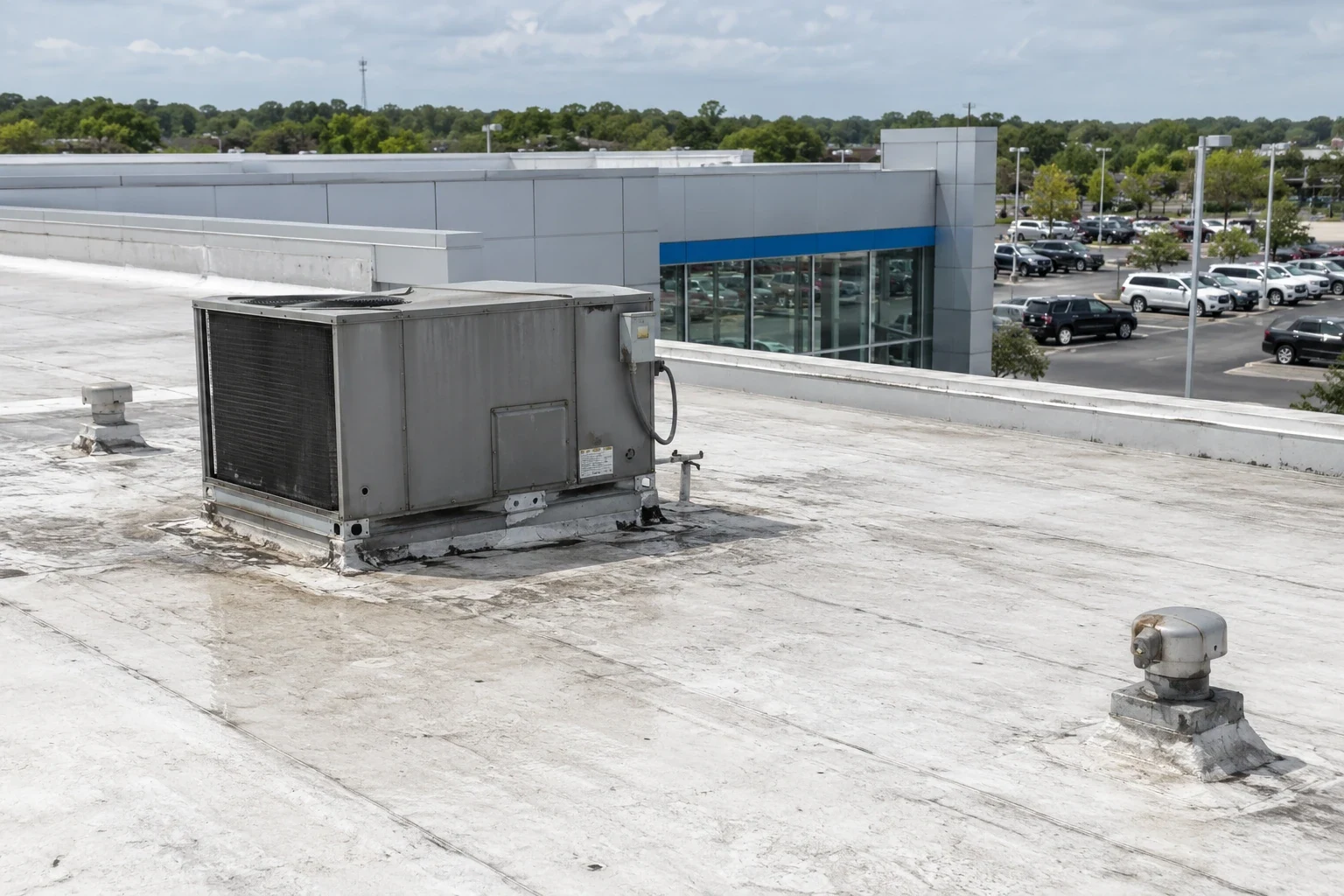
Maintenance workers need a suitable route to rooftop service points. Sharp tools and concentrated supports can damage an otherwise sound covering. We assess those contact positions during the roof project. Protective routes should permit access without blocking drainage or inspections. The completed details also need room for future repair. Placing new equipment directly over a seam can make that connection unnecessarily difficult to maintain.
Plants in the Business and Industrial Park need protection suited to the actual roof layout. We identify completed connections and the materials required for later compatible repairs. Maintenance of the plant roof assembly should examine outlets, equipment interfaces and service damage. Staff observations of new movement or retention help direct a focused assessment. The completed work area must also be cleared of construction debris before ordinary access returns. Those access provisions allow timely assessment after later equipment changes. Maintenance should not depend on dismantling components installed across a repaired detail.
Questions and answers
Questions About Manufacturing Plant Roofing
Why does a curb patch split again beside running equipment?
Repeated equipment movement may be loading the connection. We examine the roof detail and coordinate mechanical or support evaluation where necessary. The correction should resolve the movement cause as well as damaged flashing. Adding another patch without that assessment can leave the new material stressed by the same active connection.
Can production continue beneath roof removal?
Assess the process and protection needed at the specific opening. We identify debris, weather and ventilation effects with the plant manager. We identify production areas outside the roof exposure that can keep operating under agreed facility controls. Some tasks require restrictions beneath the exposure. The decision follows the actual construction and process sensitivity rather than a general promise of uninterrupted production.
Does industrial use require a chemically resistant membrane everywhere?
Review the substances and conditions actually reaching the roof. We assess compatible material for those exposures and examine adjoining components. Other parts of the roof may have different requirements. The system choice should address the identified conditions instead of applying one assumed chemical exposure to the whole manufacturing building.
What makes a shutdown window too short for the roof task?
Removal and supporting corrections must leave time for suitable closure. We assess those stages and any equipment disconnection needed. Preparation or material conditions may also limit the sequence. If the available pause cannot support the complete task, the working area or schedule needs revision rather than leaving an unfinished weather connection above resumed production.
How should the roof be checked after another equipment installation?
Examine the new penetrations, support contacts and adjoining seams. We assess weather connections and any damage from handling or service traffic. Drainage and future repair access should remain suitable. The check helps identify a correction while the equipment change is accessible, instead of allowing an obstructed or incompatible detail to remain beneath the new arrangement.