Commercial Roofing for Investors and REITs in San Angelo, TX
Industries We Serve
Investors and REITs at a Glance
Compressed insulation beneath a proposed recover can change the replacement comparison. Dry material still needs adequate support for the selected assembly. Commercial roofing for investors and REITs in San Angelo, TX starts with examination of those retained layers. We identify the actual covering and investigate suspect support. The option should account for the material requiring correction before a new surface is priced or scheduled.
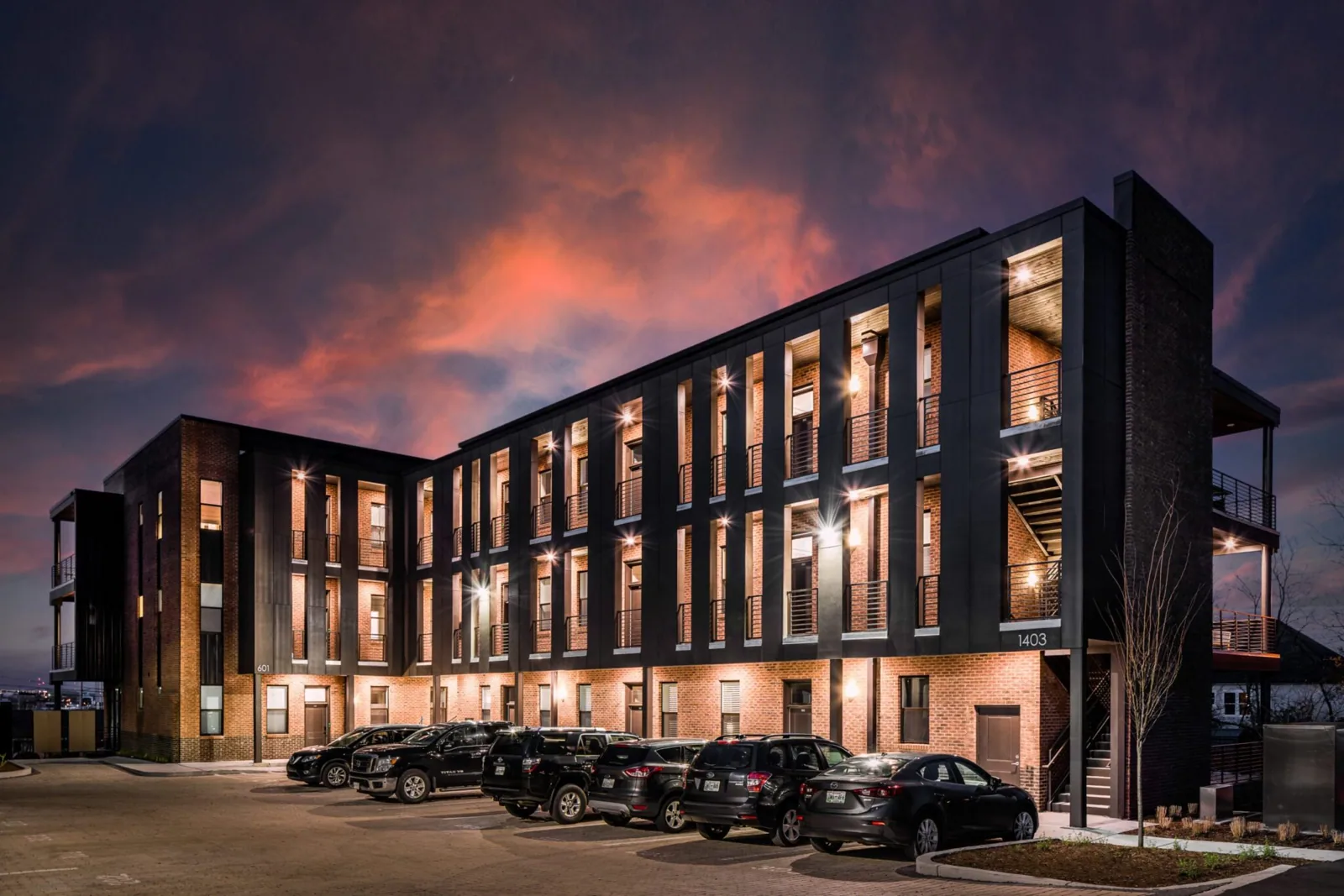
Downtown San Angelo combines commercial and residential properties. Investment-property roof planning there needs the actual occupied uses located against the construction area. Commercial Roofers San Angelo assesses, repairs and replaces commercial roofing for owners and investment-property operators. Roof assessment for an investment-property decision identifies physical findings and the conditions needing further investigation. We distinguish the completed weather assembly proposed from a surface-only treatment that leaves supporting correction unresolved.
Investors and REITs
Examine the retained support before comparing recover with removal
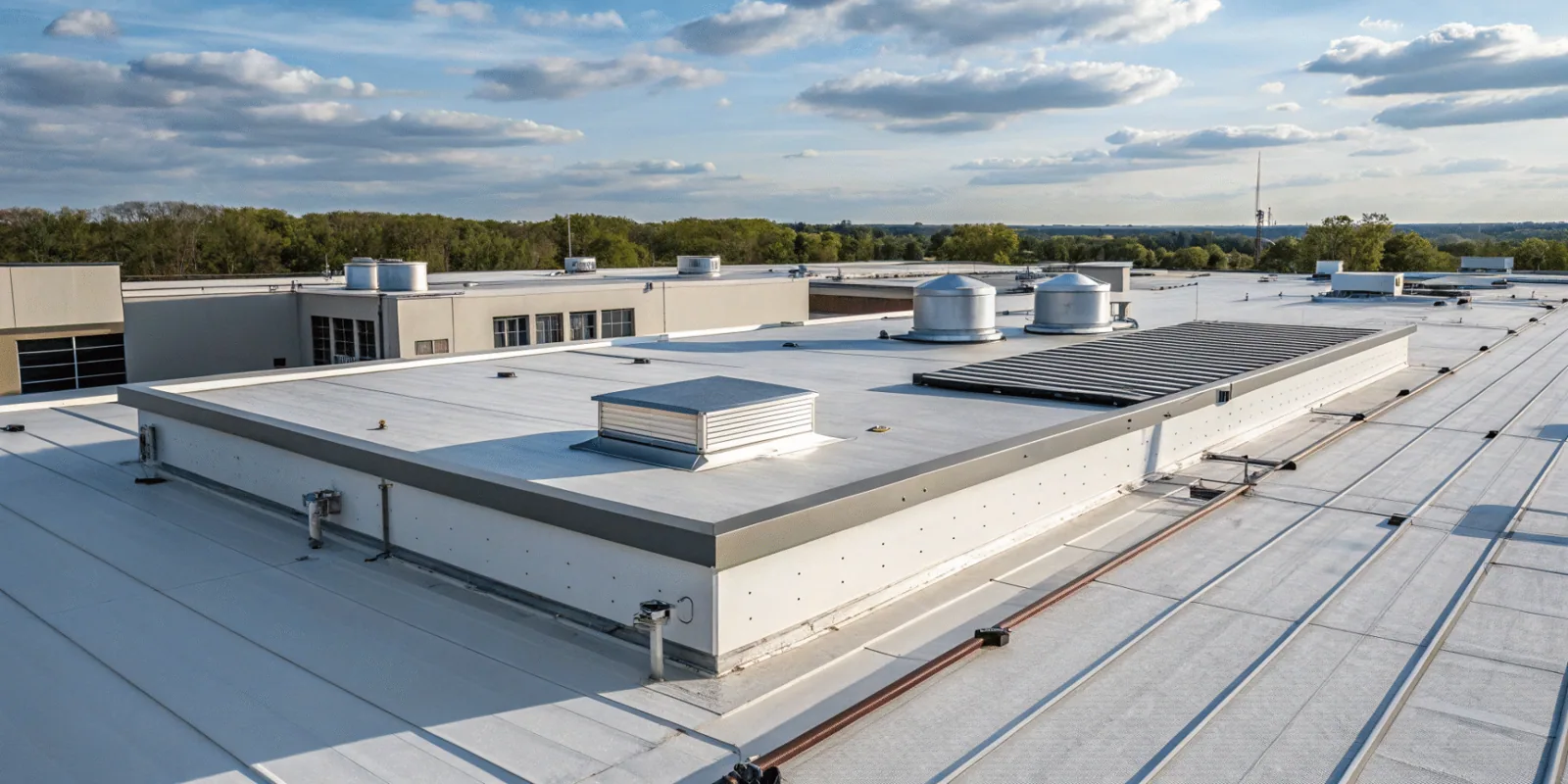
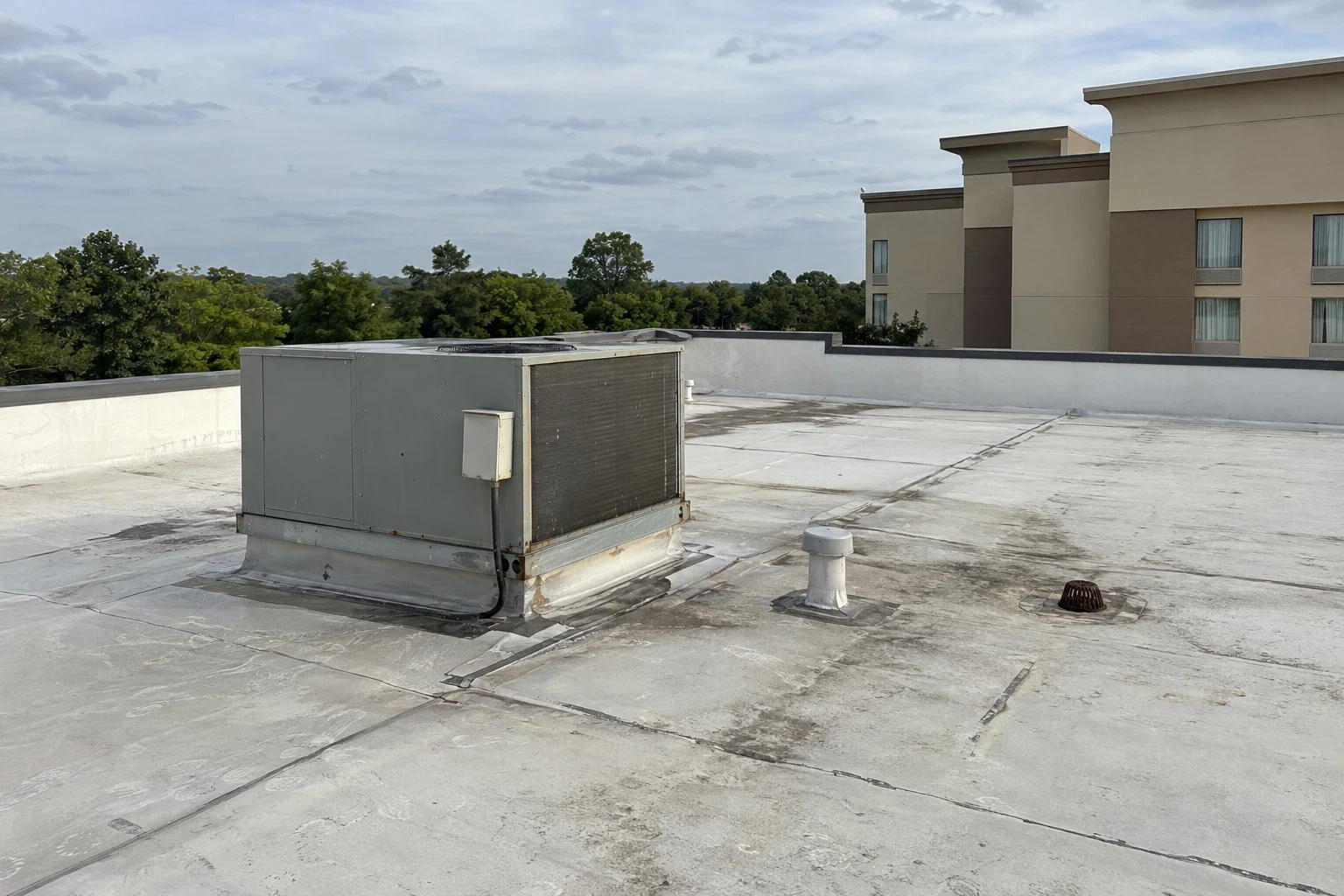
A recover option depends on more than the absence of visible leakage. We examine existing layers and relevant attachment or bonding conditions. Suspect moisture and deterioration need appropriate verification. Compressed support or unsuitable details can change the required construction. Added thickness also affects drains, doorways and equipment connections. The proposed retained assembly must meet applicable system and project requirements.
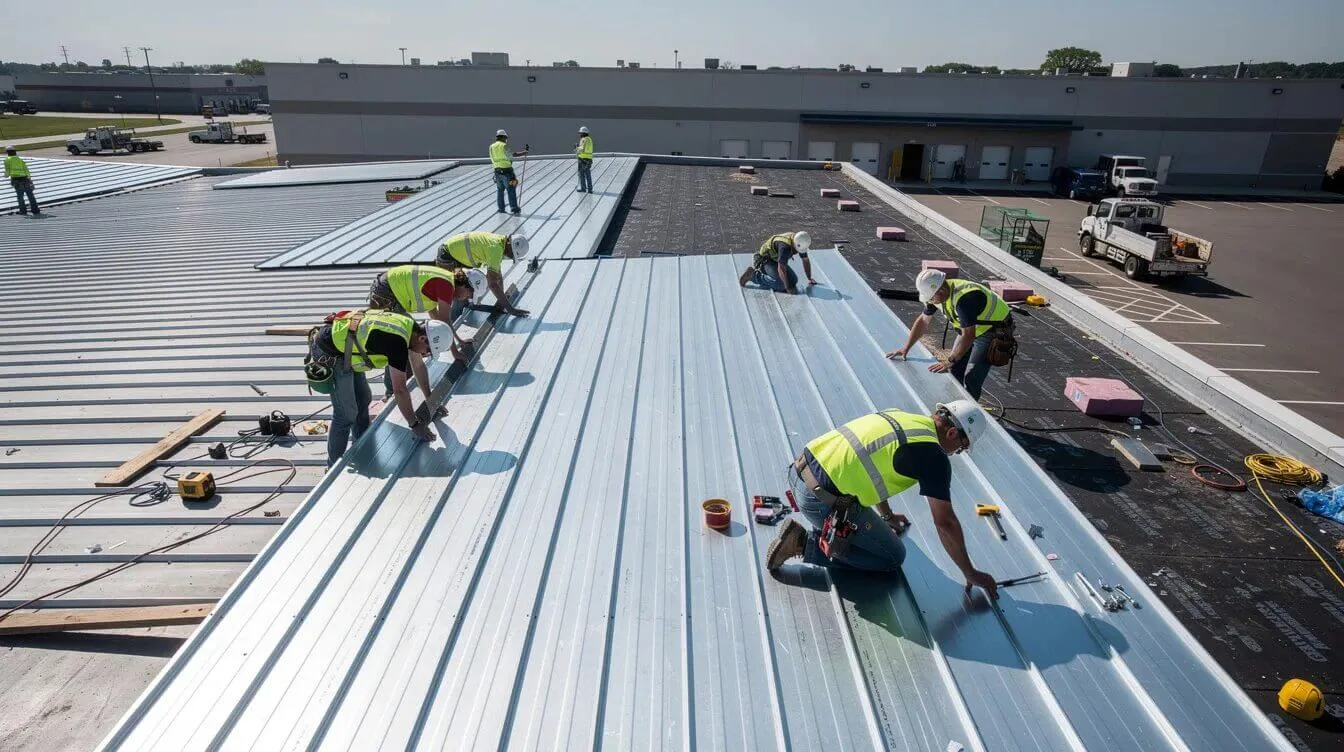
Evaluation of investment-property roof recover should define preliminary corrections and the completed connections. A replacement option needs its own removal and supporting preparation scope. The comparison becomes useful when both options describe the actual construction rather than only the field covering. We identify suitable retained boundaries and areas requiring further assessment. The owner can then compare material handling, occupied-space effects and closure needs. Sound material may remain where the requirements permit, but retaining it is a construction decision based on condition and assembly suitability. The scope should explain how the new weather surface connects to the building's actual support and detail arrangement.
Compare the investment-property roof options by actual construction Arrange a roof assessment with acquisition questions, planned equipment changes and tenant access information ready. We will define the retained-layer and removal requirements needed for a practical option comparison.
Investors and REITs
Separate observed roof findings from unexamined construction
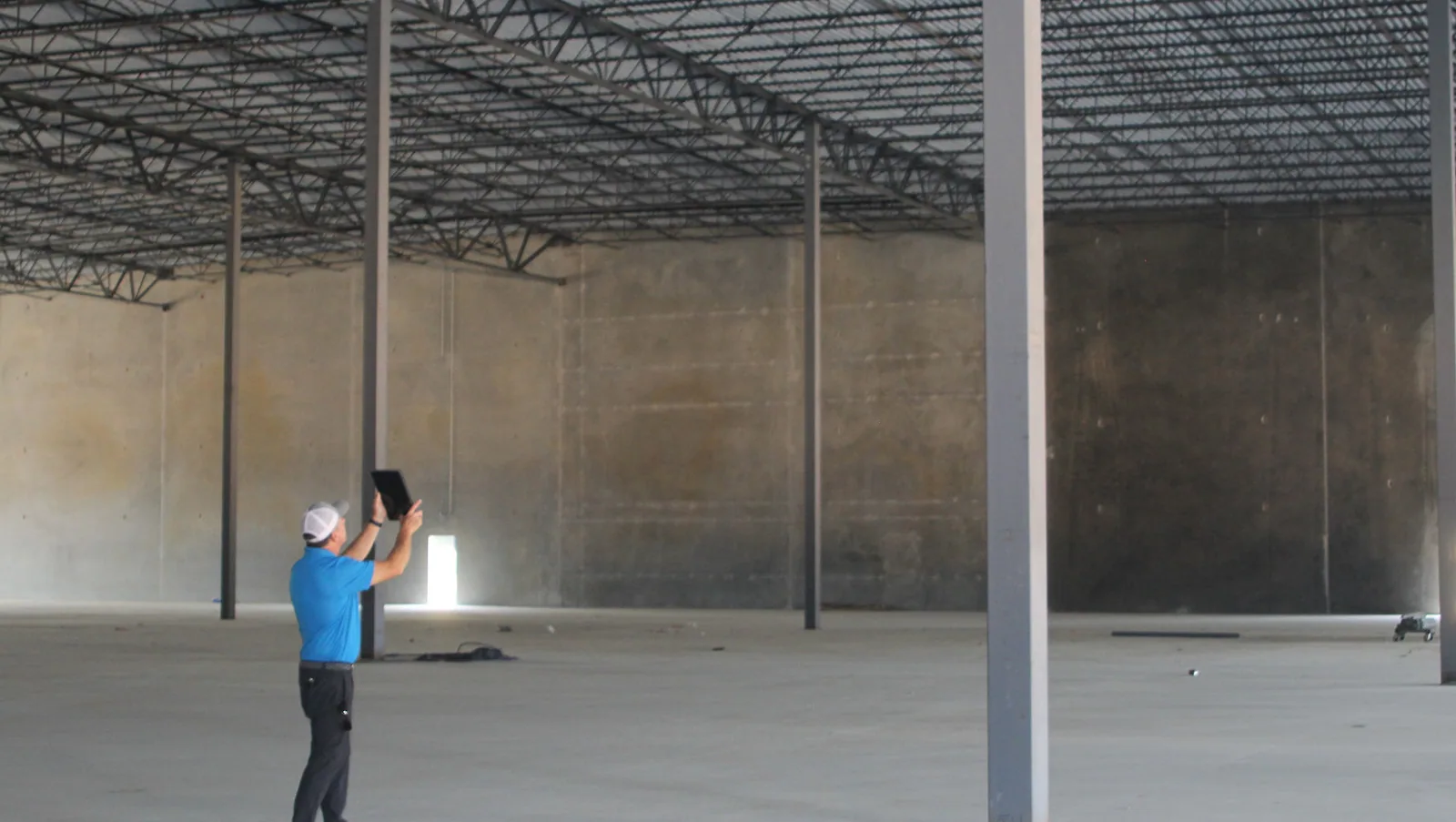
An accessible roof inspection may not expose every layer or concealed connection. We identify the components examined and the physical indications requiring additional assessment. Records can help locate past alterations and installed materials. Suitable test access may be necessary to verify suspect construction. A transaction decision should distinguish a visible repair item from an unresolved supporting condition that changes the practical scope.
Reports identifying investment-property roof condition locate findings and describe the relevant construction. They should distinguish confirmed correction from further investigation needed. A buyer or owner can use that distinction to define the next assessment task. Roof planning with property-management personnel helps locate affected tenants and access requirements for that investigation. A reported defect may require a localized repair, while another finding needs more evidence before the removal extent is established. The assessment should make those differences clear. That gives the investment decision a physical basis without treating a general roof description as proof that every concealed layer can remain in the proposed assembly.
Investors and REITs
Locate the occupied-space effects before selecting the construction period
Roof removal can affect tenant rooms, shared entrances or equipment. We establish the actual position of the construction area with property staff. The manager coordinates applicable occupied-use arrangements. Delivery and debris handling can require restrictions beyond the space directly below the opening. Those practical effects belong in the option comparison before a construction period is selected.
Sherwood Way contains grocery and restaurant businesses. For investment-property roof work near the Sherwood Way Corridor, actual access and equipment requirements need examination alongside the roof findings. Reroofing with tenant activity coordinated should define removal, preparation and closure stages. An available operating gap must allow the selected material requirements to be met. A localized correction can need a different occupied-space arrangement from broad replacement. The comparison should identify those differences rather than assign the same restriction to every option. That allows the owner and manager to plan around the actual construction exposure and service task required for the selected scope.
Investors and REITs
Include planned equipment changes in the roof detail comparison
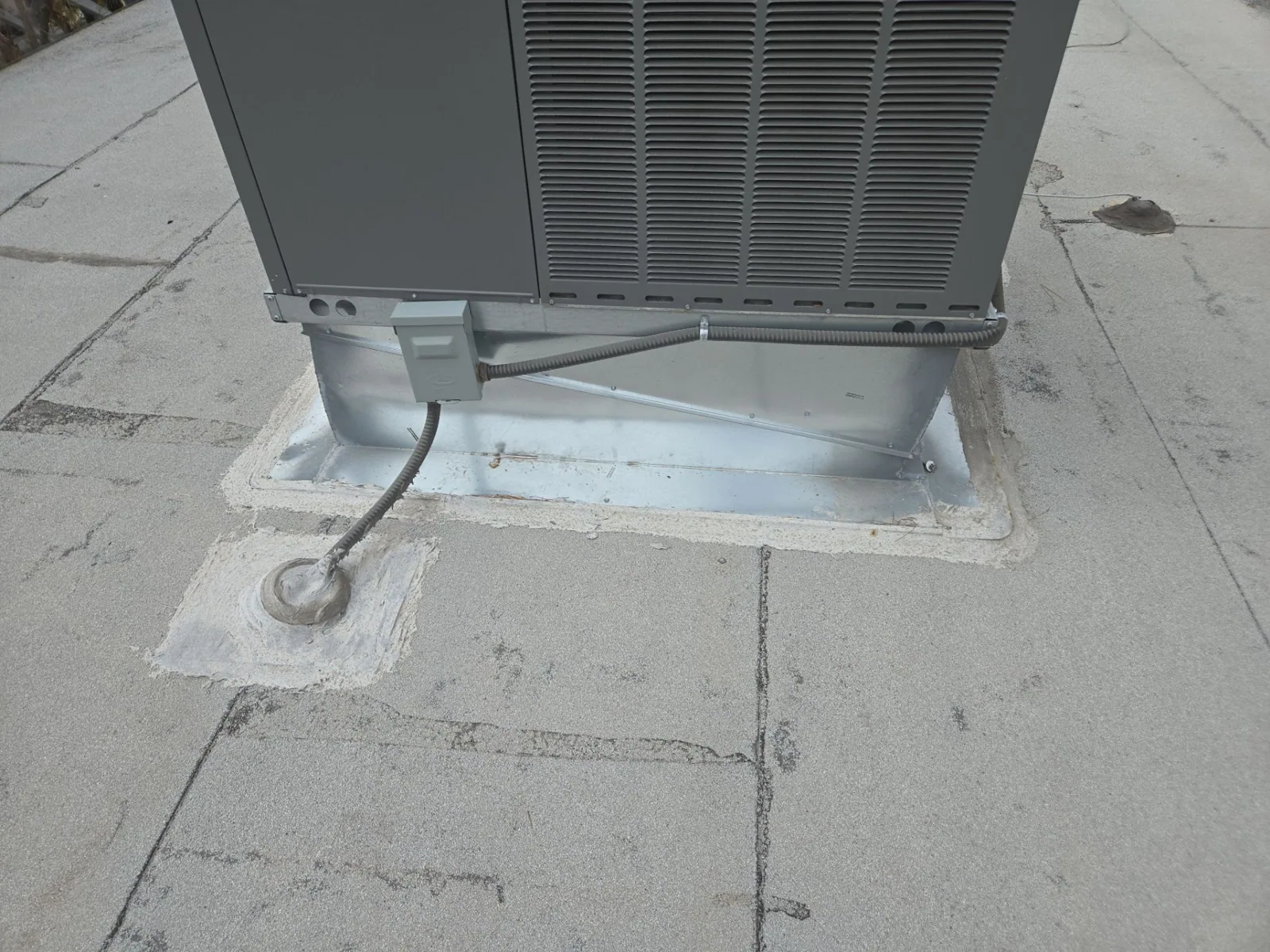
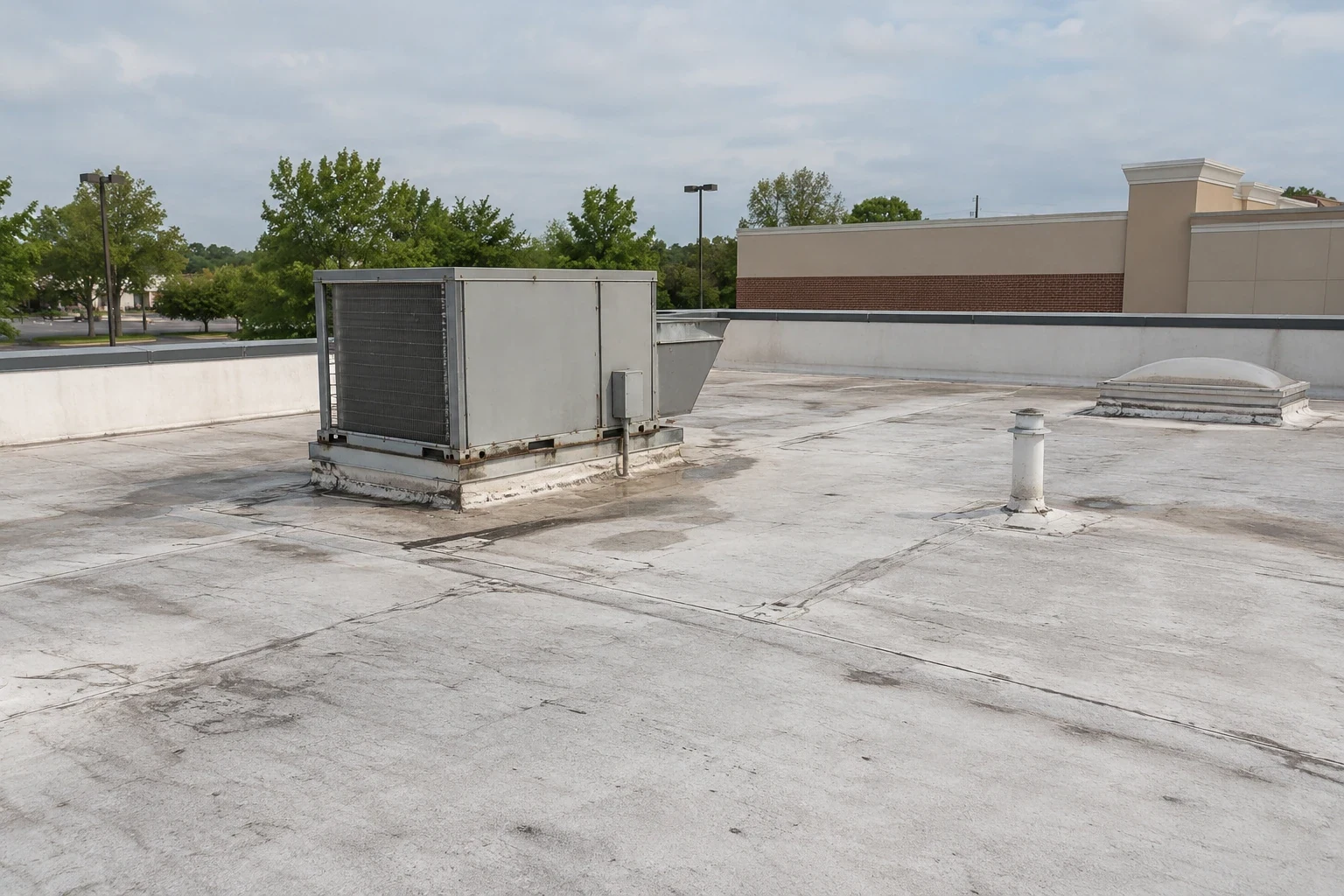
A building renovation can add equipment or alter existing penetrations. We identify the proposed connection and examine the surrounding roof. The responsible design or equipment personnel establish support and service requirements. Roofing access may require lifting or another coordinated task. The new weather detail needs compatible material and suitable support at the actual installation position.
Roof construction coordinated with a general contractor should distinguish the roofing connection from other support and service work. The renovation sequence needs that interface defined before closure. Assessment of changed rooftop equipment supports identifies the involved roof access and material requirements. An existing repair may not fit the new equipment arrangement. The owner should compare the roof option with the planned building changes, so a completed detail is not immediately obstructed or altered by another task. That comparison includes access for future service and examination, with the retained construction assessed before a new connection is placed over an unsuitable old patch.
Investors and REITs
Identify the installed scope for the next ownership decision
Completed roofing needs a clear description of its materials, connections and boundaries. We distinguish finished correction from retained areas and temporary closure. Supporting conditions requiring further assessment should remain separately identified. The owner can use that information when planning another construction stage or reviewing a changed roof symptom. A later decision should follow current findings rather than assume every section received the same work.
Planning subsequent roof work from identified condition should account for the actual material and occupied-space requirements. A new equipment task or altered tenant use can change practical access. We assess roof effects where the proposed change involves its details or support. The completed-work description helps locate those components for the next examination. A condition report is most useful when it directs a specific assessment or correction, not an unsupported promise about future service. The next roof option should identify removal and compatible connections on its own physical merits, with relevant ownership and operating arrangements coordinated for the actual task being proposed.
Questions and answers
Questions About Investors and REITs
Does dry insulation automatically make an investment-property roof suitable for recover?
Assess supporting condition and the proposed assembly requirements as well as moisture. Compression, attachment or detail-height conditions can require correction. We verify suspect construction and define suitable retained boundaries. The recover option should include preliminary work and completed connections, so dry material is retained only where the actual assembly and project requirements permit it.
How should a roof assessment inform an acquisition decision?
Locate observed defects and identify construction needing further investigation. We distinguish confirmed repair items from unresolved supporting conditions. Available records and suitable verification can help define the next task. The decision should use those physical findings and scope differences rather than treat an accessible surface inspection as proof that every concealed layer is serviceable.
Why compare tenant restrictions between repair and replacement options?
Map each option's exposure and material routes against the occupied building. Removal extent and equipment access can produce different restrictions. We define the construction stages needed. The manager coordinates applicable tenant arrangements, so the comparison accounts for practical access and closure requirements instead of assigning one general operating effect to every proposed roof scope.
Can a planned equipment renovation change the suitable roof option?
Identify the new support and penetration arrangement before selecting the weather detail. We assess compatible material and available construction access. Responsible personnel establish equipment and structural requirements. The roof comparison should account for those interfaces, with the renovation sequence coordinated so newly completed connections remain suitable and accessible after the equipment change.
What should an owner retain after a defined section is reroofed?
Keep a located description of installed materials, completed details and retained boundaries. We identify relevant findings and conditions still requiring assessment. Another equipment task or changed symptom can then be directed to the actual component. The next roof decision should follow current condition, with its own correction scope established rather than assuming all sections were renewed together.