Commercial Roofing in San Angelo Cultural District, TX
Service Areas
San Angelo Cultural District at a Glance
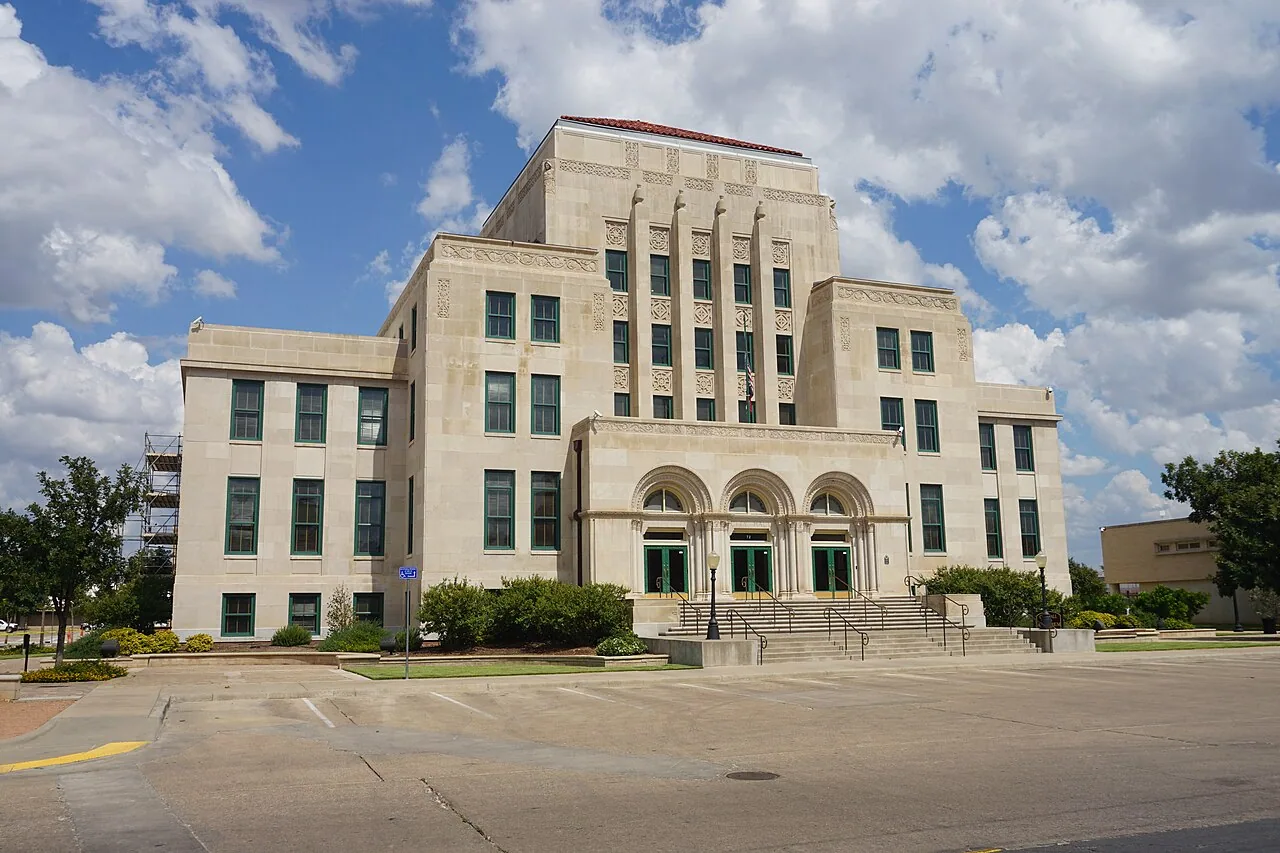
A detached perimeter edge can turn a small roof repair into a water path across several occupied rooms. The repair starts at the exposed connection, not at the interior stain. San Angelo's Cultural District lies south of the Concho River and includes manufacturing and retail alongside residential uses. Commercial and nonprofit buildings in that area can have different operating schedules. The manager needs a roof limit and a work window before removal begins.
We examine the edge, the receiving membrane and the nearest drainage route. A lifted seam, failed curb or clogged outlet requires a different correction. The district's mix of uses does not establish any particular property's roof type or condition. We confirm the requested building, access path and space beneath the work. The estimate names included material, any test opening and the point where added removal needs release. Edge metal and coping belong in the same review when the perimeter connection controls the leak.
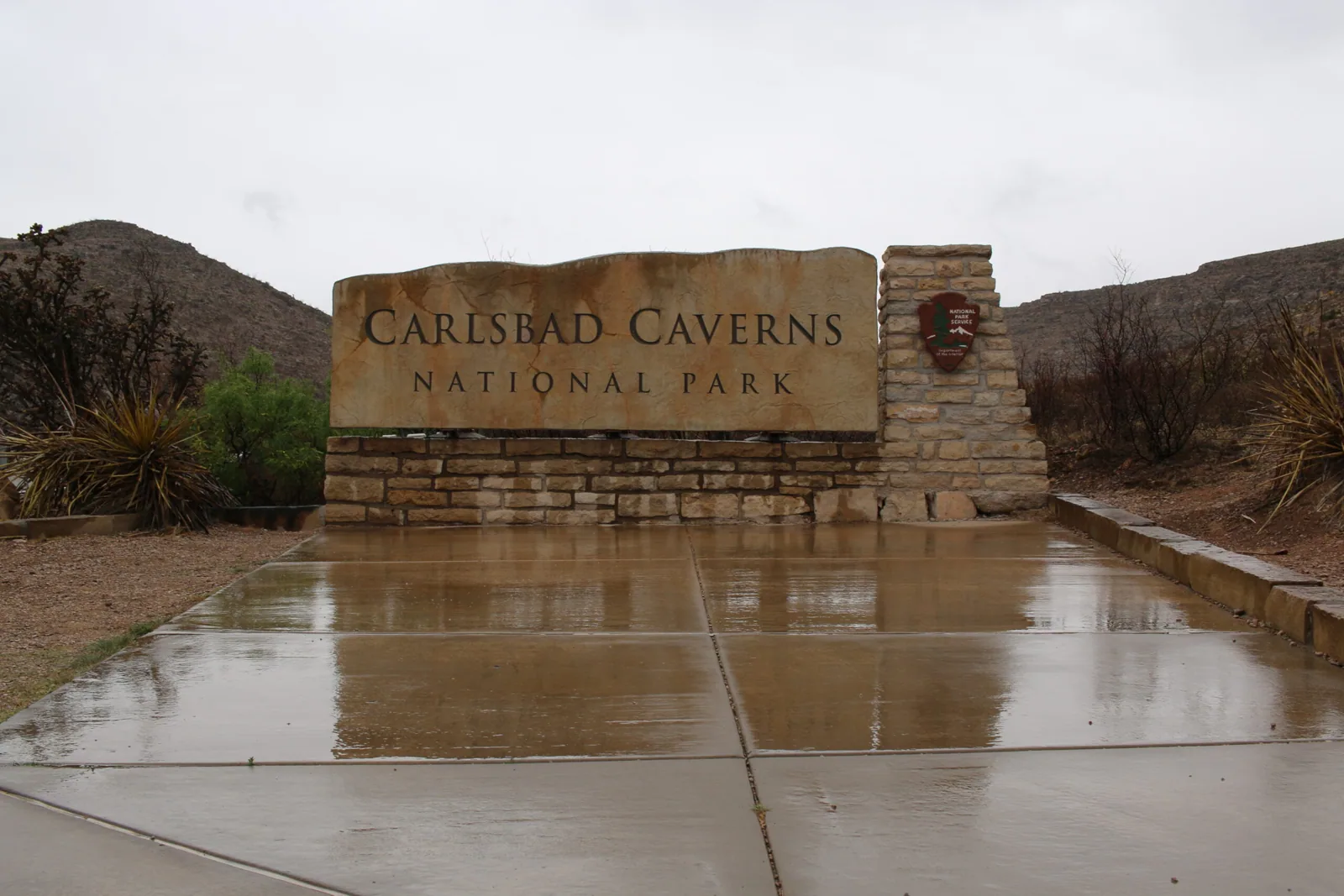
San Angelo Cultural District
Inspect the perimeter before choosing a patch
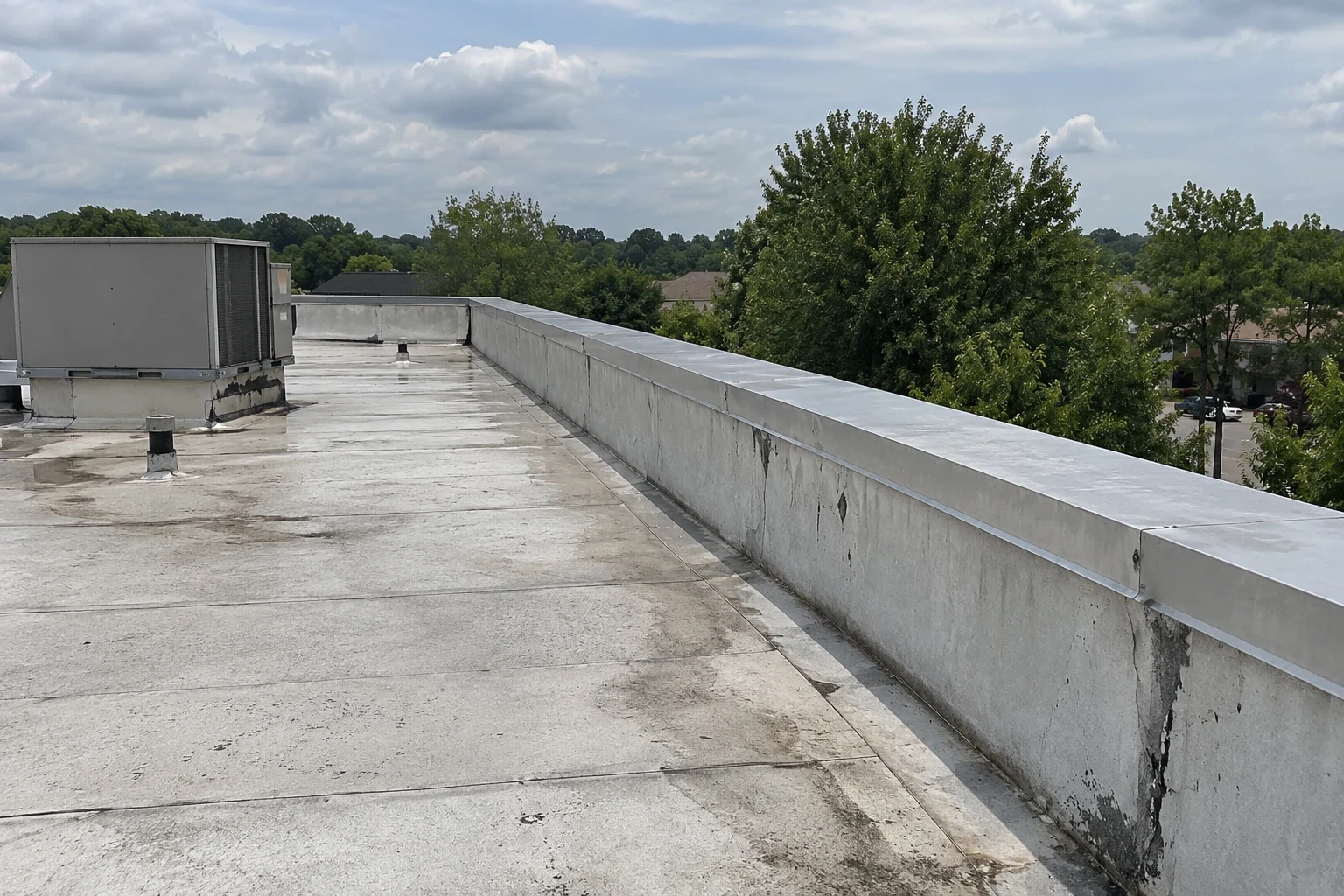
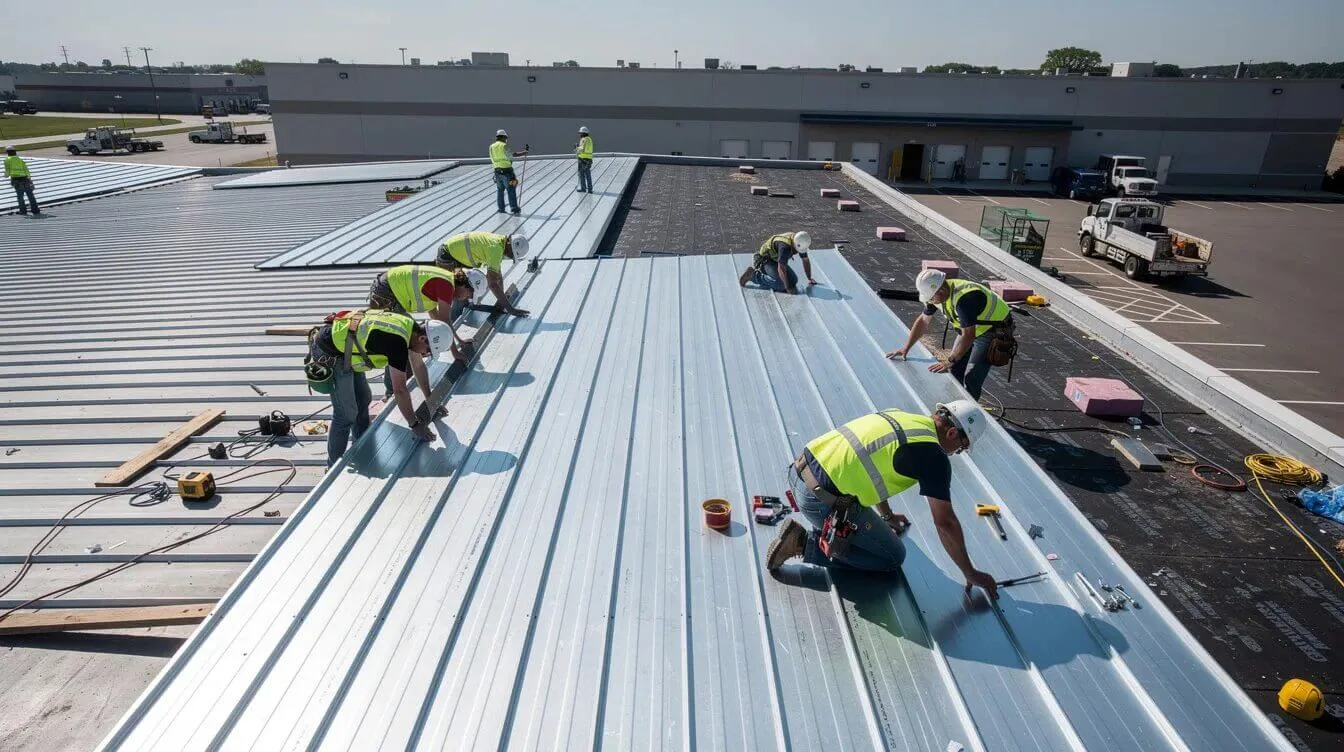
At a roof edge, water can enter where membrane, metal and wall flashing meet. We check fasteners, laps, corners and sealant condition, then compare them with the reported interior area. A loose cap may admit water at one joint while the field membrane remains serviceable. A split at the wall transition can follow a different path. The repair limit should reach compatible material, with the new termination shown in the scope. The property contact identifies the building representative, roof access point and rooms that need protection before the crew mobilizes. Keys, escorts, tenant notices and lift requirements are confirmed for the actual property. The scope then identifies material staging, debris removal and drain paths that must remain clear. If a repair crosses several storefront or office bays, each stopping point and tie-in belongs on the work record. Ownership can inspect that boundary before authorizing additional removal.
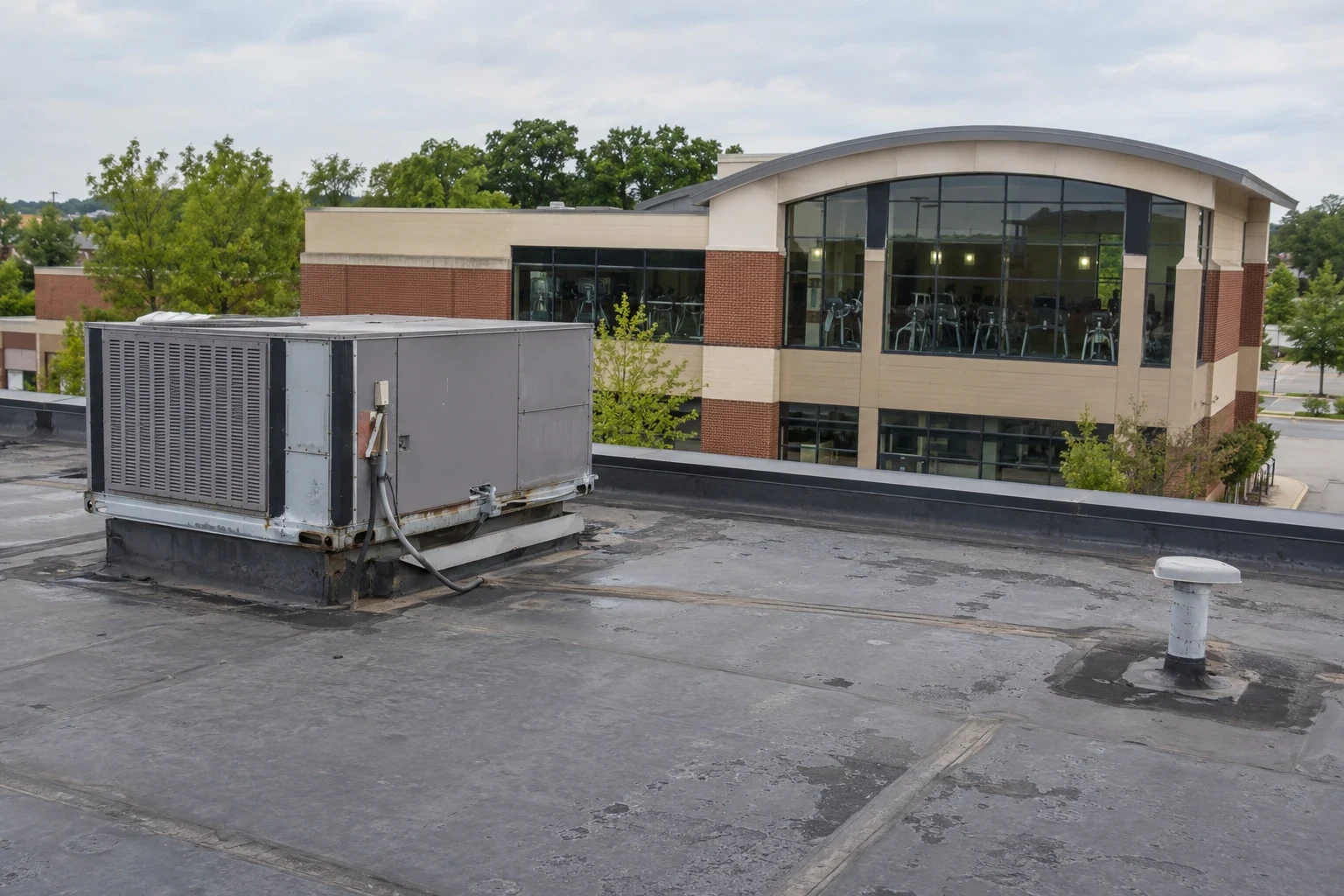
Retail and manufacturing uses occur across the San Angelo Cultural District, but each roof must be evaluated on its own. The property representative identifies production periods, deliveries and equipment that cannot lose access. If the perimeter needs a test cut, the proposal states its dimensions and closure method in advance. Concealed deck or insulation remains an allowance until the owner sees the exposed condition and price. A flashing repair can stay focused when the adjacent material is sound; broader deterioration changes the comparison. The closeout identifies the repaired edge, any area left untested and the next decision needed. This separates a measured correction from a larger renewal discussion without assuming that nearby properties share the same assembly or condition.
Inspect the failed connection before expanding the work Share the affected roof zone, the building use and the next operating window. We will trace the connection, identify any test that could change removal, and price the repair boundary.
San Angelo Cultural District
Check heat movement at long metal edges
The local July climate profile sets San Angelo's normal daily maximum between 96 and 99 degrees Fahrenheit. Hot roof surfaces expand and contract more than shaded interiors. Long edge metal, coping and exposed fasteners need movement allowance without opening the weather line. We inspect the metal joint, attachment pattern and transition into the membrane. A rigid patch across a moving connection can pull loose again, so the correction needs to respect how the parts shift.
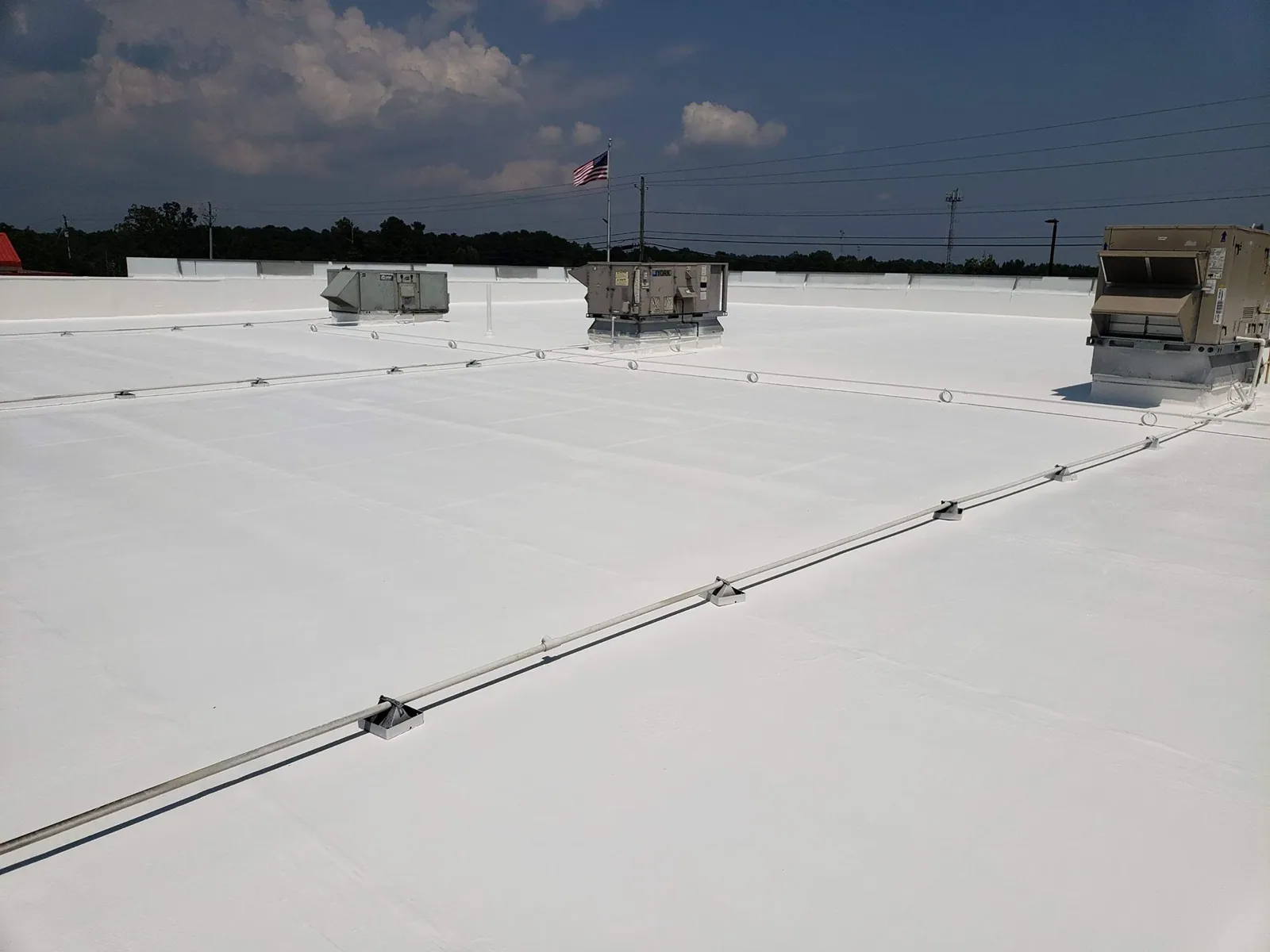
The Cultural District's residential, retail and manufacturing uses create a range of possible building operations. They do not prove that every property has a long roof edge or the same assembly. We record the actual detail, its sun exposure and nearby drainage. If a coating or membrane is considered, the receiving surface must be clean, stable and compatible. A modified bitumen assembly uses layered surfacing and lap connections that need their own review. A repair is priced to the observed material, not selected from the area name alone.
San Angelo Cultural District
Separate hail evidence from roof condition
San Angelo's May 2020 hail record reports extensive impact to homes and vehicles; it does not establish damage in the Cultural District. That event provides a reason to examine exposed commercial roofs, but it does not show that a particular building was damaged. We look for punctures, fractured surfacing, displaced flashings and impact to rooftop equipment. Photos identify the location and type of visible condition. The manager can decide whether a closer test or claim documentation is useful.
An impact mark in metal is not interchangeable with a membrane cut or a displaced seam. We compare the affected area with nearby laps and the drainage path before defining repair extent. If a concealed layer could change removal quantity, an owner-approved opening is listed separately. A hail inspection should distinguish current evidence from routine aging. A condition report can put the observed detail, photos and unresolved questions in one record without predicting an insurer's decision.
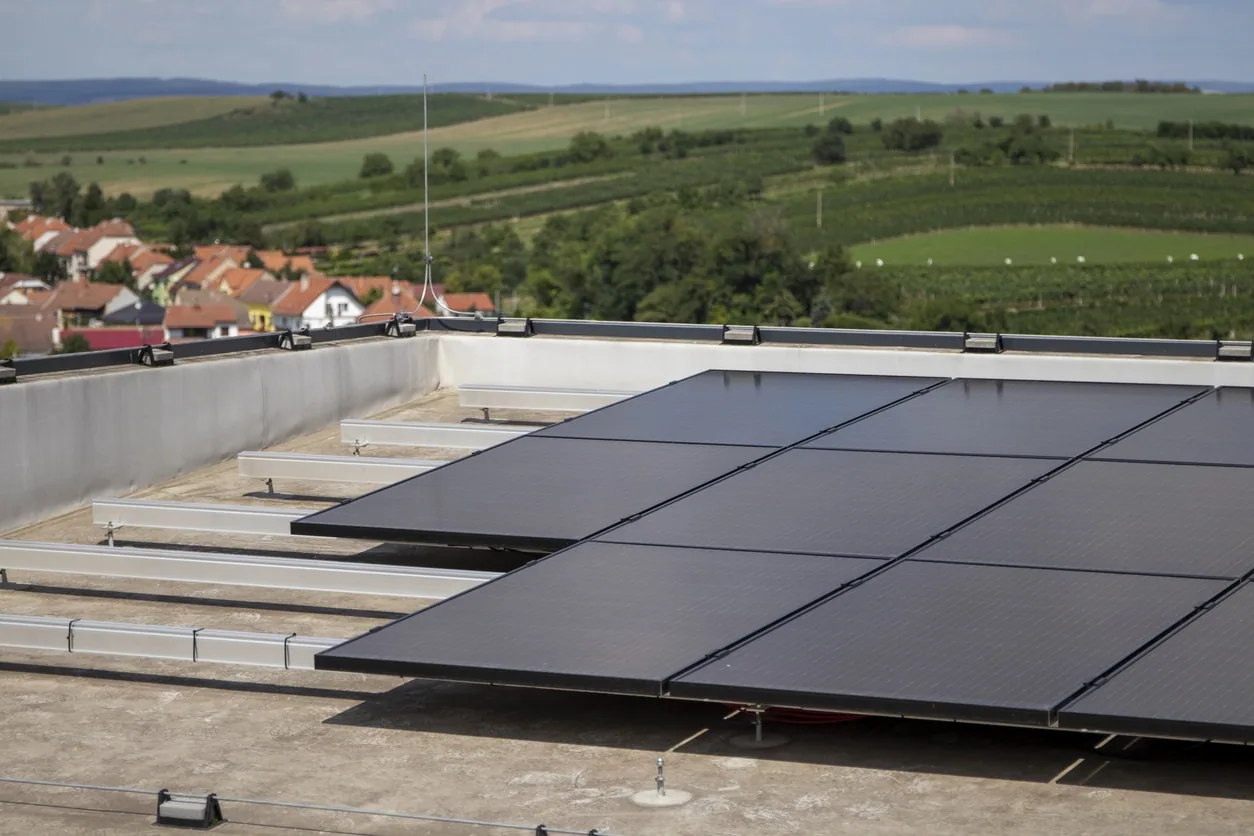
San Angelo Cultural District
Sequence work around the district uses
A roof opening over a nonprofit office, retail space or manufacturing operation affects more than the membrane. Before mobilization, the property contact names the approved entrance, receiving hours and route below the work zone. We identify any interior room that needs protection and the person who can approve a shutdown. The work plan separates removal, temporary closure and permanent tie-in. Each daily close-out states which zone is dry and what remains open.
The district extends across multiple property types, so a shared schedule should not be assumed. A phased occupied-building repair can limit exposure to one work area at a time, when roof conditions permit. For separate properties, compare downtown roof access and industrial park sequencing only as distinct site decisions. These locations do not set the Cultural District's access rules. We confirm the actual approach and staging boundary with each representative.
San Angelo Cultural District
Release the permanent repair at a clear boundary
The estimate identifies included metal, membrane, protection below and any test allowance. When removal reveals wet insulation or a different substrate, the crew secures the opening and records the measured change. Added work needs an accepted price and limit before the boundary expands. This keeps a temporary cover distinct from the finished roof connection. It also gives ownership a practical pause when evidence changes the quantity. The final record keeps the repair boundary useful for the next inspection.
At completion, we review the repaired edge, adjoining lap and water route to the drain. Photos note the roof area completed and the surfaces left outside scope. The record can support preventive maintenance when the owner schedules a later review. If another leak appears, inspect its own path rather than assuming it shares the earlier cause. For urgent openings, we can respond at any hour, including weekends and holidays; permanent repair remains a separate priced task. A follow-up inspection can test the repaired connection and any area left concealed.
Questions and answers
Questions About San Angelo Cultural District
How can I tell whether an edge leak needs metal or membrane work?
We inspect the cap joint, fasteners, wall transition and membrane lap together. The repair follows the failed connection and closes at stable material, not just the location of the interior stain.
Should I treat the 2020 hail event as proof of a claim?
No. It is a reason to inspect, not evidence about a specific roof. We photograph visible impact and separate it from wear, prior repairs and conditions that require a closer test.
How do you keep a roof opening from affecting occupied space?
The manager identifies work hours, the route below and any equipment limits. We set a zone, protect the space, and document temporary closure before removing material.
What if the damaged area grows after removal?
The crew secures the opening and sends ownership the observed layer, measured quantity and revised price. Work outside the accepted boundary waits for release.