Shopping Center and Strip Retail Roofing in San Angelo, TX
Property Types We Roof
Shopping Center and Strip Retail Roofing at a Glance
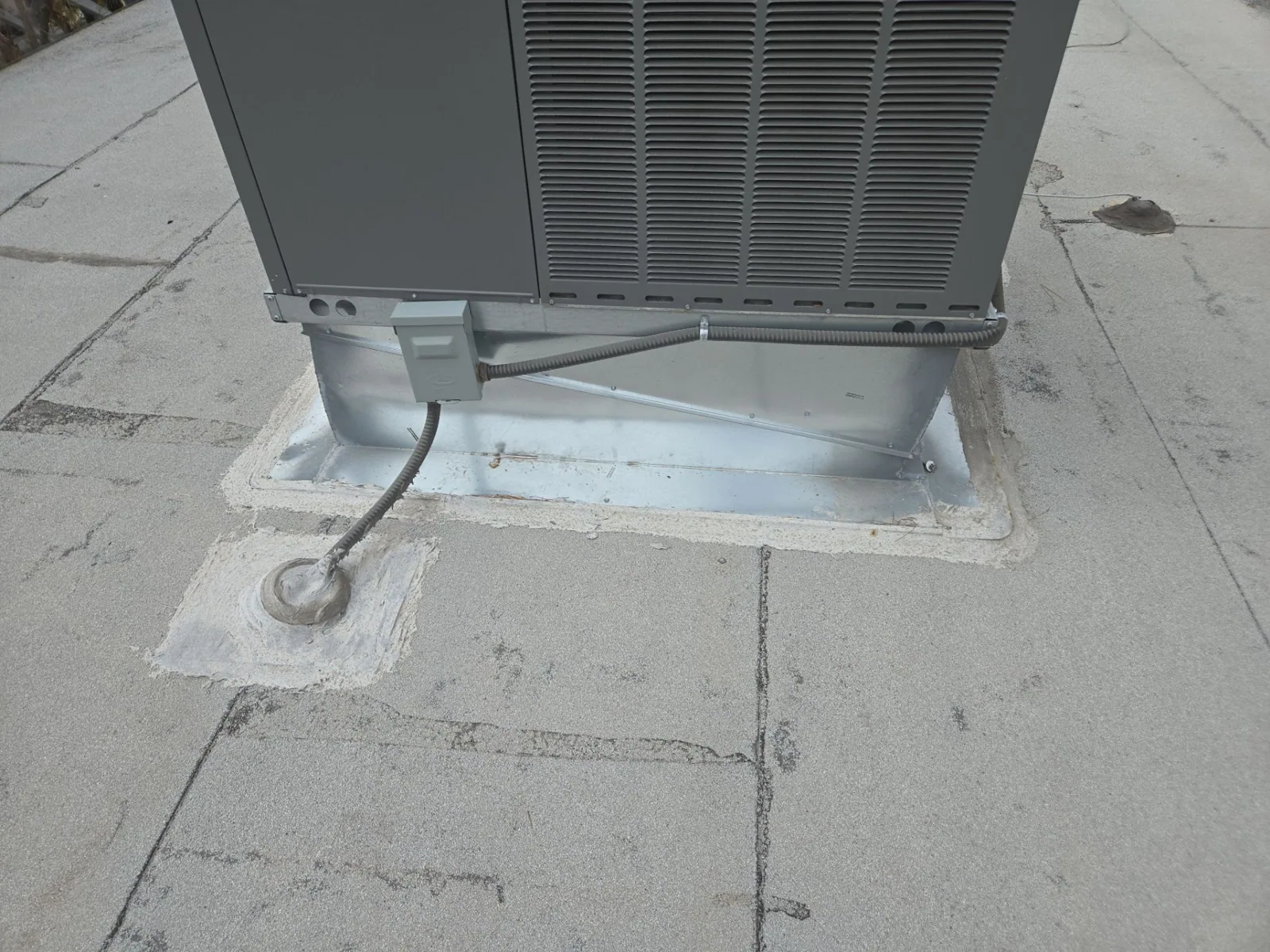
An abandoned exhaust opening can stay concealed beneath a thin patch. That covering may lack support or a suitable permanent connection. Shopping center roofing in San Angelo, TX requires the old opening assessed. We identify the retained construction and what the patch spans. A permanent correction may need deck work as well as membrane. The room beneath also needs protection while the assembly is opened.
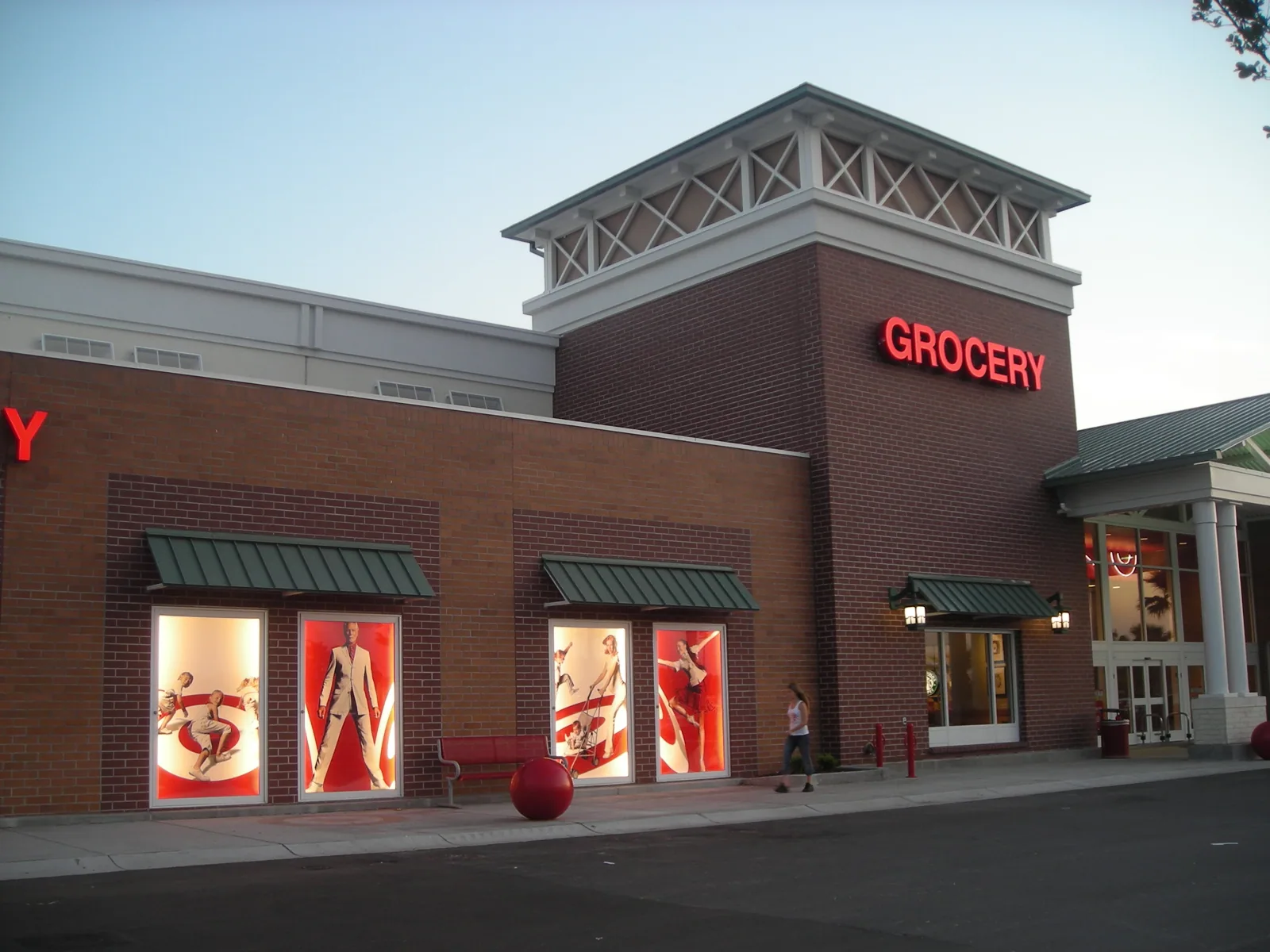
Sunset Drive includes groceries and shopping-center food operations. Tenant changes can introduce different roof-equipment needs over time. Commercial Roofers San Angelo repairs and replaces commercial shopping-center roofs. We assess the actual roof alterations and occupied activity before defining the scope. Correction of equipment curbs and retained supports follows the connection condition, with any trade work coordinated before the roof is closed.
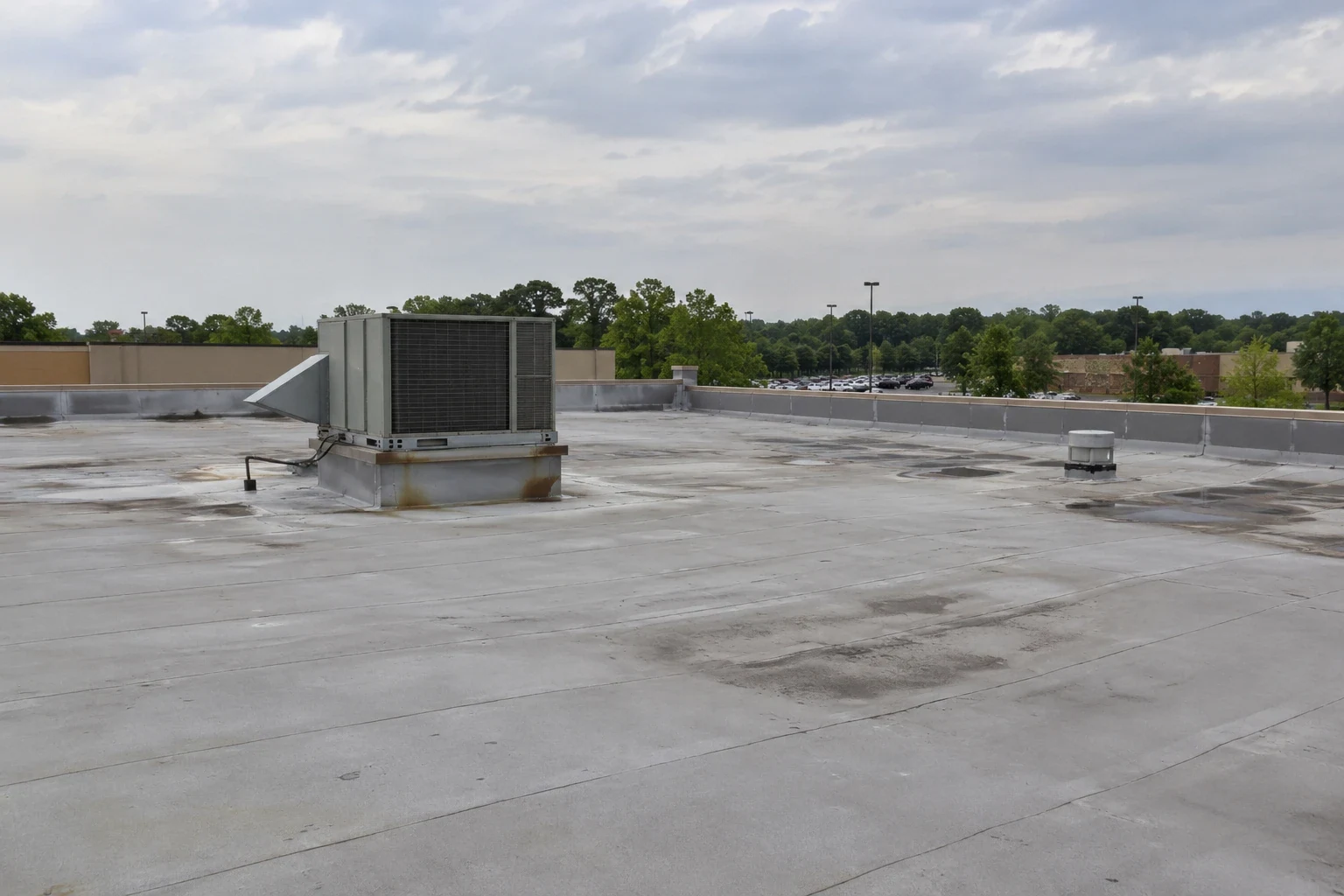
Shopping Center and Strip Retail Roofing
Resolve unused openings through the supporting construction
Removing equipment does not automatically close its roof opening suitably. We inspect the covering, former curb and support beneath the patch. Loose or unsupported construction needs correction before waterproofing is rebuilt. Lines remaining through the area require the responsible trade involved. The proposed closure should restore suitable support and compatible weather protection. A membrane patch alone is insufficient where an underlying opening remains unsupported.
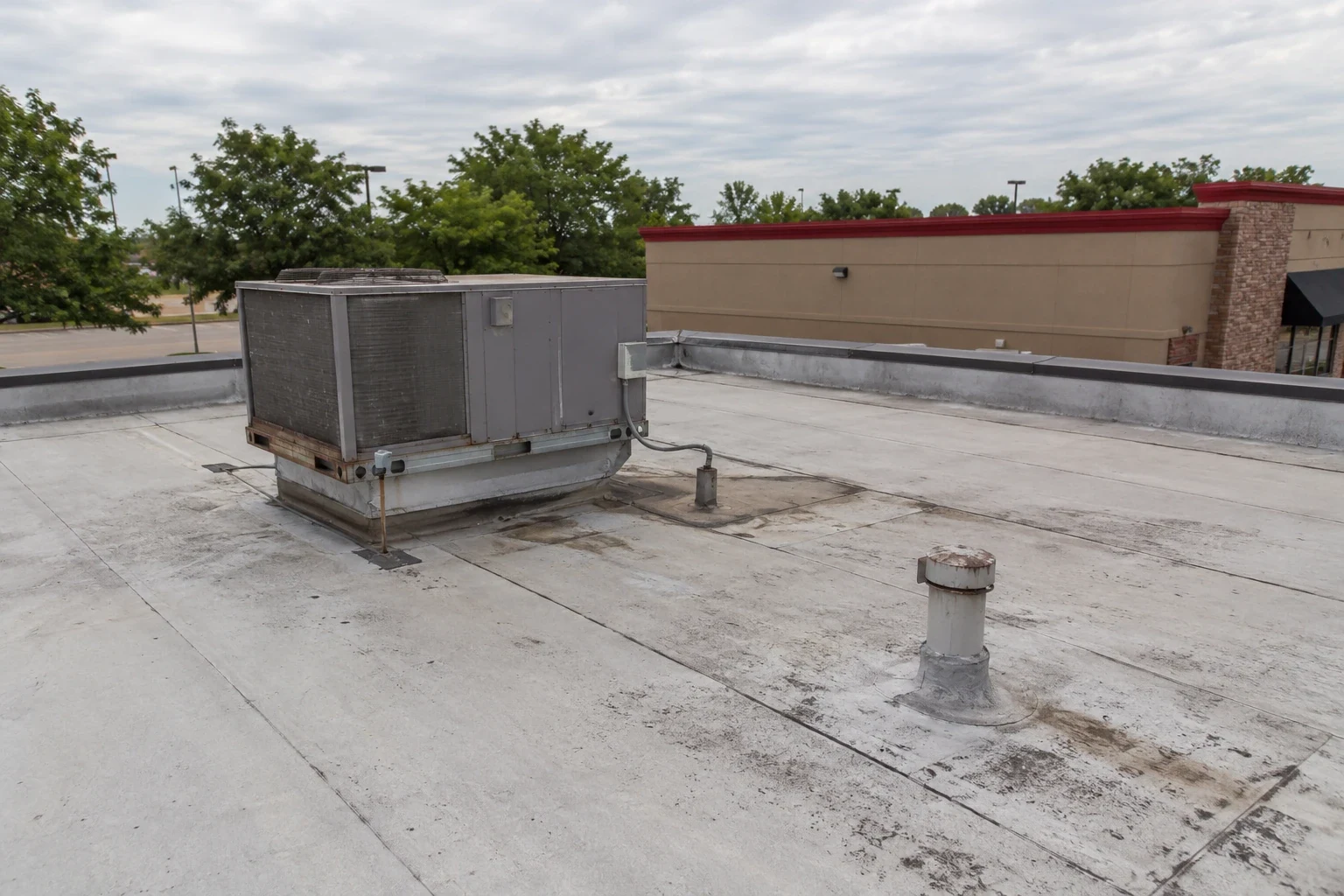
We also examine active penetrations introduced during later tenant work. Their materials and detail geometry need to suit the installed roof. A line added through an existing patch can complicate the next bond and flashing arrangement. Roof alterations for restaurant equipment may need exhaust and service access considered. The construction scope should identify which connections remain in use and which are ready for suitable permanent closure. That distinction prevents another covering from being placed over an unresolved opening. It also keeps the mechanical responsibility clear while the roofing task provides the support and weather detail required for the completed arrangement.
Assess the shared roof and tenant alterations Schedule a shopping-center review with unused penetrations, active defects and tenant operating restrictions identified. We will define the construction boundary and the access needed for a suitable correction.
Shopping Center and Strip Retail Roofing
Trace the roof condition across the tenant boundary
A tenant wall does not necessarily mark a roofing removal boundary. Moisture or attachment deterioration can extend across occupied units. We examine the actual assembly and investigate suspect layers where indicated. We confirm the affected extent independently of the lease-space outline. The owner and manager establish the project access and responsibility arrangements. Roofing decisions then follow suitable construction boundaries as well as those operating provisions.
Inspection of the shared roof field can distinguish separate details from a connected assembly condition. A dry retained area may permit localized work while involved layers require removal nearby. The selected repair must join sound material beyond the defect. We assess the deck and supporting construction where the findings call for it. For larger occupied retail roof areas, material handling and closure can also affect the practical boundary. The assessment should identify what is physically involved before the project is divided by tenant. Otherwise the proposed task can stop at a lease line while unsuitable material remains connected beneath the repaired surface.
Shopping Center and Strip Retail Roofing
Coordinate exhaust details above the occupied food unit
Exhaust residues can affect surface preparation and material selection near equipment. We identify the actual contact and the roof material before repair. A compatible membrane still needs a suitable prepared bond area. The mechanical arrangement may require correction if deposits keep reaching the same connection. Roof work should preserve service-panel and ventilation access. Equipment lifting or disconnection requires its own coordinated period.
The Sherwood Way Corridor has grocery and restaurant establishments. Work for a food-service tenant there needs its actual occupied schedule assessed. PVC roof construction for suitable exposures may provide an option after the complete assembly is reviewed. Chemical resistance must suit the specific material and contact involved. Roof work above grocery operations also needs stock protection and refrigeration interfaces considered. The tenant use informs those operating arrangements without establishing the existing roof type. We identify the installed construction directly, then define the preparation, detail and trade tasks needed to complete a compatible correction above the occupied unit.
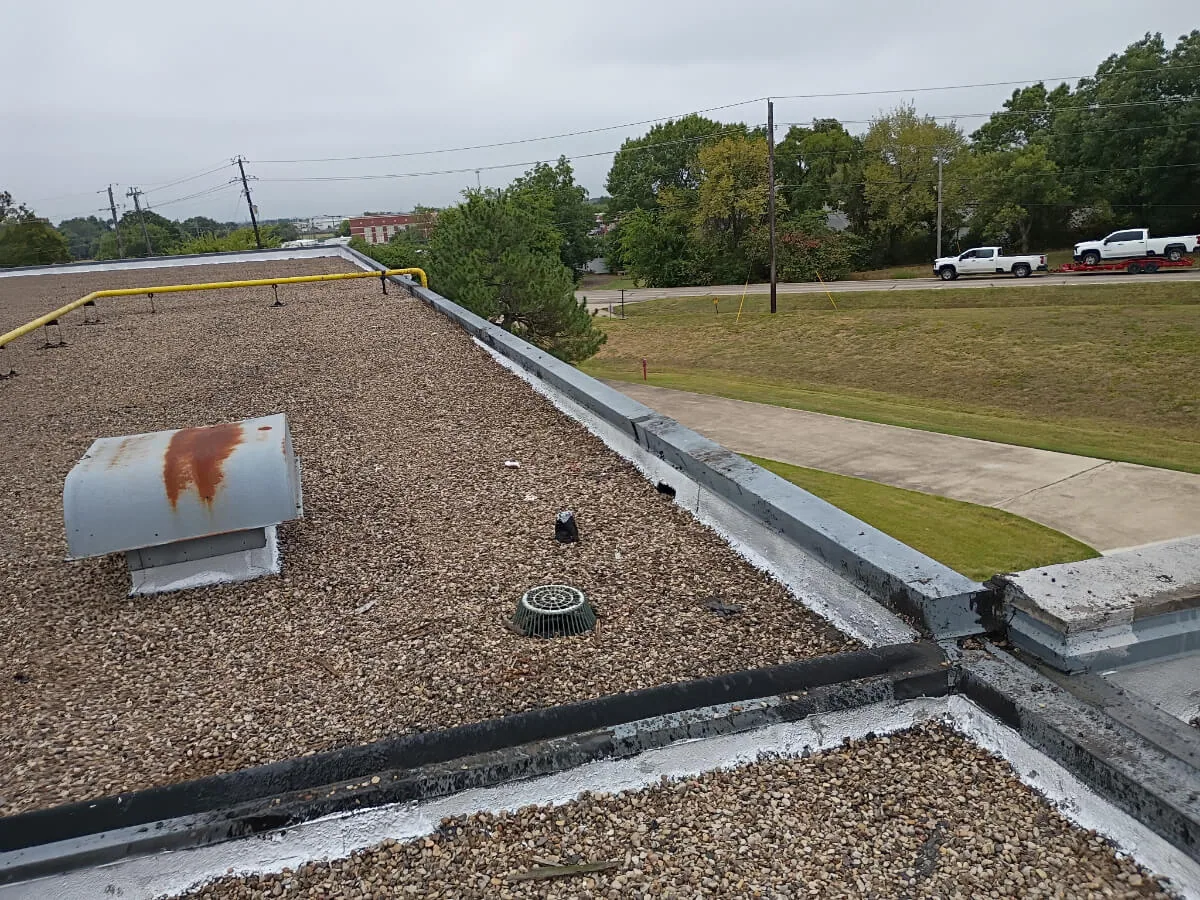
Shopping Center and Strip Retail Roofing
Keep roof logistics separate from customer circulation
A lifting area can conflict with entrances shared by several tenants. We assess vehicle access, deliveries and waste handling before opening the roof. The manager identifies customer and service routes needing continued use. Required exits and emergency access need to be preserved through the agreed arrangement. Material storage on the roof also requires suitable load consideration. The construction route should make closure components available without creating an unplanned barrier below.
For buildings along the Sunset Drive Corridor, the actual frontage and loading layout shape those choices. A working period suitable for one tenant may conflict with another delivery. We coordinate the specific task and location rather than assign one general restriction to every unit. Waste removal should control debris near storefronts, equipment and outlets. The daily removal area follows the weather closure and occupied protection possible. That keeps retail access connected to the construction sequence, with another handling route or period arranged where necessary before material delivery determines an unsuitable opening above the operating businesses.
Shopping Center and Strip Retail Roofing
Compare replacement through the details that remain occupied
A shopping-center replacement can include different existing roof materials and alterations. We identify those conditions before accepting retention or removal quantities. Supporting-layer damage, attachment and drainage can change the construction needed. New thickness may alter curb height and perimeter connections. Each revised detail needs suitable integration with its adjoining assembly. The comparison should include those tasks rather than only the price of field covering.
Replacing the shopping-center roof assembly requires an occupied sequence suitable for the identified units. We assess intakes and any equipment service restrictions with responsible personnel. A recover may reduce some removal while still requiring compatible sound layers. More extensive replacement can permit broader correction of deteriorated construction. We explain the physical differences and work stages for viable options. After installation, connections and drainage receive examination and construction material is cleared. Later tenant equipment changes should use compatible roof details. Keeping those requirements available to the manager helps the shared roof retain suitable protection when the next occupied unit changes its rooftop service arrangement.
Questions and answers
Questions About Shopping Center and Strip Retail Roofing
Can an old exhaust opening remain under a membrane patch?
Assess the support and closure beneath the visible covering. We identify the opening and any retained curb or lines. A suitable permanent correction may need deck construction before waterproofing. The patch should connect into a sound supported assembly, with unused equipment connections handled by the responsible trade where necessary.
Does a tenant lease line define the moisture-removal boundary?
Confirm the involved construction before setting that boundary. We investigate suspect layers and identify suitable retained material. Moisture or attachment deterioration may cross the occupied-space outline. Project responsibility and access still need agreement, but the roofing correction should address the physical condition and connect into sound adjoining construction.
What should be checked when a restaurant tenant changes roof equipment?
Review the new penetration, curb height and support arrangement before closure. We assess material compatibility and access around exhaust connections. Mechanical work needs its appropriate coordination. The final detail should preserve weather protection, drainage and future service access rather than leave an unsuitable connection concealed beneath the replacement equipment.
Can one delivery restriction cover every tenant during reroofing?
Identify the actual entrances, service routes and occupied schedules. We coordinate lifting and waste movement with the manager. Different units may need different arrangements at the affected position. The restriction should fit the specific roofing task, while maintaining suitable building access and the material route required for daily closure.
Why does a recover proposal still include curb or edge work?
Additional roof thickness changes the relationship to retained details. We measure flashing space and drainage elevations against the proposed assembly. Some components need alteration to provide a suitable connection. Those tasks belong in the recover comparison, so reduced removal is evaluated alongside the complete construction required for the finished roof.