Modified Bitumen Roofing in San Angelo, TX
Roof Systems
Modified Bitumen Roofing at a Glance
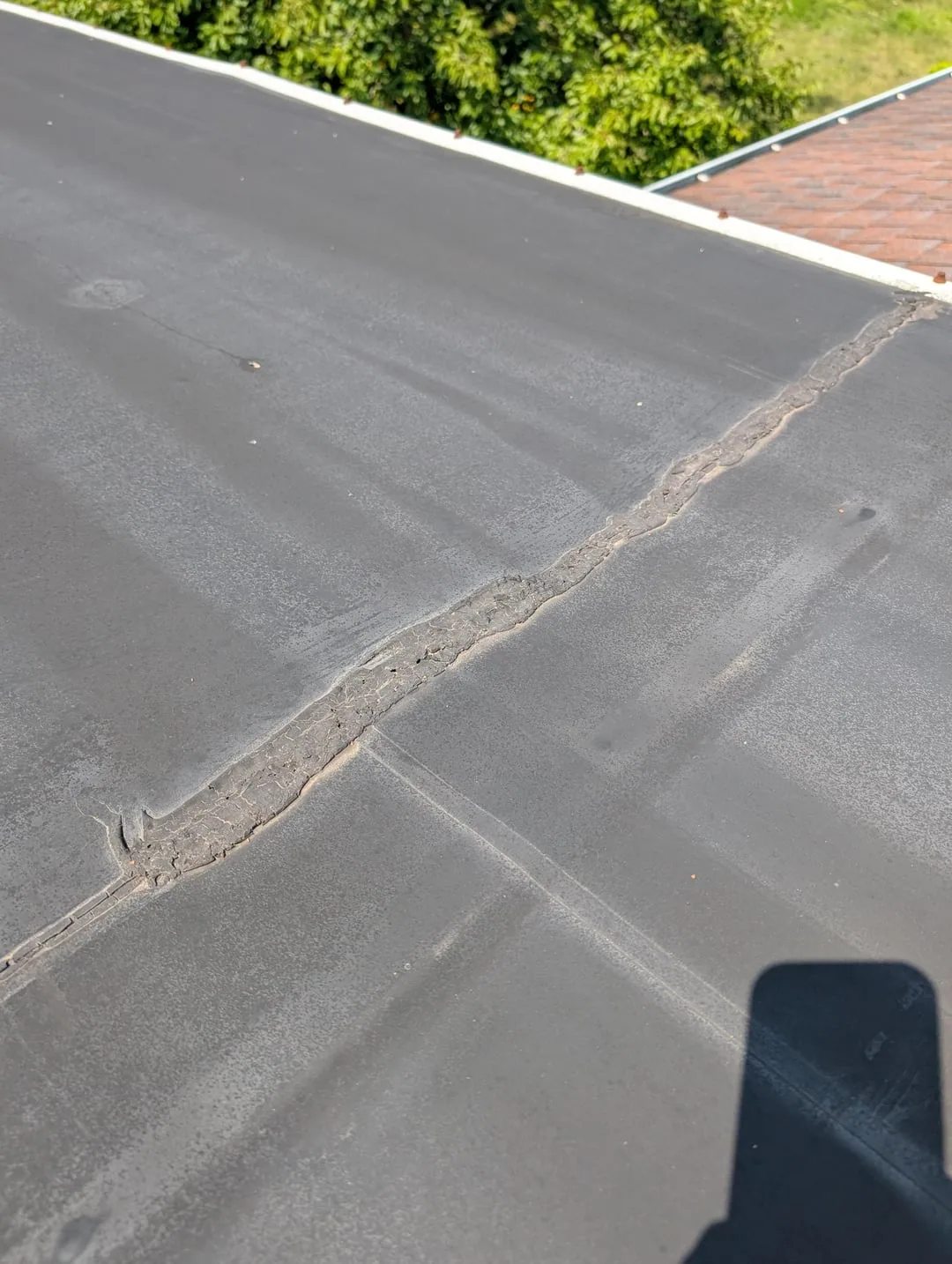
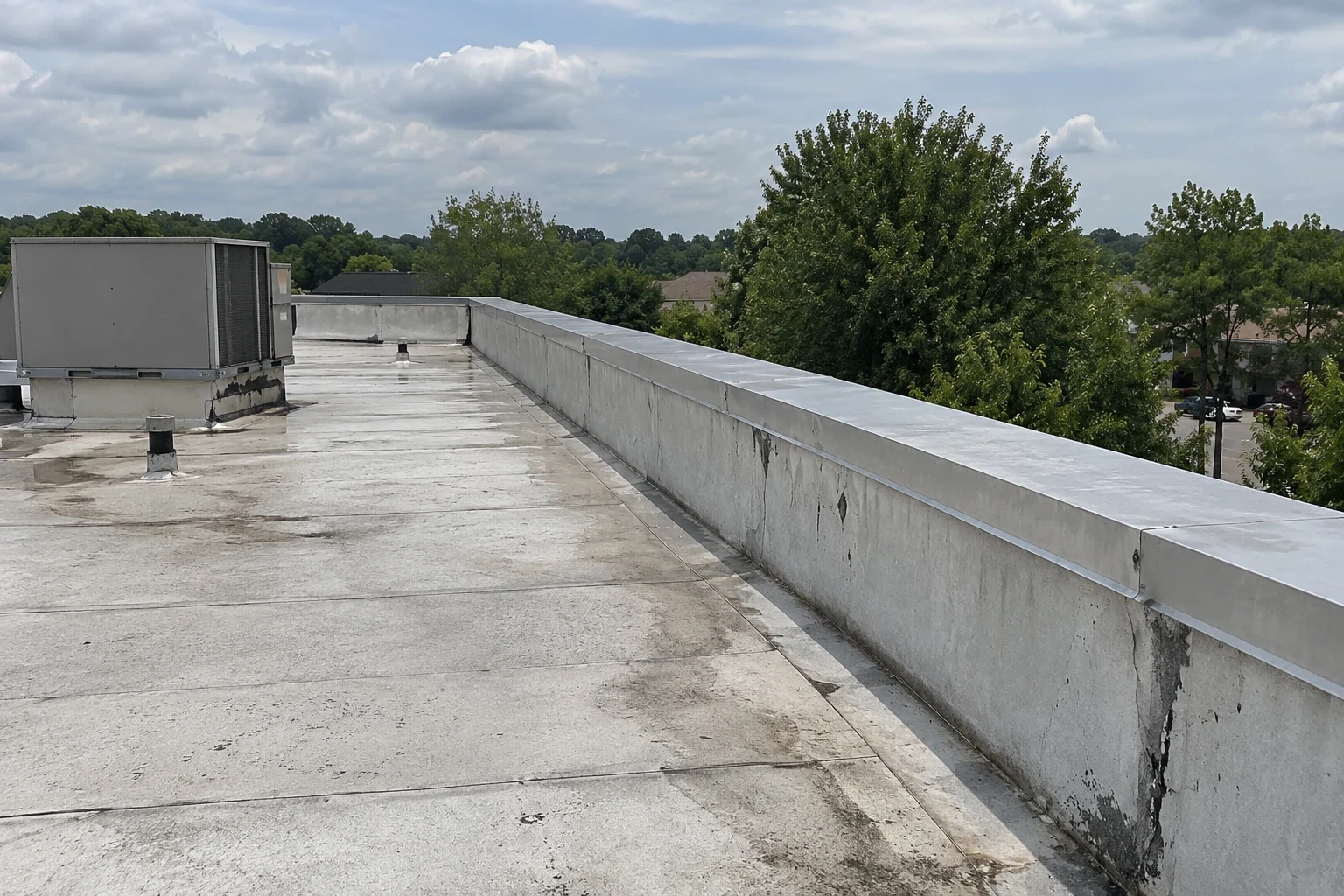
Granules missing beside an open lap leave two conditions to assess. The exposed surface and separated connection need different corrections. Modified bitumen roofing in San Angelo, TX begins with that distinction. We examine the cap sheet, underlying plies and the lap bond. A sound-looking field can still contain local separation. The repair needs suitable construction beneath the material covering the opening.
Commercial Roofers San Angelo repairs and installs modified bitumen commercial roofs. The West Loop 306 Corridor includes hotels and restaurants. Roof work above an occupied business there needs ventilation and room use considered. We establish which layers remain serviceable before choosing a repair or replacement method. Examination of the plies and surface details connects that decision to the assembly rather than the appearance of its outer sheet.
Modified Bitumen Roofing
Determine where separation occurs between the layers
A blister can form where roofing layers are no longer bonded. We inspect its position, condition and adjoining material before defining treatment. Not every raised area needs the same opening or repair. The construction and selected system requirements guide the decision. Suspect moisture may require investigation beneath the visible surface. A soft area can involve insulation or supporting material as well as the plies.
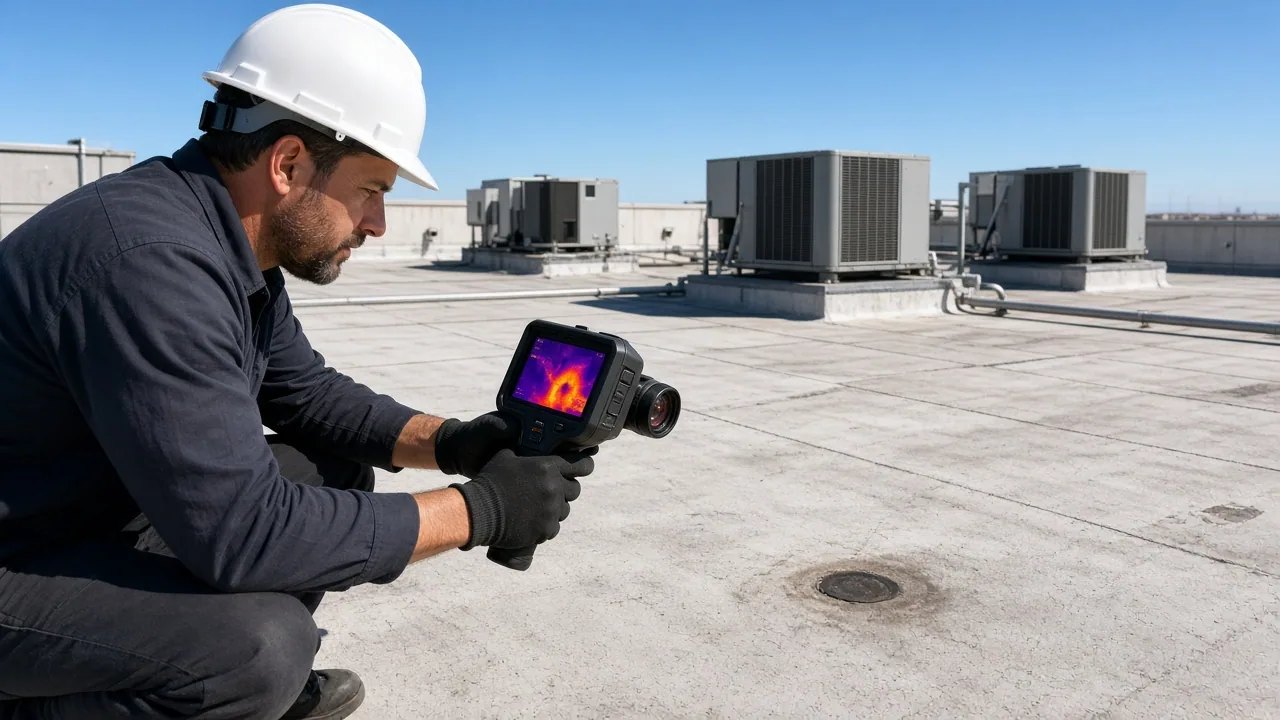
Suitable test cuts help identify the layers and condition at selected positions. We close those openings with compatible repairs after examination. The findings can distinguish a localized bond defect from wider material deterioration. Moisture screening followed by confirmation may support the assessment where conditions permit. Repair extent should follow the actual affected construction. Placing another sheet over a wet or detached layer can retain the same problem. We identify what needs removal and which sound material can support a suitable connection before proposing the new patch or field covering.
Assess the lap and retained plies Arrange a modified-bitumen review with blister, lap or flashing locations identified. We will examine the layers and determine the compatible repair and application method for the occupied roof.
Modified Bitumen Roofing
Select the sheet and application as one system
SBS and APP modifiers give bituminous sheets different material behavior. The reinforcement and surface also influence the selected product. Application methods vary among those products and complete assemblies. We review the intended method against the installed construction. A sheet should not be treated as interchangeable with another modified membrane. The required substrate, bond and detail method need selection together.
Some systems use self-adhered components, while others use approved adhesives or heat-based application. The product requirements determine which methods are suitable. Built-up bituminous roofing provides a different multi-ply comparison where the project permits it. We assess the layers and installation sequence required for each viable assembly. The comparison includes occupied ventilation and fire-safety requirements as applicable. That gives the manager a construction choice rather than a generic modified-bitumen label. The chosen material must be installed through its intended connection method onto a suitable base, with the transitions and surface treatment required by that system.
Modified Bitumen Roofing
Prepare sound laps before closing the opening
A granulated cap sheet needs preparation where a repair will bond. Loose granules and contaminated surfacing can interfere with that connection. We examine the material and use the specified preparation method. The patch must connect beyond the defect onto sound compatible construction. An open lap may also indicate movement or inadequate original bonding. We examine those causes before selecting the repair detail.
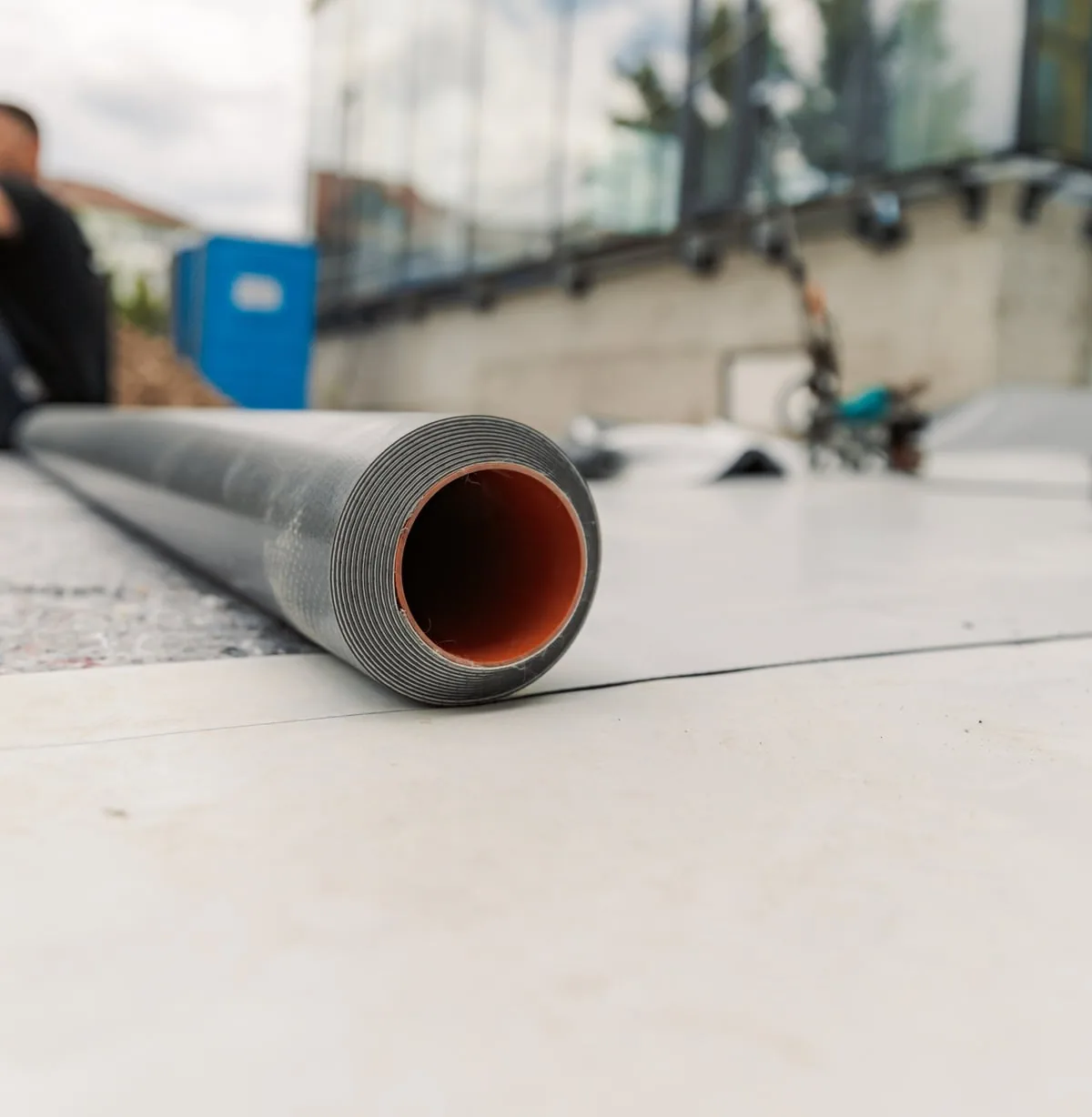
Correcting a separated roofing lap can require deteriorated material removed to establish the bond area. The method depends on the installed sheet and selected repair system. We inspect intersections and corners where layer thickness changes. Their geometry can leave a discontinuity if the repair is simply laid flat. A completed patch should have its required connection and surface protection. Repeatedly coating the visible lap edge can leave the bond beneath it unchanged. We distinguish the failed connection from surface weathering so the repair addresses the part of the assembly allowing water through.
Modified Bitumen Roofing
Rebuild stressed flashing at changes in plane
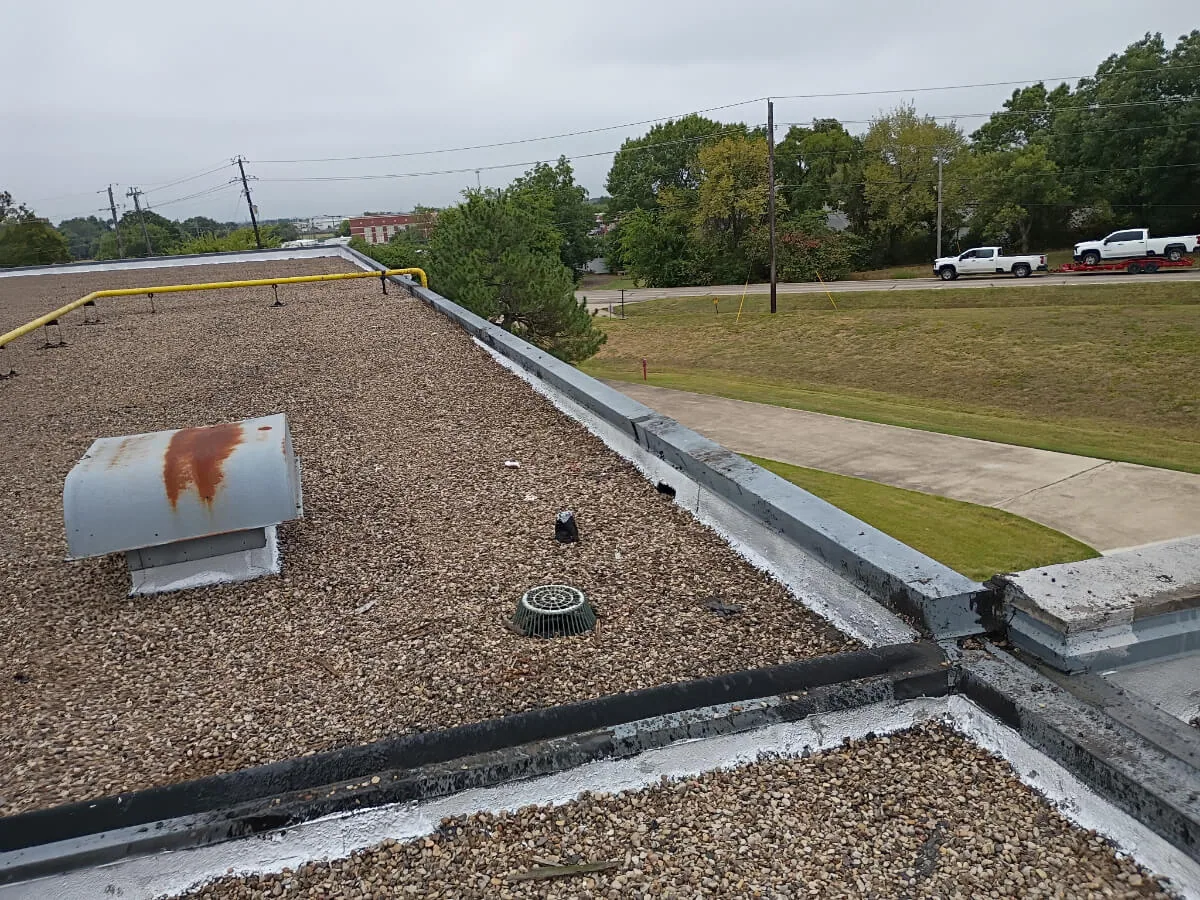
A crack at a parapet base can reflect repeated movement. We examine restraint, supporting surfaces and the flashing connection to the field. The material needs suitable support through that transition. A rigid patch across an active joint can split again. The correction may require a revised detail or replacement of affected flashing. Upper termination and adjoining metal also need examination for an independent water path.
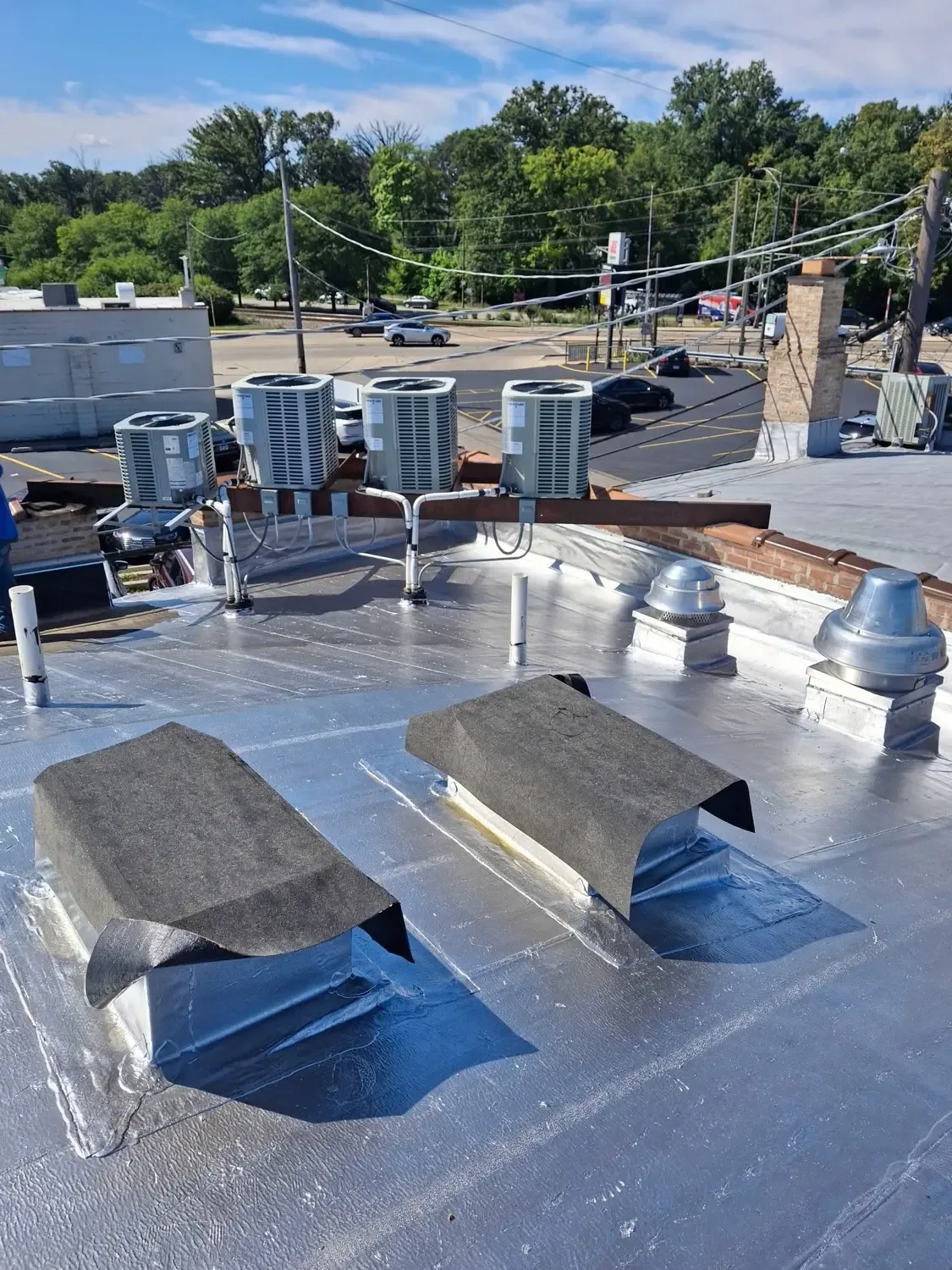
We coordinate parapet metal and perimeter repairs where those components affect the connection. Flashing needs to suit the selected modified-bitumen system. Equipment curbs require enough height for the finished detail after insulation changes. We measure that relationship before installing additional roof material. The completed transition should connect the roof field to a suitable upper closure. Addressing those supporting components can change the practical repair scope. It prevents a new flashing sheet from being bonded over construction that remains loose, damaged or unable to provide the space the intended detail requires.
Modified Bitumen Roofing
Separate exposed asphalt from concealed deterioration
Surfacing protects bituminous roofing from direct weather exposure. Missing granules or deteriorated coating can leave asphalt vulnerable to aging. We inspect the underlying material before selecting a surface treatment. Cracks or open connections need their own repair. A suitable restoration coating may protect a serviceable prepared surface. It should not conceal wet plies or substitute for a failed lap bond.
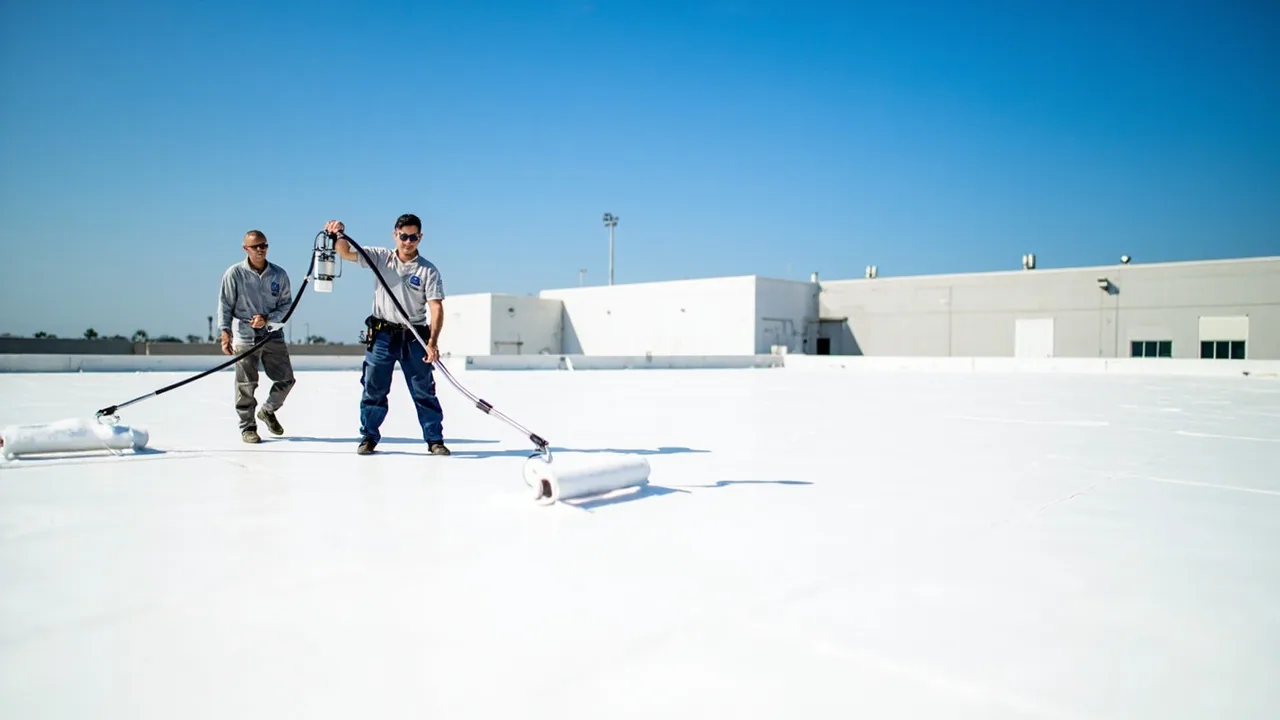
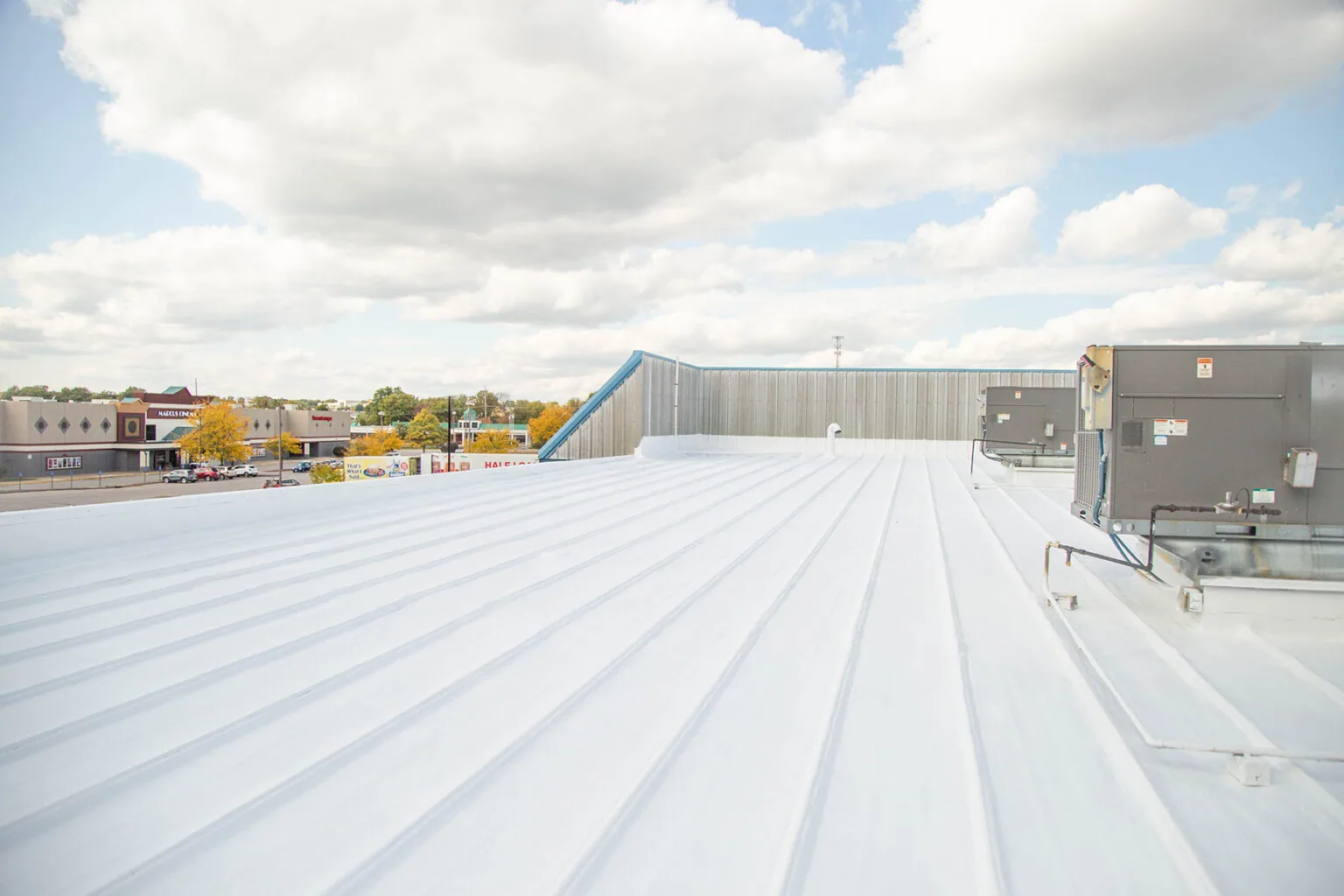
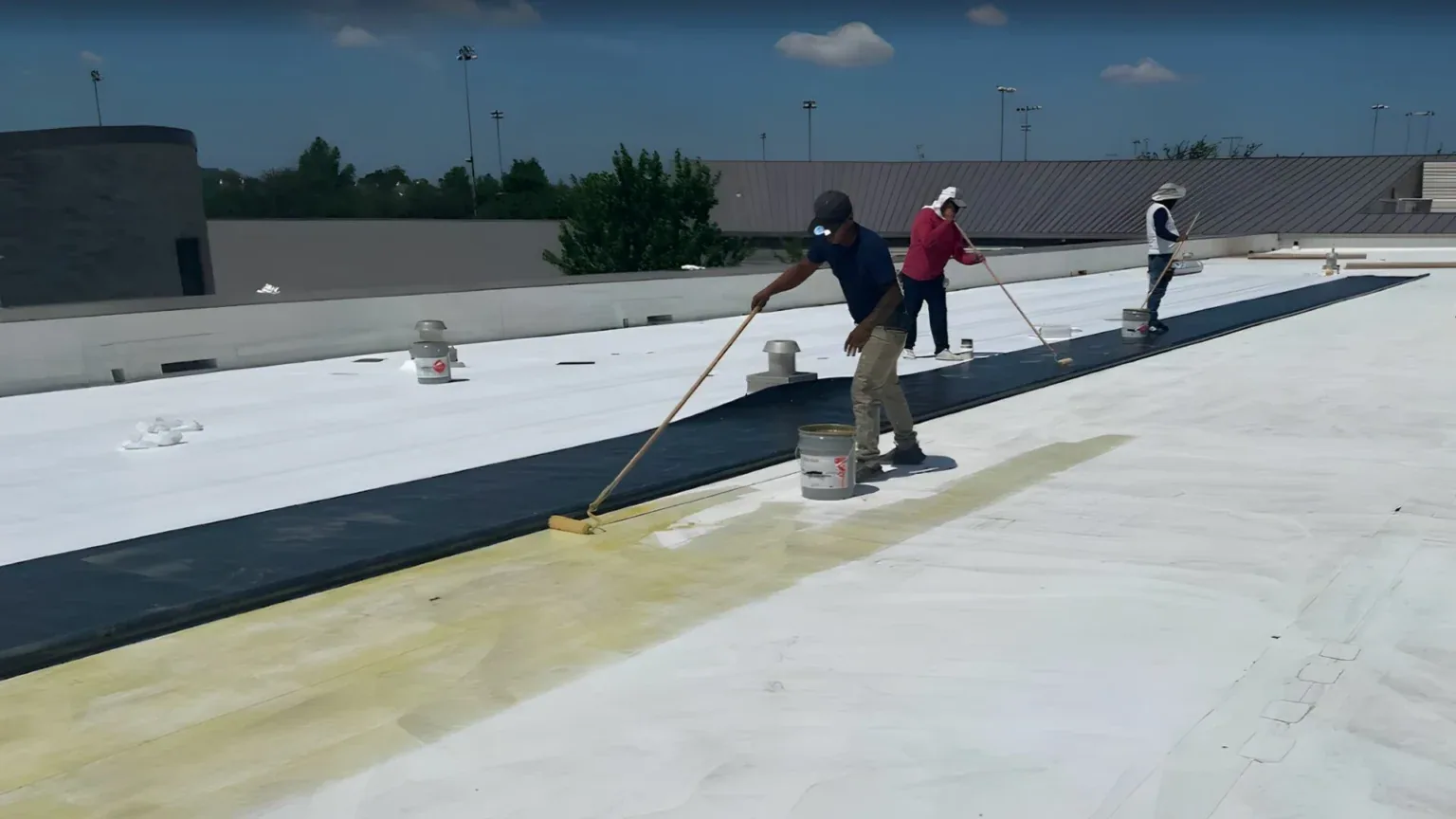
San Angelo July normal highs range between 96 and 99 F. Surface temperature changes influence movement and weathering of exposed roofing materials. We assess those physical effects rather than infer damage from the temperature alone. Restoration of suitable roof surfacing requires compatibility and preparation checked for the retained sheet. Reflective acrylic coating systems have application and drainage requirements of their own. The proposal needs those conditions reviewed alongside any ply repairs. Adding a new finish is useful only where the assessed assembly can support the selected treatment and its weatherproofing connections remain suitable.
Modified Bitumen Roofing
Coordinate the installation method with the occupied use
Knickerbocker Road includes dining associated with hotels and other restaurants. Work above those operations needs intake and access arrangements assessed. The installation method can affect odor, equipment and working-area requirements. Heat-based work requires suitable fire-safety measures and construction assessment. A different approved method may require other surface or drying conditions. We compare those implications before fixing the occupied schedule.
For roofs along the West Loop 306 Corridor, we identify the actual room use beneath removal. The daily area must allow suitable layer placement and weather closure. Hotel roof replacement may need the sequence coordinated with occupied rooms and mechanical service. We explain which construction tasks shape the timing for the selected assembly. The completed plies, laps and flashings receive examination before the area returns to ordinary roof traffic. Suitable protection and maintenance routes should remain after installation, so later equipment service does not cut or displace the surfacing completed during the roof project.
Questions and answers
Questions About Modified Bitumen Roofing
Should every raised blister in modified bitumen be opened?
Assess its construction, condition and location before choosing treatment. We examine the surrounding plies and investigate suspect moisture where appropriate. The selected system repair requirements guide the correction. Some findings require removal or rebuilding. The visible blister alone does not establish the same repair method for every raised area.
Can a new patch bond over loose cap-sheet granules?
Prepare a suitable connection area using the selected repair requirements. Loose or contaminated surfacing can prevent a sound bond. We examine the underlying sheet and remove deteriorated material where needed. The patch should connect onto serviceable compatible construction rather than rely on material that is already separating from the roof.
Does modified bitumen installation require torch application?
Application follows the selected product and complete system requirements. Approved options can include self-adhered, adhesive or heat-based methods. We assess substrate suitability and occupied-building constraints for the proposed method. Its safety and preparation requirements belong in the project plan before materials or an installation date are selected.
Will reflective coating repair cracks at a parapet base?
Correct the flashing condition before applying a field treatment. We examine the crack, restraint and supporting construction. A suitable repair may need replacement material or revised geometry. Coating can protect an assessed serviceable surface, but it should not be used to conceal a transition still loaded by unresolved movement.
What changes the removal schedule above an occupied hotel?
Room use, ventilation and the selected installation method affect the available sequence. We also account for concealed corrections and daily weather closure. The proposed removal area must fit those tasks. Coordinating their specific restrictions helps protect occupied activity while allowing the roofing layers and details to receive suitable installation conditions.