School and District Building Roofing in San Angelo, TX
Property Types We Roof
School and District Building Roofing at a Glance
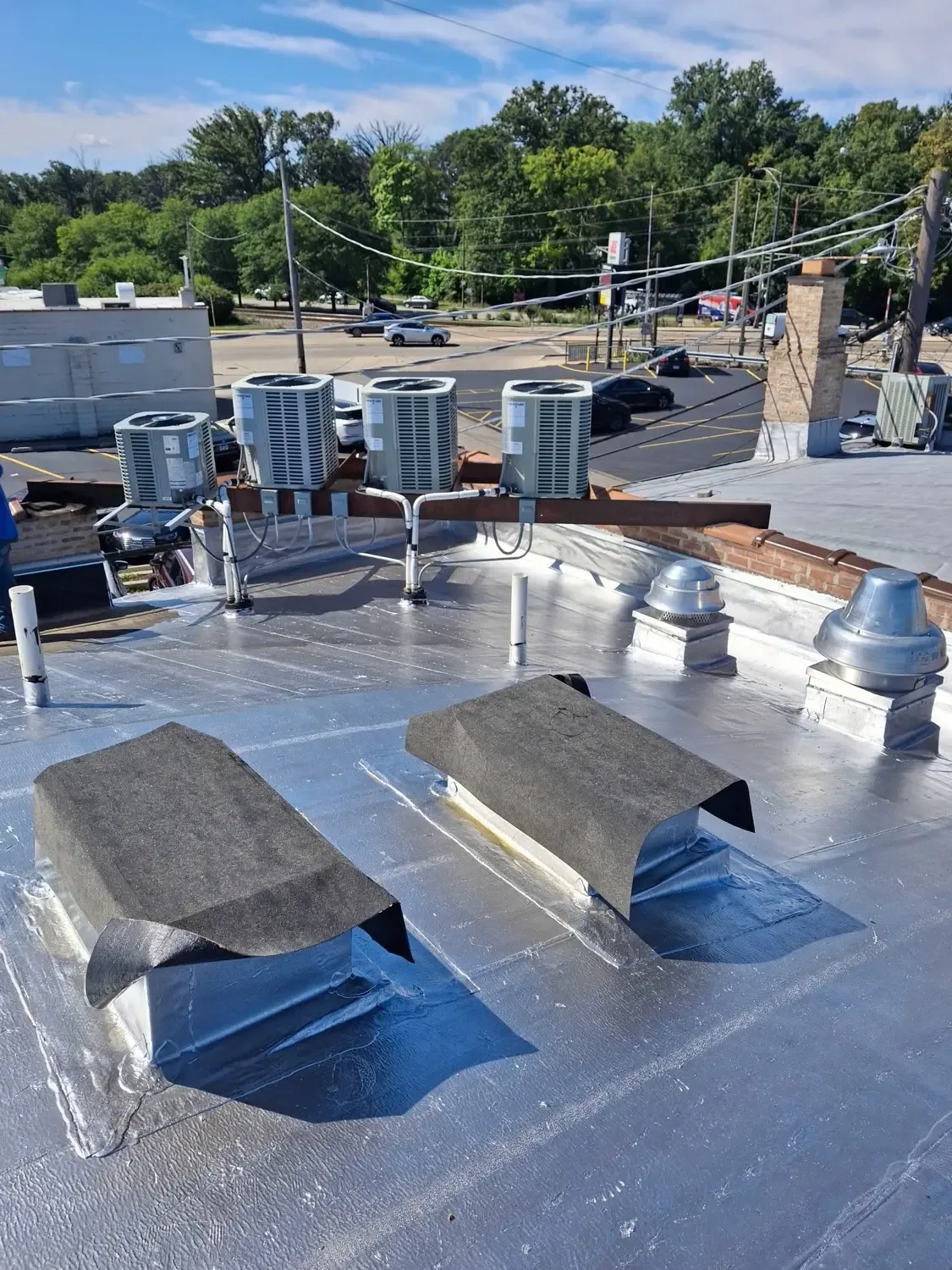
An upper downspout can discharge concentrated runoff onto a lower roof. We examine that delivery and the receiving outlet before rebuilding its surface. For school roofing in San Angelo, TX, the correction follows the measured gradient and supporting condition. We define the roof exposure needed before arranging the occupied-room restriction.
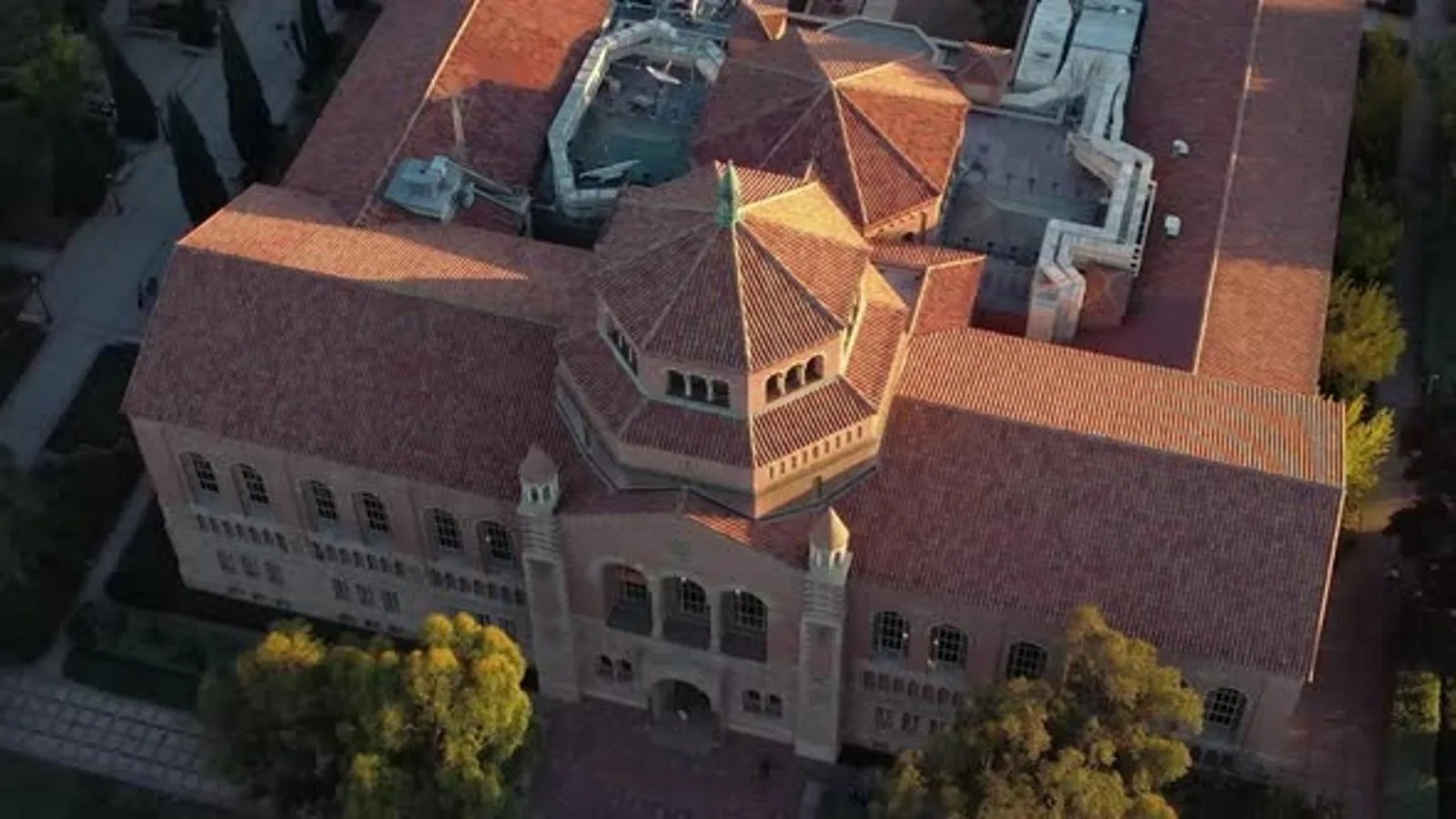
Commercial Roofers San Angelo assesses and repairs school roof construction. The administrative building in Grape Creek is separate from high-school and elementary/middle-school facilities. We identify the affected room function and available working period for each task. Assessment of the school roof connections establishes whether the correction involves only the detail or supporting material requiring removal. District staff can coordinate room use with that defined work.
School and District Building Roofing
Examine runoff between adjoining roof levels
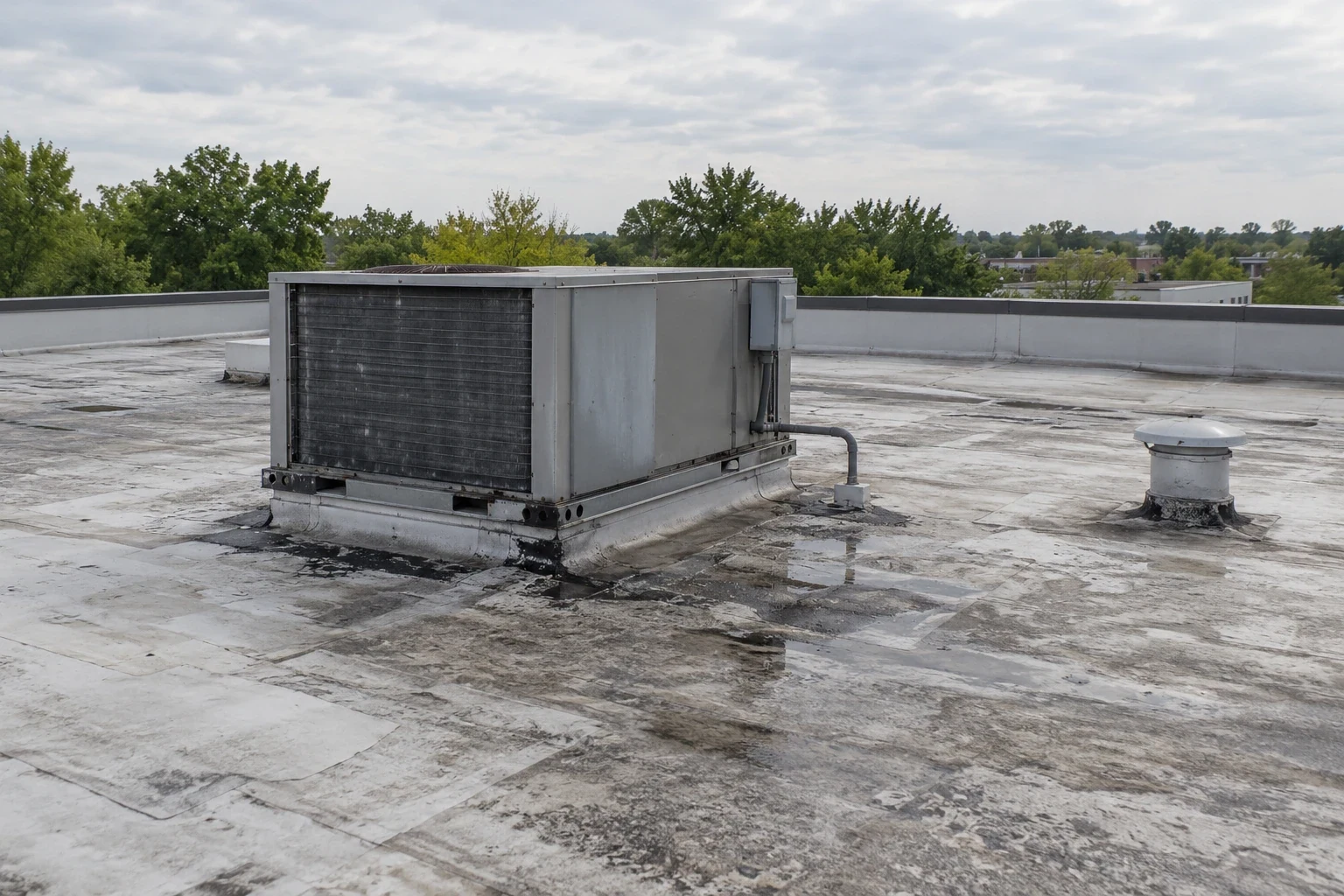
A discharge from another roof can increase water arriving at one position. We assess where that flow travels across the receiving surface. Outlet condition and capacity may need plumbing or design evaluation. Dirt lines and retention help identify positions requiring measurement. A clear opening does not establish a suitable route through the whole arrangement. The proposed correction needs both roofs considered where their drainage is connected.
School roof outlet repairs may include fitting or surrounding slope changes. We examine insulation condition beneath depressed areas before defining removal. Raised curbs and equipment can interrupt the route farther downstream. New tapered construction must deliver water into a suitable collection path. The roof detail should also preserve enough flashing height at adjacent components. These physical findings separate routine cleaning from a construction defect. They allow the district to arrange the actual correction instead of repeatedly clearing debris while a raised outlet or poorly directed discharge continues holding water against the repaired connection.
Set the school roof task and working period Arrange a school-roof assessment with the condition, room activity and access restrictions identified. We will determine the correction and the construction sequence that fits the available period.
School and District Building Roofing
Assign roof exposure to the activity below
A classroom, cafeteria and administrative room have different occupied schedules. We identify the space beneath each proposed removal area. District staff establish protection and restrictions for that activity. Deck openings can affect debris control and the available room use. Equipment tasks may interrupt ventilation or other building services. The roof schedule should identify those specific effects before the area is opened.
Wall ISD operates elementary, middle and high schools. Roof work for an educational building in Wall needs its actual room and access arrangement assessed. Staged construction during school occupancy can permit activity elsewhere to continue where suitable. The removal boundary still needs enough time for supporting repairs and closure. Roof work for public buildings also requires the responsible facility arrangements considered. We coordinate the task with district personnel rather than assume every building follows the same classroom timetable. After-hours programs and support activity can affect an otherwise available construction period.
School and District Building Roofing
Test supporting layers before choosing roof retention
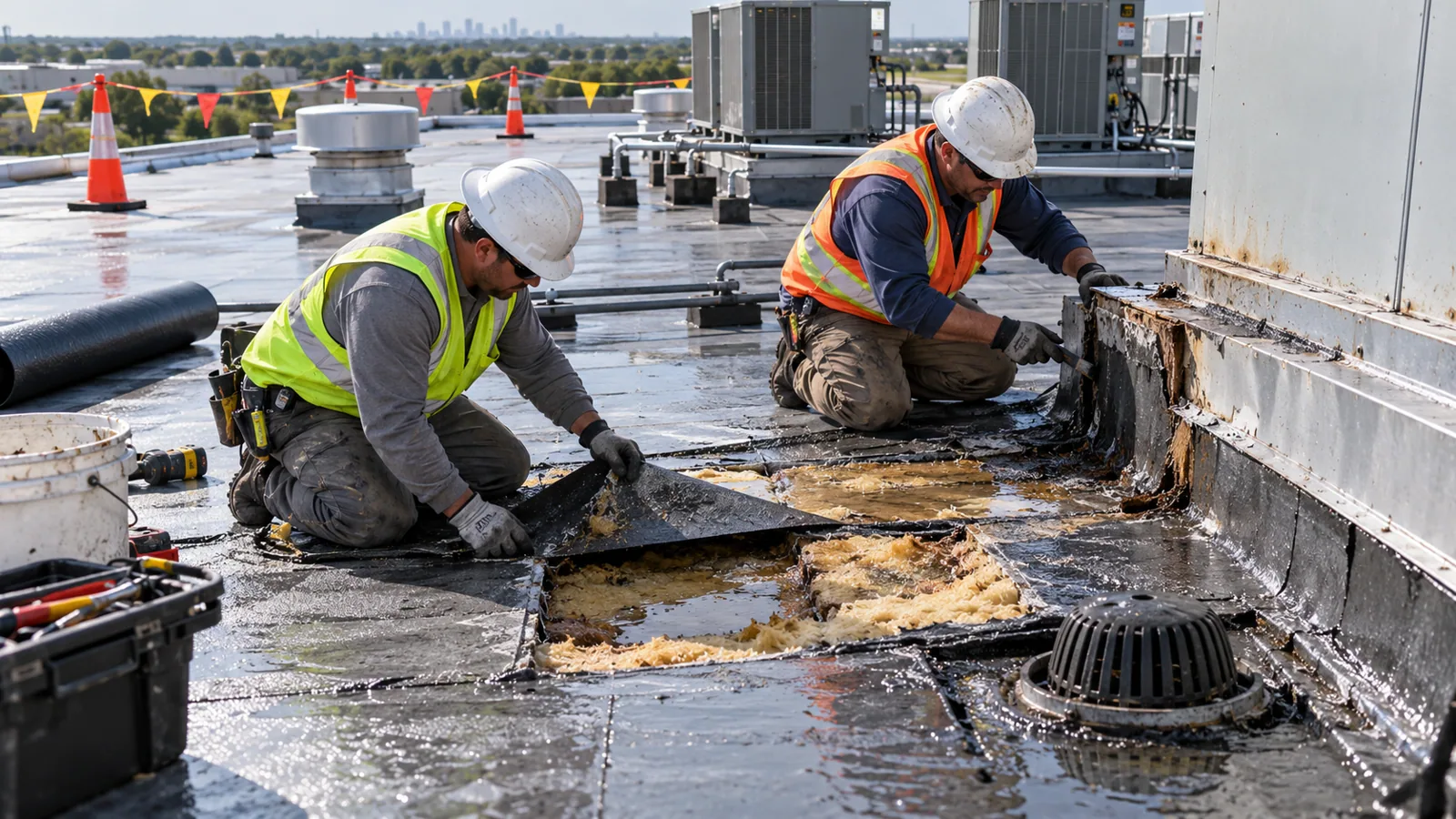
A serviceable field membrane can sit above wet insulation near a defect. We investigate suspect conditions before accepting the layers for repair or recover. Suitable confirmation helps define the affected material boundary. The deck and attachment need examination where involvement is indicated. The visible roof area alone does not establish which layers can remain beneath it.
We compare localized repair with more extensive removal through those findings. Some positions need flashing replacement while surrounding roofing remains suitable. Other conditions require insulation and support corrections before closure. A TPO school roof assembly needs its attachment and welded details suited to the assessed construction. The proposed system should include those requirements alongside field material. Added thickness can change curbs and drainage elevations. Those changes belong in the comparison before a school break is assigned to installation, because supporting corrections and revised details can alter the work that fits within the available period.
School and District Building Roofing
Place material handling outside the occupied school routes
Roof lifting can conflict with student arrival or service deliveries. We assess vehicle movement, equipment position and material storage before work. District staff identify routes and entrances needing continued access. Exit routes and emergency access must stay usable throughout school roof work. Temporary barriers and restrictions should fit the actual construction hazards. Materials placed on the roof need appropriate load consideration as well.
For buildings around Grape Creek, the site layout determines the usable delivery and waste route. We coordinate its working period with responsible personnel. Moving roofing material through a busy arrival area may require another position or schedule. The construction plan should preserve a route for daily closure materials. A change in occupied access can then be accommodated without leaving the removal task short of its weatherproofing components. That preparation connects campus circulation to the physical roofing sequence, making the restriction clear by location and task instead of relying on a broad notice covering every activity for the whole project.
School and District Building Roofing
Fit the school work period to suitable material conditions
A school break can provide access while weather still limits installation. We examine the forecast and actual roof surface before opening construction. Removal extent also needs the time required for deck correction and closure. A fixed return date should not force unsuitable application. The daily boundary must leave sound weather protection between working periods.
San Angelo has July normal daytime high temperatures of 96 to 99 F. For school roofing in San Angelo, actual substrate temperature matters during material application. We assess the working conditions for the selected assembly. Roof work for higher-education buildings may have different room schedules, but its construction still needs suitable conditions. The district comparison should identify which tasks can proceed in the available period and which need another sequence. That lets the manager plan occupancy around a realistic roof task, with application and closure controlled by the physical work rather than an assumed uninterrupted installation rate.
School and District Building Roofing
Inspect service damage before it affects more material
Rooftop maintenance can leave cuts, displaced pads or loose components. We assess those positions alongside seams, flashings and outlets. A damaged covering may need examination of the supporting material beneath it. The contact cause should also be corrected where found. Suitable access protection can reduce repeated service wear. It must preserve drainage and room for future repair of the adjoining details.
Maintenance of school roof details should identify the physical work needed at each condition. On May 21, 2020, large hail struck San Angelo and damaged homes and cars. We inspect reported impacts for cuts, crushed support and displaced flashing. Examination after roof hail impacts follows the material involved. New observations help direct a focused inspection before water reaches more supporting layers. Completed repairs should remain accessible after equipment changes, so the district can maintain drainage and connection integrity without dismantling service components placed over the corrected detail.
Questions and answers
Questions About School and District Building Roofing
Can the receiving roof be repaired without checking the upper discharge?
Assess how water reaches the affected position before setting the correction. We examine the connected discharge, receiving gradient and outlet arrangement. Plumbing or design input may be needed. A localized repair should address its own waterproofing while the drainage task resolves the restriction or concentrated flow contributing to the condition.
Does a summer break provide enough time for every roof replacement?
The required construction and suitable weather determine the workable extent. We assess removal, supporting corrections and daily closure before scheduling. Equipment tasks or concealed damage can alter the sequence. The plan should fit those stages within the available period, with a suitable alternative where the entire project cannot be completed in that window.
Should one work schedule cover classrooms and district administration?
Identify the actual occupied activity beneath each roof area. We coordinate protection and access with responsible personnel. Administrative work, instruction and other programs may use different periods. The schedule should connect each restriction to its specific construction task, allowing suitable activity elsewhere without assuming identical room hours across the building.
What should district staff report after HVAC service on the roof?
Report new cuts, displaced supports or retained water where safely observable. We assess those conditions against the existing assembly. Equipment handling can affect membrane and flashing near the service position. The correction should address damaged material and its contact cause, with suitable protection for later access to the repaired area.
How is a small defect separated from a broader roof project?
Examine the opening and supporting layers before choosing retention. We use suitable investigation to define involved material and serviceable adjoining construction. A localized correction can be appropriate where those findings support it. More extensive moisture or attachment deterioration requires its own scope, so the decision follows the assessed roof rather than patch dimensions alone.