Commercial Warehouse Roofing in San Angelo, TX
Property Types We Roof
Commercial Warehouse Roofing at a Glance
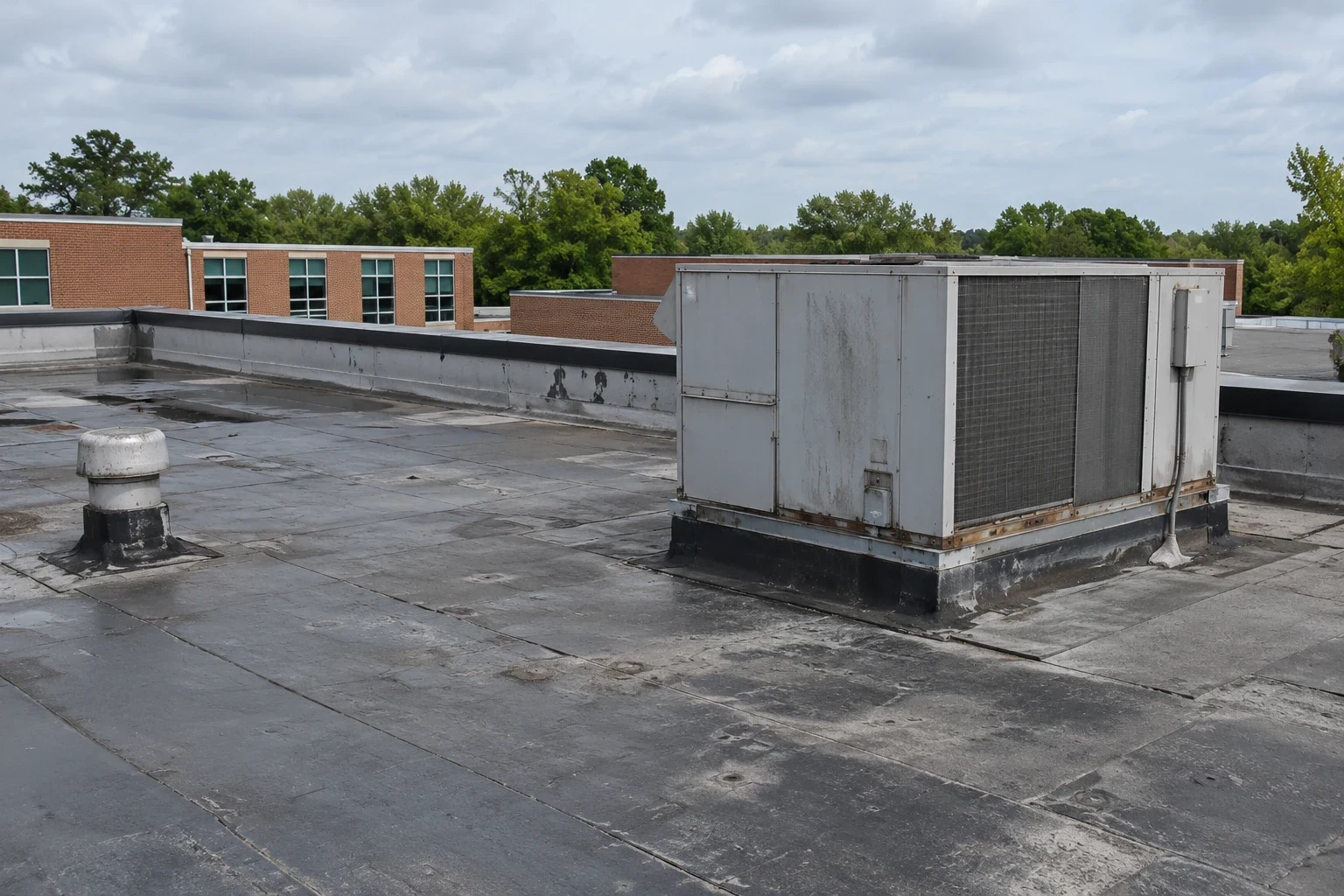
A detached hatch flashing can open beside an otherwise sound roof field. Its repair needs the hatch connection examined from accessible positions. Warehouse roofing in San Angelo, TX also requires the stored goods below considered. We identify what lies beneath the opening and the protection needed. Wider moisture or support damage can change that scope.
Commercial Roofers San Angelo repairs, replaces and maintains commercial warehouse roofs. Document storage and distribution occupy the San Angelo Business & Industrial Park. Roof work for a storage building there needs its actual stock and access assessed. We examine the covering and operating arrangement together. Closing an active warehouse roof opening begins with a suitable weatherproof correction and coordinated protection beneath it.
Commercial Warehouse Roofing
Locate the roof defect above the storage layout
A repair opening can fall above a rack aisle or occupied stock position. We identify that relationship before removal begins. The manager establishes which goods require relocation or additional protection. Access below the work may need a temporary restriction. Equipment and powered movement through the area also need coordination. The protection method should suit the specific roof task and occupied layout.
We examine the deck construction where the roof repair will expose it. Gaps, corrosion or damage can alter the debris-control arrangement. A warehouse with accessible open floor needs a different sequence from tightly arranged storage. Roof work above distribution operations may add stricter movement and loading constraints. We coordinate the assessed limits with the manager before materials arrive. That turns the roof-to-stock relationship into an actual working area, instead of relying on a general statement that the building can remain occupied while a repair proceeds overhead.
Match the warehouse repair to the stock layout Arrange a roof assessment with the active defect, stored-goods restrictions and loading schedule ready. We will define the correction and the working area needed to protect occupied storage.
Commercial Warehouse Roofing
Distinguish the failed connection from wet supporting layers
A damaged flashing and wet insulation may require different removal extents. We examine the immediate opening and investigate adjoining material where indicated. A sound membrane surface does not establish dry construction beneath it. Suitable confirmation testing helps define the affected area. Deck condition and attachment also need review where the findings warrant it. Those layers determine what the correction must remove before a new connection is made.
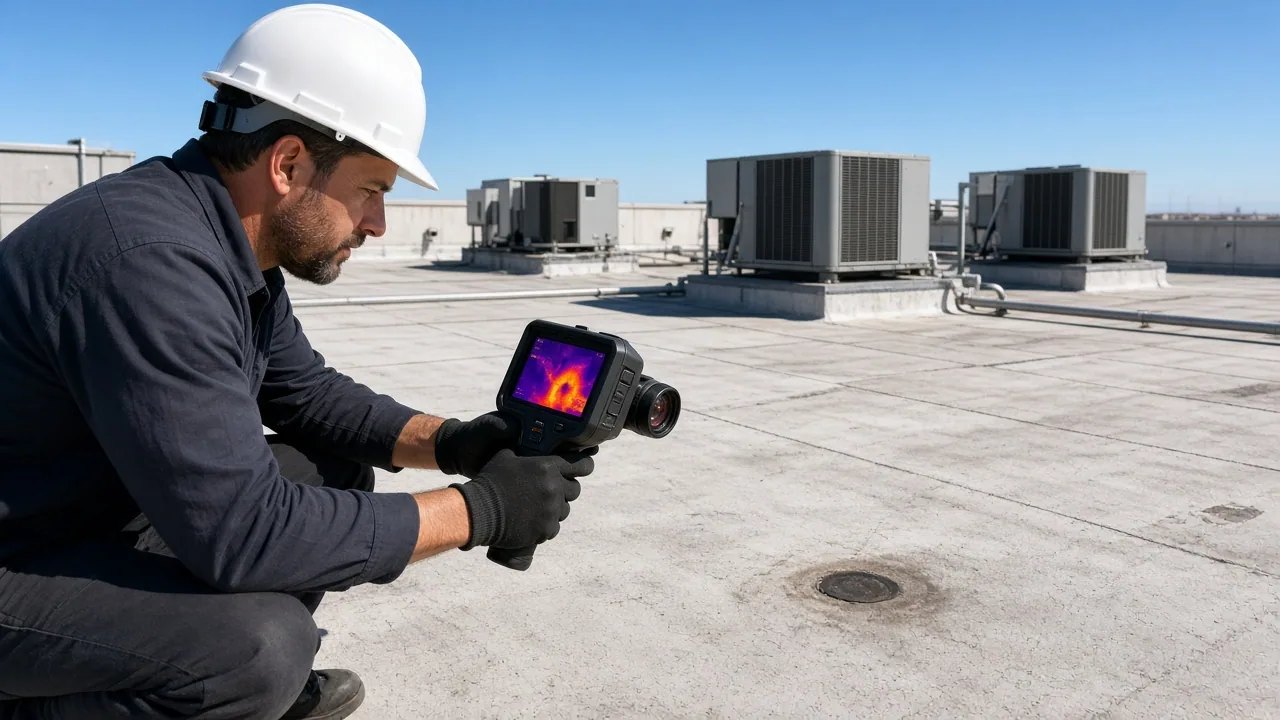
Thermal screening with selected confirmation cuts can assist that assessment when suitable for the roof and conditions. The resulting scope should identify both the opening and involved construction. A localized flashing repair may leave a serviceable field in place. More extensive deterioration can require replacement of supporting layers or a broader roof area. We explain those differences through the physical findings. The manager can then compare the necessary work without assuming that a small visible defect means an equally small concealed condition or that every wet position requires removal of the whole warehouse roof.
Commercial Warehouse Roofing
Separate roof deliveries from warehouse handling routes
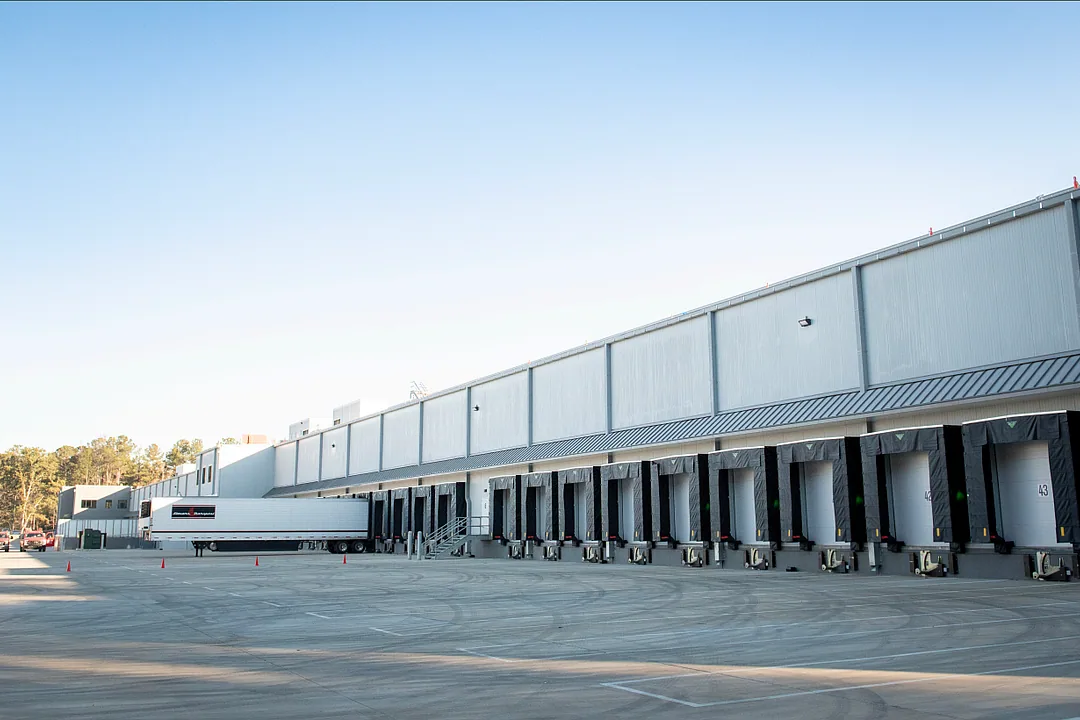
A loading position can serve regular stock movement throughout the day. Roofing material and waste handling need a route coordinated with that operation. We assess lifting space, vehicle access and temporary storage before the project. Building exits and required access must remain suitable during work. Material placement on the roof also needs appropriate load consideration. A convenient delivery position cannot replace that assessment.
San Angelo logistics supports manufacturing, agriculture, energy and retail supply chains. Roof work for a warehouse serving those activities should reflect its actual handling schedule. We coordinate the task with the building manager rather than assume a quiet period from the building type. Combined storage and industrial space may have different restrictions within one building. The roof removal and closure sequence needs those uses identified beneath each work area. Delivery arrangements should also allow necessary repairs to continue when routine loading changes, with a controlled alternative that preserves stock access and safe movement around the construction task.
Commercial Warehouse Roofing
Compare replacement against the existing roof construction
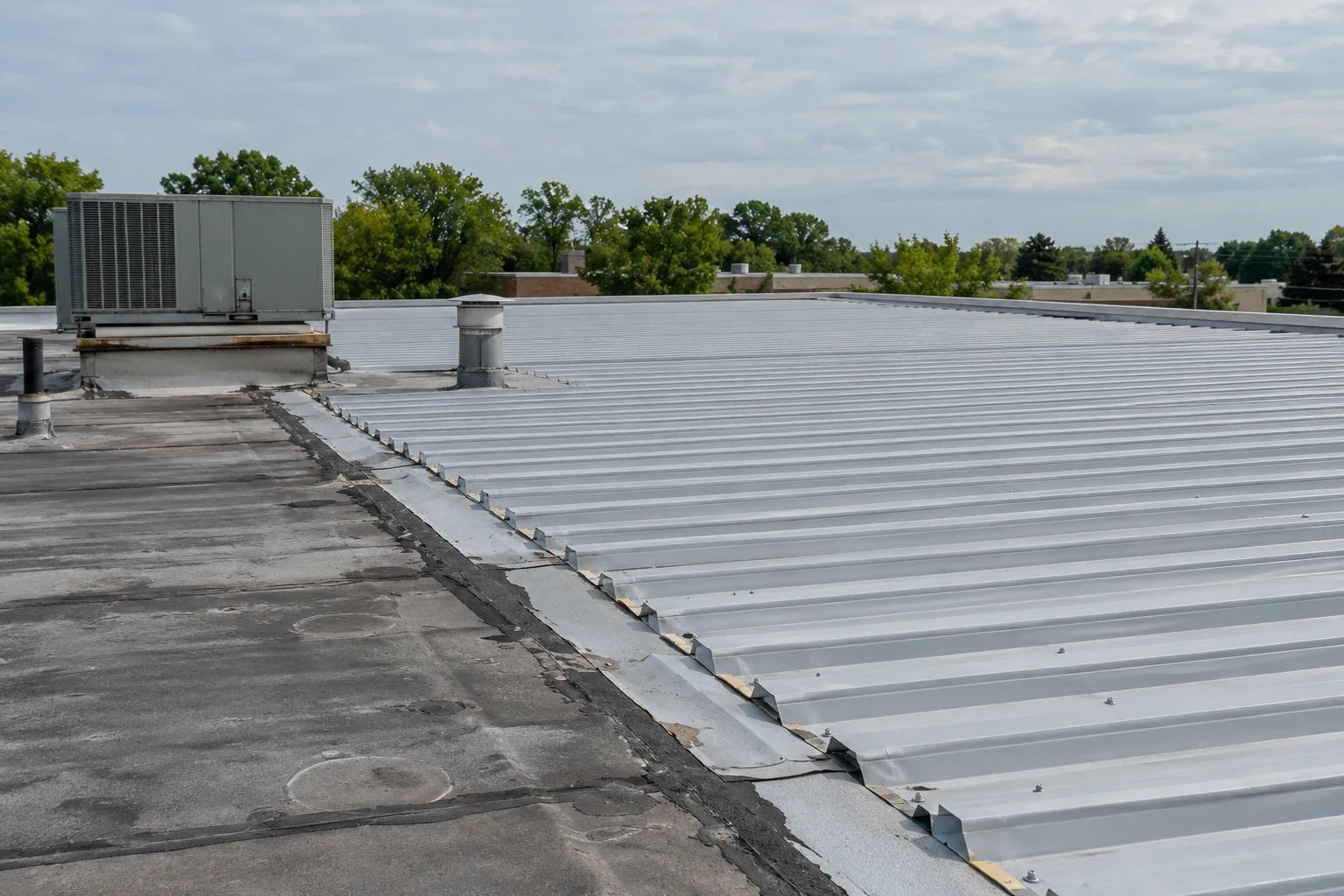
The warehouse roof may include membrane, metal or layered bituminous construction. We identify the actual assembly before proposing its repair or replacement. Insulation condition, attachment and drainage influence what can remain. Added material may alter curb clearance or perimeter geometry. The selected construction needs to account for those details.
TPO warehouse roof construction needs its welds, support and attachment specified for the assessed building. A suitable metal-roof retrofit requires retained panel and framing condition reviewed differently. We compare viable options through the preparation and removal each requires. The occupied sequence must also permit proper detail installation. Warehouse stored goods do not establish one preferred membrane or panel type. The choice follows the roof condition, exposure and operating constraints found on the building. That makes the comparison useful for deciding what to retain and how the chosen construction will be completed above the actual stock layout.
Commercial Warehouse Roofing
Keep outlets and service routes accessible after repair
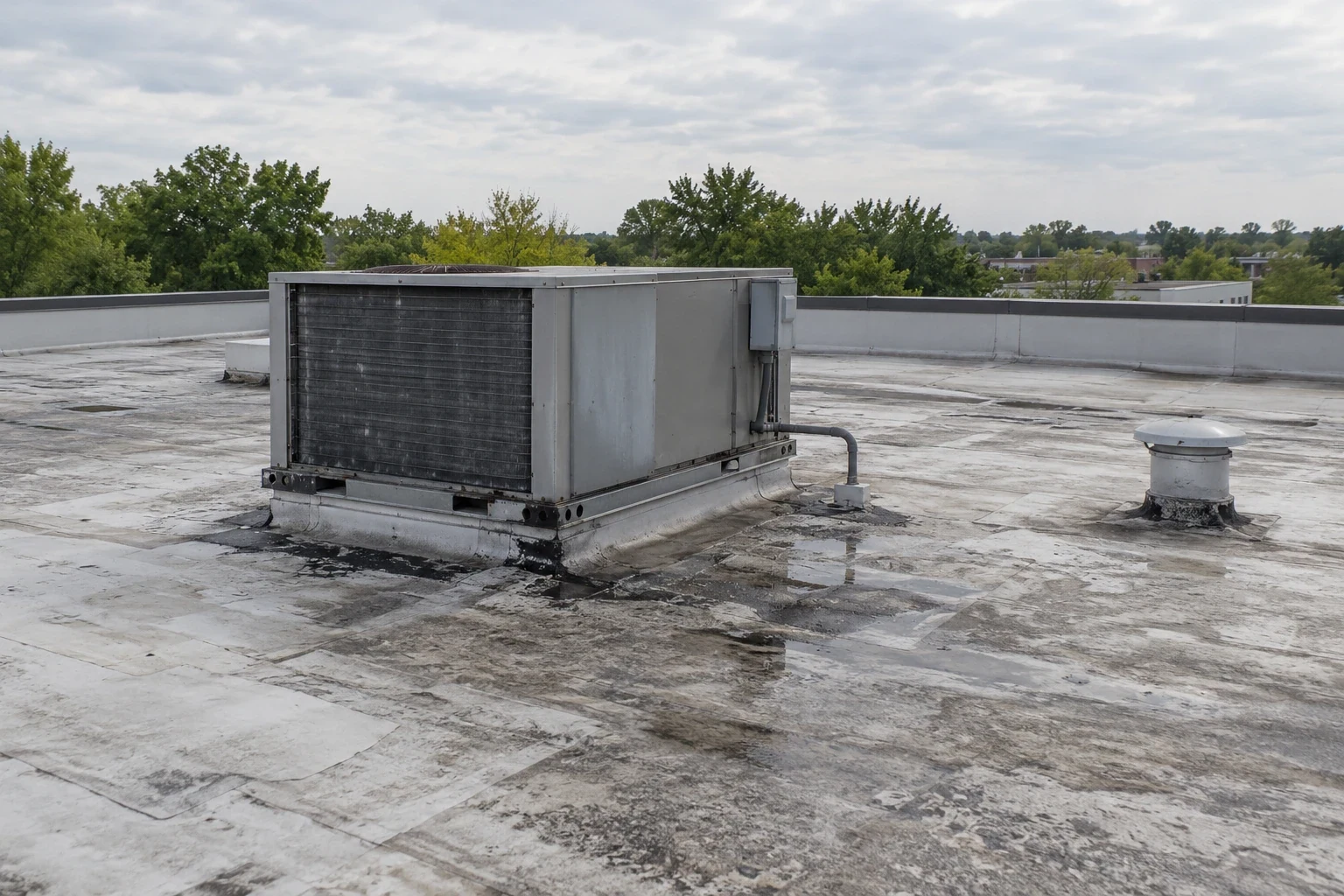
Debris near an outlet can retain water above occupied storage. We inspect drainage approaches as well as the repaired connection. A cleared strainer may leave another restriction in the pipe or roof gradient. The correction needs to distinguish those causes. Equipment supports and walk areas should not obstruct collection routes. Later service access must also permit examination of the completed roof details.
Wall has grain-storage services through Wall Co-op. Roof work for agricultural storage there needs its actual operation and construction assessed. For buildings around Wall, we examine outlets and the supporting roof layers before defining correction. Maintenance of warehouse roof connections can then focus on accessible seams, flashings and equipment contact points. New punctures or unexpected retention need assessment before they affect more material. A useful maintenance arrangement identifies where routine cleaning is needed and where physical repair is necessary, instead of repeatedly clearing a drain while compressed insulation or an inaccessible outlet connection continues to retain water.
Commercial Warehouse Roofing
Set the daily closure around the exposed assembly
Roof removal must leave enough time for supporting corrections and weather protection. We assess those tasks before choosing the daily work area. A damaged deck can slow the intended replacement sequence. The temporary transition needs a sound connection to retained roofing. Its position should not send runoff into an unfinished portion.
For warehouse projects in the Business and Industrial Park, the working sequence follows the actual roof and operation. We identify any stock restriction connected to a specific exposure. The manager can coordinate that area while ordinary activity continues where suitable. Completed roof connections are examined before the restriction is lifted. Construction waste is cleared from outlets and agreed service routes. The resulting schedule links removal to closure and stock protection, giving the occupied warehouse a practical repair or replacement sequence that accounts for the tasks required beneath and within the roof rather than only the speed of field installation.
Questions and answers
Questions About Commercial Warehouse Roofing
Must stock be moved beneath a localized warehouse roof repair?
Assess the opening and protection needed at the specific position. We identify the affected area above the storage layout with the manager. Some work may proceed with suitable protection and restricted access. Other tasks require relocation. The decision should follow removal depth, deck condition and the goods below rather than the patch size alone.
Can a warehouse leak be repaired while loading continues?
Coordinate the repair area and delivery route with the handling operation. We assess lifting, material storage and the room beneath the task. Suitable separation may permit activity elsewhere to continue. Any restriction should be tied to the specific work, with a practical route for roofing access and the required weather closure.
Why investigate insulation when the visible defect is a hatch flashing?
Water may have affected material beyond the immediate opening. We examine the flashing and use suitable testing where the surrounding condition suggests involvement. The findings define which layers need removal. Closing the hatch detail alone may leave wet or deteriorated construction beneath it, so repair extent follows the assessed assembly.
Does warehouse use determine whether membrane or metal is best?
The actual roof construction and exposure determine viable options. We assess retained condition, support, drainage and occupied constraints. Different systems need different preparation and details. Comparing complete suitable assemblies is more useful than choosing solely from the building use, which does not establish the existing covering or required installation method.
What should staff report after rooftop equipment service?
Report visible cuts, displaced supports and new water retention where safely observable. We assess those conditions against the completed assembly. Tools or equipment contact can create damage near otherwise sound details. Prompt examination helps distinguish a surface mark from a defect needing repair before water reaches supporting layers or occupied storage.