Barracks and Military Housing Roofing in San Angelo, TX
Property Types We Roof
Barracks and Military Housing Roofing at a Glance
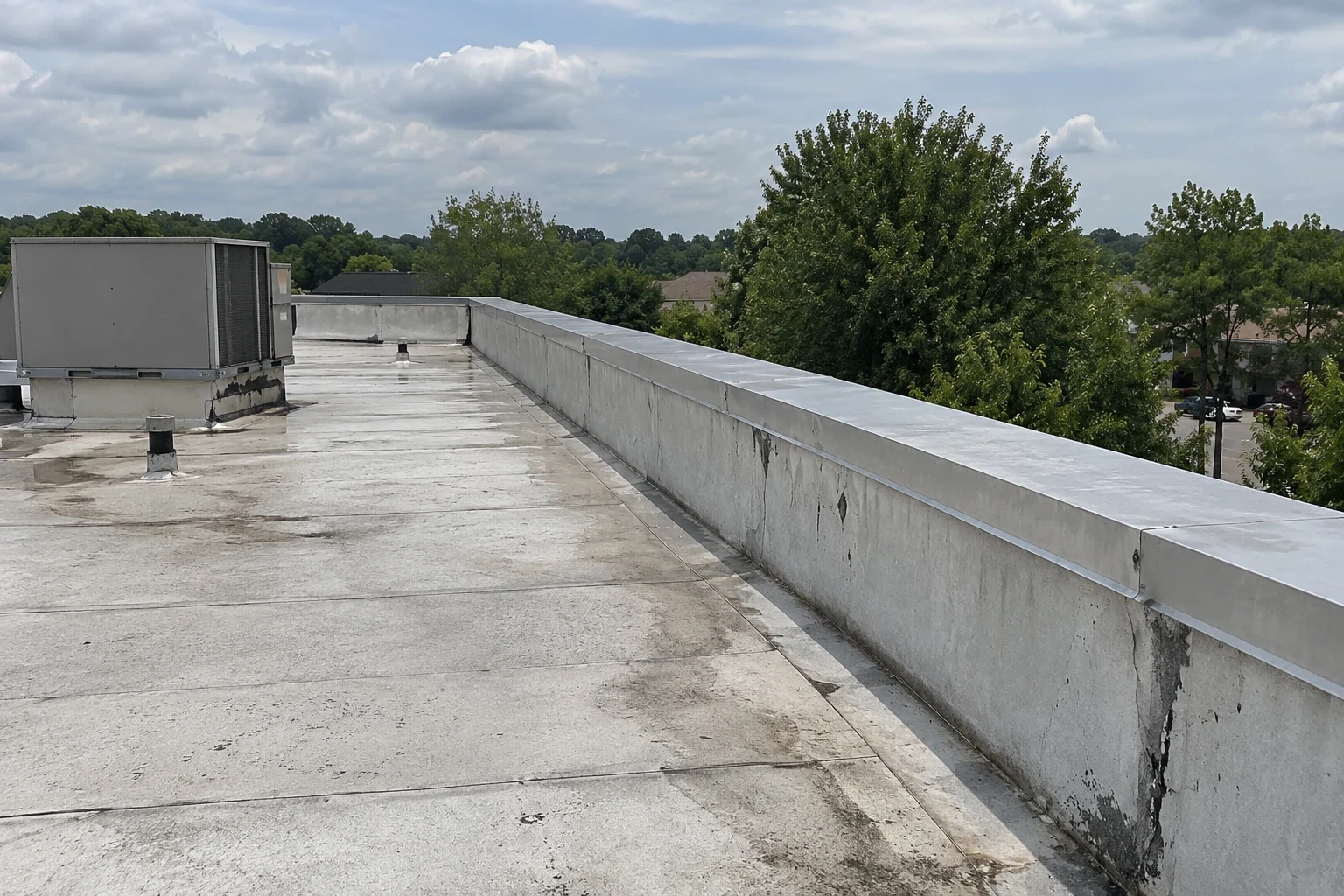
A displaced expansion-joint cover can expose the flexible connection beneath it. Its correction needs the joint arrangement examined before the cover is refixed. Barracks and military housing roofing in San Angelo, TX follows the actual building movement detail. We assess the accessible components and surrounding covering. A repair should preserve the movement the joint is intended to accommodate while restoring suitable weather protection above the occupied space.
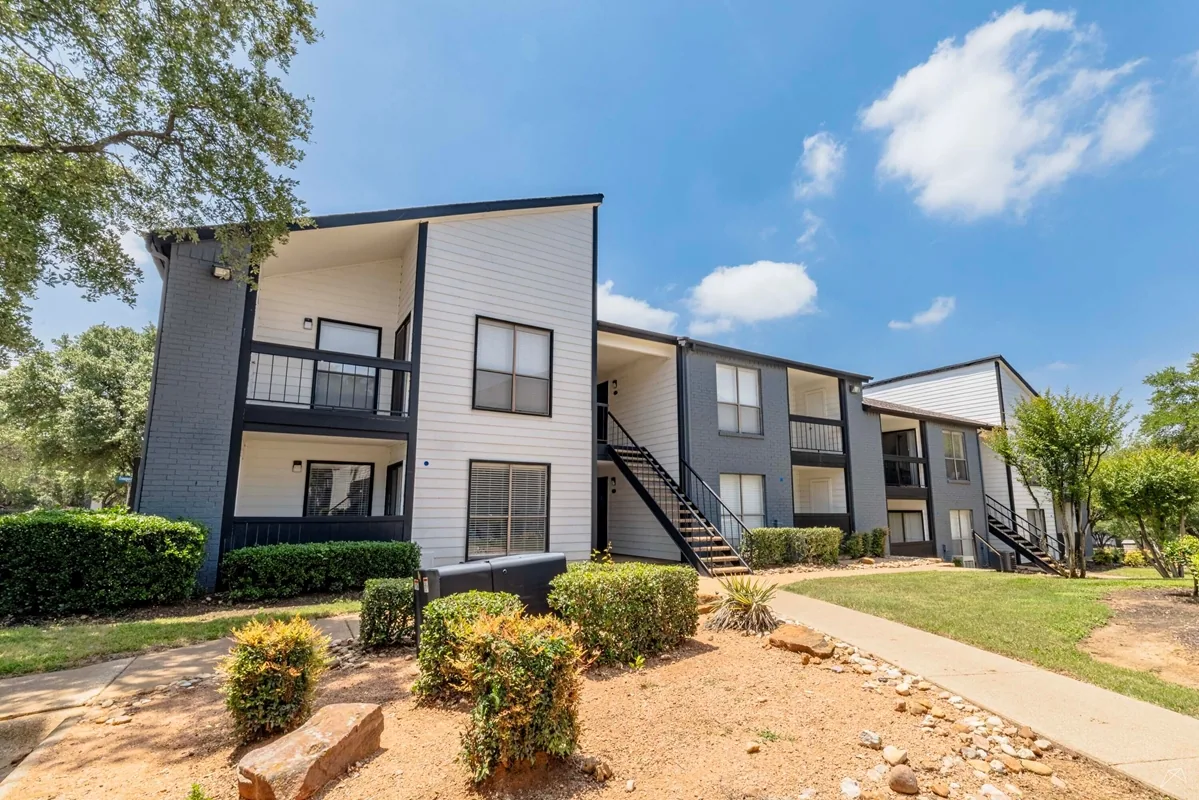
Goodfellow Air Force Base has military family housing and lodging. Roof planning for military residential buildings begins with the particular room layout and occupant arrangements. Commercial Roofers San Angelo repairs and replaces commercial roofing for occupied military-building tasks. Coordination of military residential roof access establishes the personnel contacts needed for assessment and construction. We inspect the joint directly before selecting compatible material or defining its removal boundary.
Barracks and Military Housing Roofing
Examine the joint components before fastening the cover
An expansion detail can include flexible weather material, supports and protective components. We identify the installed arrangement and examine accessible attachment. Displacement may involve a damaged cover, unsuitable restraint or another supporting condition. The correction must fit the intended movement and product requirements. Fixing the joint rigidly can interfere with the function it was designed to provide.
Assessment of metal roof cover connections distinguishes weather protection from supporting attachment requirements. We investigate damaged adjoining covering where indicated. A flexible component may need replacement independently of the visible cover. Sound retained material must provide suitable connections at both sides. The selected detail should permit appropriate movement without leaving an unsupported seal across the opening. We coordinate additional specialist assessment when the underlying building condition requires it. The completed connection needs examination at accessible transitions. That makes the repair specific to the actual joint rather than treating a displaced protective cover as an ordinary loose strip that can be fastened without reviewing its function.
Assess the residential roof joint and occupied-room sequence Request a review with displaced-cover symptoms, affected room locations and housing access contacts ready. We will define the movement-detail correction and the construction exposure needed above occupied space.
Barracks and Military Housing Roofing
Define the room restrictions for each exposed construction stage
A roof section can cover sleeping rooms, corridors or shared facilities. We establish the affected space with responsible housing personnel. Occupant arrangements need to suit the actual removal and closure task. Construction noise and material routes can affect a different area from the roof opening. The agreed plan should identify those separate effects before the work stage begins.
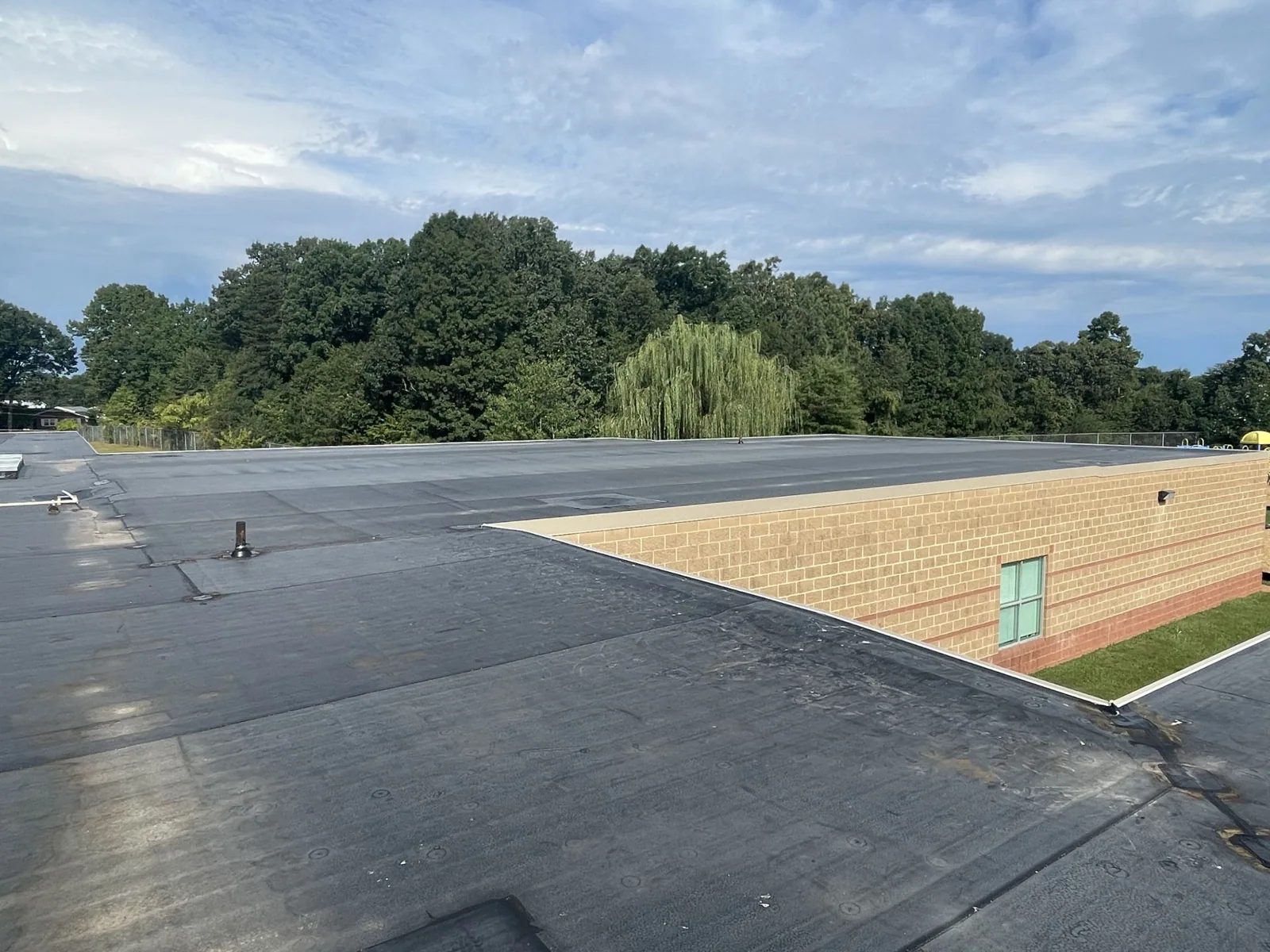
An opening can extend above several rooms while material access uses their shared corridor. Locate the room boundaries before roof work above civilian multifamily rooms exposes its support. For military housing, responsible staff identify which occupant routes must remain available beside that construction area. Reroofing with residential occupancy coordinated needs enough time for proper preparation and completed details. A short room-availability period may allow assessment without accommodating the full reconstruction stage. We identify those physical work needs for responsible staff. They establish appropriate occupant and access restrictions. The sequence should distinguish a room directly beneath exposed construction from a route affected by delivery or equipment service, with suitable weather closure completed before the agreed arrangements change.
Barracks and Military Housing Roofing
Verify the involved layers around a leaking movement joint
A failed weather component can admit water into adjoining insulation or support. We investigate suspect material where the findings indicate it. Appropriate confirmation establishes the affected construction and a suitable retained boundary. Damage may extend beyond the visible joint edge. The scope should identify those layers before new covering conceals the support beneath it.
Investigation of military residential roof water entry follows the actual reported location and roof arrangement. We examine other relevant details where symptoms require it. A limited correction can remain appropriate when the adjoining assembly is serviceable. Wider moisture or deterioration can increase removal and the occupied area affected. A shared ventilation connection may serve rooms outside the material removal area. Coordinate roofing above another occupied residential setting with the equipment restrictions established for affected occupants. Housing personnel need the actual service effect identified before deciding which military residential rooms require a changed arrangement. The finished weather connection needs sound supporting material and compatible joins, so the repair boundary should be established through the construction findings rather than only the length of the displaced cover.
Barracks and Military Housing Roofing
Coordinate shared equipment before rebuilding the roof beneath it
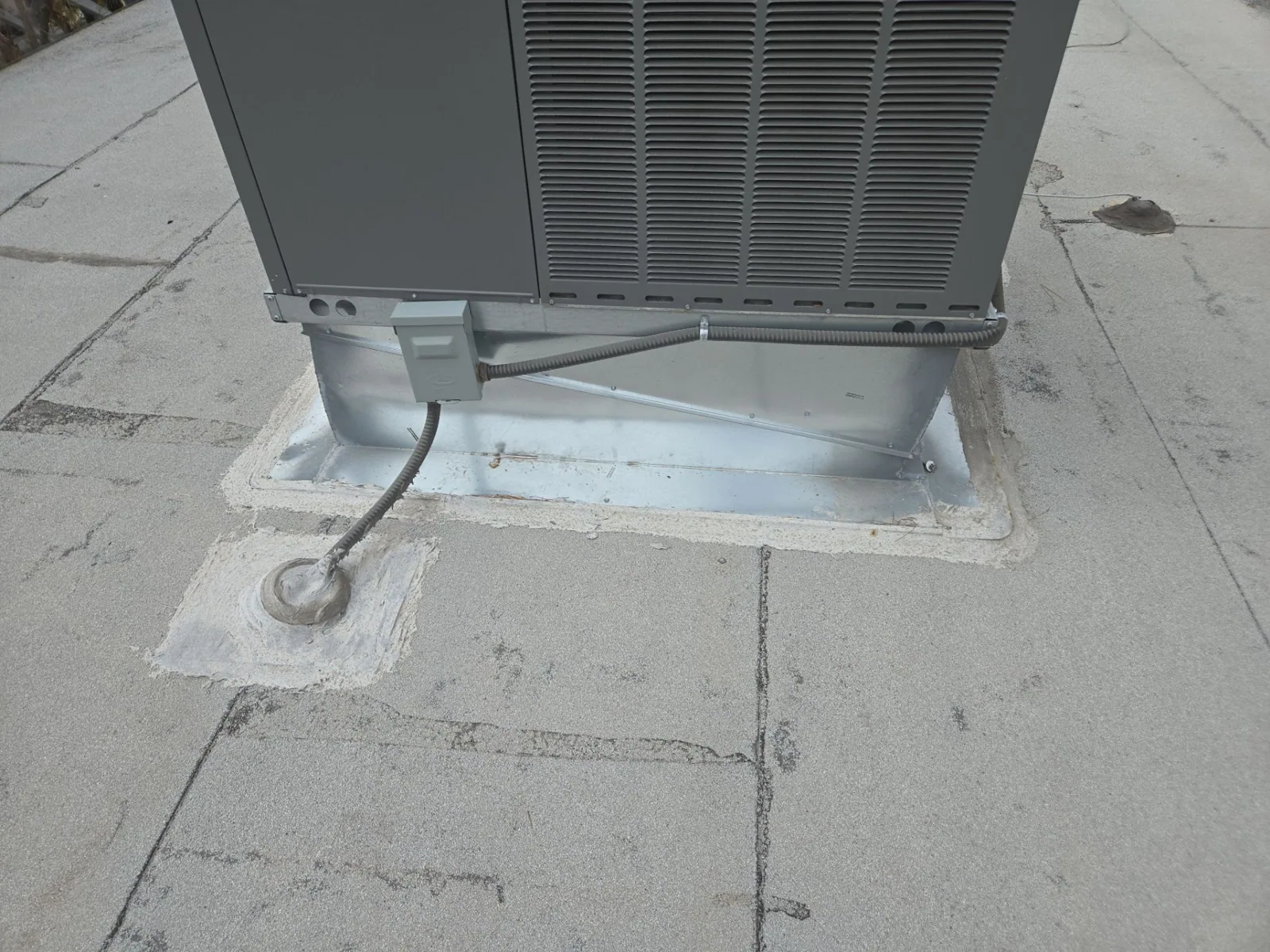
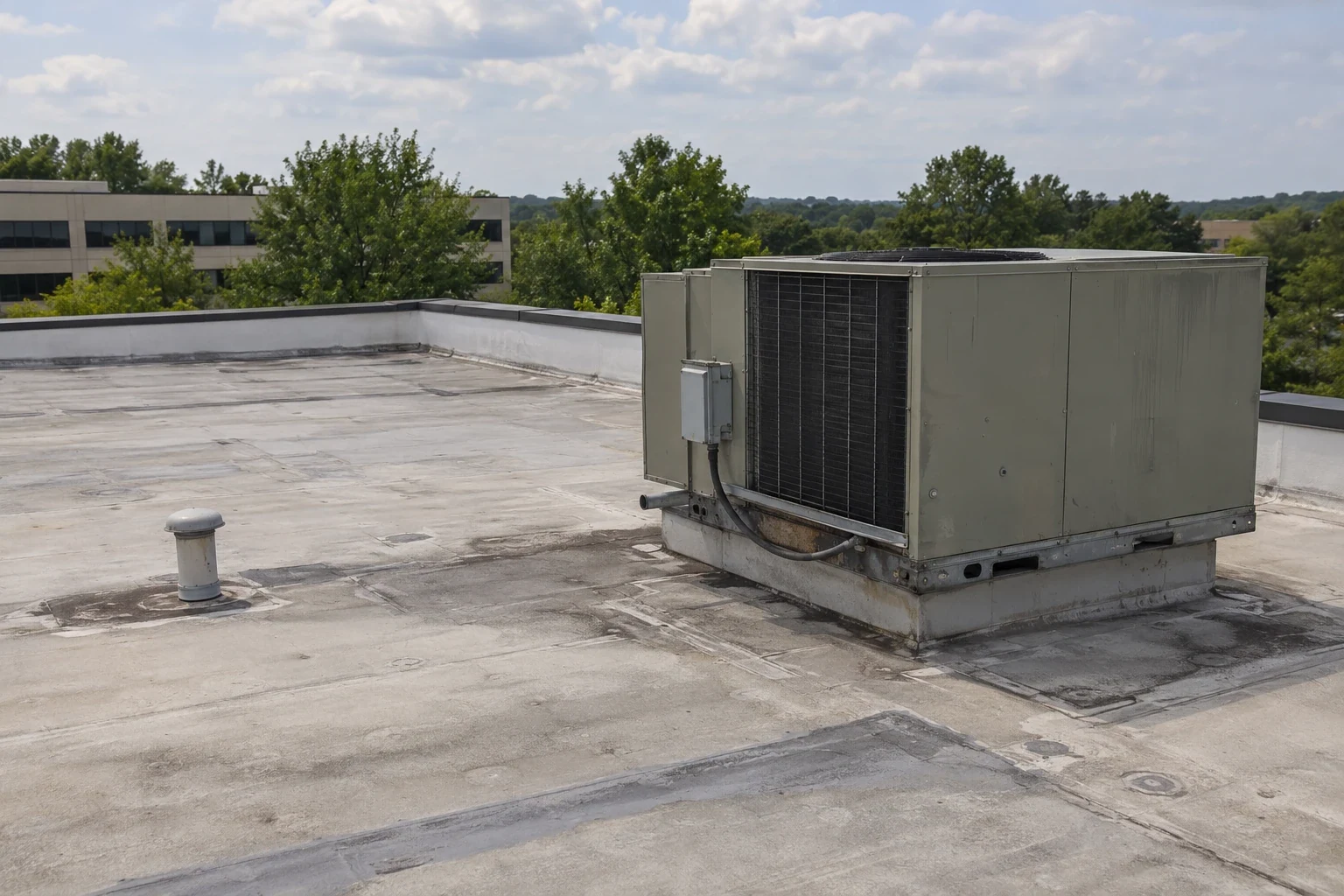
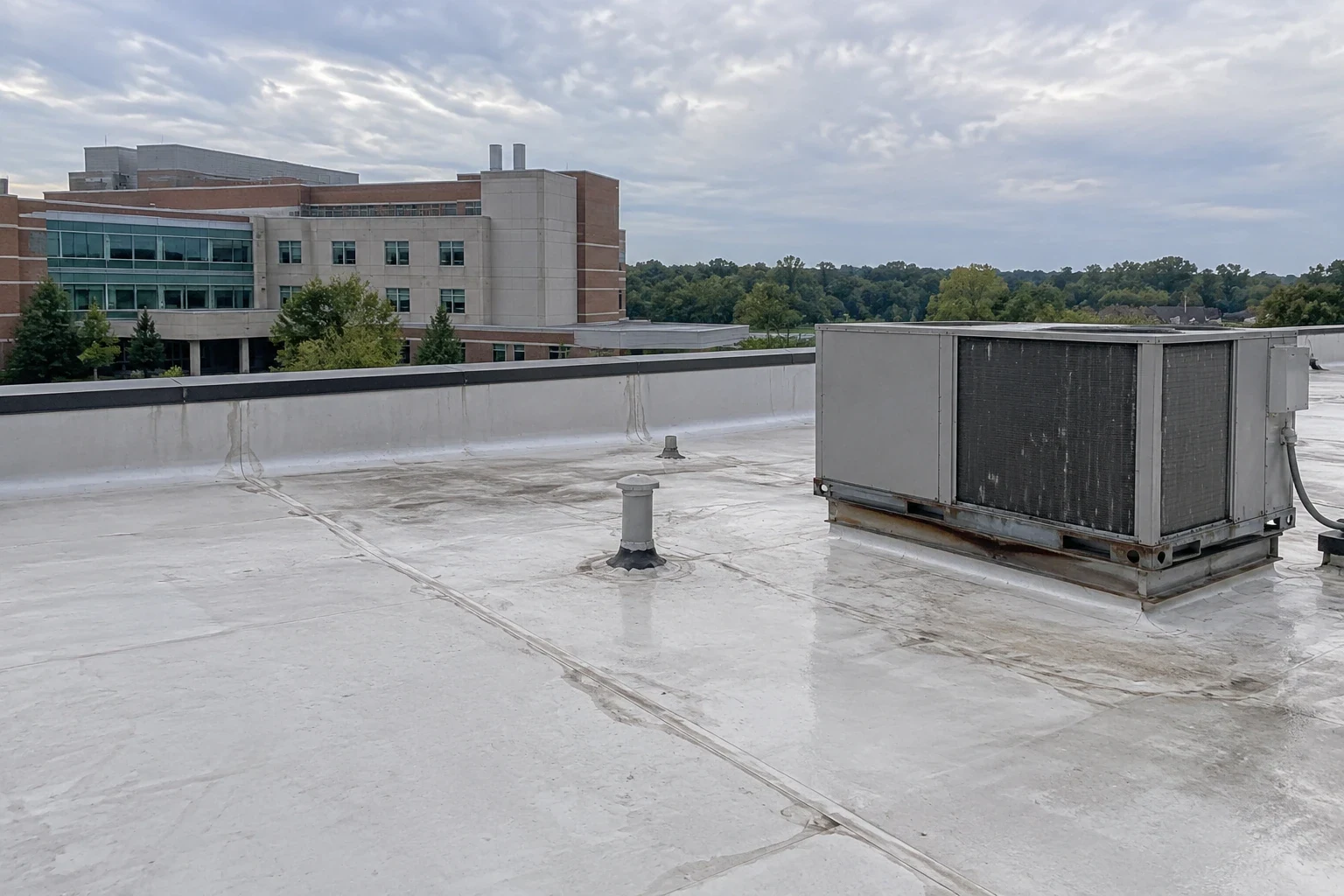
Residential-building equipment can sit beside or across a roof detail needing repair. We identify the access required around its support and service connections. Lifting or another equipment operation may be necessary to reach damaged material. Responsible personnel establish suitable operating restrictions. The roofing task should have sufficient access for removal, preparation and completion of the specified weather connection.
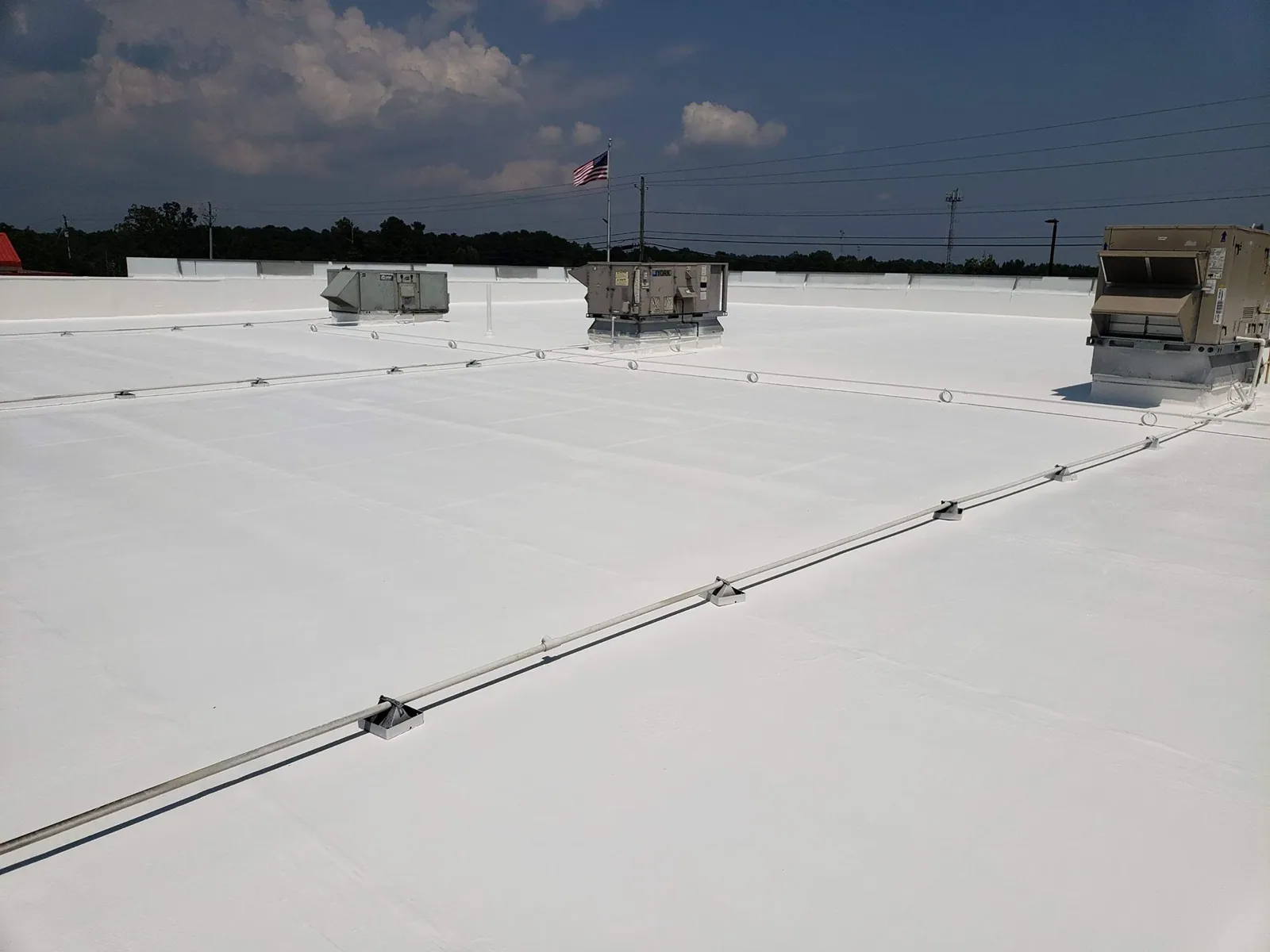
Roof construction beside housing equipment supports identifies the material and detail requirements separately from equipment restart. We assess involved supporting layers and compatible retained boundaries. EPDM assembly and repair requirements differ from those of other covering systems. The actual installed material guides the appropriate connection. A selected repair must fit the equipment interface and roof movement arrangement. Housing staff can coordinate the occupied area and services against that defined task. The completed detail receives suitable examination before ordinary rooftop service resumes, with the responsible trade confirming equipment operation rather than assigning that confirmation to the roof material installation alone.
Barracks and Military Housing Roofing
Keep the finished joint available for subsequent examination
A completed movement detail needs access to its protective cover and adjoining connections. We check the installed components according to the relevant system requirements. A changed support or later service task can affect the detail. New surface damage requires assessment at its actual position. The repair description should distinguish finished construction from retained sections or temporary weather closure.
Military students, civilian employees and families are among those served by the Christoval Road corridor. When a residential project uses the Christoval Road Corridor, housing personnel help define suitable delivery and entry arrangements. Material access must fit the building circulation needed during that roof stage. Maintenance of military residential roof details examines joints, outlets and equipment contact individually. Staff can report a displaced component or new water symptom. The next assessment follows the current condition and installed construction. Suitable access and a clear completed-work boundary help another task protect the existing weather connection, with room and installation arrangements coordinated anew when further exposure is required.
Questions and answers
Questions About Barracks and Military Housing Roofing
Can a displaced expansion cover be refastened without examining its joint?
Identify the installed movement and attachment arrangement before selecting the correction. We examine the cover and underlying weather components. Damage or unsuitable restraint may require separate work. The finished detail must preserve its intended movement, so rigid fastening should not be used as the assumed answer to a displaced protective component.
How do sleeping rooms change the military residential roof sequence?
Locate the exposed construction and other effects against the actual occupied layout. Responsible housing personnel establish occupant arrangements and restrictions. We identify preparation, removal and closure requirements. The plan should provide suitable time and access for those tasks, with separate consideration for routes or equipment affecting rooms outside the directly exposed roof area.
Why can joint repair require removal of neighboring insulation?
Investigate water involvement beyond the visible weather defect. A failed component can affect adjoining layers. We verify suspect material and establish a sound retained boundary. The rebuilt connection needs suitable support beneath it, so involved wet or deteriorated construction requires correction before the joint detail is completed and protected by its cover.
Who confirms shared equipment operation after a residential roof task?
The responsible equipment personnel establish restart and operating requirements. We identify the roof access needed and examine the completed weather detail. Equipment lifting or service can be part of the coordinated sequence. Its operation must receive the appropriate confirmation, while the roofing connection follows the actual material and supporting requirements at the repaired area.
What should housing staff report after a movement cover changes position?
Provide its location, the observed change and any nearby service activity. We examine accessible attachments, flexible components and adjoining covering. The current findings determine the suitable correction. Another roof exposure may need updated room and entry arrangements, with the task defined for the actual detail rather than repeating an earlier repair based only on the cover's appearance.