Commercial PVC Roofing in San Angelo, TX
Roof Systems
Commercial PVC Roofing at a Glance
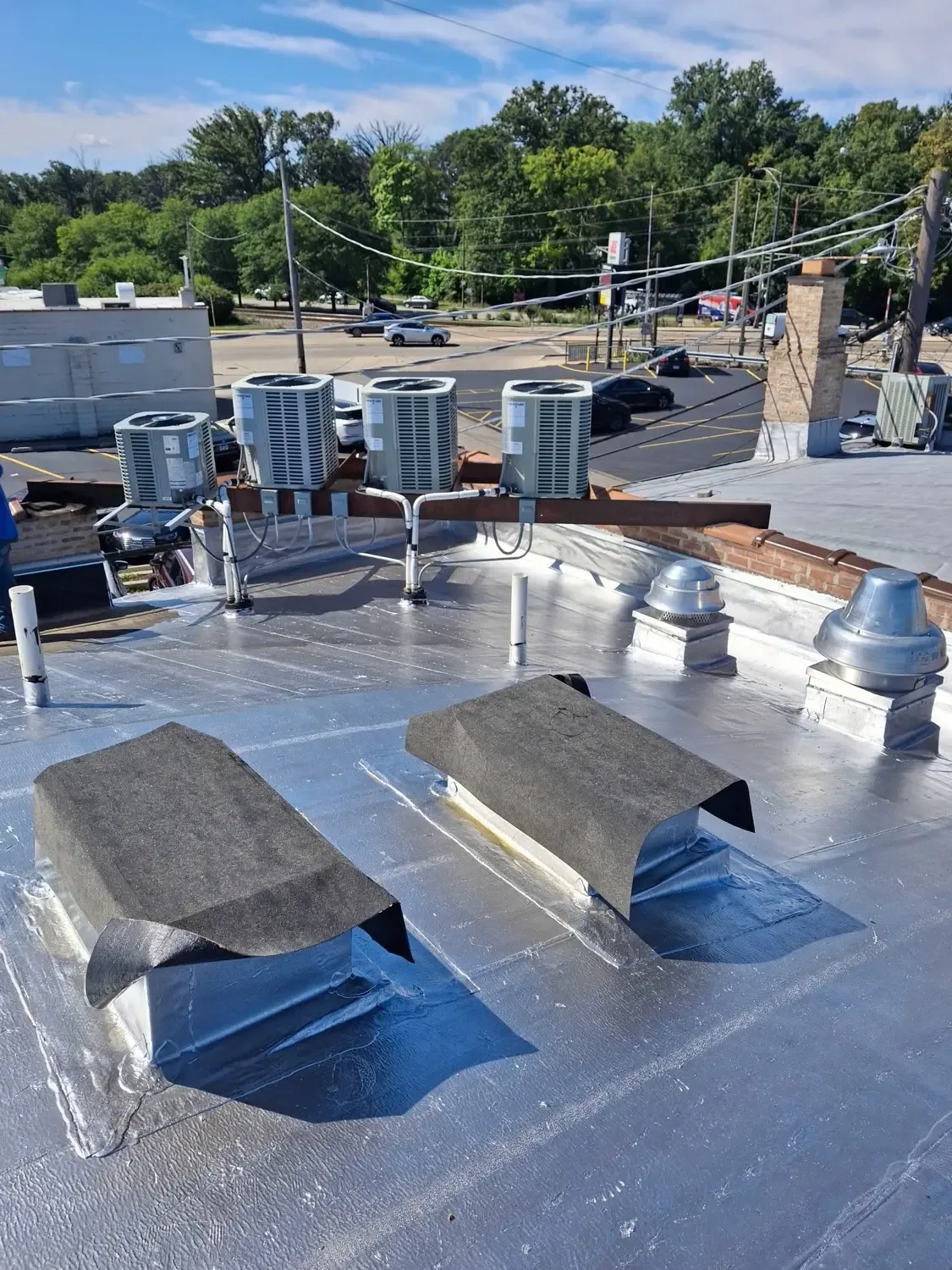
Kitchen exhaust residue can collect where a roof needs its next weld. Cleaning and material condition determine whether that connection is workable. PVC roofing in San Angelo, TX starts with the actual exposure. We examine the membrane, adjoining details and substances reaching the surface. Resistance to some chemicals is useful, but material selection needs precision. The proposed assembly must suit the specific exposure and installation requirements.
The South Bryant Boulevard Corridor contains restaurants and discount retail. Roofing for a food-service business there needs exhaust and maintenance access assessed. Commercial Roofers San Angelo installs PVC membranes and repairs suitable existing assemblies. We distinguish contaminated surface preparation from deterioration within the material. Correction of the affected roofing follows those findings, with occupied ventilation needs considered alongside the membrane work.
Commercial PVC Roofing
Match chemical exposure to the selected membrane
PVC is used where certain grease or chemical exposures influence selection. Specific material resistance varies with the product and substance involved. We review the expected contact and the selected system requirements. Concentration, temperature and duration can change the practical exposure. A material-family name does not approve every discharge onto the surface. Exhaust equipment should still control residue and protect adjoining roof components.
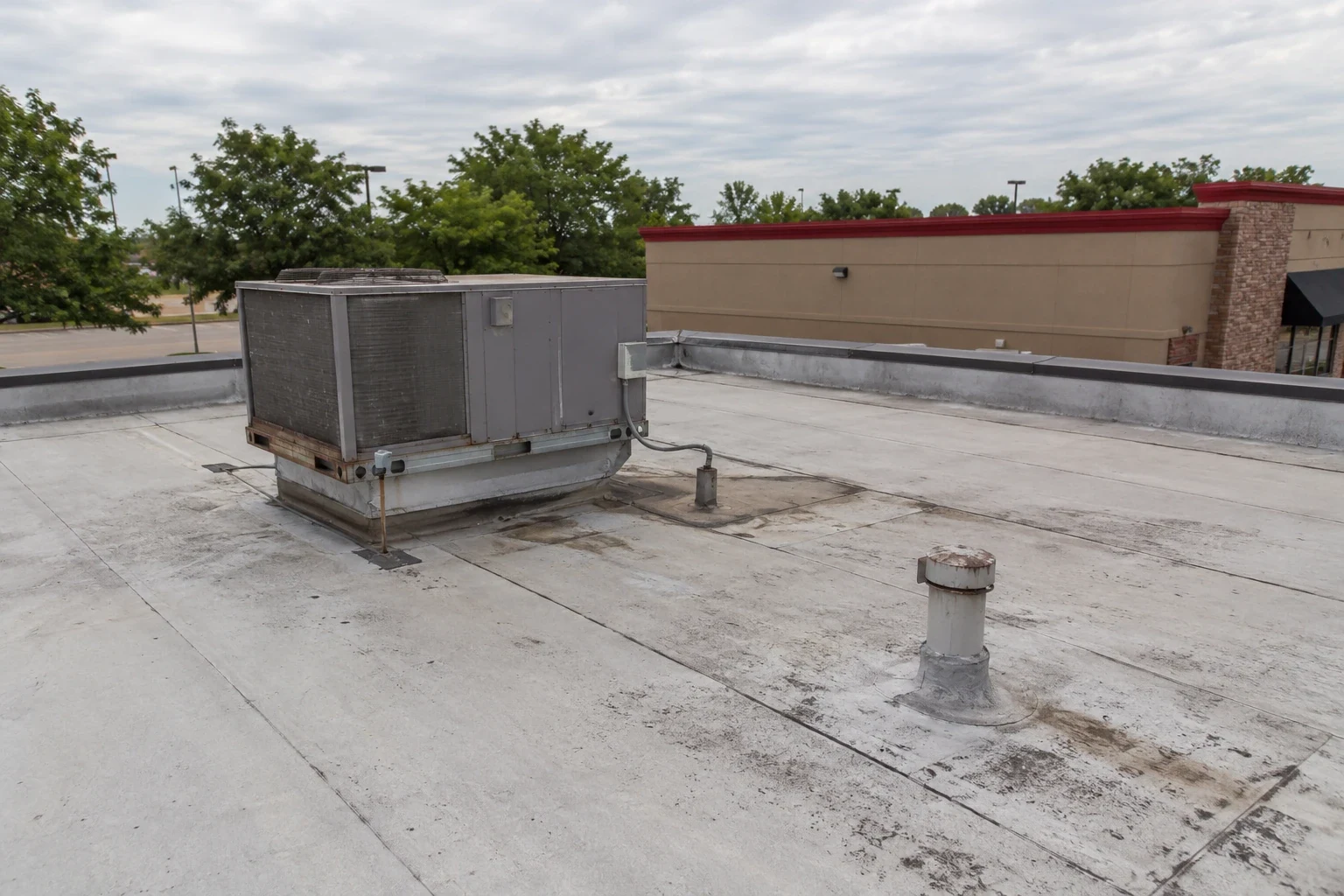
We examine the covering and details beneath serviceable exhaust equipment. Residue can affect the field, flashings and metal connections differently. Roofing above restaurant operations needs those areas assessed together. Suitable protection and maintenance remain important after installation. The exhaust arrangement may require mechanical attention if material repeatedly collects in the same position. We coordinate that issue with the responsible trade. The scope addresses damaged roofing and the continuing exposure. We review uncontrolled discharge even where PVC is suitable for the identified contact.
Identify the PVC exposure and repair bond Book a membrane review with exhaust locations, prior patches and roof records available. We will assess compatibility and determine the construction needed for a sound connection.
Commercial PVC Roofing
Prepare aged material for a sound repair connection
A membrane surface changes through weathering, dirt and prior maintenance. Repair welding requires a suitable preparation method for that condition. We identify the existing material before selecting a compatible patch. Cleaning must expose a surface capable of the intended connection. An unsuccessful test weld calls for further assessment of preparation or material condition. Repeated heating should not substitute for resolving that problem.
We examine the cooled weld and adjoining membrane using the applicable method. Seam intersections and shaped patches require close attention. A repair should connect to sound material beyond the damaged area. KEE and PVC-alloy roofing may have different material requirements from another PVC product. Identification therefore belongs before repair selection. An old patch with uncertain compatibility can increase the area needing correction. The repair decision follows the material found on the roof, including its condition beneath visible residue, rather than the assumption that all light-colored sheets can receive the same cleaning and weld procedure.
Commercial PVC Roofing
Examine tension at the restrained membrane edges
Dimensional changes in aged membrane can stress restrained details. We inspect wall transitions, curb bases and perimeter connections for displacement. Pulling at a flashing can affect the upper termination or adjoining sheet. The material condition and attachment need assessment before a patch is placed. Relaxing a visible wrinkle does not necessarily correct the stressed connection. Repair may require replacement of the affected flashing with a suitable supported detail.
We check the roof assembly for compatible construction at those interfaces. PVC needs suitable separation from materials identified as incompatible by the system requirements. Direct contact with an unsuitable existing surface can affect performance. Where an additional covering is proposed, the retained layers and separation arrangement need review. Added thickness also changes curb and edge geometry. The chosen scope must address those relationships together. That keeps a membrane repair from being installed across a connection that remains under tension or a retained surface that the selected system cannot contact directly.
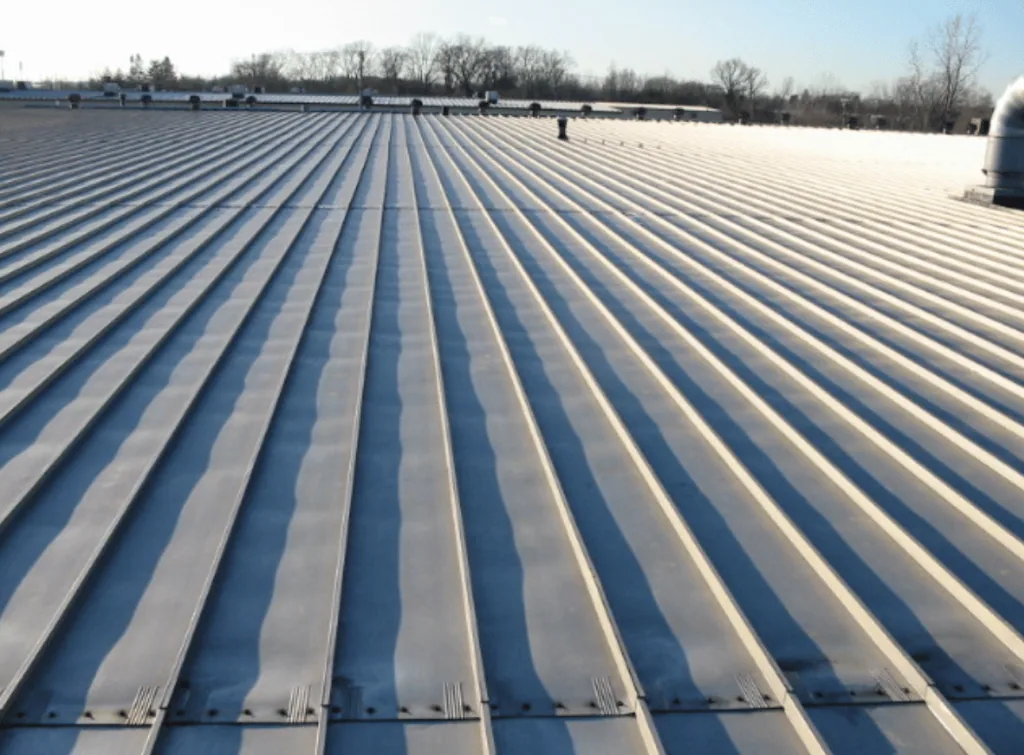
Commercial PVC Roofing
Build a continuous connection into each outlet
A drain-area patch needs a suitable connection to both membrane and fitting. We inspect the surrounding gradient and condition beneath the surface. A deteriorated flange or loose clamping arrangement needs its own correction. Raising the surface around the outlet can retain water beside it. The repair thickness and detail geometry must permit drainage. Waterproofing and water movement need to be resolved at the same connection.
Repair of outlets and scuppers can require plumbing coordination where the fitting needs alteration. We establish that task before opening the assembly. Temporary weather protection should account for the affected drain path. Nearby insulation may need correction if compression or moisture has changed the roof elevation. The PVC connection follows the selected system detail over those sound layers. Cleaning a strainer is useful maintenance, but it cannot correct a depressed field or damaged drain-body connection. We distinguish those conditions before treating the remaining water as another debris problem.
Commercial PVC Roofing
Plan weld and adhesive work beside occupied intakes
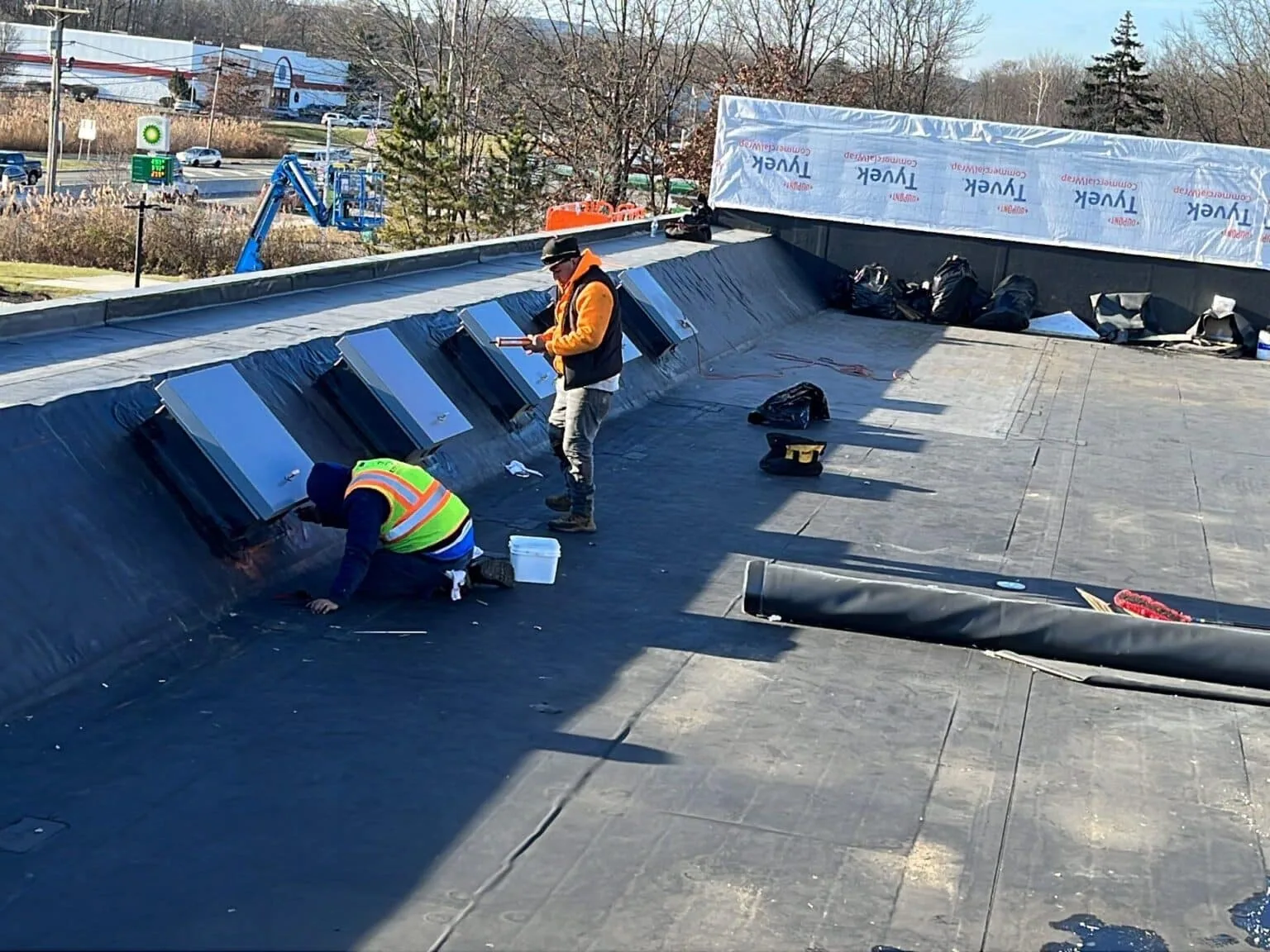
The Knickerbocker Road Corridor includes hotel dining and restaurants. A roof project for an occupied building there needs its ventilation assessed. Material handling and application methods can affect nearby intakes. We coordinate suitable protection or operating restrictions with responsible building staff. The work area also needs safe lifting and service access. Equipment connections should remain available for the required trade checks.
Welding and adhesive application have different working requirements. We examine surface moisture, temperature and the proposed installation method. Trial connections help establish suitable weld settings for the conditions. TPO roof installation provides another membrane comparison where the building exposure permits it. The choice should include material compatibility, attachment and detail needs. For businesses along the Knickerbocker Road Corridor, those requirements then inform the occupied work sequence. Roof-area speed alone is an incomplete comparison when a method changes the ventilation arrangement or closure needed above a functioning operation.
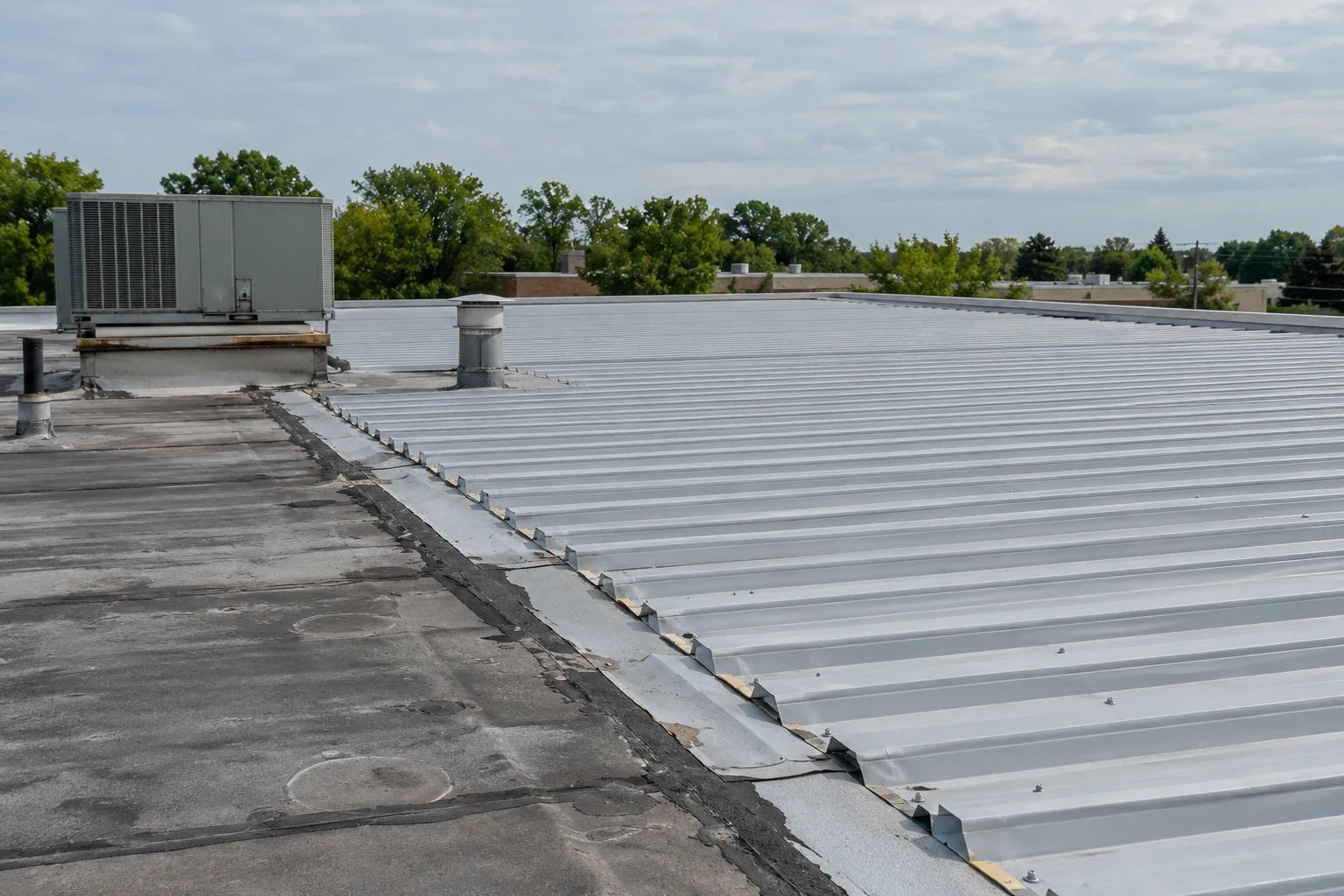
Commercial PVC Roofing
Compare retained layers with replacement requirements
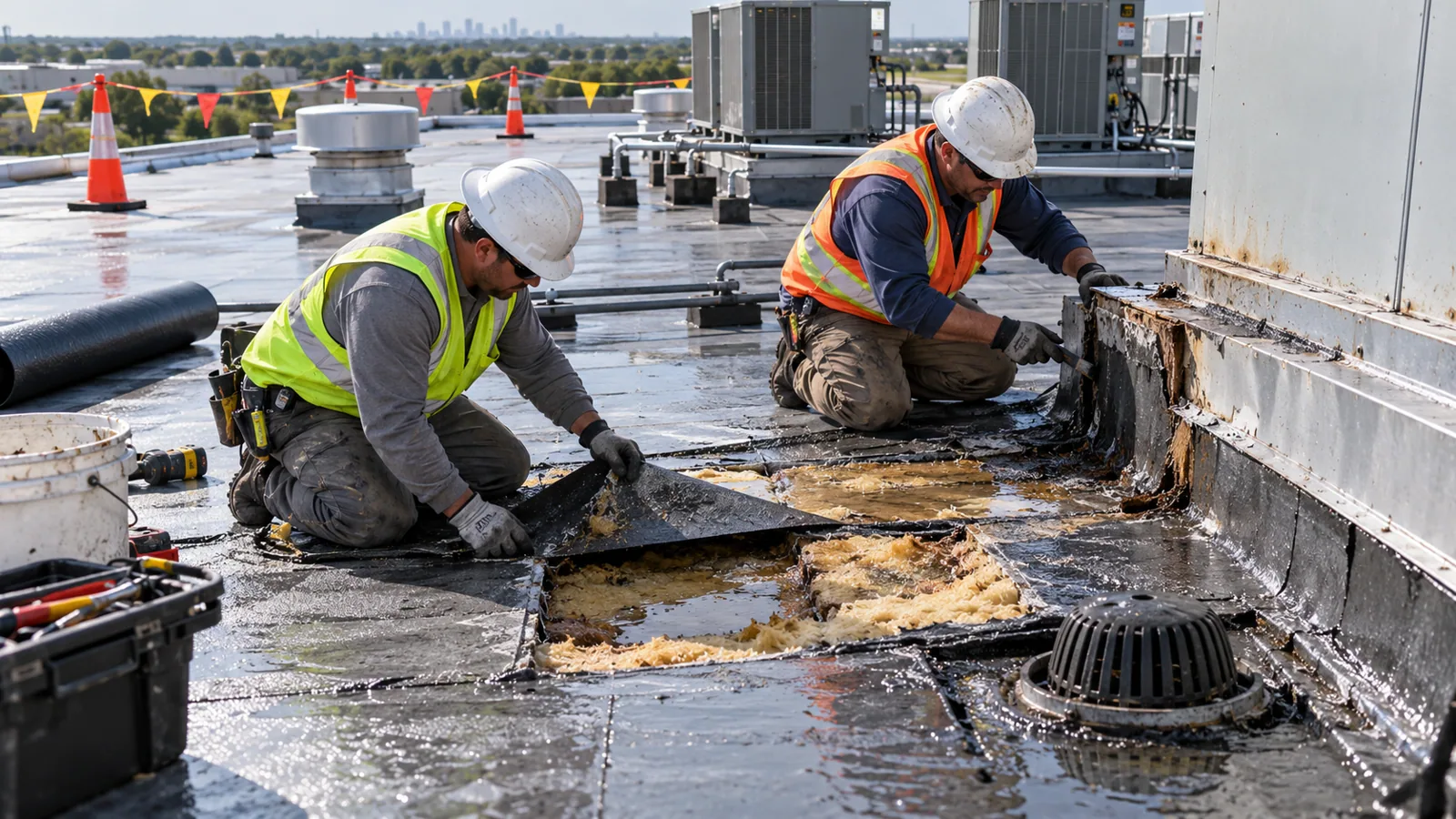
Concealed wet insulation can remain beneath apparently intact PVC. We investigate suspect areas when defining restoration or replacement options. The membrane condition is assessed separately from the supporting layers. Localized damage may permit a focused removal and repair. More widespread deterioration can make retention unsuitable for the intended construction. Deck condition and attachment also influence the scope and timing.
We define the suitable retained boundary before new materials are installed. The comparison includes preparation, insulation correction and revised flashing details. For an occupied hotel roof, those tasks need room operations and equipment schedules considered. The roof should receive a workable daily closure while the building continues its agreed activity. Completed welds and terminations are examined before the installation area returns to service access. We also identify material requirements for later patches and cleaning. That gives the manager a practical basis for maintaining the installed PVC without introducing incompatible repairs at the next equipment change.
Questions and answers
Questions About Commercial PVC Roofing
Does PVC eliminate the need to control kitchen exhaust residue?
Continue suitable exhaust maintenance and roof protection. PVC resistance must be reviewed for the particular material and exposure. Residue can affect repair preparation and adjoining components even when the membrane remains serviceable. We examine the equipment discharge and roof condition together, then define the corrections needed at each affected connection.
Can a patch be welded over grease-stained membrane?
Prepare and test the actual material before accepting a repair bond. We identify the membrane and use a suitable cleaning method. The existing sheet needs sound compatible material for the new connection. If preparation cannot achieve a satisfactory result, replacing the affected portion may be necessary instead of reheating the same surface.
Why is PVC flashing pulling away from a curb base?
Tension, attachment defects or deterioration may be affecting the transition. We examine the sheet, supporting construction and termination. The correction may need more than a patch across the visible gap. A suitable replacement detail should address the movement or restraint causing the separation and connect into serviceable adjoining membrane.
Can PVC be installed directly over the current roof material?
Compatibility and assembly requirements determine the suitable separation and installation method. We identify the retained construction and assess its condition. Wet layers or inadequate attachment require correction. An approved separating layer may be necessary, and added thickness can alter flashing clearance. Those requirements should be settled before installation material is delivered.
What should accompany a PVC replacement comparison?
Include the actual removal extent, supporting-layer repairs and new detail construction. We also assess attachment and occupied operating restrictions. The membrane price alone leaves those tasks outside the decision. Comparing complete suitable assemblies helps identify the construction and scheduling differences that the building will experience during replacement.