Commercial Hail Damage Roof Repair in San Angelo, TX
Roof Damage Repair
Commercial Hail Damage Roof Repair at a Glance
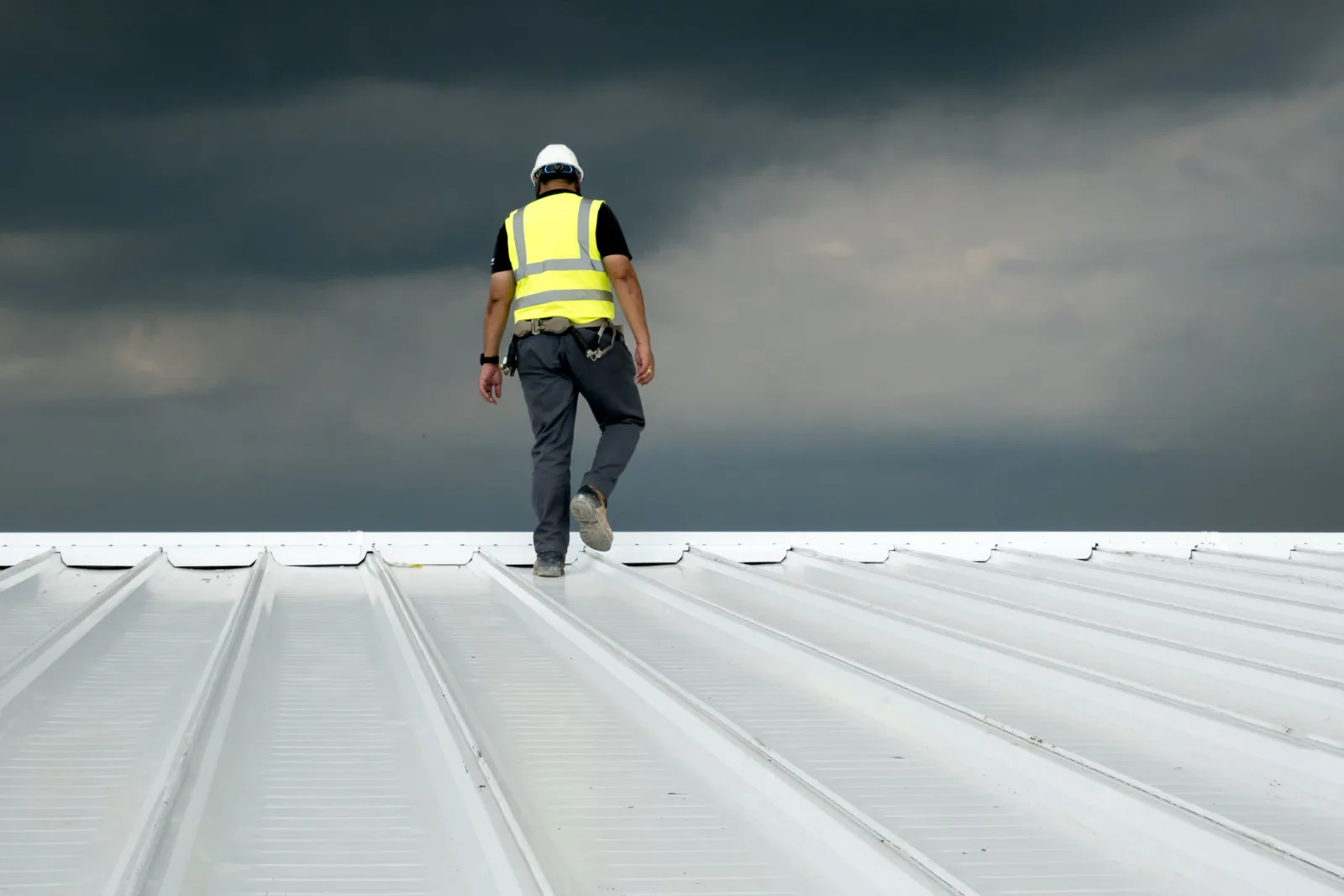
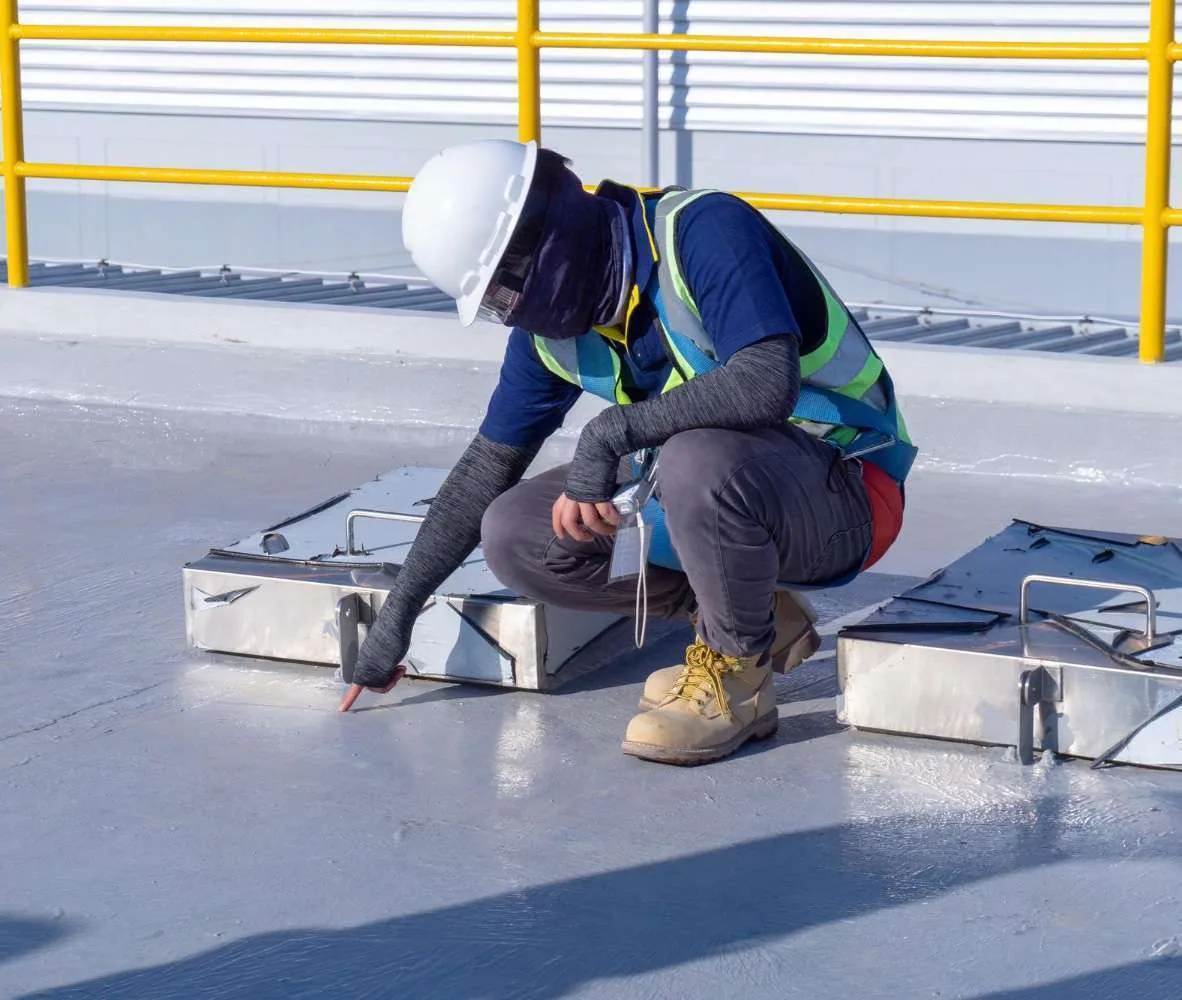
A fractured membrane surface can conceal damage within its reinforcement. Hail assessment needs more than a count of visible marks. Commercial hail damage roof repair in San Angelo, TX examines the covering, raised details and accessible supporting construction. We identify actual defects and their extent before selecting a compatible correction. Marks without demonstrated damage should remain distinct from openings that require weatherproofing work.
Hailstones ranging from baseball to grapefruit size struck San Angelo on May 21, 2020, damaging homes and vehicles. We examine sheet surfaces, raised weather connections and supporting layers where impact findings indicate further investigation. Discount retail on Pulliam Street and pharmacy uses on College Hills Boulevard place different contents below roofing. Commercial Roofers San Angelo identifies the actual rooms and equipment affected by removal. Inspection of hail-affected commercial roof components locates conditions requiring correction and any further examination needed.
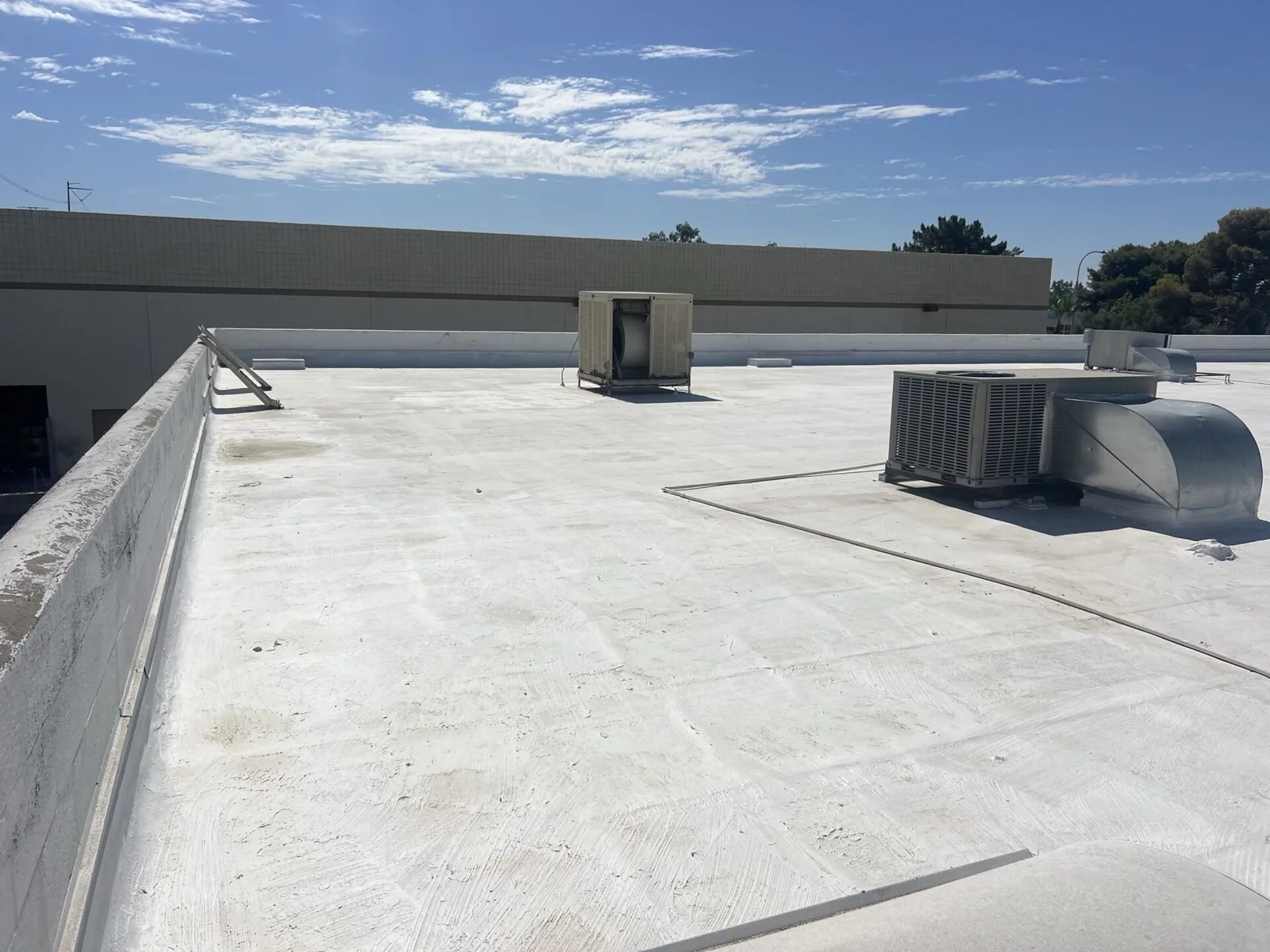
Commercial Hail Damage Roof Repair
Examine the covering beneath the impact mark
An indentation does not describe every layer's condition. We identify the roofing material and investigate suspect locations using a suitable method. A split, puncture or damaged reinforcement can require correction even where the surrounding surface appears largely intact. The examination should distinguish that defect from superficial change without a demonstrated loss of material suitability.
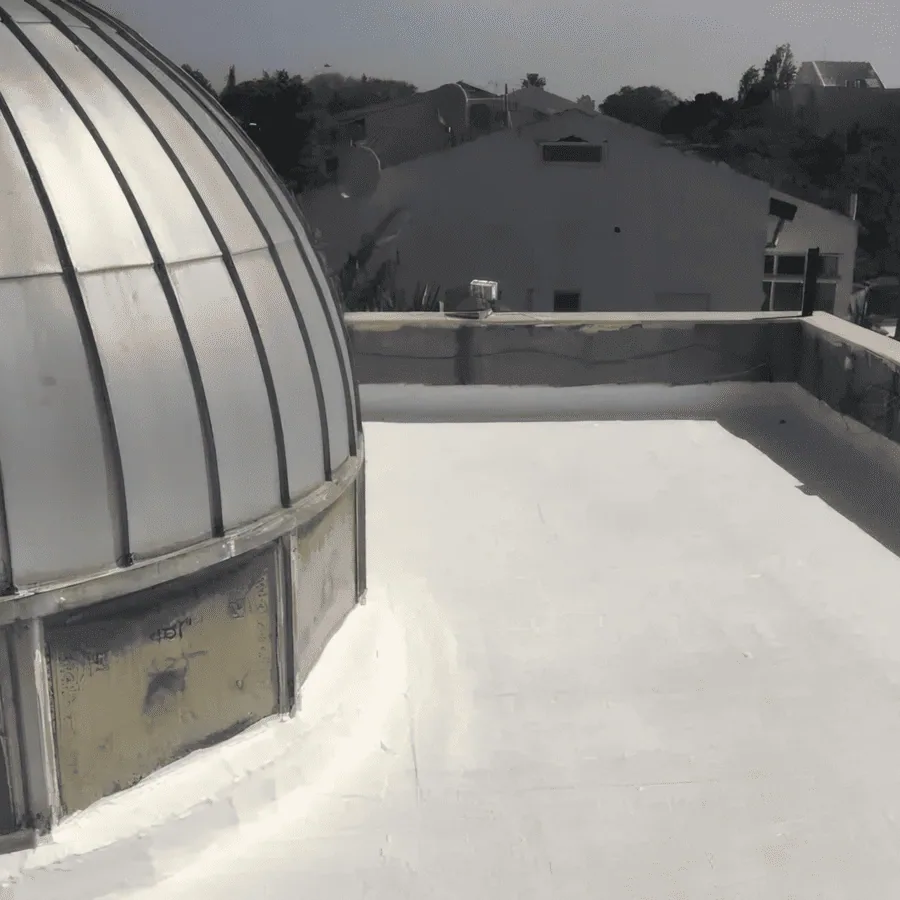
The current assembly determines how a repair can connect. Flexible sheet material, coated construction and metal panels have different preparation and closure requirements. We assess the retained interface before selecting replacement material. A localized correction for a confirmed opening needs suitable covering and support beyond the damaged point. Several findings may require a wider task if the intervening construction cannot receive practical repairs. The actual distribution matters. We locate findings on the roof rather than describing an entire section as damaged from one isolated observation. That map helps define removal, preparation and completed weather connections at the components requiring work.
Locate the impact defects before comparing repair approaches Arrange a hail-related roof assessment with visible damage locations and any changed interior symptoms available. We will examine the affected components and define practical correction boundaries.
Commercial Hail Damage Roof Repair
Check details that receive a different impact exposure
Raised curbs, flashing returns and metal transitions can present another condition from the horizontal field. We examine accessible connections, attachment and covering where impacts or displaced components indicate further attention. A dented metal surface and a torn weather seal require different decisions. The inspection should explain which observation establishes a repair need and what remains uncertain pending another suitable examination.
Equipment damage can also change a roof detail. Responsible equipment personnel may need to correct a bent or loose component before roofing is rebuilt around it. Repairing damaged weather connections at raised construction includes suitable support and retained boundaries. We coordinate access to the affected component and avoid concealing an unresolved interface. An apparently intact field does not close an opening beside equipment. Conversely, one damaged detail does not establish failure of every sheet. The correction follows the actual material and connection findings, with the installed assembly requirements guiding preparation and examination of the completed work.
Commercial Hail Damage Roof Repair
Investigate supporting layers where physical findings warrant removal
A covering defect can permit moisture into components beneath it. We investigate suspect layers where the observed condition and access justify further examination. The supporting construction must be suitable for the selected repair. Wet or unsound material may need removal before new roofing is installed. A surface patch cannot restore a concealed layer that no longer provides an appropriate repair substrate.
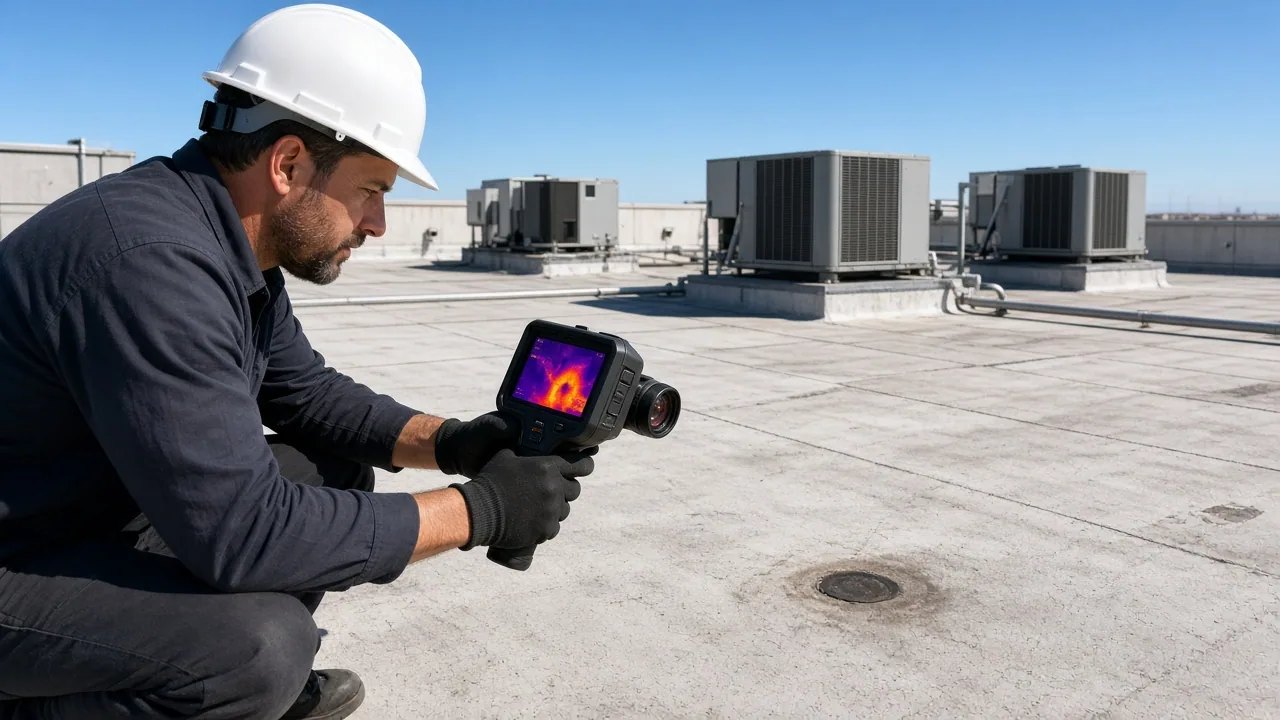
Thermal examination of suspected moisture distribution can direct attention to a layer needing investigation when inspection conditions are suitable. We evaluate the pattern within the assembly and confirm relevant material involvement through an appropriate method. The confirmed layer condition determines removal, not the thermal image alone. We locate the affected construction and practical connections to sound retained components. Specialist supporting assessment may be needed before rebuilding. Staff also need the opening area identified above occupied goods or equipment. The comparison then includes the concealed material requiring work as well as the covering and completed detail connection.
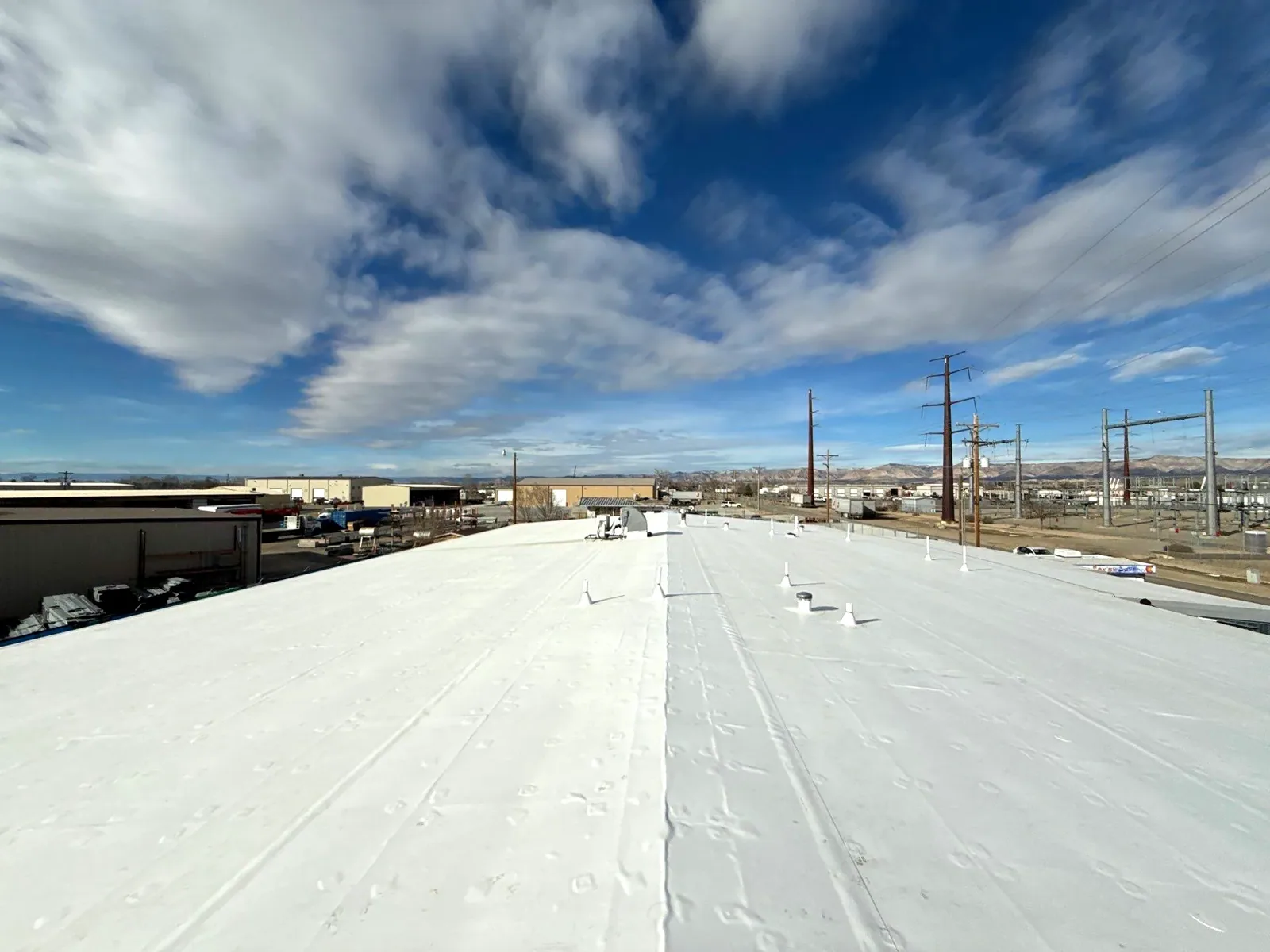
Commercial Hail Damage Roof Repair
Compare scattered repairs with an involved section's reconstruction
Several damaged points do not automatically require full replacement. Their spacing, material condition and supporting involvement affect the available correction. We assess whether compatible individual connections can be formed on suitable retained covering. Closely distributed defects or unsuitable adjoining construction may change that comparison. Each proposed approach needs a defined weather boundary and preparation task.
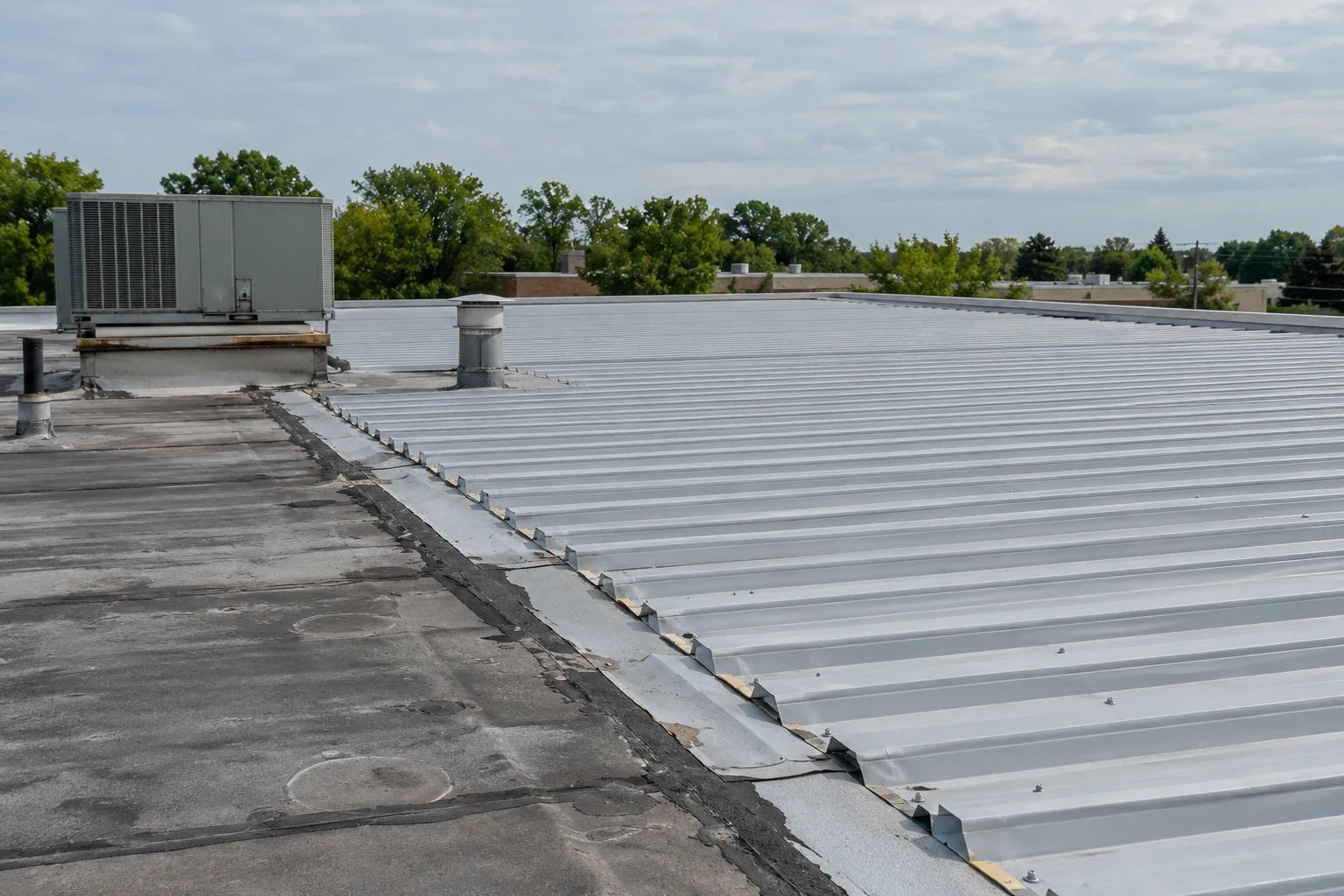
For construction over retained metal roofing, the existing panel and support condition influence suitability. A new overlying assembly does not remove the need to address unsuitable components underneath. We explain the material retained and the correction required before installation. Roof findings assembled for an insurance review should distinguish observed damage, investigated layers and proposed work. Coverage decisions belong to the responsible insurer. The roof recommendation should remain a construction assessment, with the scope stating the components actually repaired or rebuilt. That permits a useful comparison of material removal, access restrictions and completed weather details rather than a choice based only on the appearance of impact marks.
Commercial Hail Damage Roof Repair
Locate the rooms below each planned removal area
Scattered roof defects can place separate work areas above different building functions. We map the planned removal against the actual rooms and service routes. Staff identify contents requiring protection or relocation. The construction sequence should limit unsuitable exposure and keep the agreed routes available where practical. Weather and the condition exposed during removal can alter that sequence.
For repair above sales areas and stored merchandise, roof openings need coordination with the affected fixtures and stock. For material removal above warehouse storage, we identify the racks and goods below the task. Those arrangements should be specific to the affected roof area. Along the Pulliam Street corridor, responsible personnel establish the particular building's contents and operating needs. We distinguish an initial weather measure from finished correction. Staff should know which defect remains open to further work and when another assessment is needed, without assuming a temporary surface treatment completes every damaged component.
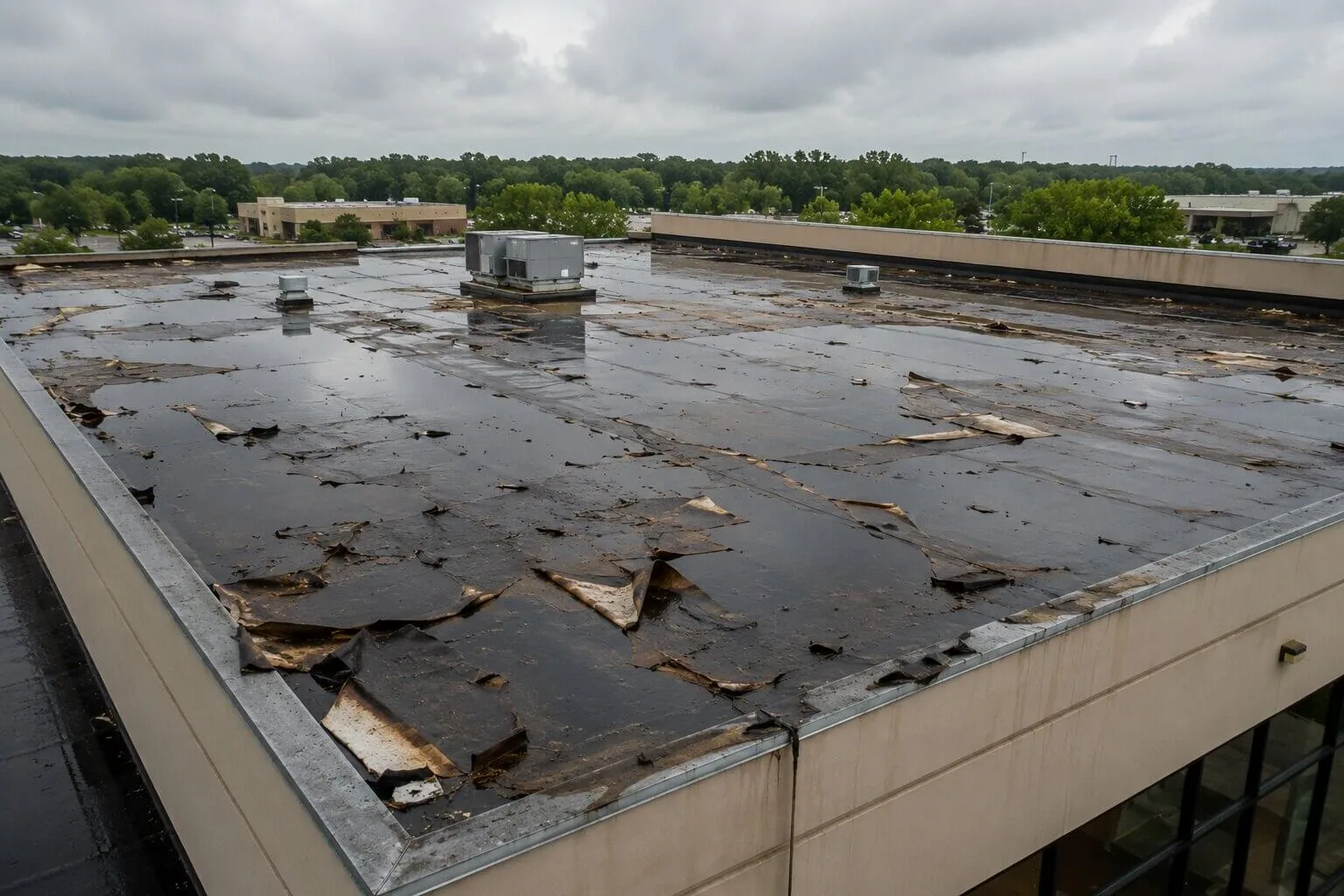
Commercial Hail Damage Roof Repair
Record the corrected impact locations and remaining findings
Completed repairs receive examination appropriate to the installed material. We locate the corrected covering, details and supporting work. Findings that require further investigation remain separate from finished tasks. The record should explain the actual repair boundary, particularly where several isolated locations received work across a larger retained roof.
Later symptoms need their own physical assessment. A subsequent equipment visit or another impact can affect a different component. Staff can provide the location and timing of the change, along with relevant service activity. We compare those observations with the current assembly and accessible conditions. The earlier hail repair should not imply that unaffected sections received new construction. Clear location records let the next inspection begin at the relevant interface while keeping its recommendation based on present findings. The next work area and occupied-space restrictions follow the correction actually required.
Questions and answers
Questions About Commercial Hail Damage Roof Repair
Does a visible hail mark establish that the covering needs replacement?
Examine material condition before assigning a construction task. Some marks can be superficial, while a fracture or opening needs correction. We investigate suspect covering and relevant supporting layers. The recommendation identifies demonstrated defects and suitable retained material, so a roof section is not condemned solely from its surface appearance.
Can separate impact openings receive individual repairs?
Assess their distribution and the retained interface. Compatible localized repairs may be practical where adjoining material and support remain suitable. Closely spaced defects or wider concealed involvement can change the scope. We define the connection and preparation needs for the actual roof, with occupied-space protection located beneath each planned removal.
Why include rooftop equipment connections in a hail inspection?
Raised components can present damaged seals or displaced metal even where nearby field material remains covered. We examine the relevant weather details and attachment. Equipment personnel may need to correct their component first. The roofing connection then receives compatible preparation and rebuilding against suitable construction.
What separates an infrared pattern from a confirmed damaged roof layer?
Interpret thermal observations within the assembly and inspection conditions. A pattern can guide further investigation but does not alone identify every material defect. We use suitable confirmation where needed. The resulting scope locates affected layers and repair boundaries before their condition is concealed beneath new roofing.
How are impact openings assessed beside previously deteriorated covering?
Examine the suspect mark together with the adjoining material and seam condition. An opening may need correction while nearby weathered construction affects the suitable repair boundary. We investigate support where findings warrant further access. The selected method needs sound retained material and compatible preparation, with unsound layers corrected before the weather connection is completed.