Commercial Roof Insulation and Cover Board in San Angelo, TX
Commercial Roofing Services
Commercial Roof Insulation and Cover Board at a Glance
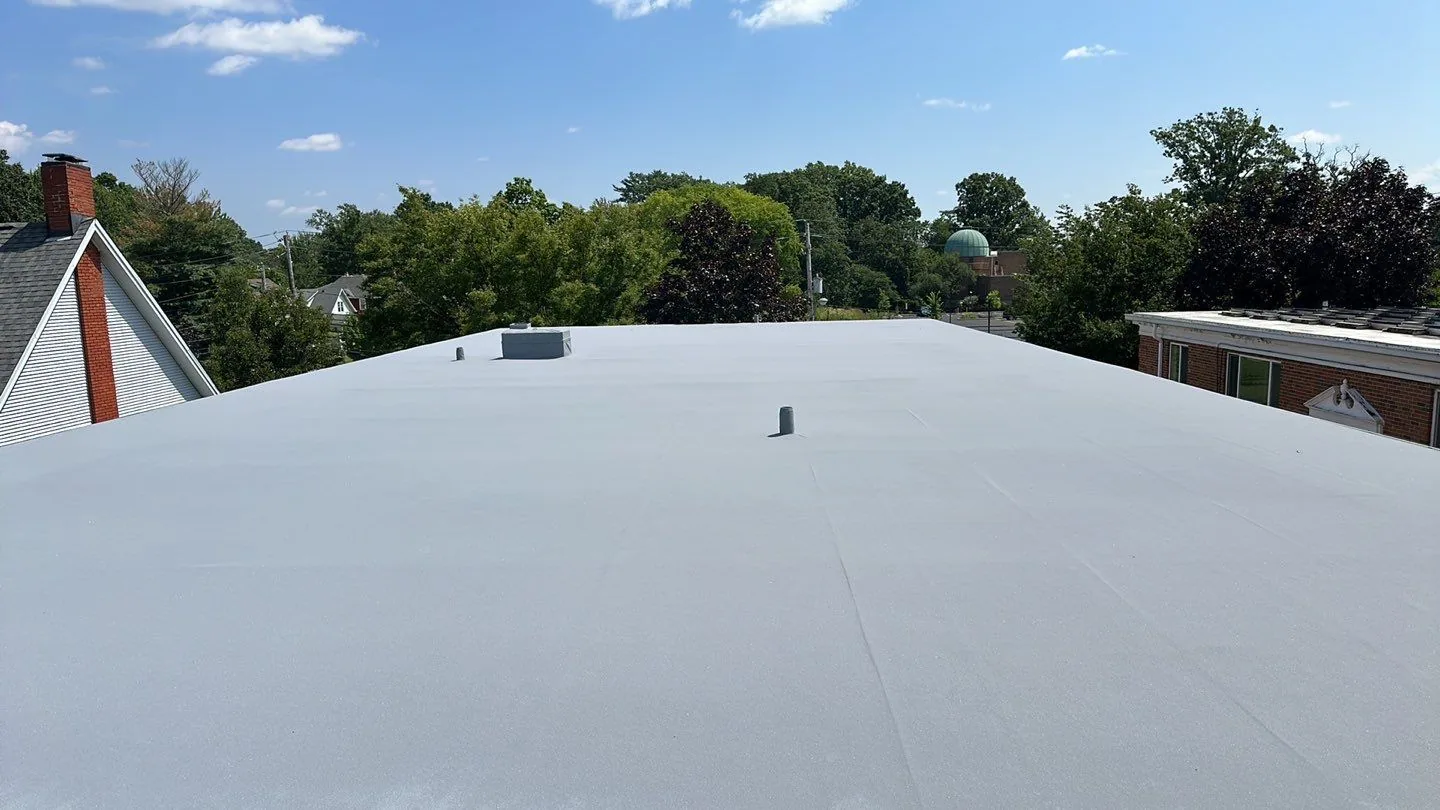
Gaps between insulation boards interrupt the roof's thermal continuity. Uneven edges can also leave the membrane with an irregular supporting surface. Insulation and cover-board work in San Angelo, TX examines both functions. We identify the existing layers and the condition they retain. Replacement needs a suitable thermal assembly and a stable base for roofing. Those choices should be considered together before material is ordered.
Commercial Roofers San Angelo installs and repairs insulation, tapered components and cover board. Wall contains ginning, grain-storage and farm-supply operations. Roof work for an occupied agricultural business needs its material and equipment routes understood. The insulation scope also affects the time the deck remains exposed. Replacement assembly planning connects those layer choices with the building's roof details and construction schedule.
Commercial Roof Insulation and Cover Board
Build thermal resistance through connected layers
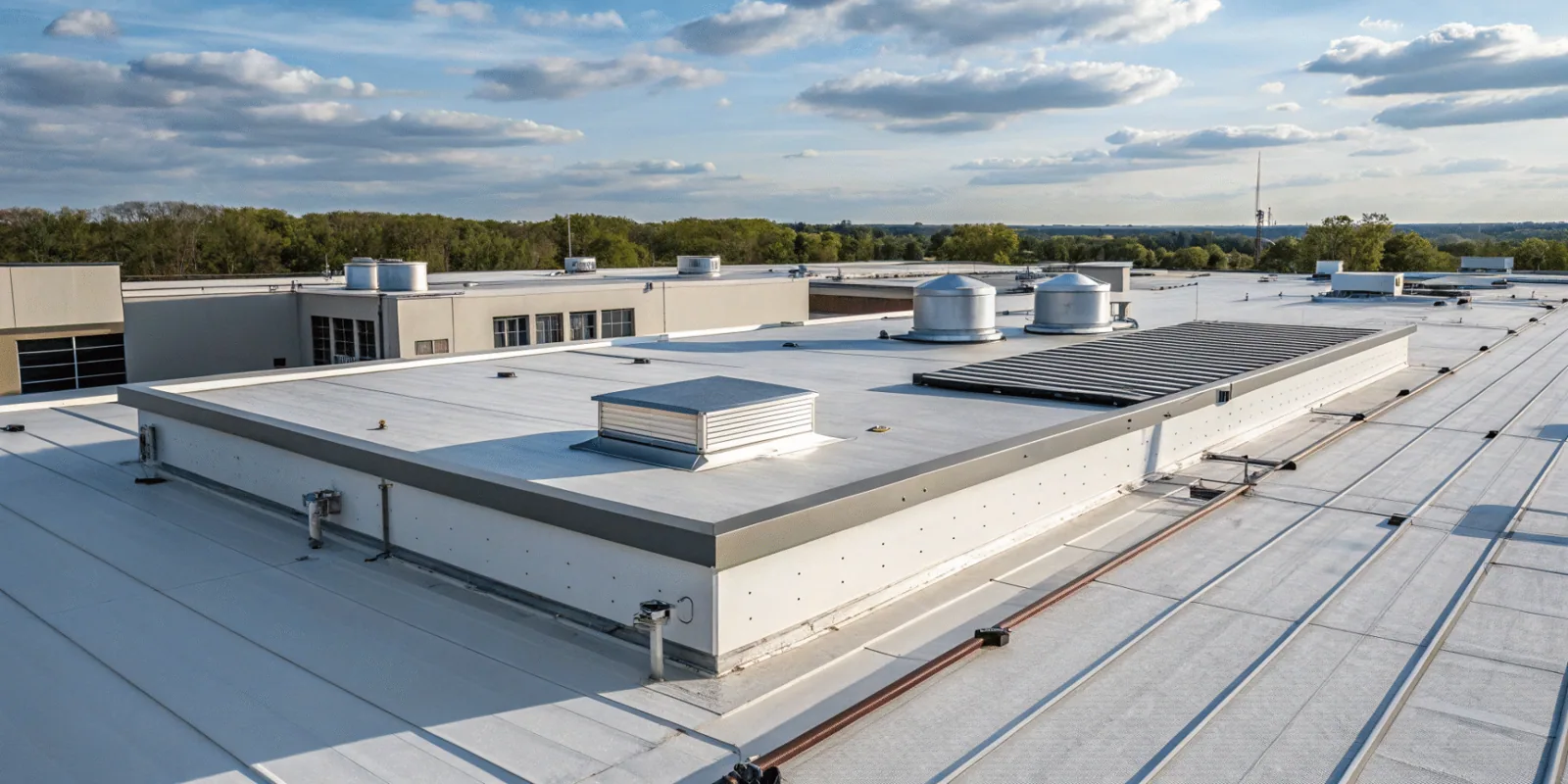
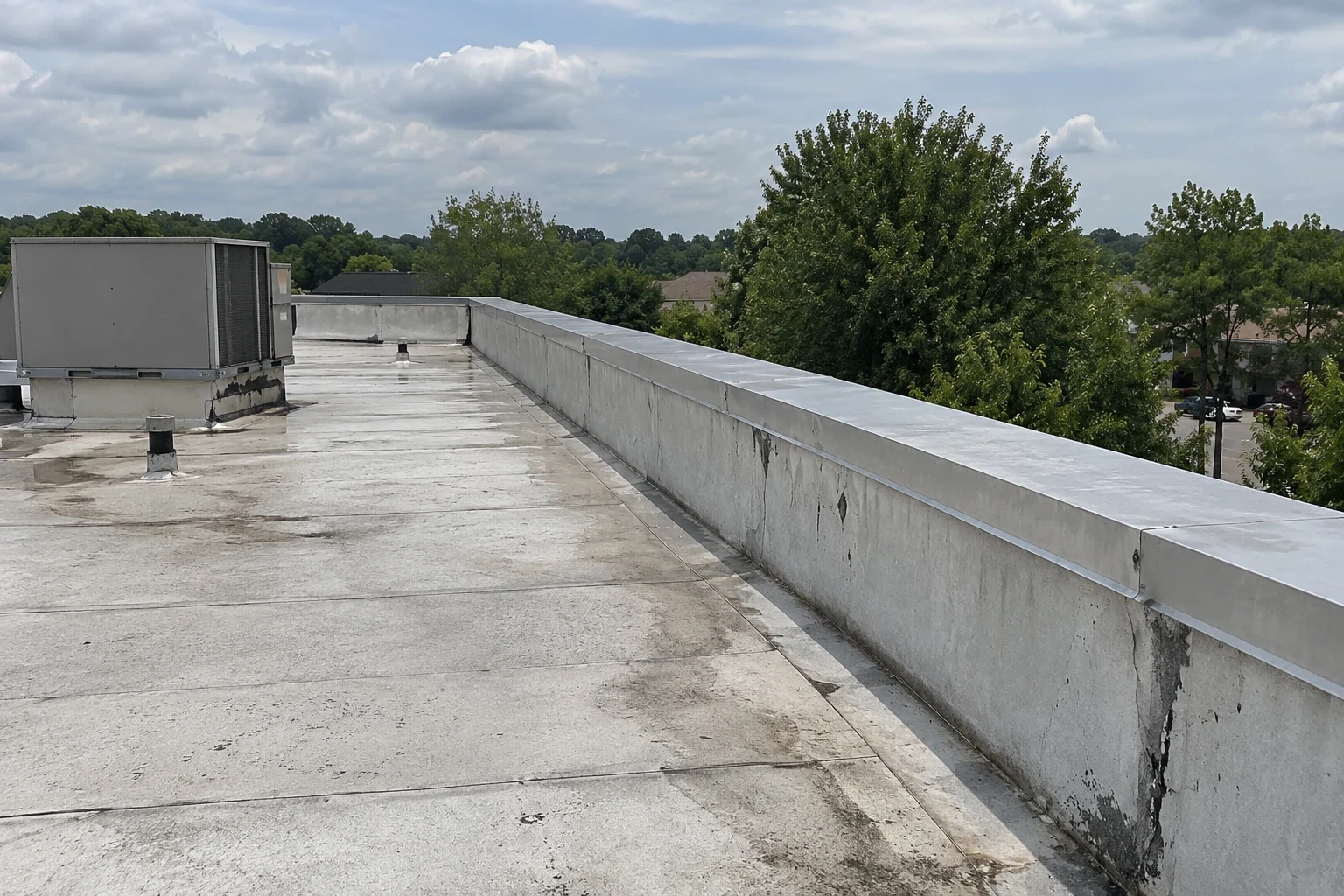
A thicker board does not resolve an open joint beside it. The assembly needs continuous placement and details suited to its design. We examine board layout and the relationship between successive layers. Staggering joints can help avoid continuous gaps through the assembly. The specified attachment method and roof configuration influence that layout. Perimeter and penetration details must account for the insulation thickness installed.
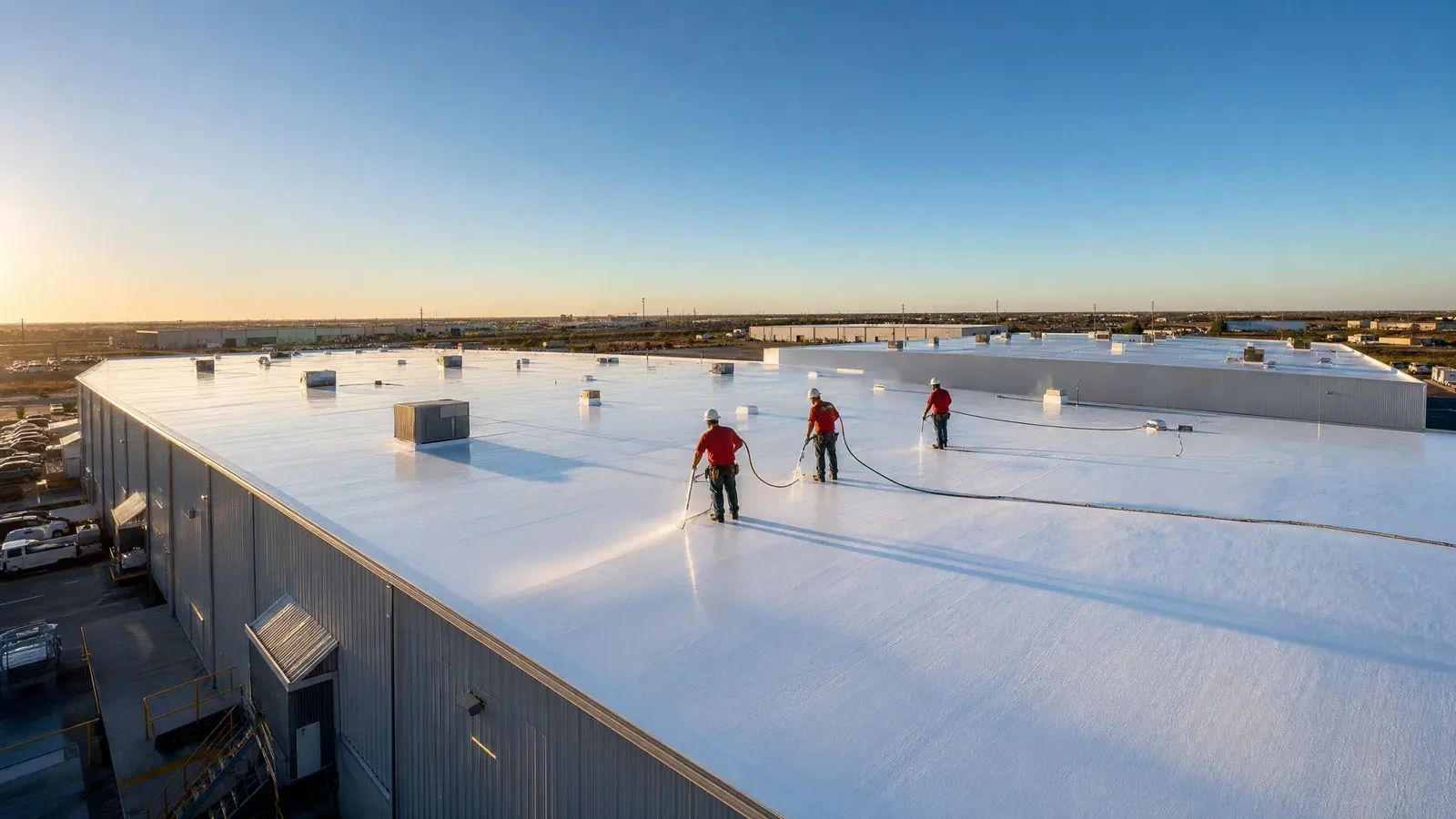
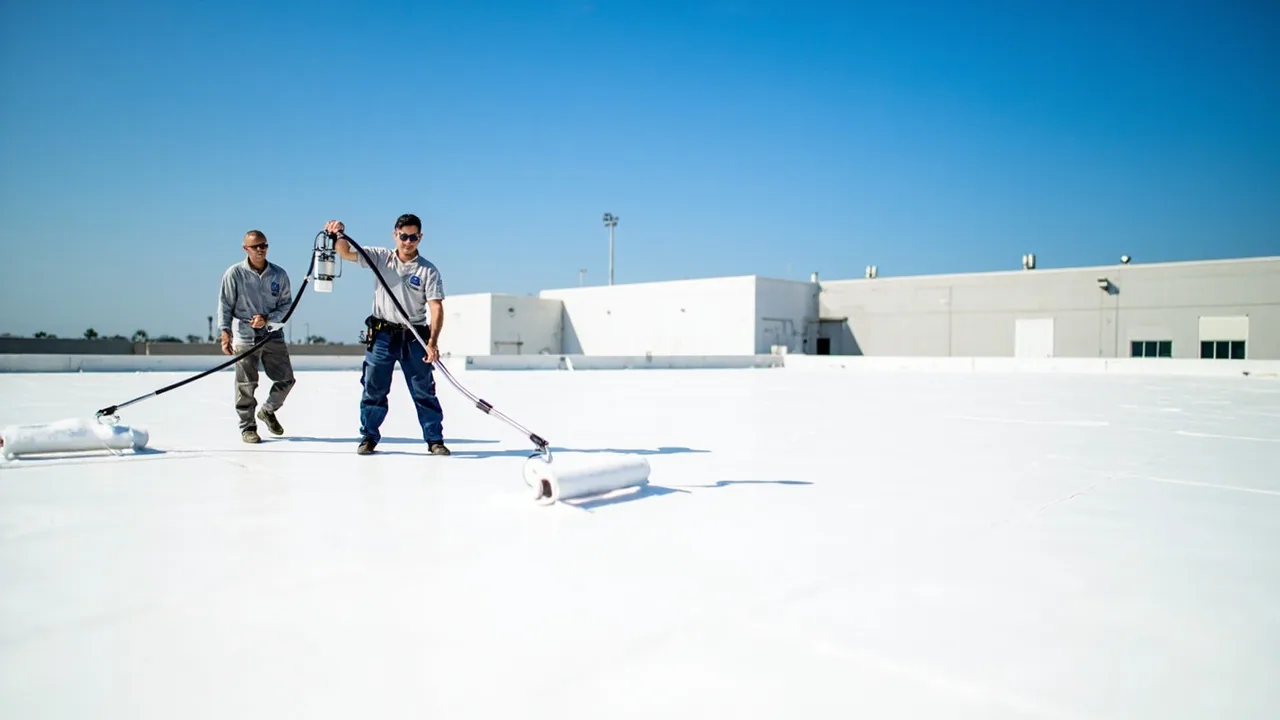
San Angelo's normal July daily highs run from 96 to 99 F. Thermal resistance and surface exposure therefore matter during assembly selection. Reflective surfacing and insulation perform different functions on the roof. A reflective roof installation changes surface behavior while insulation controls heat transfer through the assembly. We compare both with the building requirements rather than assigning a savings figure. Roof replacement also needs review against applicable energy provisions. The proposed construction should identify the insulation used and how its continuity will be maintained at details and transitions.
Establish the layers and their drainage geometry Request an insulation assessment with roof drawings and planned equipment changes available. We will examine retained material and the board layout needed for the proposed assembly.
Commercial Roof Insulation and Cover Board
Select the support the membrane will rest on
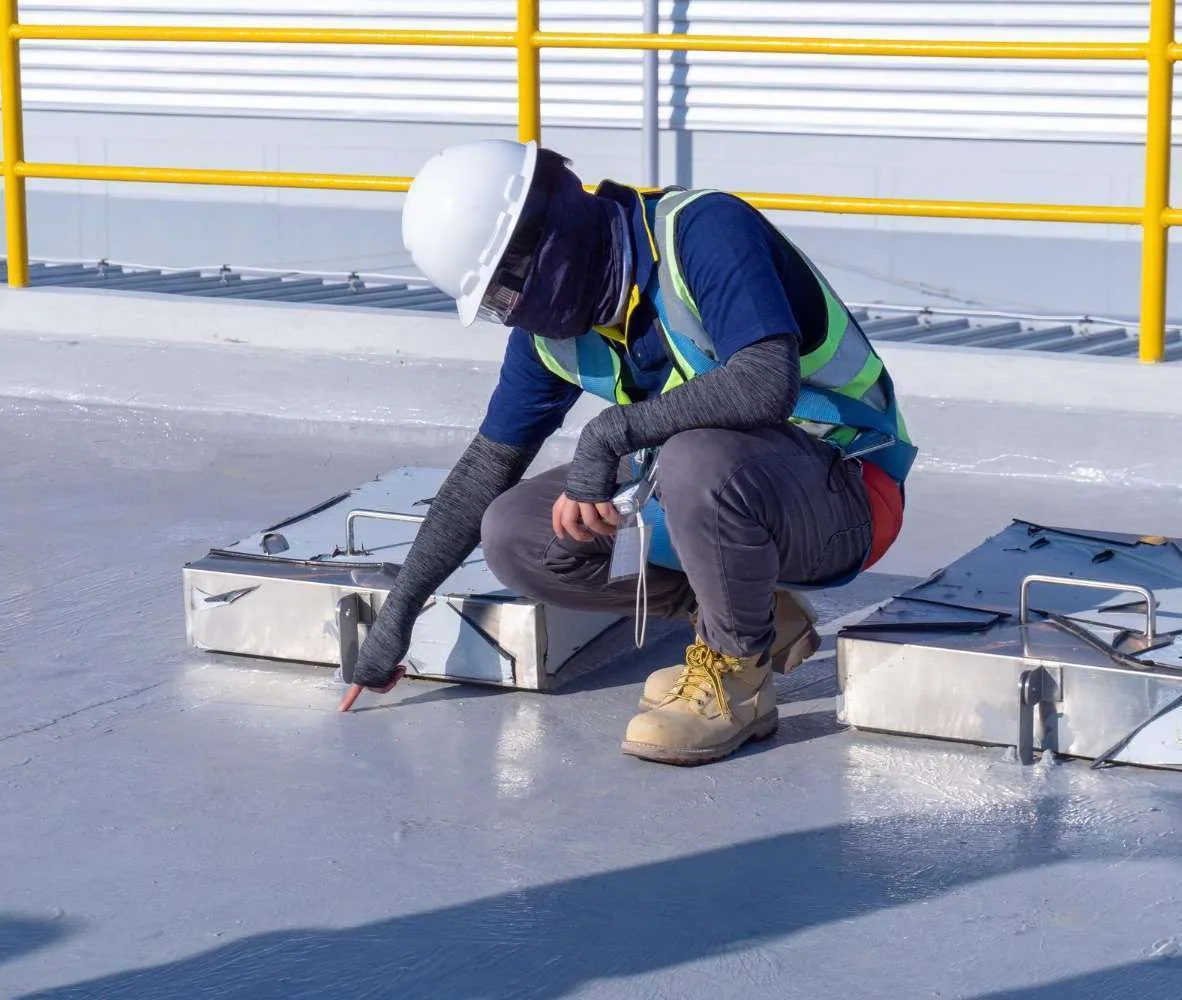
Cover board provides a surface between roofing material and underlying insulation. The specified type can influence impact resistance, fire classification and installation methods. It does not replace the structural function of the deck. We select it as part of a compatible roof assembly. Membrane attachment and adhesive requirements must suit the chosen board. Damaged or unsuitable support should not remain hidden beneath a new sheet.
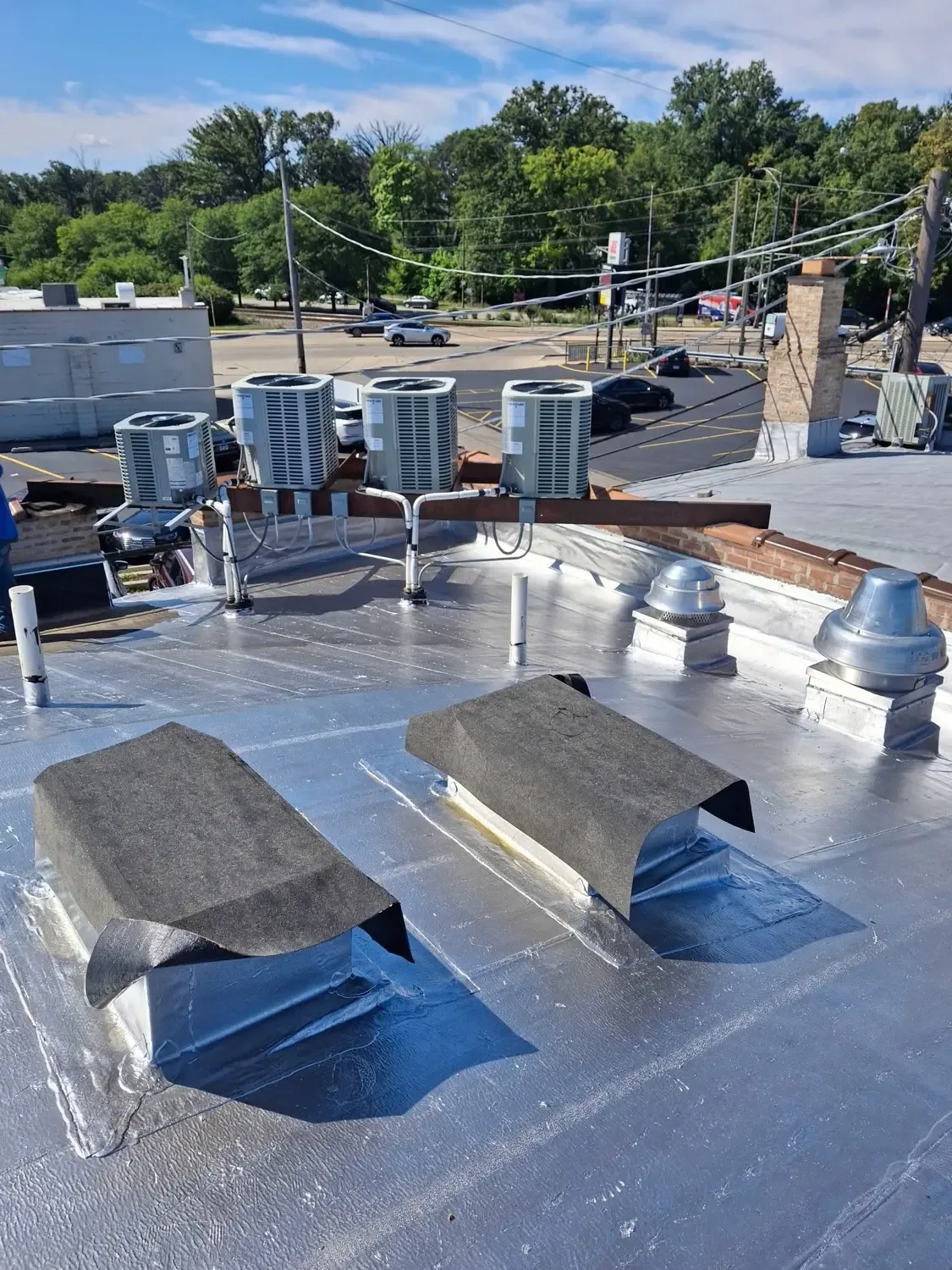
Rooftop equipment service can place concentrated traffic on selected areas. The assembly needs assessment against that expected use. A suitable cover board can help protect softer insulation beneath it. Service paths may still need additional protection appropriate to the membrane. TPO assemblies with supporting board require the board and attachment to meet their system detail. We check compatibility rather than selecting a rigid panel by appearance alone. The roofing layers must work as an assembly, including their bond or mechanical connection to the deck below.
Commercial Roof Insulation and Cover Board
Plan taper from the collection point outward
A tapered system starts with the route water needs to follow. We assess drain positions, equipment obstructions and existing roof geometry. The layout must deliver runoff into collection areas rather than another depression. Crickets can split flow behind a curb where suitable space exists. Their geometry needs coordination with the rest of the tapered field. Local buildup can change the flashing height available at that obstruction.
Drain and scupper elevations should be reviewed with the insulation layout. Raising the field without adjusting an unsuitable outlet can preserve a retaining lip. Thresholds, wall terminations and curbs also require measurement against the finished surface. The taper plan should identify those interfaces before installation reaches them. Attachment must remain suitable through changes in board thickness. We coordinate the outlet and flashing corrections in the same construction sequence. That allows the new slope to function through its final connection, not stop short at an existing detail left in the wrong position.
Commercial Roof Insulation and Cover Board
Determine which concealed material remains serviceable
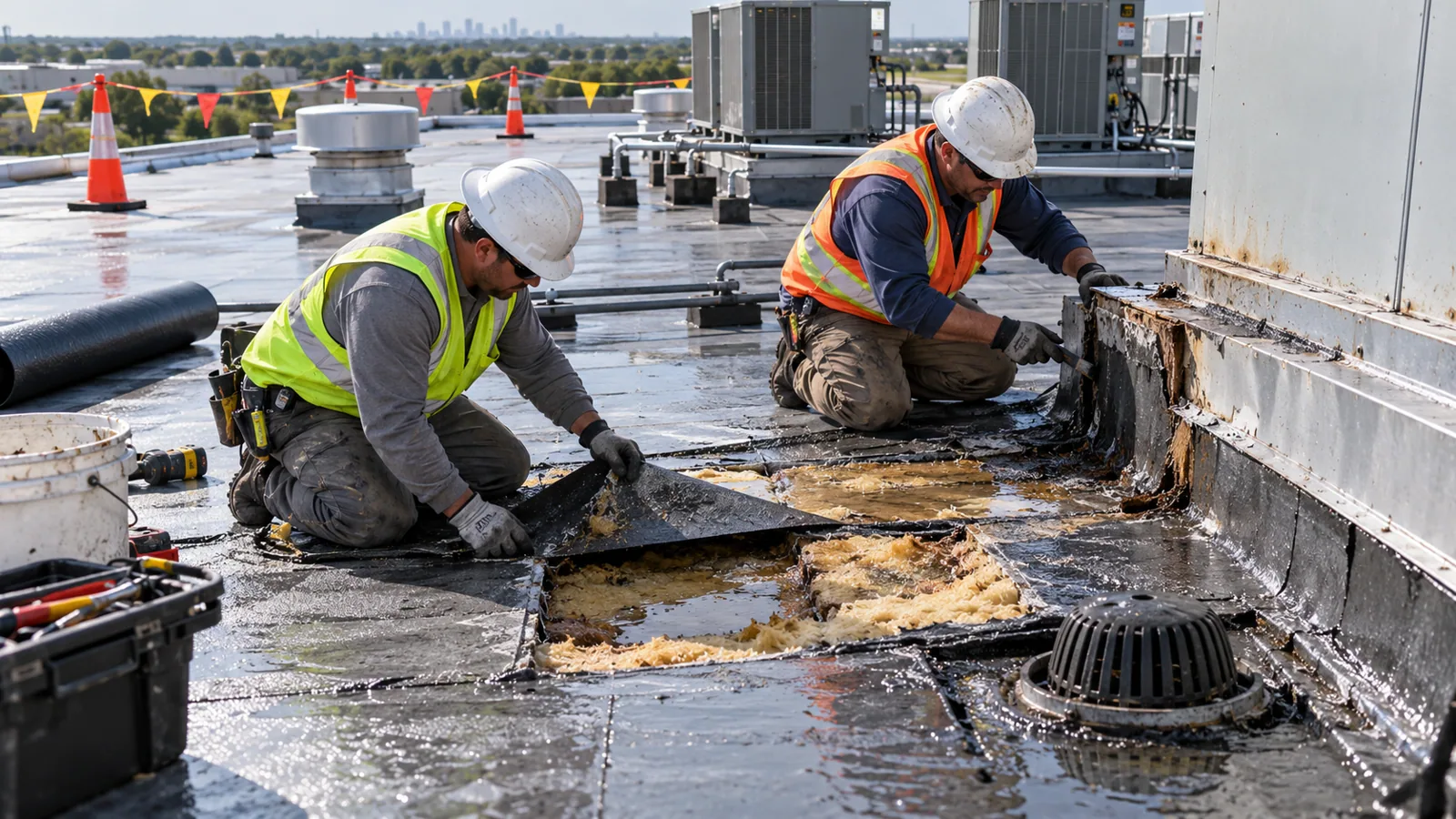
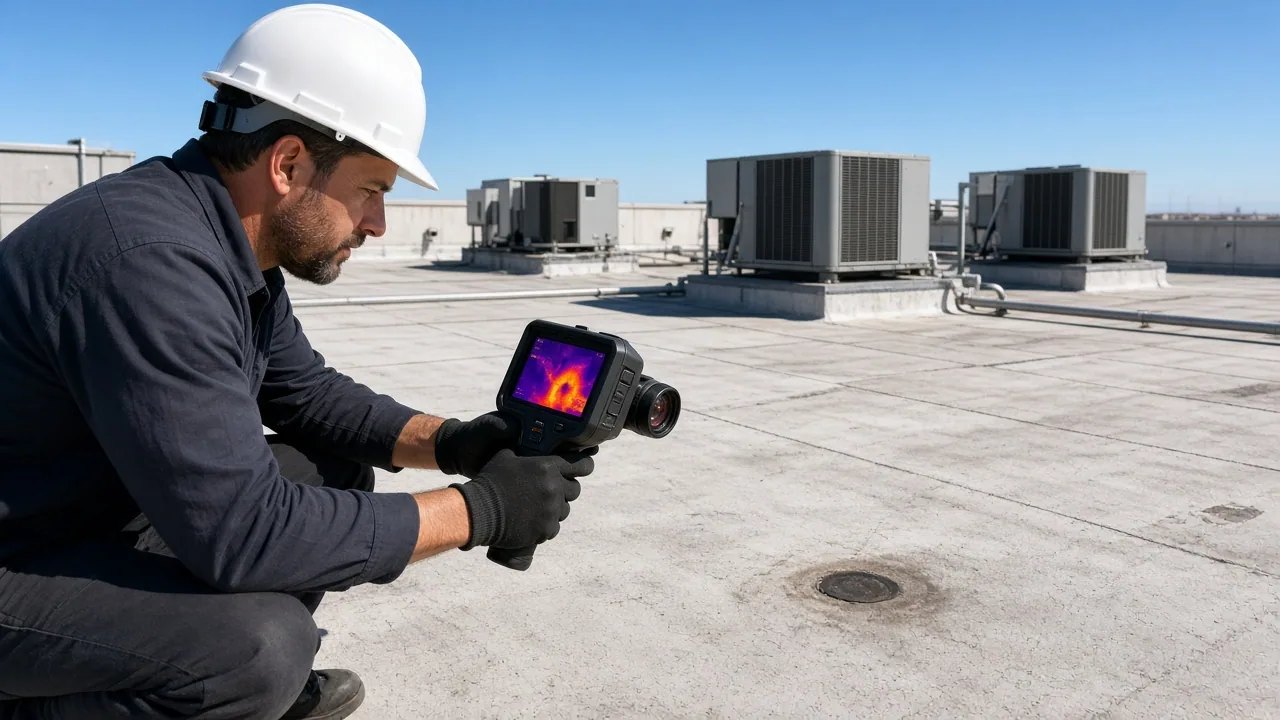
A dry membrane can cover insulation that absorbed water during an earlier leak. Selected cuts establish the layer condition beneath the surface. We examine moisture, strength and the supporting material at those positions. Different roof sections may contain different insulation types or thicknesses. Testing needs to account for those changes. Retention decisions should follow actual material condition rather than a uniform assumption across the building.
A confirmed roof moisture map can guide removal where the affected extent is unclear. Wet or deteriorated boards require a boundary reaching suitable adjoining material. Replacement thickness must restore the intended surface level and drain gradient. A mismatched patch can leave a depression even after the damaged insulation is removed. We assess the supporting deck during exposure and identify any separate repair needed. Moisture correction should therefore return both material integrity and the geometry required for the membrane above, rather than treating a new board as the end of the investigation.
Commercial Roof Insulation and Cover Board
Connect each layer to a suitable deck
A long fastener still needs reliable holding material beneath the insulation. We identify deck type and assess visible deterioration during the investigation. Mechanical attachment can require testing and a specified fastening layout. An adhered approach requires suitable contact, preparation and material compatibility. Each layer contributes to the assembly's load path. Loose existing material can interrupt that path even when the newly installed board appears secure.
Deck concerns can require structural review before insulation conceals the affected area. We identify those positions and plan their assessment before installation proceeds. The roof section remains subject to appropriate access and protection measures. For a recover over retained roofing, fastening and bond decisions include every underlying layer left in service. Retaining uncertain attachment can carry movement into the new assembly. The manager needs that construction issue resolved before comparing material choices. Board thickness and surface finish alone do not establish whether the completed roof will have a suitable connection below.
Commercial Roof Insulation and Cover Board
Control exposure while rebuilding the supporting layers
Veribest has an operating school district serving the community. Roof-layer replacement for an educational building needs rooms and access routes identified. Removal above an occupied area requires coordinated protection for dust and weather. We limit exposure to the area that can receive suitable closure. Material staging should not interfere with the building's agreed circulation routes. Equipment trades need notice where changing roof height affects their connections.
For buildings storing goods beneath the roof, exposed deck work can impose separate restrictions on stock handling. We establish those limits before removing insulation. Agricultural operations in Wall need their actual building use assessed against the proposed sequence. Installed board is checked for fit, attachment and damaged edges before membrane placement. Loose debris between layers must be removed rather than concealed. The completed roof then has an identifiable assembly, with its drainage transitions and equipment clearances checked against the finished construction.
Questions and answers
Questions About Commercial Roof Insulation and Cover Board
Does increasing board thickness resolve heat-transfer problems by itself?
Thickness is one part of the thermal assembly. Board continuity, joints and detail construction also affect performance. We assess the proposed insulation against building requirements and the complete roof design. The selected layout must remain continuous at transitions rather than leaving gaps beside thicker boards that undermine the intended thermal resistance.
Can cover board compensate for a damaged deck?
Deck deterioration requires assessment and appropriate repair before the roof layers are installed. Cover board serves a different function above the structural support. We identify the damaged area during investigation or exposure. The attachment and replacement sequence must then account for the deck correction rather than concealing its condition beneath a rigid panel.
Will tapered insulation require changing the existing drains?
The finished approach needs measurement against each collection fitting. Some outlets may require adjustment to avoid retaining water beside the flange. We also assess curb and threshold clearances. Tapered material is useful only when its flow route connects properly with the outlet and the other details affected by the height change.
Should dry-looking insulation remain during a recover?
Its concealed moisture, strength and attachment need evaluation before retention. Test cuts establish the condition at selected positions. Additional checks may be needed where assembly or damage patterns vary. We retain material only where the proposed roof construction and project requirements allow it, rather than using surface appearance as the deciding condition.
How can insulation replacement affect equipment servicing?
Added thickness can reduce flashing room and change the height beside supports or curbs. We measure those interfaces before ordering the assembly. The equipment trade may need to alter a connection or support. Coordinating that work helps preserve service access while keeping the completed roof detail clear of unintended equipment loads.