Commercial Roofing for General Contractors in San Angelo, TX
Industries We Serve
General Contractors at a Glance
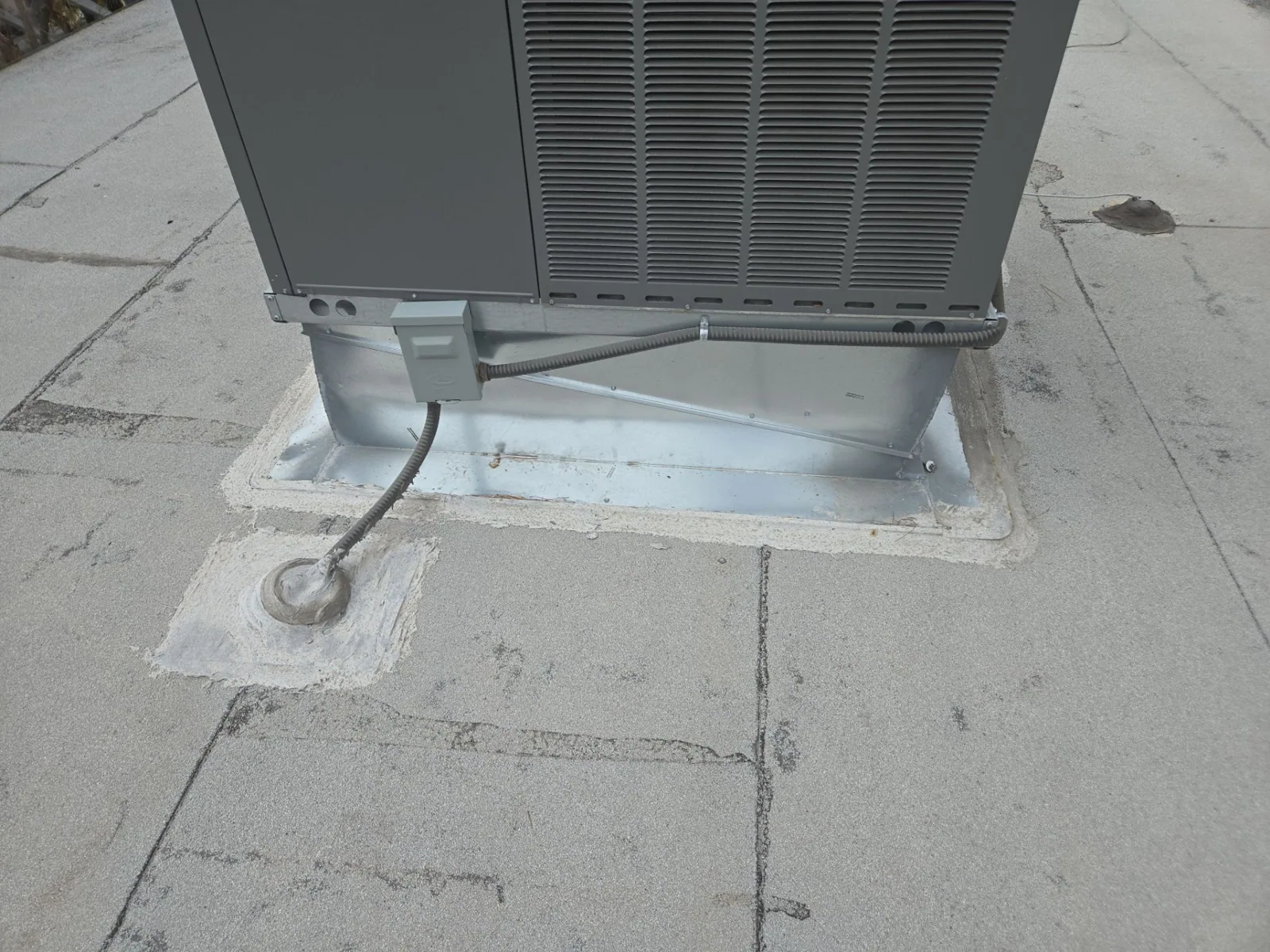
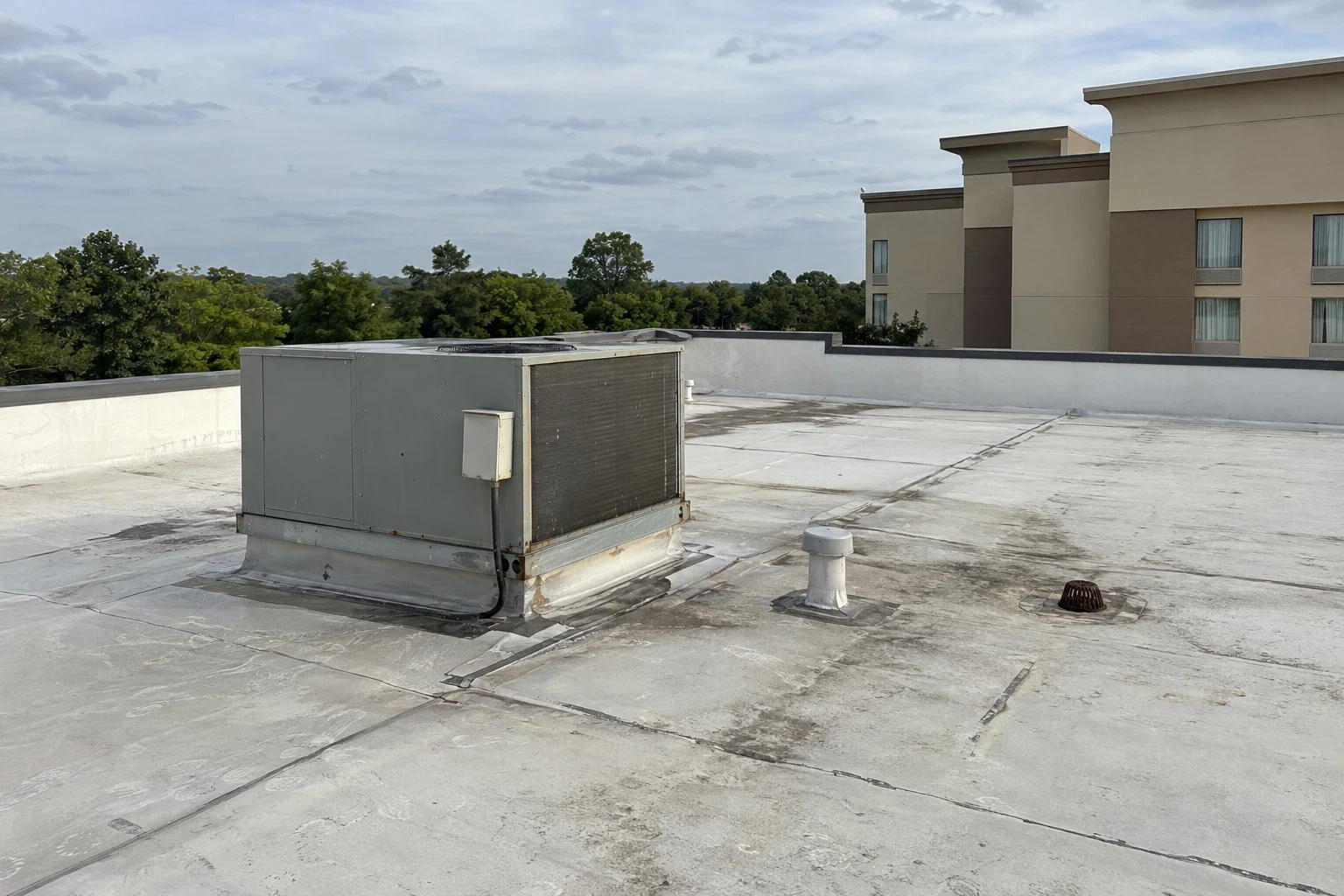
A new curb set across a drain path can change the reroofing scope. Its position and finished height need examination before the roof connection is built. Commercial roofing for general contractors in San Angelo, TX follows the actual support, surface profile and equipment interface. We assess the covering arrangement and identify the detail requirements. The weather connection should fit the resolved construction rather than compensate for unsuitable placement after installation.
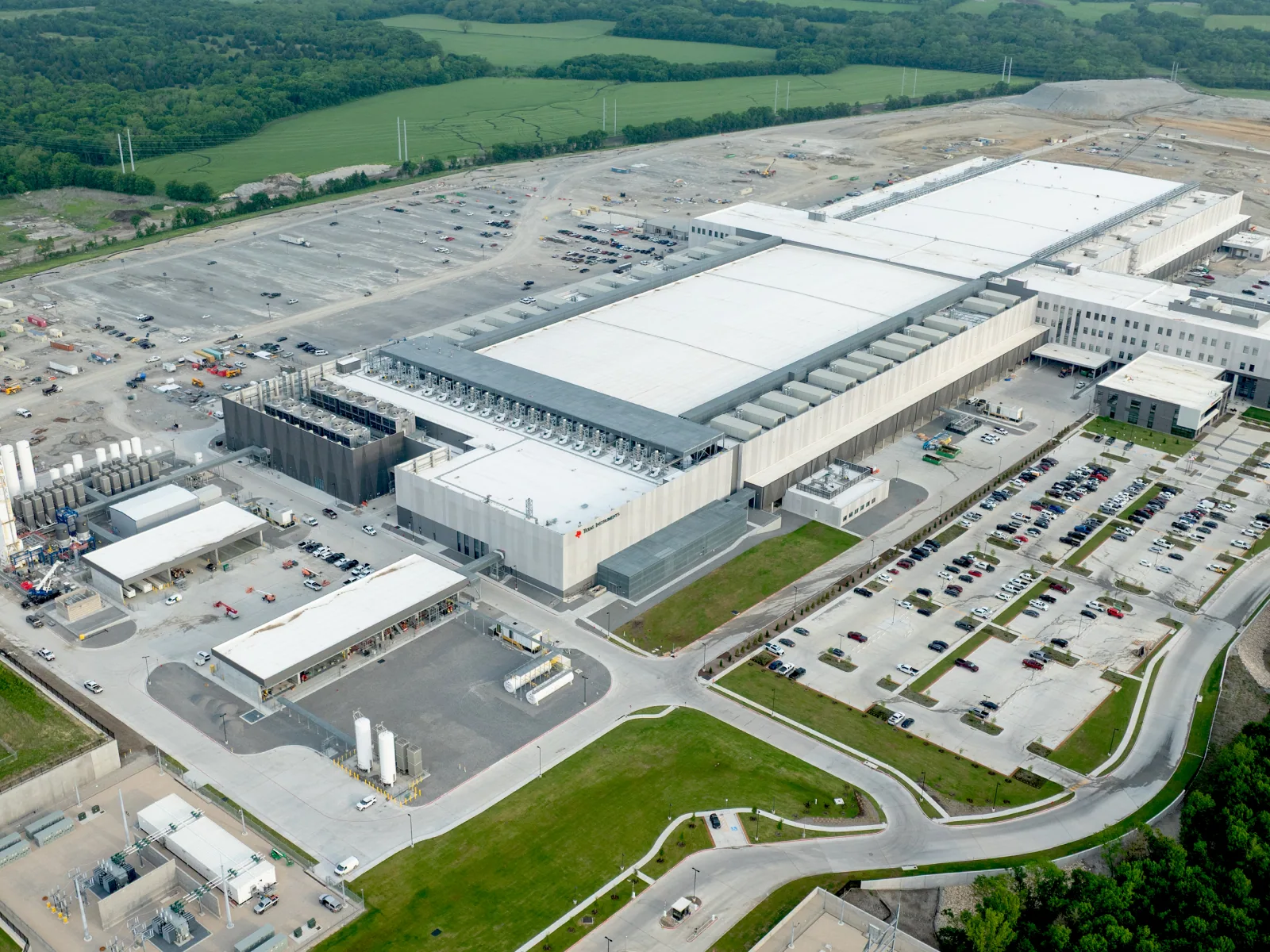
Construction-equipment, manufacturing and transport operations occupy the San Angelo Business & Industrial Park. Commercial projects around those uses need their actual service and material routes established. College Hills Boulevard rehabilitation from Loop 306 to Avenue N was completed in 2025. For roof tasks using that corridor, we examine the actual delivery approach before material access is scheduled. Commercial Roofers San Angelo provides commercial roofing installation, replacement and repair. Assessment of proposed roof curbs and support interfaces defines the roofing access and construction needed. We coordinate the relevant tasks with project personnel before another component blocks preparation or closure of the weather detail.
General Contractors
Measure the curb interface against the intended roof profile
A curb connection depends on the supporting construction and surrounding assembly thickness. We examine its actual position and accessible dimensions. The selected roof needs sufficient height and compatible detail geometry. Added insulation can change that relationship. The equipment and design personnel establish their support and service requirements. The roofing detail must meet them without obstructing the intended water route.
Assessment of outlets beside changed roof construction identifies the receiving surface and relevant discharge arrangement. A curb can require a suitable water-diversion detail where the system and layout call for it. The proposed shape should preserve access to the membrane connection. We identify supporting and preparation work before the equipment is placed. A finished roof detail can become inaccessible beneath an installed component, requiring another coordinated task to reach it. The practical sequence should address that access in advance. That lets the project establish the supporting construction and drainage profile before the weather connection is completed at the actual equipment interface.
Define the project roof interface before equipment placement Arrange a coordination review with proposed curbs, retained roof boundaries and trade access requirements ready. We will identify the roofing preparation and sequence needed to complete the actual weather connection.
General Contractors
Assign the supporting and weatherproofing tasks in the construction sequence
A roof penetration can involve structural, mechanical and roofing components. We identify the weather detail and supporting condition relevant to our task. Responsible trades establish equipment, attachment and service requirements. The sequence needs those interfaces defined before removal or installation proceeds. A new roof surface cannot resolve a support issue that remains outside the weatherproofing work.
For roof construction serving production equipment, coordinate the service restriction needed to reach the connection. Material removal and equipment access can affect separate parts of the occupied operation. Roof work for public-agency building projects also requires delivery and visitor routes located against the construction stage. We define the roofing preparation and closure requirements for the actual interface. Another trade's completion may be needed before compatible weather material can be installed. That order should be clear in the project scope, so the roof connection is not concealed beneath equipment or finish work before its supporting correction and accessible examination are complete.
General Contractors
Investigate the existing layers at the new work boundary
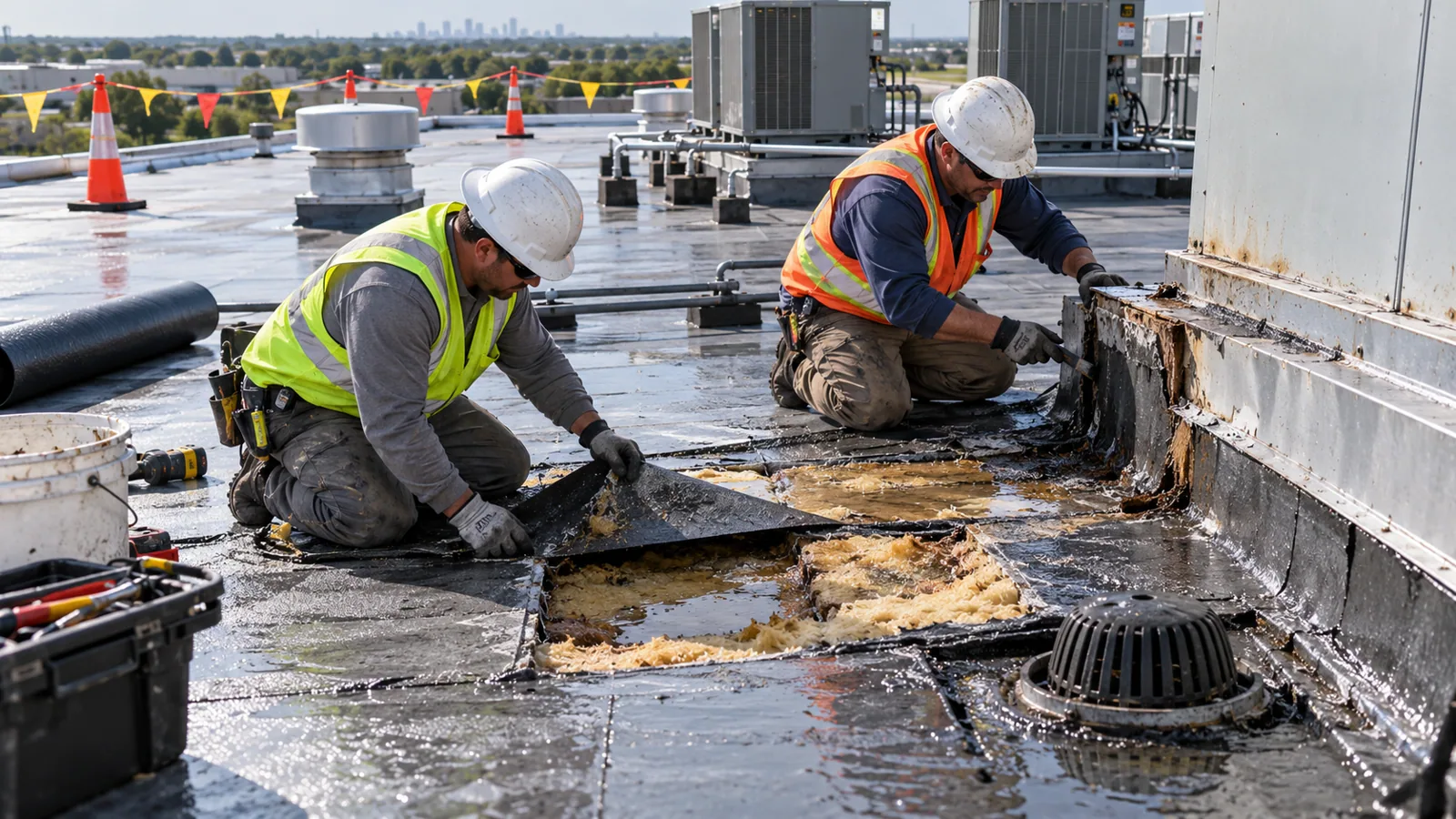
An alteration can meet older covering, patch material or damaged support. We identify the retained components and assess a suitable connection boundary. Suspected moisture or deterioration requires appropriate investigation. The new detail must join sound material using compatible preparation. An apparently closed old patch does not establish that the underlying construction can accept the proposed attachment or covering.
Examination of retained construction beside roof alterations directs verification where indicated. We define material requiring removal and supporting correction. A limited new-work boundary can remain practical when the adjoining assembly is serviceable. Wider involvement changes the access and closure task. Planning replacement at an involved roof section should identify those construction requirements before the stage is selected. Project personnel can then coordinate the affected room and equipment. The new weather assembly needs appropriate support and detail height, so the scope should include the physical work needed at its retained boundary rather than assume new covering can simply extend over an unexamined alteration.
General Contractors
Fit the selected system to preparation and work-access requirements
Each roof system has particular material, support and connection requirements. We assess the actual option against the project construction. Suitable preparation and installation conditions must be provided. Access should permit completion of seams and details, not only placement of field material. The construction period needs time for those tasks and the examination required before the connection is closed or obstructed.
TPO field and detail installation requirements guide appropriate preparation and compatible connections for the selected products. Other assemblies require their own assessment. We identify material handling and supporting corrections relevant to the actual system. Project sequencing should preserve access where another task would cover a seam or termination. A delivery gap alone does not define a suitable installation period. The roofing scope should state the work needed before equipment placement or another finish proceeds. That makes the practical order specific to the assembly and detail being installed, with adequate room and time to build the intended weather connection on the resolved support.
General Contractors
Examine the completed connection before adjoining work resumes
A finished roof detail needs examination at accessible edges, seams and transitions. We check the construction using the installed system requirements. Drainage should remain functional beside the new component. Temporary closure and incomplete supporting work must be distinguished from finished roofing. Another trade should have a defined access arrangement that protects the completed material.
For project roof work in the San Angelo Business & Industrial Park, responsible personnel establish actual material routes and occupied restrictions. Reports locating roof findings and completed project connections identify the relevant construction boundaries. A later equipment change needs assessment at its actual support and penetration. The completed description can help locate those components without treating every retained roof section as renewed. The next construction stage should have its weather interface and required access defined independently. Clear boundaries keep the roof task connected to present material findings, with appropriate preparation and examination before adjoining work changes or obscures the completed connection.
Questions and answers
Questions About General Contractors
Why review a new curb location before completing the surrounding roof?
Measure its relationship to the intended profile, drainage and detail height. Equipment and design personnel establish support and service requirements. We assess the compatible roofing connection and access needed. Suitable placement should allow the weather detail to be completed properly, without relying on an improvised surface correction after the installed component restricts preparation or water movement.
Which trade interfaces should be defined at an equipment roof penetration?
Identify supporting construction, equipment requirements and the weather connection separately. Responsible personnel establish the applicable service and attachment arrangements. We define roofing preparation and closure needs. The project sequence should make clear what must be completed first, so a new membrane is not expected to compensate for unresolved support or blocked detail access beneath the equipment.
Can new roofing simply extend over an old alteration at the project boundary?
Examine the retained material and supporting condition before selecting the join. Previous patches can conceal incompatible or deteriorated components. We investigate suspect layers and define a suitable boundary. The completed connection should meet the actual system requirements, with supporting correction included where needed rather than assuming an exposed old closure can accept the new work.
What should be checked before another trade resumes work beside new roofing?
Check the completed weather connections and define the access that will protect them. We identify installed materials, temporary areas and relevant boundaries. Equipment or finish work can obstruct a detail or introduce damage. Its sequence should preserve drainage and compatible connections, with another roof correction assessed where the proposed change affects the support or installed weather arrangement.