Commercial Metal Roof Retrofit in San Angelo, TX
Roof Systems
Commercial Metal Roof Retrofit at a Glance
An enlarged screw hole can remain open beneath a new washer. Replacing the exposed fastener does not necessarily restore its grip. Metal roof retrofit in San Angelo, TX begins with that attachment condition. We examine the panel, hole and supporting member beneath it. Repeated movement or corrosion can change the suitable correction.
Commercial Roofers San Angelo repairs, restores and retrofits commercial metal roofs. Wall Co-op provides grain-storage and cotton-ginning services in Wall. Agricultural service buildings require their actual roof and operating needs assessed. We compare localized metal repair with suitable surface restoration or a new covering. Inspection of the retained metal construction establishes what each viable option would need to correct.
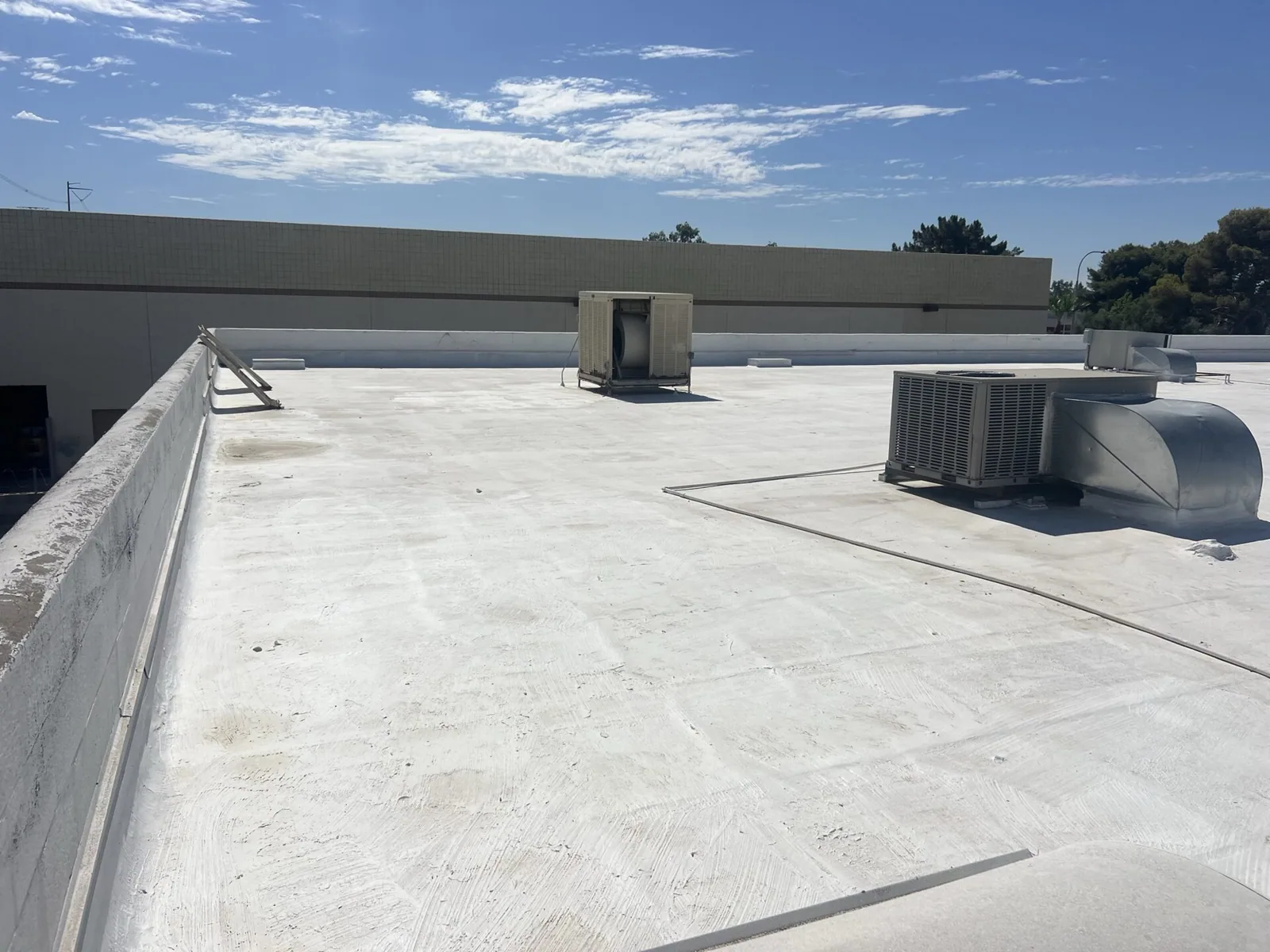
Commercial Metal Roof Retrofit
Determine why the existing fastener lost its seal
An exposed washer can deteriorate while the screw remains secure. Another connection may have lost its grip in the support below. We examine those conditions separately rather than replace every screw alike. Hole enlargement and corrosion affect the suitable fastening correction. The supporting member needs assessment where its condition is suspect. A larger fastener is not appropriate for every damaged connection.
The revised attachment must suit the panel and underlying construction. We inspect displacement around the hole and signs of repeated movement. A local panel repair may be necessary where sound attachment cannot be restored. Structural input can be needed when deterioration extends into the support. Standing seam replacement construction offers a different connection arrangement where suitable. The comparison should identify how each option transfers loads into the building. That helps distinguish a weather seal needing replacement from a broader attachment defect that coating or another washer would simply conceal.
Compare the metal retention options Arrange a retrofit assessment with fastener, corrosion and drainage symptoms identified. We will determine which metal can remain and what restoration or new-covering construction would require.
Commercial Metal Roof Retrofit
Map corrosion before covering the existing panels
Surface oxidation and panel perforation require different repair decisions. We examine metal condition at valleys, laps and equipment contact points. Deterioration can remain concealed beneath accumulated dirt or earlier patch material. Sound remaining metal is necessary for suitable repair and retention. A new covering cannot restore panel thickness already lost. The underlying framing also needs assessment where corrosion has reached its connections.
For a proposed retrofit, we establish which panels can remain as part of the assembly. Unsupported, badly deteriorated or unstable material needs correction first. Removal and replacement of unsuitable roofing may be required within the scope. The retained condition also affects the intended attachment method for the new system. We review that method against the structural arrangement rather than assume the old metal is the connection base. Corrosion mapping gives the project a practical removal boundary, while suitable examination of the support determines where the proposed retrofit can connect into sound building construction.
Commercial Metal Roof Retrofit
Treat restoration as repair plus a compatible surface
A coating option begins with sound panels and repaired details. Loose attachment, open laps and deteriorated closures require correction before application. The prepared metal must accept the selected coating and any primer. We assess existing finish and contamination through suitable preparation and adhesion testing. Failed old coating can become the weak layer beneath new material. Covering it again does not correct that interface.
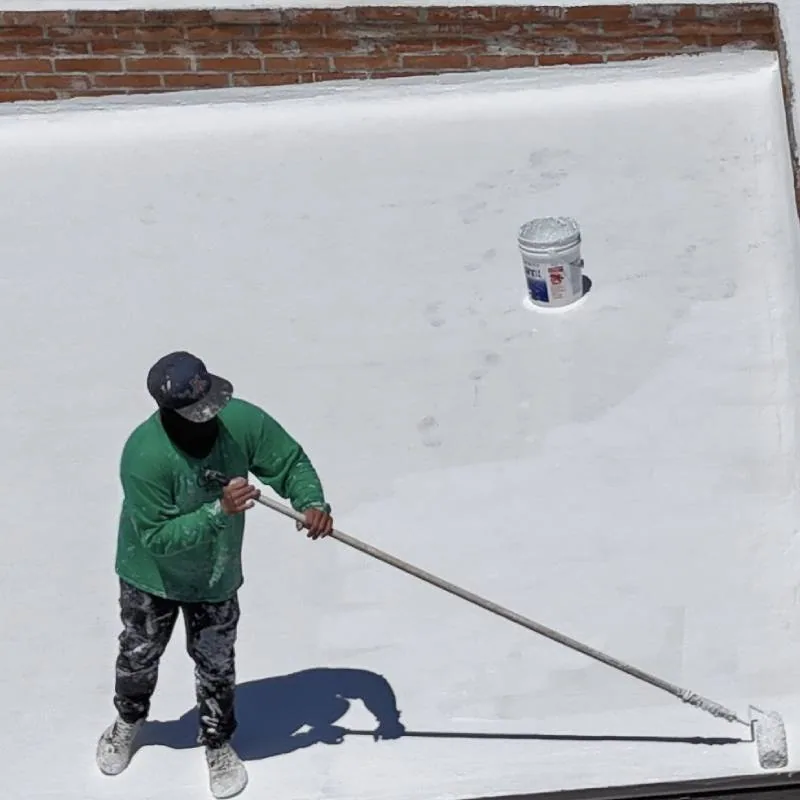
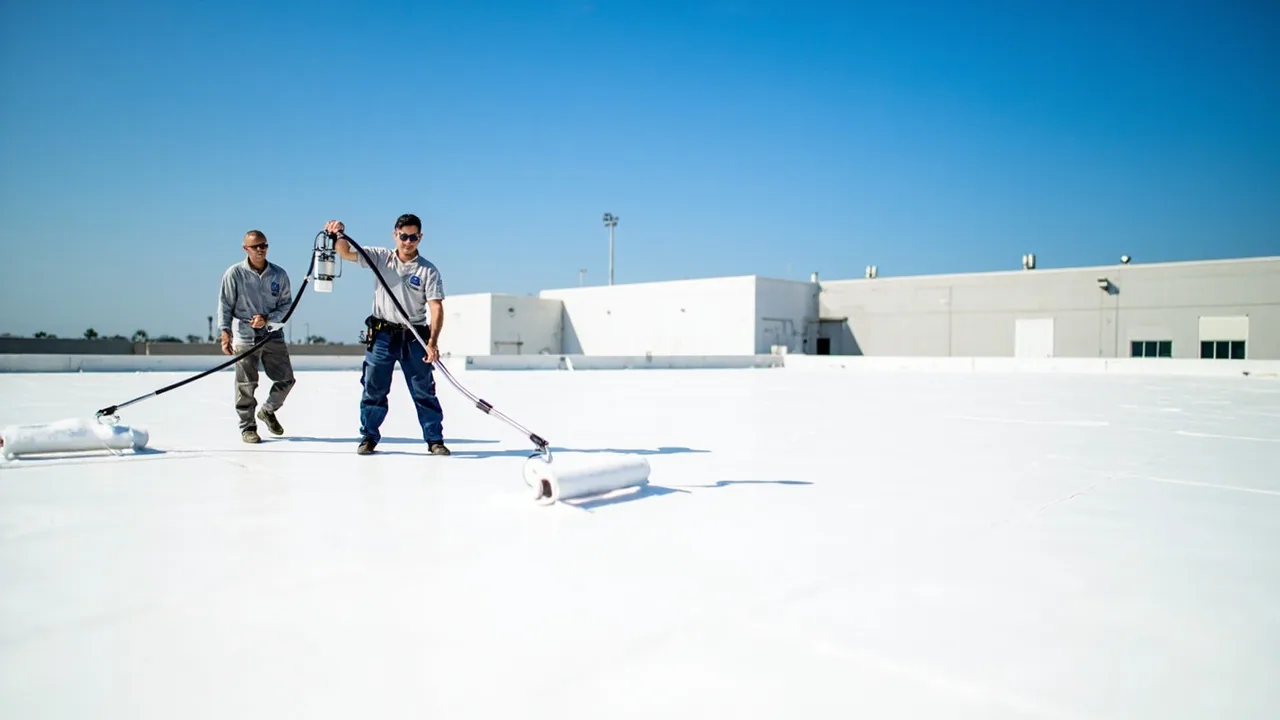
Silicone coating for suitable retained surfaces is one possible restoration comparison. Material selection needs the actual roof exposure and system requirements reviewed. Laps and fastener positions may require specified reinforced treatment. Metal movement must remain accommodated rather than rigidly bridged. We examine the connections before applying the field material. Roof-surface restoration work should include that preparation and detail scope. The manager can then compare a complete suitable treatment with other options, instead of assuming a continuous new color means attachment and panel condition have been corrected.
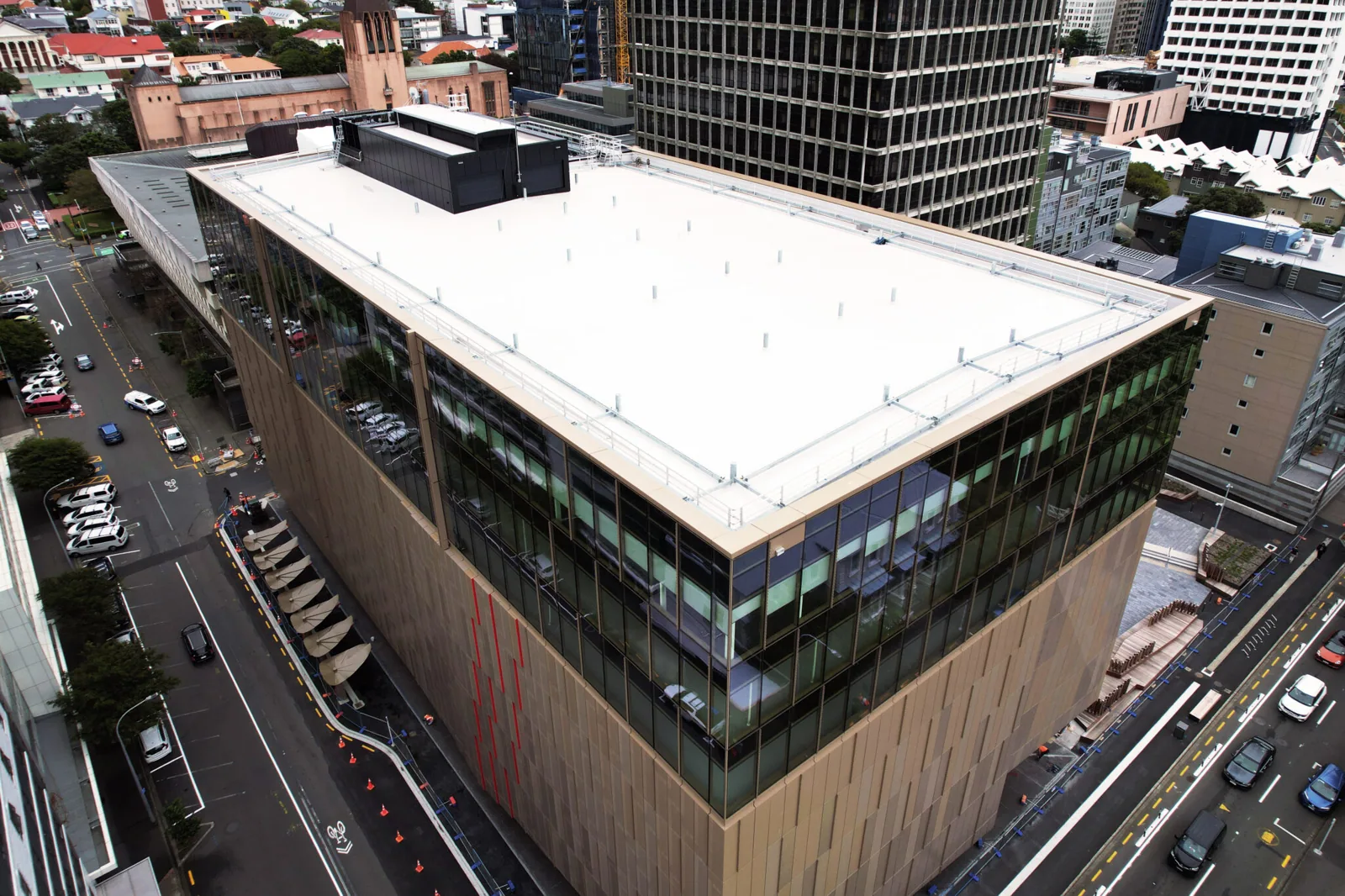
Commercial Metal Roof Retrofit
Support the new covering across the metal profile
A membrane retrofit needs suitable support over the existing ribs and valleys. The assembly may use profile-fill insulation and additional supporting layers. We review the retained roof geometry before choosing that construction. Gaps and uneven support can affect the new covering above. Moisture and metal instability must also be addressed. The attachment arrangement needs to transfer intended loads through the specified assembly.
TPO roofing over suitable metal construction requires a defined system rather than a sheet laid directly across ribs. Insulation placement and fastener locations must suit that assembly. We assess the supporting members and any necessary attachment evaluation. Additional thickness changes the relationship to curbs, wall transitions and perimeter components. Those details need suitable revisions before installation. The new surface also changes how maintenance reaches the retained metal. The proposal should identify which construction remains, how it is supported and where the new system connects, so the retrofit does not rely on uncertain panel condition beneath its field covering.
Commercial Metal Roof Retrofit
Carry the new drainage surface into working outlets
Raising the roof surface changes its relationship to existing gutters. The new perimeter detail must discharge runoff through a suitable connection. We examine gutter condition, profile closures and the proposed membrane termination. Water should not be delivered into a concealed gap behind the gutter. A poorly coordinated transition can leave a new field roof beside an old opening. Outlet and overflow arrangements need assessment together.
Gutter and roof-edge corrections can therefore be part of the retrofit construction. Added insulation must also preserve flashing space at equipment. We check the remaining height and service clearance before accepting the new layer arrangement. The drainage path around a curb may require altered geometry. The finished surface should lead water past the obstruction to the intended discharge. These transitions can drive practical cost and installation time because they join old building components to the new assembly. They belong in the initial comparison rather than remain unspecified after the field material is selected.
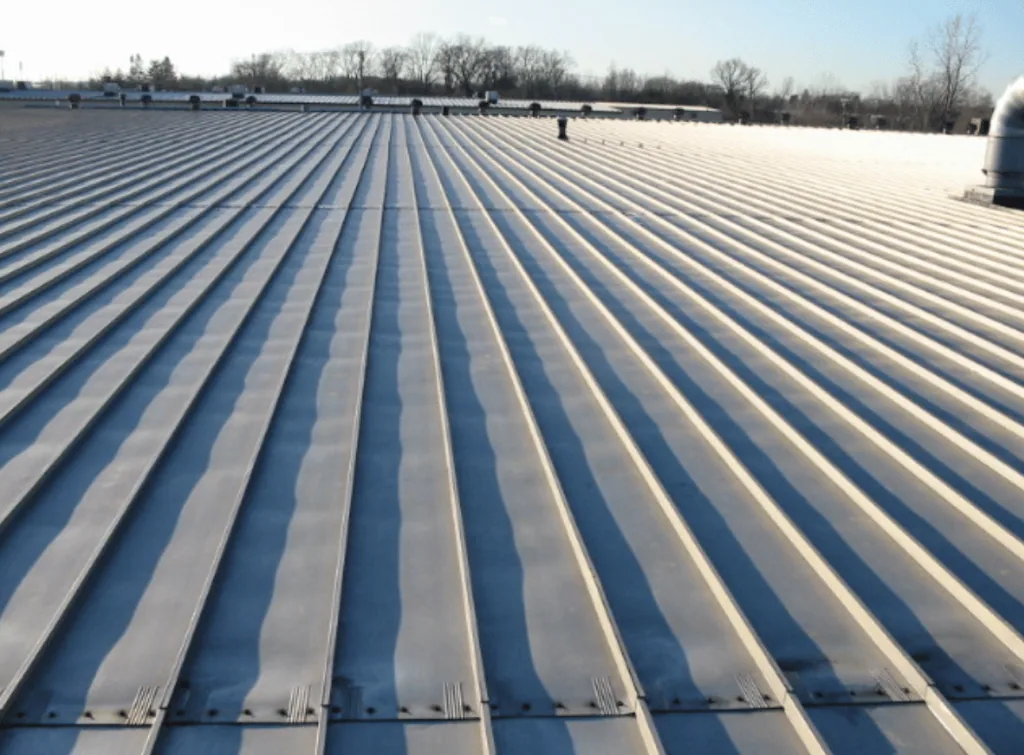
Commercial Metal Roof Retrofit
Match the retained-roof work to occupied activity
The San Angelo Business & Industrial Park includes manufacturing and distribution operations. Retrofit work for a commercial building there needs equipment and loading access considered. Some tasks can proceed while suitable retained metal remains in place. Panel removal or support correction creates a different exposure. We identify those areas and the protection required beneath them. Material staging also needs the actual building capacity and roof access assessed.
For agricultural businesses in Wall, the schedule should reflect the operation and planned roof correction. Warehouse reroofing needs stored goods and routine deliveries included in that assessment. We compare the exposure created by each viable option. Restoration, membrane retrofit and panel replacement have different preparation and closure tasks. A suitable sequence should complete those tasks without leaving a partial transition unprotected between shifts. The complete comparison accounts for retained materials, necessary removal and new details. It also includes the operational timing required to install each suitable option.
Questions and answers
Questions About Commercial Metal Roof Retrofit
Will replacing every screw fix leaks on exposed-fastener metal?
Inspect each affected connection type before defining the correction. Deteriorated washers, enlarged holes and lost support grip are different conditions. We examine the panel and underlying member. Some areas need more than a replacement screw. The repair should restore suitable attachment and weather protection without leaving damaged metal beneath the new washer.
Can a membrane retrofit conceal panels that have rusted through?
Correct unsuitable retained construction before placing the new assembly. We assess panel condition, support and attachment. Perforated or unstable material may require removal or replacement. The proposed membrane system needs a defined supporting arrangement, so damaged existing metal cannot simply be accepted because the new covering will hide it.
What fills the valleys beneath a new membrane roof?
The selected assembly may use profile-fill insulation and additional support layers. We assess rib dimensions and the retained roof condition before specifying that arrangement. Attachment and surface support must suit the new system. The construction should follow the intended load path and detail geometry rather than use arbitrary filler beneath the membrane.
When is coating a better comparison than membrane retrofit?
Assess whether the panels, attachment and prepared surface remain suitable for restoration. Coating can protect compatible repaired metal but does not correct lost section or unstable support. We compare the preparation and detail work with a suitable membrane assembly. The physical findings and operating needs determine which options remain practical.
Why might existing gutters need changes during metal retrofit?
The new roof height can alter its discharge into the gutter. We examine the proposed edge connection and condition of existing components. A suitable transition needs continuous weather protection and runoff delivery. Gutter or closure changes belong in the scope where needed, before the new field assembly raises the surface beside them.