Commercial Roof Insurance Claim Assistance in San Angelo, TX
Commercial Roofing Services
Commercial Roof Insurance Claim Assistance at a Glance
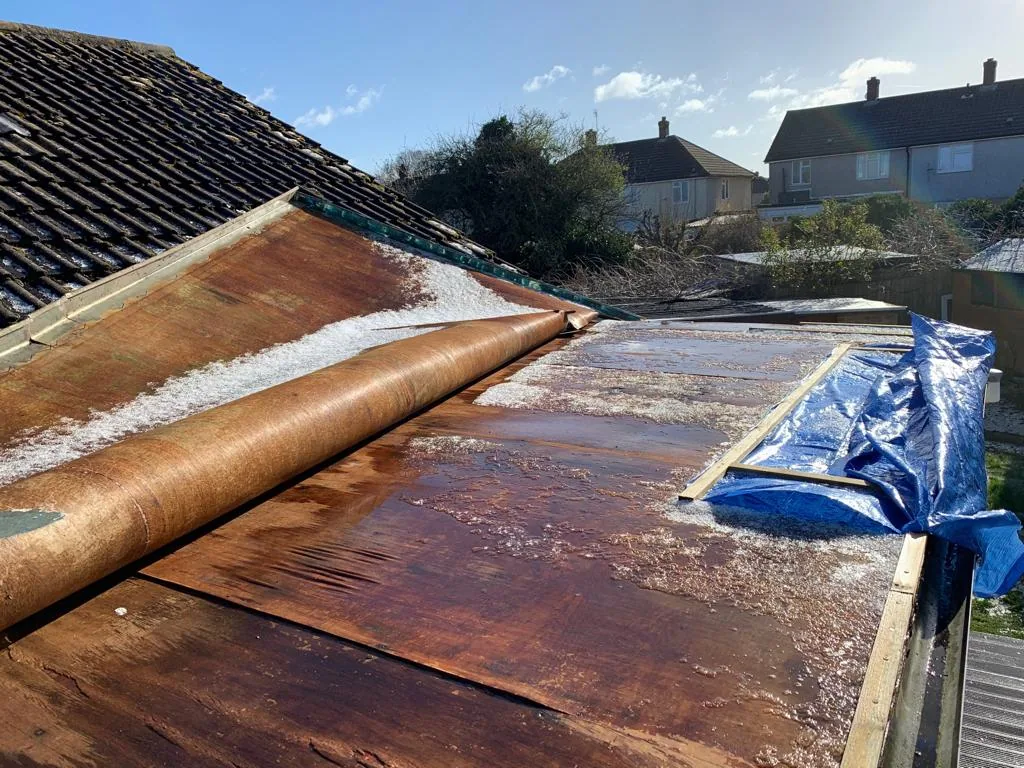
An old patch can hide the edge of a new tear. Photographing only the patch can leave the surrounding change unexplained. Roof insurance claim assistance in San Angelo, TX begins with locating that condition. We distinguish visible damage, existing construction and the repair needed. Useful documentation shows how those items relate on the actual roof. It should not substitute an assumed cause for a physical finding.
Commercial Roofers San Angelo supplies roof photographs, condition findings and repair scopes. We help owners organize the roofing information for insurance review. Downtown San Angelo contains commercial properties with dining, shopping and entertainment uses. A roof claim for an occupied property there also involves operating constraints. Assessment of the storm-affected assembly identifies what needs protection now and what needs closer investigation before permanent repair.
Commercial Roof Insurance Claim Assistance
Locate damage before its appearance is changed
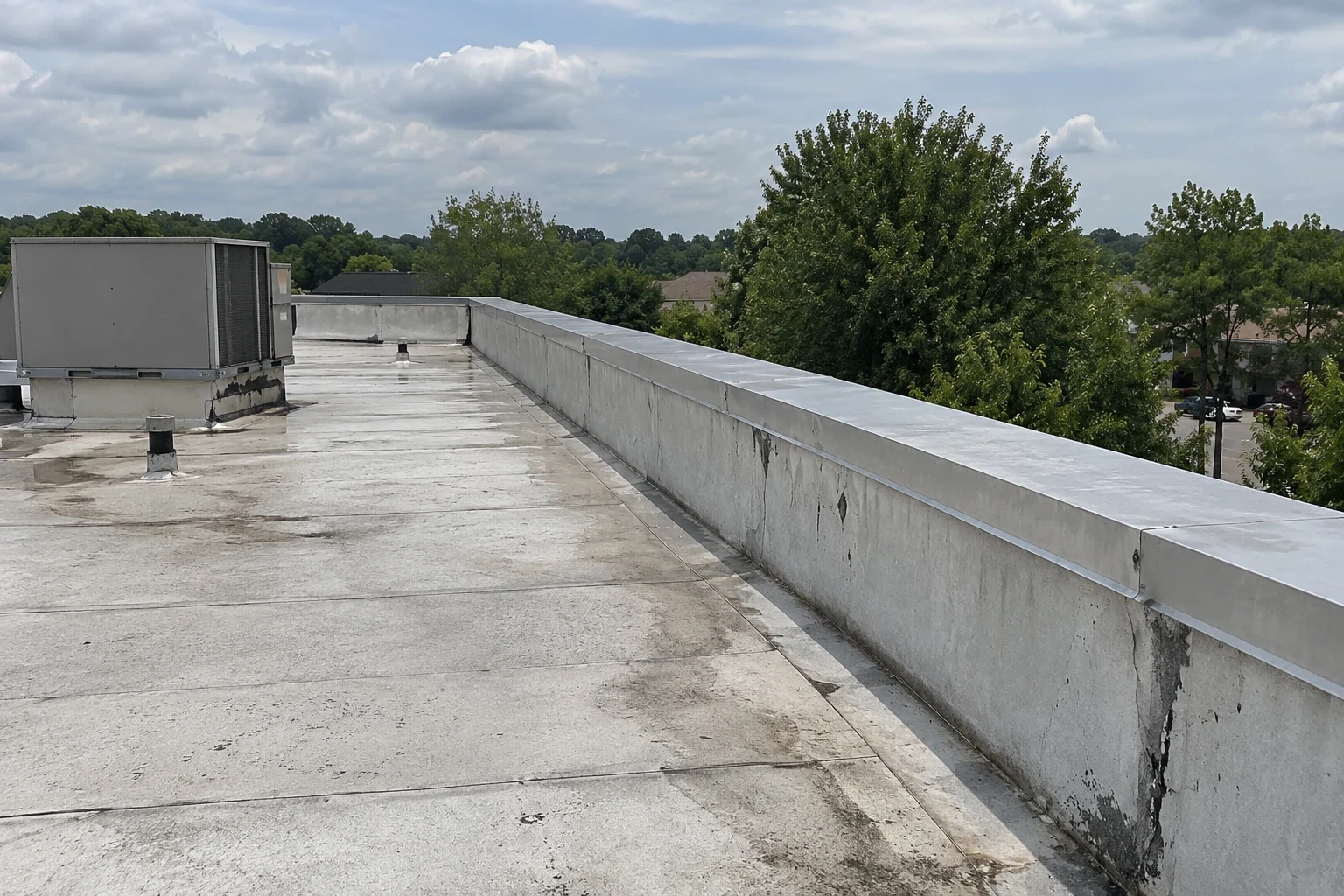
An overall roof view establishes where the affected detail sits. Closer photographs show the opening, material and adjoining construction. We use identifiable roof features to connect those views. A curb, drain or section boundary helps orient the condition. Where safe and practical, photographs precede removal or temporary covering. Test locations are recorded separately from damage visible at the surface.
The owner can provide event dates and interior water observations. We compare that history with the roof condition examined. Equipment service and earlier repairs may also help explain the sequence. Direct inspection of roof details remains necessary where appearance is ambiguous. We describe what the examination establishes and which condition needs another test. The record should distinguish an observed tear from an unresolved question about how it developed. That distinction supports a technical discussion without turning a photograph into a claim decision beyond the roofing findings.
Connect the claim record with the roof condition Arrange a documentation visit with the event history and insurer's requested roofing information ready. We will identify the observed damage and explain the proposed correction.
Commercial Roof Insurance Claim Assistance
Record temporary work without delaying protection
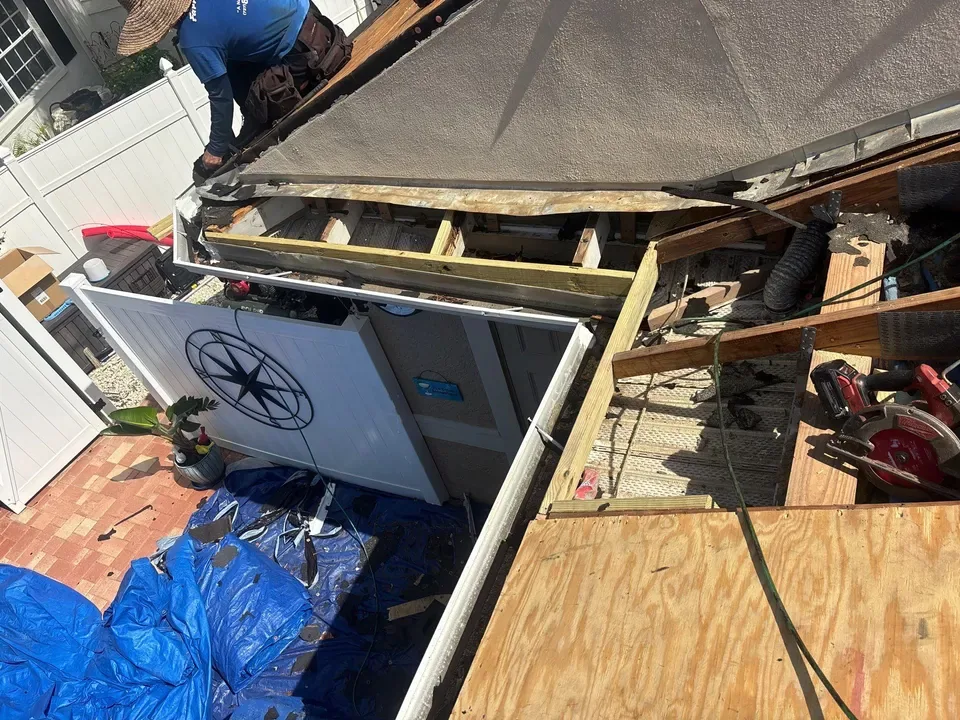
Active water entry can require protection before a complete inspection is possible. Unsafe roof conditions can also limit the first documentation visit. We record accessible findings and the temporary method used. Its location and purpose should remain identifiable after installation. The manager needs to know which exposed material still requires permanent correction. A short-term closure should not disappear into an unclear description of completed work.
Emergency dry-in work follows the immediate hazard and safe-access conditions. We separate that response from later assembly restoration. Photographs during removal can reveal concealed layers that were inaccessible earlier. Those findings should be associated with the affected roof section. The owner keeps insurer communications and policy requirements organized alongside the roofing material. We provide the physical condition and proposed correction. Coverage, deductibles and claim settlement remain governed by the insurance policy and its review process rather than the emergency roofing response.
Commercial Roof Insurance Claim Assistance
Confirm concealed conditions that change the scope
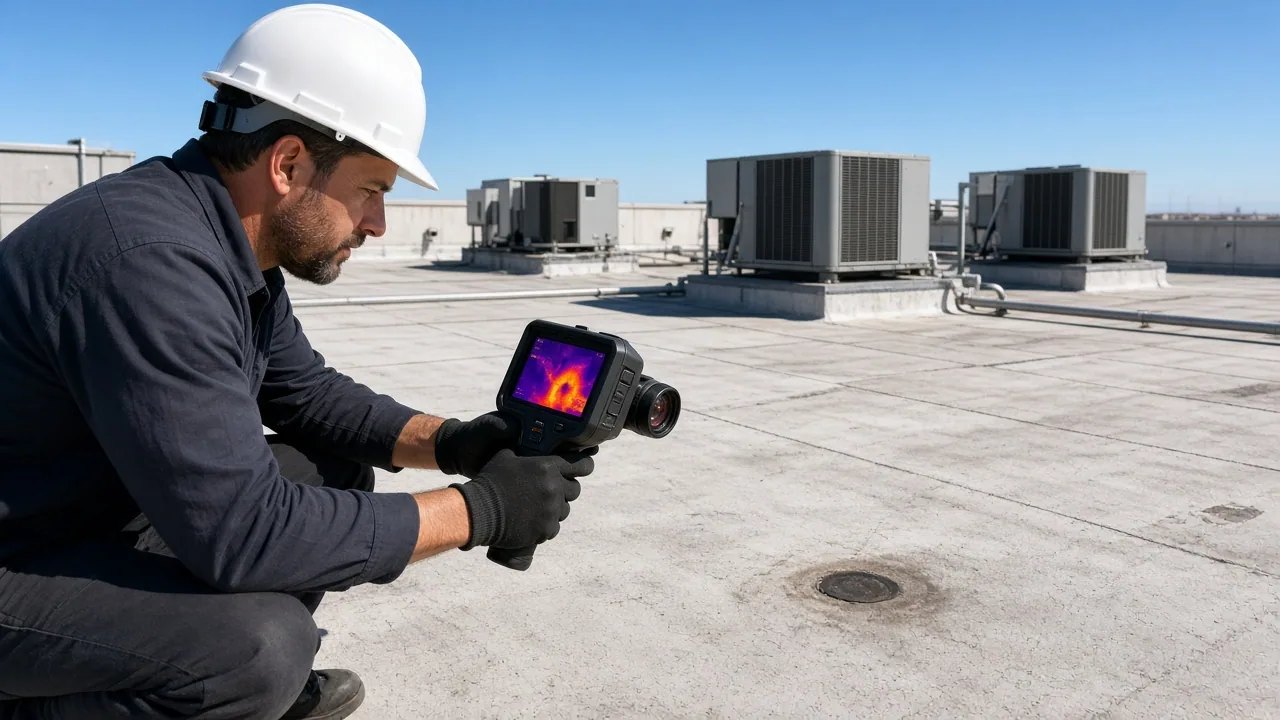
Wet insulation can extend beyond the roof opening photographed after a storm. Thermal indications help direct selected confirmation cuts under suitable conditions. The cuts identify the wet or deteriorated layers at each position. We record where those findings occur and the assembly examined. A sample from one section should not be presented as proof for a different construction. Additional testing may be necessary where the roof changes.
Moisture survey findings can support the proposed removal boundary. The repair explanation should connect that boundary with supporting-layer condition. Deck deterioration requires its own assessment before new roofing conceals it. Structural concerns can require evaluation by the appropriate professional. Those findings may change the material and sequence needed for repair. We identify that change in the roofing scope instead of assuming the visible membrane area establishes the entire restoration quantity. The insurer can then review the condition information supplied by the owner within its own process.
Commercial Roof Insurance Claim Assistance
Describe the correction component by component
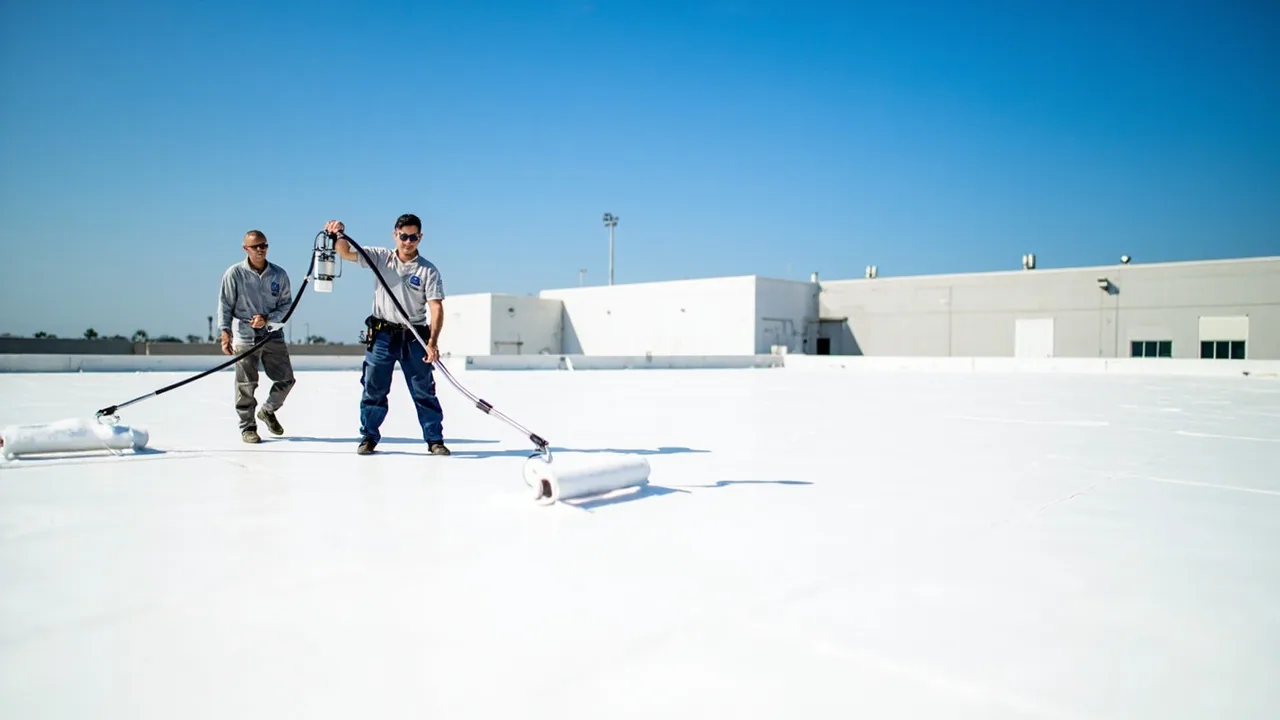
A roof tear may require membrane work plus replacement of its support. Flashing damage can require metal alteration as well as a new seal. We describe those components and the reason each is included. The scope distinguishes demolition, retained material and new construction. Temporary transitions and equipment interfaces should also be identifiable. A general instruction to patch the roof can leave those necessary tasks unresolved.
Attachment and drainage defects can affect the finished repair beyond the first opening. We examine how the replacement layers meet the adjoining roof. Correction of damaged flashing may involve a curb or wall connection requiring another trade. We identify that coordination before scheduling removal. Project requirements also affect which existing details can remain. The estimate should describe the roofing work needed without promising that every item will be accepted by an insurer. The owner can use the defined scope to compare the construction proposal with the claim review, while keeping the technical repair decision clear.
Commercial Roof Insurance Claim Assistance
Account for the occupied areas beneath the damage
Wall has cotton-ginning, grain-storage and farm-supply operations. Roofing repair for an agricultural business there needs its material-handling activity identified. Stock protection and equipment routes can constrain access to the affected section. We discuss those construction needs with the facility manager. They influence how removal and installation can be carried out. They should not be converted into unsupported claims about business losses.
Repair planning above stored material needs practical protection and debris-handling arrangements. The owner documents its business impacts with the appropriate records and advisors. Our scope describes the roofing sequence and its physical requirements. For an occupied property in Downtown San Angelo, access to dining and retail spaces may need separate coordination. We identify restrictions created by the proposed roof work. That keeps the construction information useful to the owner without assigning an insurance value to activities outside the roofing assessment.
Commercial Roof Insurance Claim Assistance
Resolve differences through the actual roof finding
A disputed repair boundary needs a clear account of the material tested. We identify the location and condition supporting our proposed scope. Additional photographs or a joint roof review can clarify an inaccessible detail. Any new exposure should be recorded before it is covered again. The revised scope must remain connected to the construction found. Repeating an unsupported claim of widespread damage does not resolve the underlying technical question.
Written roof condition findings help preserve that connection during review. We distinguish observed defects from recommended further investigation. The owner remains responsible for claim decisions and communications with its insurer. Repair timing should account for continuing exposure while that discussion proceeds. Temporary protection may require monitoring until the permanent assembly is restored. We describe the roofing conditions that require action, so claim coordination does not obscure the manager's need to protect occupied spaces and maintain a sound repair sequence.
Questions and answers
Questions About Commercial Roof Insurance Claim Assistance
Can you tell the insurer exactly how the roof was damaged?
We describe the physical condition and the evidence available from examination. Some findings support a clear damage mechanism; others require further investigation. Event history helps with that assessment. We avoid assigning a cause unsupported by the roof findings. The insurer evaluates the claim under the policy using the information supplied by the owner.
Should emergency protection wait for a full claim inspection?
Active entry and unsafe conditions need attention according to the current exposure. We document accessible damage and the temporary work when conditions permit. The owner should follow its policy requirements and insurer instructions. Roofing protection and later permanent-scope review remain distinct stages, with the protected area clearly identified for follow-up.
What if a test cut finds more wet material than expected?
The finding is recorded by location and affected layer. We assess neighboring positions to establish the removal boundary. The proposed work is revised where the physical condition requires it. The owner can provide those additional findings for insurance review. Concealed moisture should not be left unresolved simply because the initial photograph showed a smaller opening.
Does roofing documentation determine insurance payment?
Insurance payment follows the policy and the insurer's claim evaluation. Our role is to provide roofing condition information and a defined correction scope. We explain the work needed on the assembly. The owner can discuss coverage and settlement with the insurer or its appropriate advisor without treating the roofing estimate as a payment commitment.
How can a manager prepare for a joint roof review?
Have the affected-room locations, event history and previous repair information available. Safe access and the people authorized to review the roof should be coordinated beforehand. We identify the details or test positions requiring examination. A focused review can then address the actual scope question rather than repeating a general description of damage.