Commercial Roofing on Pulliam Street in San Angelo, TX
Service Areas
Pulliam Street in San Angelo at a Glance
Pulliam Street carries U.S. Highway 67 from the Main Street area toward Loop 306. Discount retail operates along the corridor. For a commercial property manager, roof work here starts with the building and its access plan. Highway connectivity does not tell us what roof sits on a particular address. We inspect the system before selecting a repair method. San Angelo normal July highs fall between 96 and 99 degrees Fahrenheit, bringing heat movement and surface preparation into summer scheduling. Managers comparing nearby commercial operations can also review the Main Street corridor; each property’s building and access conditions still determine the roof scope.
Pulliam Street in San Angelo
Do not stop at the ceiling mark
Water may run laterally under a membrane or along the deck before it reaches an interior finish. The visible mark is one part of the investigation. We compare it with roof penetrations, wall transitions, seams and drainage paths. On a retail building, receiving areas and sales floor ceilings may differ. The suspected source can be several bays away from the place water appears.
When the roof assembly hides the moisture boundary, a test cut provides direct information about the insulation. We record the location, layers and condition, then define a removal edge. A permanent patch requires dry, stable material for the tie-in. If the affected area is larger, we price the additional removal before continuing. A written inspection explains which details were observed and what still needs exposure. That lets the manager keep an emergency response from becoming an undefined replacement scope.
Not every symptom indicates membrane failure. A failed drain connection, an open lap and trapped condensation can produce different evidence. We inspect whether the underside of the deck shows water tracks, whether insulation is compressed and whether a vapor-control layer is present where visible. The report describes only what inspection supports. Where a test cut is needed, we note the exact roof area and restore the opening with materials compatible with the assembly.
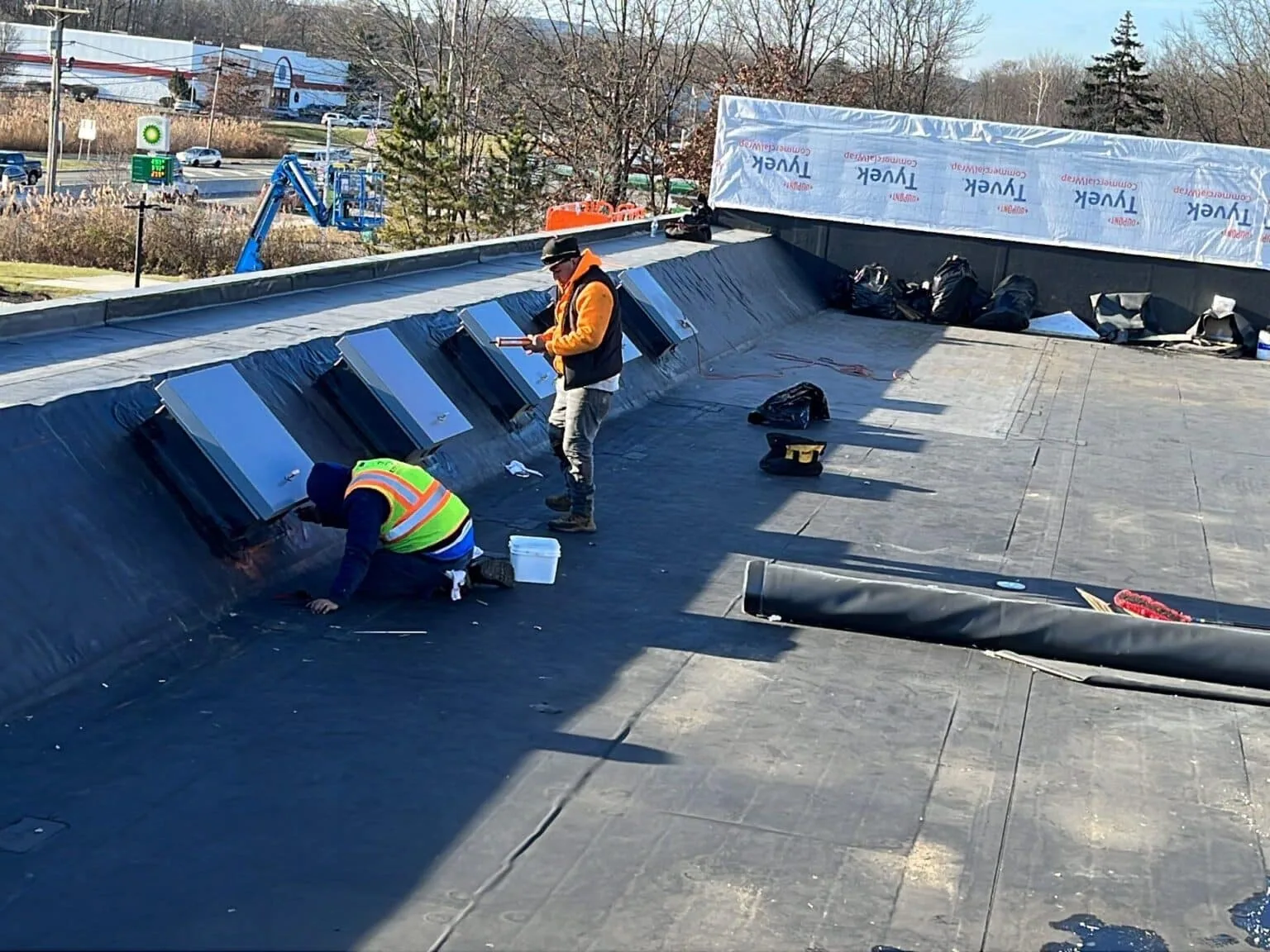
Fast repair work still requires careful preparation. The crew removes loose or contaminated material, dries the surface and makes the tie-in to sound membrane. On a metal roof, loose fasteners or panel movement need attention before sealant is applied. We record the detail after the repair so a later inspection can verify that the joint remains secure. Those records reduce the chance of repeating a patch without understanding why it was needed.
Set a roof scope around store operations Arrange a focused commercial roof inspection along Pulliam Street. Share the leak history, roof access rules and delivery windows; we will document the condition and repair extent.
Pulliam Street in San Angelo
Check the details exposed to movement and service
Long roof edges can experience changing pressure and temperature. We inspect perimeter attachment, flashing laps, coping and sealant together. A loose edge can allow water behind the membrane. A metal panel seam can move with heat, stressing a rigid repair. Fasteners, clips and transition pieces must match the existing assembly. We mark the specific condition instead of relying on a general assumption about highway exposure.
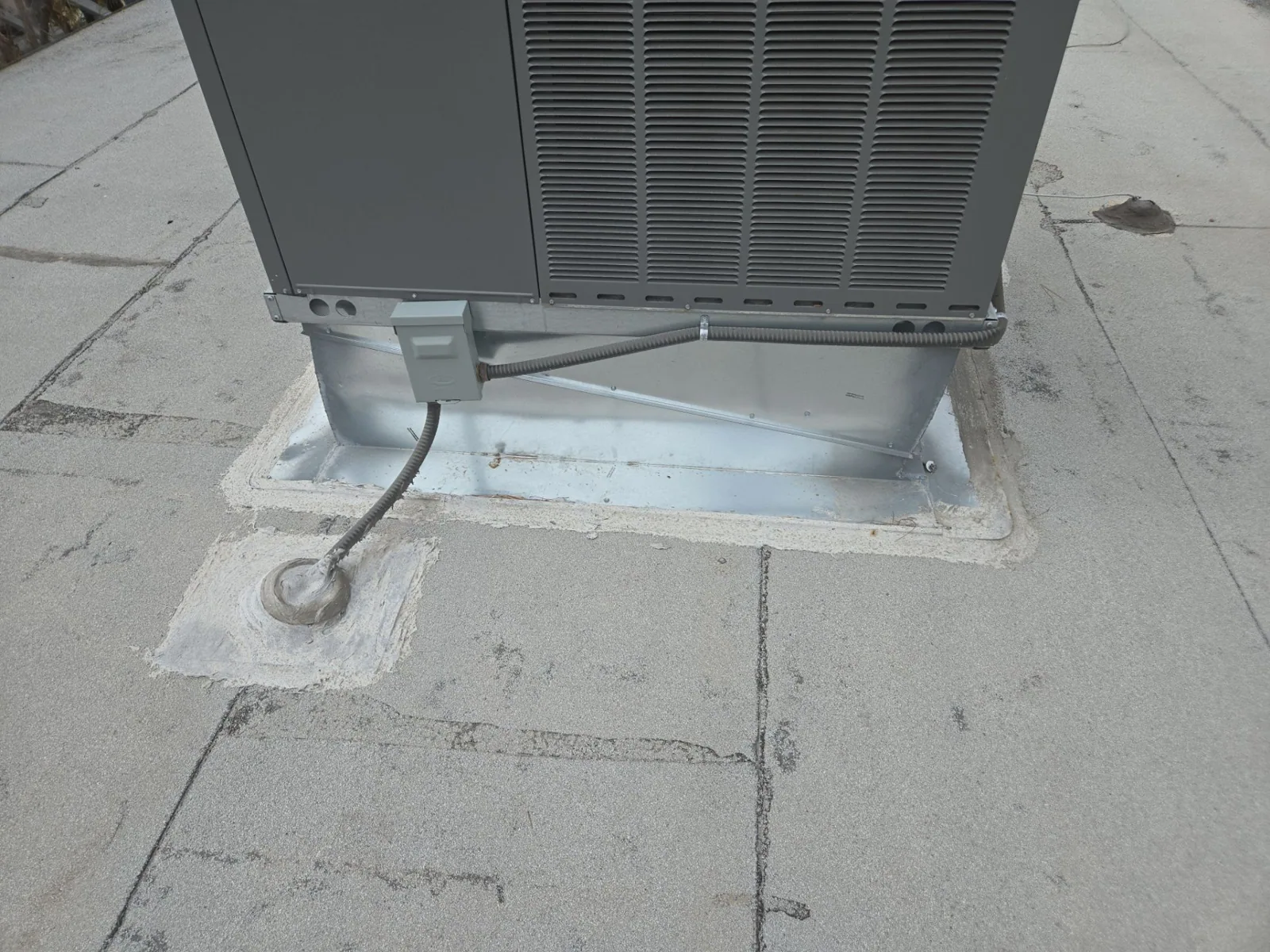
Retail operations often include rooftop equipment and vendor access. We confirm equipment and routes on the roof before assigning scope. The inspection looks at curb corners, conduit penetrations and any service path that crosses the membrane. If a vendor needs access during roofing work, the manager can coordinate the timing. A new roof layer must remain compatible with old material and service requirements. We check substrate condition before considering coating or recover. Our repair work identifies the failed edge or seam and the material used to restore continuity.
If a patch crosses a transition, we check the edge twice: once during preparation and again at closeout. A neat surface is not enough if the termination remains loose underneath. The inspection photographs tie the finished detail to the repair description and the roof location.
Pulliam Street in San Angelo
Coordinate staging without blocking the operation
Pulliam connects separate parts of the city, but the worksite remains within the property boundary. We confirm the actual entrance, loading route, parking and lift position with the manager. A safe staging area reduces repeated handling and keeps the roof path controlled. If customer circulation passes near equipment, we set barriers and timing before the crew arrives.
A repair that can fit into one zone may be phased around deliveries. A wider tear-off needs a sequence, daily closure point and interior protection. We limit exposed roof to the area the crew can close that shift. The property contact receives notice of noisy work and roof access restrictions. If water is entering, we protect the interior first and establish a durable temporary condition while permanent materials are prepared. The emergency team can make that first response. The follow-up proposal describes when the temporary measure will be removed or incorporated into final repair.

Pulliam Street in San Angelo
Set the scope from material condition
A localized seam opening can be repaired if the surrounding membrane remains bonded. A recover may be practical when the existing roof is dry, attached and suitable for another layer. A coating needs a compatible, prepared surface and sound details. Replacement becomes more likely when wet insulation is widespread, attachment has failed or multiple repairs no longer address the same system breakdown. We explain the evidence for each option.
San Angelo's normal July precipitation is 1.10 inches. That statistic is a climate average, not proof that a specific roof drains properly. We inspect outlets and low sections for obstruction or ponding. A blocked drain may need cleaning; a depressed surface may require a different response. Cost depends on access, tear-off, insulation, metal details and operational phasing. The written scope shows those drivers. When testing supports restoration, coating restoration can be compared with repair or replacement. The manager can decide whether to stop the current leak, restore a sound field or plan a broader capital project.
Pulliam Street in San Angelo
Make the closeout useful to the next manager
Repair records should connect photos to a roof area. We document the defect before work, the material removed, the patch or flashing installed and any deferred item. If the crew finds wet insulation outside the agreed boundary, the manager receives the condition and a proposed price before scope expands. That approval line protects schedule and budget.
At the end of each shift, we verify that the roof is closed and the work zone is clear. Drains are checked after repair activity. The manager receives the photo record and next inspection need. If a different maintenance team handles the building later, the notes should still identify where the repair sits and what it changed. A maintenance visit can revisit the repaired seam and drain areas. Other San Angelo locations, including the Main Street corridor and North Bryant Boulevard, have their own access patterns. The same inspection discipline applies, but each proposal remains property-specific.
Questions and answers
Questions About Pulliam Street in San Angelo
Can you repair a leak without removing the full roof?
Yes, if the defect is localized and the assembly around it remains sound. We inspect the water path and test moisture when the boundary is uncertain before pricing the permanent repair.
Does U.S. Highway 67 exposure change a roof specification?
Roadway location by itself does not select a roof system. Deck, slope, wind design, assembly condition, drainage and project requirements guide that choice. We verify the building conditions first.
How is retail delivery access handled during repair?
We confirm loading windows, lift placement and staging with the property manager. The crew sequences work in zones and closes exposed areas at the end of each shift.
When should the manager consider replacement?
Replacement merits comparison when deterioration is widespread, insulation is broadly wet, attachment has failed or repeated local repairs no longer restore a reliable system.