Infrared Roof Moisture Survey in San Angelo, TX
Commercial Roofing Services
Infrared Roof Moisture Survey at a Glance
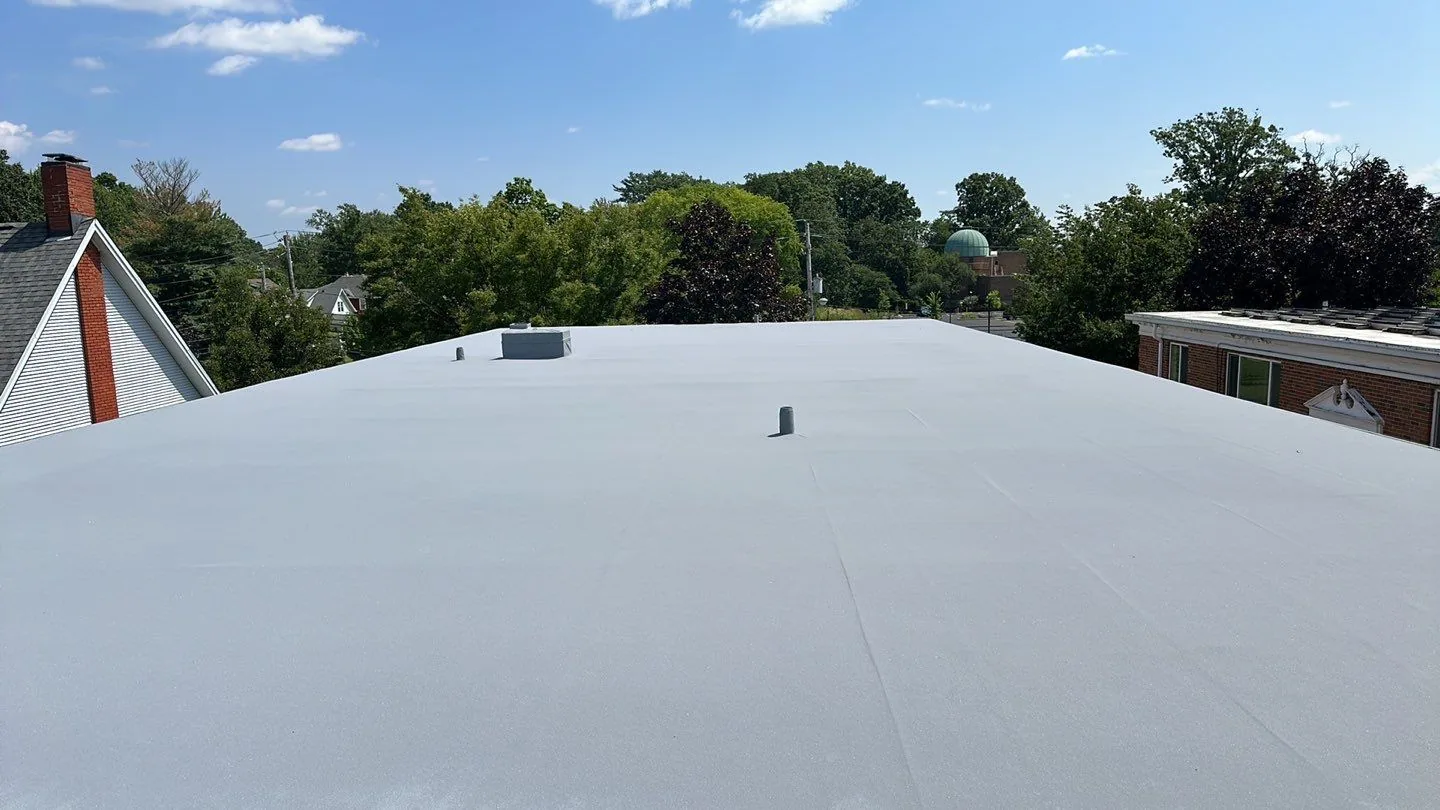
Retained heat can outline moisture beneath an intact roof membrane. Wet and dry layers may cool at different rates after solar heating. An infrared roof moisture survey in San Angelo, TX examines that contrast. We select the capture conditions and then test the suspected areas. The thermal pattern guides the investigation rather than replacing physical confirmation. That sequence matters before assigning a wet-material removal boundary.
Commercial Roofers San Angelo performs infrared and core-cut moisture assessments. San Angelo July normal daytime highs span 96 to 99 F. Actual solar heating, roof material and cooling conditions determine the useful survey window. We assess those factors for the building being examined. A preceding roof inspection helps identify assembly changes, repairs and equipment that may affect thermal interpretation.
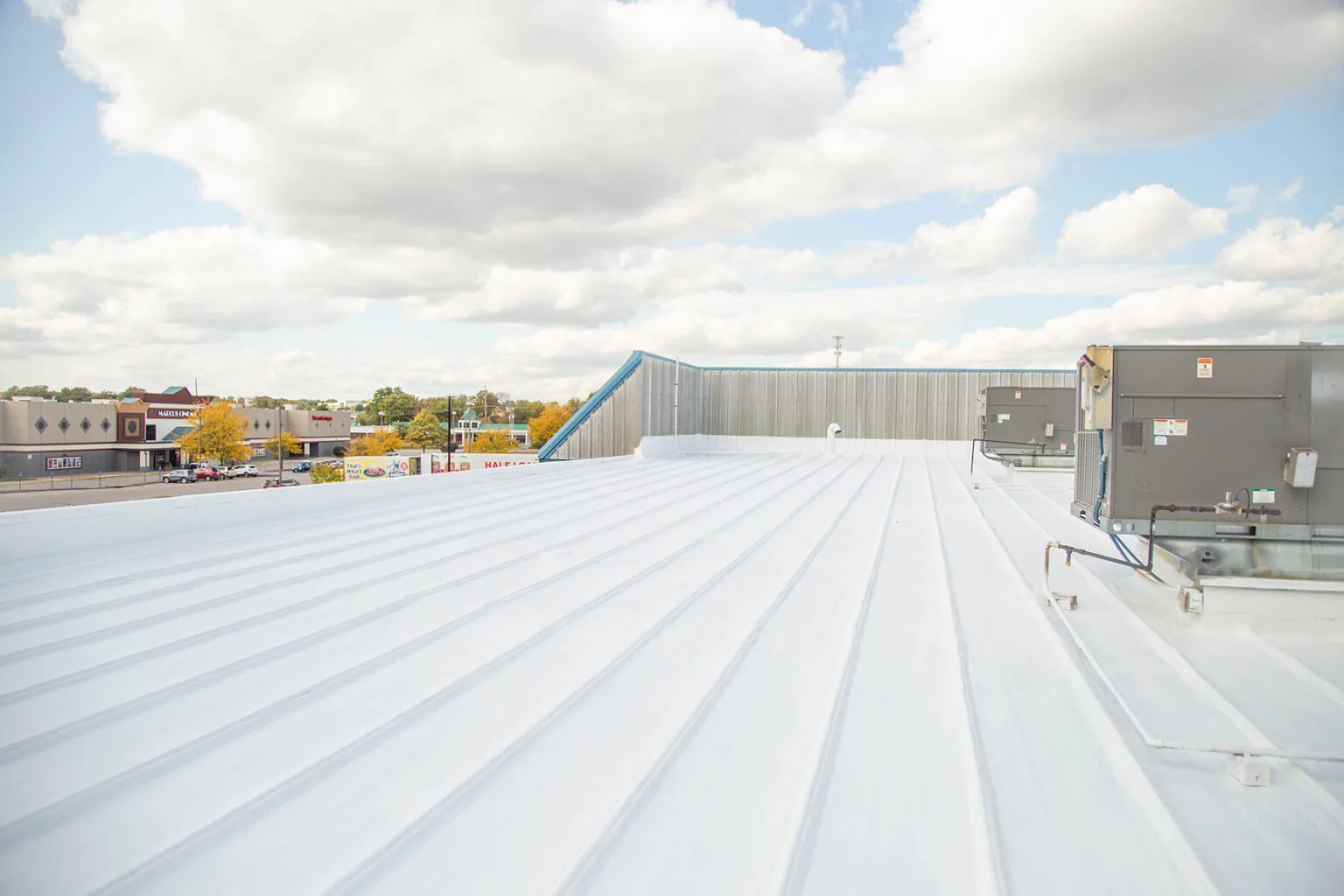
Infrared Roof Moisture Survey
Select a window with useful thermal contrast
A recently wet surface can distort the temperature pattern being measured. Wind and cloud cover can also reduce contrast during cooling. We review surface condition and the weather preceding capture. The roof must suit the method and permit safe observation. Strong daytime heating alone does not ensure a useful result. The temperature difference must remain clear enough to distinguish the areas selected for testing.
Capture timing follows the roof assembly and the conditions present. We avoid forcing the survey into a fixed clock interval. Material depth and thermal behavior affect how the roof cools. Reflection can complicate readings near shiny metal or nearby heat emitters. We account for those influences when examining the image. An unsuitable window may require rescheduling instead of drawing removal lines from poor contrast. The property manager should know that requirement before arranging evening access or coordinating staff to accompany the assessment.
Resolve the concealed moisture boundary Schedule a survey with the proposed repair or recover decision in view. We will assess the thermal window and choose confirmation cuts that establish the affected layers.
Infrared Roof Moisture Survey
Identify layers that change the thermal pattern
A patch with different surfacing can appear warmer without wet insulation underneath. Roof additions may contain another insulation thickness or deck material. We locate those changes before interpreting the thermal image. The available drawings can help, but selected test cuts identify the assembly present. Different roof sections should not automatically share one interpretation. Each pattern needs comparison with its surrounding construction.
Modified-bitumen assemblies can have several layers and surfacing changes. Thermoplastic, coated and metal construction may behave differently under the same conditions. We examine where the thermal response follows known material boundaries. Equipment exhaust and nearby mechanical components can also heat selected areas. A temperature indication beside a unit needs assessment against those influences. The purpose is to choose useful confirmation locations, not to label every warm shape as trapped water. Assembly identification keeps the moisture decision connected to the material that will be repaired or retained.
Infrared Roof Moisture Survey
Test both the suspected area and its comparison point
A test cut establishes which layers are wet or deteriorated at that position. We examine the membrane, cover board, insulation and accessible deck. A nearby comparison cut can help interpret an ambiguous thermal pattern. Sampling positions need a reason related to the observed contrast. We record the layer sequence and condition as the opening is examined. The test location receives a compatible roof repair after inspection.
One sample represents its location, not every similar-looking area. We choose further checks where assembly or thermal response changes. Testing can identify a wet upper layer above dry material. It can also reveal deterioration deeper than the visible repair history suggests. Selective roof correction then follows the affected layers and their extent. Moisture readings and physical condition need consideration together. A weakened board can require replacement even when its surface appears dry. We explain which condition controls the proposed removal so the scope remains specific.
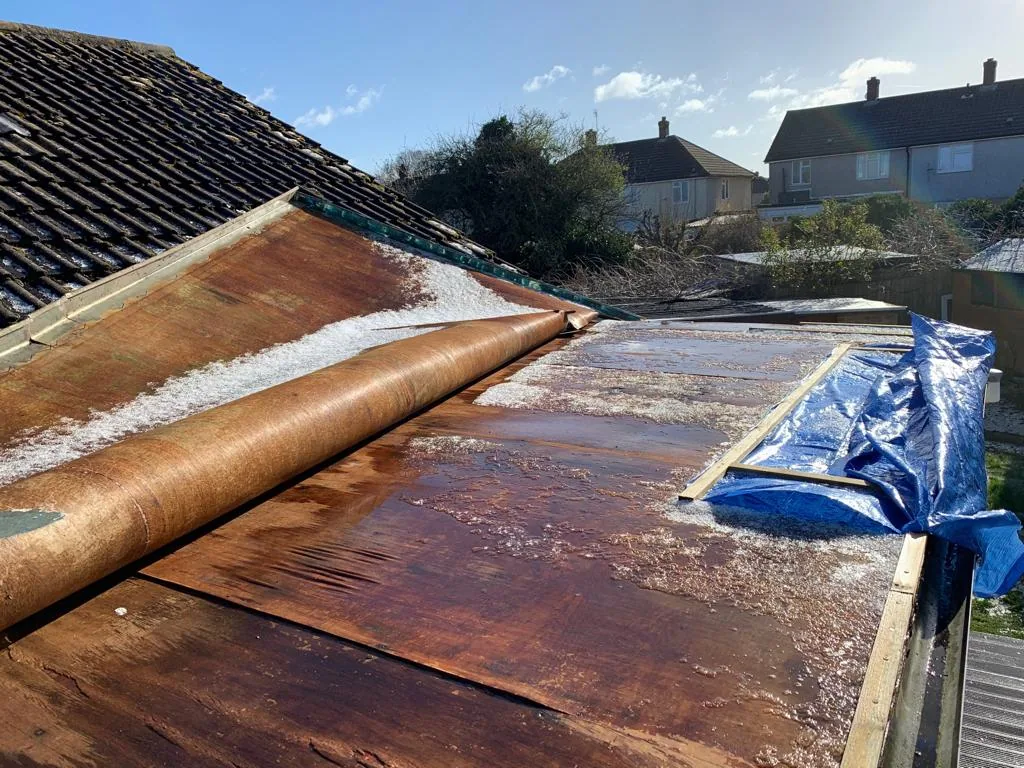
Infrared Roof Moisture Survey
Extend the map until the stopping point is sound
A wet sample near a seam needs checks beyond the first opening. We follow the thermal indication and changes in supporting-layer condition. The boundary should reach suitable material for the completed repair. A broad suspect zone can require additional sampling to resolve its extent. We distinguish confirmed wet locations from areas awaiting a physical check. Those distinctions prevent uncertain image edges from becoming arbitrary demolition limits.
Recover planning relies on the condition of the assembly left underneath. The moisture map helps identify selective removal required before new layers are added. Widespread wet material can change the comparison with full roof replacement. The survey should therefore resolve a decision about retained construction. We also examine how replacement areas meet adjacent dry layers. A wet-material boundary that ignores elevation and attachment can leave another defect after removal. The completed scope must address the supporting surface as well as the moisture found.
Infrared Roof Moisture Survey
Arrange confirmation cuts beside sensitive operations
Grape Creek has school facilities and a separate administration building. A moisture investigation for a school roof needs the rooms below identified. Test cuts should be coordinated with the staff responsible for those spaces. We assess safe access and the means to close each opening. Occupied hours and any sensitive equipment affect the sequence. Sampling remains limited to locations needed to resolve the assembly question.
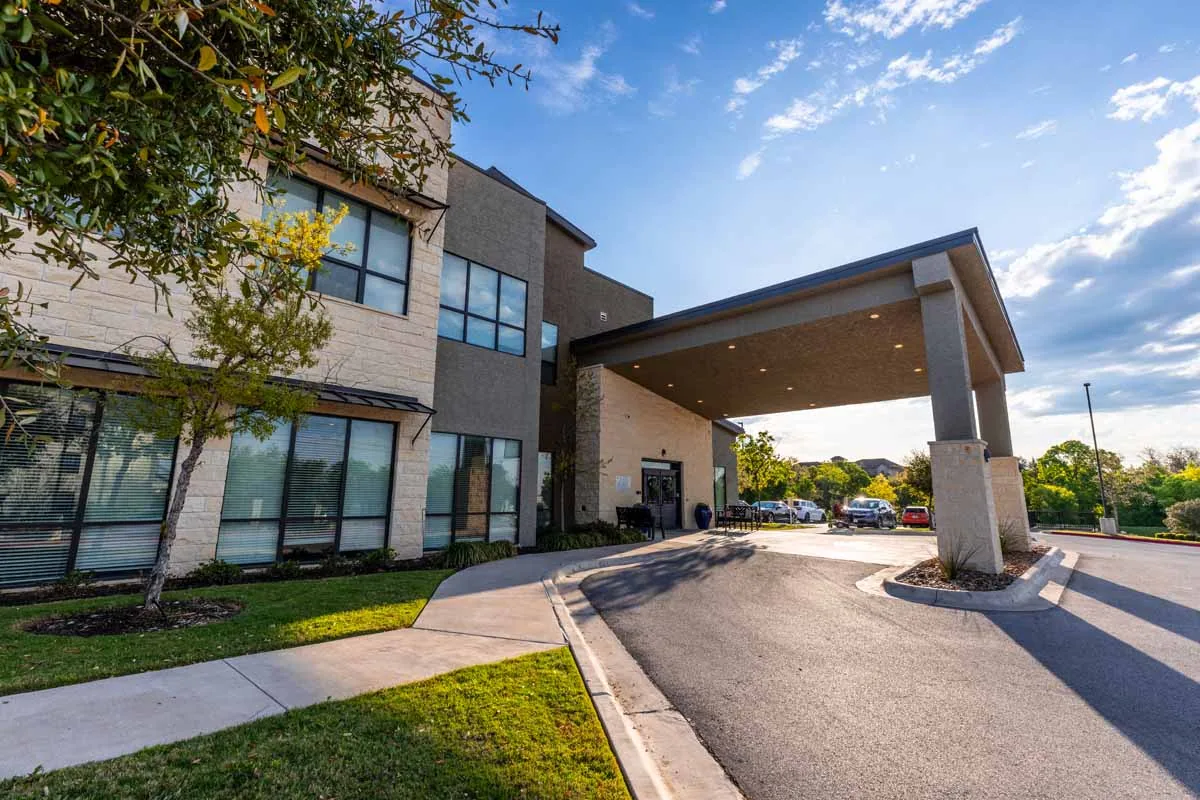
Carlsbad has resident-care and nursing operations at the San Angelo State Supported Living Center. A survey for a care building requires coordination with its facility management. Roof work above resident accommodation needs attention to noise, protection and staff access. These operating limits apply to physical cuts as well as capture. We separate the observation schedule from the opening schedule where appropriate. The manager can then arrange the necessary staff at the right stage. That avoids keeping a sensitive room restricted while an unrelated part of the survey is underway.
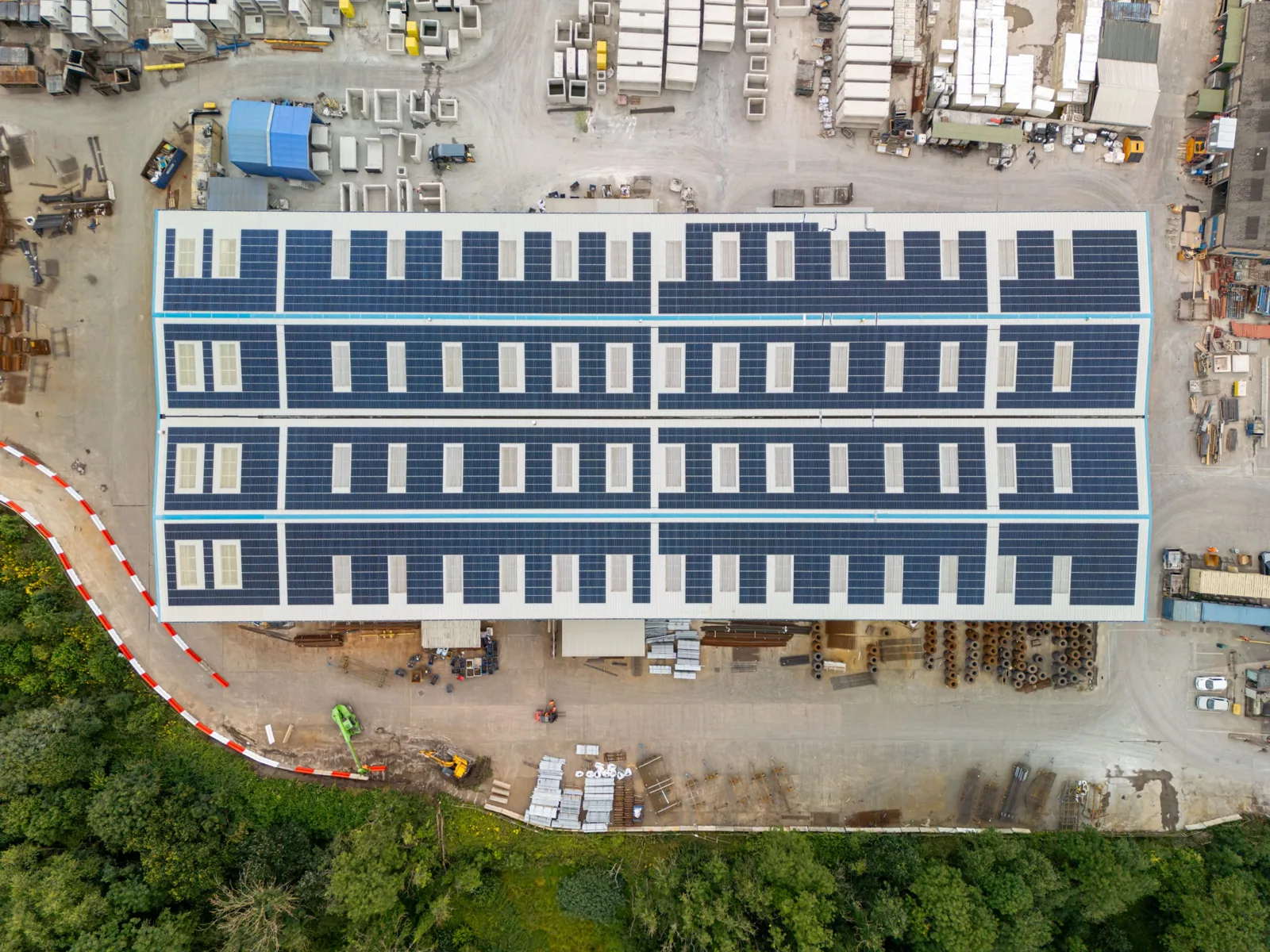
Infrared Roof Moisture Survey
Use the confirmed moisture extent to order the work
Materials should be ordered for the layers requiring replacement, not the image color alone. The survey findings identify assembly thickness and the confirmed affected positions. They also show where additional checks remain necessary. Disposal and lifting needs follow the material removed. Scattered wet areas may require repeated access and protection stages. A connected affected section can call for a different removal sequence.
For buildings in the Grape Creek area, the investigation can guide a scheduled repair window. We consider the school or business operation below alongside the tested condition. The repair proposal distinguishes moisture removal from unrelated flashing or equipment work. Later roof changes can alter the original thermal comparison. A new coating, added insulation or equipment installation should be recorded before another survey. Keeping the assembly changes identifiable helps a future examination compare like conditions, instead of interpreting a new material response as evidence that the earlier moisture correction failed.
Questions and answers
Questions About Infrared Roof Moisture Survey
Does a warm thermal area mean the insulation is wet?
A warm pattern identifies a location worth examining under suitable conditions. Surfacing, equipment heat and assembly changes can produce other explanations. We confirm selected indications with physical tests. The removal decision follows the layers found and the mapped extent, rather than assigning moisture to an image solely because its temperature differs.
Can the survey proceed after rain wets the surface?
Surface water can interfere with interpretation and roof access. We assess the current condition and the preceding weather before capture. Rescheduling may be necessary to obtain useful contrast. The manager should coordinate access against that requirement. A rushed scan with unsuitable conditions can leave the original moisture question unresolved.
Are core cuts needed even with clear thermal images?
Physical confirmation establishes the layer condition responsible for selected patterns. We choose cuts according to the assembly and the decision being made. Clear images help direct sampling but cannot identify every concealed material. The combined method gives a stronger basis for deciding what can remain and what needs removal.
How are test openings protected on an occupied building?
Each opening is planned with a suitable closure method and safe access. We coordinate the location with staff responsible for the rooms beneath it. The opening receives a compatible repair after the layers are examined. Material preparation and weather conditions must permit that closure before the cut is made.
Will the moisture map provide the final tear-off quantity?
Confirmed samples and observed boundaries inform the removal scope. Exposure during repair can identify additional affected material between checks. We define how that condition will be assessed during construction. The map narrows the uncertainty and guides ordering, while the final removal boundary must meet sound material in the actual assembly.