Commercial Roofing in Miles, TX
Service Areas
Miles at a Glance
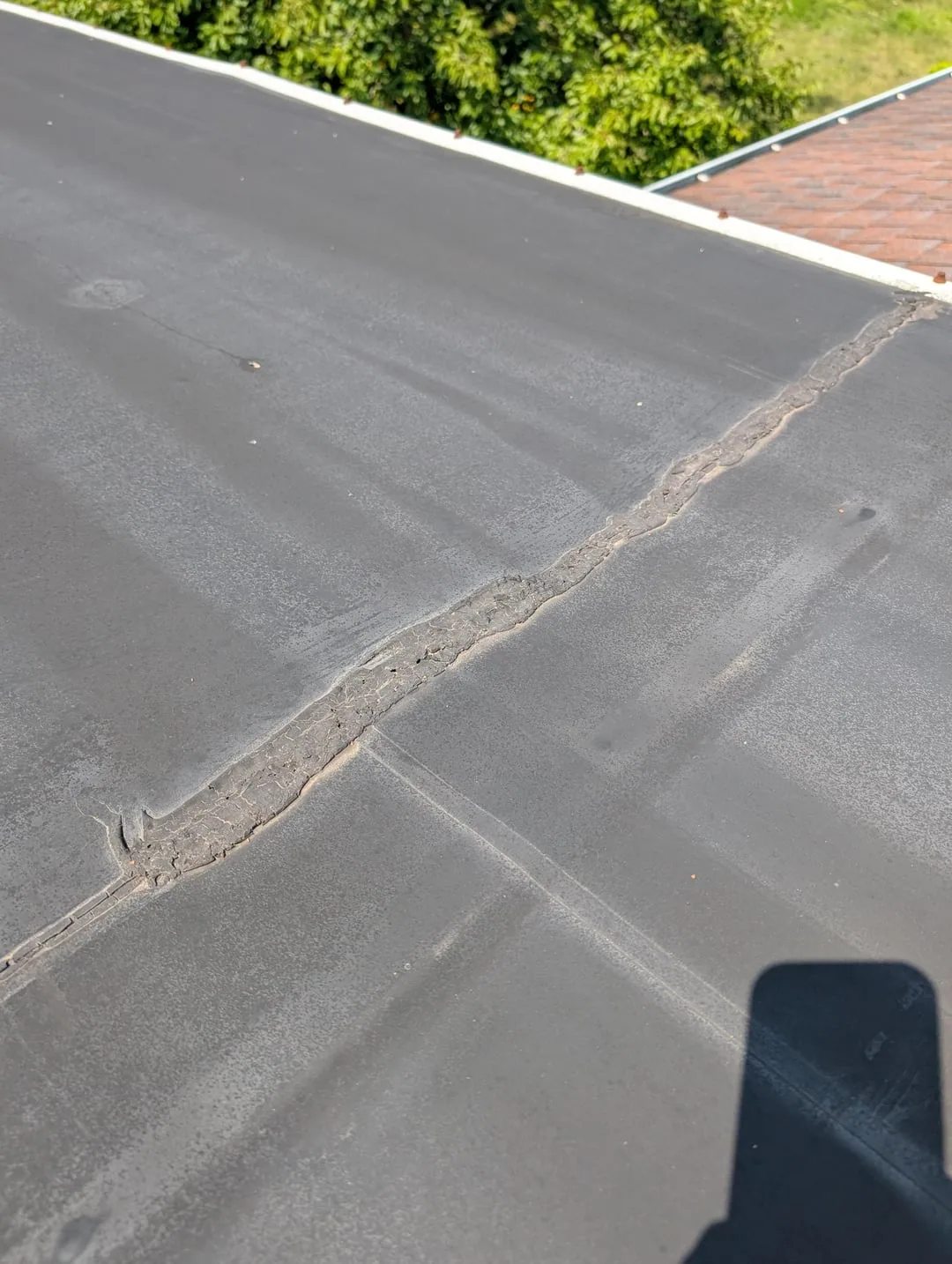
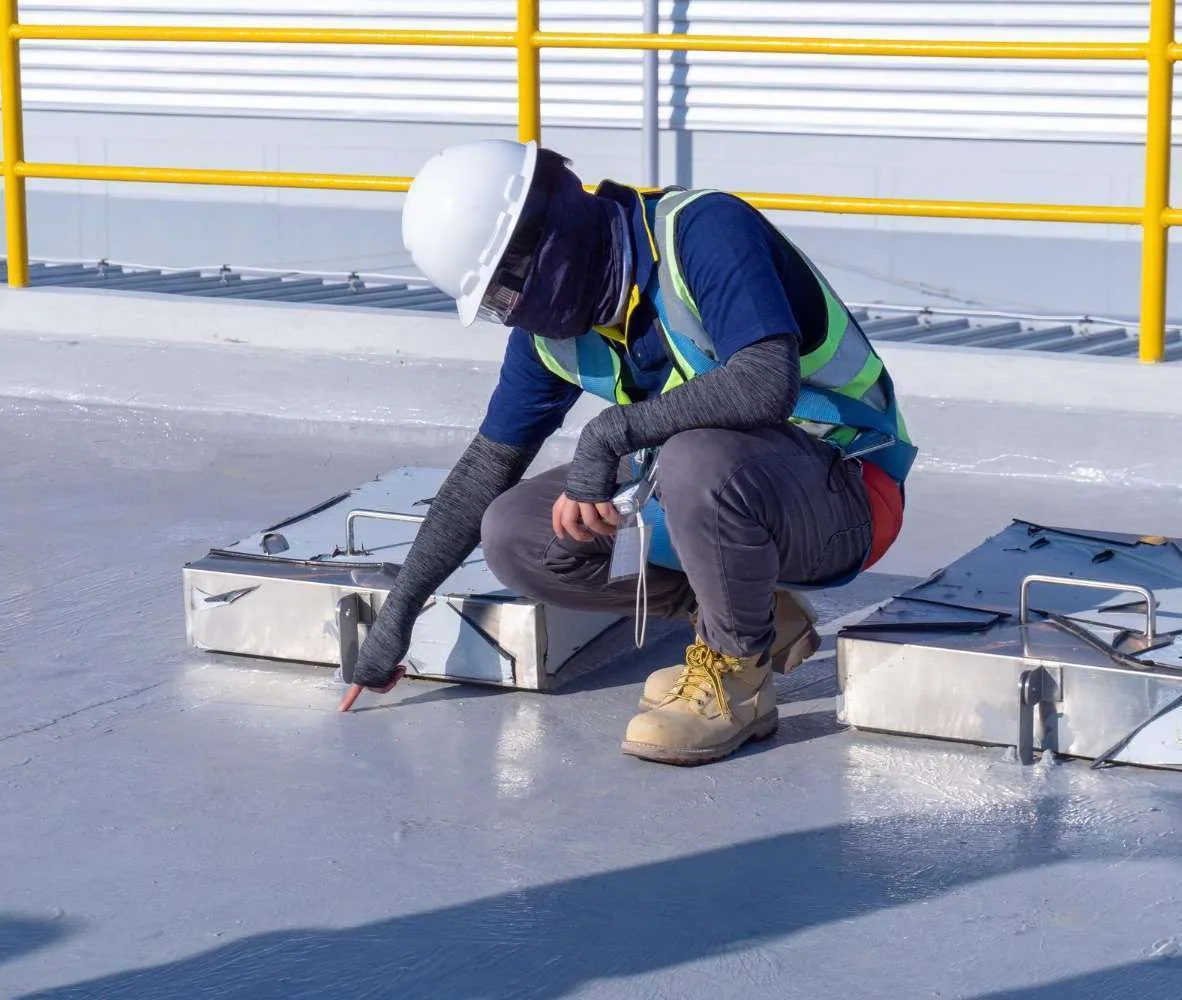
A separated roof seam near a service path can create an urgent opening without proving that the whole assembly needs replacement. We inspect the seam, nearby attachment and material receiving the repair before pricing work in Miles. The town sits on U.S. Highway 67 and FM 2872 in southwestern Runnels County. That regional route context helps plan a visit, while the property owner confirms the exact access and work schedule. We identify the reported interior mark, review available roof records and photograph the roof zones related to the complaint. The estimate separates confirmed seam work from any test opening that may expose wet or unstable layers. If new evidence changes the removal limit, the crew measures and records it before requesting approval. Ownership can fund the known correction without giving open-ended authority for concealed material. A commercial roof inspection should give the property contact a clear finding, price boundary and next decision for the actual building.
Miles
Check the seam and its receiving surface
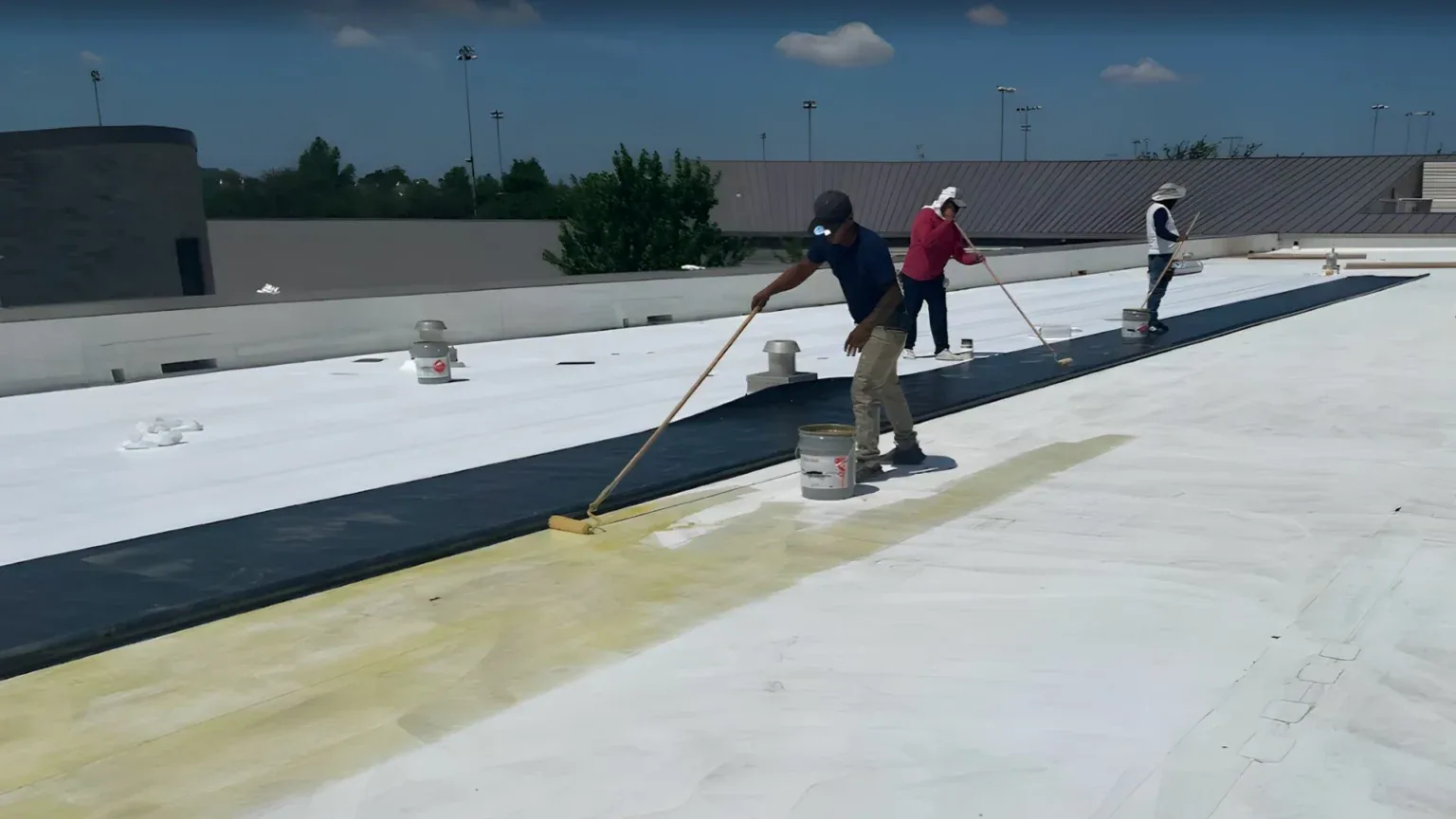
A lap opening may result from poor preparation, movement, a prior incompatible treatment or a weak surface beneath the membrane. We inspect the length of the separation and identify where a new repair can connect to stable material. The scope notes whether preparation includes cleaning, removal of old patch material or a wider cutback. A seam-failure repair is not complete if it leaves loose material at its edge. If the roof is metal, standing seam, built-up or single ply, the connection detail changes. We confirm the existing system before choosing materials. If assembly layers cannot be identified from visible edges, an owner-approved opening may be needed. It should answer a defined question and include protection and closure. The proposal records that allowance separately so the permanent repair amount does not imply that all hidden layers have already been reviewed. The closeout of a seam repair depends on more than a bead at the visible edge. We record the length opened, preparation performed, material installed and how the new detail terminates against the retained roof. If moisture is found at one point, we mark whether adjoining cuts or probing were completed; the report should not imply that an untested zone is dry. The site contact can review photographs while the roof remains accessible and ask a question before the work area is closed. If conditions call for a second test, the added opening is priced and authorized separately. We identify how the temporary protection will remain secure during that pause. A future leak report can then be compared with a known boundary rather than an undocumented patch. Those notes are useful even when the permanent work is limited, because they show precisely what the repair covered and what it did not inspect.
Price the Miles roof connection that failed Send the property location, seam or leak concern, recent contractor history and decision contact. We will inspect the related zone and define included work and any test allowance.
Miles
Keep equipment and roof work in separate scopes
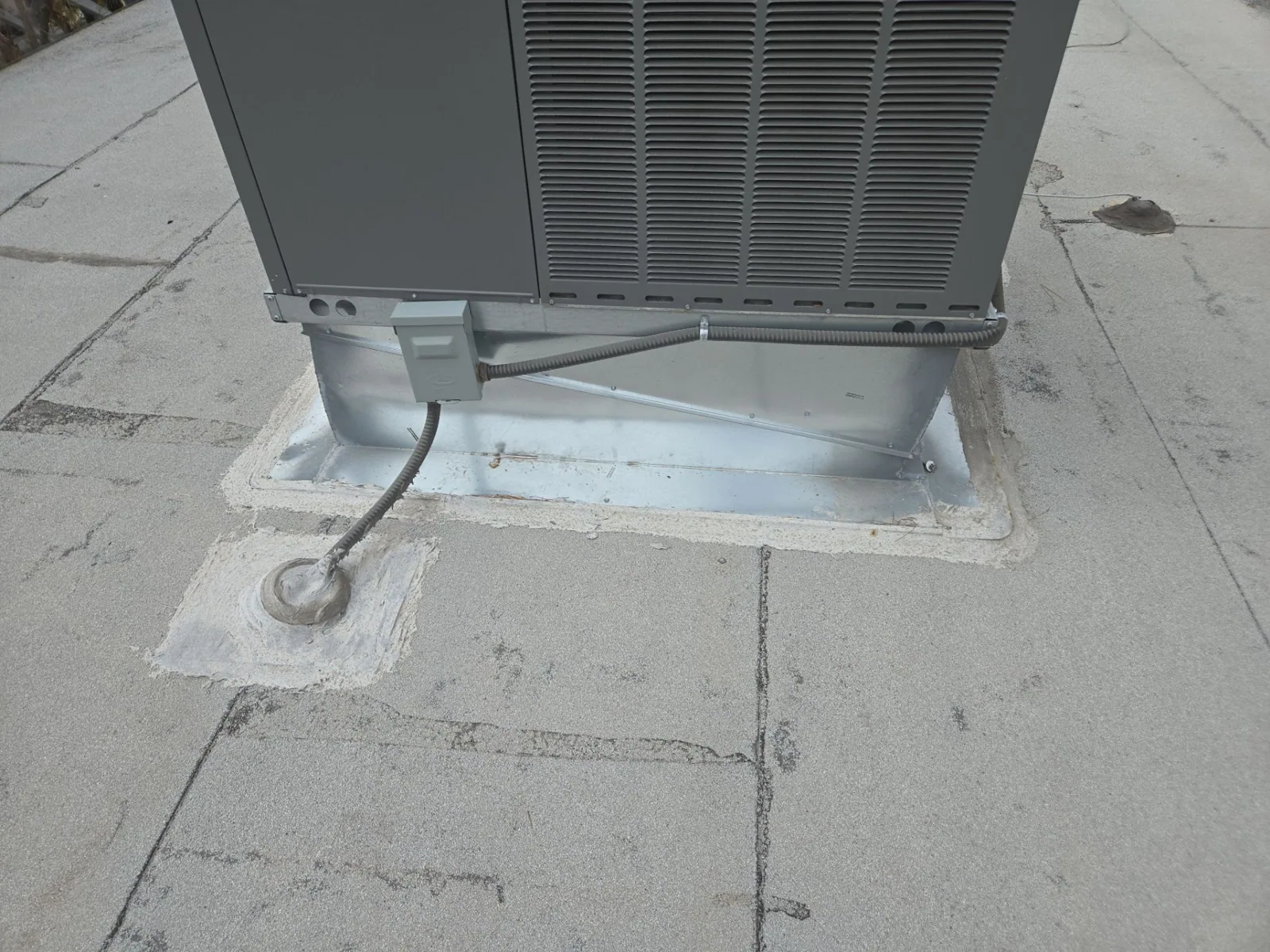
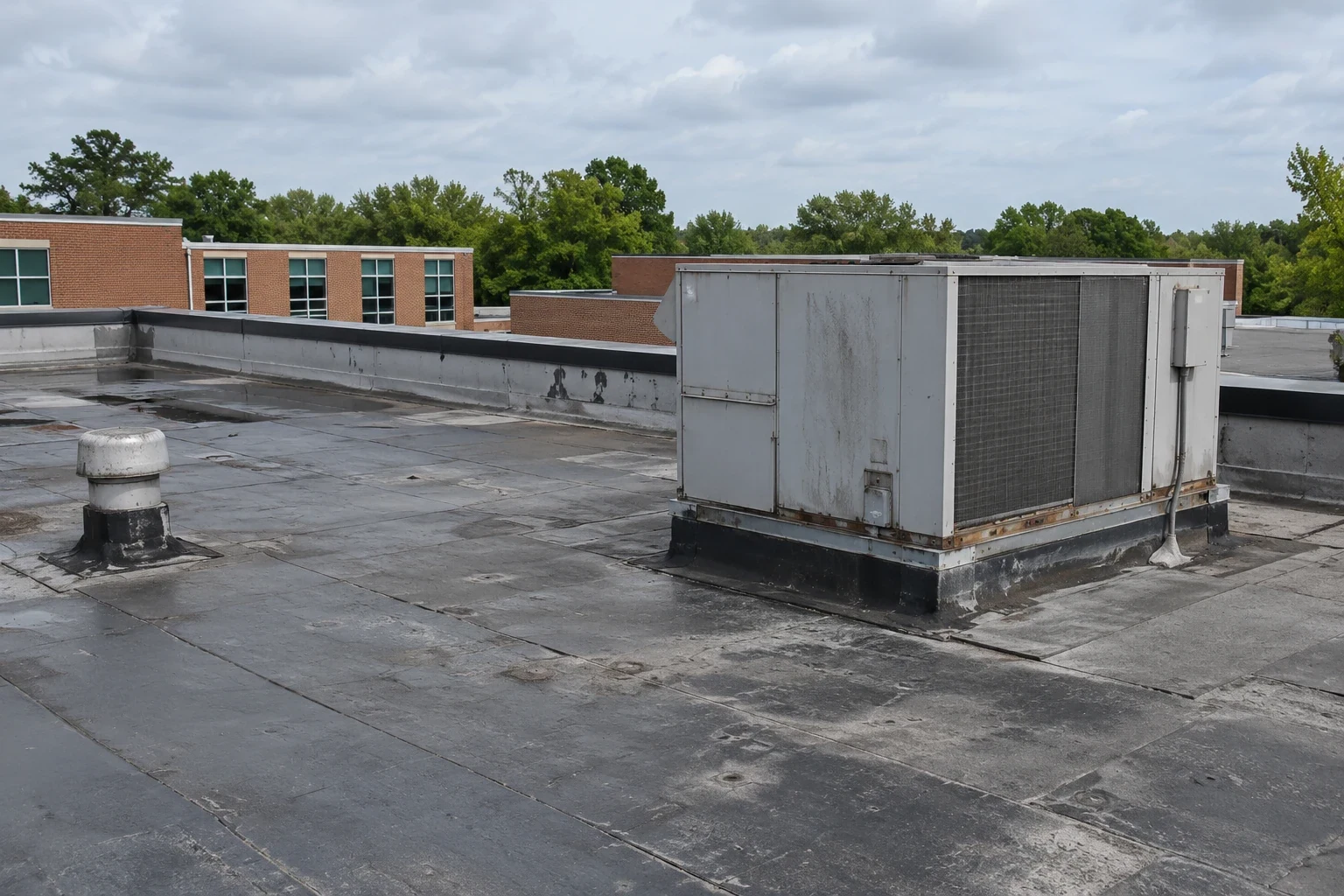
Rooftop service work can disturb a seam, curb or penetration even when the equipment remains operational. The manager identifies recent contractor visits and any scheduled changes before the roofing crew arrives. We photograph the affected connection and note which trade owns the equipment, supports and power. A curb or support correction may need a mechanical contractor to disconnect or reposition a unit. That task should be listed in the sequence rather than assumed inside a roofing price. The repair boundary should also preserve access for later service without placing fasteners or materials where they obstruct the required path. We ask the property contact to approve the working clearance and to name who can authorize shutdowns. If the roof connection can be repaired without changing equipment, the estimate says so. If not, work waits for the trade coordination needed to complete a durable tie-in.
Miles
Schedule for surface conditions
San Angelo's July climate table records daily high normals from 96 to 99 degrees F. Heat can affect safe access, surface preparation and the period a temporary opening may remain exposed. The crew verifies surface condition and product instructions before applying adhesives or coatings. We agree on a work window with the property representative, including where staging is permitted and what area must remain in operation. A roof section is not left open at day end; the crew closes the opening or protects it until the permanent connection can be completed. If weather or surface temperature changes that sequence, the owner receives an update and revised closeout time. Properties in Santa Rita District or Wall may use different access plans, but Miles scheduling comes from the requested site's requirements. No townwide work window substitutes for confirming that contact's approval and operating limits.
Miles
Record hail and wind observations separately
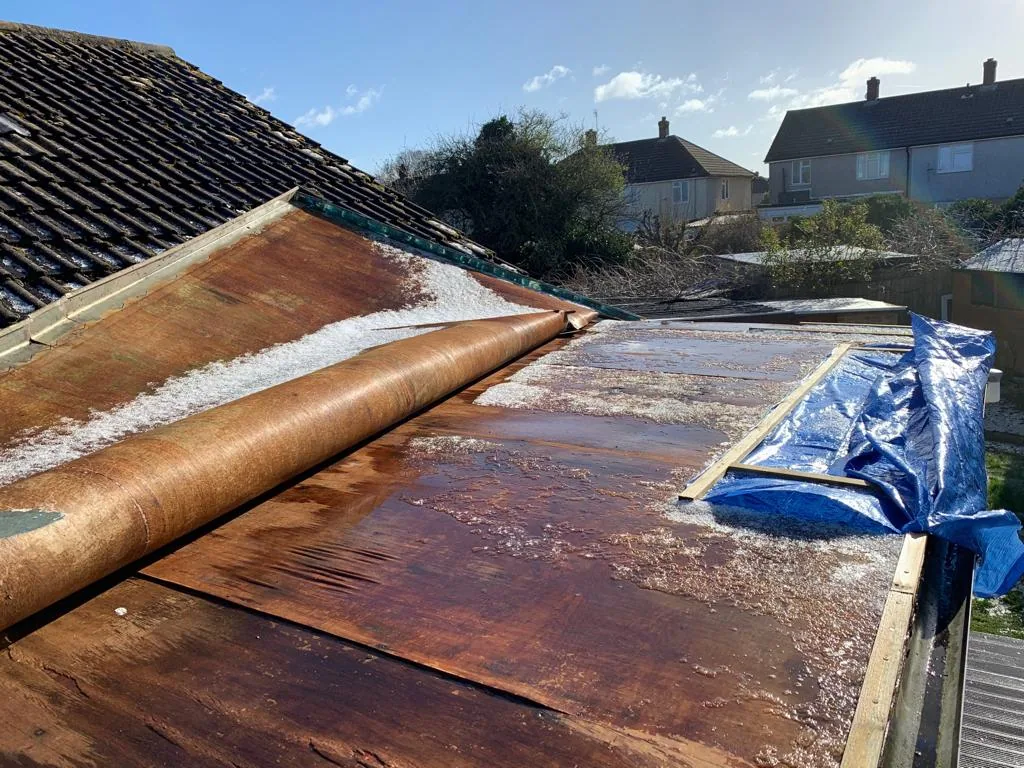
San Angelo's 2020 severe-hail record notes harm to homes and vehicles; no Miles property condition can be inferred from it. It can explain why an owner asks for a regional roof review; it cannot show that a Miles roof was struck. We document visible impacts by zone and distinguish them from seam movement, foot traffic or earlier work. If wind is the concern, we inspect the edge attachment and any displaced flashing. Those observations have different repair consequences. A hail review can report marks and unresolved questions without suggesting a claim result. Where a leak is active, immediate protection and permanent repair are priced separately. The owner can authorize the first step while photographs, records or a closer test are gathered for another area. This keeps the storm record from substituting for diagnosis and prevents an isolated mark from expanding into unmeasured roof replacement.
Miles
Compare a repair boundary with wider renewal
One separated seam can remain a localized correction if adjacent material and attachment are stable. Repeated openings, widespread moisture or brittle field material may support a broader comparison. We identify the number of locations inspected and record whether an assembly opening was made before discussing renewal. A recover option depends on existing layer count, moisture, deck condition and governing project requirements. A replacement scope includes a different removal and protection sequence. Neither option follows from Miles' location or a single leak alone. The owner sees price, removal limit, tie-in detail and potential allowance for each supported alternative. At closeout, the crew documents the repaired area, material, photos and any item deferred. A roof condition report can preserve those findings by zone for the next funding decision. A property may also carry a maintenance record from several contractors. We compare dates, roof zones and materials without assuming that different repairs share one cause. If one application lies across a seam or blocks the intended receiving area, the estimate explains the preparation required to create a sound connection. Ownership can decide whether to remove that material now or include an alternative if the surface proves incompatible. Work that is not needed to complete the current repair stays separate. The dated record can remain with this building file for later ownership review.
Questions and answers
Questions About Miles
Does one open seam mean the whole roof needs replacement?
Not by itself. We inspect adjacent material and attachment, then compare a local repair with broader work only when evidence supports it.
Can rooftop equipment work be included in a roofing repair?
Only when responsibility and tasks are clear. The proposal identifies any required mechanical shutdown, movement or separate contractor work.
Does regional hail history prove a Miles roof was hit?
No. An inspection documents conditions at the requested property and separates visible marks from unrelated wear.
What should happen if the crew finds a weak deck?
The crew secures the opening, records the finding and submits the measured added work for approval before expanding permanent removal.