Commercial Roofing on North Bryant Boulevard in San Angelo, TX
Service Areas
North Bryant Boulevard in San Angelo at a Glance
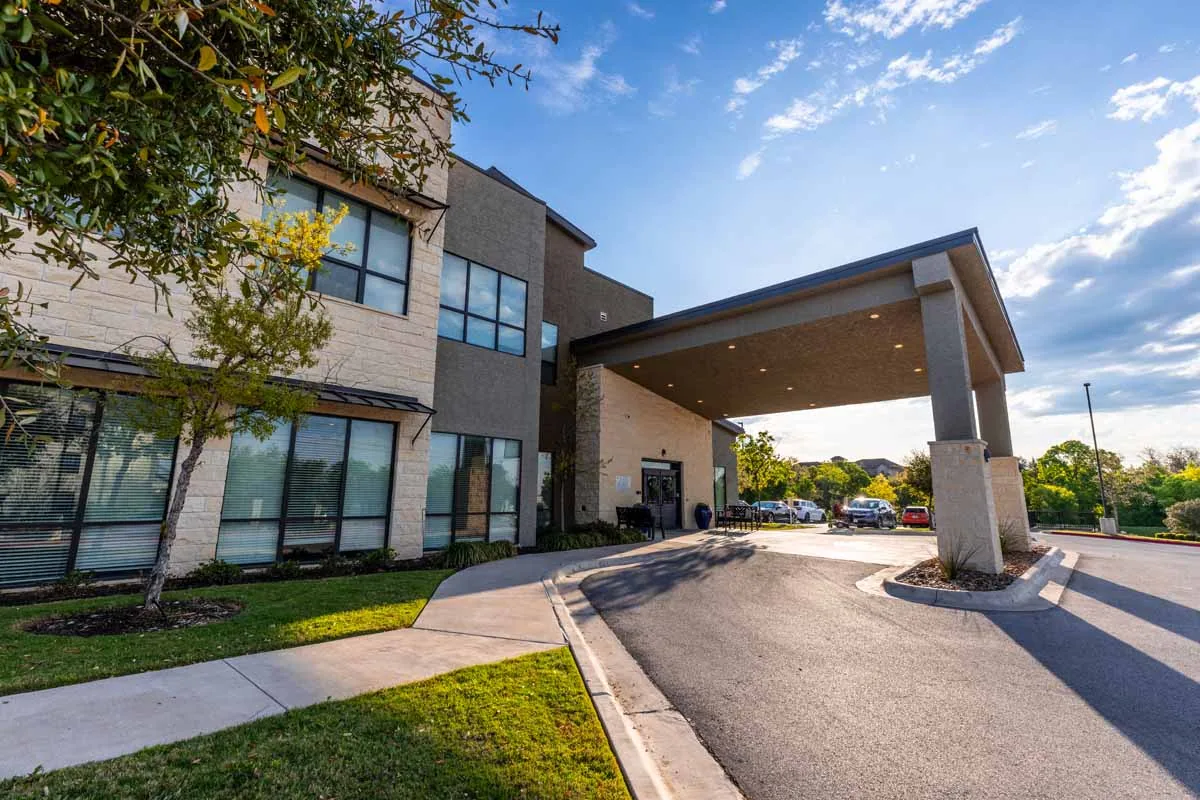
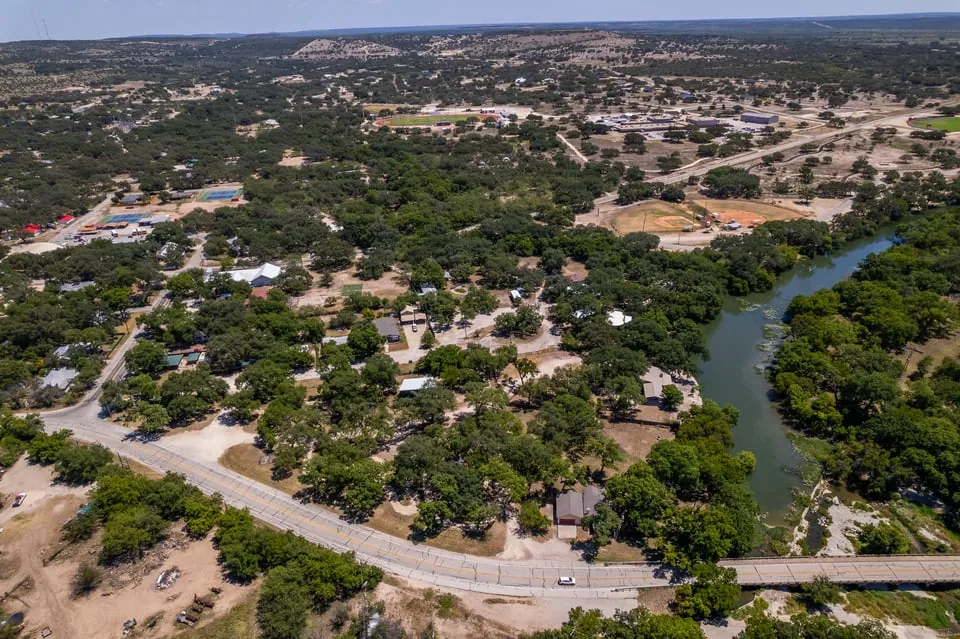
North Bryant Boulevard is a commercial corridor in San Angelo with hotel and restaurant uses. Those operations put guest arrival, kitchen service, deliveries and occupied hours beside the roof decision. We inspect the roof system, not infer its condition from the business below. The corridor sits on a major TxDOT-maintained thoroughfare, so access planning should account for current site entry and delivery arrangements. Managers comparing nearby commercial access patterns can also review the Sherwood Way Corridor; roof access remains property-specific. The NWS July table places San Angelo's normal daily high between 96 and 99°F. Hot surface conditions make seam bond, metal movement and coating adhesion practical inspection points.
North Bryant Boulevard in San Angelo
Locate the defect before setting a repair boundary
A leak can travel before it reaches a room. Water may follow insulation joints, deck flutes, framing or conduit. The stain alone cannot identify the opening above. We check membrane laps, penetrations, wall transitions and drains along the likely path. At a hotel, the room in which water appears may be separated from the roof defect by a corridor, ceiling cavity or mechanical space. Restaurant kitchens add equipment and interior finishes that make fast containment important, but the roof still needs a defined source.
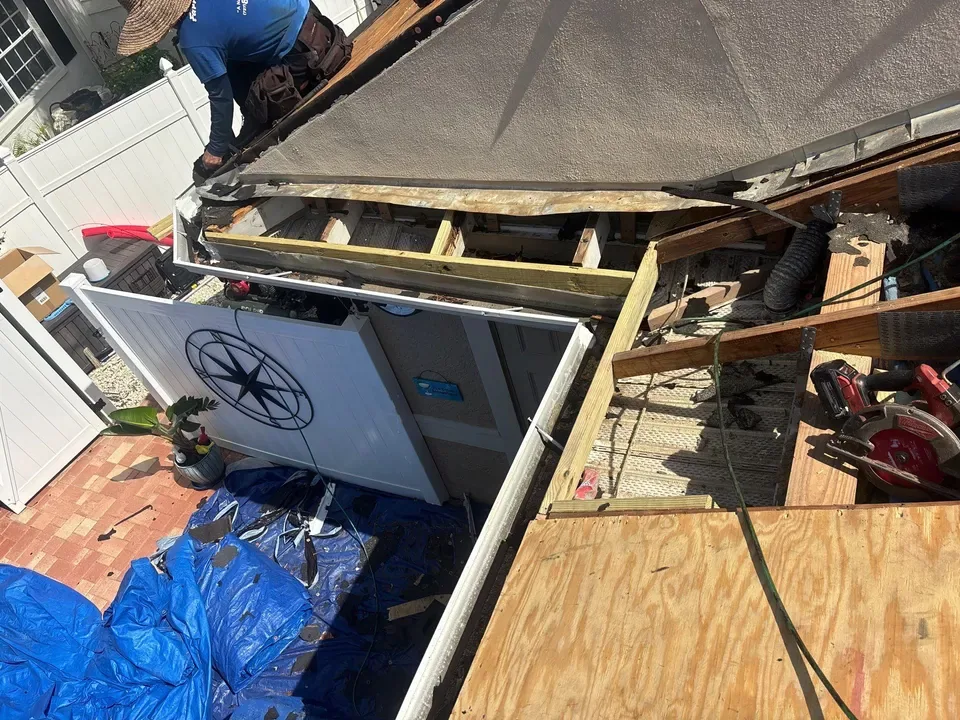
We photograph the observed conditions and compare them with prior service notes where available. A test cut can tell us whether insulation is dry or wet. That finding controls how much assembly needs removal. If a seam is open and the adjacent insulation remains sound, a targeted repair may solve the problem. If moisture spreads beneath the membrane, a surface patch is not a complete scope. We document the repair extent so a property manager can approve the work with a reason. A commercial roof inspection gives the team a baseline before emergency or planned work.
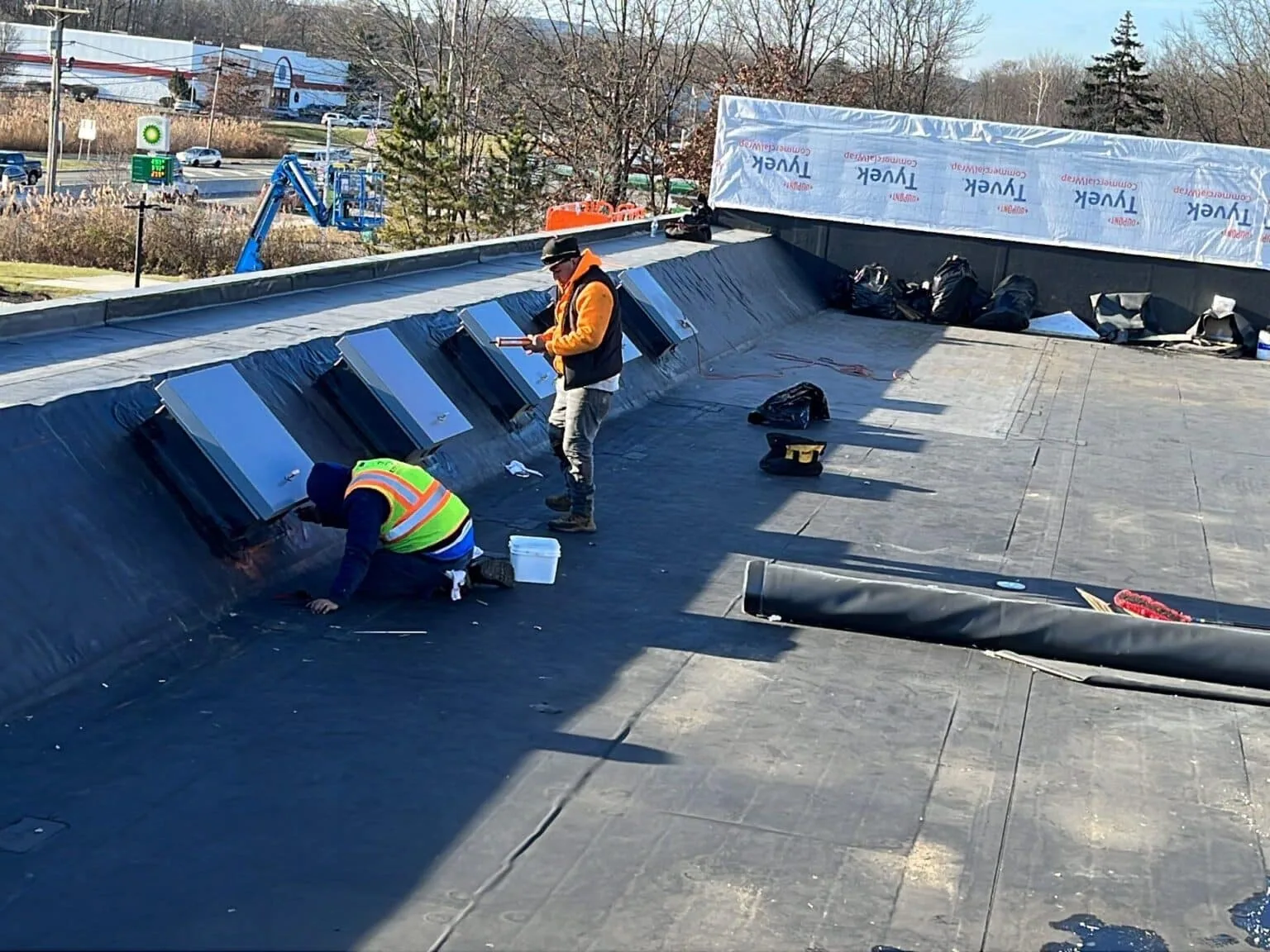
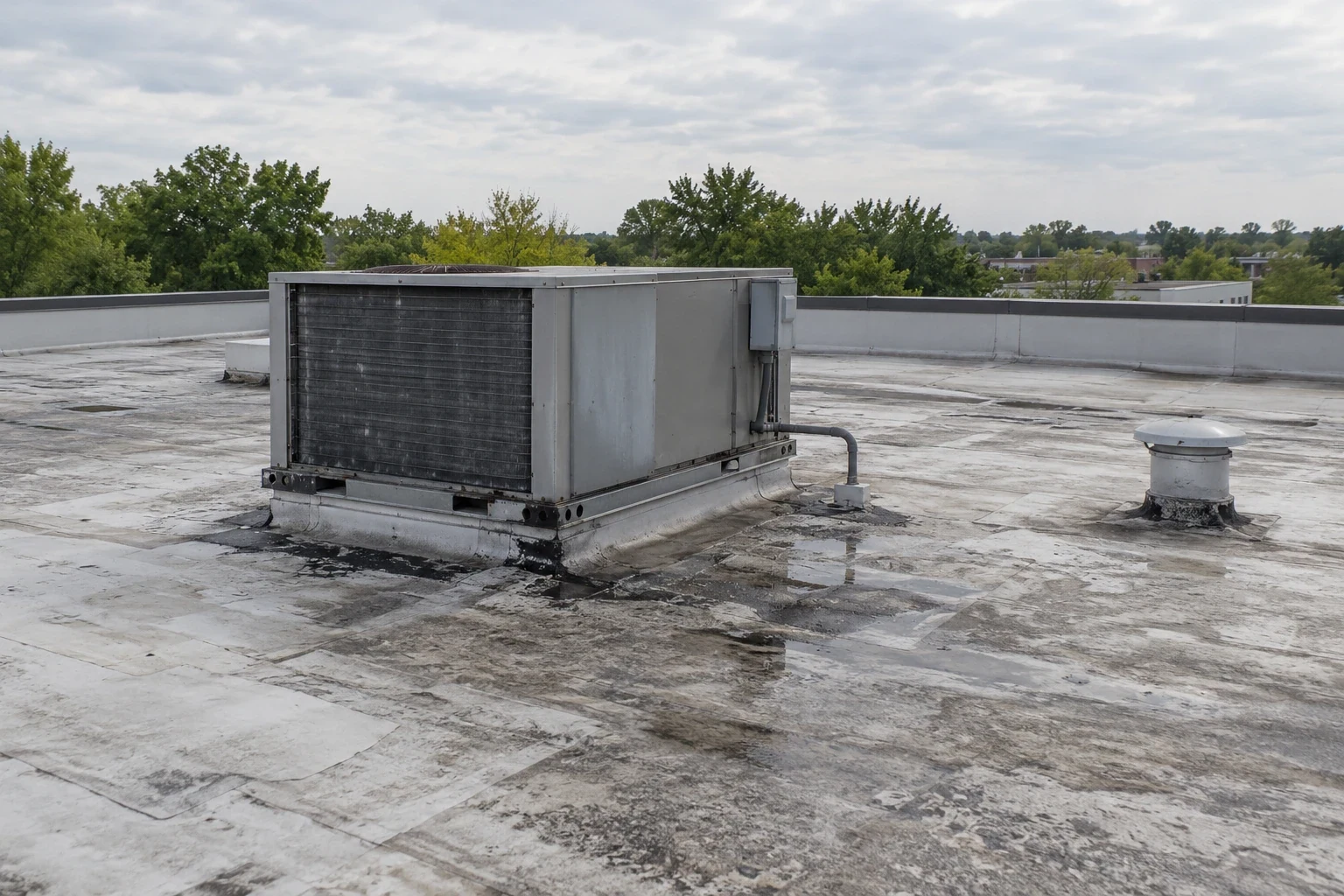
Roof penetrations deserve separate attention where exhaust, plumbing and mechanical equipment meet the membrane. We inspect the curb corners and flashing laps for open edges, failed sealant or movement. A condition found at one unit does not establish that every curb needs replacement. The report marks each observed detail and ties the correction to its location. That lets a manager approve a narrow repair or request a broader review with the evidence in hand.
Define the repair before setting the work window Arrange an inspection for your North Bryant commercial property. Share access rules, leak history and operating hours; we will document the roof condition and explain the repair boundary.
North Bryant Boulevard in San Angelo
Separate movement from failed adhesion
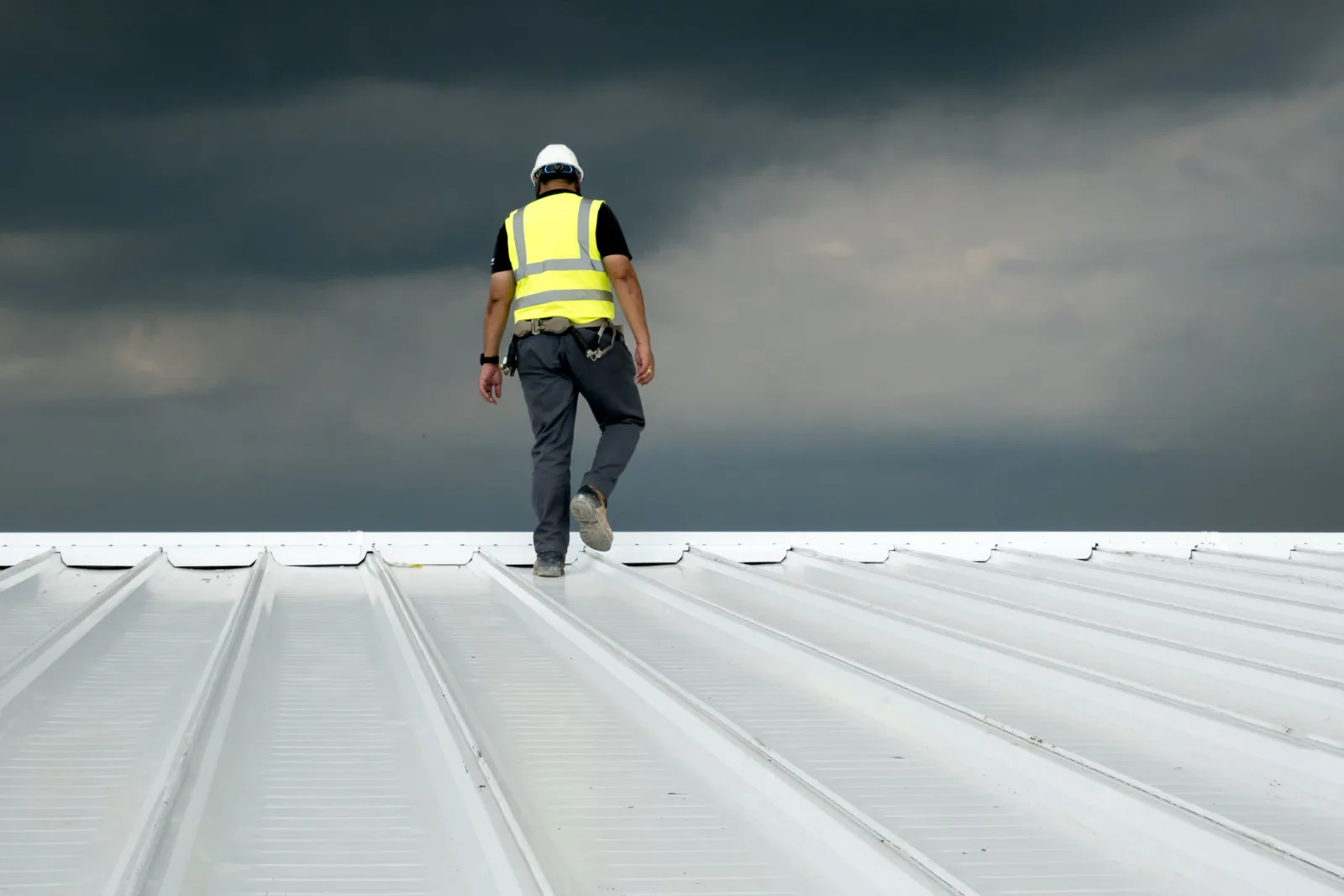
Hot weather changes the way membrane, metal and sealant respond. On a low-slope roof, the perimeter and penetrations often contain several materials with different movement. We inspect termination bars, coping, laps and fasteners together. A seam probe can reveal an unbonded section that looks intact from a ladder. On a metal roof, we look for fasteners that have backed out, seams that have shifted and flashing that no longer follows the panel profile.
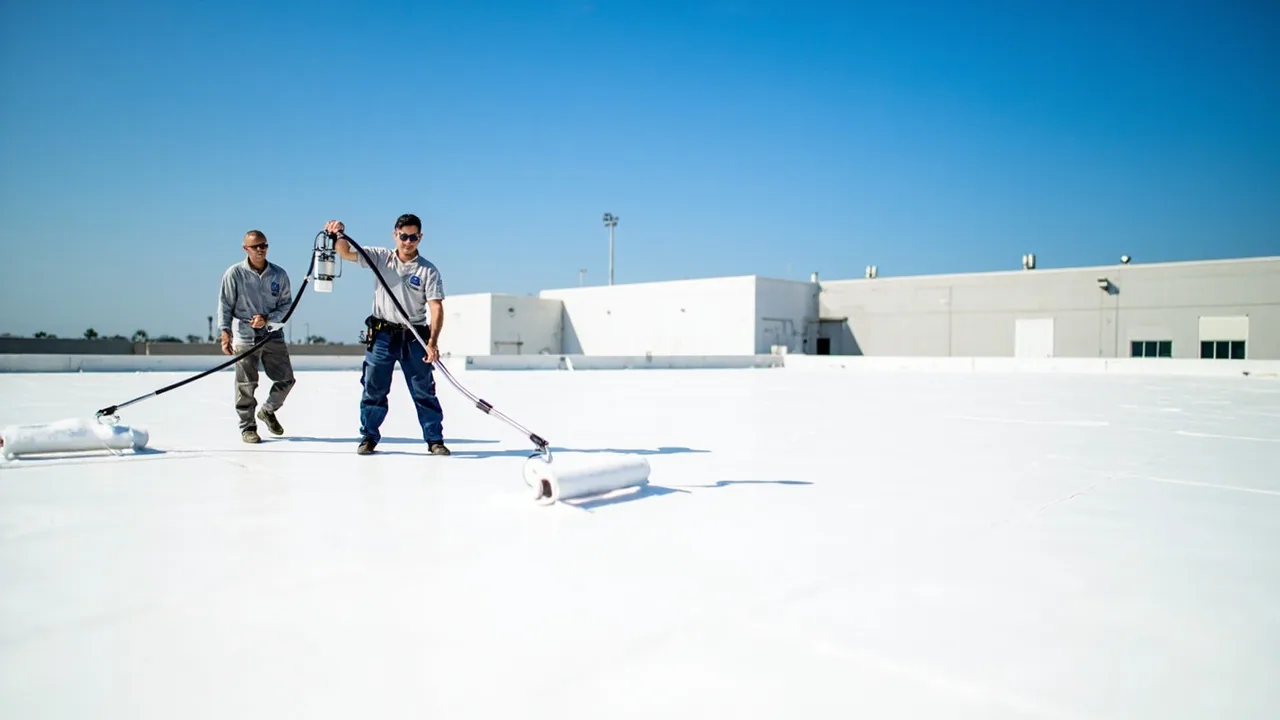
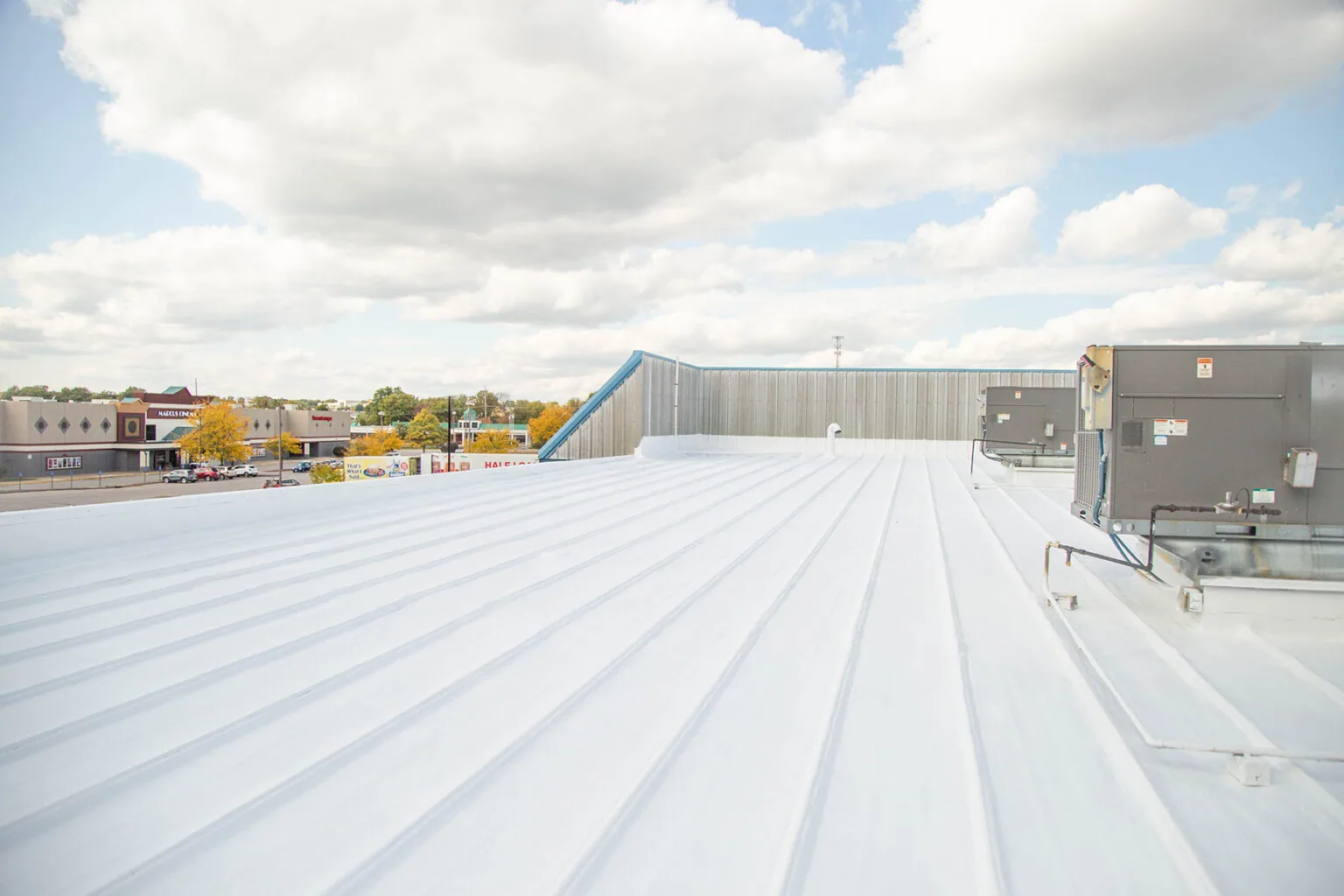
Coating decisions need a different test. The substrate must be clean, dry and compatible. We check for chalking, loose material, trapped moisture and deterioration around drains. The coating should not bridge a moving joint or cover a wet assembly. When the roof is suitable, the preparation and application window must match the selected system. We can assess similar adhesion questions during a coating restoration review. If bond remains uncertain, a small adhesion test is more useful than a broad promise. The property manager can compare commercial roof repair with a restoration scope after we mark which details need correction.
North Bryant Boulevard in San Angelo
Protect guest and service circulation
Hotel and restaurant operations continue while roof work happens. We identify guest entrances, service doors, loading areas, parking routes and equipment access before setting staging. A lift or material pallet should not block an active approach without an agreed alternate. If the repair is isolated, we can sequence the work around the affected roof section. A larger project may need separate work zones and advance notices for rooms or kitchen operations below.
We also plan interior protection before removing wet materials. The crew needs a safe path to the work area, and the manager needs a clear point of contact for any change in access. Daily close-in is part of the scope. Exposed insulation is not left open while the crew moves to another task. If water is entering, we first limit damage and then identify the permanent repair. Around North Bryant, current traffic or business access conditions should be confirmed with the property before deliveries; the roadway maintenance fact does not establish a closure. Our emergency response addresses active entry and safe containment.
North Bryant Boulevard in San Angelo
Match the work to moisture and assembly condition
Repair is strongest when the defect is limited and nearby materials remain serviceable. A roof recover may be possible when the existing assembly is dry, secure and eligible for another layer under project requirements. A coating may restore a compatible surface after preparation and detail repairs. Replacement is easier to justify when the system has widespread failure, repeated wet areas or details that cannot be made reliable within a repair scope. We lay out these conditions rather than treat every leak as a replacement lead.
San Angelo's normal July precipitation is 1.10 inches. Monthly averages do not determine whether a roof is dry after a particular storm. We inspect drainage paths, outlets and low spots, then check the insulation if water retention or repeated leakage raises concern. A written report can separate urgent containment from capital work. It identifies what is known, what requires testing and what remains outside the proposal. That separation is useful when guest impacts or kitchen scheduling require the first phase to be smaller. For a compatible assembly, coating restoration can be compared with localized repair and replacement.
North Bryant Boulevard in San Angelo
Make access, closeout and approval specific
A practical proposal names the roof area, system, observed issue and planned correction. It also states whether insulation removal, edge-metal work, curb flashing or drainage correction is included. If conditions under the membrane cannot be confirmed without opening it, the proposal should describe how the crew will document and price that condition before expanding the work. The manager has a decision point rather than an undefined authorization. For ongoing inspections, a maintenance visit can carry the same repair history forward.
For lodging and food-service uses, we include staging, daily cleanup and the expected noisy periods. The schedule notes the work zone and how the crew reaches it. We coordinate deliveries with the property contact and keep tools clear of guest paths. At closeout, photos show repaired seams, finished flashings and cleared drains. A maintenance record can help separate a new defect from a prior repair. A preventive roof maintenance visit gives the manager a chance to review edges and penetrations before the next leak call. The useful record is specific enough for another facilities contact to act on. Managers coordinating more than one property can compare access constraints with the College Hills Boulevard Corridor and downtown work areas. The roof scope remains specific to each assembly.
Questions and answers
Questions About North Bryant Boulevard in San Angelo
Can hotel or restaurant roof work be phased?
Yes. We define work zones, access routes, lift placement and close-in points with the property manager. The roof condition and crew capacity determine how much can be opened in each shift.
Will a roof inspection identify every hidden wet area?
An inspection identifies visible conditions and likely water paths. Where moisture is uncertain, a test cut or other focused testing can define the boundary. The report separates observed facts from areas that still need exposure.
Does a hotel or restaurant require a special roof system?
The building use below does not by itself select the roof system. Deck, slope, existing assembly, drainage, penetrations and project requirements guide that choice. We assess the actual roof before recommending a system.
What is needed to price a repair?
Useful records include leak locations, prior repairs, access rules and known roof-system information. We inspect the affected details, determine whether insulation is wet and state the repair boundary and exclusions.