Commercial Roofing on Main Street in San Angelo, TX
Service Areas
Main Street in San Angelo at a Glance
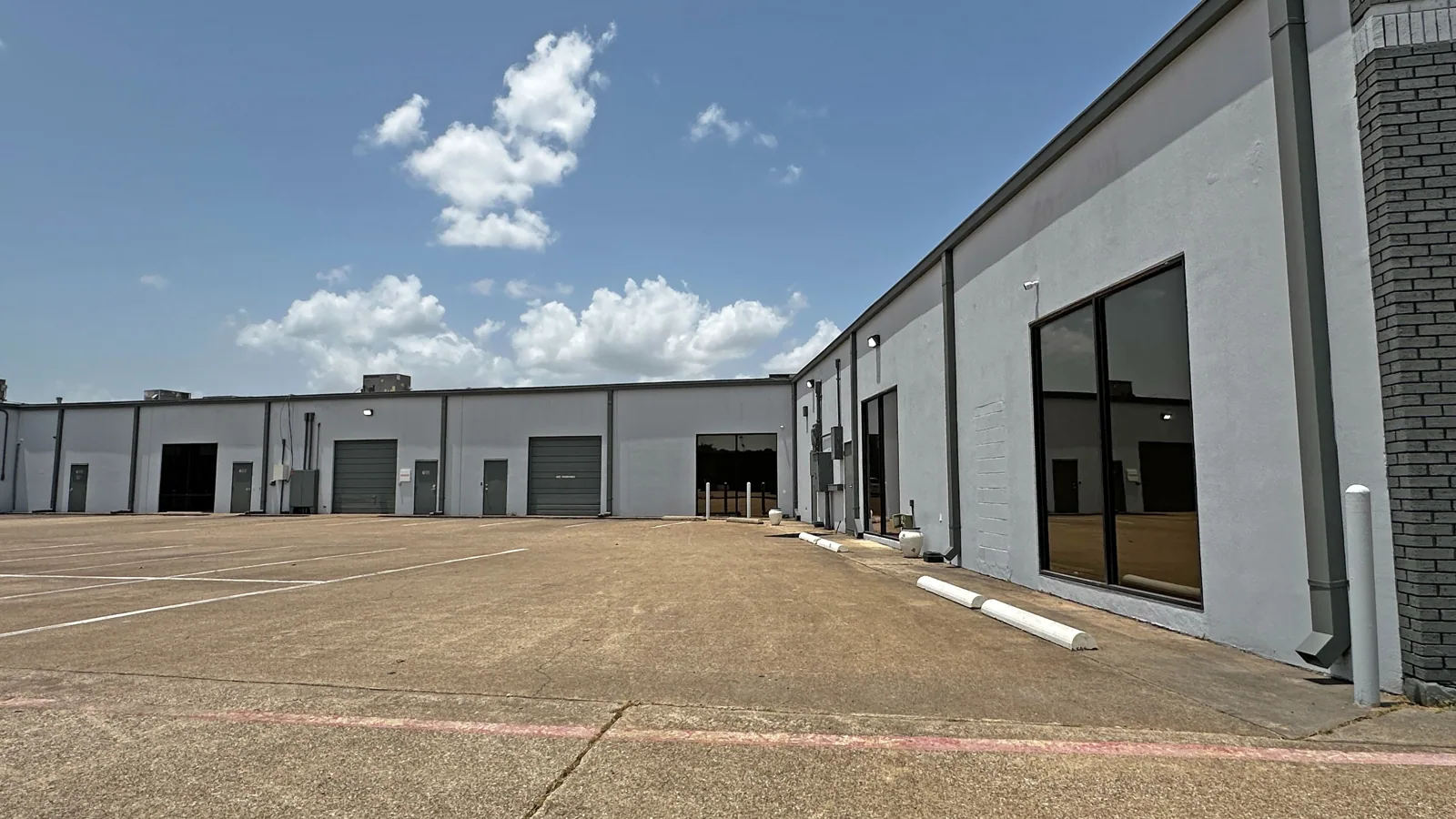
Main Street is a San Angelo commercial corridor with grocery and discount retail operations. It intersects the TxDOT-maintained Loop 306 access-road signal network. Access planning should be checked with the property before a roof crew is scheduled; the roadway fact does not establish today's traffic conditions. We inspect the actual roof before setting a repair boundary. Nearby managers can compare the Pulliam Street corridor, while keeping findings tied to the building. The National Weather Service's San Angelo July normals place daily highs between 96 and 99°F, which makes bond strength and surface movement practical review points.
Main Street in San Angelo
Trace each likely water path
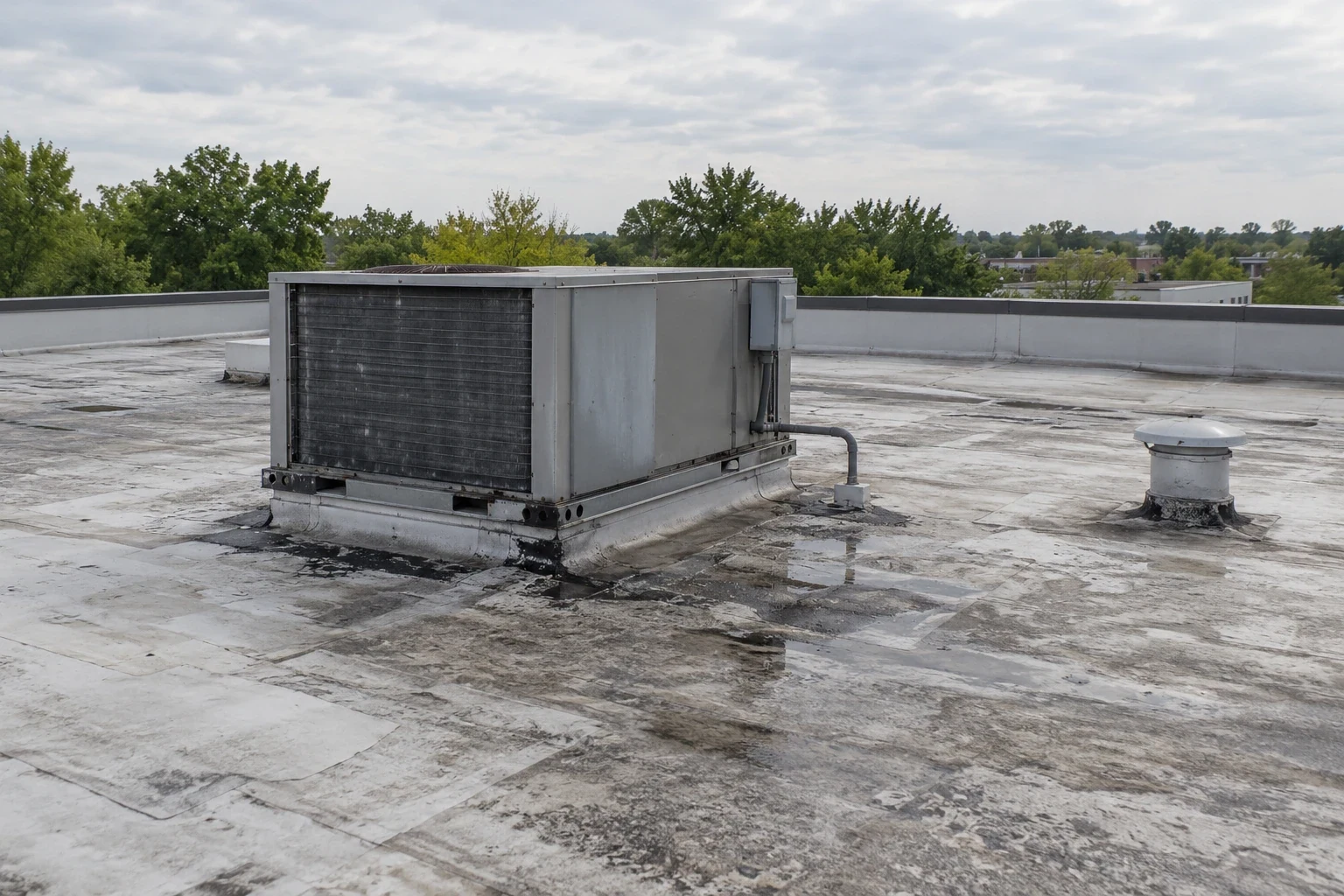
Water can travel along deck flutes, structural members or insulation joints before it reaches an interior room. A ceiling mark gives us a starting place. It does not set the roof repair area. We compare the interior note with seams, curbs, penetrations, wall flashing and drains. Grocery buildings may have back rooms with refrigeration equipment; we confirm the property conditions instead of assuming the rooftop arrangement.
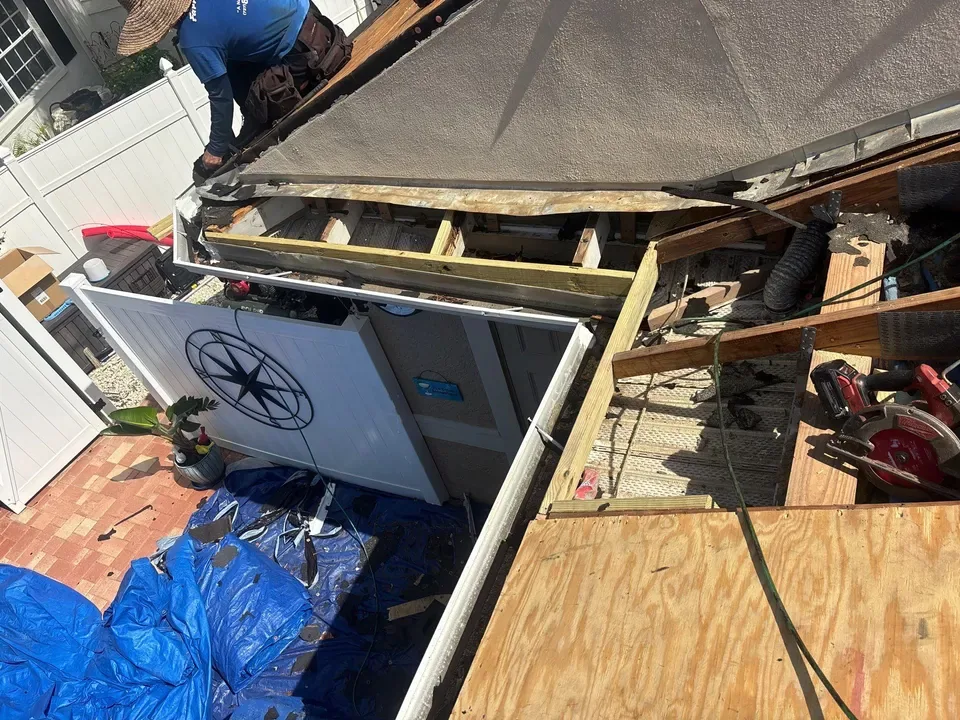
When the insulation boundary is hidden, a test cut can show whether material is wet. We document its location and layers, then set a removal limit. Dry insulation can remain when the assembly permits it. Wet material needs replacement and a secure tie-in to sound roof. The manager receives photographs and an explanation of the work. A commercial inspection can separate a confirmed leak from a suspicion about another roof area.
A water path can intersect more than one roof component. We follow staining on the deck, check insulation edges and look for water marks at structural supports. If the roof contains a vapor retarder, its continuity can affect where moisture appears. We only describe layers that are visible or confirmed by an opening. The manager can then distinguish a probable path from a tested one.
Before closing a test area, we confirm the deck can hold the repair and that the new insulation fits the surrounding thickness. An uneven transition can create a depression or leave a gap under the membrane. The repair detail must return water to the drainage plane. We photograph the layers before covering them and record the material used. This creates a reference for future leak calls and avoids guessing where a prior cut was made.
Connect the leak report to roof conditions Arrange a focused roof inspection on Main Street. Share access rules, delivery windows and repair records; we will document the roof condition and a clear next step.
Main Street in San Angelo
Check details before placing new material
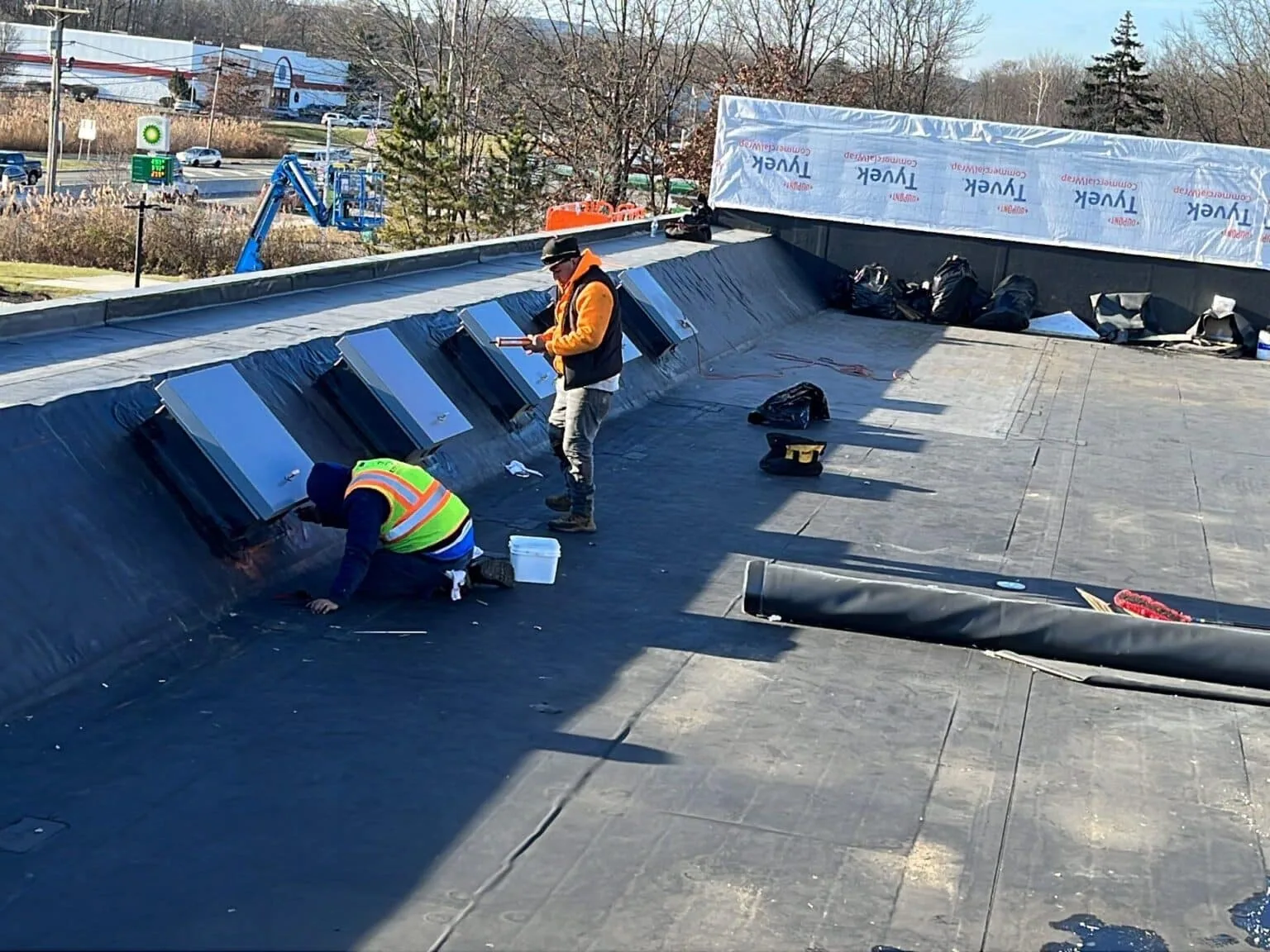
At a membrane lap, we probe bond across the seam and inspect the surface for splits. At an edge, we look for loose attachment or metal that has shifted. Around a curb, the flashing and all corners should remain connected to the roof field. A repair must restore continuity at the transition, not merely add sealant where water appeared.
San Angelo heat can change the way metal and membrane meet. We check expansion clearance and whether a termination has enough movement capacity. On a coated surface, chalking or poor bond can reduce the value of another layer. We test a small area when adhesion is uncertain. If the existing roof is compatible, repair can remain local. If not, the report should say why the choice changes. Our commercial roof repair scope names the failed seam, edge or flashing and the proposed tie-in.
On metal details, movement is part of the repair choice. Fasteners that clamp a sliding panel can add stress at a lap. We inspect the fastening pattern before replacing sealant. A curb corner with a loose flange may need mechanical attachment as well as new flashing. The finished detail should shed water without locking materials in place.
Main Street in San Angelo
Keep staging out of active circulation
Grocery and discount retail operations involve customers, stock deliveries and back-of-house movement. A lift or pallet can interrupt those routes unless it is placed with care. We confirm the entrance, loading area, hours and any access restriction with the manager. The sequence identifies when noise occurs and which roof zone is active. A limited repair may fit into one area; larger removal requires an orderly phase plan.
Before the membrane is opened, we identify the room below and set interior protection. The crew removes material only to the documented boundary and closes the opening before leaving. Daily cleanup keeps loose fasteners and debris away from customer and vehicle paths. If water is entering during a storm, the first visit controls exposure and documents the temporary condition. A permanent repair follows when the surface can be prepared. The emergency service gives the manager a clear response and next step.
We also confirm who can approve an access change during the shift. A named contact prevents a crew from blocking an entry while trying to resolve a roof condition. If the business requires a delivery escort, we build that time into the sequence.
Main Street in San Angelo
Compare repair, recover and replacement
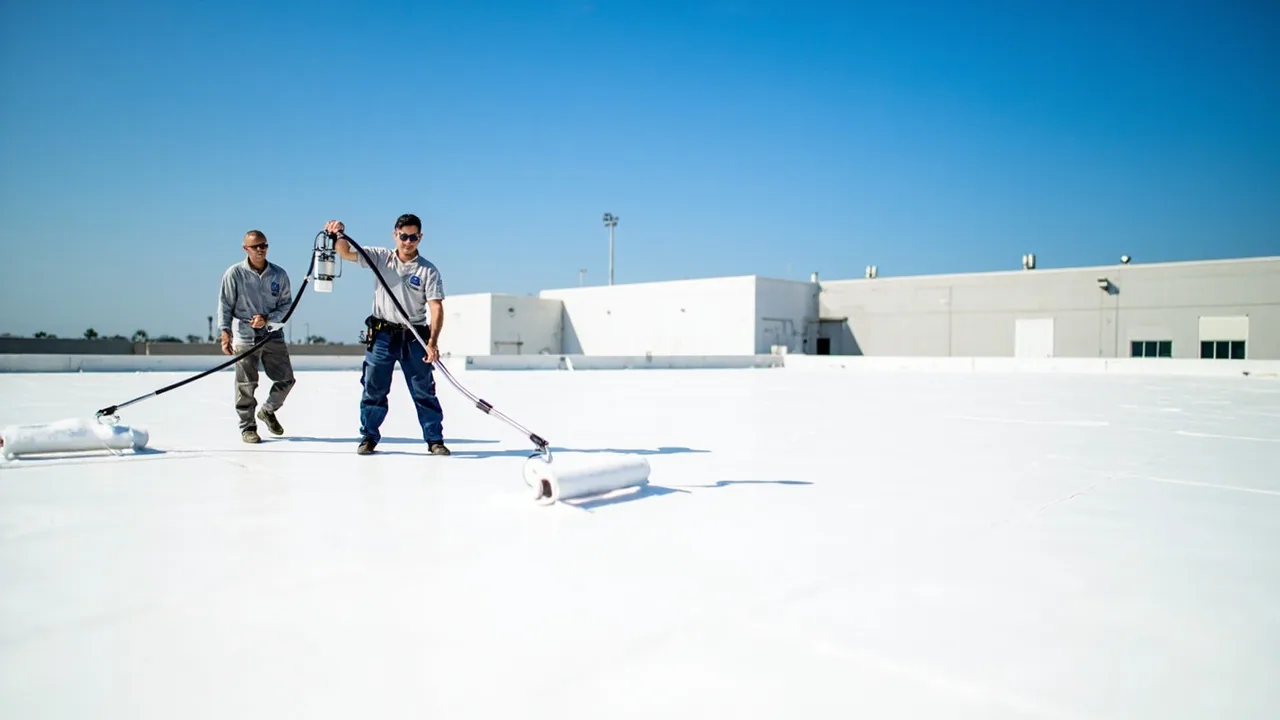
Repair works when damage is isolated and surrounding materials are serviceable. A recover requires secure attachment, dry insulation and project acceptance of an added layer. Coating needs compatible material, preparation and good bond. Replacement makes sense when water or deterioration affects broader roof areas or repeated fixes no longer restore a continuous assembly. We evaluate those conditions before assigning a project type.
San Angelo normal July precipitation is 1.10 inches. A normal does not determine how a roof drains after a particular rain. We inspect low points, outlets and scuppers directly. If an obstruction is visible, we note it. If the deck or insulation appears depressed, further review may be needed. Hot weather also affects the work window for cleaning, adhesive, coating or membrane welding. The scope states preparation and close-in requirements. A roof restoration assessment can be compared with local repair where the surface qualifies.
Main Street in San Angelo
Tie photographs to the repaired roof area
We photograph the defect before work and the completed detail afterward. The record notes material removed, insulation condition, patch boundaries and any item outside authorization. If concealed conditions change the quantity, the property manager reviews the evidence and price before work continues. That decision remains separate from the approved repair.
After installation, we clear drains and check that the repair does not interrupt runoff. Tools and packaging leave with the crew. The manager gets an open-item note if a return visit is recommended. A maintenance inspection can revisit seams and edges with the prior photos in hand. For broader location planning, property teams may compare the Pulliam Street corridor or Downtown San Angelo; road connections and building uses help with access discussions, but each roof needs its own condition record.
We also list any roof area left outside the approved work and the reason.
This keeps future approvals tied to a known roof location.
Questions and answers
Questions About Main Street in San Angelo
Does the Loop 306 signal network determine roof access?
No. It describes the roadway network, not current traffic control or private property access. We confirm the route and delivery timing with the property contact before work.
Can a leak be fixed without opening the roof?
Some surface defects are visible. If insulation condition or water travel is uncertain, a small test cut can set the repair boundary. We explain that choice before opening the assembly.
How do you manage grocery deliveries during work?
The property manager confirms delivery windows, loading routes and staging. We sequence work around those movements when the roof plan allows and secure each opened section daily.
When is coating an option?
The surface must be dry, compatible, bonded and prepared. We check seams, flashing, drainage and prior coating before recommending a restoration layer.