Commercial Roofing on Southwest Boulevard in San Angelo, TX
Service Areas
Southwest Boulevard in San Angelo at a Glance
The city completed Southwest Boulevard rehabilitation between Loop 306 and Houston Harte in 2021. Hotels and restaurants operate along the corridor, making the roadway a broad commercial service area with varied guest, dining and delivery schedules. This coverage follows the boulevard; it does not describe a particular hotel or restaurant property. Each owner confirms its own roof access, permitted staging and work hours. We inspect the specific area connected to a leak, repair request or planned review, then record the roof type and material that can receive permanent work. A commercial roof inspection identifies the observed condition and separates it from an untested layer. The proposal states the included boundary, temporary protection and any test opening with its own approval point. If a corridor property has a public entrance below the repair, the manager confirms how guests and staff move safely during work. The schedule follows that building's operating plan, not a general assumption based on hospitality use.
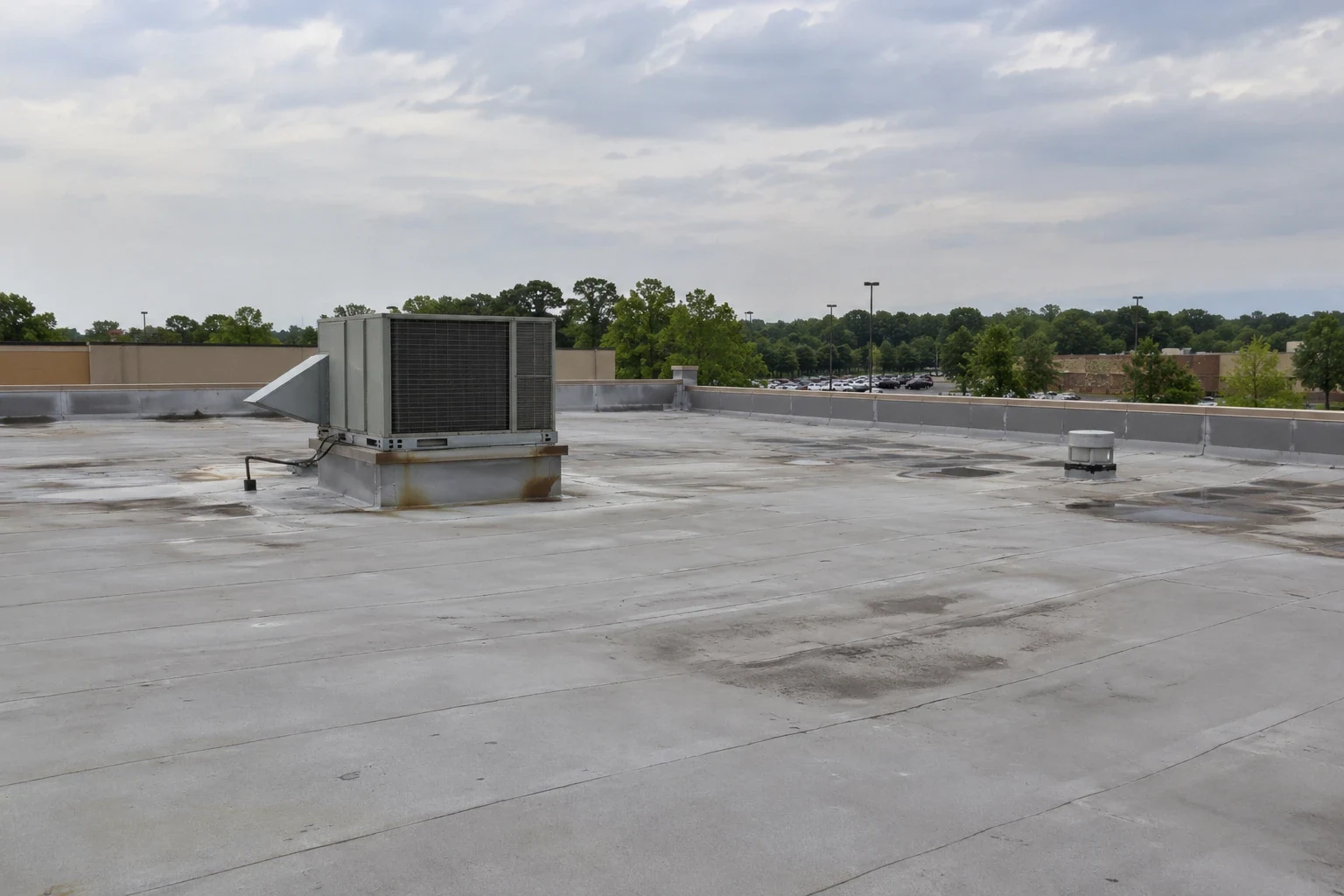
Southwest Boulevard in San Angelo
Plan roof work around guest movement
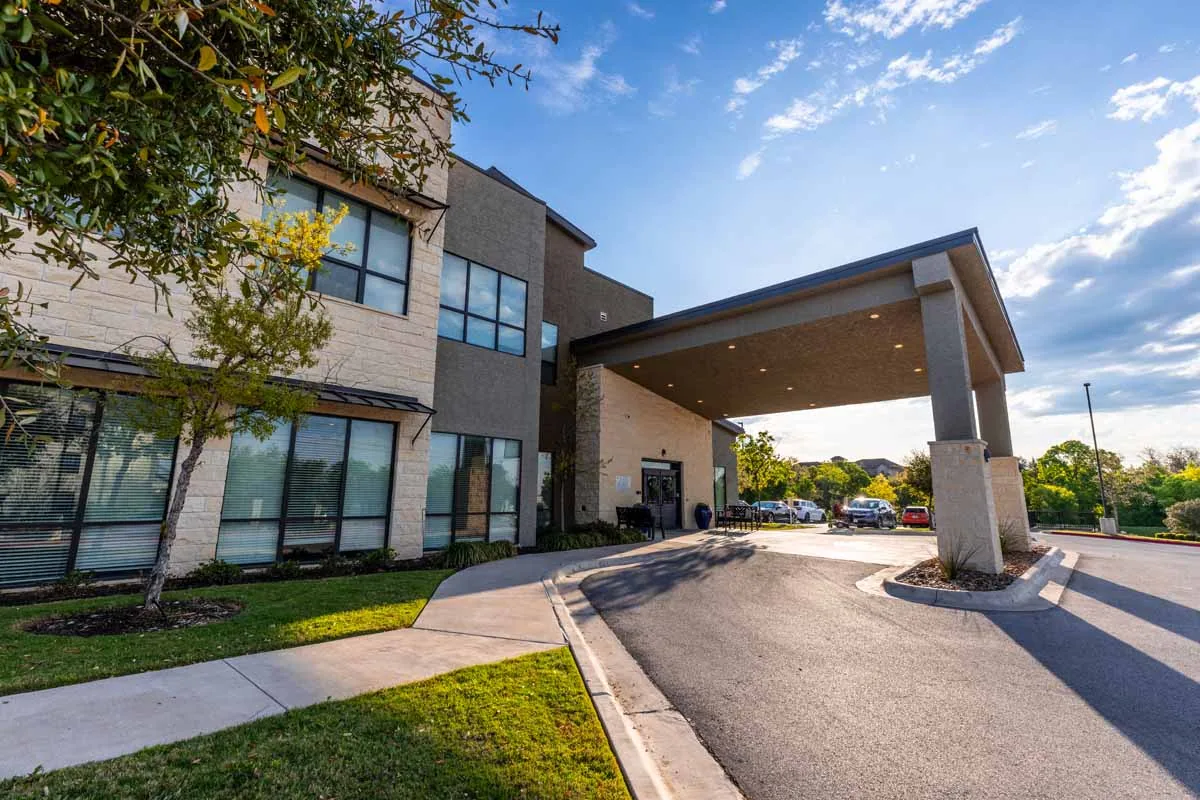
A roof crew may need to work above a lobby, restaurant seating area or service entrance. Those uses are possibilities to confirm with the property, not a claim about every address. The site contact identifies guest paths, receiving doors, quiet periods and any area that must remain in service. We place material and tools where they do not block approved routes and mark the protected zone below. A phased sequence can reduce simultaneous exposure when roof condition and weather allow. The work order lists the zone opened, the expected closure time and who receives an update if a concealed condition appears. If a shift changes because of a property event, ownership can see whether the effect is on labor, temporary protection or a second mobilization. We confirm all of that before setting the date; a nearby hotel or dining operation does not set another property's schedule. Hotels can have room turnovers, dining periods and vendor arrivals that change day to day. The manager identifies which periods are fixed and which can shift after notice. We set a zone that keeps guests away from roof access and marks the safest route for crew and materials. If work above a guest room requires interior covering or a temporary relocation, the property decides that step before removal begins. We confirm who will inspect the protected space and how the crew reports dust, water or noise concerns. These choices affect labor sequence and the length of a temporary closure, so the proposal records them. A narrow repair may be installed between operating periods, while a larger opening may need an agreed shutdown. The schedule remains subject to roof condition and safe weather.
Set the Southwest Boulevard work boundary Send the property address, roof concern, guest or delivery limits and approval contact. We will inspect the related detail and price included work separately from testing or added removal.
Southwest Boulevard in San Angelo
Separate canopy and main-roof connections
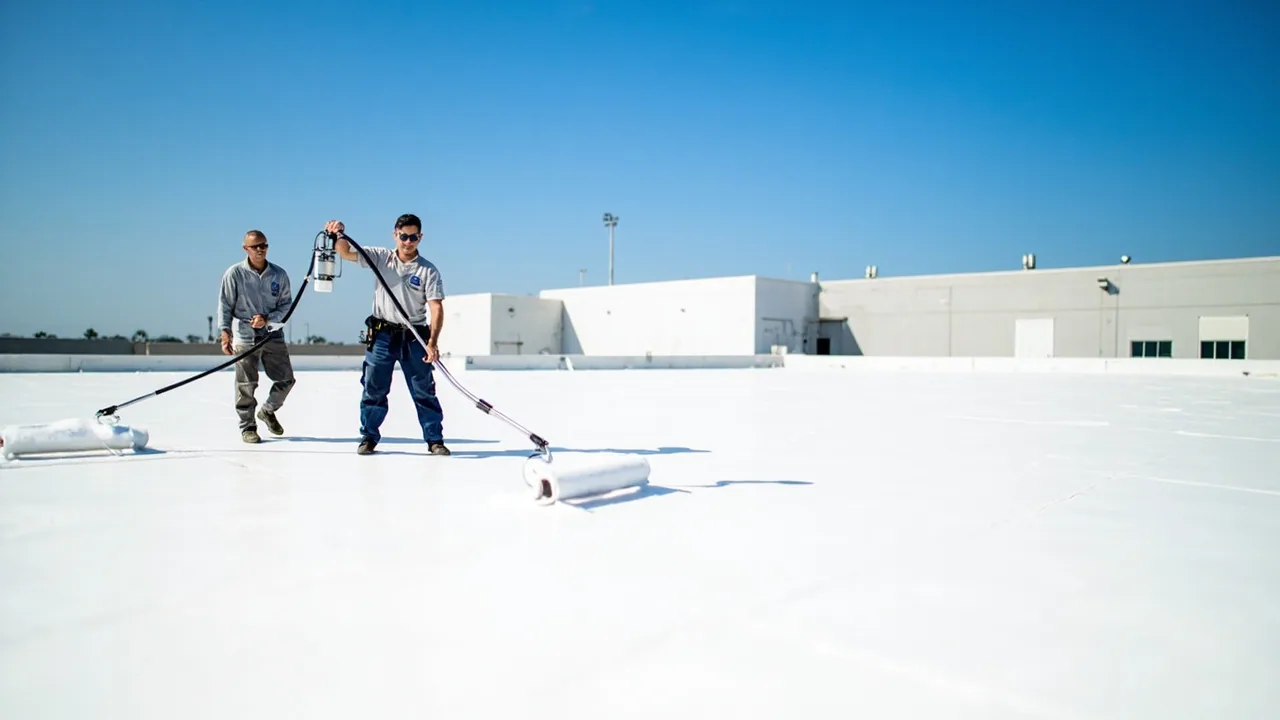
Canopies and low roof sections can have different drainage paths and edge details from a main roof. We inspect the actual transition, including wall flashing, fascia, drains and any expansion joint. A perimeter repair should show where membrane, metal and wall connect. If a canopy edge is below a taller wall, water may enter at the upper termination and travel before reaching the visible ceiling. We compare the height change and roof layers before pricing material. If the existing surface has a coating, the receiving area must be tested for compatibility and bond; coating over an open joint does not resolve the connection. A restoration scope is considered only after the substrate and detailing are found suitable. The proposal distinguishes preparation, patch and new edge metal so the owner can approve the detail that controls water entry.
Southwest Boulevard in San Angelo
Inspect drainage without widening the scope
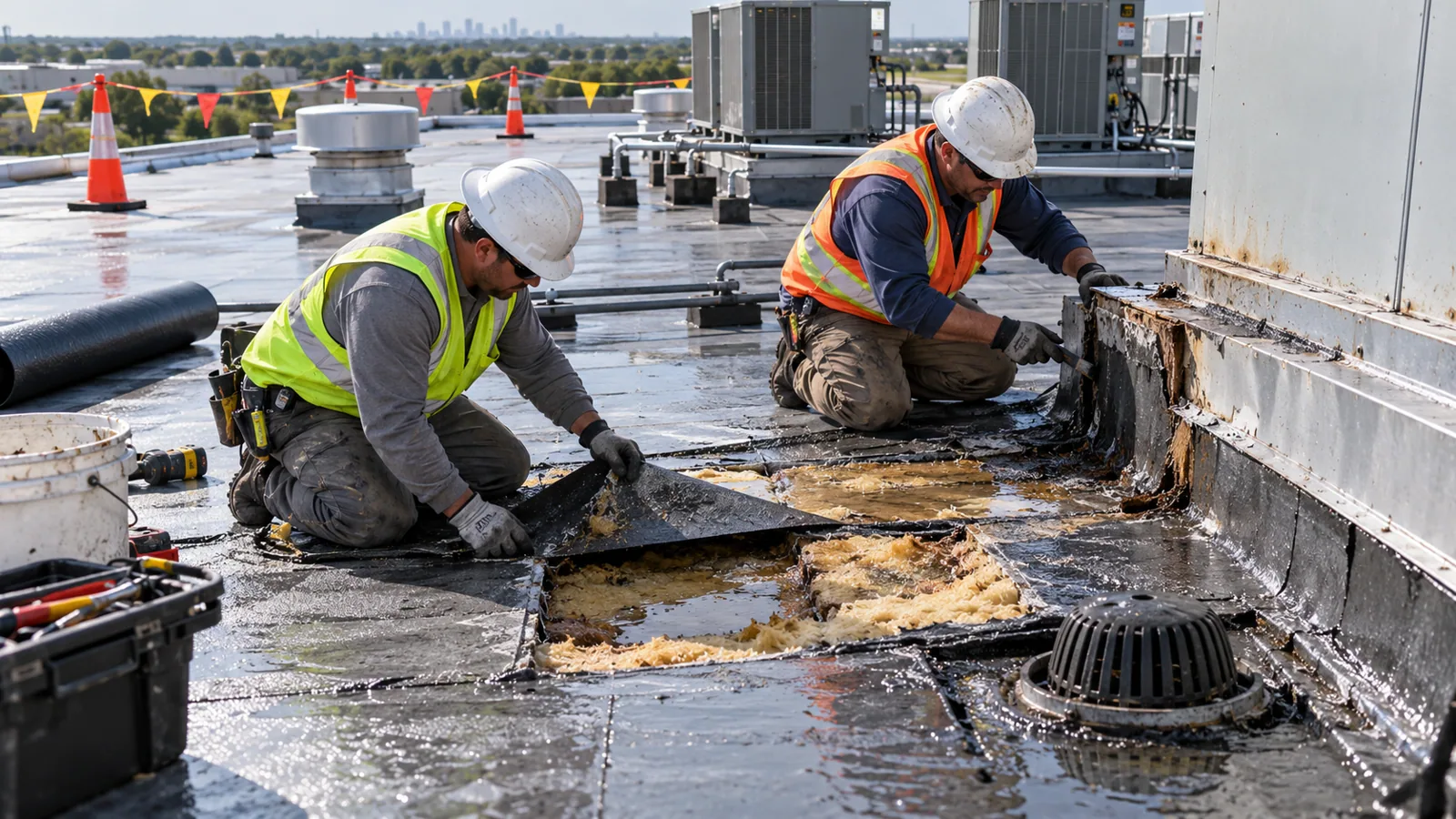
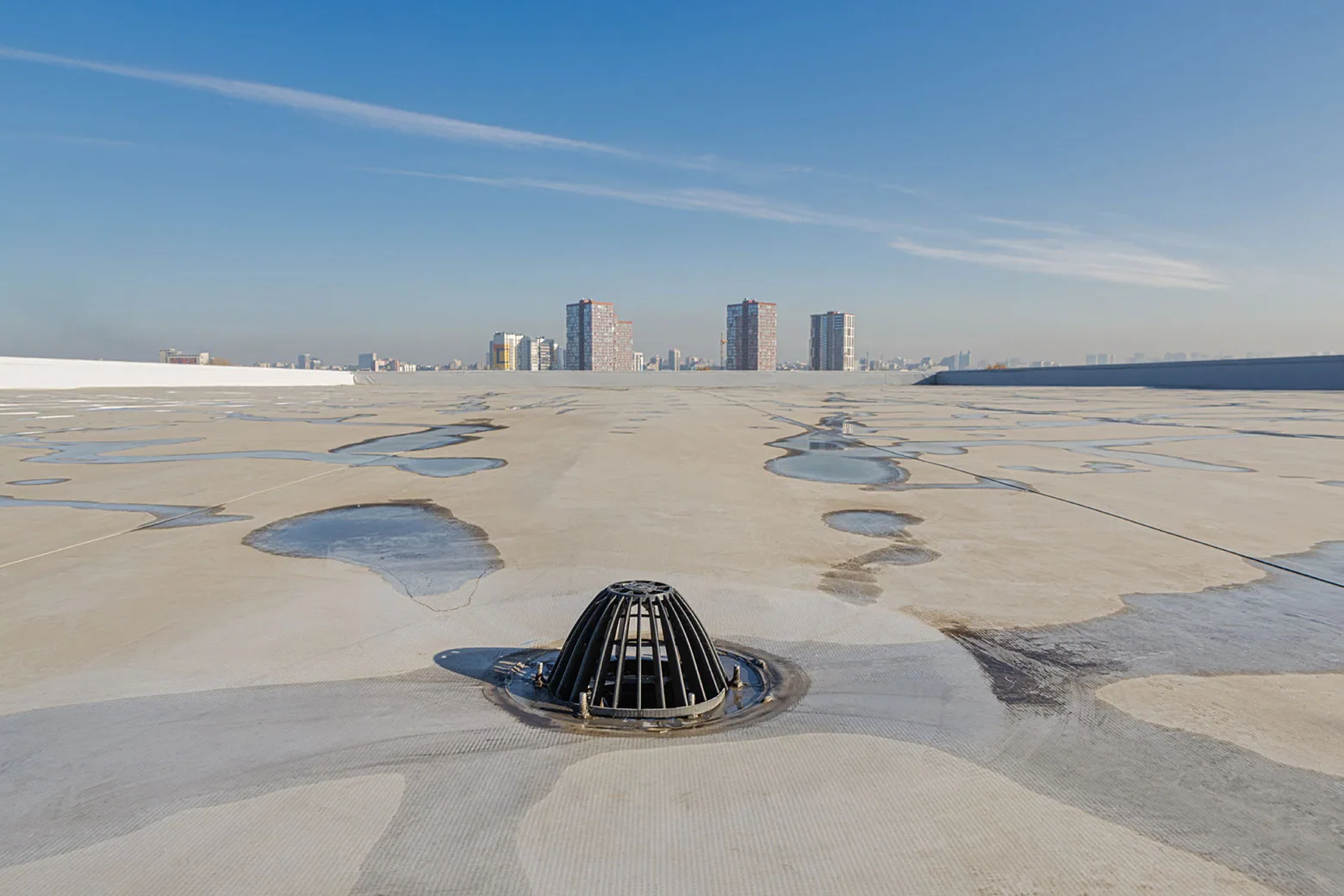
A roof drain that appears clear may still sit below a low area or have a separated flashing. We inspect the bowl, surrounding membrane and path that feeds it. A drain repair can correct a failed connection, while a slope concern needs separate measurement. A ponding-water assessment records where water remains and when the condition was observed. The scope does not imply that every low spot can be removed by cleaning an outlet. If water testing is proposed, the estimate defines the bounded area and safeguards for occupied space below. The manager receives photos and an explanation of what the test will answer. Debris removal, outlet replacement and roof-slope work remain separate price items. At closeout, the crew confirms the outlet is clear and any unresolved low area is listed for ownership review rather than marked as corrected.
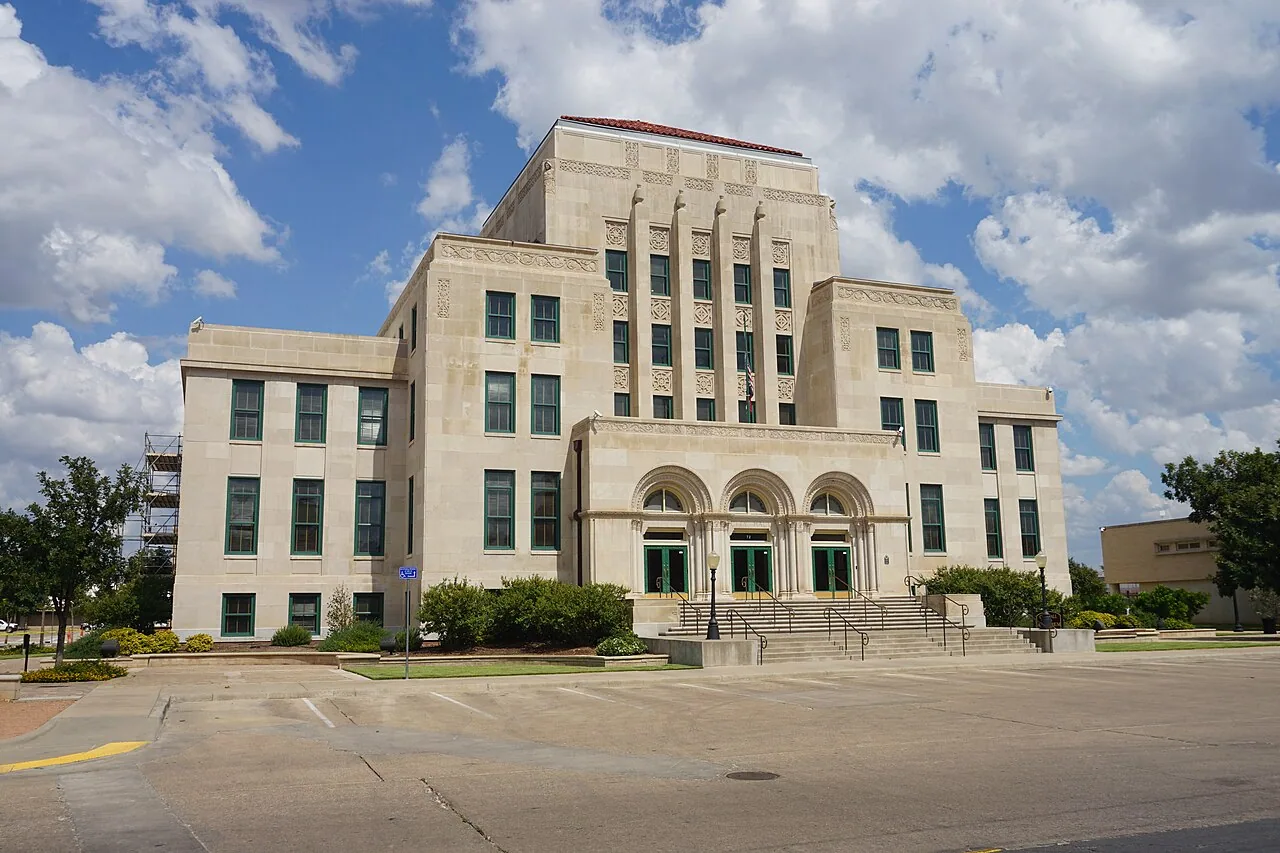
Southwest Boulevard in San Angelo
Confirm equipment and supply dependencies
Rooftop units, exhausts and service lines can affect a repair path. We ask whether a mechanical contractor has made recent changes and whether a unit may be unavailable during flashing work. The estimate assigns responsibility for disconnection, lift or reset instead of assuming those tasks belong to the roofing crew. If material must be ordered, the supplier confirms availability before a date is promised. We identify where delivery can arrive without disrupting guest service or the site's loading path. A test opening may show a different substrate than the records describe; the crew records the exposed layer and asks before changing the permanent scope. Ownership can choose a temporary cover while a compatible material is sourced. The schedule distinguishes that protection from final construction so the property can budget each step and set a usable date for full closeout. Ownership may also need to verify that prior roof warranties or service agreements allow a particular repair method. We request the available document and identify any notice or approved contractor condition before applying a material. The crew records the existing detail and proposed tie-in in writing. If a repair needs another approval, the estimate states what can proceed while that review is pending and what must remain protected. This prevents an operational deadline from becoming an unsupported material choice. The final record should include the approval date and the detail completed.
Southwest Boulevard in San Angelo
Compare corridor service areas with property records
Southwest Boulevard is one of several commercial routes in San Angelo. A Sherwood Way property has a separate roof record; the Cultural District also has its own access and use pattern. These locations help define coverage without making their conditions interchangeable. For the requested Southwest Boulevard building, we compare the inspection with available repair history and distinguish known work from deferred items. If multiple roof zones show repeat failures, a broader replacement comparison may be justified. A replacement estimate names removal, protection and transition details. Otherwise, a contained repair can remain the approved work. At closeout, photos, material installed, measured boundary and unresolved conditions go to the property contact. A condition report can preserve those notes by roof zone for later funding review. The owner can revisit open items without reopening the completed repair decision. The manager receives dated photographs with completed work details for the property record.
Questions and answers
Questions About Southwest Boulevard in San Angelo
Does the boulevard page cover one specific hotel or restaurant?
No. It defines a broad roadway area. Each property needs a separate inspection, access plan and work approval.
Can roof work be scheduled around guest arrivals?
The property contact identifies quiet periods, entrances and protected paths. The crew plans the sequence around confirmed site rules.
Can a drain cleaning correct a low roof area?
Only if the outlet or debris is the cause. We inspect the feeding surface and separate slope work from drain service.
What if the roof assembly differs from available records?
The crew photographs the exposed condition, secures the opening and prices any changed work for approval before proceeding.