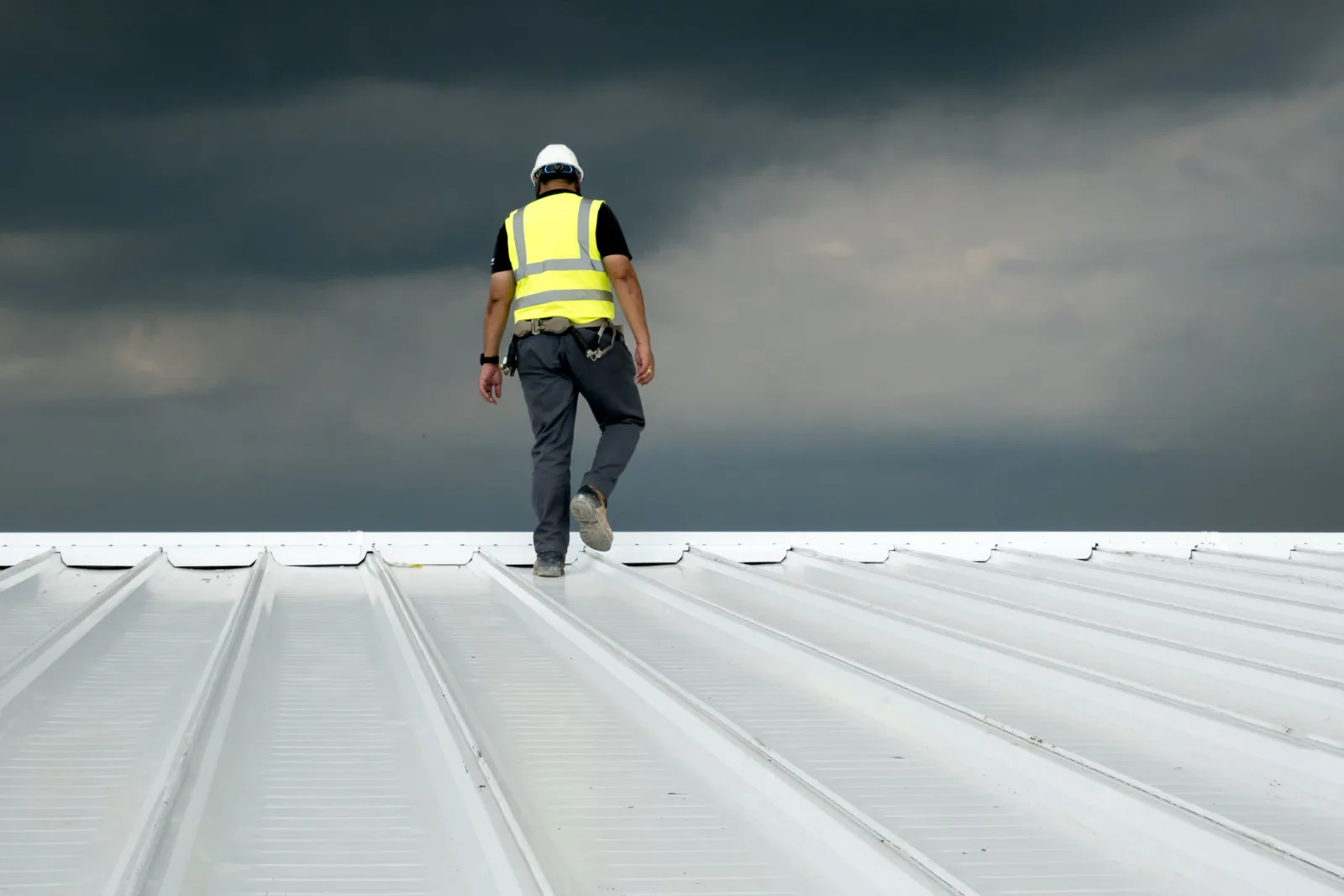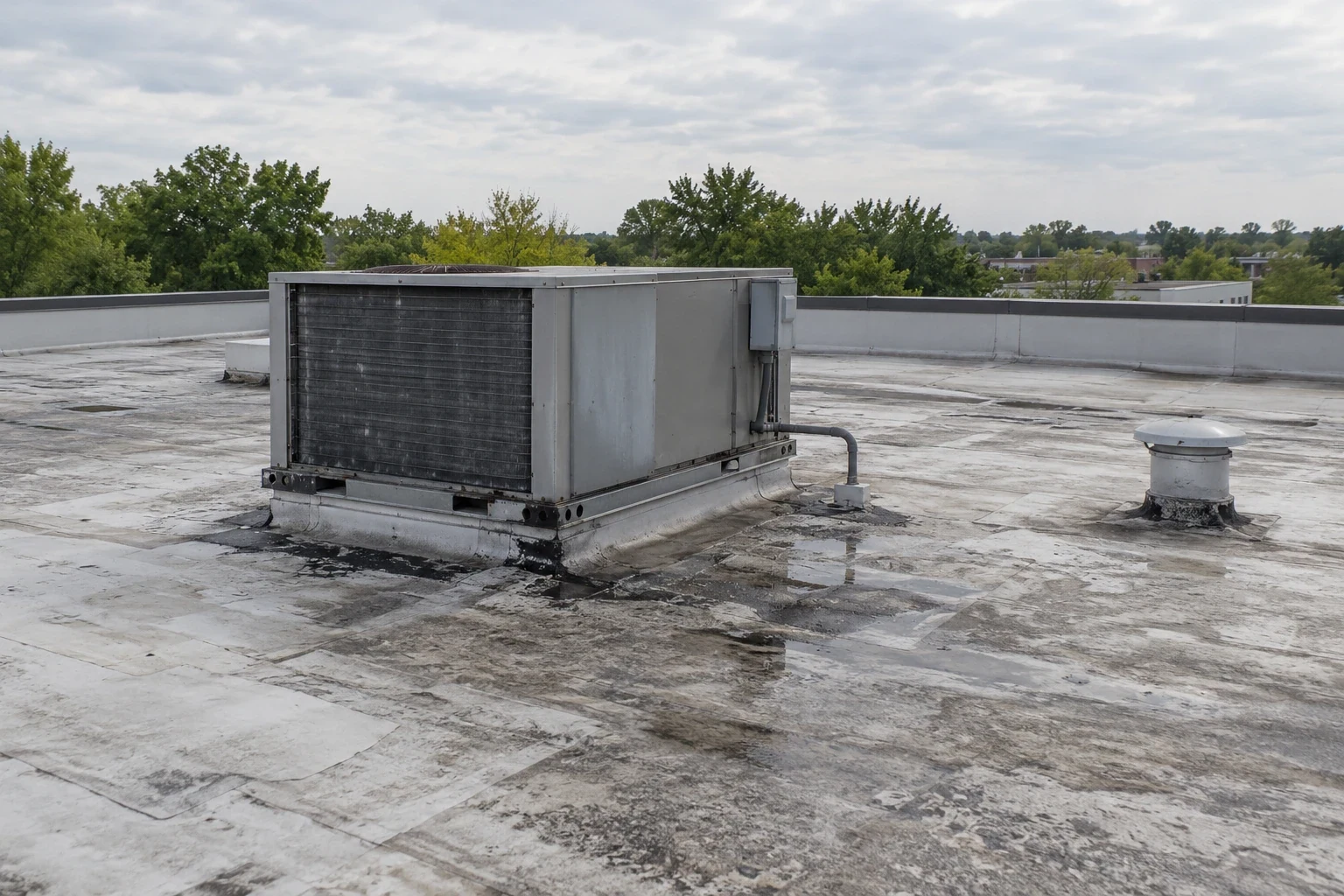
Commercial Roofing on Beauregard Avenue in San Angelo, TX
Service Areas
Beauregard Avenue in San Angelo at a Glance
Beauregard Avenue and Sherwood Way form a major TxDOT-maintained thoroughfare in San Angelo. Pharmacy retail, restaurants and bakeries operate along Beauregard. Those businesses have different hours and loading patterns, but none determines the roof assembly above them. We inspect the roof before recommending work. July normal daily highs in San Angelo range from 96 to 99 degrees Fahrenheit. Hot roof surfaces can affect bond strength, coating adhesion and metal movement, so the condition must be checked directly.
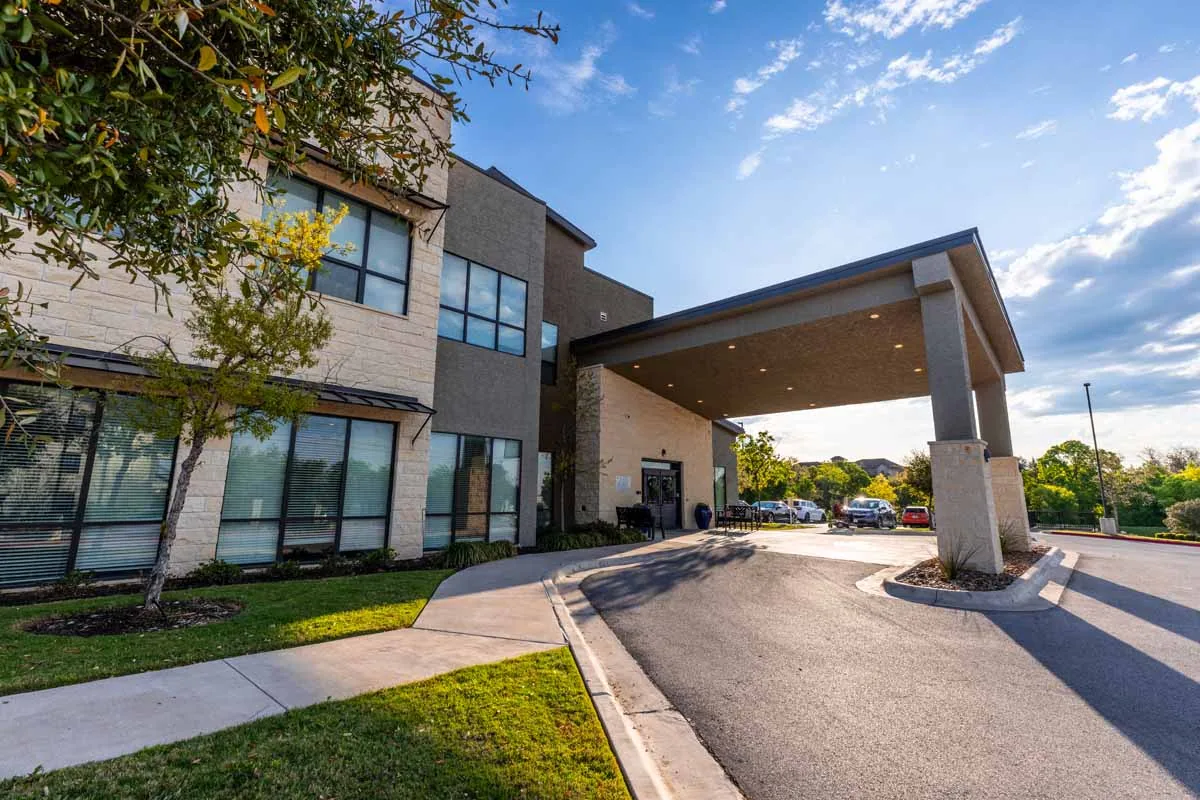
Beauregard Avenue in San Angelo
Follow the path to the roof detail
Water moves along the easiest route. It may enter at a curb and travel across the deck before reaching a pharmacy ceiling or a room behind a bakery counter. We inspect the roof above and around the reported symptom. Seams, wall flashings, drain bowls and equipment penetrations each need a separate look. A roof map helps connect interior notes with the details that could admit water.
If moisture beneath the membrane remains uncertain, a test cut can show the condition of the insulation. That helps set the removal boundary and avoids replacing dry material unnecessarily. We photograph the opening, note the assembly layers and plan a tie-in at sound material. A localized split may call for one repair area. Wet insulation spread along the deck may require more removal. The written scope explains the finding. A commercial roof inspection can document those facts before a manager chooses between repair and a larger capital project.
Our Diligence Notes distinguish a surface issue from a failure inside the assembly. We record membrane age only when the owner has a reliable record; appearance alone is not a service date. We also identify roof areas that were not opened or could not be accessed. This keeps the report useful without overstating what a visual visit can show. If a manager needs an insurance file, dated photographs and the repair sequence can support the property record.
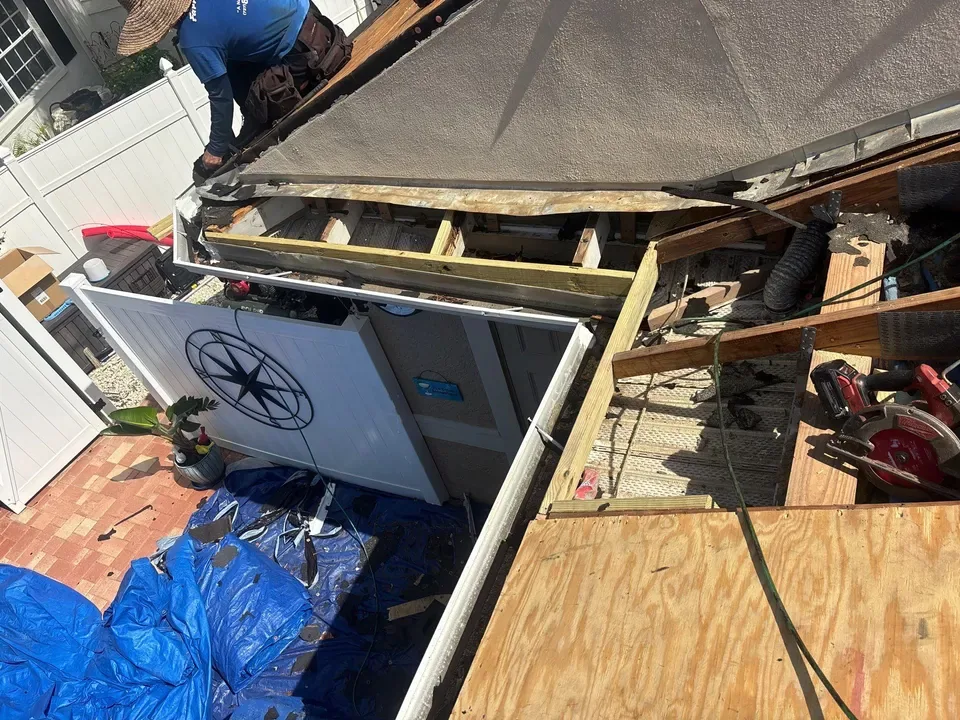
Before a temporary patch goes down, loose material must be removed and the surface prepared. A permanent patch needs compatible material and a secure edge that reaches sound membrane. At a metal transition, fastening and seal continuity have to work together. We check whether movement or a nearby penetration contributed to the opening. That extra inspection can prevent a repair from closing over the same stress point.
We note weather exposure on the day of the visit and whether a temporary cover remains in place. That context helps the manager schedule the return work and tell occupants what to expect before the roof is permanently closed.
Tie repair scope to roof evidence Arrange a commercial roof inspection on Beauregard Avenue. Share roof records, access rules and operating hours; we will document the condition and identify the next step.
Beauregard Avenue in San Angelo
Protect each flashing where trades connect
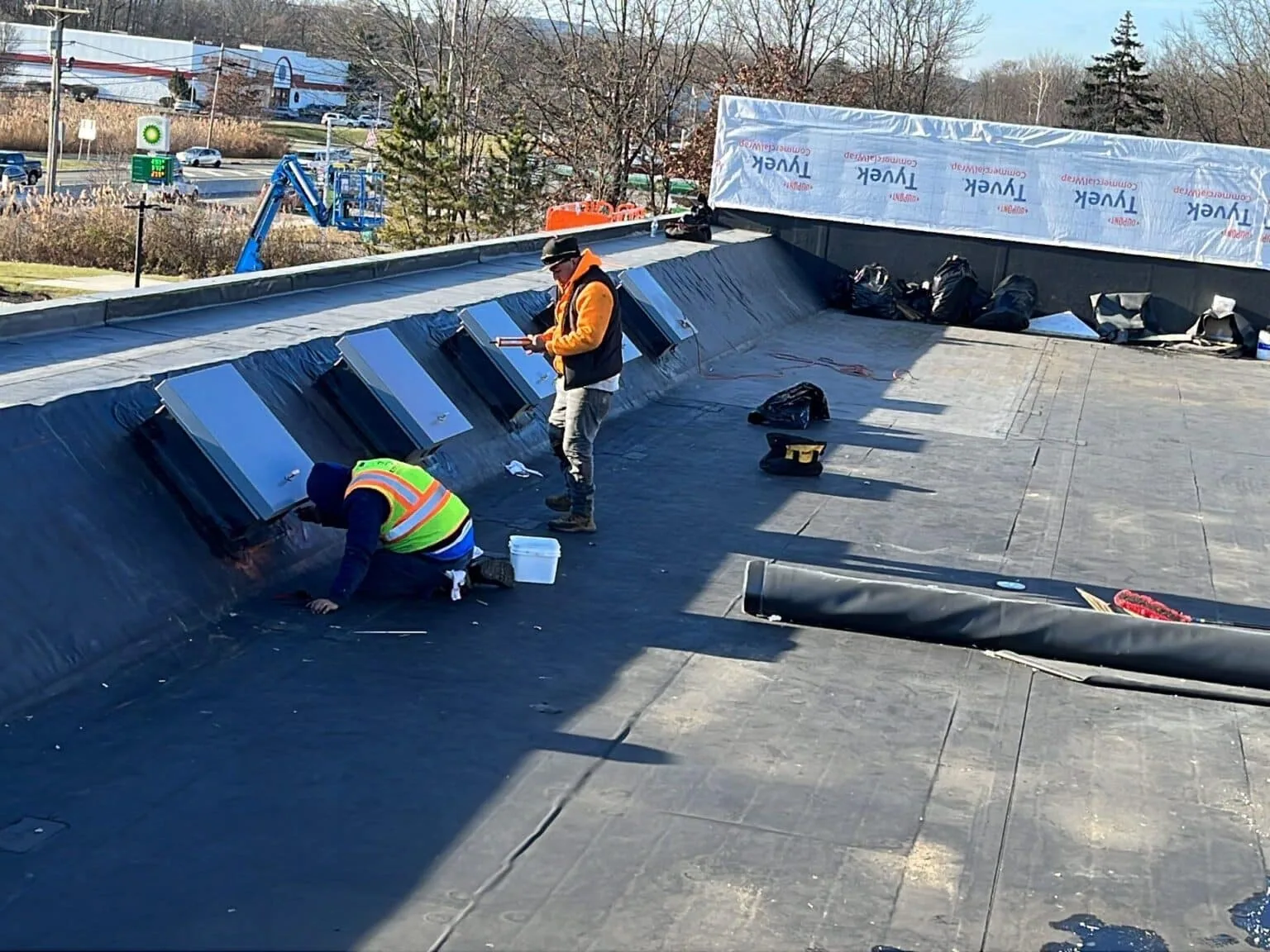
Pharmacies and food businesses can have rooftop equipment, exhaust, plumbing vents and electrical paths. We confirm what is present at the specific building. Each curb or penetration interrupts the roof plane. Flashing must stay attached at the corners and seal to the surrounding membrane or metal. A service contractor may need continued access during roofing work. The property manager should identify planned equipment service so the sequence does not trap another trade outside its work window.
We check whether fasteners are secure and whether sealant has separated or hardened. On membrane roofs, the seam must be bonded across its intended width. On a metal system, the panel connection and flashing must accommodate movement. New material must be compatible with the existing assembly. We do not cover an uncertain transition with coating as a substitute for detail repair. If a small area can be restored, our commercial repair identifies the exact curb, seam or edge and the material tie-in.
Beauregard Avenue in San Angelo
Choose staging and hours before mobilization
Restaurants and bakeries rely on receiving and waste routes. Pharmacy retail depends on customer access and secure back-of-house areas. We review those paths before bringing a lift or staging material. The work zone, loading route and daily close point belong in the schedule. A small repair near an entrance can be completed without controlling the whole property if access and roof conditions permit. A larger project may require a phased section plan and advance notice.
Interior protection comes before tear-out. If a leak is active, we agree on which rooms or equipment need shielding. Wet insulation is removed only to a measured boundary, and the exposed area is closed before the crew leaves. Temporary measures are identified as temporary. Permanent repair follows once material is dry and prepared. The emergency roof service can address an active opening while the manager coordinates building operations. We also set expectations for noise and deliveries so the roof scope does not create unplanned disruption below.
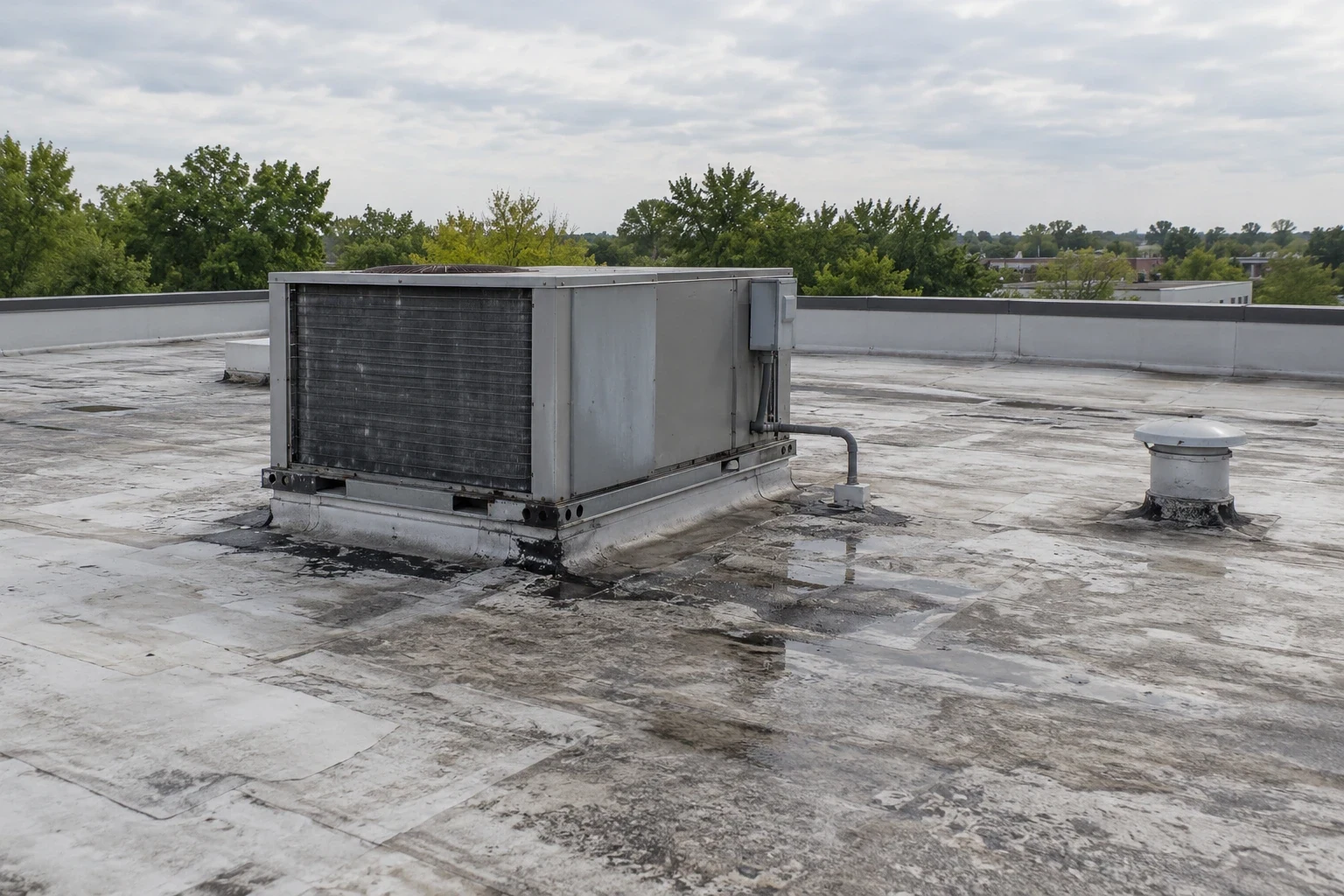
Beauregard Avenue in San Angelo
Use moisture and bond findings to compare options
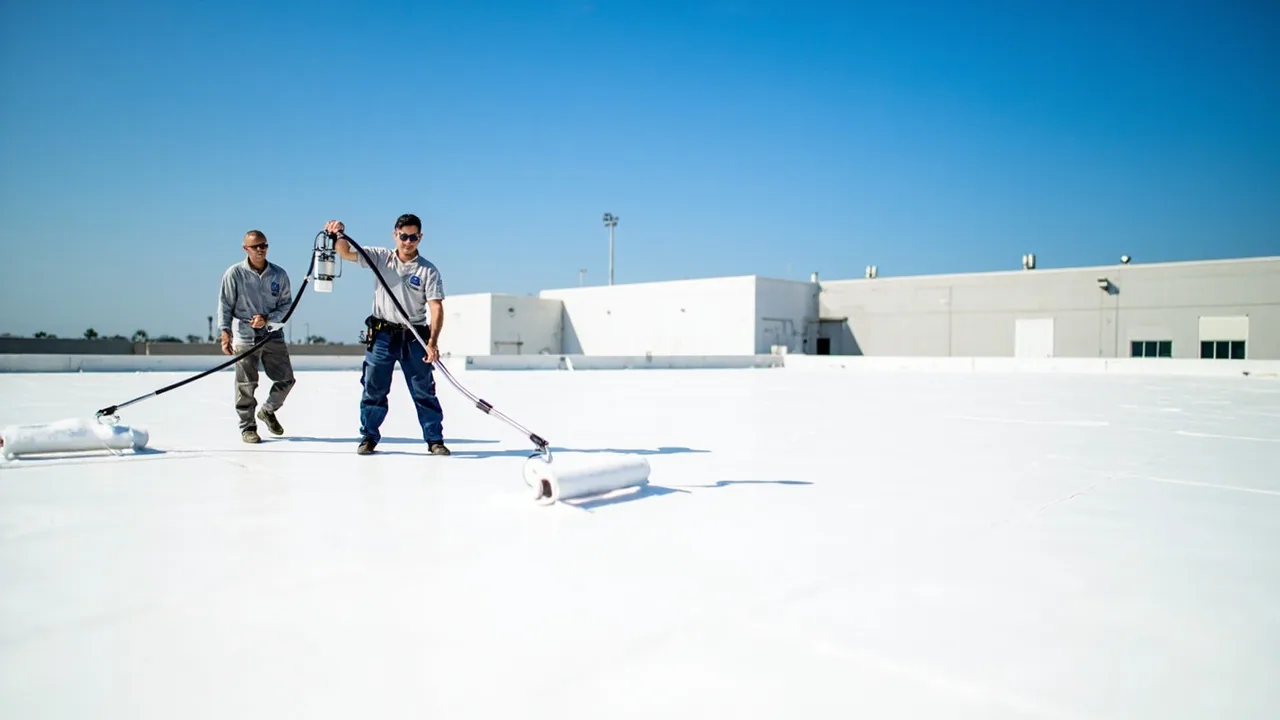
Repair is reasonable when the failure is localized and neighboring materials are sound. A recover may be suitable if the existing assembly is dry, stable and meets project requirements. A coating needs compatible substrate, adequate adhesion and sound details. It cannot solve a wet assembly. Replacement is reviewed when deterioration extends broadly or the roof cannot be restored with a reliable system. We explain which observation supports each option.
San Angelo records a normal 1.10 inches of July precipitation. That climatology is context only; it cannot confirm how a property drains after a given storm. We inspect outlets and low areas for standing water, debris and signs of deflection. If water is ponding, the scope may need a drainage or assembly review before a coating is considered. Hot work windows also matter during summer. We match preparation and application conditions to the selected system. For an eligible, dry assembly, coating restoration can be compared with repair and replacement in the same written scope.
Beauregard Avenue in San Angelo
Record completed work and the next inspection point
A useful closeout shows the roof area before and after work. Photographs should show the repair edge, seam, curb or drain in a way a future manager can recognize. The report lists material removed, repair extent and any work outside the approved scope. If hidden damage changes the project, the owner receives the condition and a price before the work expands.
We clear drains and remove debris before leaving. The property contact confirms that entrances and service routes are available again. Deferred issues are recorded by location and next action. A maintenance visit can check the same details later instead of starting the record from scratch. Along Beauregard, access and operating patterns vary by business; a preventive maintenance program can still use one consistent roof history for each property. Managers comparing nearby commercial corridors can also review Sherwood Way and South Bryant while keeping each roof scope tied to its own inspection.
We review the photos with the manager and confirm which roof area the record covers. That small handoff makes later service calls easier to compare.
Questions and answers
Questions About Beauregard Avenue in San Angelo
Can a bakery keep operating during roofing work?
Often, if access, noise and the repair zone can be separated from food operations. We coordinate staging and delivery windows and close exposed areas daily. The building layout and repair extent determine the sequence.
Does an interior stain identify the roof failure?
It identifies where water became visible. We inspect roof details above and along likely pathways, then test moisture where needed. The repair boundary follows the roof evidence.
Are coatings suitable for every roof along Beauregard?
No. The existing surface must be compatible, dry and sufficiently bonded. We examine seams, flashing, drainage and substrate condition before considering a coating system.
What should a property manager provide before an inspection?
Share roof access rules, leak locations, prior work and operating constraints. If equipment vendors need access, provide their schedule so the inspection and proposed repairs can be coordinated.