Commercial Roof Seam Failure Repair in San Angelo, TX
Roof Damage Repair
Commercial Roof Seam Failure Repair at a Glance
Clean separation at a weld reveals an unconnected area beneath the overlap. The suitable correction follows examination of the material and interface. Commercial roof seam failure repair in San Angelo, TX distinguishes a welding issue from another damaged component. We assess accessible edges and the installed membrane. A new connection requires compatible preparation and suitable retained material, with supporting involvement investigated where the findings indicate it.
Document storage and manufacturing are among the San Angelo Business & Industrial Park uses. Wall Co-op provides grain-storage and farm-supply services in Wall. Seam repair planning above commercial storage needs the actual contents and access requirements identified before removal. Commercial Roofers San Angelo examines and repairs commercial roof connections. Investigation of water entry at separated roof seams defines the involved detail and supporting condition for the practical construction task.
Commercial Roof Seam Failure Repair
Check the weld interface before selecting another connection
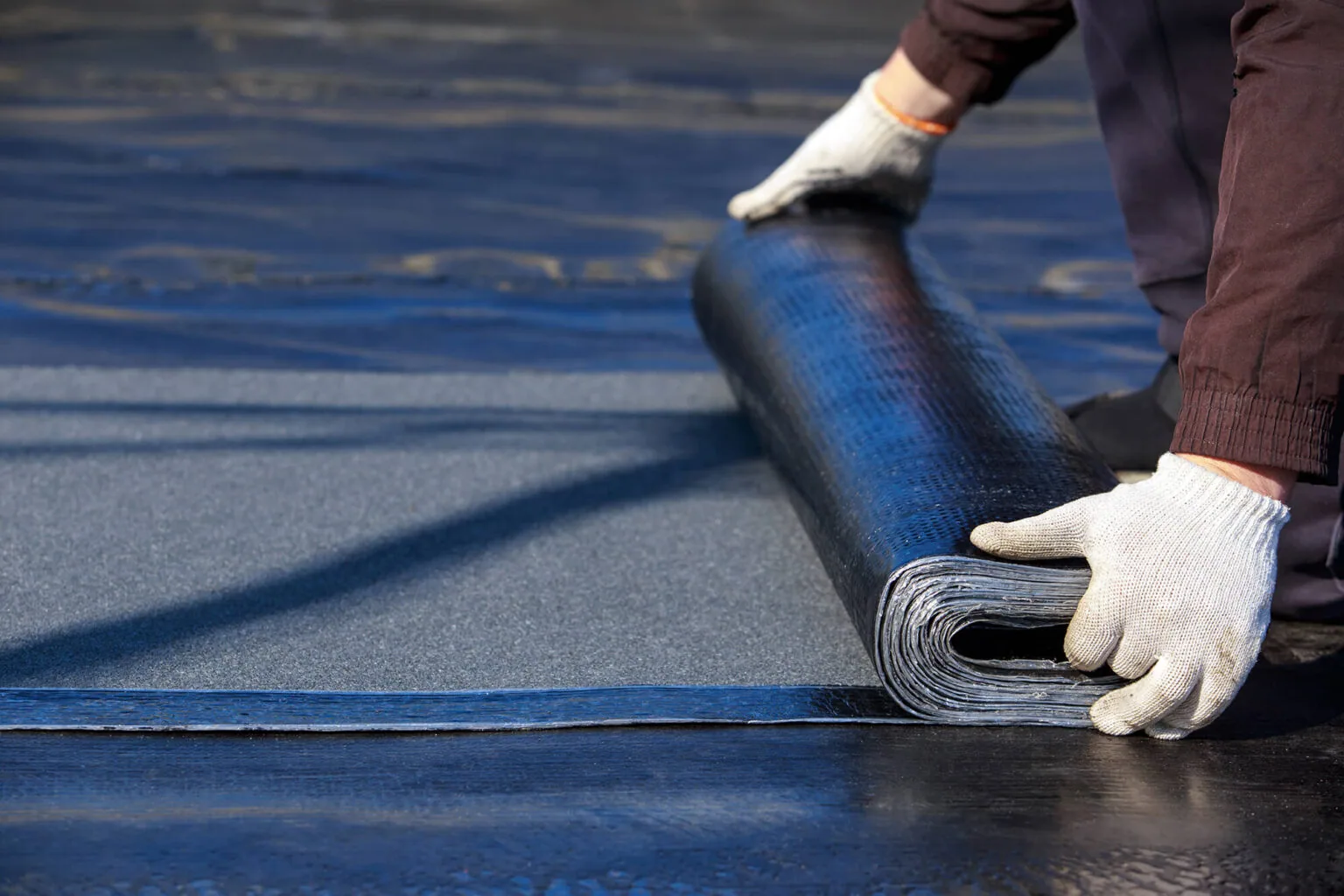
A welded seam relies on suitable material and installation conditions. We identify the installed membrane and examine accessible separation. Surface contamination, preparation or a damaged sheet can affect the proposed repair. Appropriate evaluation helps establish whether retained material can accept a compatible new weld. The selected product and system requirements guide preparation and examination.
Assessment of TPO seam preparation and repair follows the actual installed components. A trial connection can be useful where the method and material require it. We examine the completed repair using suitable system-specific checks. A seam probe helps locate accessible unconnected edges but is not the same as verifying every concealed layer. Suspect support requires its own investigation. The correction should define the sound material boundary before another strip is installed. If the retained interface cannot accept the specified method, removal or a different compatible arrangement may be necessary. That keeps the repair connected to the actual seam condition rather than repeated heat application over unsuitable material.
Assess the open seam and retained repair interface Arrange a connection review with separated edges, surrounding water conditions and contents-protection requirements identified. We will define the compatible join and supporting correction needed before roof closure.
Commercial Roof Seam Failure Repair
Distinguish an adhesive join from a heat-welded overlap
Different roof membranes use different seam connection methods. An adhesive or tape interface needs compatible preparation and sound retained surfaces. We identify the installed assembly before choosing components. A method suitable for a welded sheet is not automatically suitable at an adhesive connection. Existing treatments or damaged material can change the preliminary work required.
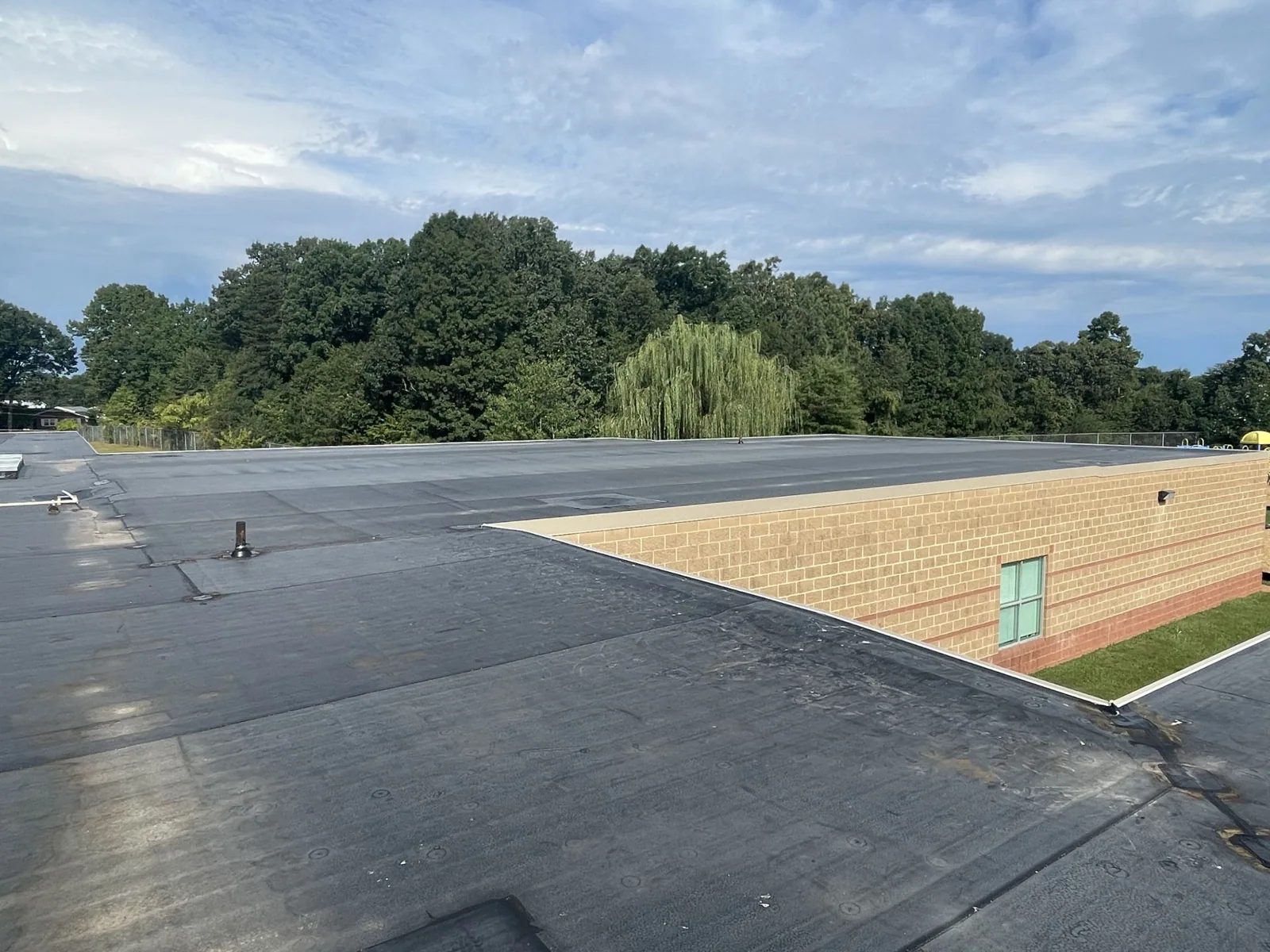
EPDM adhesive and tape seam requirements guide the appropriate connection for the selected products. We assess the actual overlap and adjoining covering condition. Unsound material may need removal before a suitable retained interface is available. The completed join must fit its system requirements and receive appropriate examination. Assessment of aged covering beside a failed seam can identify another condition affecting the repair boundary. The scope should distinguish seam preparation from wider material correction. That allows the owner to compare a localized connection task with broader reconstruction using the physical findings, instead of assuming one patch method suits every seam that has opened.
Commercial Roof Seam Failure Repair
Verify the layers beneath the open overlap
An open seam can allow water into insulation or another supporting layer. We examine the surrounding construction and investigate suspected moisture. Suitable confirmation identifies involved material and a sound retained boundary. The deck may require further assessment where findings indicate deterioration. A closed exposed edge does not restore wet or unsuitable support beneath the new connection.
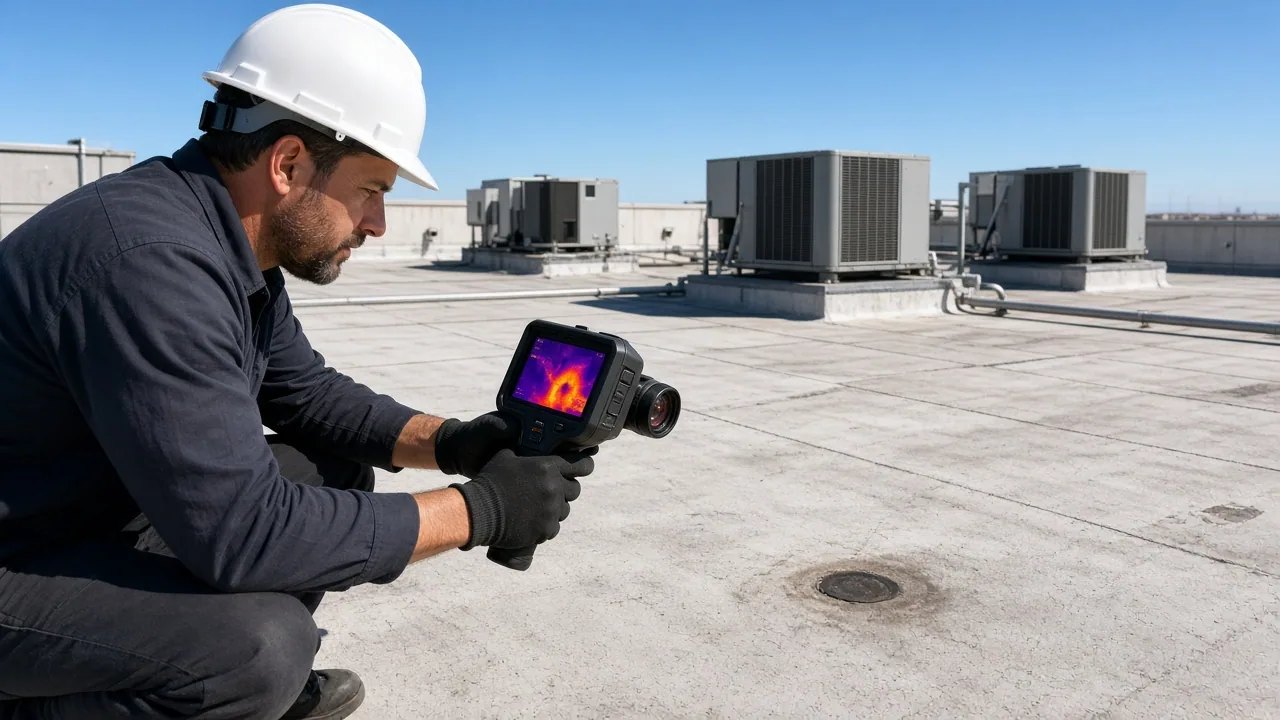
Thermal assessment around suspect seam leakage can help direct physical verification when survey conditions are appropriate. The removal extent follows the actual involved construction. Correction of retained water adjoining the seam may also be needed where the receiving surface or outlet has a separate defect. We distinguish those tasks from the material join itself. A sound surrounding assembly can permit localized work when the requirements allow. Wider involvement changes removal, handling and occupied-space exposure. The scope should identify that difference before staff coordinate the contents beneath it, so the finished seam receives suitable support rather than merely concealing an unresolved wet area.
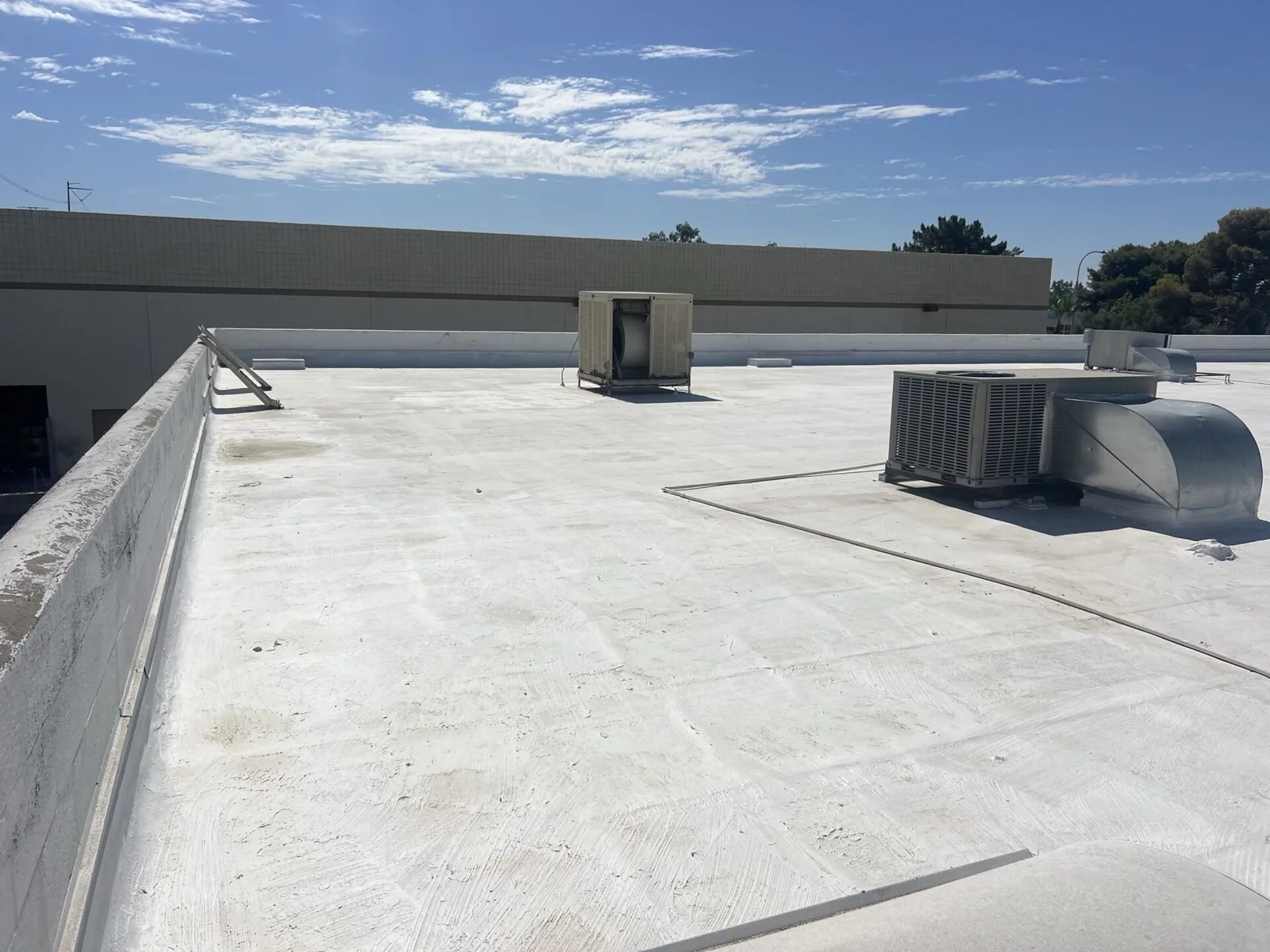
Commercial Roof Seam Failure Repair
Examine the adjoining detail that may strain the seam
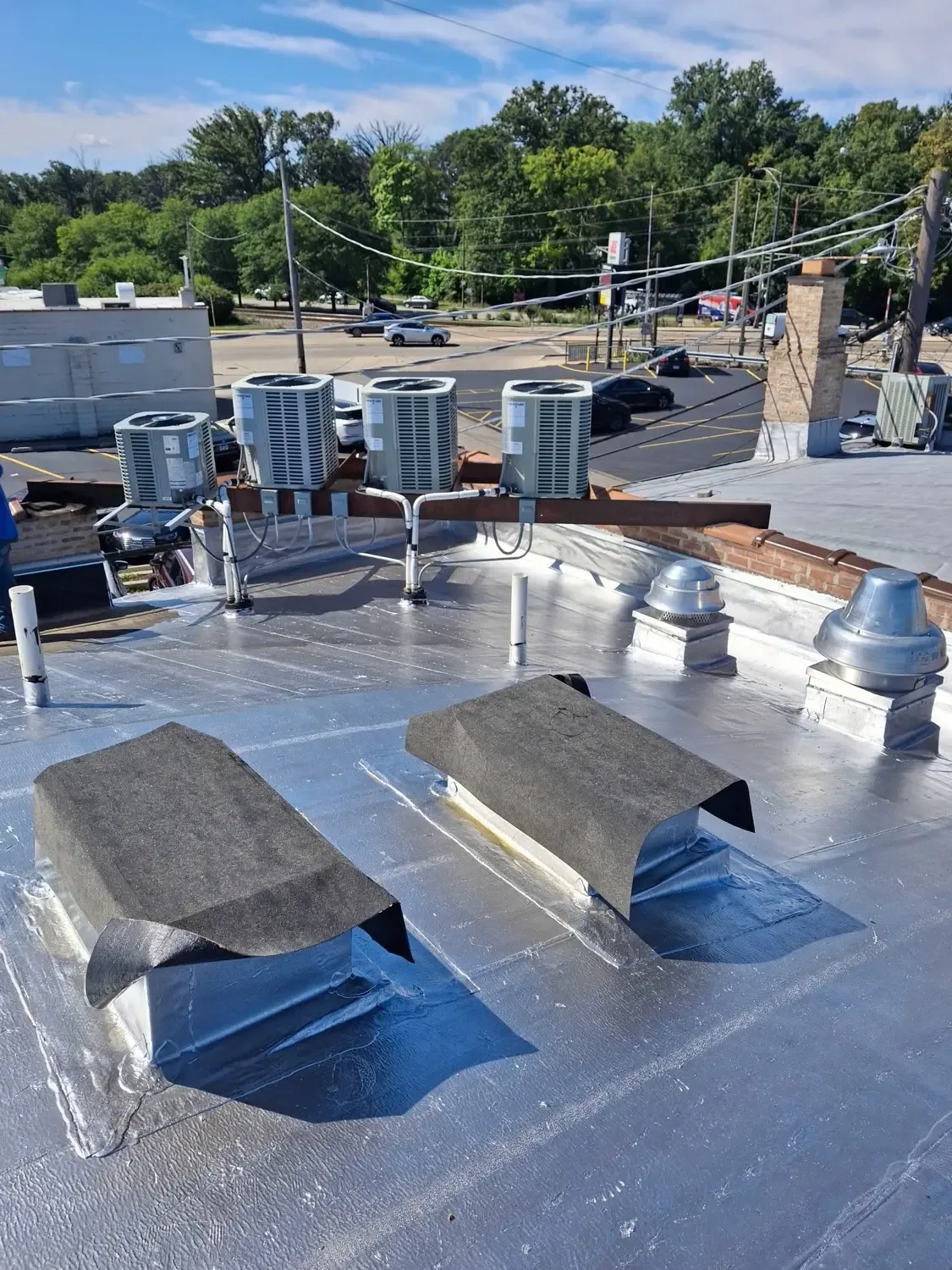
A membrane join can sit beside a termination, penetration or changing surface profile. We examine relevant restraint and attachment conditions. Movement at an unsuitable detail can affect the weather connection repeatedly. The seam correction should fit the actual geometry and material requirements. A new strip cannot provide supporting restraint intended for another component or compensate for an unresolved detail movement.
Assessment of flashing connected to the failed overlap identifies the raised material and retained boundaries. We examine accessible supports and investigate involved construction where needed. Another trade may need to correct a service or supporting component before roof closure. The selected sequence must provide enough access to prepare and complete the connection. Building personnel coordinate room and equipment arrangements for that task. A localized seam method remains suitable only where it can meet the installed system requirements on appropriate support. The repair should describe its adjoining detail correction as well as the exposed join, so the completed weather material is not left under the same unsuitable restraint.
Commercial Roof Seam Failure Repair
Identify the completed join and preserve its examination access
A repaired seam needs suitable examination according to the installed connection method. We check accessible edges and relevant transitions. The new detail should remain available for later service and roof assessment. A protection component or equipment change can obstruct that access or introduce damage. The next symptom needs examination at its actual location.
For commercial storage roof work around Wall and its agricultural-service businesses, responsible staff identify the contents and material route affected by construction. Completion of a compatible roof seam correction should locate the repaired connection and supporting boundary. We distinguish finished work from temporary closure or retained sections still needing assessment. Staff can report new water or altered service contact beside the join. Another task may require a different repair or removal area. The current material findings define that scope, with contents protection and occupied access coordinated for the actual exposure rather than an automatic repeat of the previous seam treatment.
Questions and answers
Questions About Commercial Roof Seam Failure Repair
Can repeated heating correct every separated welded roof seam?
Assess the retained membrane and actual interface before selecting the method. Unsuitable preparation, contamination or damaged material can require another correction. We identify compatible components and appropriate checks. The new connection should meet the installed system requirements, so repeated heat is not used as the assumed remedy over material that cannot accept a suitable weld.
Why identify whether the existing seam uses welding, adhesive or tape?
Select the connection method from the actual installed assembly. Different materials require compatible preparation and components. We examine retained surfaces and define suitable boundaries. A method for one roof system should not be transferred to another simply because both have open overlaps, with the finished join examined using the requirements of the chosen products.
Does closing an exposed overlap correct all moisture beneath it?
Verify the involved supporting layers before completing the weather connection. Water can affect insulation or other material beyond the visible edge. We define suitable removal and retained boundaries. The rebuilt join requires appropriate support, so involved wet or deteriorated construction needs correction rather than remain concealed beneath a new surface strip.
How can a nearby flashing detail affect the seam repair?
Examine restraint, geometry and accessible support beside the failed join. An unsuitable moving component can continue affecting the connection. We distinguish the seam preparation from adjoining detail correction. The completed method should fit the actual assembly, with supporting or equipment work coordinated before closure where those conditions prevent a suitable retained weather interface.
What should be reported when leakage returns near a corrected seam?
Locate the new symptom and relevant equipment or surface changes. We examine the repaired join and adjoining details. Another opening, drainage condition or contact defect may need separate work. The current findings define the material scope, with further verification and occupied-space arrangements established for the actual correction rather than repeating the earlier seam repair without assessment.