Commercial Acrylic Roof Coatings in San Angelo, TX
Roof Systems
Commercial Acrylic Roof Coatings at a Glance
Acrylic material exposed to rain before adequate drying can lose protection. The weather window must cover more than the time needed for application. Acrylic roof coatings in San Angelo, TX require that interval assessed. We examine the selected material and the roof conditions together. Surface dryness, temperature and forecast shape the suitable application period. A scheduled shift is not enough if its finished material remains vulnerable afterward.
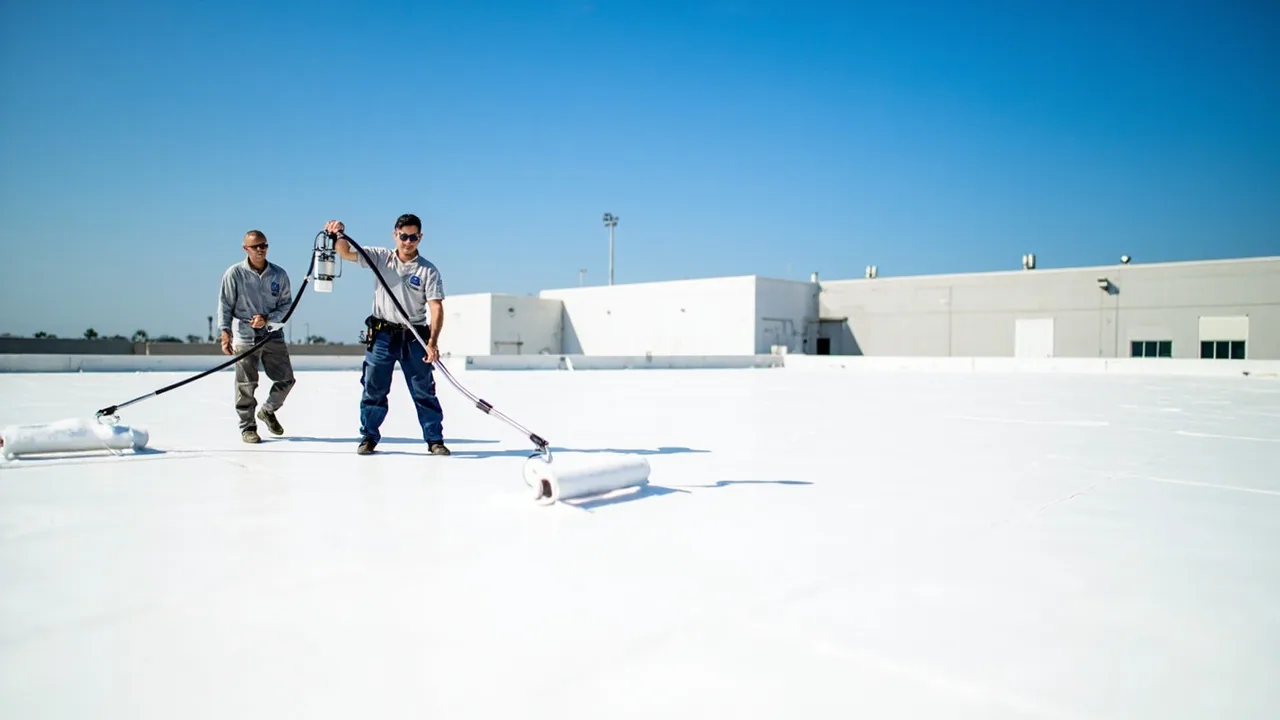
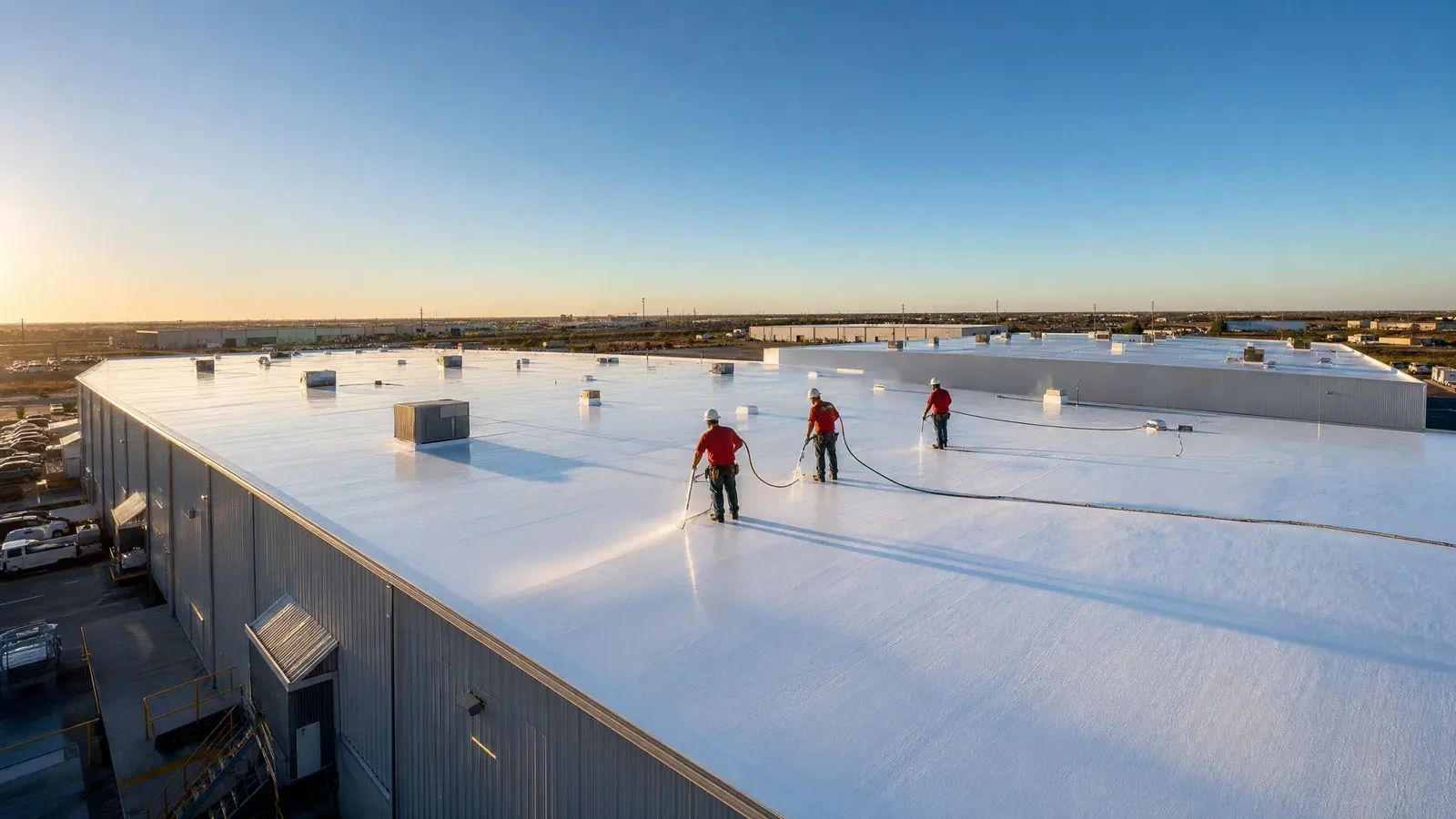
Commercial Roofers San Angelo applies acrylic systems to appropriate commercial assemblies. The Beauregard Avenue Corridor includes bakeries, restaurants and pharmacy retail. Work above an occupied business there needs ventilation and access coordinated. We inspect the retained roof before selecting coating as the next task. Restoration of a serviceable commercial surface includes preparation and detail repairs as well as the weather period needed for application.
Commercial Acrylic Roof Coatings
Allow the applied material to reach its required condition
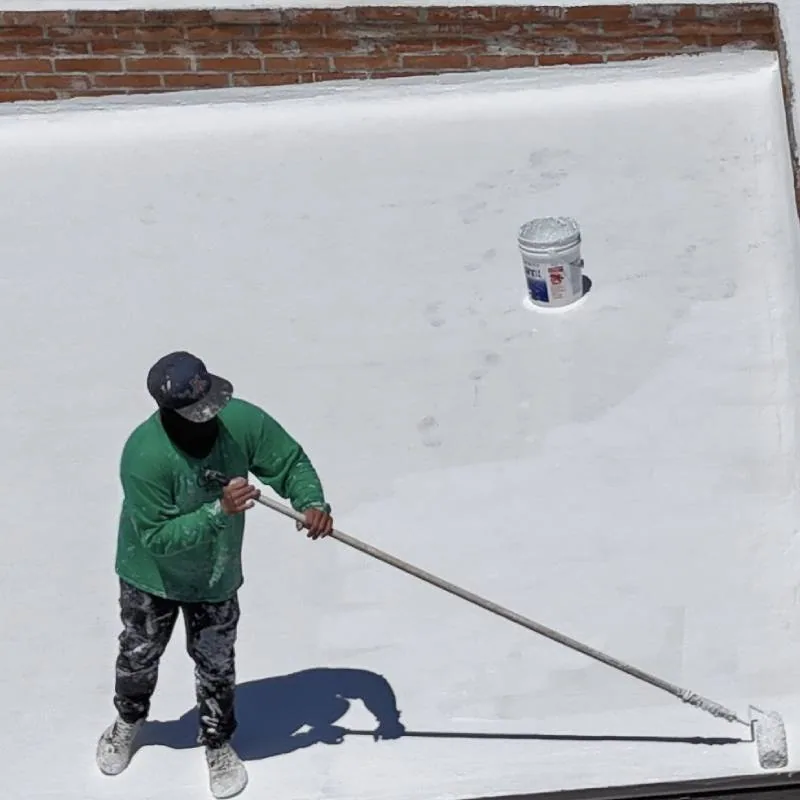
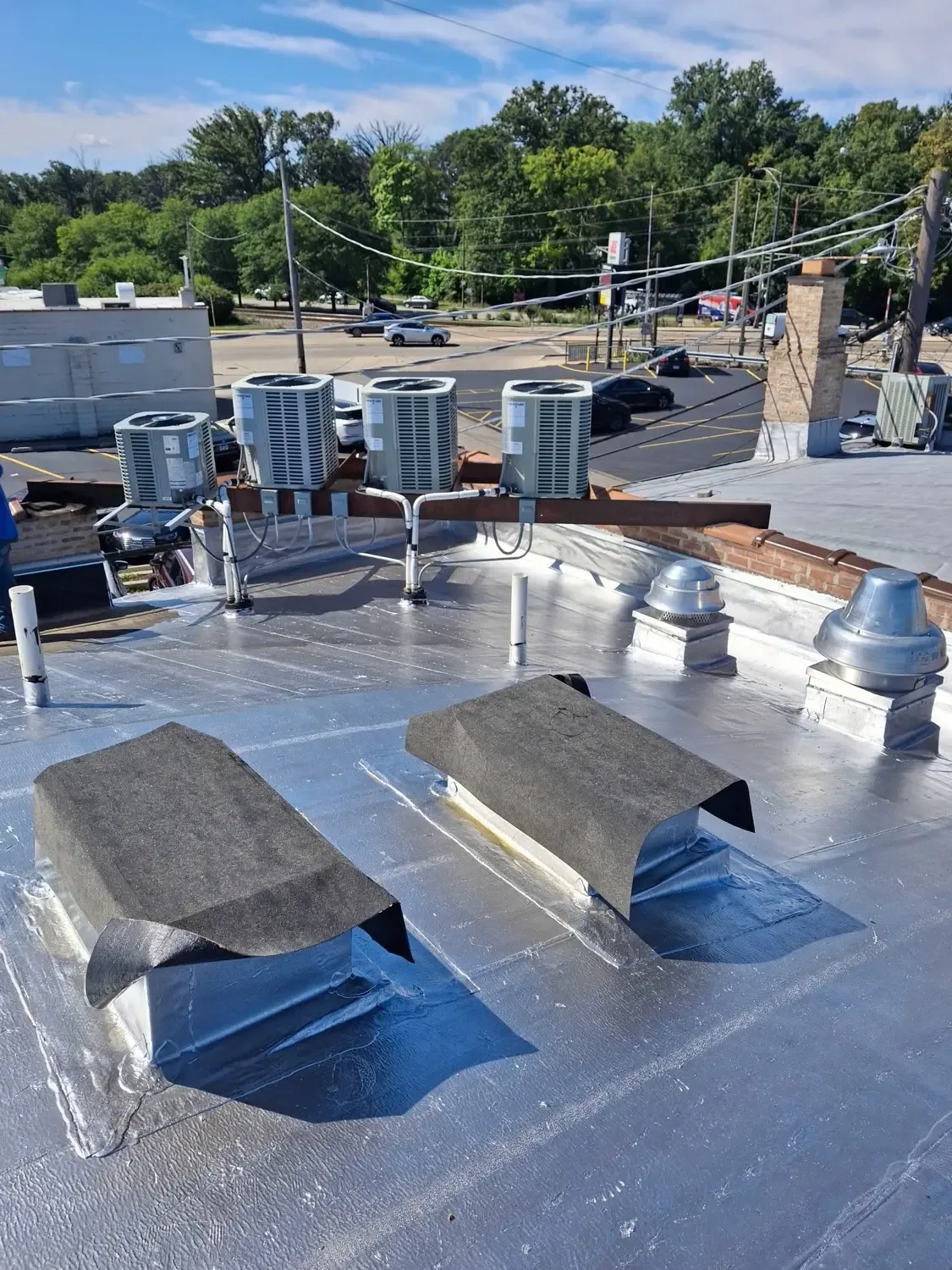
Many acrylic roof coatings are water-based and dry as water leaves the film. Thickness, temperature and atmospheric conditions affect that process. A surface can feel dry while material beneath it remains unfinished. We follow the selected product requirements for application and exposure. The next coat needs its prescribed timing and suitable bond surface. Rain, condensation or traffic too early can disturb the developing film.
We assess the forecast through the required drying period. Shaded positions and thicker detail treatments can behave differently from open field areas. The roof condition should be examined where that difference affects the sequence. Silicone coating systems have different material behavior and application requirements. The comparison should include those differences rather than assume every liquid roof treatment dries alike. Where weather interrupts acrylic work, the affected surface needs assessment before another layer is applied. Continued application onto compromised material can preserve a weak layer beneath the apparent finished protection.
Set the acrylic preparation and drying window Arrange a surface assessment with drainage conditions, existing finish and occupied hours identified. We will define suitable preparation and the weather period needed for the selected application.
Commercial Acrylic Roof Coatings
Resolve drainage conditions before selecting acrylic protection
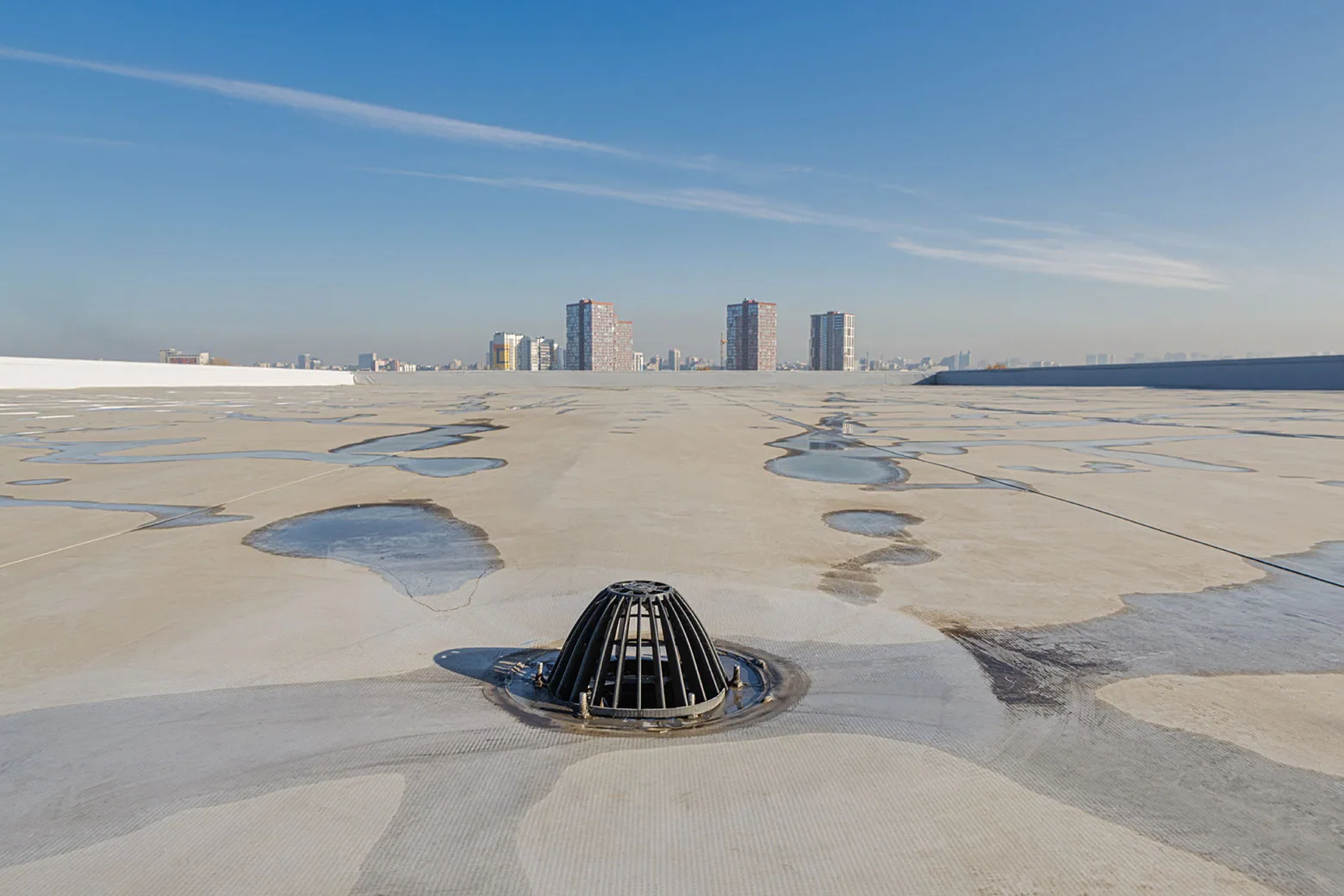
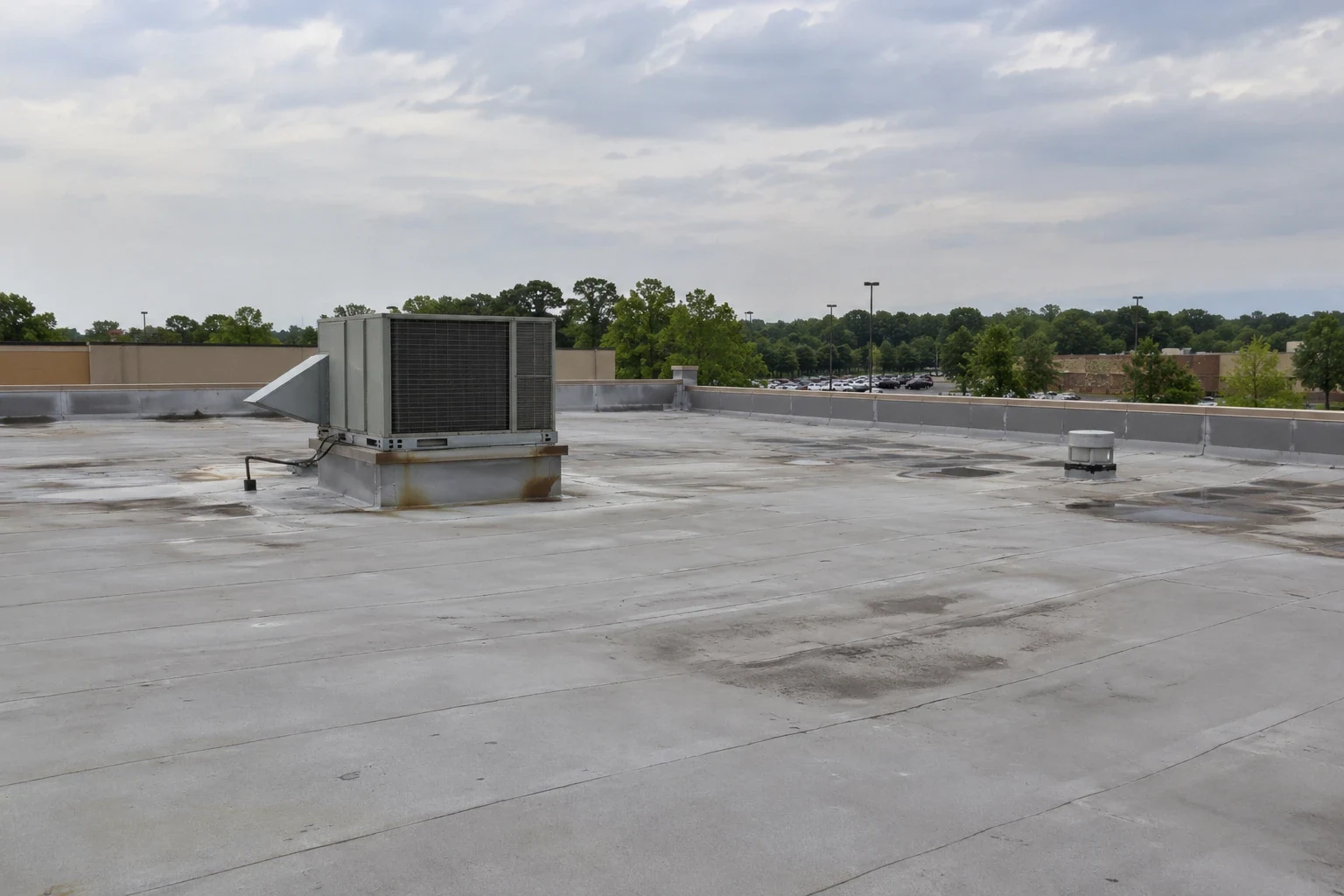
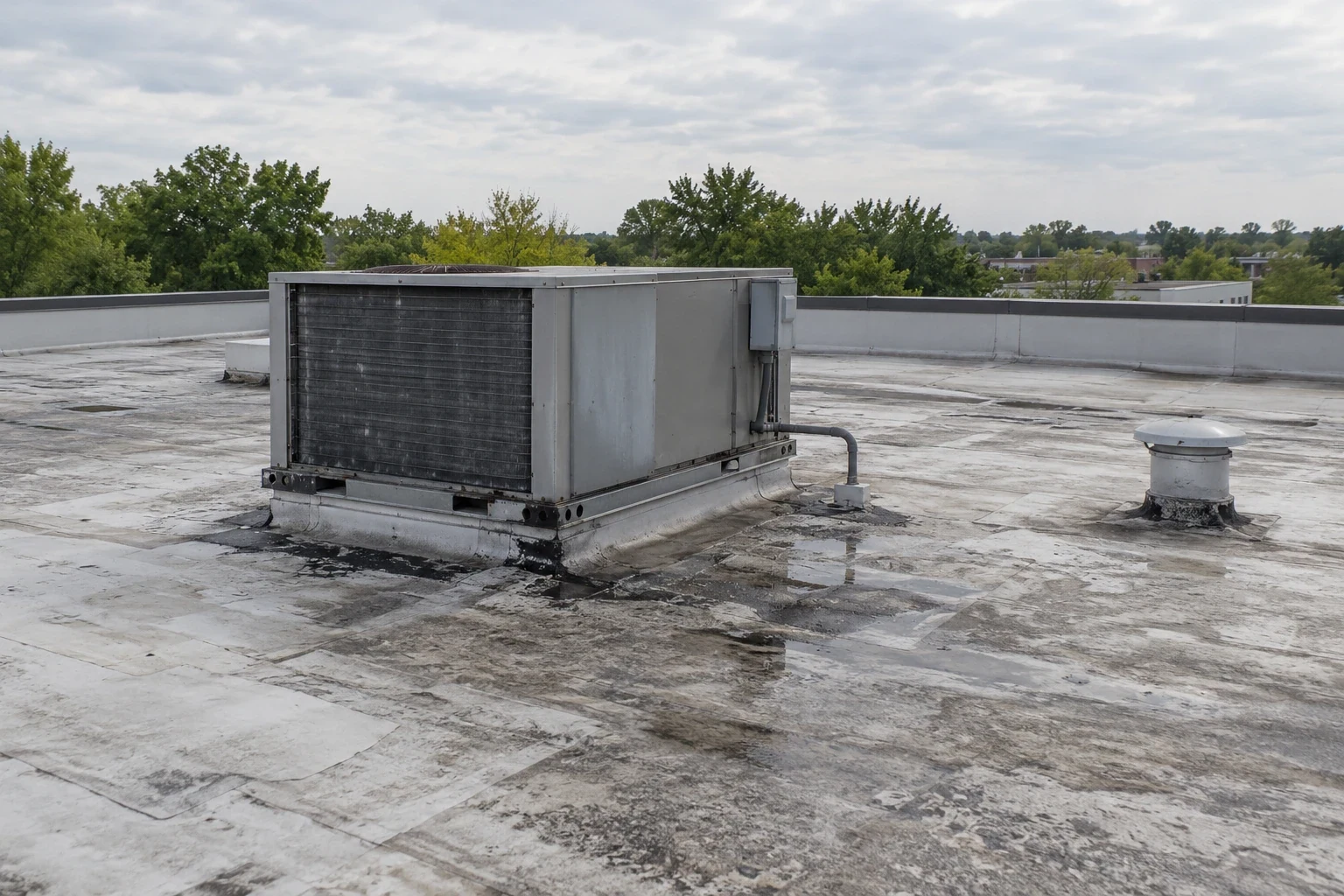
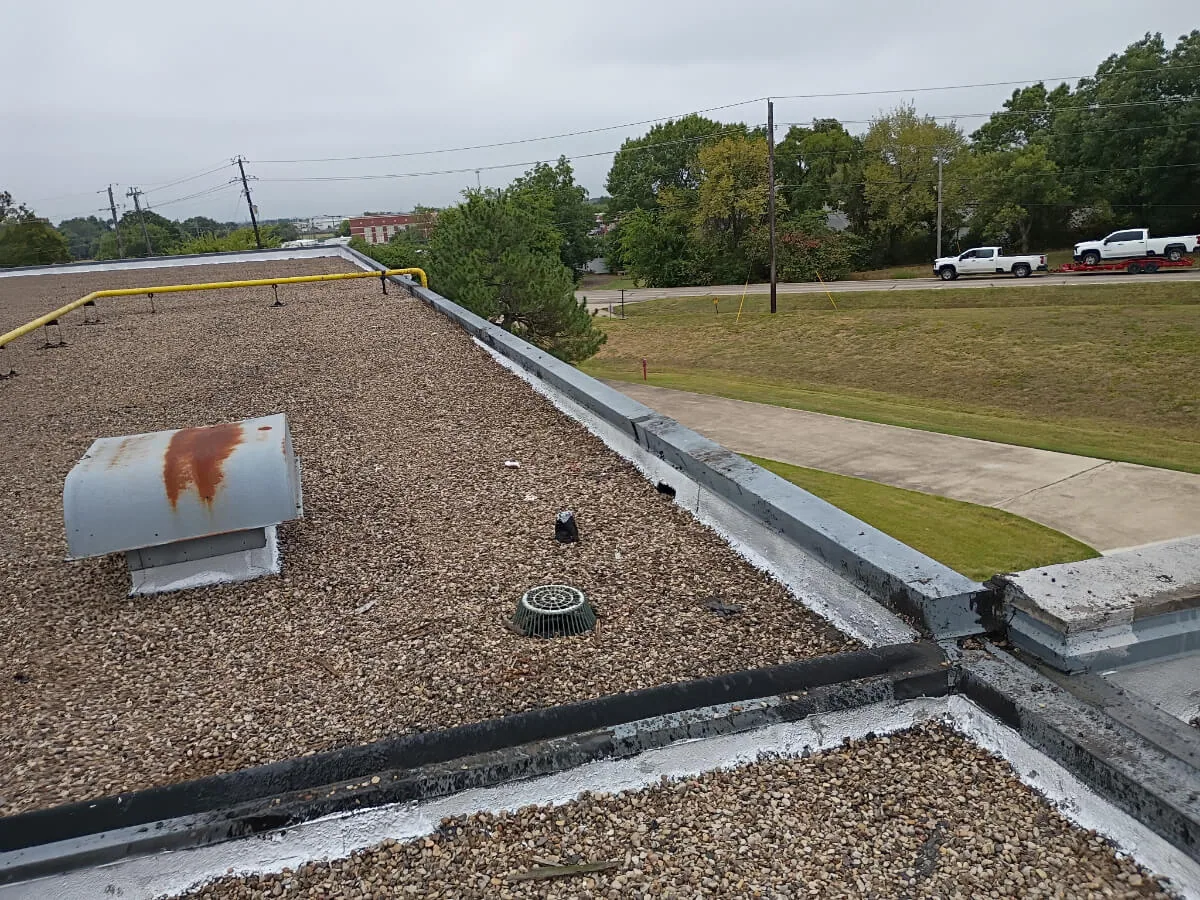
Persistent standing water can limit suitability for some acrylic systems. We review the actual product requirements against the roof exposure. A low area needs assessment of its supporting layers and outlet approach. Cleaning debris may help a blocked route but leave a depression unchanged. The correction should identify which condition is present. Material tolerance alone does not determine the suitable drainage repair.
Correction of retained-water areas can require insulation or fitting alterations before coating. We examine those changes with the available flashing height and discharge route. A newly formed slope should deliver water into suitable downstream construction. Outlets and overflow approaches must remain clear throughout surface work. The proposal should identify drainage corrections separately from the acrylic application. That gives the manager a comparison based on the roof exposure that will remain after repairs, instead of selecting a coating first and leaving persistent retention to test a material outside its intended conditions.
Commercial Acrylic Roof Coatings
Remove weak material before testing the new bond
An old finish can detach beneath another well-applied coating. We inspect chalking, peeling and the condition of previous treatments. Cleaning must expose a suitable surface without damaging the retained roofing. Loose material needs correction as the selected system requires. A test area should use the proposed preparation, primer and coating. Its bond is assessed after the required drying or cure.
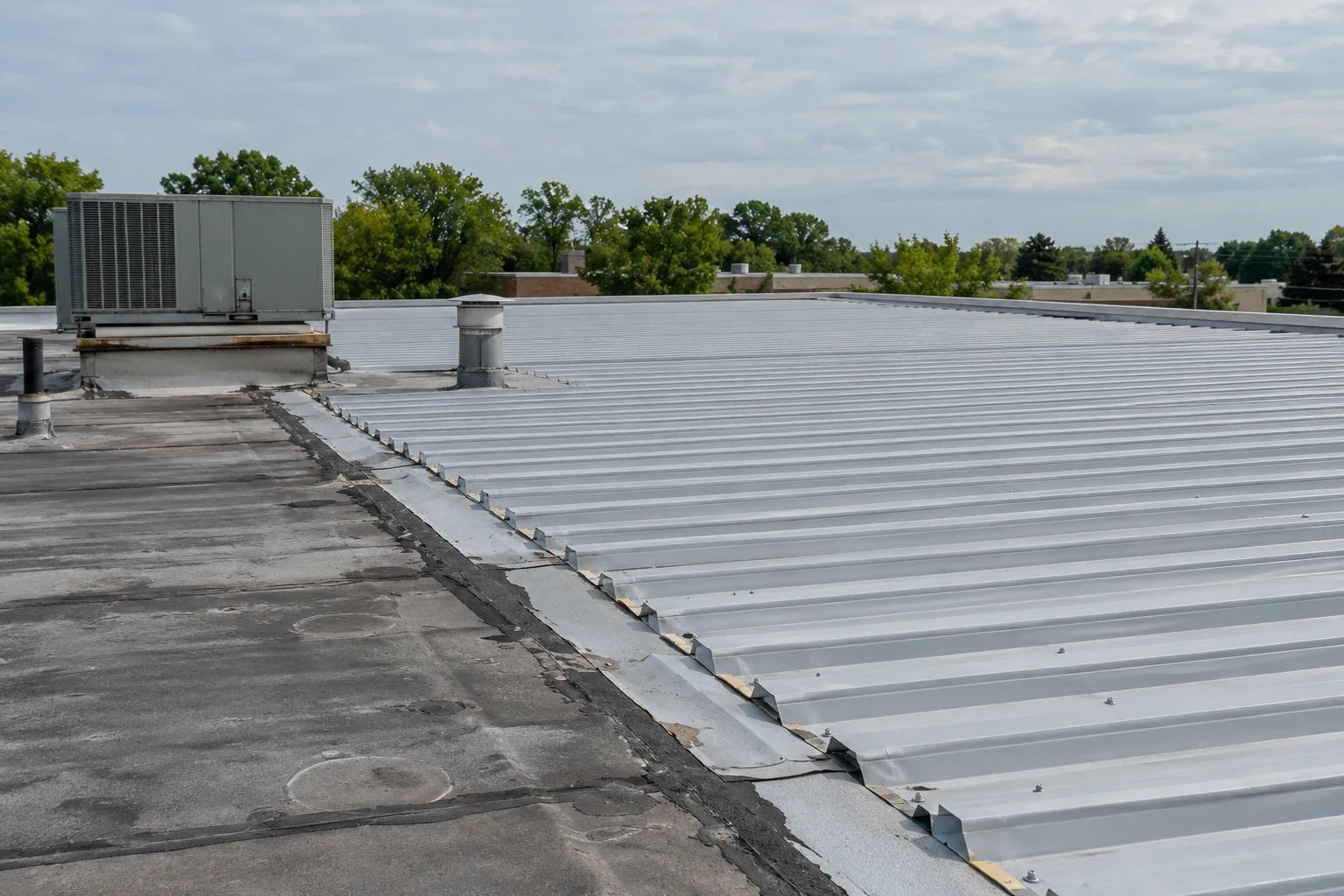
We examine where any test separation occurs within the prepared layers. Failure in old coating calls for a different correction from a contaminated interface. Restoration of retained metal panels also needs corrosion and finish compatibility assessed. Rust treatment and suitable primer may be required before the protective application. A new white film should not conceal perforated or unsound metal. We distinguish the structural and attachment corrections from the surface task. The preparation scope establishes a sound bond surface. Appearance or repeated cleaning cannot resolve old coating that remains detached beneath the new material.
Commercial Acrylic Roof Coatings
Treat roof connections before the field application
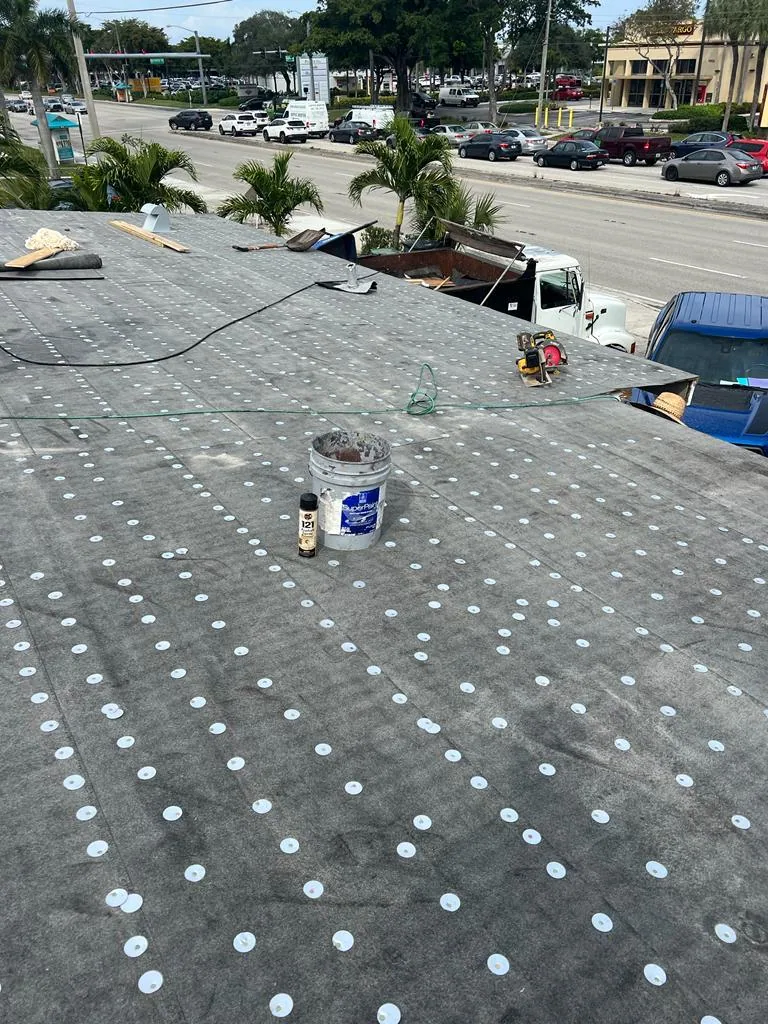
Seams and penetrations can need reinforced treatment within the selected coating system. We examine the underlying connection before choosing that detail. Loose metal, separated laps and unstable supports require correction first. Reinforcement is applied where specified using compatible components and preparation. The field coating then connects into those completed details. Added liquid by itself should not replace a suitable repair at an active opening.
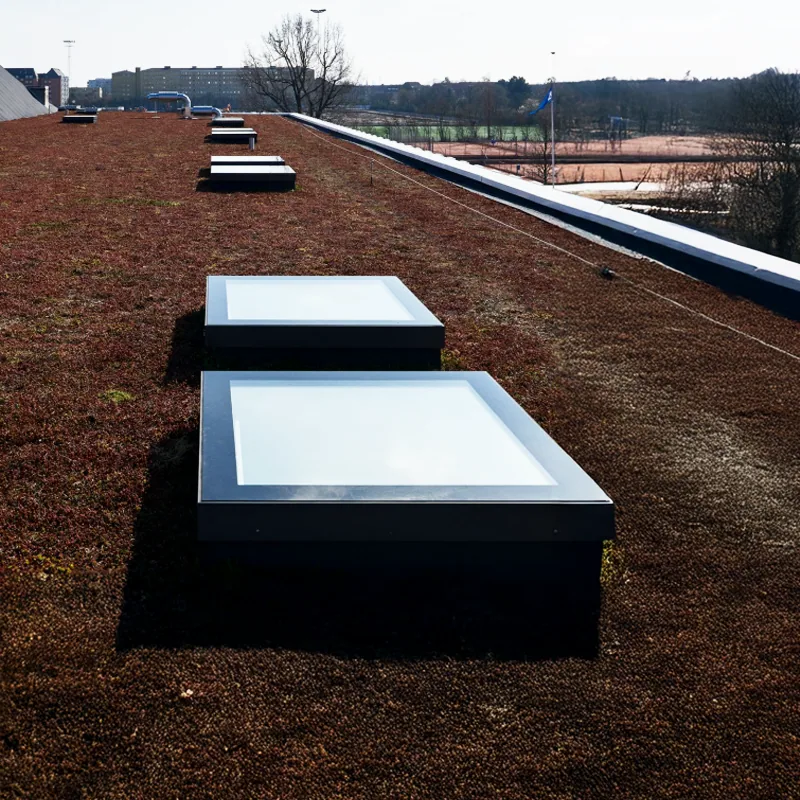
Repair of skylight and penetration connections may require shaped flashing or adjacent material removed for access. The chosen treatment must suit the installed roof rather than coat every joint identically. We check the upper closure and movement relationship at raised details. Equipment service access should remain possible after reinforcement and application. Excess material must not obstruct drains or functional openings. These connection tasks help determine the practical schedule because preparation and detailed treatment precede the larger field application.
Commercial Acrylic Roof Coatings
Measure coverage where the surface profile changes
Ribs, granules and rough repairs can change how coating covers a roof. We assess the texture and use the selected thickness-control methods. Material may accumulate in a valley while leaving a raised position thin. Wet-film checks need interpretation for the application and surface involved. Finished inspection follows the selected system procedure. A consistent appearance does not establish adequate protection at every shaped detail.
San Angelo normal daytime July highs run from 96 to 99 F. Actual roof temperatures can be higher under sunlight. We examine the surface against the coating application limits rather than use air temperature alone. Reflectivity is one reason to consider a suitable cool-roof assembly, but the retained construction still needs repair. Supporting layers and waterproofing details remain part of that selection. The application should provide the specified protection over the prepared surface, with measurements and inspection suited to its actual profile rather than assume one material spread rate resolves every field texture.
Commercial Acrylic Roof Coatings
Protect occupied access through application and drying
The Sunset Drive Corridor includes groceries and shopping-center food units. Roof work for an occupied retail building there needs customer and service access assessed. Application method affects overspray protection and the controlled working area. Nearby intakes require suitable arrangements with responsible staff. Weather can change whether a planned method is appropriate. Roof traffic should remain restricted until the installed material reaches the required condition.
For buildings along the Beauregard Avenue Corridor, we coordinate those task-specific restrictions with the operating schedule. After application, suitable access for later maintenance remains necessary. Care of the restored roof surface should examine new cuts, drainage and the condition of the protective film. Future repairs need compatibility with the installed acrylic system. Cleaning methods should preserve that material and its details. The manager can then distinguish deposits or ordinary surface changes from a defect needing repair, while continued protection of equipment-service routes reduces damage to the completed coating.
Questions and answers
Questions About Commercial Acrylic Roof Coatings
Why can an acrylic coat feel dry before it is ready for rain?
Surface drying and the condition through the film can differ. We follow the selected material requirements for exposure and subsequent coats. Temperature, thickness and atmospheric conditions affect timing. The application plan needs suitable weather after placement for the film to reach its required condition. A dry-feeling surface alone does not establish readiness through the full thickness.
Can acrylic coating be selected before ponding is assessed?
Examine the retained-water exposure and review the product requirements first. We identify blocked routes, depressions and outlet geometry. Necessary drainage corrections belong ahead of application. The comparison should use the conditions that will remain after repairs, so a coating is not chosen for an exposure outside its intended assembly requirements.
Will more coating thickness solve a poorly bonded old finish?
Correct the weak underlying material before adding another protective layer. We assess preparation and suitable bond testing. Separation within old coating can remain beneath a thicker new application. The repair needs to establish a sound compatible surface, with removal or treatment appropriate to the actual material condition.
How is acrylic treatment prepared over rusty metal?
Assess corrosion depth and remaining panel condition before the surface task. Suitable preparation and primer follow the selected system requirements. Perforated or unstable metal needs repair or replacement first. The new finish can protect prepared serviceable material, but it does not restore missing section or sound attachment beneath a damaged panel.
When can equipment service resume across the coated roof?
The installed material must reach the required condition before traffic returns. We coordinate designated service routes and the specific coating requirements. Earlier movement can mark or disturb the developing film. Later service should use suitable protection and compatible repairs where damage occurs, while preserving access to drainage and flashing details.