Commercial Ponding Water Roof Repair in San Angelo, TX
Roof Damage Repair
Commercial Ponding Water Roof Repair at a Glance
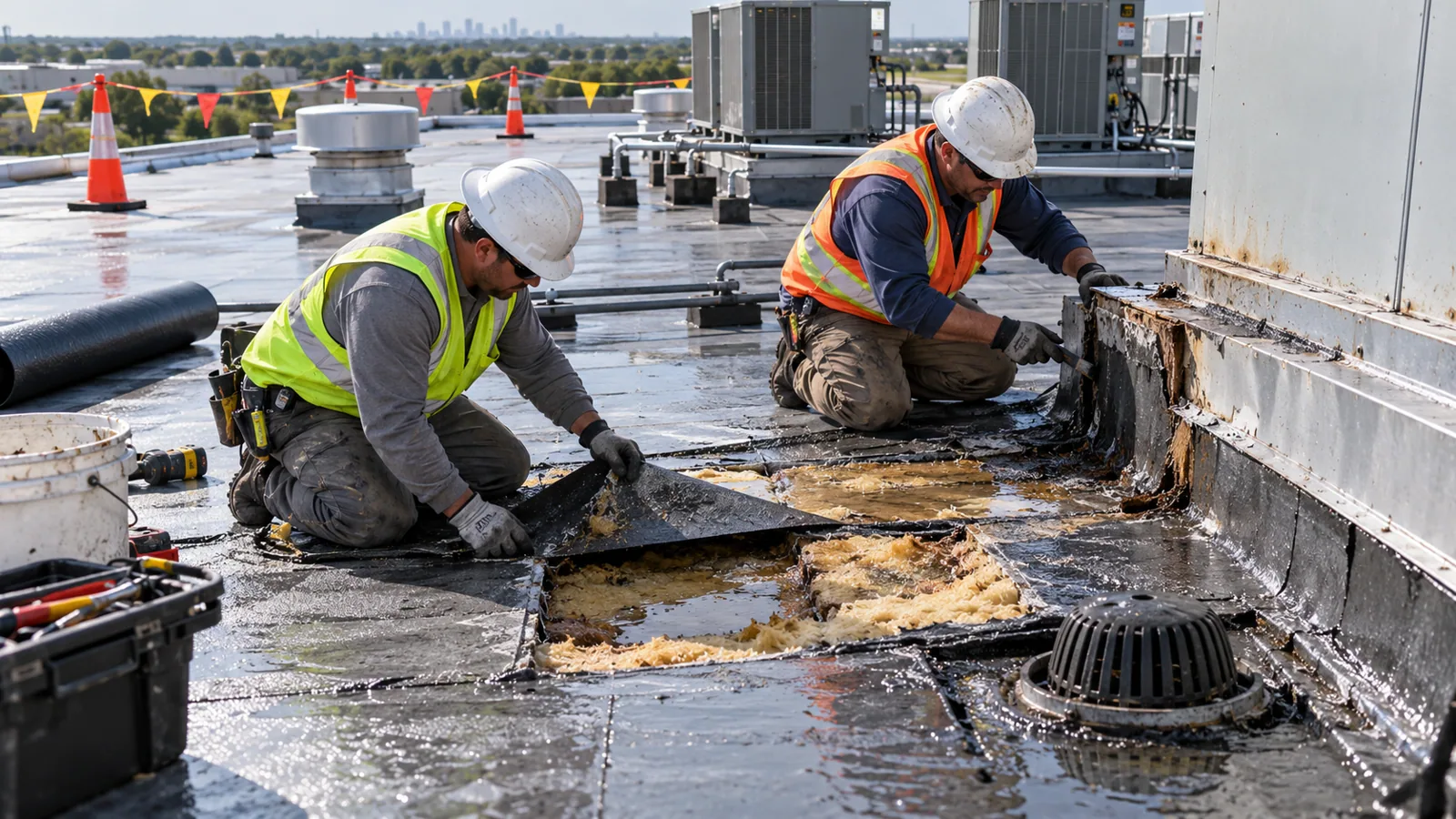
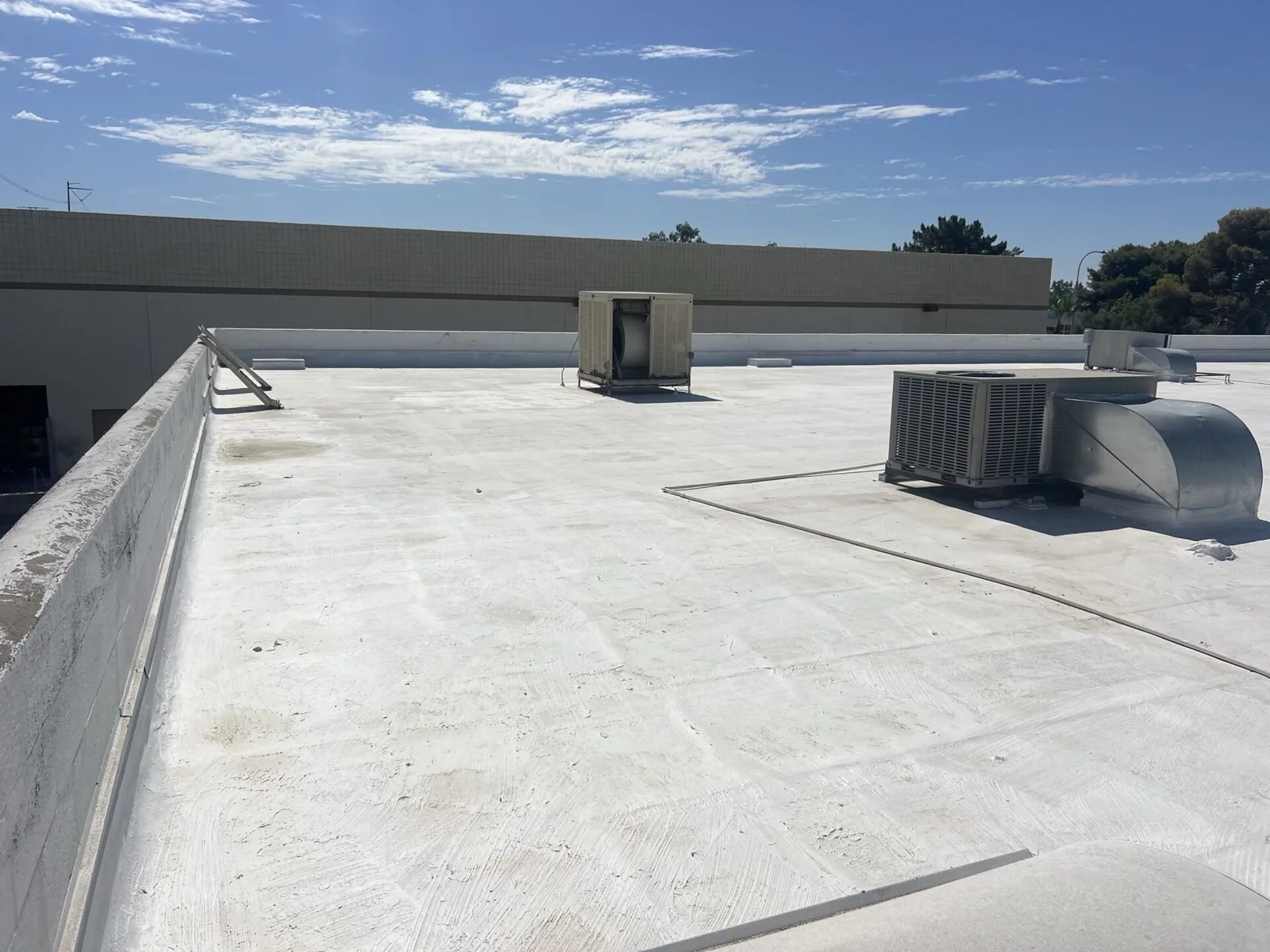
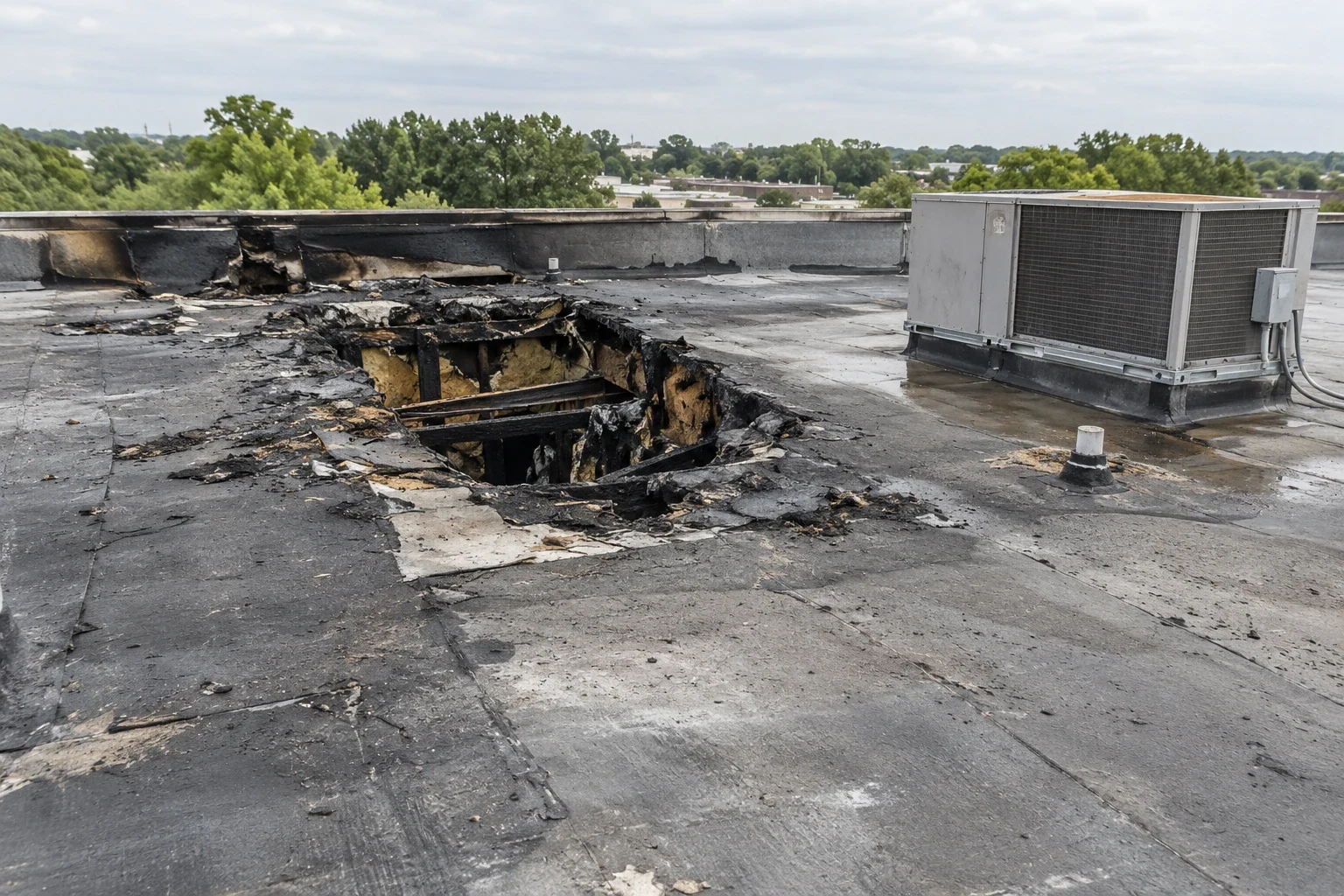
A shallow basin around a high drain flange can retain water after surrounding runoff clears. The receiving surface and outlet height need measurement before a repair is chosen. Commercial ponding water roof repair in San Angelo, TX follows that actual geometry. We examine accessible drainage and the covering condition. A fresh patch that reproduces the depression leaves its water-retention cause in place.
Pharmacies and discount retail operate along College Hills Boulevard. Sherwood Way includes grocery and restaurant operations. Before drainage removal, we identify the contents and equipment beneath the opening and the access needed for their protection. Commercial Roofers San Angelo assesses and corrects commercial roof drainage and involved material. Examination of outlets and their receiving roof surface defines the relevant connection and water route. The selected correction should address the measured condition before roof removal affects the occupied space below.
Commercial Ponding Water Roof Repair
Compare the drain height with the surrounding roof profile
A drain can be clear yet sit above part of the receiving surface. We examine the outlet and measure relevant gradients. Insulation, supporting construction or the drain arrangement may create that height difference. The suitable correction needs an appropriate receiving profile and compatible roof connection. It should not leave an added patch forming another raised edge beside the outlet.
Changing the profile can require removal and rebuilding of involved layers. A different outlet position or elevation may need coordinated piping work. Responsible personnel establish that service requirement. We define the roofing material and accessible connection around it. A lower outlet alone cannot correct every depression elsewhere on the surface. The scope should locate the actual contributing areas and any separate restriction. Suitable preparation and examination are needed before the rebuilt connection is closed. That makes the selected task specific to the measured drainage condition, with a sound retained boundary established instead of simply adding covering at the position where water was observed.
Measure the retained-water area and outlet correction Arrange a drainage review with ponding locations, outlet changes and affected occupied space identified. We will define the profile and material work needed to restore a suitable roof water route.
Commercial Ponding Water Roof Repair
Investigate why the retained surface has a low area
A depressed roof surface can involve compressed insulation, damaged support or another construction condition. We examine relevant material and verify suspect layers. Appropriate investigation helps distinguish the involved component from sound retained construction. A structural concern requires assessment by the appropriate specialist. New covering should not be used to conceal unresolved supporting damage beneath a reshaped surface.
Correction of insulation and board profile at retained water follows the actual assembly requirements. The rebuilt layers must provide suitable support and compatible connections. We identify material requiring removal before the construction stage is selected. Moisture can extend the involved area beyond the visible basin. Assessment of ponding-related roof construction conditions directs further verification where indicated. The resulting scope should distinguish a profile correction from wider supporting reconstruction. Building personnel can then coordinate contents and room restrictions for the real exposure. The repair boundary follows the verified material condition rather than the outline of a puddle seen on the surface.
Commercial Ponding Water Roof Repair
Examine seams and details within the retained-water area
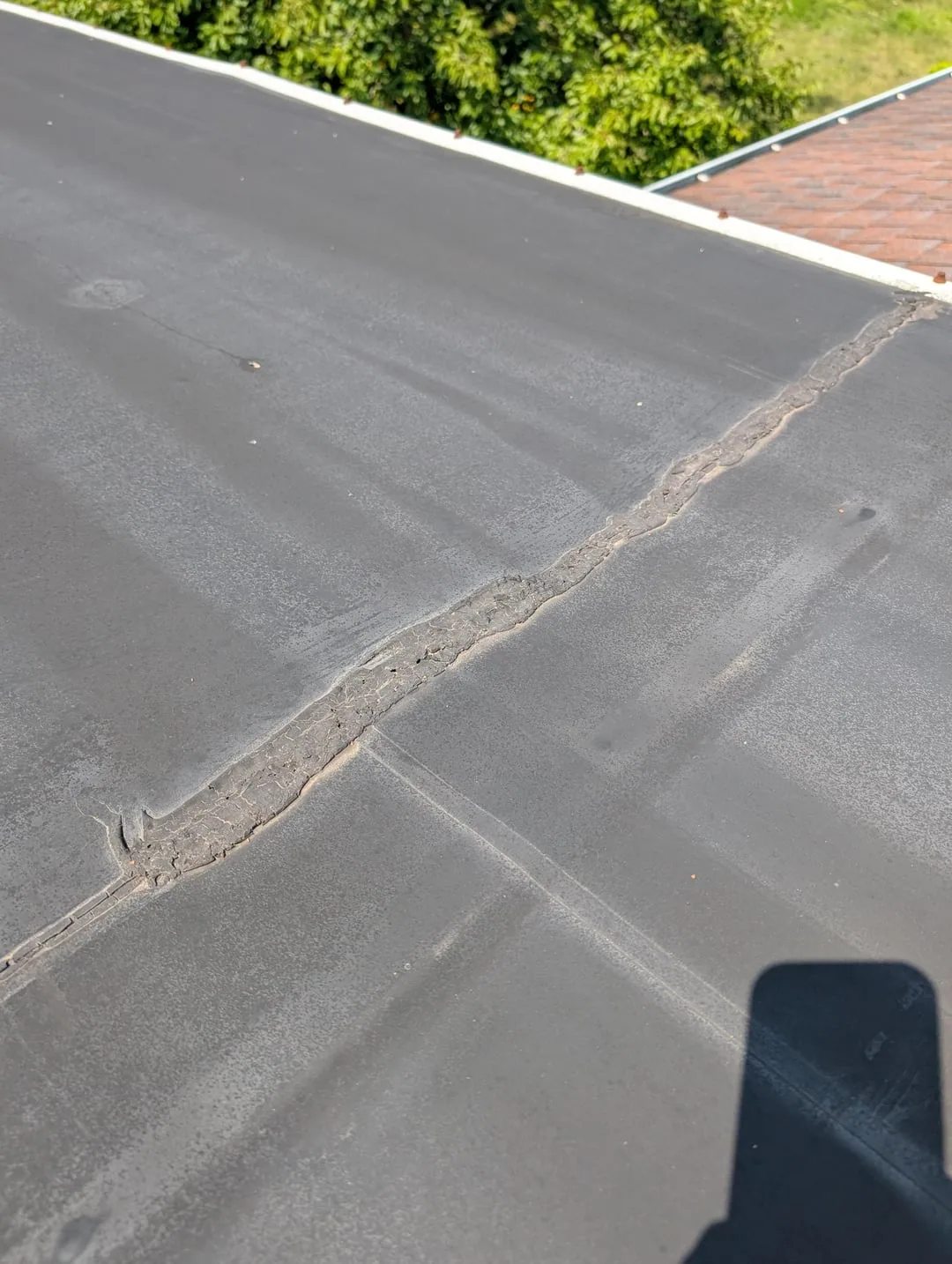
Persistent water can expose defects at a seam, penetration or outlet connection. We examine the installed material and accessible weather details. A damaged connection may need correction independently of the drainage profile. The selected repair must use compatible preparation and components. Restoring one seam should not be expected to resolve a separate outlet restriction or supporting depression.
Correction of separated seams beside retained water needs suitable support and a sound material boundary. We investigate suspect layers where findings indicate leakage involvement. Assessment of aged surfaces and exposed roof details can identify another condition affecting repair suitability. An apparently intact field does not establish the same preparation requirement as deteriorated covering near the outlet. We define the actual weather correction alongside the drainage task. A practical scope can contain both component repair and profile reconstruction, with each located for occupied-space coordination. The completed construction should restore compatible connections without leaving the measured cause of persistent water outside the selected work.
Commercial Ponding Water Roof Repair
Review coating suitability separately from drainage correction
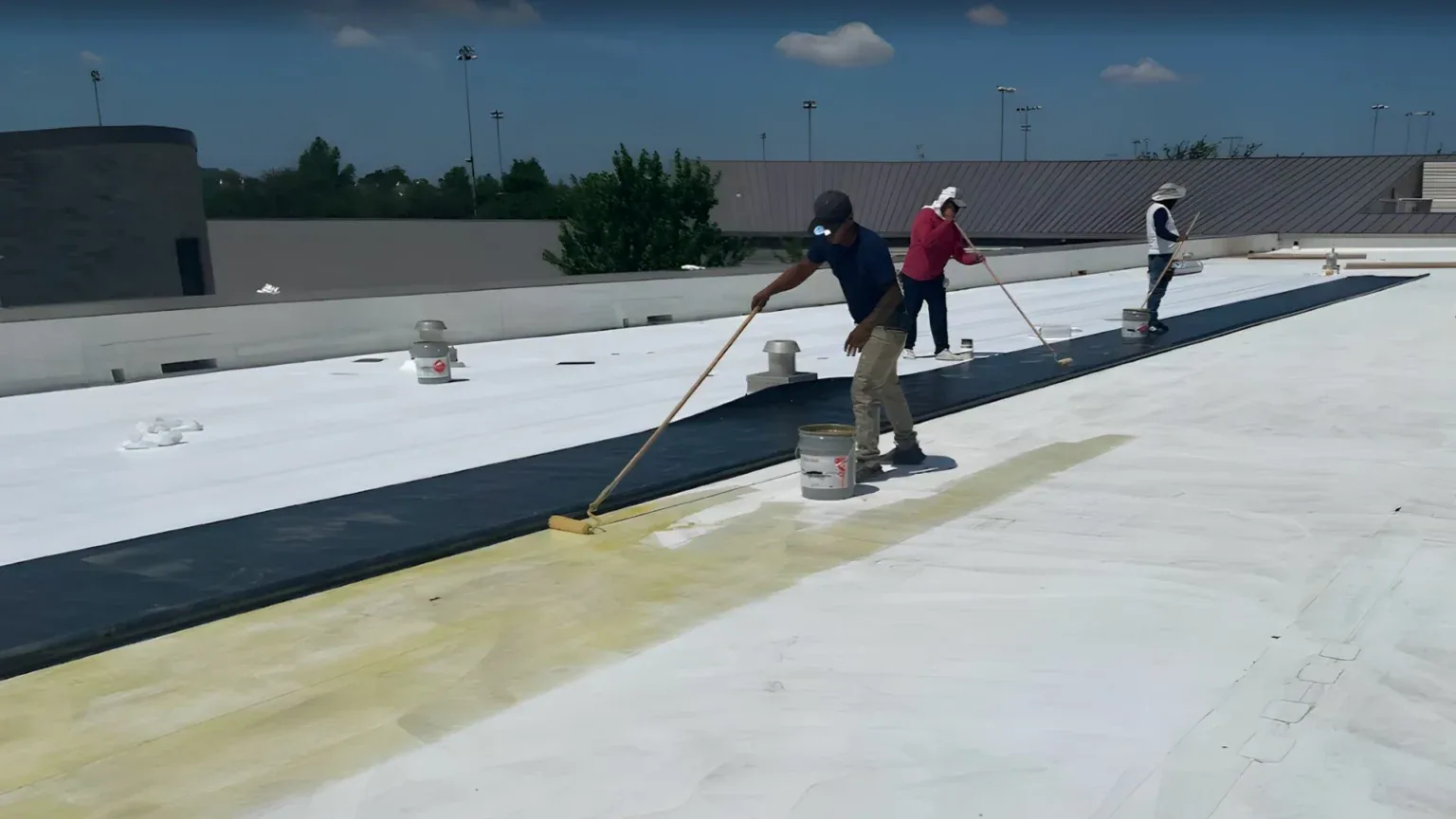
A coating option depends on retained surface condition and the particular product requirements. We examine preparation, adhesion and involved repairs. Some materials have different suitability for water exposure. The actual selected product guides that assessment. A finish cannot rebuild missing support or lower an obstructed outlet. Those physical corrections need definition before a broader treatment is considered.
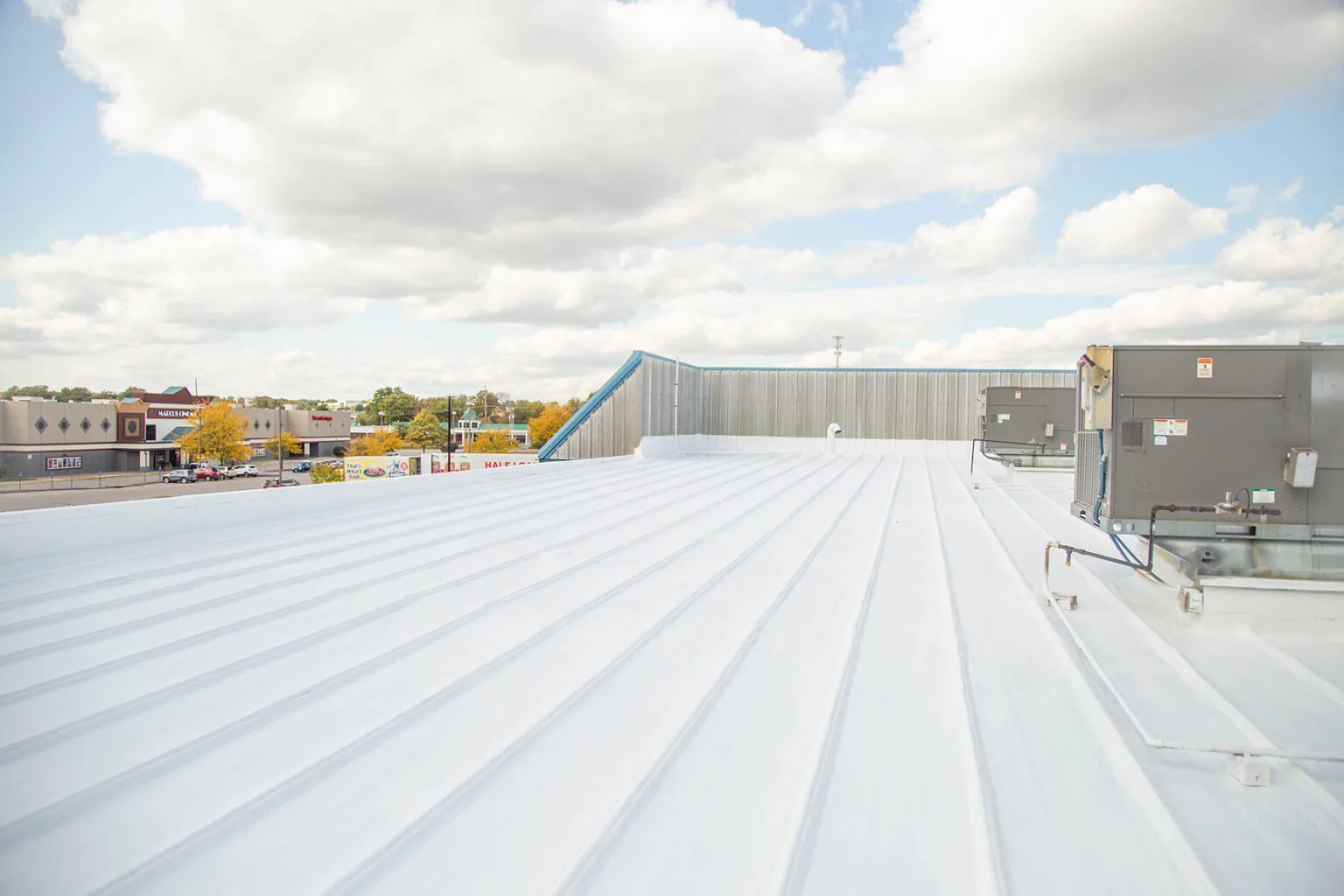
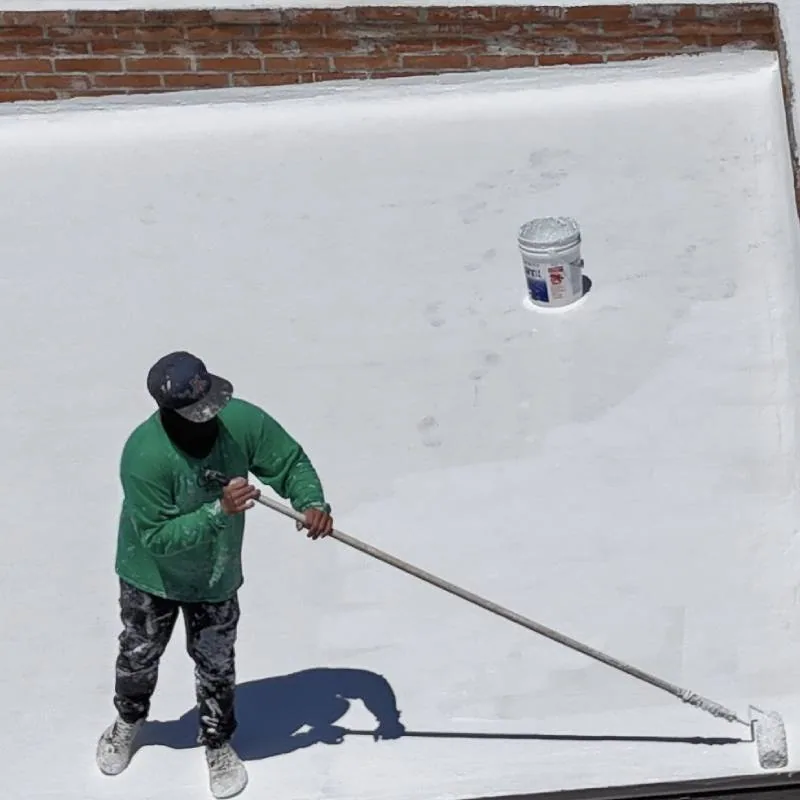
Assessment of silicone roof coating requirements should include compatible substrate and preliminary detail work. The comparison must not treat expected water resistance as a correction to roof geometry. We assess the involved layers and actual outlet arrangement. Where those conditions need reconstruction, the scope should identify removal and closure. For roof work above occupied retail goods, locate the stock-protection area against that physical exposure. The owner can then compare drainage and material options as complete tasks. A uniform new finish is useful only where the supporting construction and retained interface are suitable for the chosen assembly and its specified conditions.
Commercial Ponding Water Roof Repair
Check the completed profile and accessible discharge after repair
The corrected surface should lead water toward the intended outlet arrangement. We examine accessible gradients, connection details and relevant discharge. The finished components receive suitable checks according to the installed requirements. Later equipment or service protection can obstruct the route again. Those changes need assessment without assuming the original correction remains appropriate at every altered position.
For roof drainage work near the College Hills Boulevard Corridor, site personnel coordinate actual occupied access and material handling. Completion of the ponding-related material correction should identify repaired areas and retained boundaries. Staff can report where water remains and whether an outlet has changed since construction. Another low area or obstruction may require a separate task. Clear locations help distinguish that condition from unfinished work. The next scope follows measured profile and current material findings, with occupied-room restrictions defined for the actual removal or equipment access needed rather than an automatic repeat of the previous surface repair.
Questions and answers
Questions About Commercial Ponding Water Roof Repair
Can a roof retain water beside a drain that is not blocked?
Measure the receiving surface and outlet elevation. A high flange or surrounding depression can leave water below the discharge level. We examine the contributing area and relevant construction. The suitable correction should address that geometry and compatible roof connection, with piping coordination where needed rather than treating every retained-water report as a debris blockage.
Why investigate supporting material before filling a depressed roof area?
Verify the component responsible for the low profile. Compression, moisture or damaged support can require different correction. We define suitable removal and retained boundaries. A structural concern needs appropriate specialist assessment. The rebuilt surface should receive sound support instead of concealing unresolved construction beneath another layer that merely changes its visible height.
Does repairing a seam remove the need to correct surrounding ponding?
Identify the weather defect and drainage condition separately. A compatible seam repair can restore that connection while a depressed profile or restricted outlet remains. We examine both and define the relevant construction. The scope should address the actual water route and involved material, so one localized patch is not expected to resolve every condition in the retained-water area.
Can a silicone finish substitute for rebuilding an unsuitable drain profile?
Assess the selected product and retained surface independently of the water route. A coating needs appropriate preparation and supporting construction. We identify outlet, profile and material corrections before considering application. Water-exposure suitability does not lower a raised flange or restore damaged support, so the option should include the physical drainage work needed at the actual roof.
What should staff report when a repaired roof still holds water?
Locate the retained area and note relevant outlet or equipment changes. We examine the current receiving profile, discharge and weather connections. Another obstruction or low section may require separate correction. The next task follows measured geometry and material findings, with occupied-space access arranged where further removal or coordinated service is needed.