Commercial Cool Roof Installation in San Angelo, TX
Commercial Roofing Services
Commercial Cool Roof Installation at a Glance
Dirt on a reflective membrane increases the sunlight its surface absorbs. Heat transfer into the building also depends on the underlying layers. Cool roof installation in San Angelo, TX starts with both. We examine the covering, insulation and building operation before selecting materials. A brighter surface does not correct concealed moisture or inadequate attachment. Those conditions need their own construction decisions before the new roof is installed.
San Angelo July normal daytime highs range from 96 to 99 F. Solar exposure therefore matters when comparing roof surface behavior. Commercial Roofers San Angelo installs reflective membranes and suitable coating systems. We establish whether the existing assembly should remain, receive repairs or be removed. Checking the roof beneath the proposed surface gives the comparison a physical basis, rather than relying on color alone.
Commercial Cool Roof Installation
Compare reflection and emitted heat separately
Solar reflectance describes the share of sunlight reflected by the surface. Thermal emittance concerns the release of heat from that material. These properties are related to roof temperature through different mechanisms. We examine the selected product information for both characteristics. Initial appearance is insufficient to establish its later performance. Aging, accumulated dirt and exposure can change the condition of the installed surface.
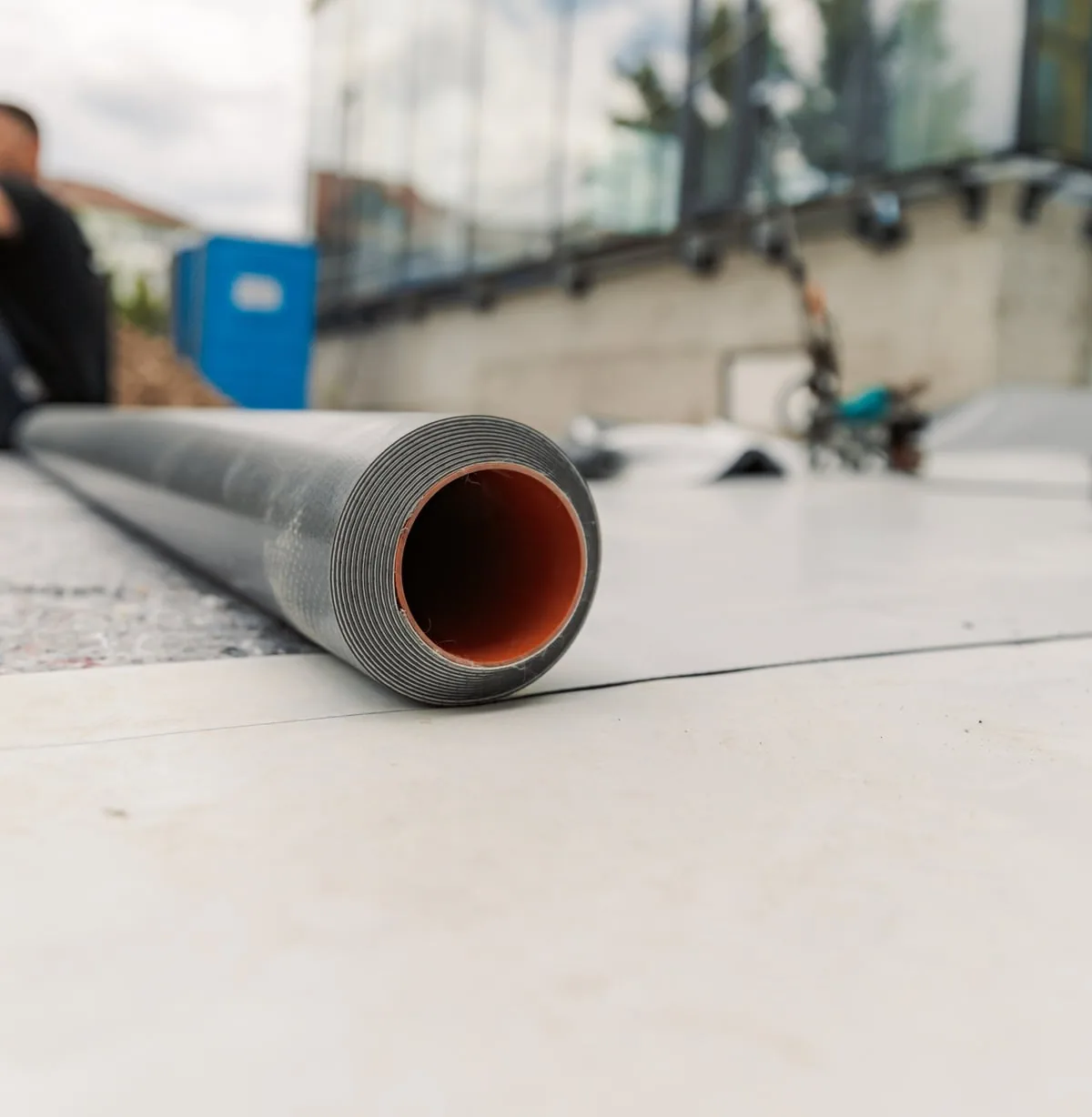
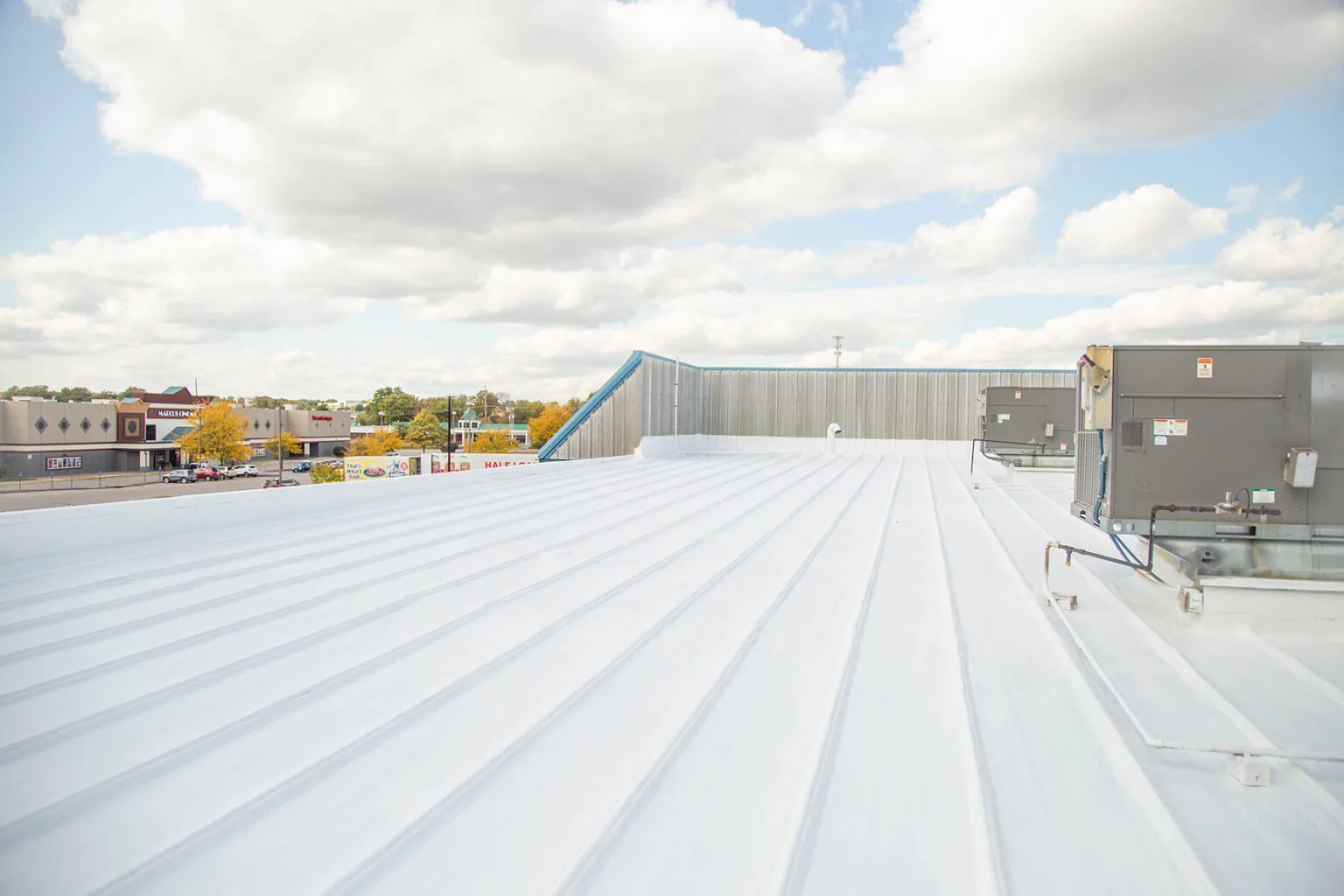
A reflective membrane needs selection as a complete roofing system. Color is one part of that decision, alongside attachment and detail construction. Reflective TPO roofing can provide a suitable option for an assessed commercial assembly. The intended material must also meet the project requirements. We review insulation, drainage and the proposed membrane installation together. The finished roof should meet its waterproofing and attachment needs while providing the chosen surface properties. A material selected only for brightness can leave its other construction requirements unresolved, particularly at existing curbs and perimeter connections.
Compare the reflective assembly for your building Bring the roof material, indoor operating schedule and planned improvement to a cool-roof assessment. We will examine which assembly changes belong with the surface selection.
Commercial Cool Roof Installation
Distinguish surface temperature from building energy use
A lower roof surface temperature can reduce inward heat flow. The size of that effect changes with insulation and building operation. A well-insulated assembly already resists heat transfer beneath the membrane. Cooling schedules, ventilation and equipment use also influence overall consumption. We avoid treating a surface-temperature comparison as a prediction for the utility bill. A building energy evaluation is needed for a project-specific savings estimate.
We examine the insulation beneath the reflective covering when defining the roof scope. Missing or wet material needs correction where found. Changes in insulation thickness affect curb heights and perimeter details. Those construction effects should be assessed with the proposed thermal improvement. A conditioned office and a storage building may have different reasons for choosing reflectivity. We discuss the actual indoor operation with the manager. The roof comparison then includes thermal resistance and surface performance, without attributing the whole building energy result to one change in the outer covering.
Commercial Cool Roof Installation
Choose between a new covering and surface restoration
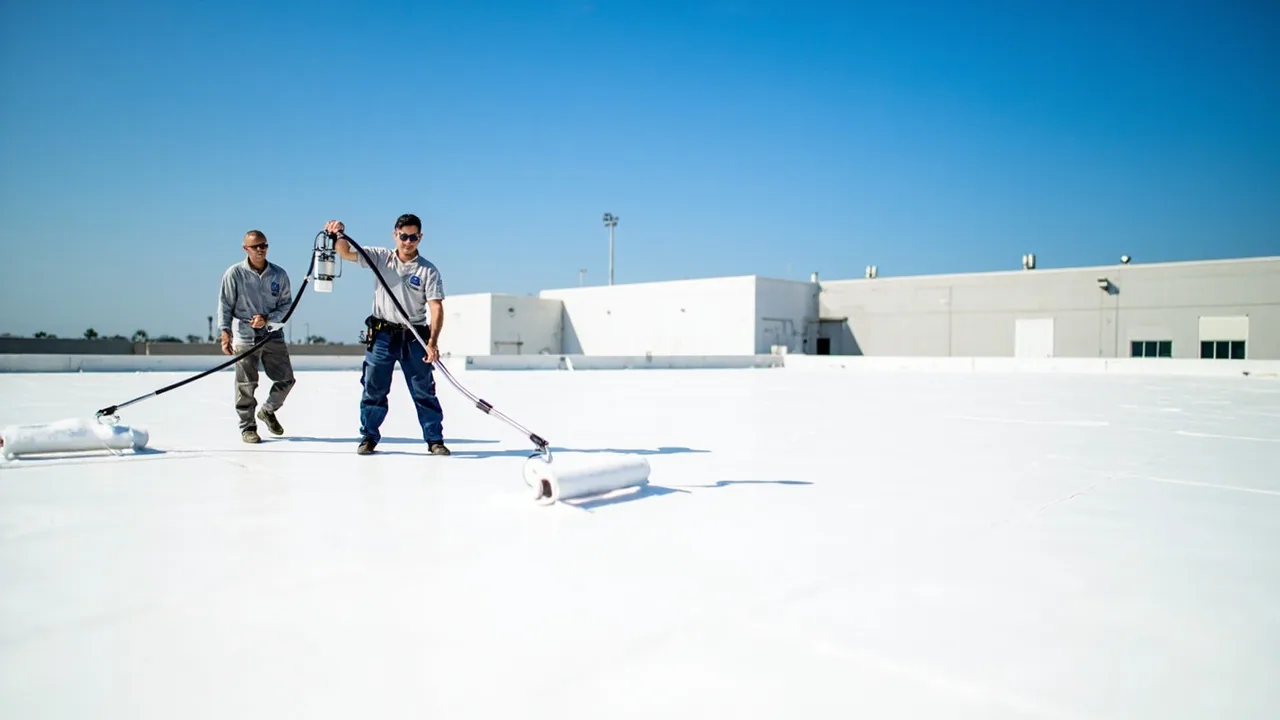
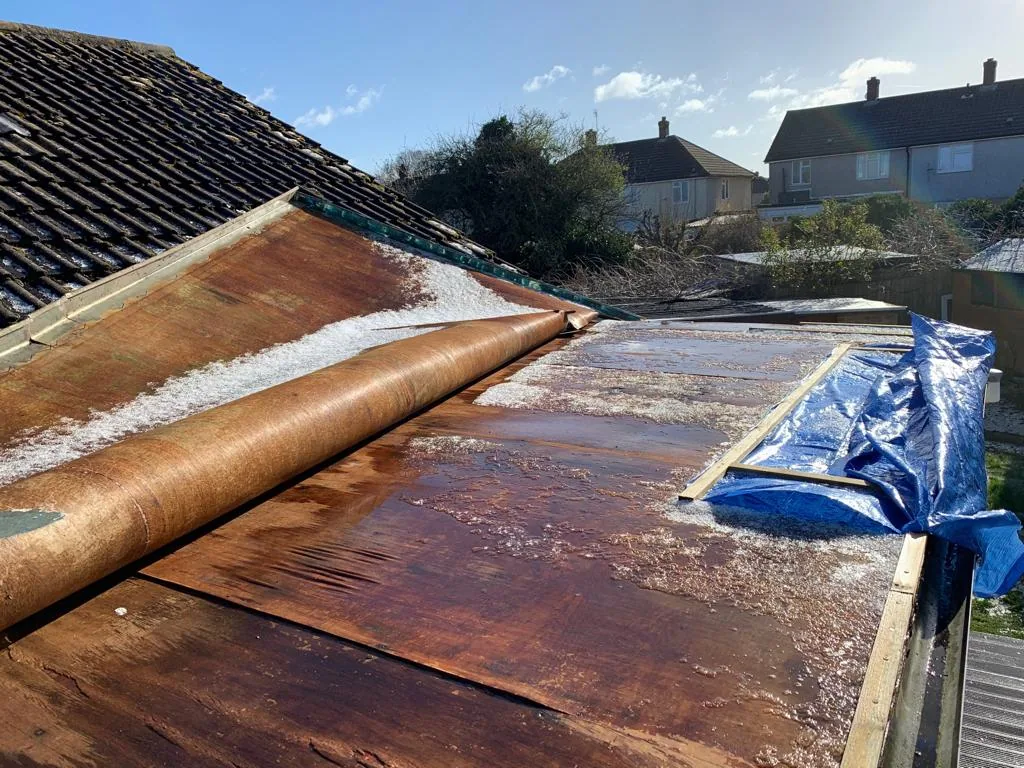
A serviceable roof may permit a compatible reflective coating after repairs. An aged assembly with widespread wet insulation can require more removal. We distinguish those conditions through examination and appropriate testing. Coating adhesion must be established on the prepared existing surface. A new membrane needs its attachment and supporting layers assessed. Both options require sound details and a maintained drainage route.
For restoration with a reflective coating, preparation and film thickness are part of the construction scope. The new material should not conceal loose layers or active seam movement. Replacement provides an opportunity to alter insulation and deteriorated connections. Its removal and disposal requirements usually differ from restoration. We compare the work that each suitable option would actually include. An apparent saving from leaving material in place needs to account for that retained condition. The selected approach should resolve waterproofing defects while providing the intended reflective surface, rather than defer a known assembly repair.
Commercial Cool Roof Installation
Schedule removal beside the retail operation
College Hills Boulevard includes pharmacy and discount-store activity. A roof project above an occupied retail space needs careful protection. We identify stocking areas, customer entries and ventilation near the work. Removal can require restrictions beneath an exposed portion of the assembly. Delivery and waste routes must fit the building access arrangement. The daily sequence should leave suitable weather protection before work stops.
Reflective PVC roofing assemblies need the selected system installation requirements followed through those shifts. Adhesive application and seam work each have suitable temperature and surface conditions. We check the actual substrate rather than relying on a daytime forecast alone. Roof access also needs protection from traffic after installation. For buildings in the College Hills Boulevard Corridor, the occupied schedule informs the practical construction window. We coordinate material placement and closure with the manager, so maintaining the business does not leave a connection unfinished at the end of a shift.
Commercial Cool Roof Installation
Preserve the installed surface without damaging it
Dirt can reduce reflectivity while leaving the membrane intact. Cleaning methods must suit the installed material and its condition. Excessive pressure or incompatible chemicals can damage a sound surface. We examine seams and details before a cleaning task proceeds. Water must have a clear drainage route during that work. Fragile or open connections need repair before they are subjected to washing.
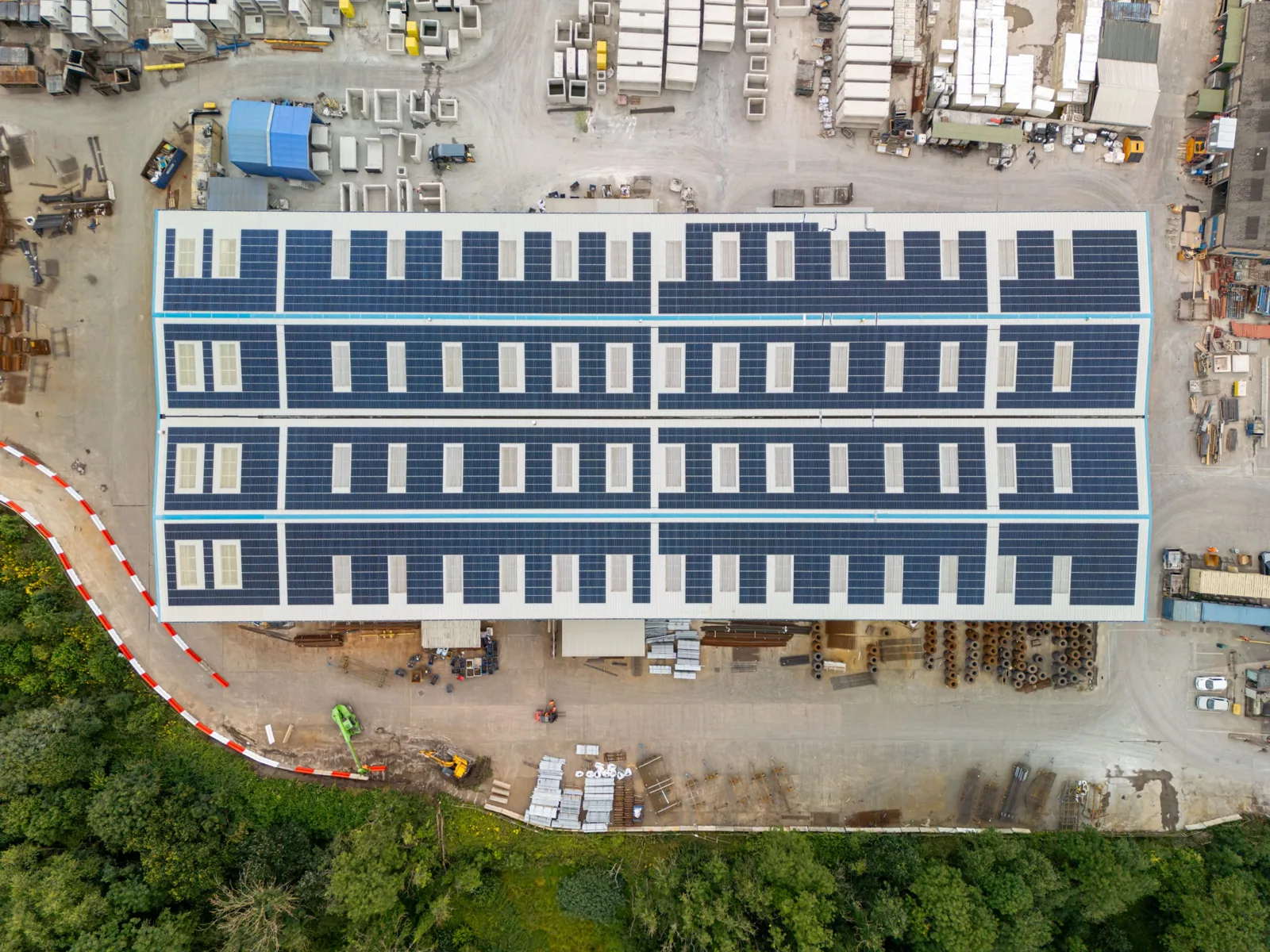
The Sunset Drive Corridor includes grocery stores and shopping-center food operations. A reflective roof over retail use there still needs equipment access maintained. Protective walk areas can help limit service-related wear where appropriate. We identify the surface requirements for later shopping-center roof repairs and equipment changes. A compatible patch must provide weather protection, even where its appearance differs from the surrounding field. Routine inspection should address drainage and physical damage alongside surface cleanliness. The manager can then distinguish a cosmetic change from a condition that requires waterproofing repair before arranging another cleaning visit.
Commercial Cool Roof Installation
Price the retained condition and the new details
Existing moisture can change the amount of material requiring removal. Attachment condition can change which installation methods remain suitable. We include those findings when comparing reflective roof proposals. Edge construction, equipment flashing and outlet work affect the finished assembly. Their cost should accompany the field membrane or coating price. Otherwise the comparison leaves necessary work outside the apparent roof improvement.
We also assess how the project sequence affects occupied hours. Coating may require separate preparation and cure windows. Replacement may require lifting access and staged exposure of the existing roof. A small accessible test area can help resolve a material question before the larger project begins. The installation plan follows the selected system and actual roof condition. We explain the construction differences between viable options so the manager can compare their removal, closure and maintenance needs. That keeps the decision connected to the building that will receive the roof, rather than an assumed result from a reflective product label.
Questions and answers
Questions About Commercial Cool Roof Installation
Does a white roof automatically reduce the building cooling bill?
Surface reflectivity can reduce absorbed solar heat, but building consumption has other drivers. Insulation, ventilation and operating schedules affect the result. We assess the roof assembly and explain its proposed changes. A project-specific energy calculation is appropriate when the decision requires a savings estimate rather than a surface-performance comparison.
Can reflective coating be applied to a roof with wet insulation?
Remove the affected material before treating the retained surface. We assess moisture extent and the surrounding assembly. Coating protects suitable roofing material but does not dry concealed wet layers. Once the repairs are defined, adhesion testing and surface preparation determine whether the remaining roof is suitable for restoration.
How should reflective options be compared beyond color?
Review the complete assembly, including tested surface properties, insulation and attachment. We also examine details, drainage and the installed material maintenance requirements. Initial brightness alone leaves those differences unresolved. The comparison should include the condition retained beneath each option and the work required to make that construction suitable.
Will added insulation change the height around existing equipment?
Additional thickness reduces the space available for some flashing details. We measure the finished surface against curbs, access panels and adjoining metal. Alterations may be necessary before installation. Those changes belong in the initial scope, because raising the roof first can leave insufficient room for a reliable termination.
Should a dirty reflective roof receive another coating immediately?
Examine the surface and waterproofing condition before selecting another application. Suitable cleaning may address dirt without requiring new material. Deterioration or adhesion problems require a different correction. We check compatibility and preparation requirements where recoating is proposed, so added film does not conceal a surface that needs repair.