Commercial Roofing on College Hills Boulevard in San Angelo, TX
Service Areas
College Hills Boulevard in San Angelo at a Glance
College Hills Boulevard serves commercial properties in San Angelo between Loop 306 and Avenue N. Pharmacy and discount retail uses add customer traffic, deliveries, rooftop equipment and occupied hours to the roof decision. We inspect the actual assembly before recommending repair, coating, recover or replacement. San Angelo's July normal highs range from 96 to 99 degrees Fahrenheit, so surface movement and bond condition deserve attention during hot-season work. The city listed full-depth roadway rehabilitation on this corridor in 2025. A roofing schedule should account for access and deliveries without assuming that the street project describes any individual property's roof.
College Hills Boulevard in San Angelo
Identify what changed before choosing the repair
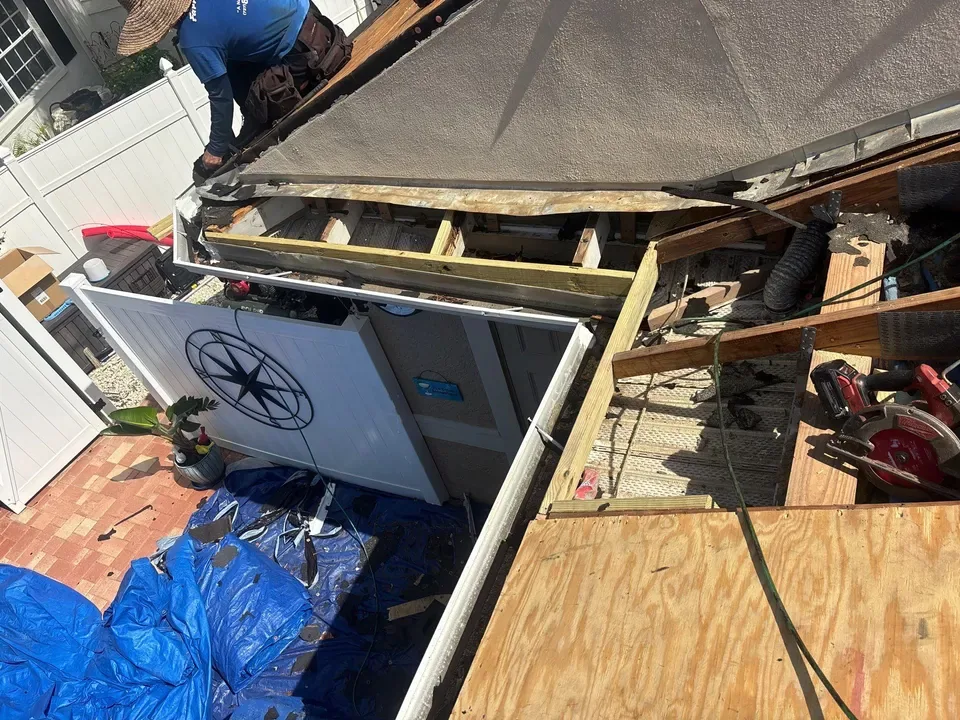
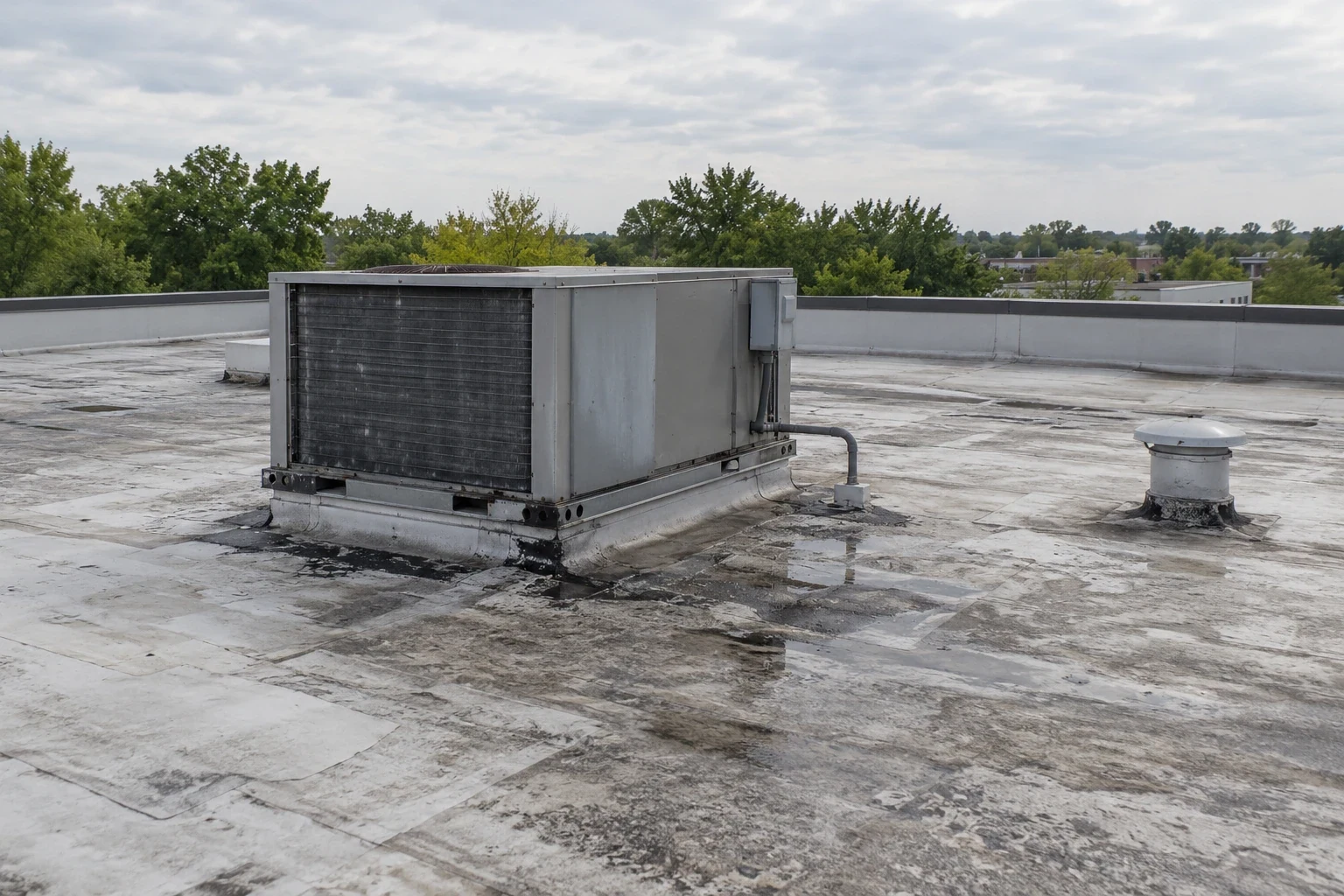
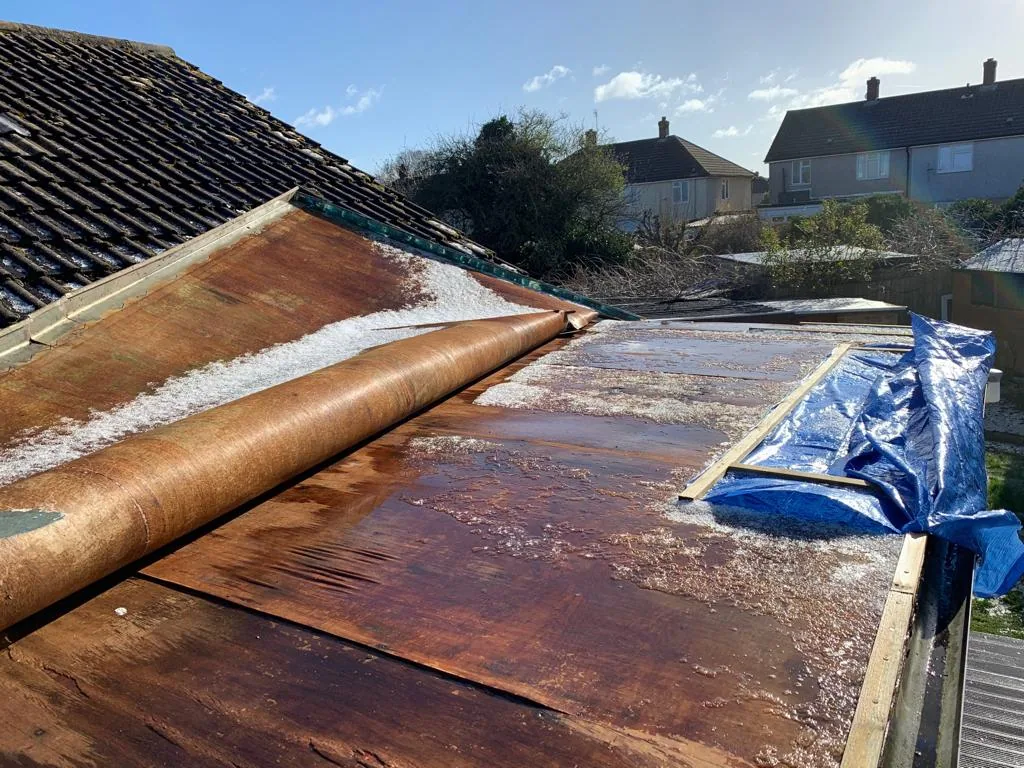
A ceiling mark is a location clue, not a repair boundary. A test cut near the marked path can separate wet insulation from a surface defect. That finding sets how much material must come out and how soon the opening needs permanent closure. On a College Hills retail or pharmacy property, we trace the path from the occupied room upward. We inspect membrane seams, wall transitions, equipment curbs and drain areas. If the source remains uncertain, a test cut can establish whether insulation is dry or wet. That distinction changes how much material needs removal. A surface patch over a wet layer may hide the symptom while leaving the assembly compromised.
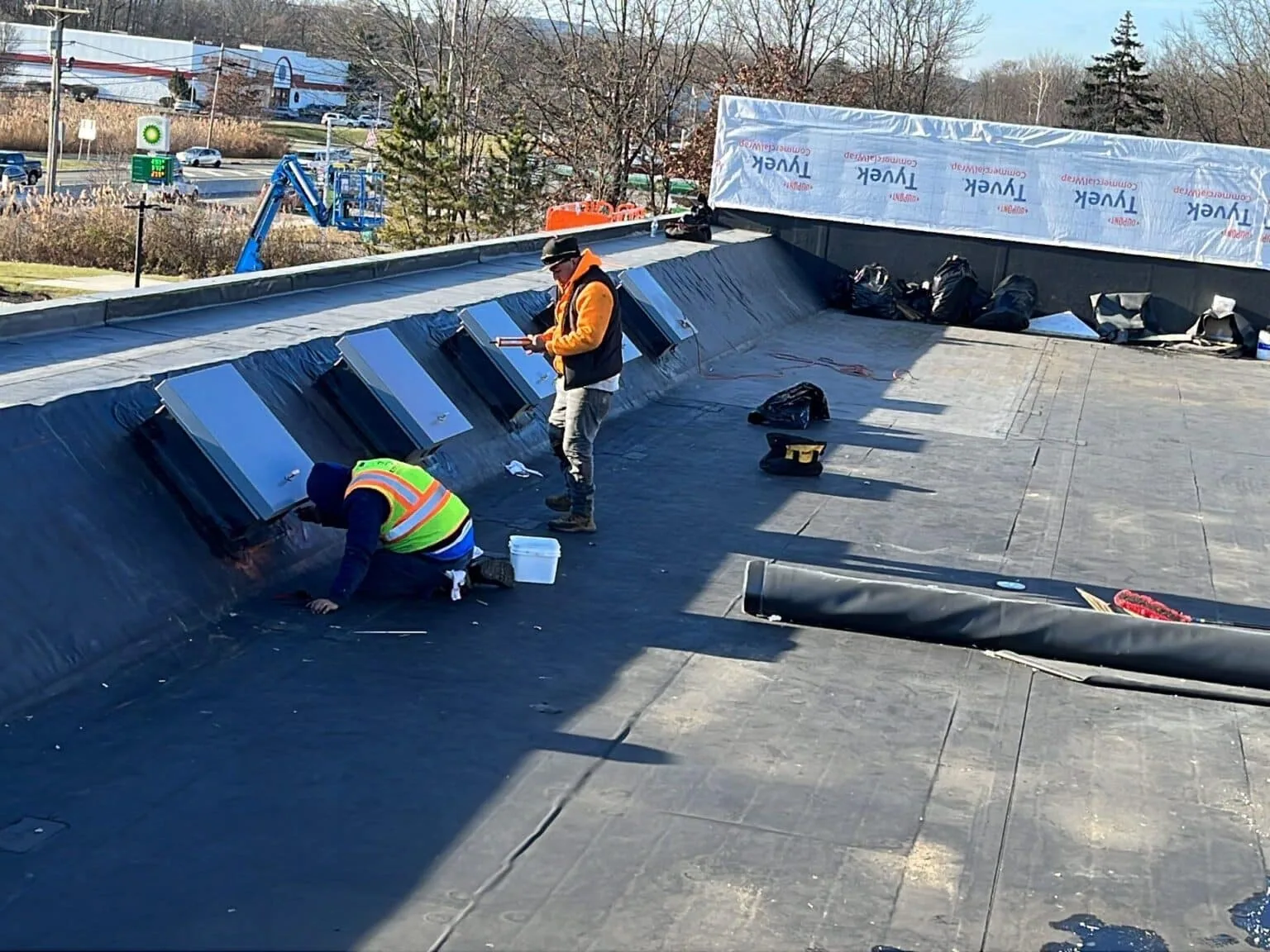
We document the observed condition with photographs and a written report. The property manager can compare the leak location with ceiling repairs, service calls and roof access notes. Repeated marks near one penetration call for a different scope than scattered seam openings. We also record conditions that are sound, so the proposal does not widen into unnecessary replacement. A focused commercial roof inspection can define what needs exposure and what can remain. Similar retail access considerations shape roof work in the Sherwood Way Corridor and the Southwest Boulevard Corridor.
Set a clear roof repair boundary Arrange a focused inspection on College Hills Boulevard. Bring the leak history, access rules and prior repair notes; we will document the roof condition and explain the next repair or restoration decision.
College Hills Boulevard in San Angelo
Test the joint before sealing over it
Heat changes how roof materials and metal edges move. San Angelo's July temperature normals make a loose seam or tight termination worth inspecting under actual roof conditions. We probe membrane laps, check adhesion, and look for splits near corners and curb transitions. On coated roofs, we verify that the coating remains bonded to the substrate. A new layer should not cover chalking, trapped moisture or a failing seam without resolving the cause.
Movement also affects metal details. A termination needs secure attachment and enough expansion clearance to avoid pulling its seal apart. We inspect fasteners, laps and adjoining membrane together. The repair must restore a continuous water path while allowing the materials to move. If the edge is sound and the failure is localized, targeted repair may preserve more of the assembly. If several transitions have lost bond, we map the extent before comparing a broader restoration. Our commercial roof repair scope ties each repair area to a visible condition. We use the same test-first approach on the Downtown San Angelo business district, where repair limits still depend on the actual assembly.
College Hills Boulevard in San Angelo
Keep customer and delivery routes usable
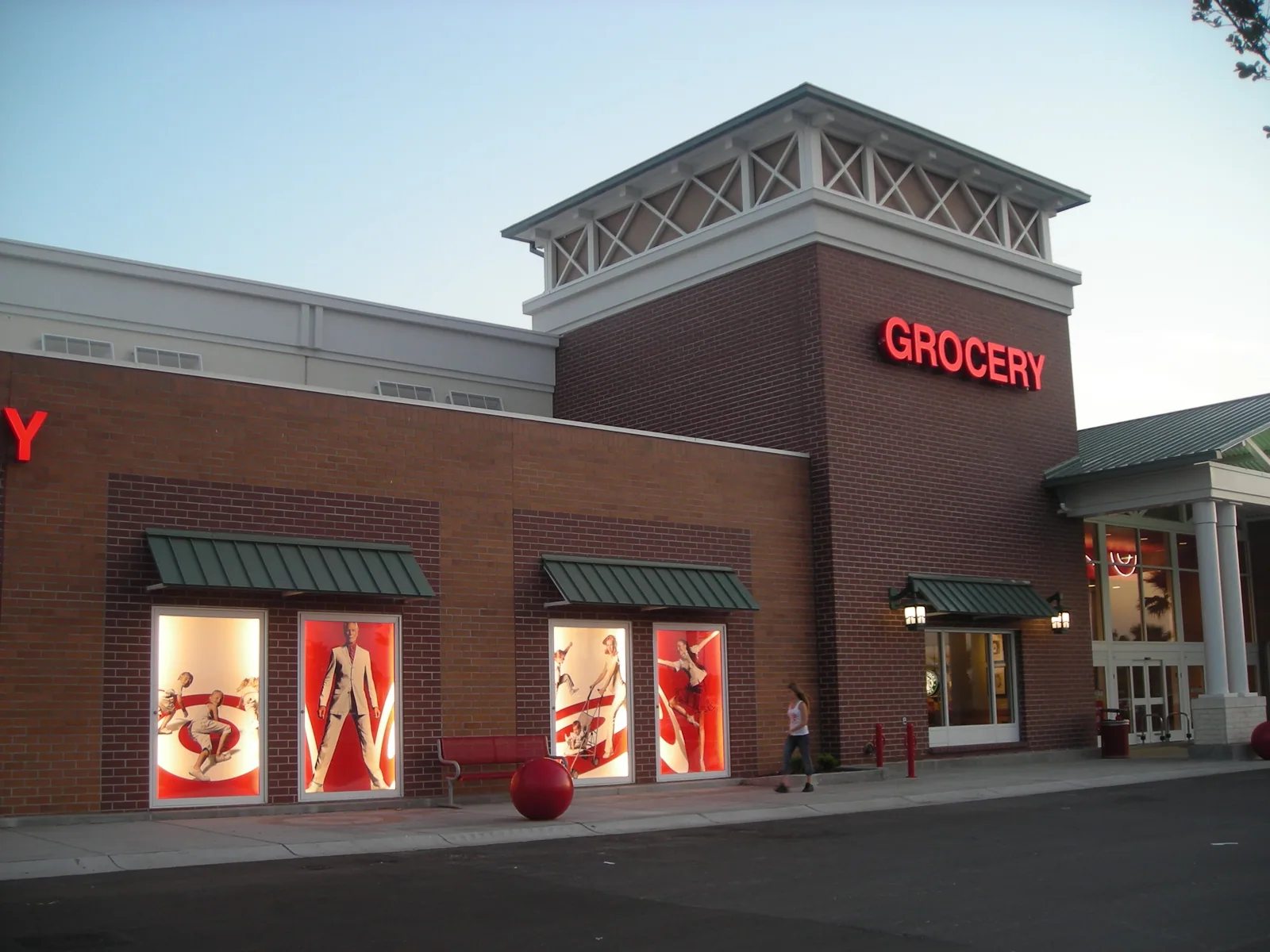
Pharmacy retail and discount stores depend on predictable entrances, loading access and safe circulation. Roof work should identify where lifts, material staging and temporary barriers will sit before a crew arrives. We coordinate those limits with the property manager. If only one roof section needs exposure, phasing can keep work away from the busiest customer approach. If a larger area is involved, the sequence can move in controlled zones rather than opening more roof than the crew can close that shift.
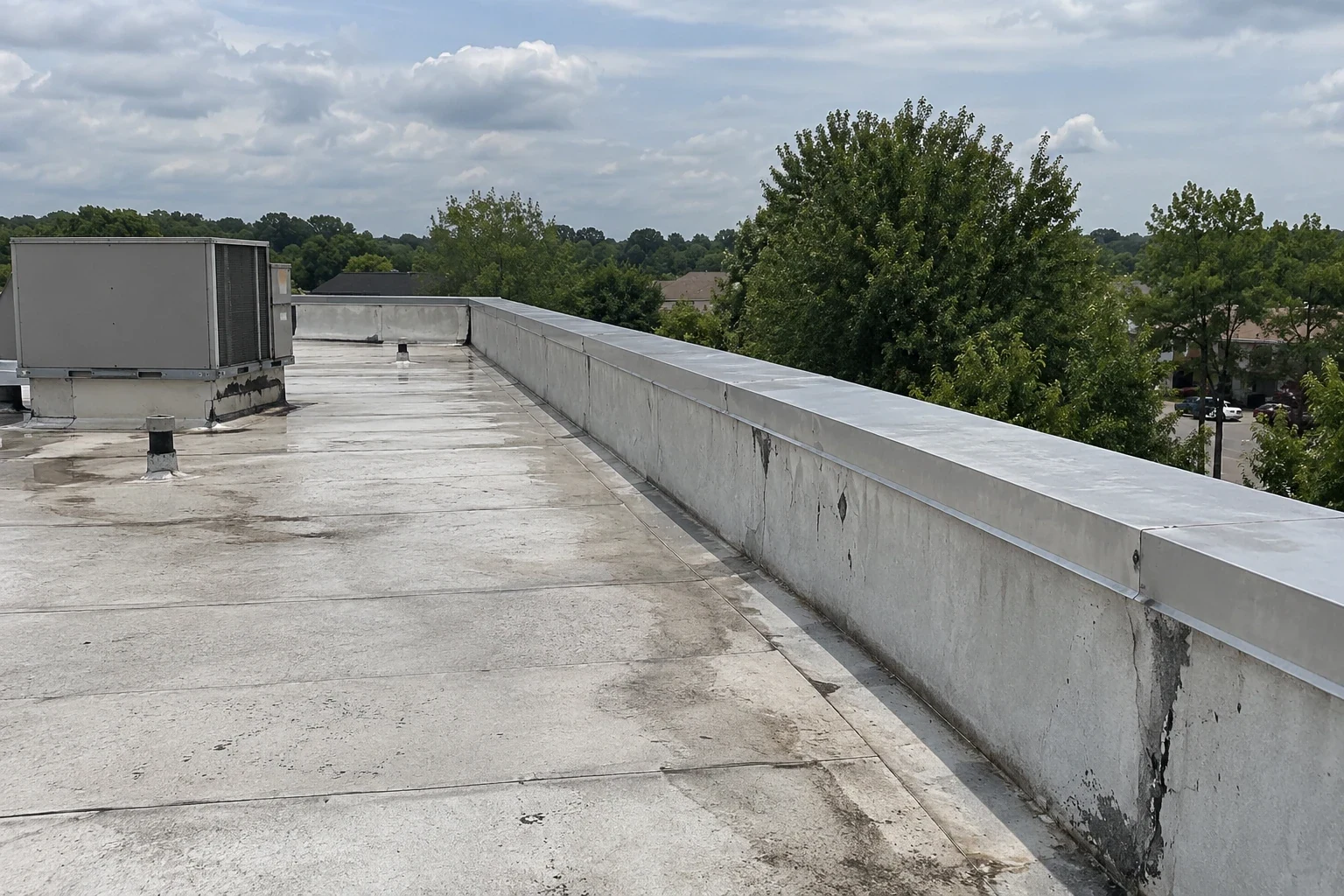
Interior protection matters as much as roof access. We note active leaks, sensitive stock, ceiling conditions and the rooms below planned work. The crew can cover exposed areas, remove wet insulation to an agreed boundary and close the roof before leaving. No repair plan can promise that an occupied business experiences no interruption. It can state the access window, noisy work, expected delivery movement and daily closeout. For active water entry, our emergency roof response starts with containment and a safe route to a durable repair.
College Hills Boulevard in San Angelo
Use moisture findings to set project scope
A repair is sensible when the failure is limited and surrounding materials remain serviceable. A coating can extend the serviceability of a compatible, dry roof, but it cannot correct wet insulation or detached flashing by itself. A recover may reduce tear-off when the existing assembly, code requirements and roof condition allow another system. Replacement becomes more practical when deterioration is widespread or when repeated repairs no longer address the full failure pattern. We use inspection results to compare these choices rather than starting from a preferred product.
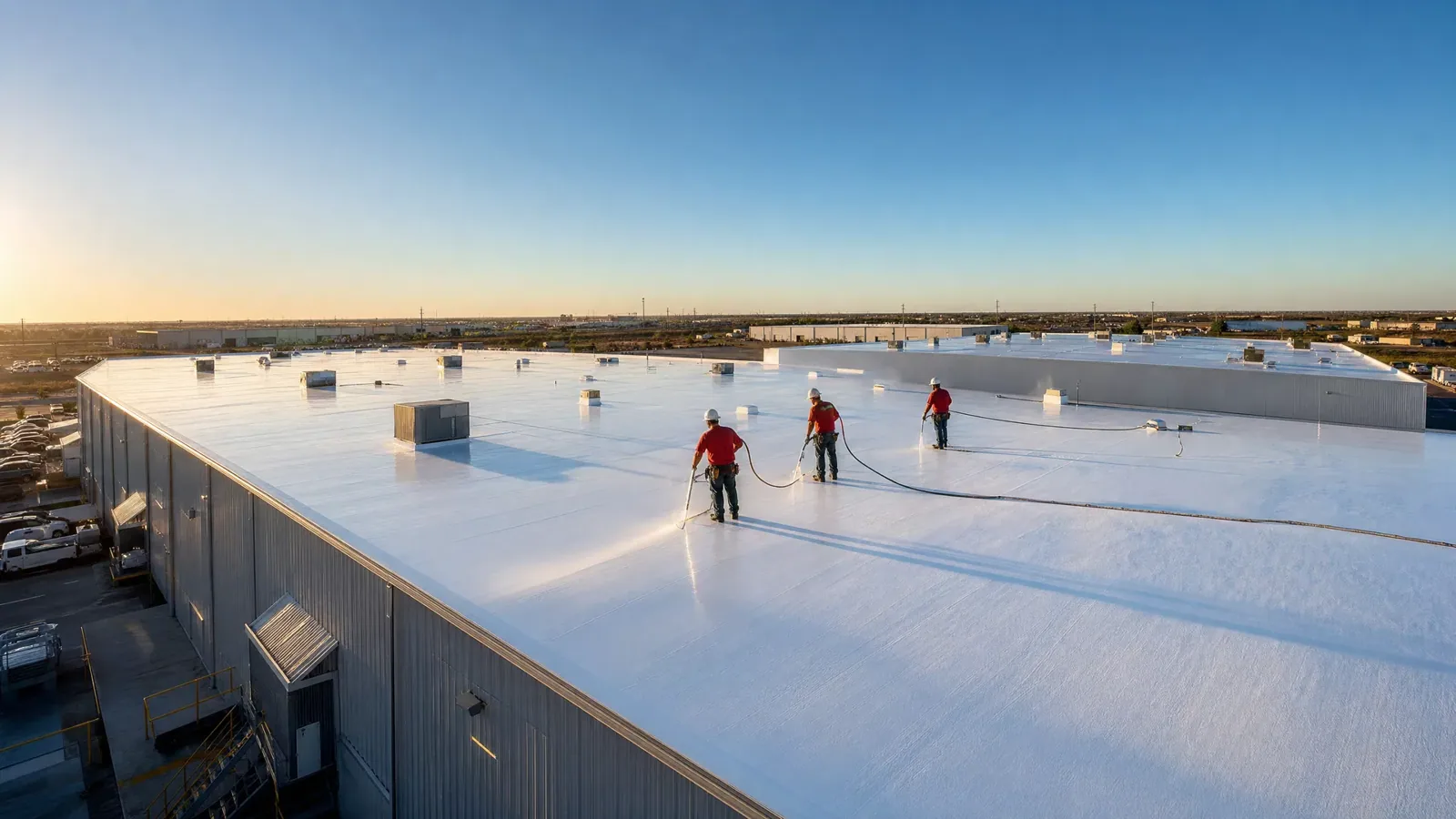
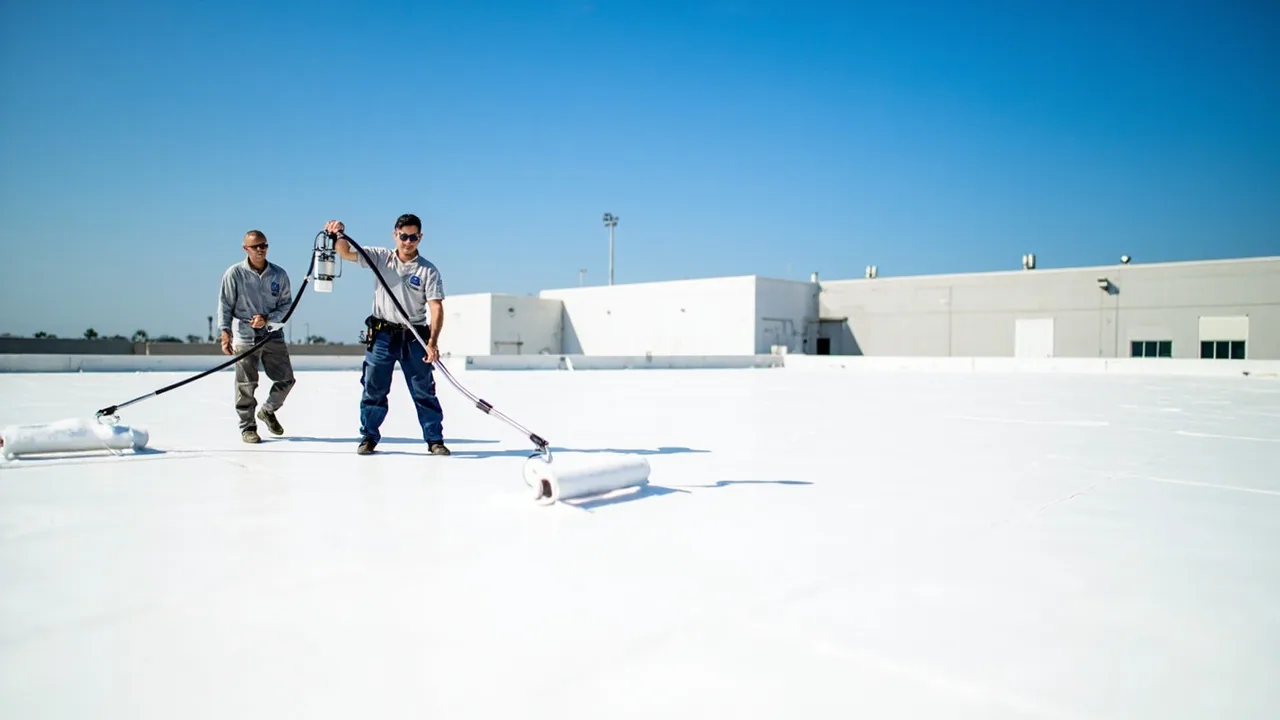
San Angelo's normal July precipitation is 1.10 inches, but a dry monthly normal is not a roof warranty. Drains, scuppers and low points still need attention after storms. We check whether water is reaching outlets and whether debris or deflection interrupts drainage. A written scope can identify the repair extent, materials, testing needed and items excluded. It can also separate immediate leak control from a later capital project. For compatible dry assemblies, roof coating restoration may be evaluated alongside repair and replacement.
College Hills Boulevard in San Angelo
Set the work window around exposure
Price follows the measured condition. Access height, tear-off quantity, insulation replacement, edge metal, equipment conflicts and disposal all affect a commercial roof scope. A test cut may add time, then reduce uncertainty about the material boundary. For a retail property, staging and store hours can influence crew sequence. We describe those drivers in the proposal so the manager can compare options on equal terms.
Hot surfaces affect application windows and crew pace. We plan around manufacturer installation limits, substrate preparation and forecast conditions. Coating work needs a clean, dry, compatible surface. Membrane seams need the right preparation and weld conditions. If a section must stay open for inspection, the day's work plan includes a close-in point and temporary protection. Road rehabilitation along College Hills in 2025 is a useful access-planning fact, not a claim about current traffic restrictions. The manager should confirm present access conditions before deliveries. We can phase work near customer circulation and coordinate lifts without assuming the corridor is closed.
College Hills Boulevard in San Angelo
Leave a repair record that supports the next decision
Closeout should show what was opened, what was replaced, and how the repair ties into sound material. We photograph completed seams, curb corners and edge transitions. The report records any remaining issue that needs monitoring. That gives a facilities contact a useful reference if a new ceiling stain appears months later. It also prevents a future crew from treating every mark as the same failure.
For a pharmacy or discount retail roof, operations continue after the crew leaves. We confirm that drains are clear, tools and debris are removed, temporary protection is accounted for, and customer-facing areas are open as agreed. If the inspection identified deferred work, we state its location and consequence without presenting it as completed repair. The property manager can then align maintenance with budget timing. An organized preventive roof maintenance schedule can revisit seams, drains and penetrations before small defects turn into interior work.
Questions and answers
Questions About College Hills Boulevard in San Angelo
Can you repair one leak without replacing the entire roof?
Yes, when inspection confirms a limited failure and the surrounding assembly remains sound. We trace the water path, test suspect areas where needed and define a repair boundary. If moisture extends beyond the visible leak, the scope must address that material too.
Does a coating stop leaks on every commercial roof?
No. The roof needs a compatible, dry substrate and sound details. We check adhesion, moisture, seams, drainage and flashing before recommending coating. Wet insulation or loose edges require correction before a coating system can be considered.
How do you keep retail operations moving during repairs?
We coordinate staging, lift placement, loading routes and work hours with the property manager. The sequence identifies which section is open and when it will be closed. Interior protection and daily cleanup are included in the plan for occupied spaces.
What should I have ready for an inspection?
Share the leak locations, dates, prior repairs, roof access rules and any ceiling or equipment constraints. We will document roof conditions and explain what further testing, if any, would clarify the repair extent or replacement decision.