Commercial Heat and UV Roof Repair in San Angelo, TX
Roof Damage Repair
Commercial Heat and UV Roof Repair at a Glance
Fine cracking through an exposed coating can leave the underlying material vulnerable. Its appearance needs examination before another finish is applied. Commercial heat and UV roof damage repair in San Angelo, TX assesses the current material, its supporting construction and the proposed repair interface. We distinguish weathered appearance from deterioration requiring removal or rebuilding. The correction needs a suitable retained surface and compatible detail connections.
San Angelo's normal July daily highs range from 96 to 99 degrees Fahrenheit. We examine exposed finish and movement-sensitive connections for cracking, displacement or unsuitable retained material. Grocery and restaurant uses along Sherwood Way place occupied contents beneath roofing. We locate those contents and service arrangements before exposing construction. Commercial Roofers San Angelo examines the actual material and selects practical correction. Inspection of exposed roof surfaces and adjoining details identifies the condition that must be addressed before choosing another application.
Commercial Heat and UV Roof Repair
Distinguish surface change from an unsuitable repair substrate
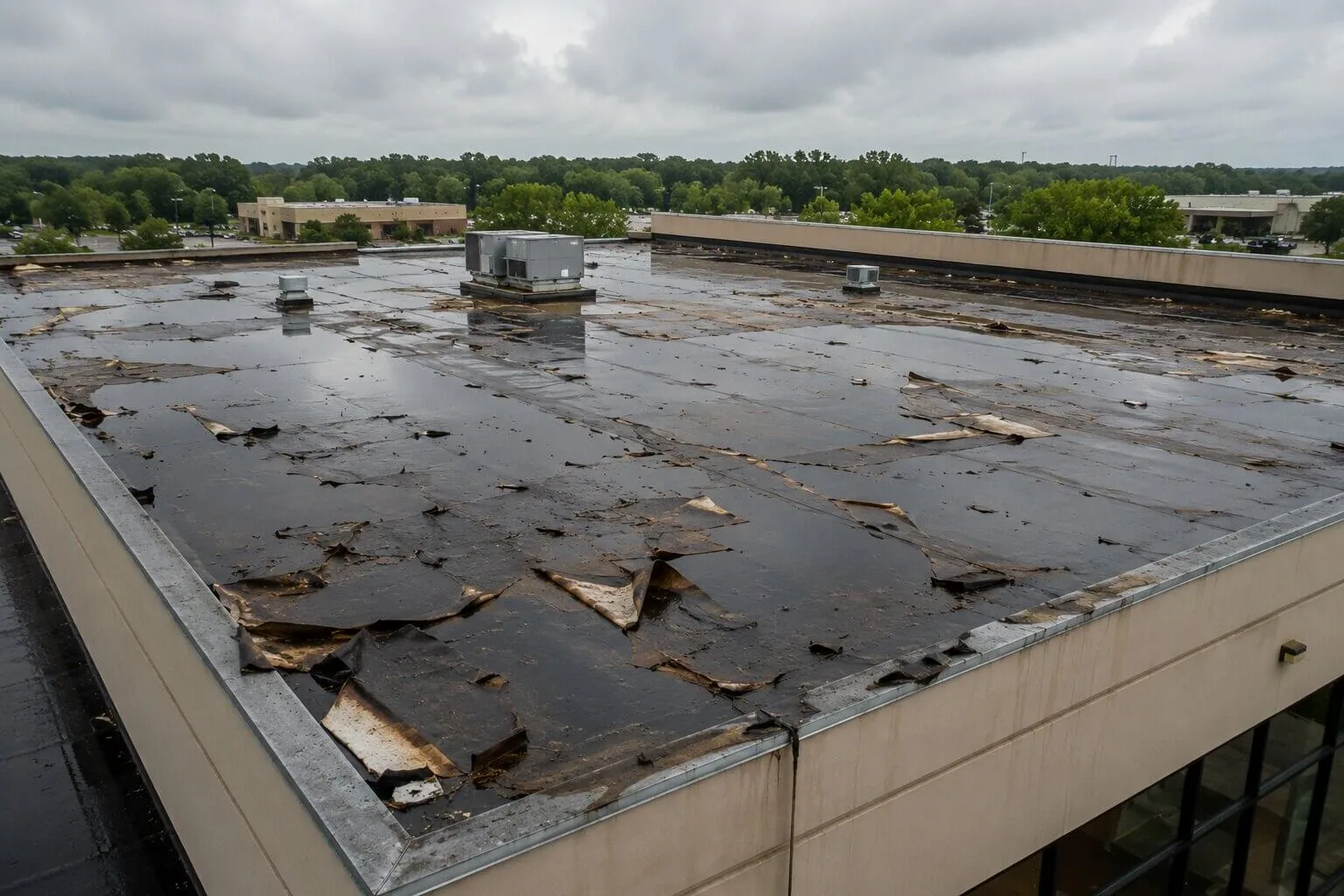
A faded finish and a deteriorated weather layer are different findings. We identify the material and examine cracking, erosion or other suspect conditions. Some visible changes may not require replacement. An unsound surface can affect whether another layer will bond or remain suitable. The proposed method needs preparation requirements matched to the actual substrate, without assuming color establishes its condition.
We assess adjoining construction as well as the visibly affected patch. Local deterioration can permit a defined correction where surrounding material remains suitable. Wider loss of surface integrity can change the preparation and removal extent. For repair of a separate opening through weathered covering, the retained connection must be sound enough for the selected method. A compatible patch cannot compensate for unsuitable material beyond its perimeter. We define the useful boundary and any further examination needed. That gives the owner a construction comparison based on material condition rather than treating every exposed sheet as either completely sound or ready for replacement.
Examine the weathered interface before choosing a new finish Request an assessment with cracking locations, previous surface-work information and relevant equipment changes available. We will evaluate the retained construction and practical preparation or rebuilding needs.
Commercial Heat and UV Roof Repair
Examine changing joints and restrained material transitions
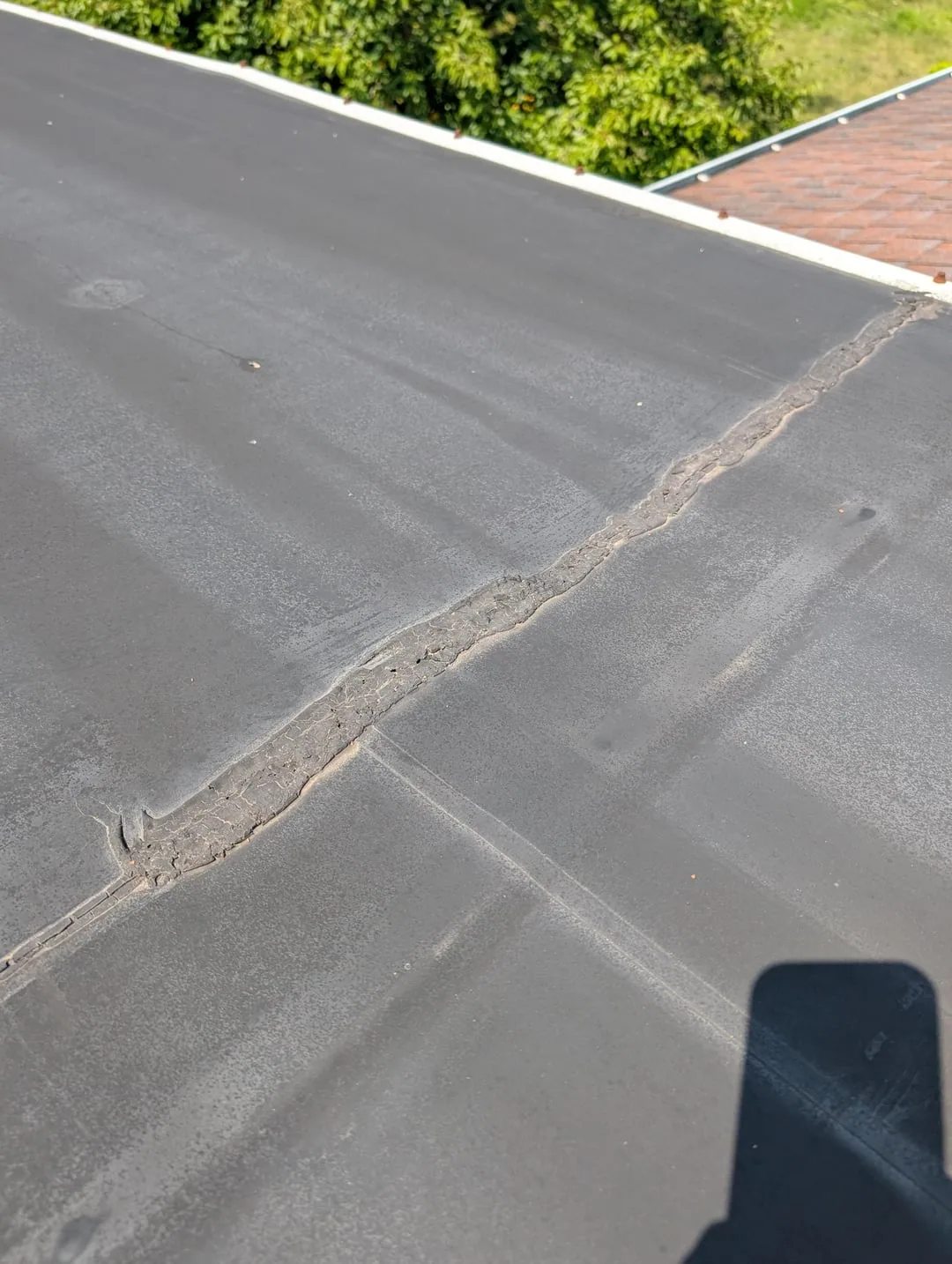
Temperature changes can contribute to material movement at joints and transitions. The detail must accommodate the installed construction's requirements. We examine accessible attachments, seals and covering where splits or displacement appear. A recurring opening may require correction of the connection arrangement, not repeated application over the same strained location. Suitable retained support remains part of that decision.
Correction at an opened sheet connection follows the actual material and joining method. Welded sheets and adhesive or taped connections require different preparation and examination. We investigate the adjoining covering where its condition affects the repair. Another component may restrain movement or alter the weather interface. Responsible equipment or supporting personnel can need access before roofing is rebuilt. The scope should identify that sequence. Closing a visible split without addressing an unsuitable adjoining arrangement can leave the new material subject to the same unresolved condition. We select the practical connection from the physical findings and applicable assembly requirements.
Commercial Heat and UV Roof Repair
Verify the retained surface before applying a restoration layer
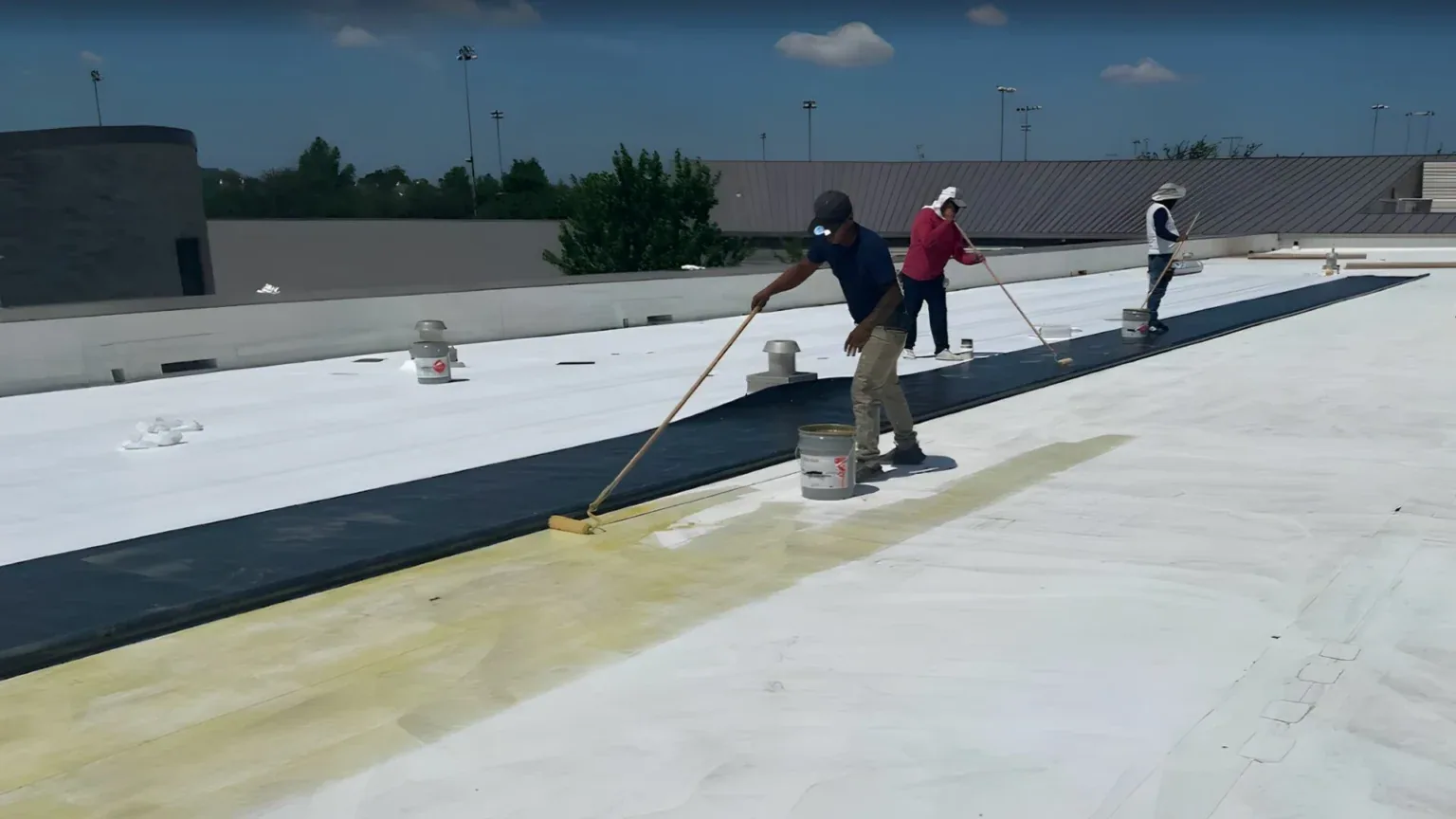
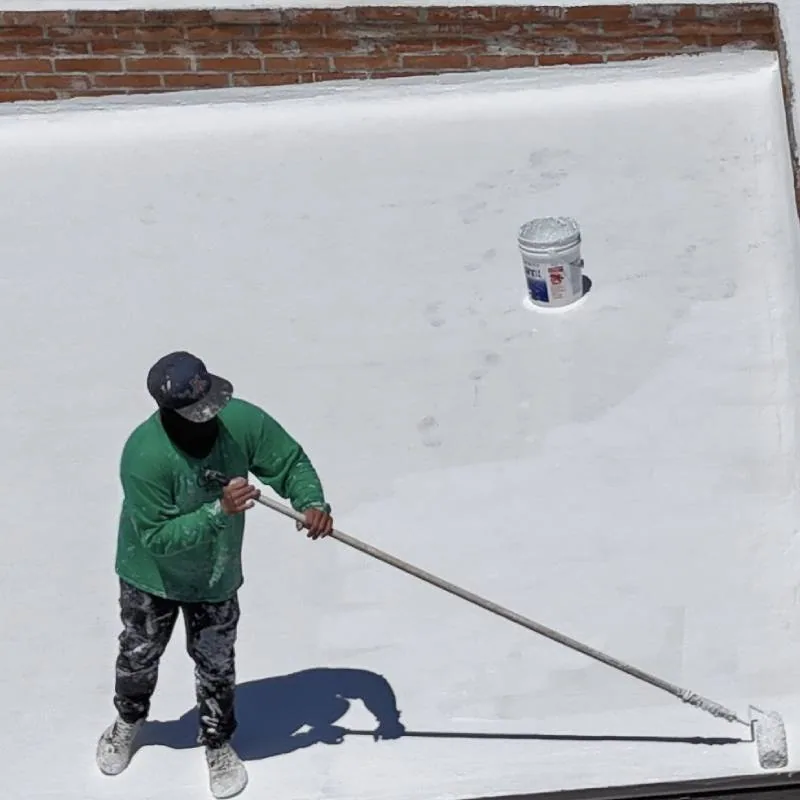
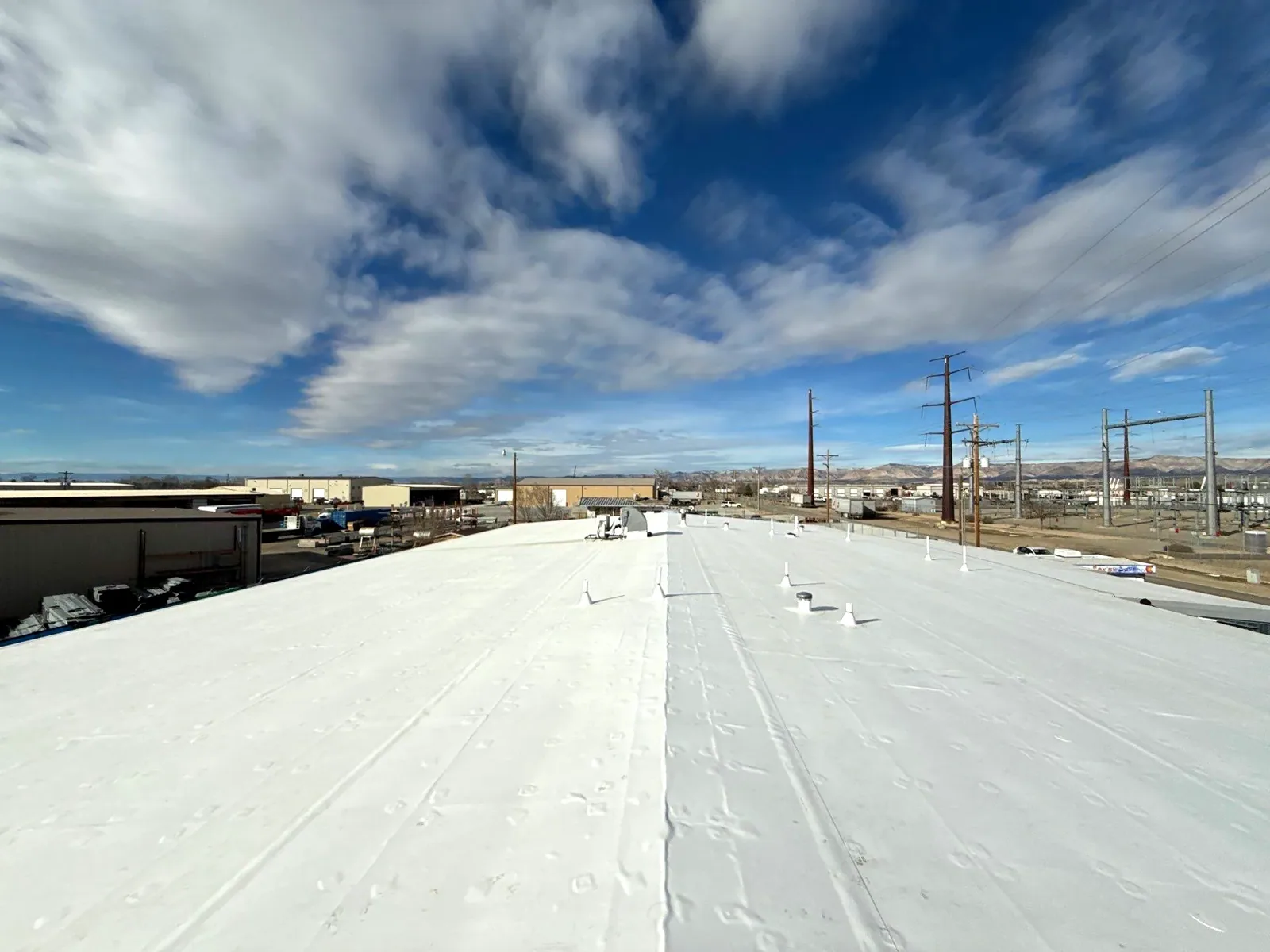
Coating selection starts with the construction intended to receive it. We identify existing material, relevant moisture findings and preparation needs. Loose finish, deposits and unsound layers can affect adhesion. Appropriate cleaning and correction must precede application. A suitable adhesion evaluation may be needed to establish whether the proposed product and preparation can form the required connection.
Acrylic restoration over suitable retained roofing requires compatible material and appropriate installation conditions. Silicone coating preparation and detail correction likewise depend on the actual substrate and selected system requirements. Neither finish should be treated as a remedy for every concealed layer or drainage defect. We investigate suspect supporting involvement and define correction where needed. The comparison should state what remains beneath the finish and which details receive rebuilding. That separates a practical restoration task from applying another surface over construction unable to receive it, with preparation and verification established before occupied areas face the planned roof exposure.
Commercial Heat and UV Roof Repair
Investigate concealed involvement before retaining aged construction
A weathered roof can include dry, suitable material beside another area needing removal. We investigate suspect components through appropriate inspection and confirmation. A surface observation does not establish the moisture condition of every retained layer. The supporting construction must suit the proposed repair or new assembly. Unsound material needs correction at its actual extent.
Evaluation of construction intended to remain beneath a recover includes compatibility, support and the installed assembly requirements. Additional material does not remove the need to investigate an unsuitable layer below it. We compare retained construction with the removal needed for a practical alternative. The chosen scope should explain new details and completed connections as well as the field covering. Access restrictions follow the actual exposed area. A larger rebuilding task may require different material handling and occupied-space arrangements from a limited surface correction. Those differences belong in the comparison, so the owner can assess the work involved rather than selecting solely from a new finish's appearance.
Commercial Heat and UV Roof Repair
Arrange removal and preparation above the affected contents
Surface preparation and replacement can require access at roof equipment, material routes and rooms below. We locate those requirements before construction begins. Staff identify contents needing protection or relocation. The working area must match the actual removal and preparation task. Weather or unexpected exposed conditions can change when a suitable connection is ready for completion.
College Hills Boulevard includes pharmacy and discount-retail uses. We identify the inventory and room arrangement below roof work. For construction over connected tenant spaces, the roof boundary may extend beyond an individual room's outline. We locate removal against the actual interior use. Along the Sherwood Way corridor, responsible building personnel establish service routes for the affected premises. A surface-only task and removal of supporting layers can require different restrictions. The construction plan should explain the actual opening and material movement, with any equipment coordination arranged before the detail is concealed or access is blocked by another stage.
Commercial Heat and UV Roof Repair
Check completed preparation and keep later service access compatible
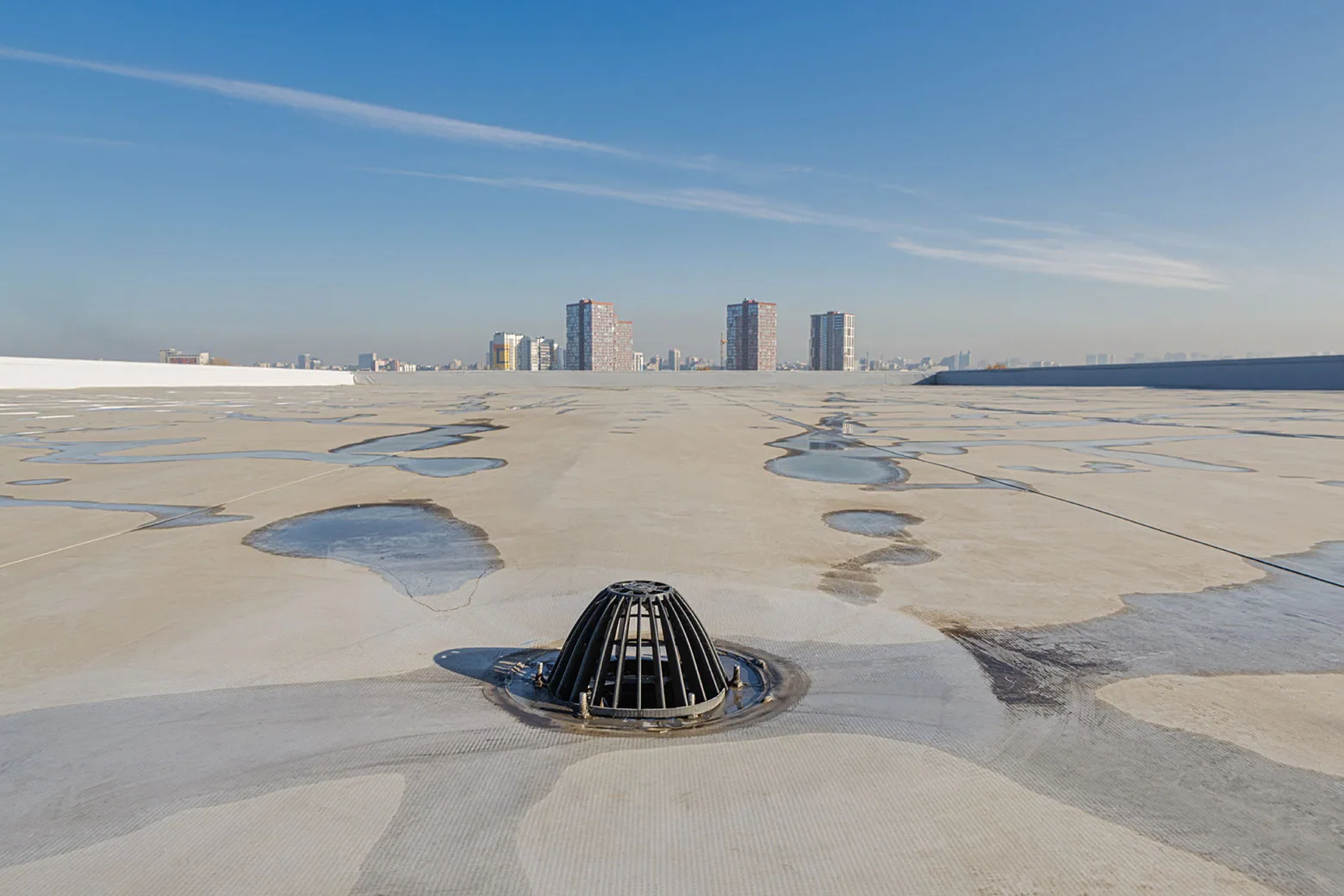
Finished correction receives examination appropriate to the installed system. We identify prepared surfaces, rebuilt connections and retained material. Conditions requiring another task remain separate from the completed scope. Staff should know where a future service visit will cross newly installed construction. Access should preserve the weather surface and drainage arrangement.
Records locating deteriorated material and completed correction help distinguish the rebuilt section from adjoining retained areas. Later cracking, displacement or another changed condition needs its own examination. Staff can provide the location and relevant equipment activity. We assess the current material before recommending more work. The previous finish should not imply every underlying layer was replaced. The next task follows present construction findings and a suitable repair interface, with protection and service arrangements defined for the area actually requiring attention.
Questions and answers
Questions About Commercial Heat and UV Roof Repair
Does faded roof color prove that the covering is no longer serviceable?
Examine the material rather than assigning condition from color alone. Surface appearance can change without establishing the complete assembly's suitability. We assess cracking, deterioration and relevant details. The recommendation identifies actual repair needs and the retained construction capable of receiving a compatible correction.
Can another coating be applied directly over a cracked existing finish?
Evaluate the existing layer and proposed preparation first. Unsound finish may require removal or correction before application. Appropriate adhesion verification can help establish suitability. We define the retained substrate and detail work, so the new surface is installed against construction that meets the selected method's requirements.
Why investigate repeated splits beside a roof transition?
Check the connection arrangement and adjoining material movement. A restrained or unsuitable detail can influence recurring damage. We identify accessible attachments and supporting conditions before selecting correction. The finished interface should address the actual arrangement instead of merely concealing another opening at the same location.
Should summer heat automatically lead to full roof replacement?
Compare current construction findings with the available repair approaches. We examine the extent of surface deterioration and supporting involvement. Suitable localized correction or restoration may be practical where retained layers meet requirements. Wider deterioration or supporting involvement can change that decision and the occupied-space arrangements needed for rebuilding.
What belongs in a comparison between restoration and removal of aged layers?
Identify the material retained, preparation required and unsound components needing correction. We examine supporting suitability and compatible weather connections. The comparison also includes actual removal areas and service restrictions. Each approach should describe its construction extent so the owner can assess what the finished roof includes.