Spray Polyurethane Foam Roofing in San Angelo, TX
Roof Systems
Spray Polyurethane Foam Roofing at a Glance
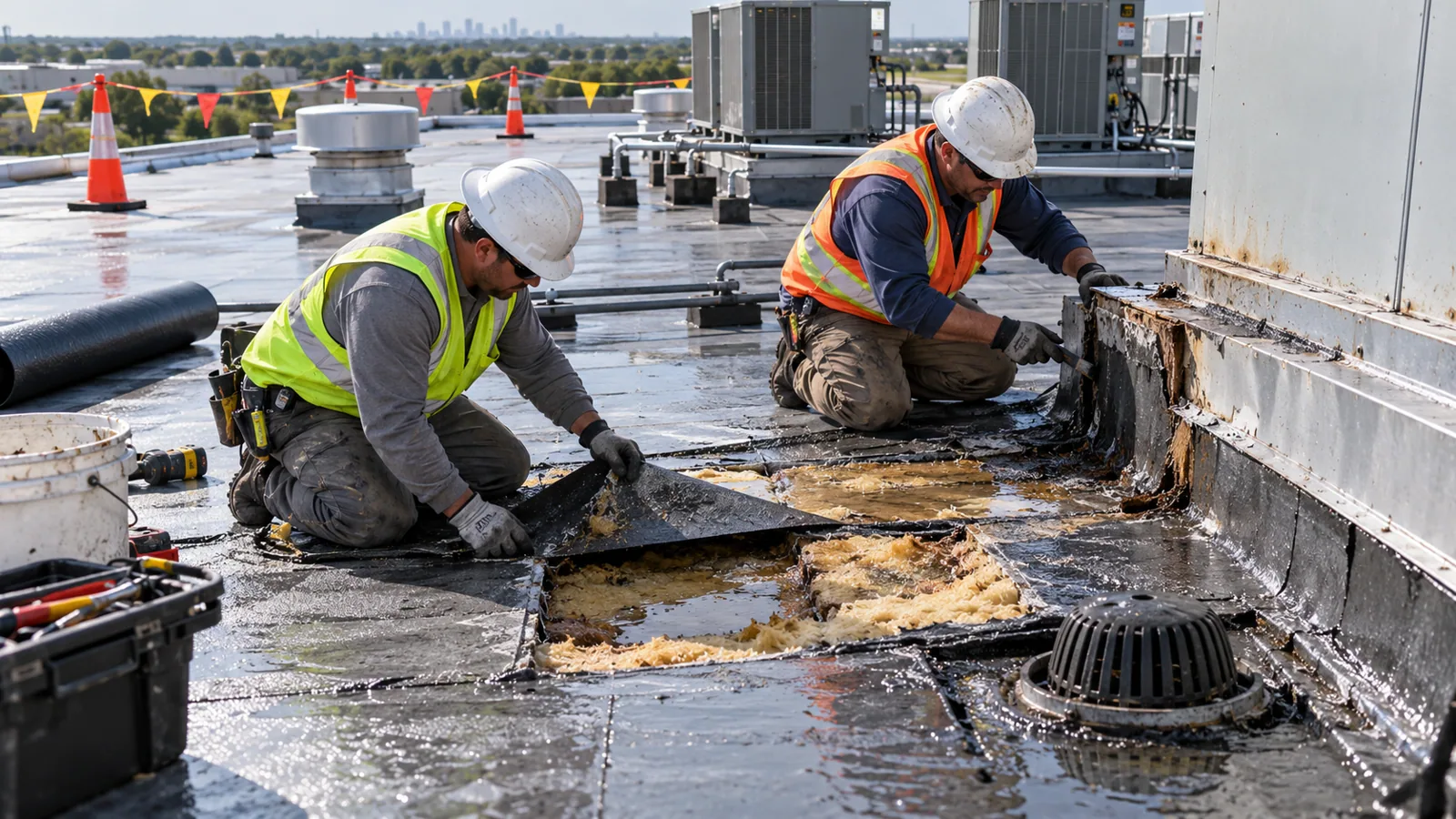
A coating puncture can expose foam that sunlight then deteriorates. The damaged position needs more than a dab of surface material. Spray polyurethane foam roofing in San Angelo, TX requires both layers examined. We assess the protective finish and the foam beneath the opening. Deteriorated or wet material needs suitable removal before closure. The repair should restore insulation and protection through the affected area.
Commercial Roofers San Angelo installs, repairs and maintains commercial SPF roofing. San Angelo July normal highs fall between 96 and 99 F. Solar exposure makes the protective coating an important part of this assembly. The South Chadbourne Corridor contains groceries, restaurants and bars. A roof project for an occupied business there needs intakes and adjoining access considered. Checking the foam and protective surface establishes the condition before repair or recoating is selected.
Spray Polyurethane Foam Roofing
Distinguish sound foam from material needing removal
SPF forms an insulating roof layer beneath a protective coating. A damaged coating can permit exposure and water entry into affected foam. We examine discoloration, softness and the condition around the opening. Suitable testing helps define the repair boundary where moisture is suspect. The visible puncture can be smaller than the involved material. Closure should connect into sound foam and suitable adjoining surfacing.
We remove deteriorated material as the repair method requires. The underlying substrate also needs assessment if damage reaches it. A compatible foam repair or other specified correction must restore the intended profile. Correction of rooftop puncture damage follows the actual assembly rather than a sheet-membrane patch assumption. The new protective finish needs a suitable bond to the prepared surrounding surface. Simply covering a dark exposed spot can leave degraded material beneath it. The repair should address the condition through the layers, then complete the weather protection that the finished foam requires.
Assess the foam beneath the protective finish Book an SPF roof review with exposed foam, coating damage or retained-water locations ready. We will determine the layer correction and application conditions needed for a suitable repair.
Spray Polyurethane Foam Roofing
Assess the substrate and spray conditions together
Spray foam application depends on suitable substrate and material conditions. Moisture, contamination and temperature can interfere with bonding or formation. We assess the surface before accepting it for installation. The selected system requirements govern preparation and application. Component proportioning and equipment operation also affect the installed foam.
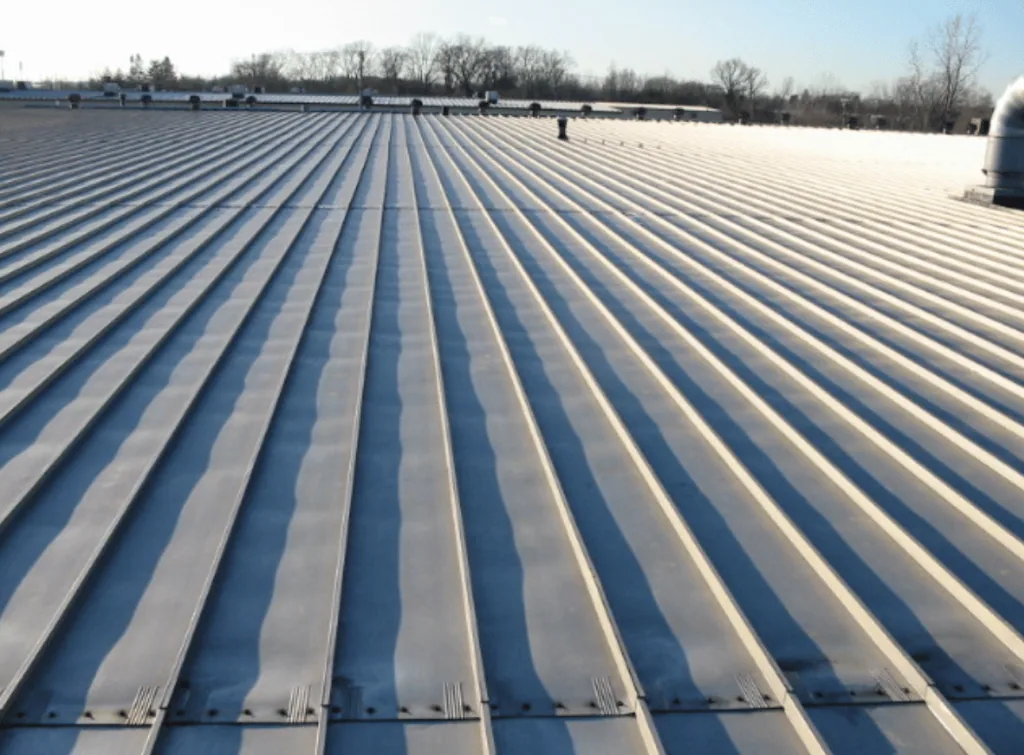
The substrate needs stability and compatibility as well as cleanliness. Loose roofing or wet retained layers require correction first. Existing metal-roof retrofit construction needs its panels and support assessed before SPF is selected. Profile shape can affect application and surface geometry. We identify preparation and construction repairs separately from spraying. Suitable checks during installation help confirm the required foam condition and thickness. Where an area forms improperly, its correction should follow the system requirements. Adding more material across an unsuitable layer can preserve the original defect rather than provide a sound base for the finished roof.
Spray Polyurethane Foam Roofing
Restore coating continuity before foam remains exposed
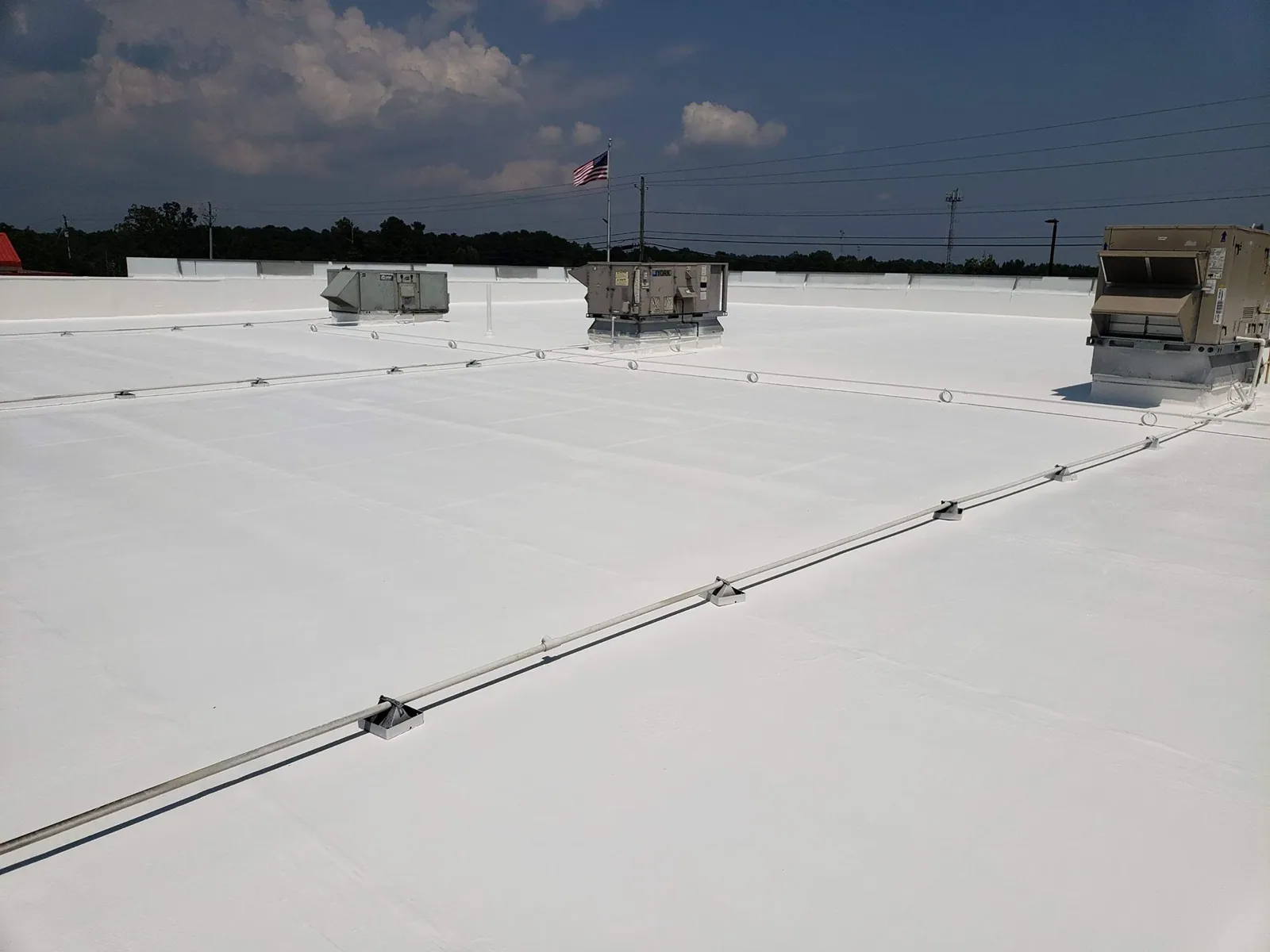
The protective coating shields foam from weather and ultraviolet exposure. Its installed thickness and condition require inspection. Thin areas, splits and service cuts need their causes assessed. The coating system determines the appropriate preparation and repair material. Existing dirt or loose finish can affect the next bond. An application should meet the selected coverage and cure requirements rather than merely conceal a color change.
Silicone protective coating is used in suitable SPF assemblies. Other approved materials have different exposure and application properties. We assess the installed finish before choosing a repair or replacement treatment. Acrylic coating construction requires its own drying and drainage conditions reviewed. The comparison should also include repairs to the foam underneath. A new finish is suitable only after the retained layers are assessed and necessary corrections made. Continued inspection can address small protective defects before prolonged exposure turns a surface repair into removal of deteriorated foam and adjoining material.
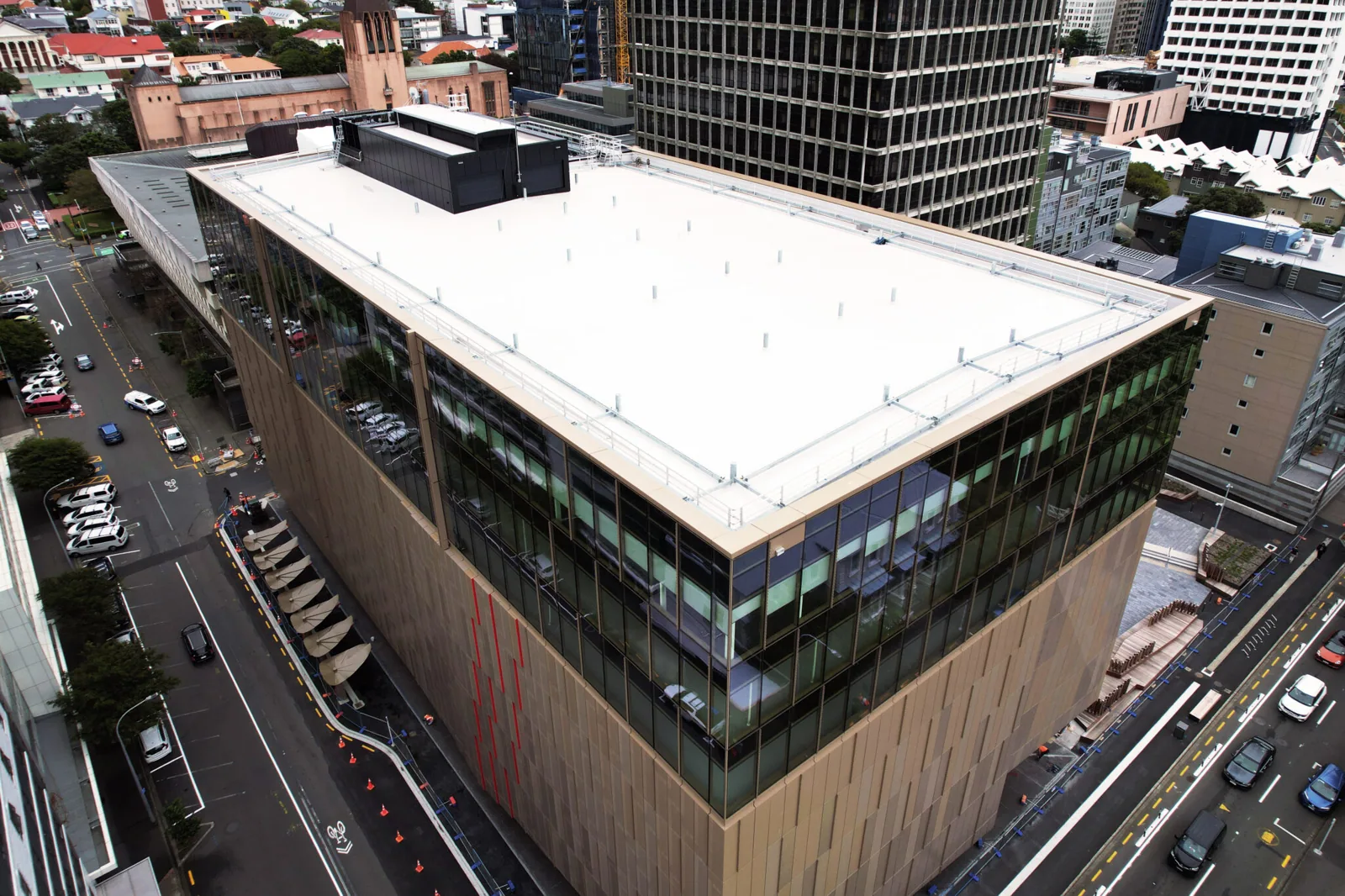
Spray Polyurethane Foam Roofing
Build the surface profile toward suitable outlets
Foam placement can contribute to the intended roof slope. The finished geometry still needs design and installation control. We assess existing elevations and the route to each outlet. Added material at the wrong position can interrupt that route. Depressions can collect water and dirt beside a drain. The correction needs to consider the whole approach rather than increase thickness at an isolated spot.
Drain and scupper connections need the appropriate foam and coating detail. Their openings should remain clear through installation and later maintenance. Equipment curbs may need sufficient flashing height after the surface changes. We measure that relationship before adding material. A repair to a low area also requires the surrounding foam condition examined. The completed contour should direct runoff without creating another confined depression. Those drainage tasks can alter repair extent and application timing, so they belong alongside material selection when a manager compares recoating with a more substantial correction of the SPF surface.
Spray Polyurethane Foam Roofing
Control application beside occupied buildings and vehicles
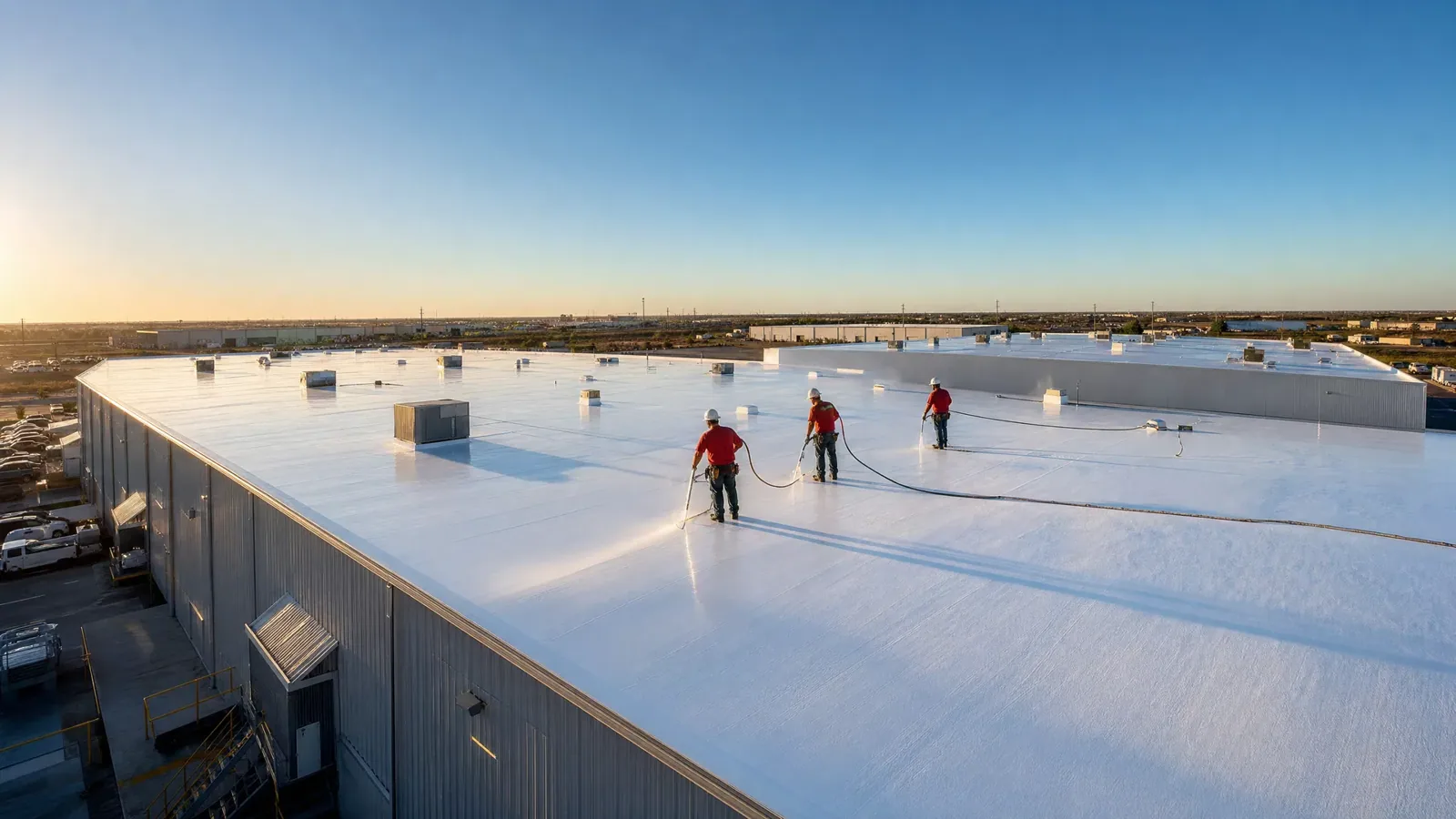
Sprayed material can travel beyond the intended roof area in wind. We assess application conditions and protection around adjacent property. Vehicles, equipment and pedestrian routes may need restrictions or shielding. Nearby air intakes require coordination with responsible building staff. The forecast must support the selected material requirements and application method. A planned start time can change when wind or surface conditions are unsuitable.
The Southwest Boulevard Corridor includes hotels and restaurants. A project above an occupied business there needs guest, delivery and ventilation access considered. For buildings along Southwest Boulevard, we assess those actual routes before spraying. The manager needs the restriction tied to its specific working area. Roof work during continued occupancy should include a practical alternative when conditions interrupt the intended application. Surface preparation and protection remain necessary during that delay. The schedule should not force spraying into unsuitable weather simply because another trade or vehicle movement was originally arranged for that period.
Spray Polyurethane Foam Roofing
Protect foam from concentrated rooftop contact
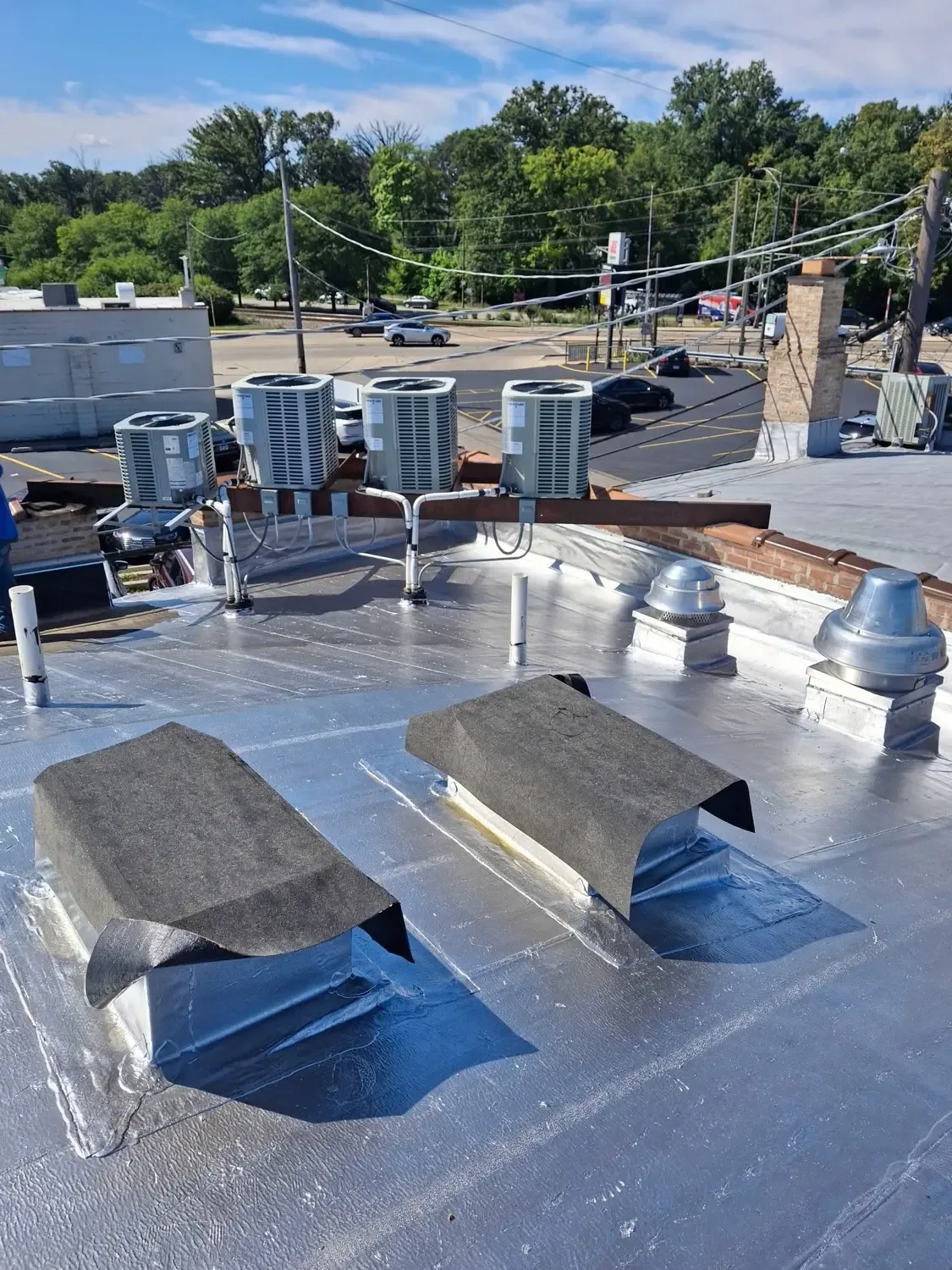
Equipment service can cut coating or compress an unprotected contact area. We examine paths and supports where workers reach the units. Suitable protection should distribute contact without obstructing drainage. Sharp tools and components need controlled placement during service. A cut through the protective finish requires assessment before it spreads. Maintenance should examine coating condition and foam together at those frequently used positions.
We identify which surface repairs can proceed locally and which require deeper removal. Recoating decisions follow the remaining finish, adhesion and underlying condition. A suitable test area can help establish preparation before larger application. Later equipment changes should preserve access to the roof connections. The completed SPF roof remains dependent on its protective surface and sound profile. Keeping those physical functions maintained gives the manager a useful observation task, with prompt assessment of exposed foam, damaged coating and new water retention after rooftop service work.
Questions and answers
Questions About Spray Polyurethane Foam Roofing
Can exposed foam simply be painted over after a service cut?
Assess the foam and adjoining coating before selecting the correction. Sunlight, moisture or compression may have affected the material beneath the opening. We remove unsuitable layers where needed and restore the intended profile. The compatible protective finish is applied after unsuitable foam is removed and the repair is completed.
Does a new SPF layer correct every existing roof slope defect?
The proposed geometry needs assessment against existing elevations and outlets. We define how the finished profile will direct water. Added material can help form slope where the design permits it, but arbitrary thickness can create another depression. Curbs, drainage details and sound substrate must also fit the proposed construction.
What determines whether the roof is ready for spraying?
Substrate dryness, stability and compatibility need examination with the selected material conditions. We also assess temperature, wind and protection around the application area. The system requirements govern preparation and installation. A calendar date alone cannot establish readiness where those physical conditions remain unsuitable for bonding or controlled placement.
When should an existing foam roof receive another coating?
Examine the protective finish and underlying foam condition first. We assess adhesion, damage and required surface preparation. Suitable recoating can restore protection after necessary repairs. Wet or deteriorated material needs its own correction before application, so the decision follows the inspected assembly rather than only the age or appearance of its coating.
Why must nearby vehicles sometimes be moved during application?
Overspray control needs suitable clearance and protection beyond the roof edge. We assess wind, equipment placement and surrounding access before the task. Vehicle or pedestrian restrictions may be necessary for the specific working area. Those arrangements should be coordinated in advance while retaining the option to postpone spraying if conditions change.