Commercial Fire Damage Roof Repair in San Angelo, TX
Roof Damage Repair
Commercial Fire Damage Roof Repair at a Glance
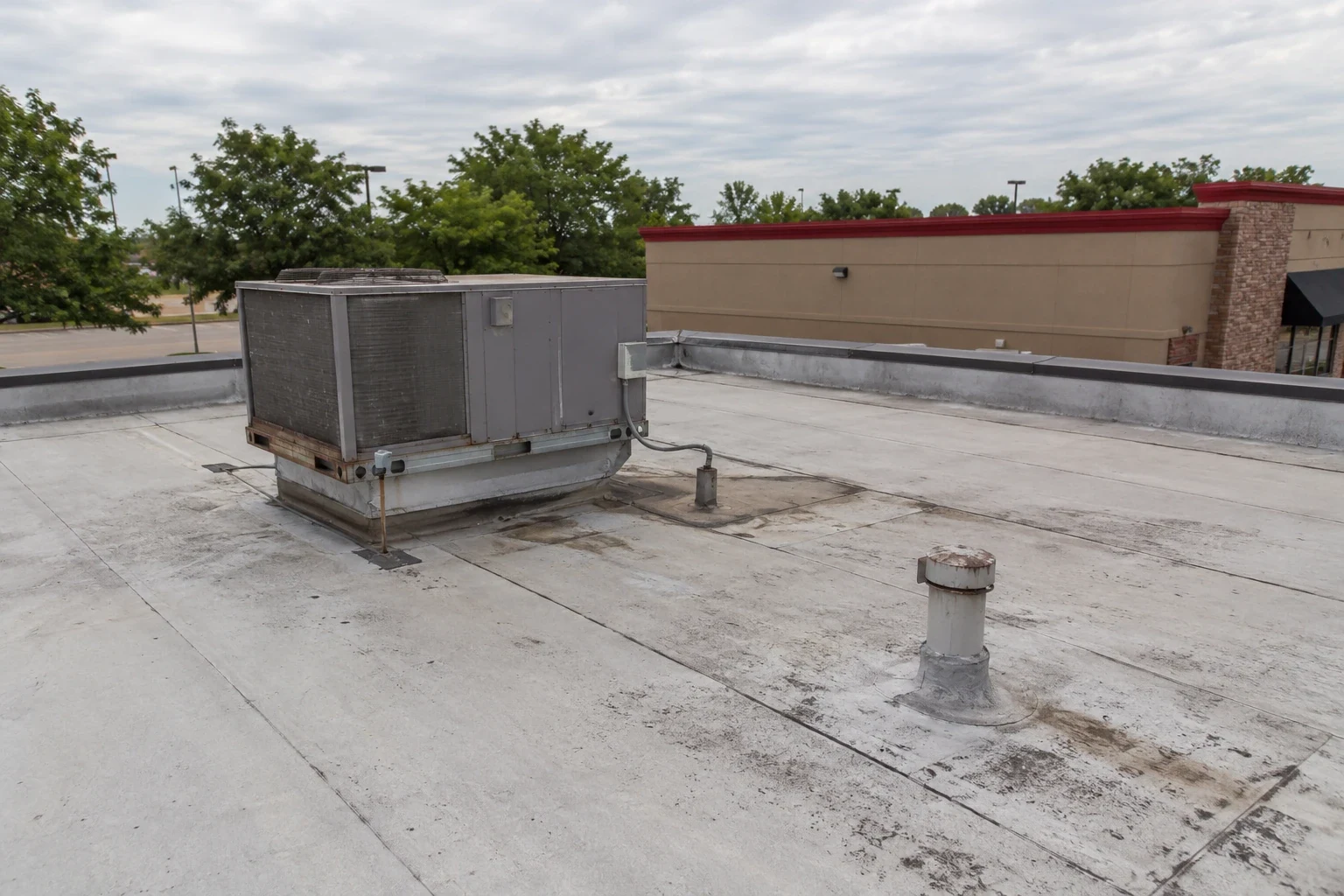
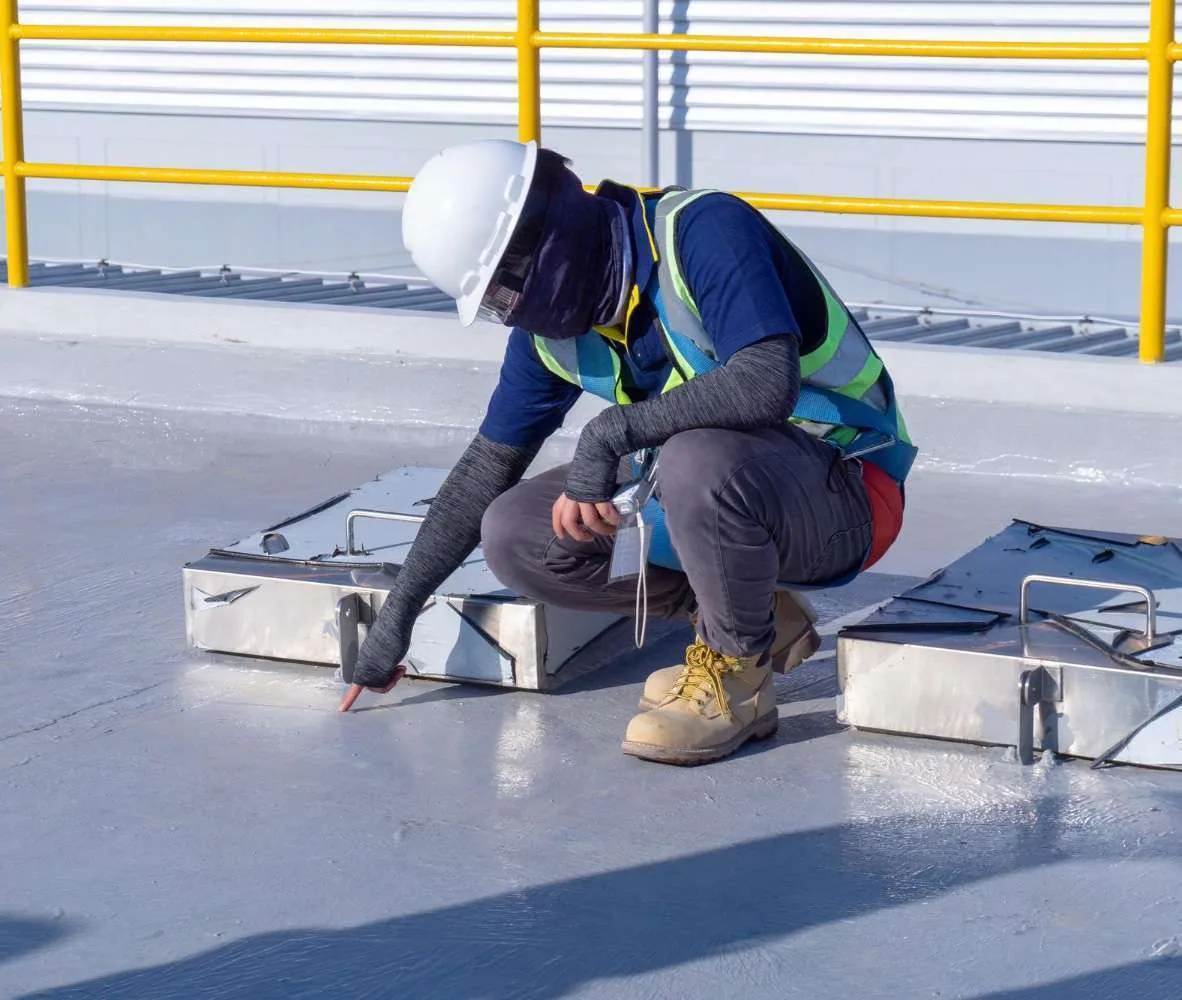
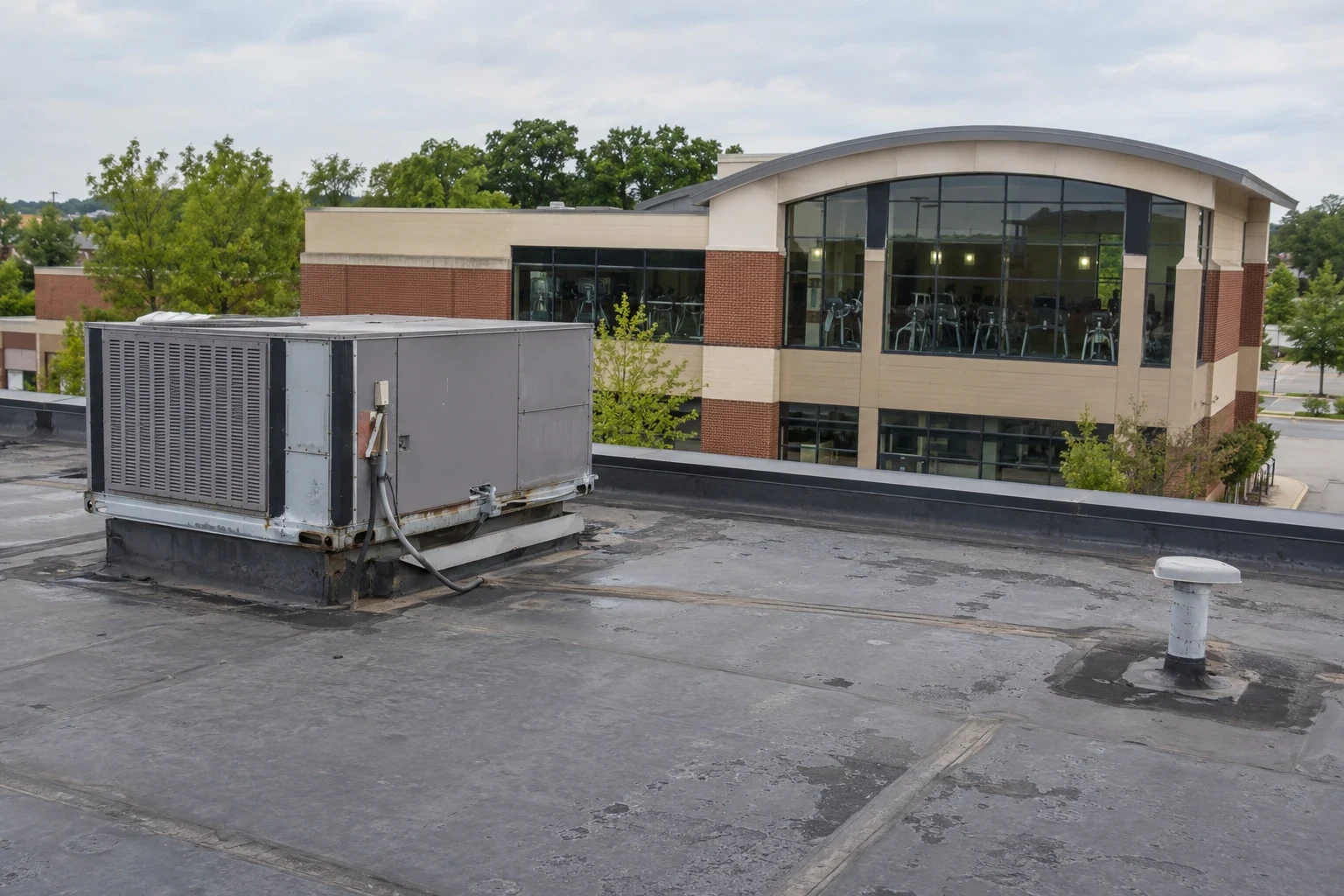
Charring beneath a roof covering can extend correction beyond the visible burn. The supporting construction needs assessment before new weather material is installed. Commercial fire damage roof repair in San Angelo, TX follows the actual affected components. We examine accessible covering and detail conditions after responsible personnel establish construction access. Specialist supporting assessment may be required before removal and rebuilding can proceed.
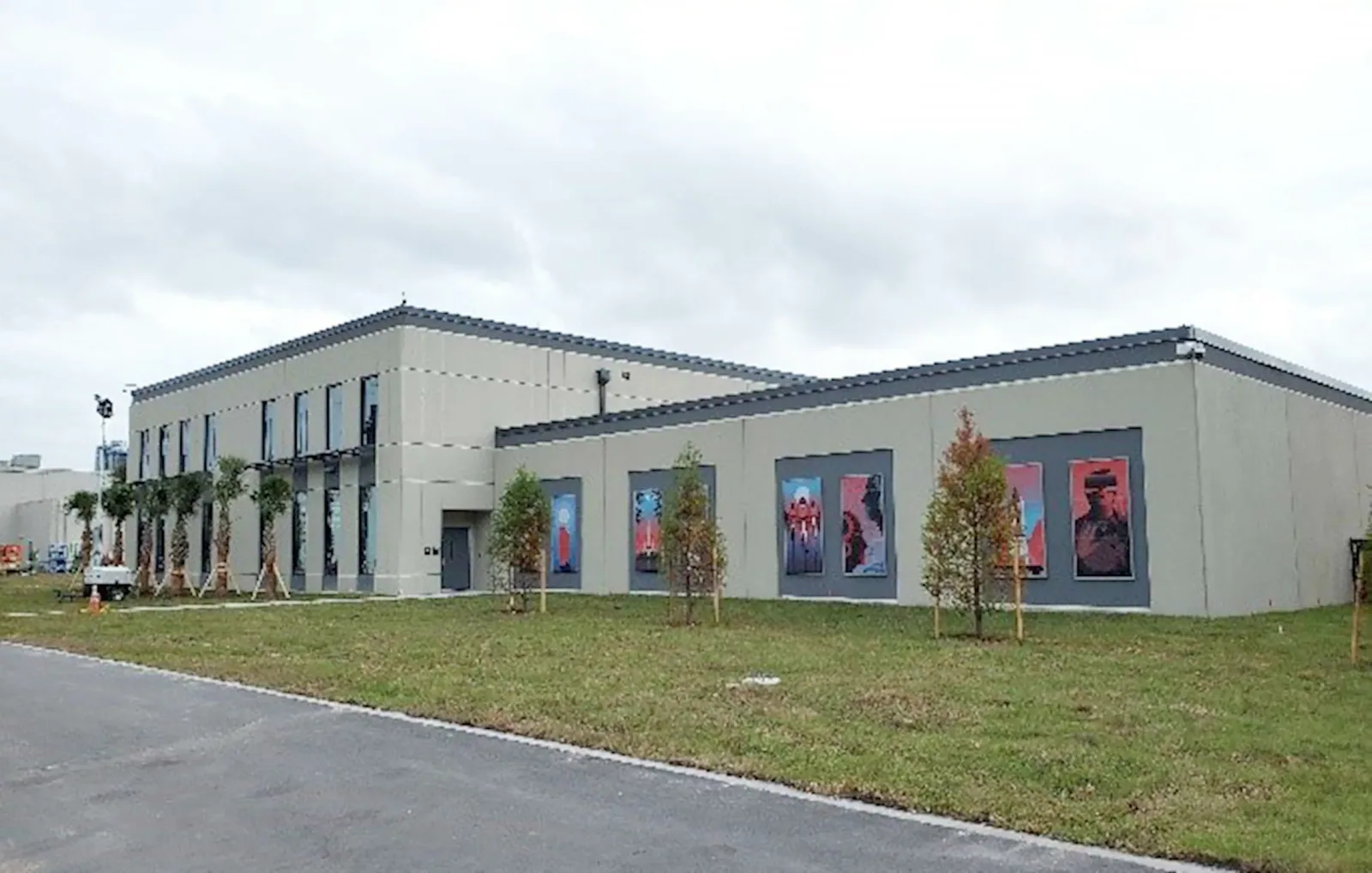
Manufacturing and document-storage operations occupy the San Angelo Business & Industrial Park. Knickerbocker Road includes restaurant and hotel-dining businesses. We identify occupied rooms and service requirements before roof removal above commercial contents or food-service equipment. Commercial Roofers San Angelo assesses and corrects commercial roof damage. Emergency assessment of fire-related roof weather conditions defines the practical initial task and construction requirements separately from other building restoration work.
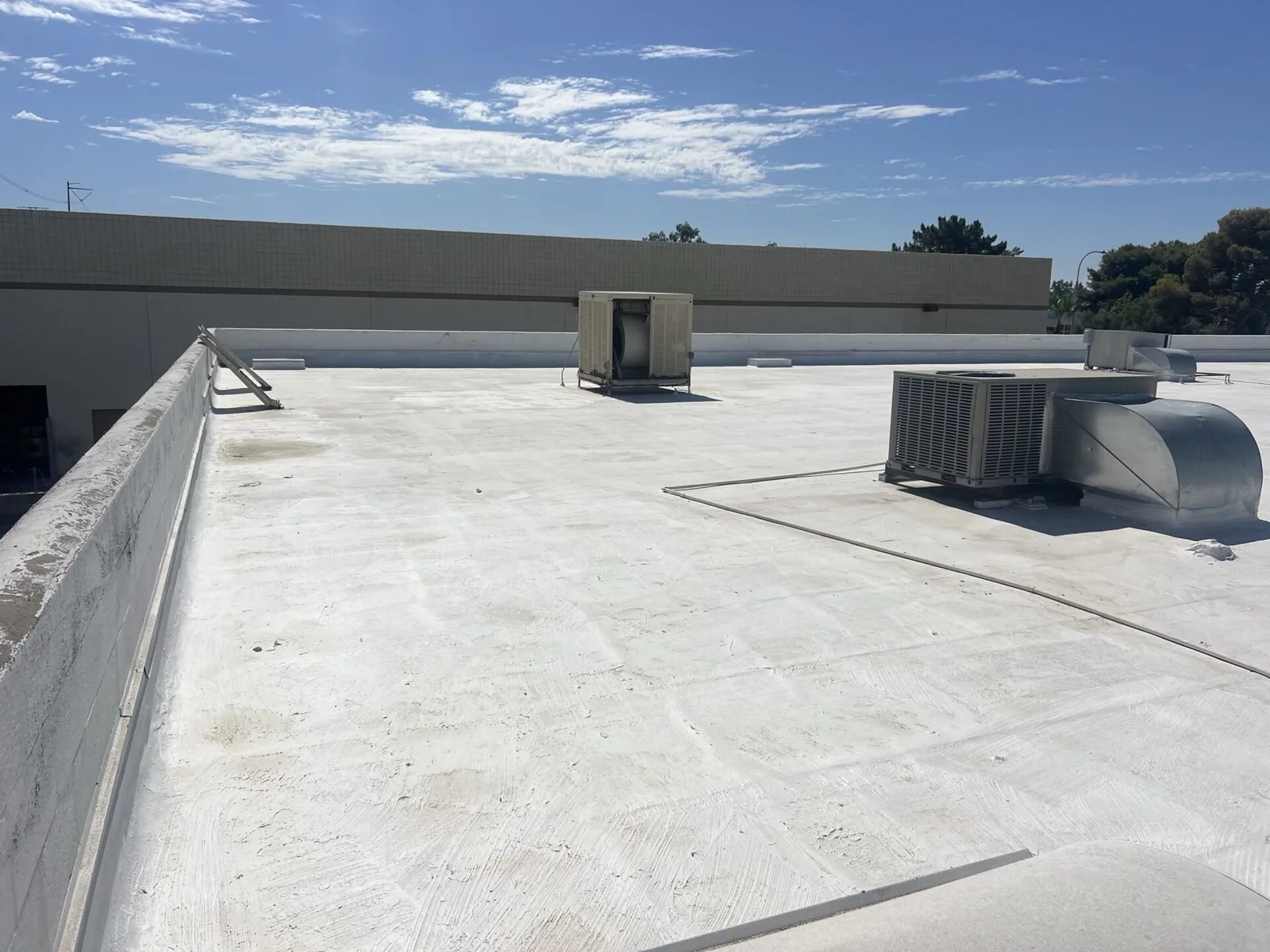
Commercial Fire Damage Roof Repair
Assess the affected support before selecting roof closure
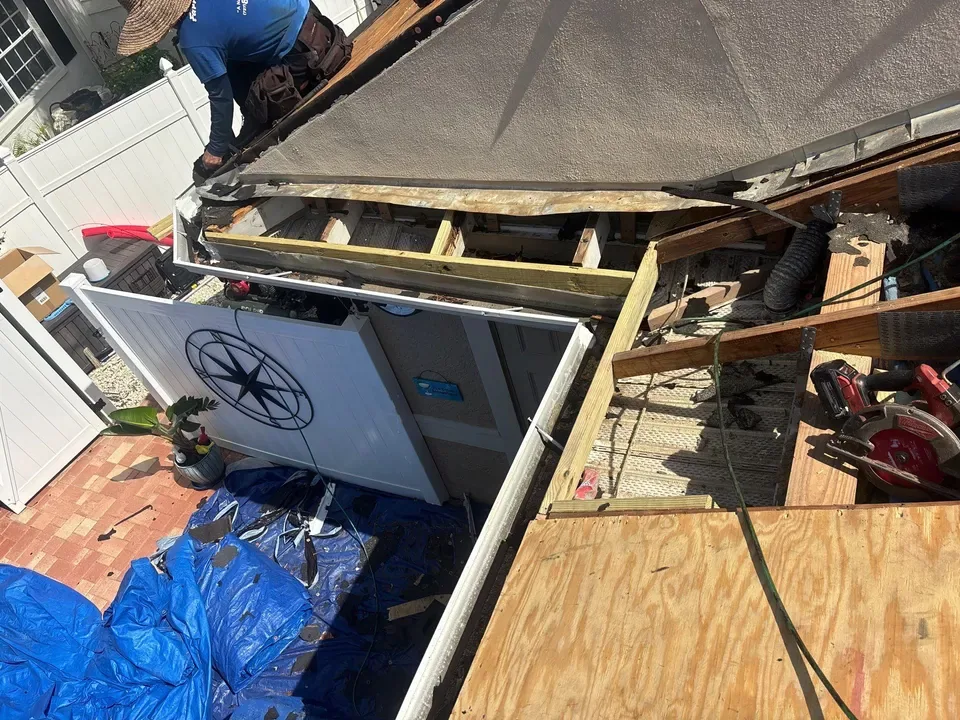
Fire heat can affect covering, insulation and supporting components differently. We identify the accessible roof construction and relevant damage. The supporting condition may need assessment by an appropriate specialist. A surface replacement cannot restore unresolved structural damage beneath it. The selected reconstruction must have suitable support and compatible connections at the actual retained boundary.
We investigate suspect layers where access and the assessed condition permit. Removal can expose components requiring additional examination before construction continues. The roof scope should distinguish weatherproofing work from supporting correction that needs another responsible trade. A limited task may be practical where adjoining construction remains suitable. Wider involvement changes the removal area and occupied-space arrangements. Planning replacement of the involved roof construction includes the material requiring rebuilding and completed detail connections. The initial visible burn should not be treated as the complete scope without examining affected components. That gives responsible building personnel a defined roof task to coordinate with the supporting reconstruction and contents arrangements required below it.
Assess the fire-affected roof layers and reconstruction boundary Arrange a roof review through the responsible restoration contacts with visible damage and supporting assessment information available. We will define the weatherproofing construction and coordinated access needed for the involved roof area.
Commercial Fire Damage Roof Repair
Examine adjoining weather details for altered material condition
A roof detail can have damage beyond the most obvious burned field area. We assess accessible membrane, seals, metal and attachments relevant to the condition. Heat can affect a material's suitability for preparation or retention. The proposed correction needs compatible components and an appropriate interface. Unsound covering should not be concealed beneath a patch simply because the adjoining surface remains visually covered.
Correction of fire-affected flashing connections follows the actual roof and wall construction. We identify damaged support or equipment interfaces where findings indicate further work. Assessment of deteriorated roof material beside damaged areas can locate another retained condition influencing repair suitability. Ordinary weather aging and fire-related damage need to be identified through the actual construction findings. The scope should locate involved components and areas requiring further investigation. The finished weather connection must join suitable material, with supporting and other trade correction sequenced before the roof detail is closed or obstructed by another component.
Commercial Fire Damage Roof Repair
Evaluate residue and the retained interface before bonding new material
Deposits on retained covering can interfere with preparation and repair connection. We identify the material and assess its condition. The appropriate cleaning method must suit the substrate without leaving damage or an incompatible surface. A trial connection or another suitable evaluation may help establish whether the proposed method is appropriate. Unsound retained components require their own correction before application.
Cleaning cannot restore material that has lost suitability through heat or supporting damage. The roof comparison should distinguish residue removal from replacement of affected construction. For roof rebuilding above production and storage areas, locate the actual contents and equipment before material exposure. Responsible personnel coordinate their protection or relocation alongside the wider restoration work. We define compatible retained boundaries and roof preparation needs. Another trade may need access to supporting components first. Those requirements belong in the sequence, so the completed weather surface is installed on suitable construction rather than treated as a finish that resolves every condition left by the fire.
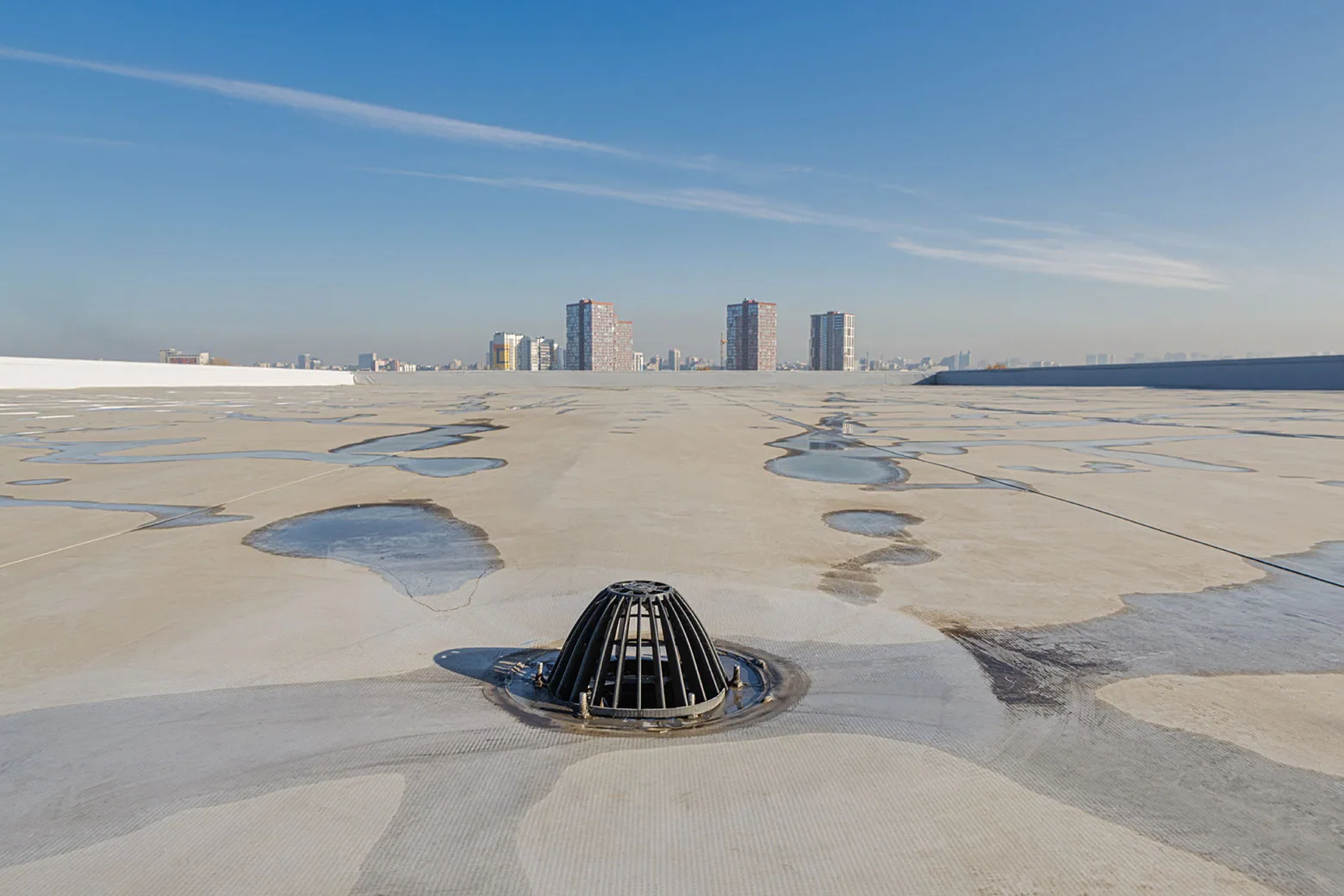
Commercial Fire Damage Roof Repair
Coordinate the roof opening with the affected building-restoration tasks
A fire-related project can require work at rooms, equipment and support as well as the roof. We locate the involved weather construction and identify its removal and closure needs. Responsible personnel establish building access and the applicable occupied arrangements. Another trade's work can affect when the roof detail is ready for compatible preparation. The planned order must account for those interfaces.
For roof reconstruction above kitchen and food-service space, equipment or flue correction may need coordination before flashing is rebuilt. The actual room contents and service requirements guide the restriction. Documentation of roof findings for restoration review should identify relevant damage, supporting assessment and proposed construction. We distinguish initial protection from permanent roof correction. A temporary measure does not establish that all involved layers have been restored. The agreed task should explain what remains before completion. That lets the building personnel coordinate weather closure with the supporting and equipment stages, with the occupied-space arrangement defined for the actual construction exposure rather than a general assumption about the fire-affected area.
Commercial Fire Damage Roof Repair
Locate completed roof reconstruction and retained boundaries distinctly
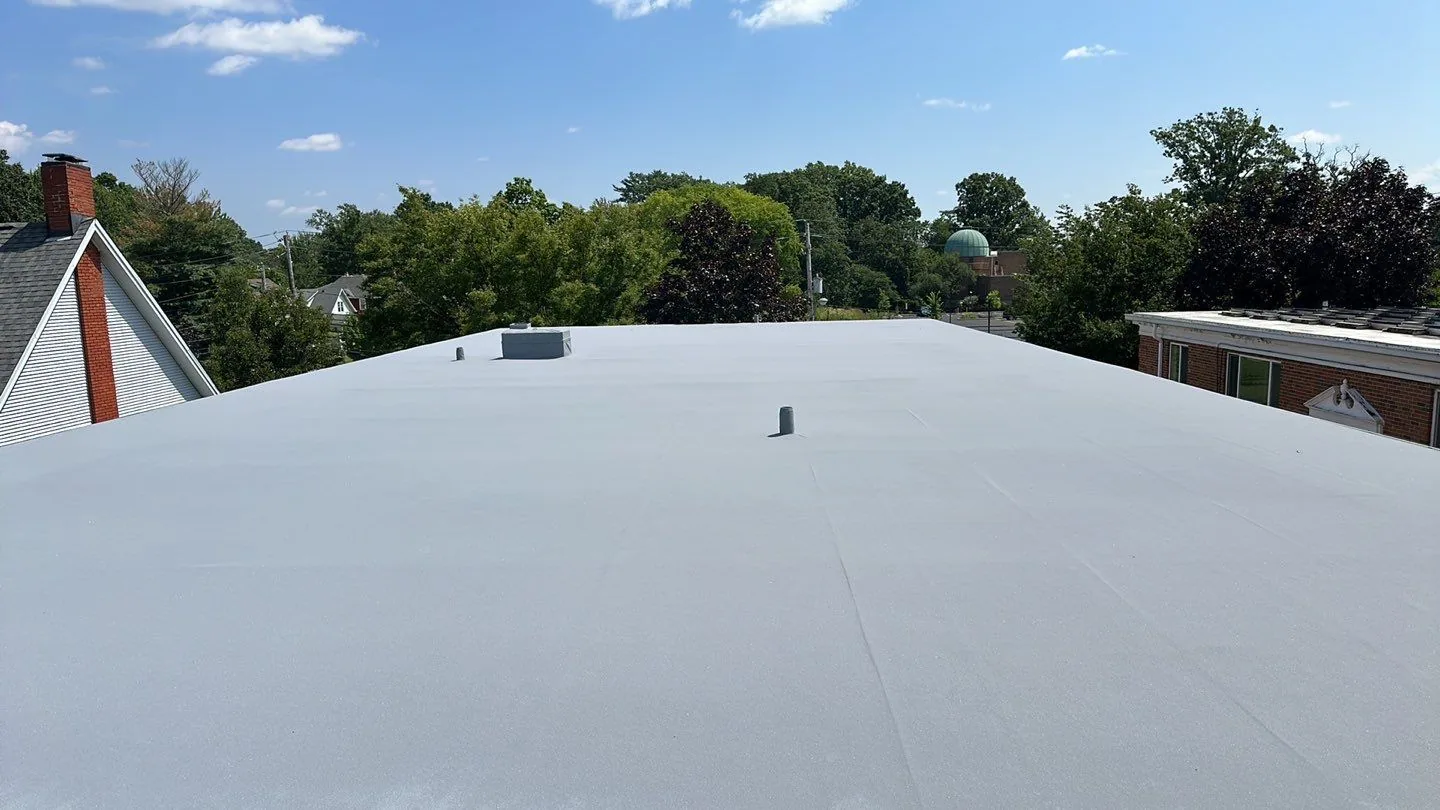
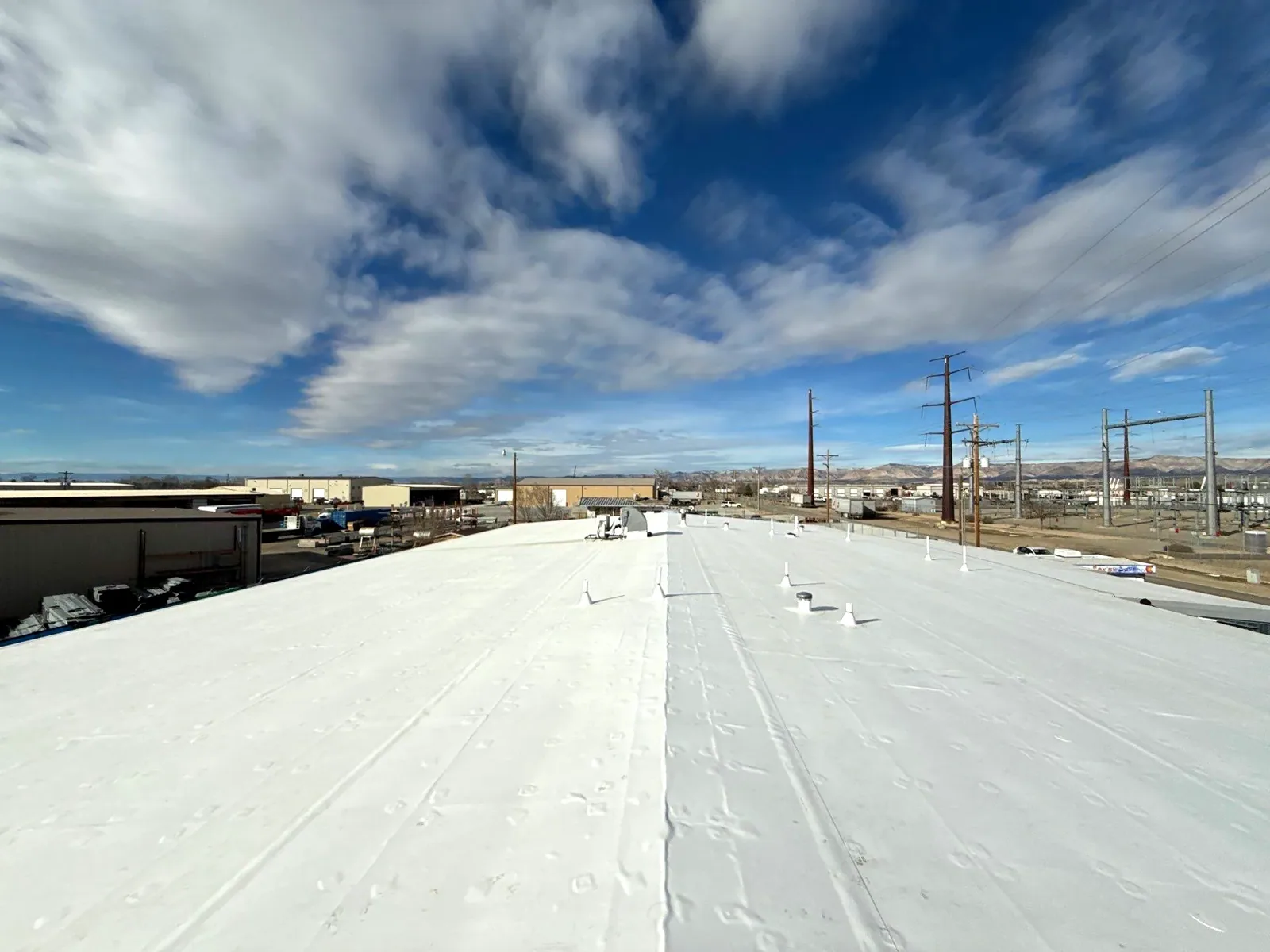
Completed roofing receives examination according to the installed system requirements. We identify the corrected field, details and relevant retained construction. Temporary areas or supporting conditions needing further work remain separate from finished roof closure. A later equipment or room-restoration task can affect the weather connection again. Its access should preserve the installed material and drainage arrangement.
For commercial roof reconstruction in the San Angelo Business & Industrial Park, responsible personnel coordinate actual building and material routes. Reports locating roof damage and completed reconstruction should describe the relevant findings and work boundaries. Staff can provide changed symptoms or service conditions for another assessment. The current installed material and physical condition guide that next correction. The completed scope should not imply that every retained section was renewed when one defined area received reconstruction. Clear boundaries help separate a new defect from remaining project work, with further roof exposure and occupied arrangements established for the actual component needing attention.
Questions and answers
Questions About Commercial Fire Damage Roof Repair
Can new roofing be installed directly over charred supporting material?
Assess the involved construction and supporting correction before closure. Fire-related damage can require specialist examination and replacement beneath the covering. We define the suitable roof boundary and compatible connections. The weather assembly needs appropriate support, so a new surface should not be used to conceal an unresolved condition in the components intended to carry or receive it.
Does cleaning fire residue establish that retained membrane can accept a repair?
Evaluate the actual material and proposed connection requirements. Deposits and heat-related deterioration are different conditions. We assess suitable preparation and verification where needed. Unsound components may require removal even after cleaning, so the selected method should receive an appropriate retained interface instead of relying on a visually cleaner surface that cannot meet the repair requirements.
Why examine roof details outside the most visible burned area?
Investigate relevant adjoining materials and connections through the physical findings. Heat or supporting involvement can affect components beyond the exposed field damage. We identify suitable retained boundaries and further assessment needed. The reconstruction should address the actual material condition, with compatible preparation and supporting correction established before the new weather connection is closed.
How should other restoration trades affect the roof construction sequence?
Locate the support, equipment and room tasks that intersect the weather connection. Responsible personnel establish building access and operating arrangements. We define roof preparation, removal and closure needs. The order should permit suitable supporting correction and examination before another component blocks the detail, with initial protection distinguished from completed reconstruction of the involved roof assembly.
What should remain clear when only part of a fire-affected roof is rebuilt?
Identify completed construction and retained sections separately. We locate the corrected materials and details, along with conditions requiring further work. A later service task or new symptom needs assessment at its actual component. The next scope follows current findings and compatible requirements, with roof exposure coordinated for that task rather than assuming every section received the same restoration.