Commercial Roofing on Oakes Street in San Angelo, TX
Service Areas
Oakes Street in San Angelo at a Glance
Oakes Street crosses the Concho River in downtown San Angelo and has restaurant activity along the corridor. The city completed water-main upgrades between 4th Street and College Avenue in 2022. These are useful location and access details, but they do not establish a private roof condition. We inspect the assembly before selecting repair or replacement. Managers comparing downtown access can also review the broader Downtown San Angelo area. San Angelo's normal July high range is 96 to 99°F. Surface movement, seam adhesion and drainage remain practical inspection points in that heat.
Oakes Street in San Angelo
Use roof evidence above the interior symptom
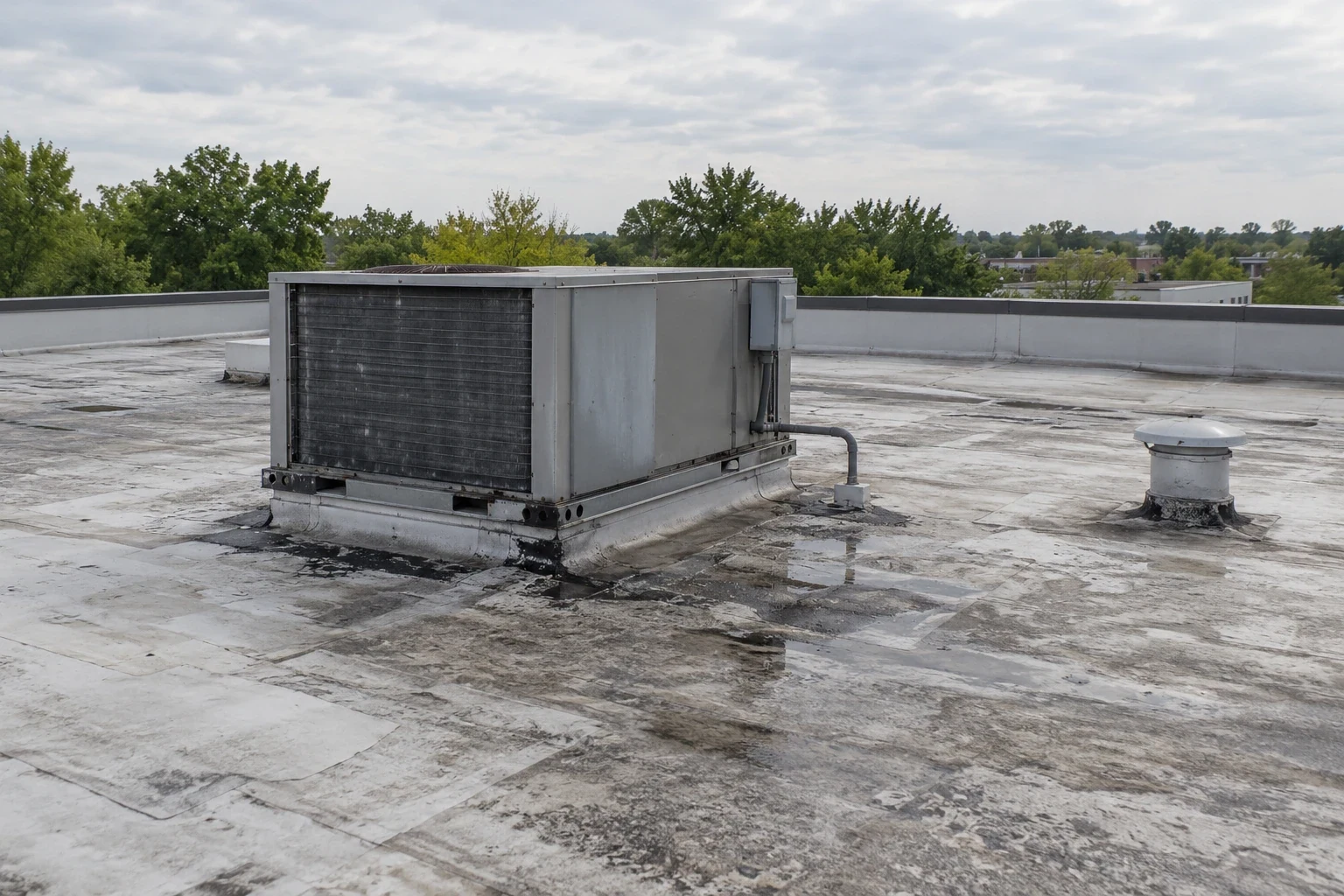
Downtown rooms can sit below several roof transitions. Water may travel along the deck before it appears at a ceiling or wall. We check the roof area that could feed that path: laps, parapets, drains, curbs and penetrations. A visible stain is a location clue. It does not prove which detail failed.
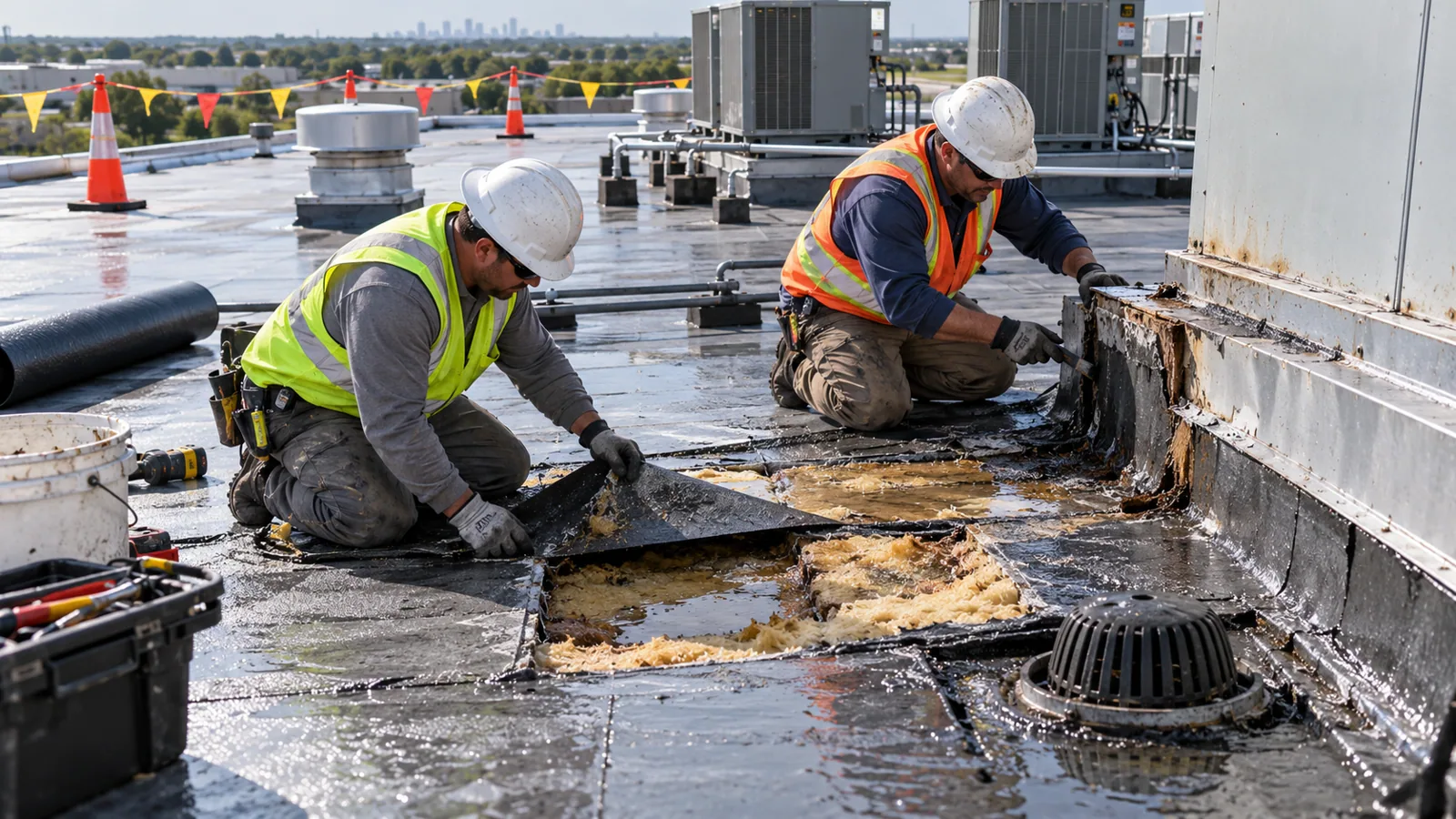
A test cut can show whether insulation has absorbed water and how far removal should extend. We record the opening, layer thickness and moisture condition. If material is wet, the work plan includes replacement to a sound boundary. If the surrounding assembly is dry and secure, a local repair may be appropriate. The manager receives photographs and a report that distinguishes findings from follow-up questions. A commercial roof inspection can define the repair extent before a broader budget is proposed.
We assess attachment along with the visible membrane. A loose termination can let water move behind the surface even when the open field looks intact. We check fasteners and laps at the perimeter, then follow the transition to the wall. A repair that relies on an unstable edge may separate again. Material removal needs to reach a location where the new detail can bond or fasten securely.
Past work can complicate a downtown roof when several patch materials overlap. We identify those layers and test adhesion before installing another material. If the old patch is stable, it may remain; if its perimeter has lifted, preparation needs to extend beyond it. The manager sees the repair map and photographs before the surface is closed. This record prevents a future crew from treating every colored rectangle as the same repair.
Plan a measured downtown repair Arrange a roof inspection along Oakes Street. Share access rules, operating hours and prior leak records; we will document the roof and define the repair boundary.
Oakes Street in San Angelo
Check drainage and termination details
The Concho crossing gives Oakes a recognizable corridor boundary. It does not tell us whether an individual roof receives standing water or wind exposure. We inspect the building's actual slope, outlets and edge details. At a parapet, we check coping laps, attachment and membrane termination. A loose cap can admit water behind the flashing. At a drain, the bowl and membrane ring need a continuous tie-in.
For a restaurant roof, kitchen exhaust or plumbing penetrations may be present, but we confirm each on site. The crew inspects curb corners and sealant where equipment meets the membrane. A passing service vendor can also disturb a flashing while maintaining equipment. We note any open seam near the path of regular roof access. Drain clearing or a detail repair may address the cause. A drain and scupper inspection can document the outlet, while other roof areas receive separate review.
Oakes Street in San Angelo
Plan lifts, staging and deliveries
Downtown work requires a clear plan for entering the property and placing materials. We confirm loading routes, access controls and lift placement with the manager. The city completed water-main upgrades on a defined section of Oakes in 2022; that past project is not current traffic information. Before mobilization, we confirm today's access conditions and any site rules. Material staging should not block the business's service entrance without an agreed alternate.
Restaurants may need receiving and waste routes to stay available. We identify the hours that affect those movements and schedule noisy work accordingly. The roof sequence states which area opens and when it closes. Interior protection is ready before tear-off. The crew removes wet materials only to the approved boundary and secures the roof at shift end. If a leak is active, our emergency response focuses first on containing water and then moving to permanent repair when surfaces are ready.
If access requires a public-facing sidewalk or shared parking area, the site contact identifies the permission process before staging. The crew keeps materials within the approved area and moves them only as the work advances. That reduces unplanned interaction with customers.
Oakes Street in San Angelo
Compare conditions across the roof field
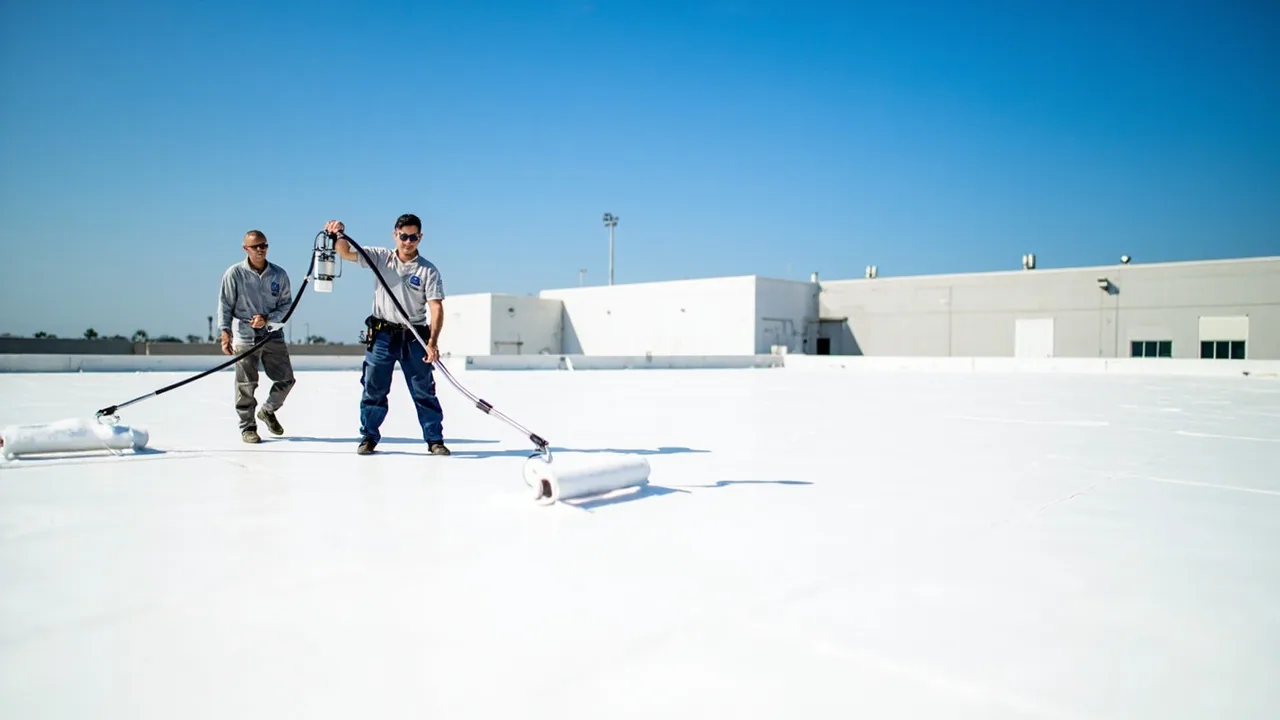
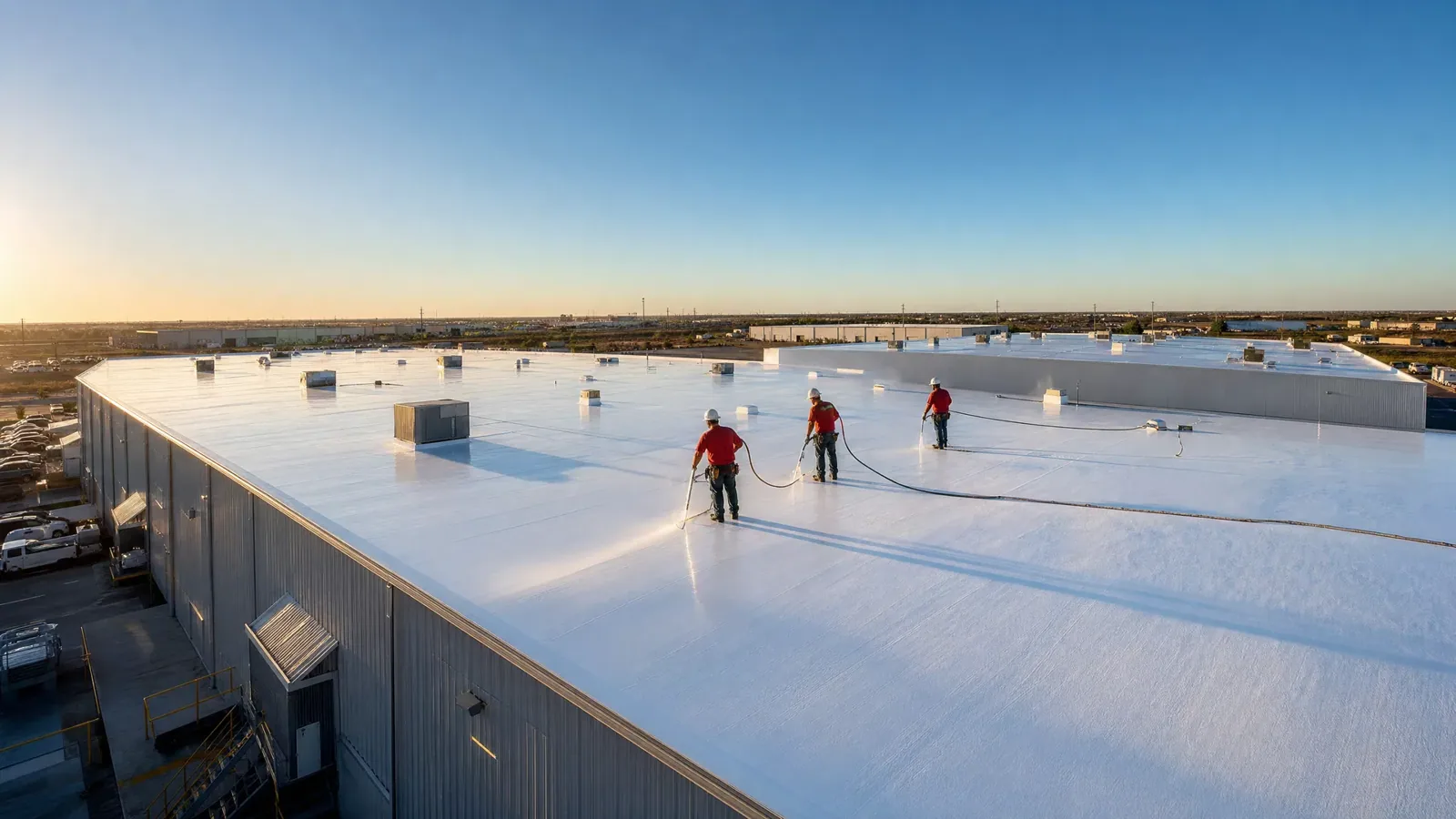
A leak can be local even on an older roof. Repair makes sense when adjacent seams, insulation and attachment are sound. Recover is considered when the existing system is dry and meets project requirements. Coating requires a compatible, prepared surface with working details. Replacement may be more appropriate when wet areas or attachment issues extend widely. We use testing to compare these paths instead of setting scope from age alone.
San Angelo normal July precipitation is 1.10 inches. That does not describe rainfall on a given work day or prove drainage at a particular site. We inspect outlets, low spots and signs of water retention. A roof area near a river crossing still needs property-level review. Cost and schedule follow the repair quantity, access, insulation removal, metal transitions and occupied hours. The proposal states those drivers. A restoration assessment can compare a coating with repair or replacement if the assembly is dry and compatible.
Cost can also change when roof access limits the size of each work area. Smaller phases may require additional protection, mobilization and daily setup. We explain those schedule drivers so the property manager can compare them with the risk of leaving a documented defect open. The decision remains tied to roof condition and business timing.
Where a roof remains dry and sound, preventive repairs can preserve time for a planned capital decision.
Oakes Street in San Angelo
Leave a record for future downtown service
We photograph repairs before and after work, including seam edges, flashing corners and drain transitions. The report identifies material removed and the limits of the finished scope. If concealed conditions expand the work, the owner receives a documented change for approval before we proceed. Deferred issues are listed separately and tied to a location.
The crew clears debris and confirms the drainage path after the repair. A property manager can keep these images with leak calls and past service notes. A maintenance inspection can revisit the same details later. For a broader location comparison, nearby managers can look at the Downtown district and Main Street. The roof scope remains tied to the actual building, assembly and access plan.
We also state what was not inspected and why a return visit may help.
That keeps the handoff useful when staff changes.
Questions and answers
Questions About Oakes Street in San Angelo
Does the Concho River crossing change the roof system?
The corridor location alone does not select a roof system. We inspect the property’s deck, slope, drainage, membrane and edge details before recommending a repair or replacement.
Is the 2022 water-main work still restricting access?
The city fact describes completed work between 4th Street and College Avenue in 2022. We verify current access arrangements with the property before scheduling deliveries.
Can a restaurant roof be repaired during business hours?
That depends on staging, noise, the affected rooms and customer routes. We coordinate the schedule and secure each exposed area before the crew leaves.
What proves that insulation is wet?
Inspection can identify visible moisture; a test cut can confirm conditions within the assembly. We document the opening and use it to set a removal boundary.