Commercial Roofing on Avenue N in San Angelo, TX
Service Areas
Avenue N in San Angelo at a Glance
Avenue N is a San Angelo commercial corridor that connects with the College Hills roadway rehabilitation area. University food-service operations, commercial bakeries and eateries occur along it. The corridor is broader than any one property, and its uses do not determine an individual roof condition. We inspect the assembly and roof access before setting the repair. Managers comparing commercial work nearby can review the College Hills Boulevard corridor without treating it as evidence about another roof. San Angelo July normal highs span 96 to 99 degrees Fahrenheit. That heat can change metal movement and the bond of roofing materials during summer work.
Avenue N in San Angelo
Use roof geometry to find the point of entry
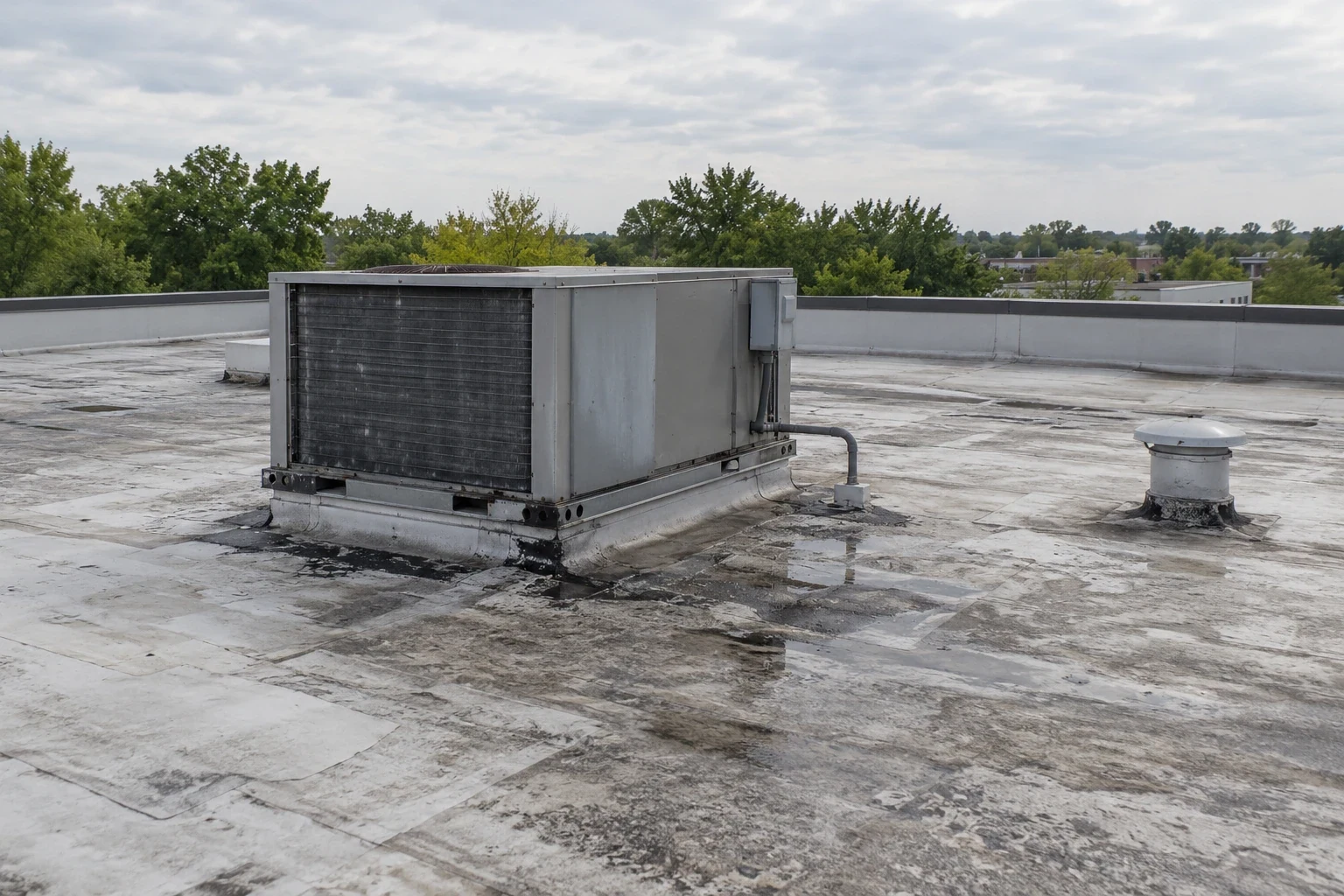
Water does not always fall straight down. It can travel beneath a membrane, along insulation joints or across structural deck before entering a room. We compare the reported location with drains, seams, curbs, walls and roof slopes. A food-service interior may have special equipment below, but we verify the building use and affected room with the manager. The roof inspection remains specific to the property.
Where visual checks cannot determine how far moisture extends, a test cut can confirm insulation condition. We photograph the layers, mark the location and restore the opening with compatible material. The result defines whether dry material remains or wet insulation needs removal. We then tie the repair into a sound area. The written inspection record shows what was observed and what further testing may be needed. This keeps a leak complaint from turning into a broad scope without evidence.
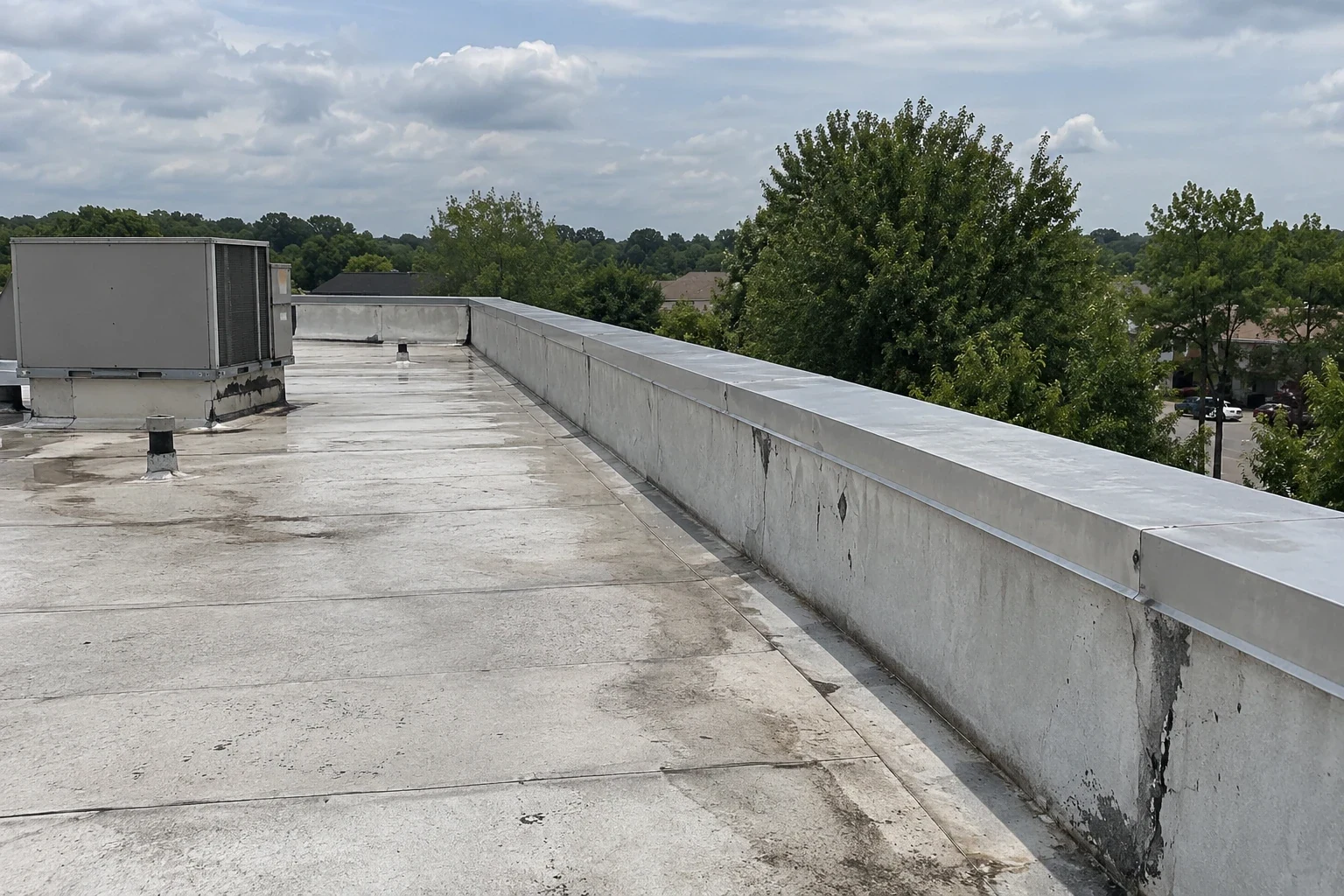
Roof records can help, but they are not a substitute for seeing the assembly. We compare dates of prior work with the location and type of current symptoms. If several repairs cluster around one edge, the termination may be moving. If marks appear under different roof zones, the water path may cross the deck. The inspection report keeps each observation tied to a location so the manager can tell which pattern is relevant.
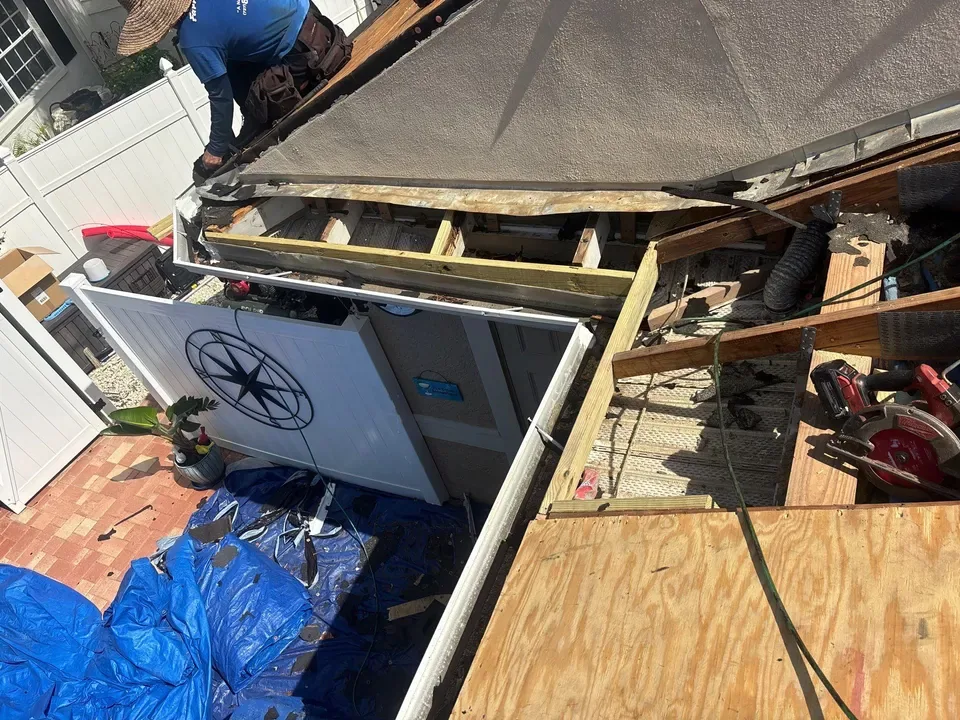
When an opening confirms wet insulation, the work plan includes how that area will be removed and replaced. The new material has to match the assembly thickness and interface. A smooth transition reduces the risk of a depression that holds water. We also document the deck condition before covering it. Concealed corrosion, damaged fasteners or an unstable substrate needs attention before the membrane goes back down.
Set a repair plan for an occupied property Arrange a focused inspection along Avenue N. Share roof access, delivery schedules and prior leak notes; we will document conditions and explain the next repair option.
Avenue N in San Angelo
Protect penetrations and service paths
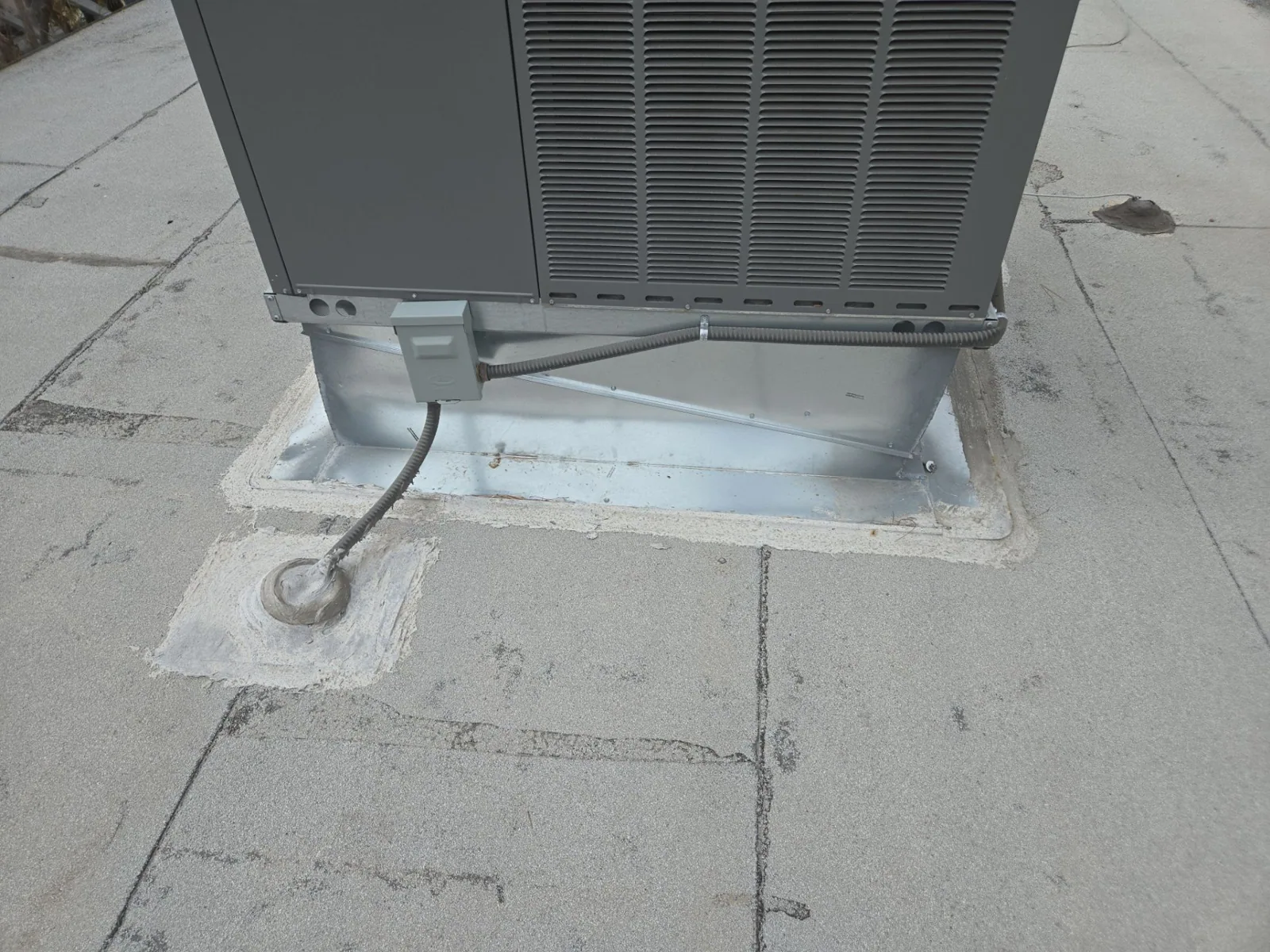
Food-service operations can require exhaust, plumbing and refrigeration equipment. We verify which units sit on the roof. Every penetration and curb interrupts the membrane. We inspect corners, flashing laps, fasteners and the surface around the unit. Vendor access may cross a roof seam or place tools near the membrane. A manager can help coordinate those visits so repair work does not overlap with equipment service.
A roof detail should be repaired with a material that bonds to the existing assembly. We remove loose sealant and clean the tie-in area before flashing. On metal roofs, a panel joint may need an attachment repair before sealant is added. At drains, the bowl and membrane transition must remain continuous. We photograph completed details to support later maintenance. A penetration and flashing repair can be evaluated when water follows a curb or pipe rather than a field seam.
Avenue N in San Angelo
Plan around deliveries and public access
Bakeries and eateries have receiving periods, food preparation, customer traffic and cleanup windows. We review these schedules before placing a lift or setting material. The access plan names entrances, staging and barriers. Where work is near an active doorway, the manager should know when that approach changes. If the repair is limited, the crew can isolate one roof section and keep another in service.
Before opening a roof, we identify the room below and protect contents as needed. The removal area stays within the approved boundary. The crew dries in the exposed section before leaving the site. If a leak is active during rain, temporary containment can limit interior impact while permanent work is planned. The emergency response starts with safe access and clear communication about what is temporary. For larger projects, a phased plan can schedule noise and material delivery away from food-service peaks.
Work around meal preparation can require a separate route for roof materials and debris. We agree on the path before tear-off and keep it clear. If the work shift crosses a delivery window, the manager can adjust staging so receiving continues safely.
Avenue N in San Angelo
Use moisture and adhesion to narrow the decision
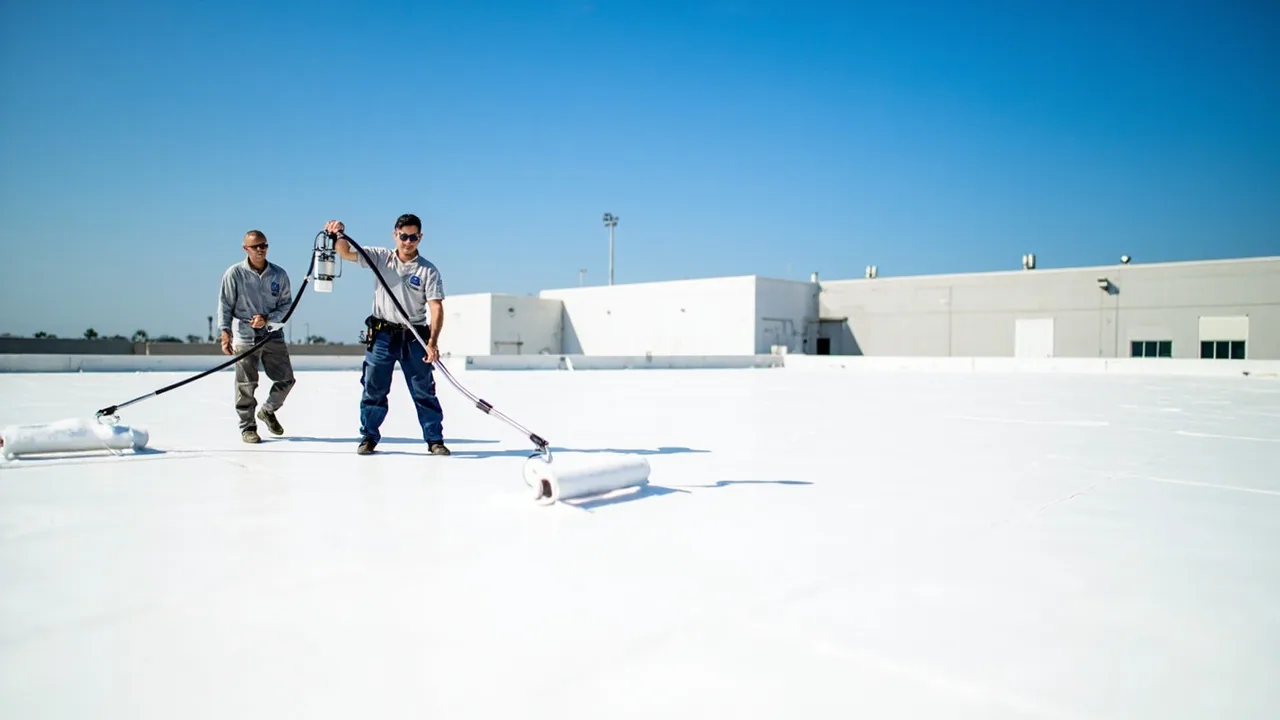
Localized failure supports a repair when adjoining materials are dry and attached. A recover requires a suitable existing assembly and project approval. A coating system needs a clean, compatible, well-bonded substrate. It will not solve wet insulation or a loose edge. Replacement becomes more practical when failures span multiple areas or the roof cannot hold a reliable repair. We compare options after examining the assembly rather than assuming a solution based on the corridor.
San Angelo's normal July precipitation is 1.10 inches. It gives seasonal context, not an inspection result. We inspect drains, scuppers and low areas to see how water moves on the building. Summer heat also informs surface preparation and application windows. A crew cannot bond or weld through contamination and assume durability. We describe the steps required before installing the selected system. When the surface and details qualify, roof coating restoration can be evaluated alongside repair and replacement. The estimate explains access, preparation, tear-off and insulation as separate cost factors.
At handoff, the manager sees which option requires future monitoring. That can keep a small repair from becoming a broader project without a new inspection.
Avenue N in San Angelo
Leave the next service team a usable reference
Closeout photos show the repaired seam, penetration, edge or drain. The written record names materials removed and the tie-in that was completed. If a hidden condition fell beyond the approved work, we document it and request approval before extending scope. The manager knows what was completed and what remains open.
At demobilization, the crew checks that the roof is closed, outlets are clear and loose materials are removed. The property manager receives any follow-up recommendation with a location and reason. A maintenance inspection can revisit the repaired points before they fail again. The Avenue N corridor connects with College Hills, where roadway work was documented, but roof access and condition still need to be confirmed at each address. Nearby comparison with College Hills Boulevard or Sunset Drive can help managers think through operations, not substitute for inspection.
The report also identifies any inaccessible area that needs attention on a later visit.
That detail helps new contacts locate the exact repair point promptly.
Questions and answers
Questions About Avenue N in San Angelo
Does Avenue N connection with College Hills affect my roof?
It can matter to access planning, but it does not establish roof condition or a current detour. We confirm entry and deliveries with the property contact before setting the work plan.
Can you repair a penetration without coating the whole roof?
Often, if the failure is limited and surrounding material is sound. We inspect the curb or pipe flashing and its tie-in, then price the detail repair separately from broader restoration.
Will you work around bakery deliveries?
We coordinate staging, lift placement and noisy work with the manager. The schedule identifies the loading period and the daily close-in point.
What is included in the repair report?
The report describes observed conditions, moisture testing, materials removed, finished repair photos and any follow-up item. It separates confirmed work from conditions requiring added approval.