Solar-Ready Commercial Roofing in San Angelo, TX
Commercial Roofing Services
Solar-Ready Commercial Roofing at a Glance
An array rail placed across a roof seam can obstruct repair access. The membrane may be sound when the rail arrives. Later maintenance becomes harder where equipment conceals the connection. Solar-ready roofing in San Angelo, TX addresses that layout before installation. We assess the retained roof and the proposed equipment interface. The roof needs a workable service route after the array occupies the surface.
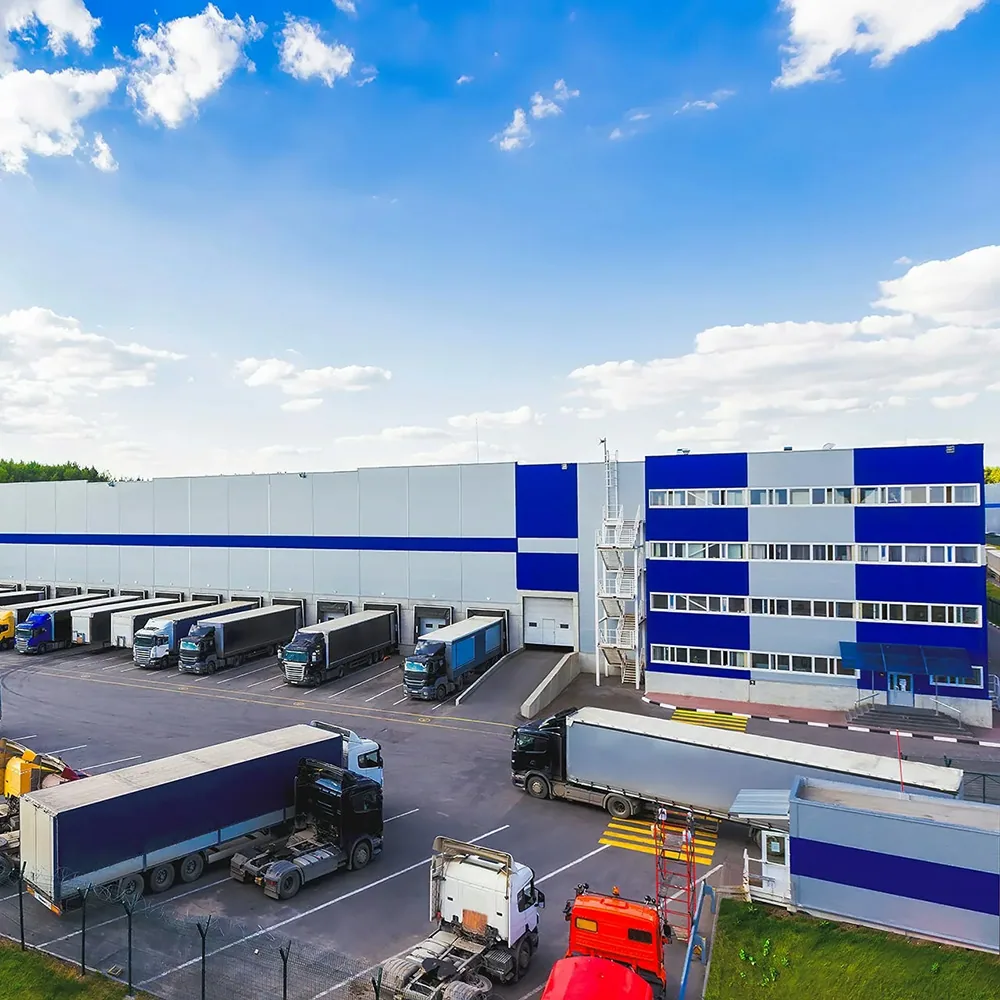
Commercial Roofers San Angelo prepares commercial roofs for solar equipment installation. We also repair roofing where existing arrays require coordinated access. Document storage and distribution operate in the San Angelo Business & Industrial Park. A solar proposal for a commercial building there needs its roof condition and operating requirements examined. Assessment before array placement identifies roofing work that is easier to complete before equipment covers the field.
Solar-Ready Commercial Roofing
Resolve roof deterioration before covering the field
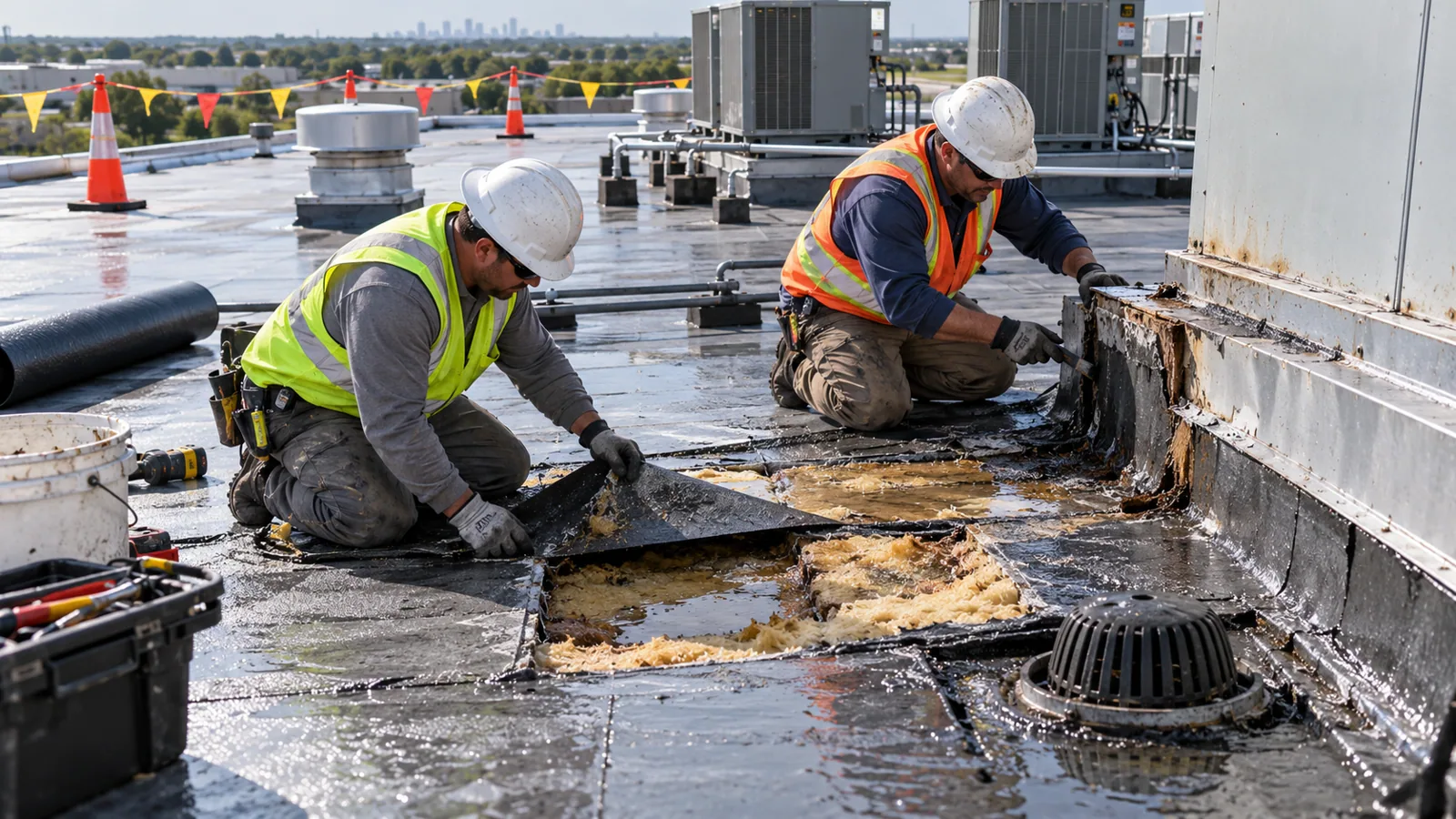
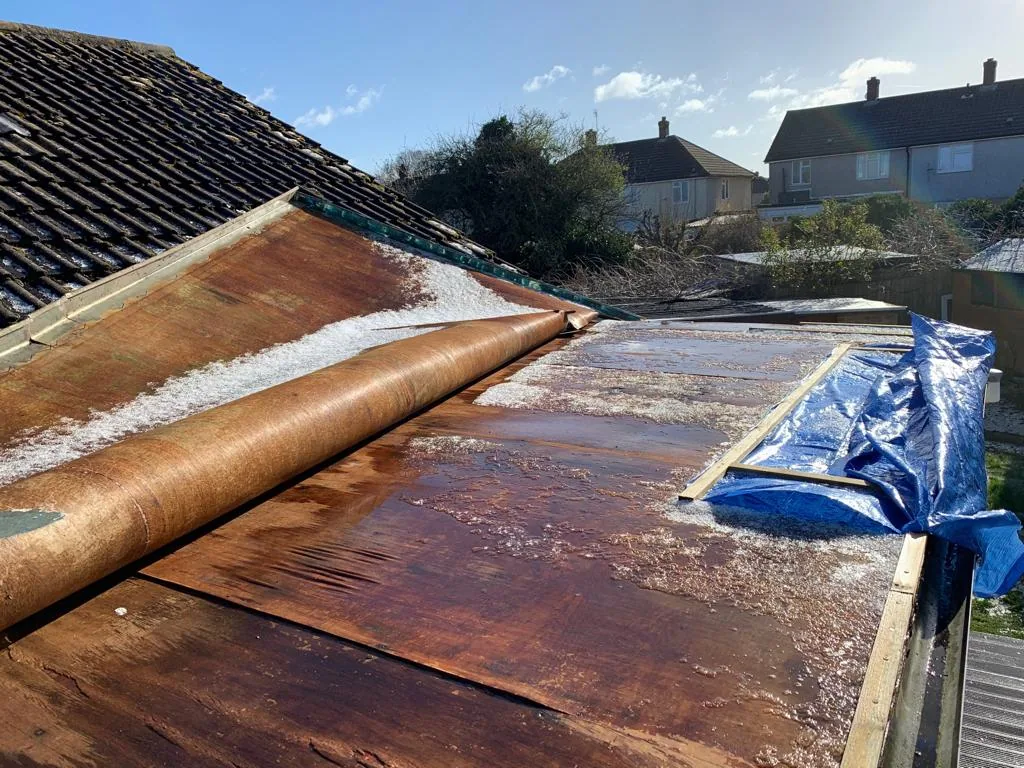
A weathered seam beneath an array can require equipment removal for repair. We examine the membrane and details before the solar layout is finalized. Existing patches, detached areas and deteriorated flashing need particular attention. Suspect moisture can require investigation beneath the surface. The retained assembly should suit the proposed equipment and future access. A surface that needs substantial work should receive that correction first.
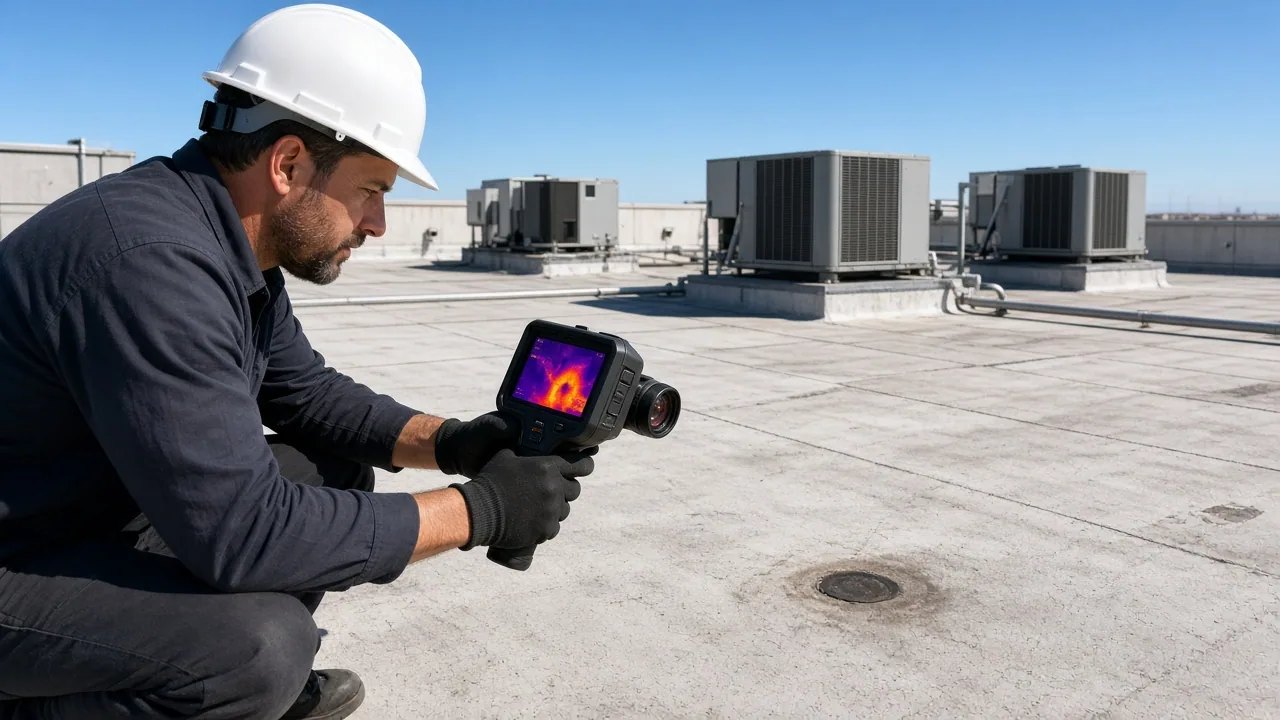
Moisture screening with confirmation testing can help define concealed conditions where appropriate. We compare those findings with the proposed array footprint. Wet insulation and damaged supporting material need removal to an assessed boundary. A repairable field and a broadly deteriorated assembly lead to different decisions. We explain the roof work required before solar installation proceeds. Replacing an unsuitable roof beneath a newly installed array can require added disconnection and handling. Settling the retained condition early helps avoid leaving known roof defects inside an equipment layout that makes their correction more difficult.
Settle the roof work before the array layout Arrange a solar-readiness review with the proposed mounting method, equipment footprint and roof records available. We will identify preparation needs and the access to preserve for future repair.
Solar-Ready Commercial Roofing
Coordinate structural loading with the support design
Ballasted and mechanically attached arrays transfer forces into the building differently. Their support arrangement needs appropriate structural evaluation. We coordinate the roofing interfaces with the responsible design and installation teams. Added weight must be assessed against the actual building construction. Concentrated bearing pressure also affects insulation and cover board. A roof surface that looks firm does not establish structural capacity for an array.
We assess roof contact and equipment-support details for material compatibility and weather protection. Suitable separation layers can protect the membrane beneath bearing components. Support positions need drainage and maintenance routes considered. Mechanical attachments require a complete weatherproofing detail at each penetration. The roofing method must match the selected membrane and mounting arrangement. Structural and solar responsibilities remain coordinated with that work. The resulting layout should distribute loads as designed while leaving roof details accessible, rather than treat the waterproofing surface as an interchangeable support pad for any proposed rack.
Solar-Ready Commercial Roofing
Detail mounts before electrical connections restrict access
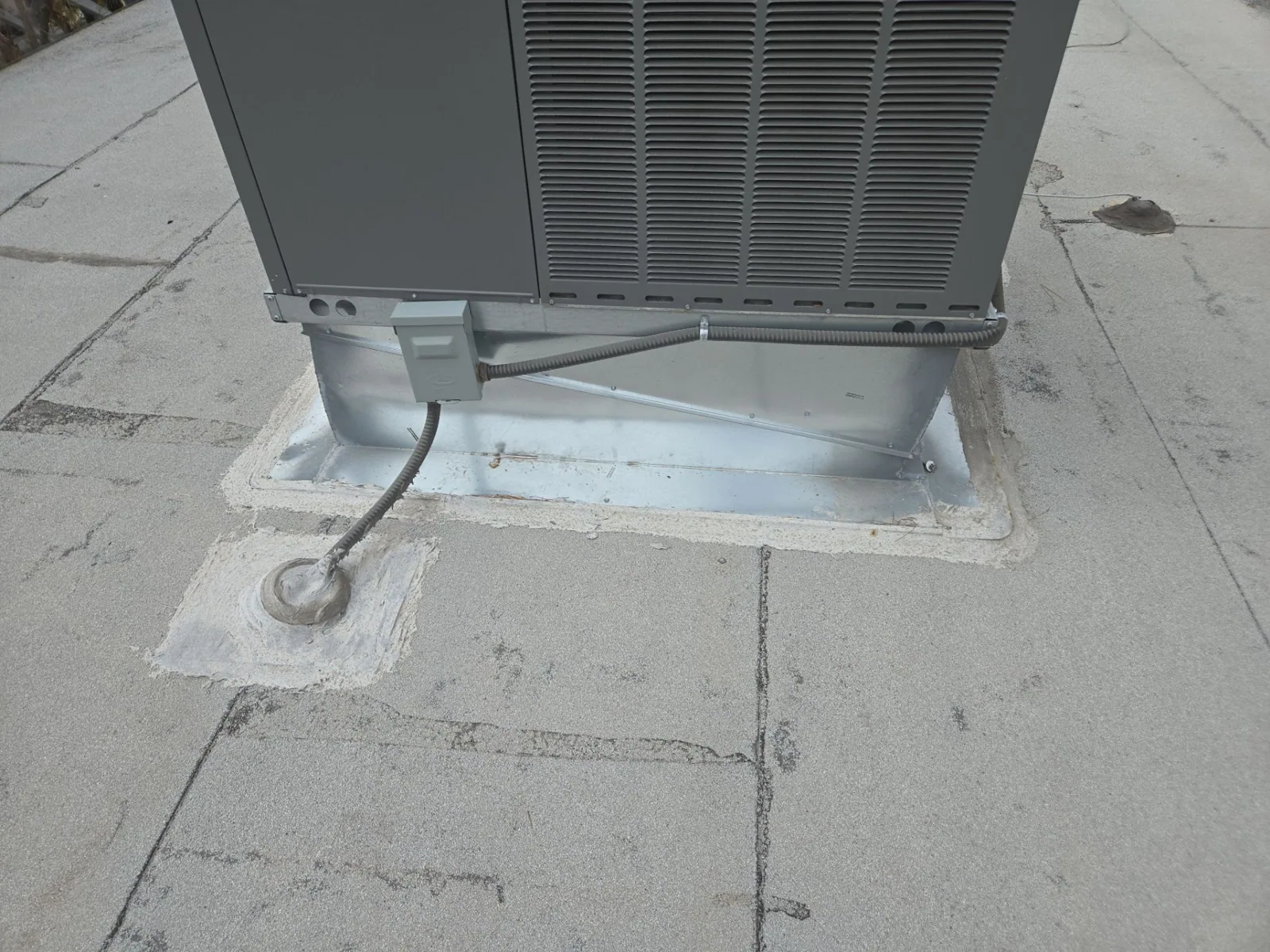
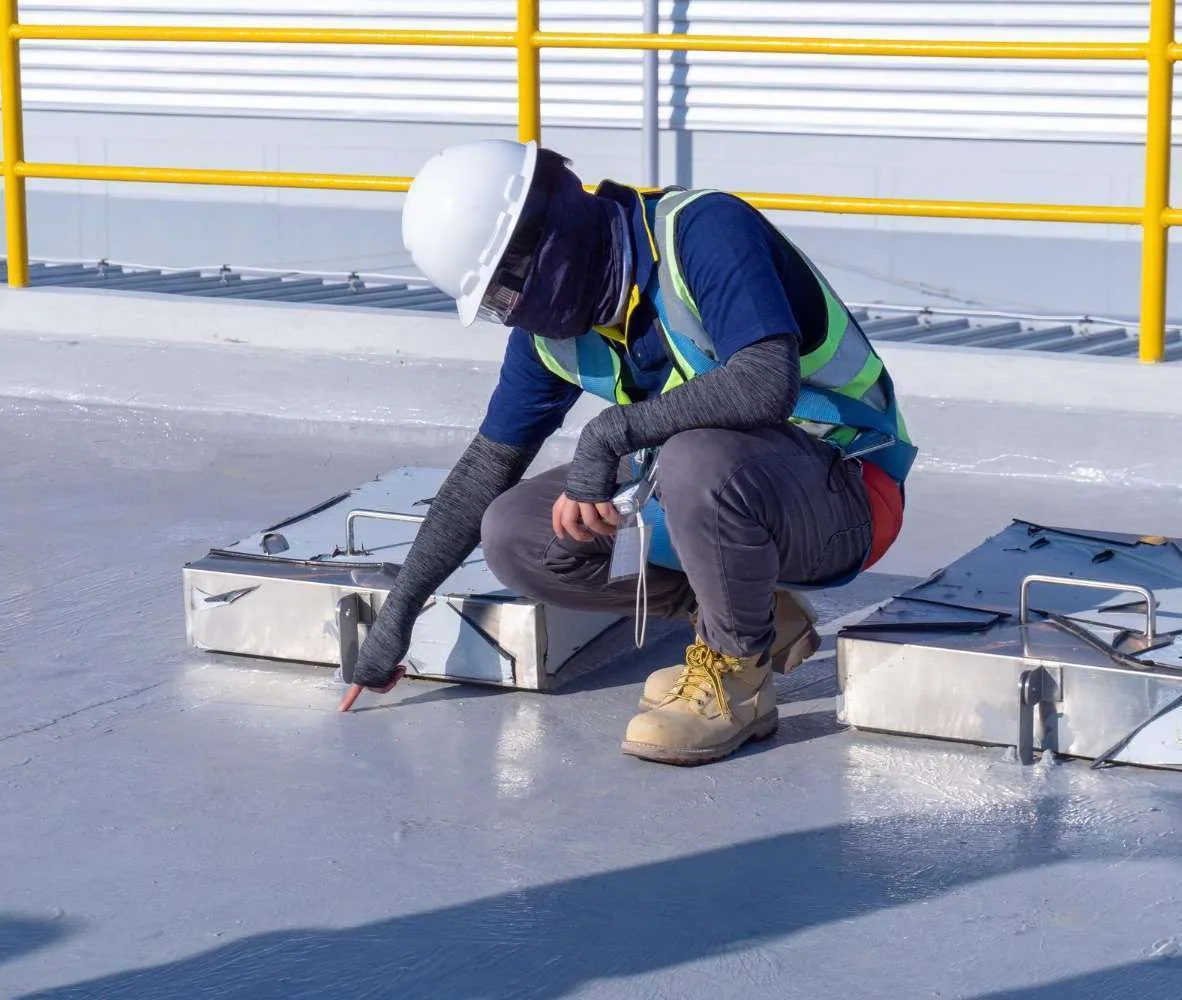
A mounting penetration introduces a new connection through the roof covering. We determine how its flashing will meet the surrounding material. The detail needs supported surfaces and suitable termination geometry. A bead around a fastener does not replace the specified assembly. Repeated penetrations require consistent installation and inspection access. Cable routes must also avoid contact that abrades the completed membrane.
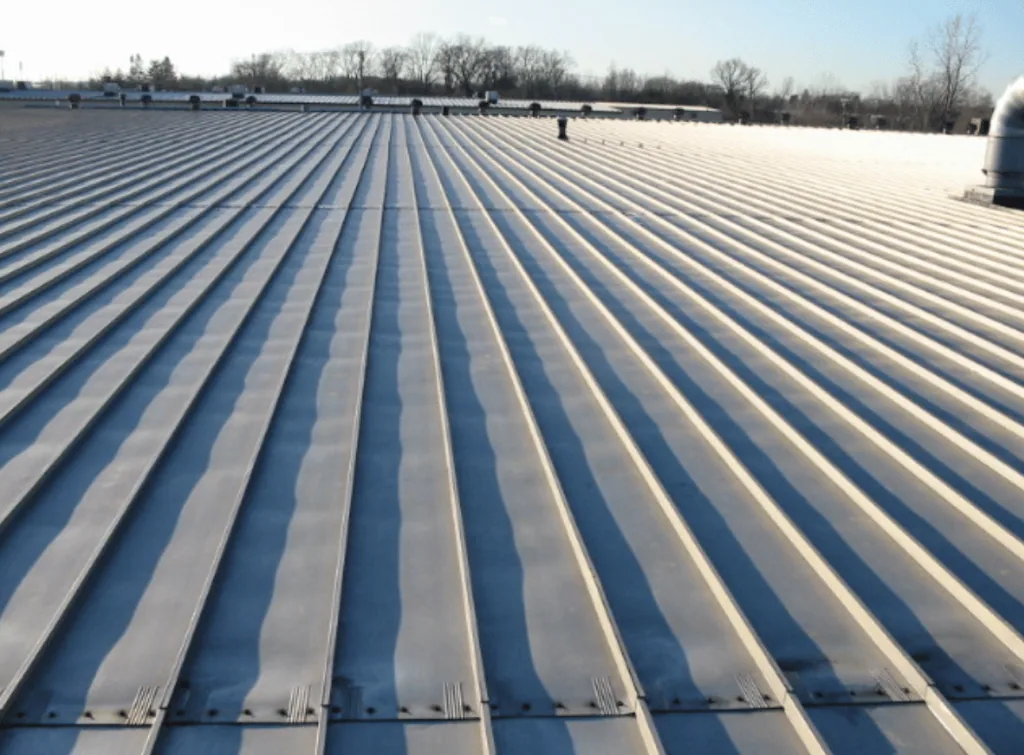
On standing seam metal roofs, a suitable seam-clamp arrangement may avoid some roof penetrations. The proposed clamps and loads still need system compatibility reviewed. Restricting panel movement can damage a connection intended to accommodate expansion. We coordinate the mounting design with the actual panel construction. Membrane roofs require their own flashing methods rather than a detail borrowed from metal. Equipment installation should leave enough working space to examine each completed weather connection. Closing the rack above it too early can obstruct the roofing task and make later defect correction unnecessarily disruptive.
Solar-Ready Commercial Roofing
Reserve access to seams and drainage components
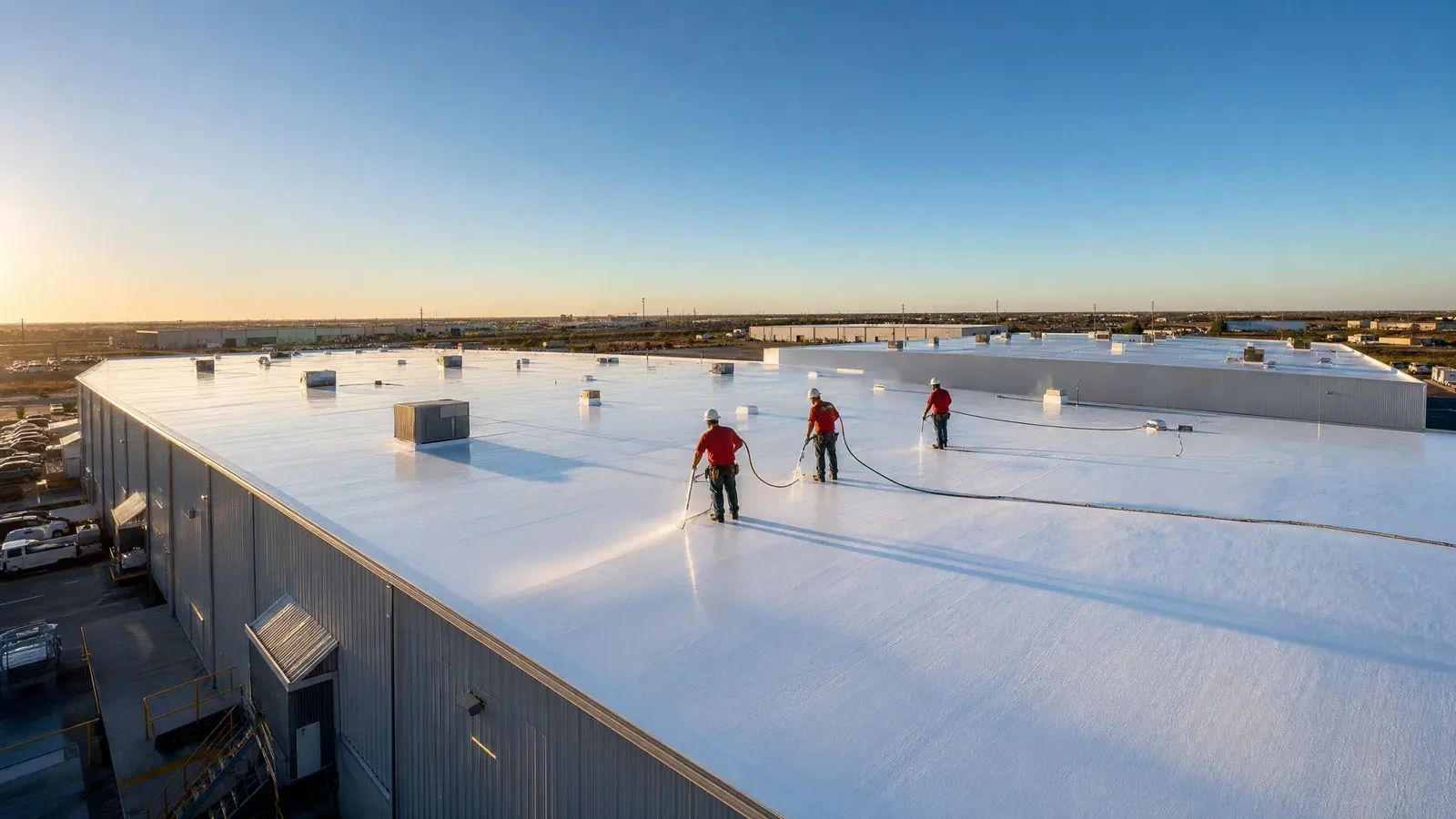
A drain beneath closely spaced equipment can be difficult to clean. The array layout needs that maintenance requirement addressed before placement. We examine approaches to outlets, overflows and roof access points. Water must continue moving through suitable roof gradients. Ballast, conduit and supports should not create debris traps across those paths. Space beside equipment also needs to permit inspection of the adjoining membrane.
Drain and overflow access remains necessary throughout the array service period. We discuss how workers will reach those components safely. Repair access may require different clearance from ordinary visual inspection. The layout should permit removal of a damaged roof portion when needed. We also identify routes used for other rooftop equipment service. Protecting designated traffic areas can reduce wear without obstructing water flow. Those provisions are roofing requirements with practical maintenance consequences, so they belong in the equipment layout discussion rather than await the first blocked outlet or concealed seam failure.
Solar-Ready Commercial Roofing
Fit the roof preparation around the business schedule
Wall supports grain-storage, farm-supply, cotton-ginning and fuel services through Wall Co-op. Agricultural service buildings have operating requirements that affect roof preparation. We assess the actual room use beneath the proposed work. Dust, debris and weather exposure may require protection or temporary restrictions. A solar proposal should allow time for that roofing task. Equipment delivery dates should follow the completed roof preparation schedule.
Businesses in Wall and its surrounding service area need the retained assembly assessed individually. July normal highs in San Angelo run from 96 to 99 F. For roof work in San Angelo, that heat makes actual substrate and application conditions relevant to material scheduling. The distribution operation beneath a roof project also affects delivery and loading access. We coordinate roofing materials and waste handling with the manager. The completed preparation should leave a suitable weather closure before solar equipment arrives, with agreed responsibility for protecting that surface during the next installation stage.
Solar-Ready Commercial Roofing
Plan equipment handling for later roof work
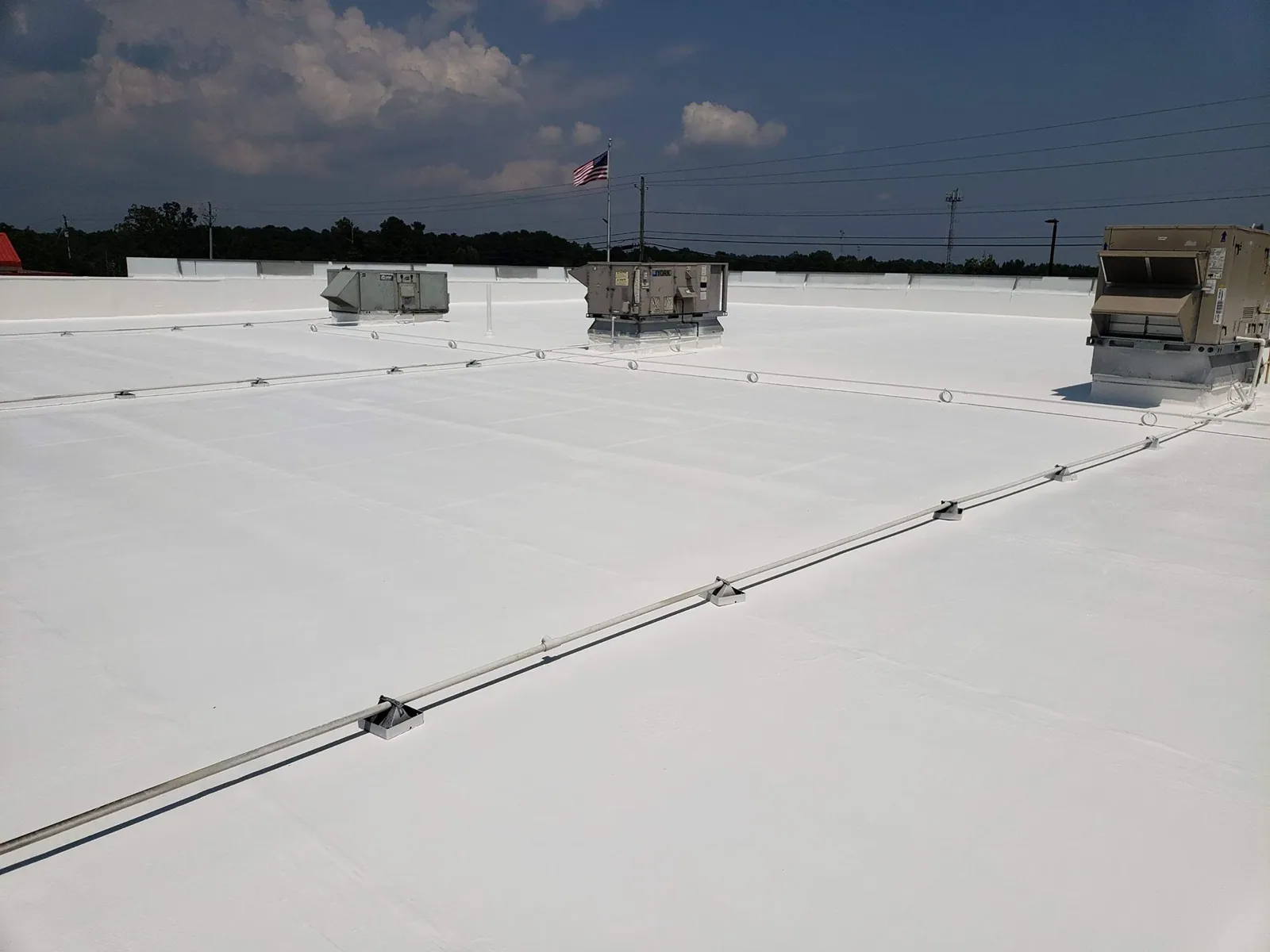
A later membrane repair may require temporary array disconnection or removal. Those tasks need the responsible solar and electrical trades involved. We identify where equipment restricts the roofing access required. The repair sequence must protect wiring and the occupied building underneath. Reinstallation needs the same care at supports and penetrations as the initial work. Roofing should not proceed beneath energized or unsecured equipment without suitable coordination.
We review the relevant roof-system requirements before the original solar installation. Equipment attachments and later alterations can affect warranty responsibilities. Written project requirements should identify how those interfaces are handled. Roof condition records also help distinguish later equipment-related damage from existing defects. The practical plan includes who clears access and who restores equipment service. We can then define the roofing work within a coordinated sequence, rather than price a visible patch that remains unreachable. Keeping those responsibilities clear supports timely repair when the array and roof eventually require attention at the same location.
Questions and answers
Questions About Solar-Ready Commercial Roofing
Should roof replacement occur before a planned solar array?
Assess the retained assembly before deciding. We examine moisture, attachment and material deterioration against the proposed equipment layout. Extensive roof work is usually easier while the field remains accessible. A serviceable assembly may need targeted correction instead. The roof findings should inform the solar schedule before equipment installation begins.
Does a ballasted array avoid every roof construction issue?
Ballast introduces weight and bearing contact even where fewer penetrations are needed. The structural evaluation and support design remain important. We examine membrane protection, drainage and access around the proposed supports. A penetration-free arrangement still needs compatibility with the actual assembly and room for future maintenance or localized roof repair.
Can solar clamps restrict standing seam panel movement?
An unsuitable arrangement can interfere with movement or damage the seam. We coordinate review of the actual panel and proposed clamp system. The design needs attachment and loading requirements addressed together. Avoiding drilled holes is only one consideration; the completed mounting arrangement must also suit the metal roof construction.
How are drains maintained after modules occupy the roof?
Reserve working access in the equipment layout before installation. We examine drain approaches, overflows and the route required for cleaning or repair. Conduit and support positions also affect that access. A drain visible between modules may still be difficult to service, so clearance should reflect the actual maintenance task.
Who moves existing solar equipment for a membrane repair?
The coordinated repair plan assigns disconnection and handling to the responsible trades. We define the roof exposure and access needed for the repair. Electrical safety and equipment support require suitable arrangements before roofing starts. Reinstallation follows the completed weather detail and the necessary equipment checks, rather than occur alongside an unfinished membrane connection.