Commercial Roofing in Jefferson Heights District, San Angelo, TX
Service Areas
Jefferson Heights District at a Glance
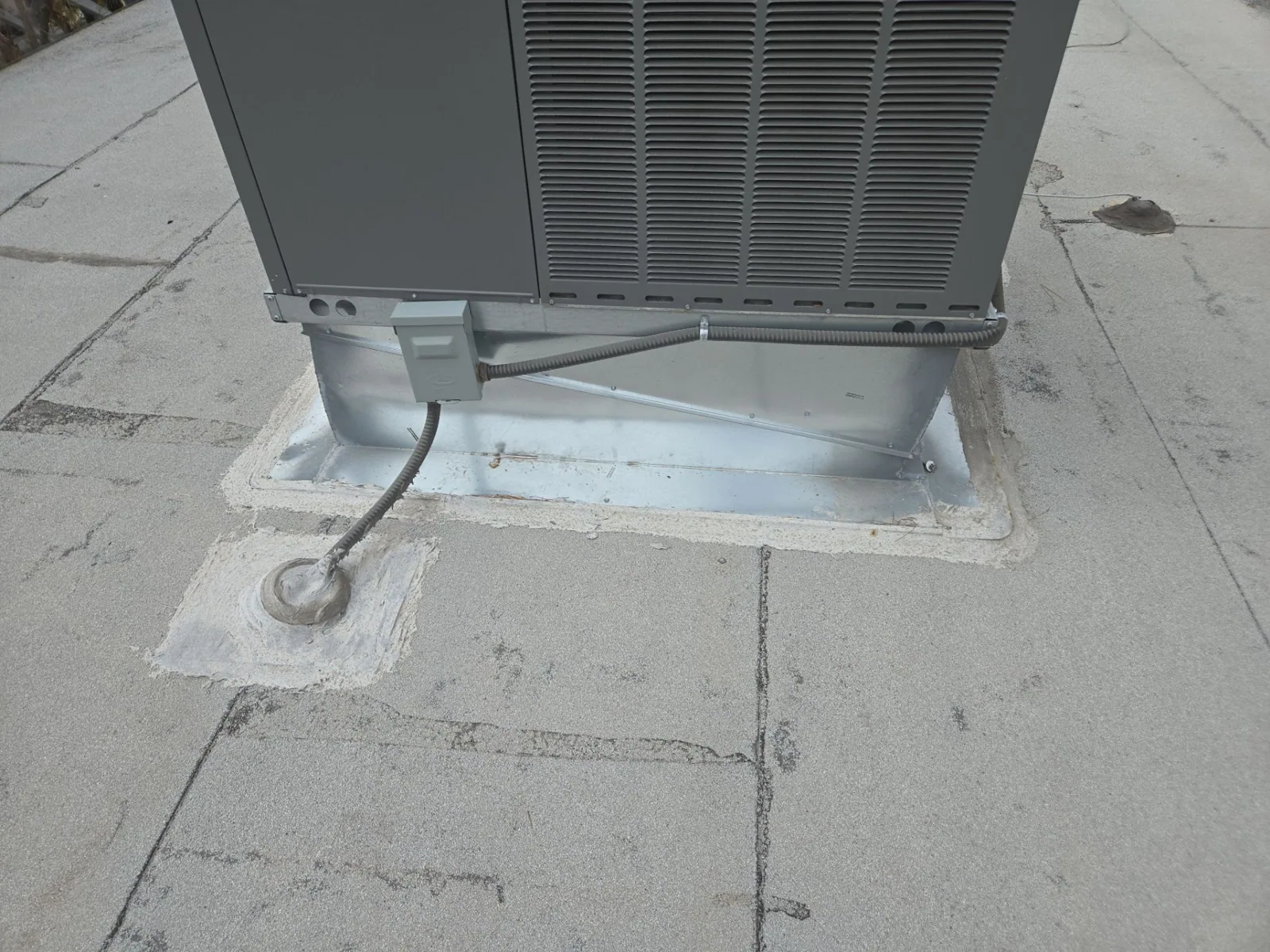
A curb or equipment penetration can concentrate movement at one flashing connection even when the surrounding field remains serviceable. In Jefferson Heights, we inspect curb height, attachment and adjoining membrane before deciding whether a correction can stay local. In Jefferson Heights, equipment access can shape the sequence; a site visit confirms the curb and roof conditions. The property contact identifies roof access, equipment that cannot stop and authority for a test opening. We record the connection, nearby seams and any exposed receiving layer. The estimate describes the repair limit and a separate allowance if concealed material changes the scope. Photos and measurements go to the approving contact before removal expands. A commercial roof inspection can support that scope.
Jefferson Heights District
Inspect metal movement and attachment
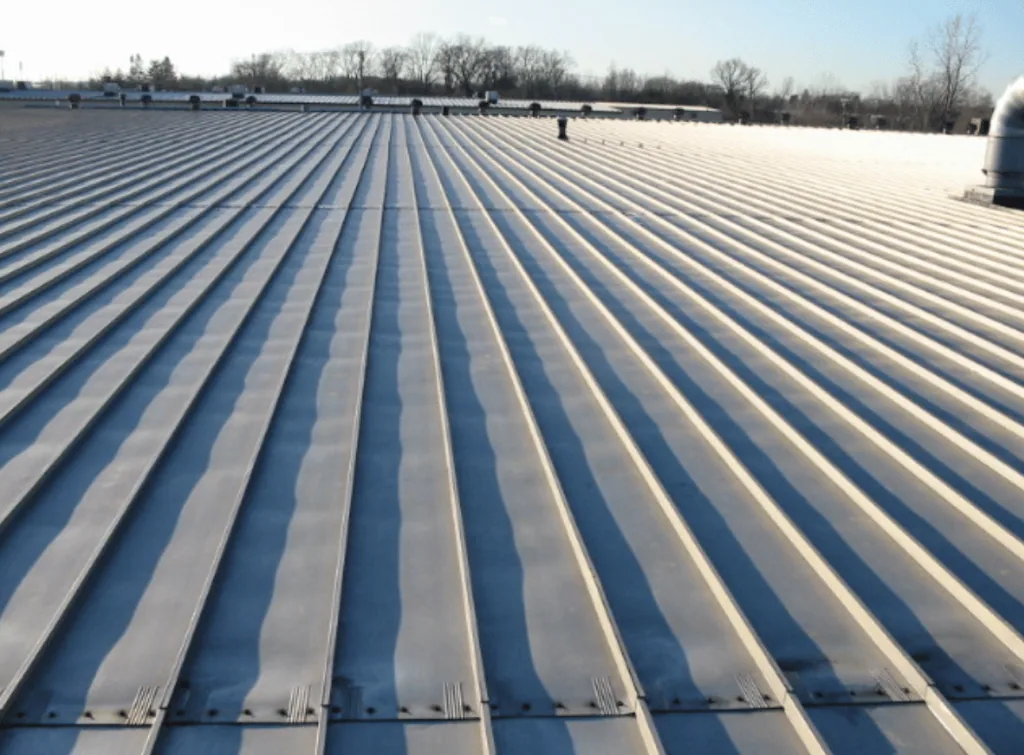
Standing-seam panels expand and contract as surface temperatures change. Clips, fasteners, end laps and penetrations need to preserve movement while keeping the weather line closed. We check whether a panel edge has lifted, whether a fastener has backed out and whether a previous patch restricts movement. A metal-roof review should identify panel profile and attachment before selecting a correction. If the issue is a puncture or damaged seam, a metal repair may differ from a membrane patch. The scope names the component, preparation and termination included. We avoid sealing over a moving joint without confirming that the repair material can accommodate it. Where an opening is needed to see the deck or insulation, the estimate provides a distinct test allowance, protection and closure method. Ownership decides whether to open the assembly after seeing what the test will answer. The condition of the panel end and transition matters as much as the field seam. We note whether fasteners are tight, whether a closure has shifted and whether water can enter at a ridge, wall or eave termination. If the roof has been coated, we inspect how the coating meets metal and whether it hides a loose joint. The scope may call for a small removal to reach the original connection instead of adding another surface layer. We label that preparation and show why it is needed. If the panel itself is sound but its trim has separated, the proposal can price the trim without replacing unaffected sheets. If a panel is distorted or a clip has failed, the opening extent is measured and ownership sees the difference before release. This detail-level record avoids confusing cosmetic wear with the connection responsible for weather protection.
Inspect the Jefferson Heights roof detail before expanding scope Send the property location, roof concern, access contact and available assembly records. We will examine the affected zone and price the supported repair limit.
Jefferson Heights District
Trace the leak beyond the visible mark
An interior stain may sit several feet from the roof entry. We compare the room, weather timing and repair history with seams, wall transitions, equipment curbs and roof drainage. A leak correction should reach the point where water enters and reconnect to material that can receive the new work. If no exterior opening is visible, we record that result and consider whether a limited test or another building system needs review. A flashing detail can fail at a wall or curb even while adjacent sheet material remains serviceable. We photograph the likely path and note unresolved areas. The price distinguishes diagnosis, immediate temporary protection and permanent repair. An approved test has a measured boundary; the crew does not continue into adjoining material without a release from the named contact. A commercial roof may have several trades visiting the same penetrations. We ask whether service staff recently added a cable, exhaust, antenna or support and request the related work order when available. The purpose is not to assign blame; it is to identify which material changed and who can coordinate access. If another contractor must lift equipment or remove an accessory, the roofing schedule names that dependency. The owner receives a clear sequence: prepare the detail, coordinate the equipment task, complete the flashing and inspect the tie-in. If the equipment cannot move, the proposal states the limitation and any alternate boundary. Work proceeds only where the authorized connection can be made safely. The completed record identifies the component left in place and any remaining clearance issue for a later service visit.
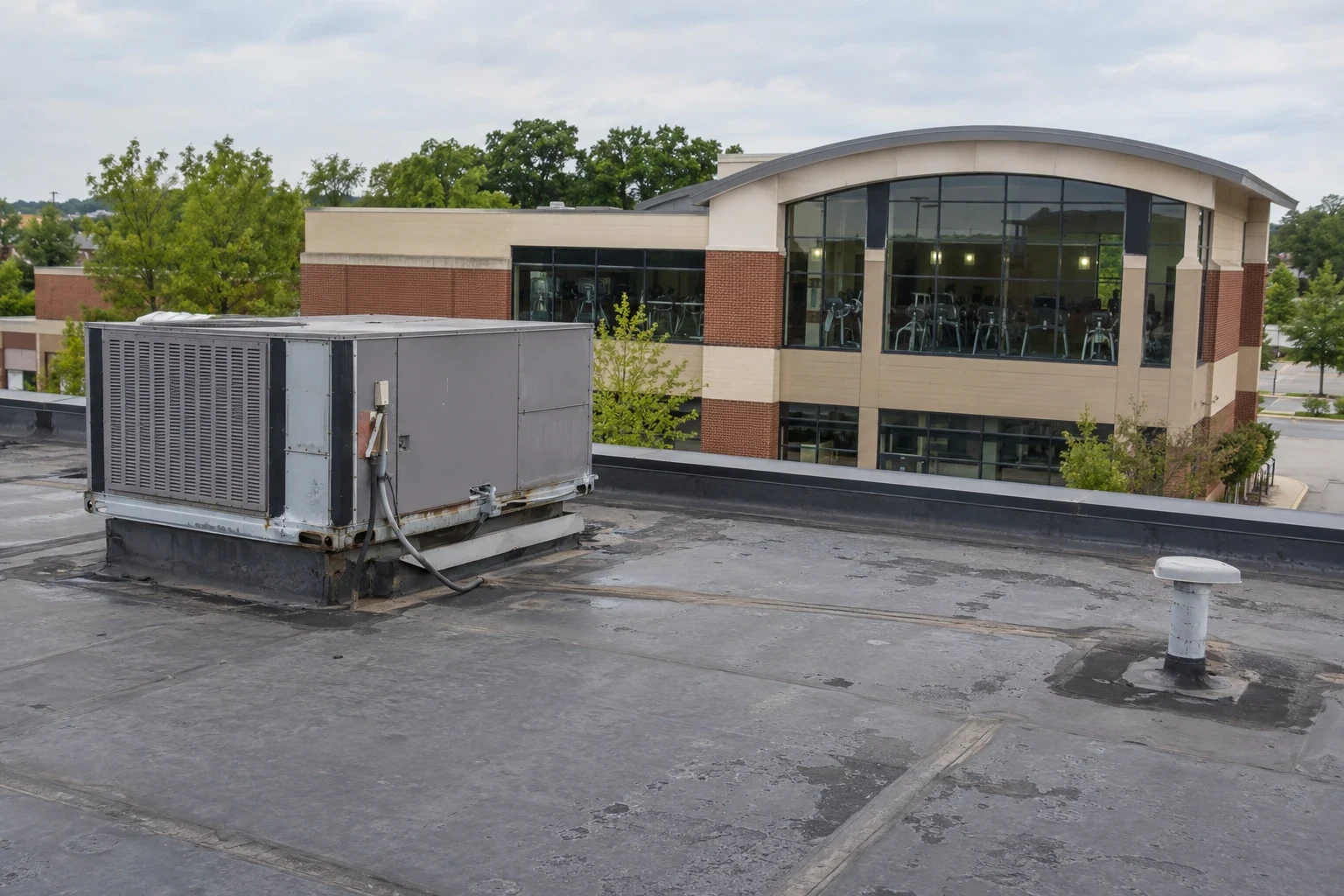
On a roof serving an occupied Jefferson Heights property, equipment penetrations need coordination between roofing and mechanical contacts. The manager identifies which units can be shut down, who may release a curb and what weather protection is required while the connection is open. The roof crew records curb height, attachment, flashing condition and adjoining membrane before recommending a repair. If a unit blocks inspection, the proposal names that limit rather than implying the concealed perimeter has been checked. A separate allowance can cover approved removal and restoration. This makes responsibility clear when a mechanical trade must disconnect or reset equipment.
A service call can reveal that a curb, conduit or pipe is only one part of the leak path. Water may travel along insulation or deck before reaching the reported ceiling location. We map the point of entry, the interior symptom and any tested layers as separate observations. If moisture extends beyond the initial opening, the crew pauses, stabilizes the area and sends measurements to the approving contact. The work record also notes which mechanical components remained in service and whether the flashing can be completed without a shutdown. That information supports a precise return visit.
Jefferson Heights District
Coordinate the site before mobilization
Before mobilization, the Jefferson Heights site contact confirms which mechanical units must remain in service and who can authorize a shutdown. The roofing crew can then sequence flashing work around the approved equipment window, with a named handoff if a mechanical contractor must disconnect or reset the unit. We document the curb before and after that work and keep the opening protected while responsibilities transfer. The schedule identifies dependencies instead of treating them as an unspecified roofing allowance.
Jefferson Heights District
Keep regional hail history separate from roof evidence
San Angelo’s July daily normal high range is 96 to 99 degrees Fahrenheit, useful context when scheduling roof access and handling heat-sensitive materials. It does not establish why a particular curb leaked or whether a panel is damaged. For a Jefferson Heights inspection, the crew records the detail condition, installation temperature when relevant, and the material manufacturer’s application limits. The repair recommendation comes from that evidence and the compatible assembly, not climate history alone.
Jefferson Heights District
Close the repair with a measured record
Closeout for a curb correction should show the finished transition at both the equipment side and the field membrane. We record any mechanical work performed by others, the roofing tie-in and the date the opening was closed. The property manager can compare those images with the pre-work condition and confirm the approved boundary was followed. If access restrictions prevented a full check behind a unit, that limitation remains on the record for a later coordinated visit.
The route between an inspection and corrective work can be reviewed with Downtown San Angelo and the city’s industrial-park area as map references. For a verified curb defect, compare curb and support work with the inspected condition; neither page substitutes for confirming the equipment and roof assembly on site.
Questions and answers
Questions About Jefferson Heights District
Can a metal roof panel move while remaining watertight?
Yes. Panel movement is expected in many assemblies. We inspect its clips, seams and penetrations before deciding whether the detail has failed.
Does a panel dent prove a roof leak?
No. We inspect the connection and look for a water path. A surface mark alone does not establish an opening.
Does San Angelo hail history establish damage at a Jefferson Heights property?
A storm date alone says nothing about damage at this building. We compare reported areas with visible roof conditions and document any limits in the inspection.
Can added removal begin under a test allowance?
Only within the stated boundary. If the finding changes price or extent, we measure it and request approval before expanding.