Commercial Roofing for Hospitality Groups in San Angelo, TX
Industries We Serve
Hospitality Groups at a Glance
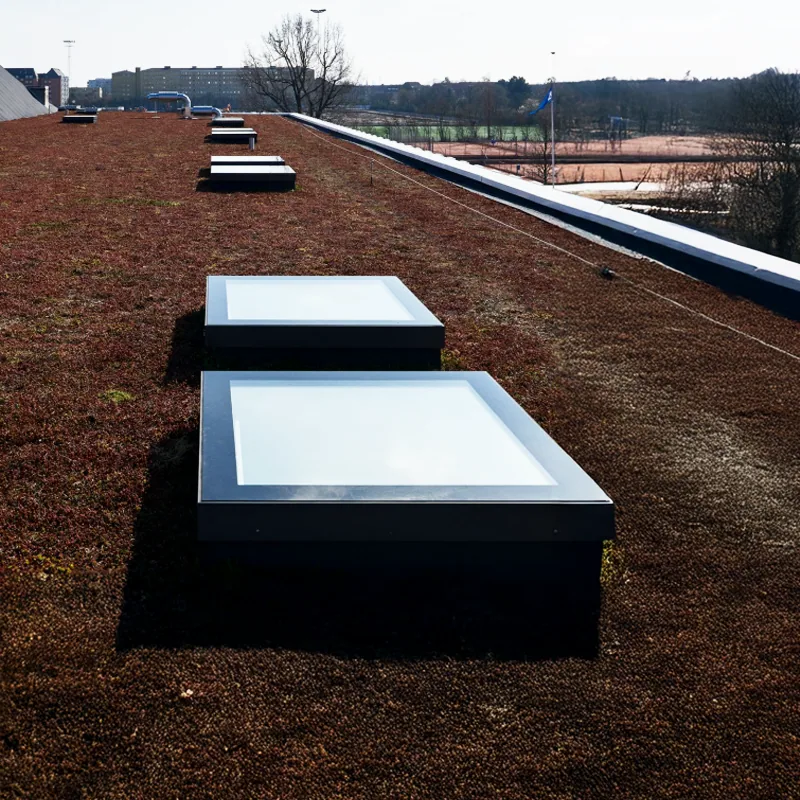
A roof hatch can admit water when its gasket has hardened. The lid seal and surrounding roof flashing require separate examination. Commercial roofing for hospitality groups in San Angelo, TX follows the actual component involved in the report. We assess accessible connections and investigate suspect adjoining layers. A membrane patch around the curb is not the appropriate correction for an unresolved closure defect in the hatch itself.
Southwest Boulevard and West Loop 306 have hotel and restaurant operations. Hospitality roof planning along these corridors needs the actual guest, dining and service routes identified. Commercial Roofers San Angelo repairs, maintains and replaces commercial hospitality roofs. Examination of hospitality roof components and connections defines the material findings before access restrictions are selected. For roof work above occupied hotel rooms, we locate the construction and equipment effects with property personnel.
Hospitality Groups
Examine the hatch closure independently of its roof curb
A hatch lid, gasket and operating hardware have different roles from the roof connection below them. We identify the accessible condition and relevant service task. A damaged seal or closure component may need correction through suitable equipment personnel. The curb flashing can also have its own defect. The proposed scope should distinguish those conditions instead of treating every hatch-area report as a membrane failure.
Assessment of hatch and curb weather connections establishes the involved roof detail. We examine the retained material and support where indicated. A sound curb connection may not require removal when the problem is confined to the hatch closure. Conversely, a repaired lid does not rebuild damaged flashing beneath it. Material compatibility and preparation guide the roofing correction. The task should identify the required equipment access and construction sequence. Completed roof details receive appropriate examination, with the responsible service personnel addressing closure and operating requirements. That gives the operator a defined component correction rather than another roof patch that leaves the reported water connection unresolved.
Assess the hospitality roof component and service route Arrange a review with hatch symptoms, affected guest or dining space and construction-access information ready. We will define the component correction and the occupied period needed to complete the roof detail.
Hospitality Groups
Arrange construction access without assuming a vacant guest area
A roof hatch can be reached through a corridor, service room or another occupied route. We establish the actual approach with property personnel. Material delivery and removal may require different access from an inspection visit. The route can affect staff or guest circulation outside the room beneath the defect. Those effects should be identified before the construction stage is scheduled.
Roof coordination with managed-property staff helps locate shared access and the relevant occupied-space contacts. Hospitality personnel establish room availability and service arrangements. We identify preparation, support correction and closure requirements for the selected task. A booking gap does not necessarily make the construction route available. The plan should explain which operation uses that route and for how long it is needed. Staff can then coordinate housekeeping or other service activity against the actual exposure. The roofing task must still have sufficient time and access to restore the involved components, with the occupied restriction matched to construction rather than a general assumption that a guest room is empty.
Hospitality Groups
Locate dining and kitchen equipment below the roof task
A roof opening above food-service space can affect equipment, stored products or preparation areas. We establish the relevant room and construction position before removal. Responsible personnel define applicable food-handling and equipment restrictions. Supporting investigation may require more exposure than the visible roof defect suggests. The contents-protection area should follow that actual construction task.
Roof correction above hotel dining and kitchen space needs the relevant flues, exhaust components and material interfaces assessed. The method at a hot penetration can differ from the correction around an ordinary hatch curb. We identify the actual exposure before choosing components. Equipment lifting or another service task may be needed for access. The agreed sequence should include that requirement alongside roofing preparation and closure. A dining schedule can provide an available period, but it must fit the physical reconstruction needed. The operator should know which equipment and room functions are affected during each stage, so a defined roof task can be coordinated without treating all hospitality activity as one unrestricted work area.
Hospitality Groups
Compare property roof options through the supporting construction
A replacement or retained-layer option needs an assessment of the actual assembly. We locate the existing coverings and check suspect support before defining retention. Suitable retained support must meet the proposed system and project requirements. Added thickness can change connections at hatches, drains and equipment. Those details belong in the comparison before a covering or construction period is chosen.
For owners comparing investment-property roof options, distinguish preliminary correction from new field covering. A localized repair may remain practical where the surrounding assembly is serviceable. Wider material involvement changes removal and occupied-space effects. Review of existing roof warranty requirements can identify relevant repair and documentation conditions in the actual written terms. The proposed task should account for those requirements where applicable, without treating a product name as the complete roof scope. We define material and detail work using the building findings. That lets the hospitality operator compare the practical construction and service restrictions associated with each suitable option.
Hospitality Groups
Locate the next symptom against the completed component correction
A later water report needs examination of its actual timing and location. We assess the repaired roof detail and other relevant connections. A hatch closure change or equipment task can create another condition. The previous repair description helps locate completed construction but does not replace current assessment. A suitable new scope follows the component now requiring correction.
For hospitality roof work near the Southwest Boulevard Corridor, property staff establish actual material and occupied access. Maintenance of hospitality roof details and outlets examines the weather connections alongside relevant service contact. Staff can report whether the hatch closes differently or a new symptom follows equipment work. We investigate suspect material where findings indicate further involvement. Completed scope remains distinct from retained or temporary construction. The next task should identify its preparation and closure needs, with guest-room, dining and service arrangements updated for that specific exposure rather than carried forward automatically from an earlier repair at another component.
Questions and answers
Questions About Hospitality Groups
Can a membrane patch correct a hardened roof-hatch gasket?
Examine the hatch closure and curb flashing separately. The gasket or operating component can need a service correction independent of the roof covering. We identify actual roofing defects and compatible material requirements. The scope should restore the involved component, so another patch around a sound curb is not expected to resolve water entering through an unrepaired lid seal.
Why can hatch access affect rooms outside the reported hotel leak?
Locate the actual inspection and construction routes with property staff. Material delivery or removal may use a corridor or service space beyond the room below the defect. We define the stage and access needed. Hospitality personnel coordinate the occupied arrangement, with sufficient time for proper preparation and closure rather than relying only on a vacancy in the affected guest room.
How should a dining schedule affect the roof work above a kitchen?
Identify the construction, contents and equipment restrictions before selecting the period. Responsible staff establish food-service arrangements. We assess access and material requirements for the actual roof detail. An available dining gap must accommodate the required rebuilding stage, including supporting or equipment work, before closure and the agreed service restart can be completed.
What makes two hospitality-property roof options meaningfully different?
Compare retained support, preliminary correction and completed detail requirements. We investigate suspect layers and identify compatible boundaries. Removal and occupied-space restrictions can differ between a localized task and broader work. The decision should account for actual construction, access and applicable written requirements rather than compare only a covering product or the apparent size of the reported defect.