Commercial Roofing in Southland Hills District, San Angelo, TX
Service Areas
Southland Hills District at a Glance
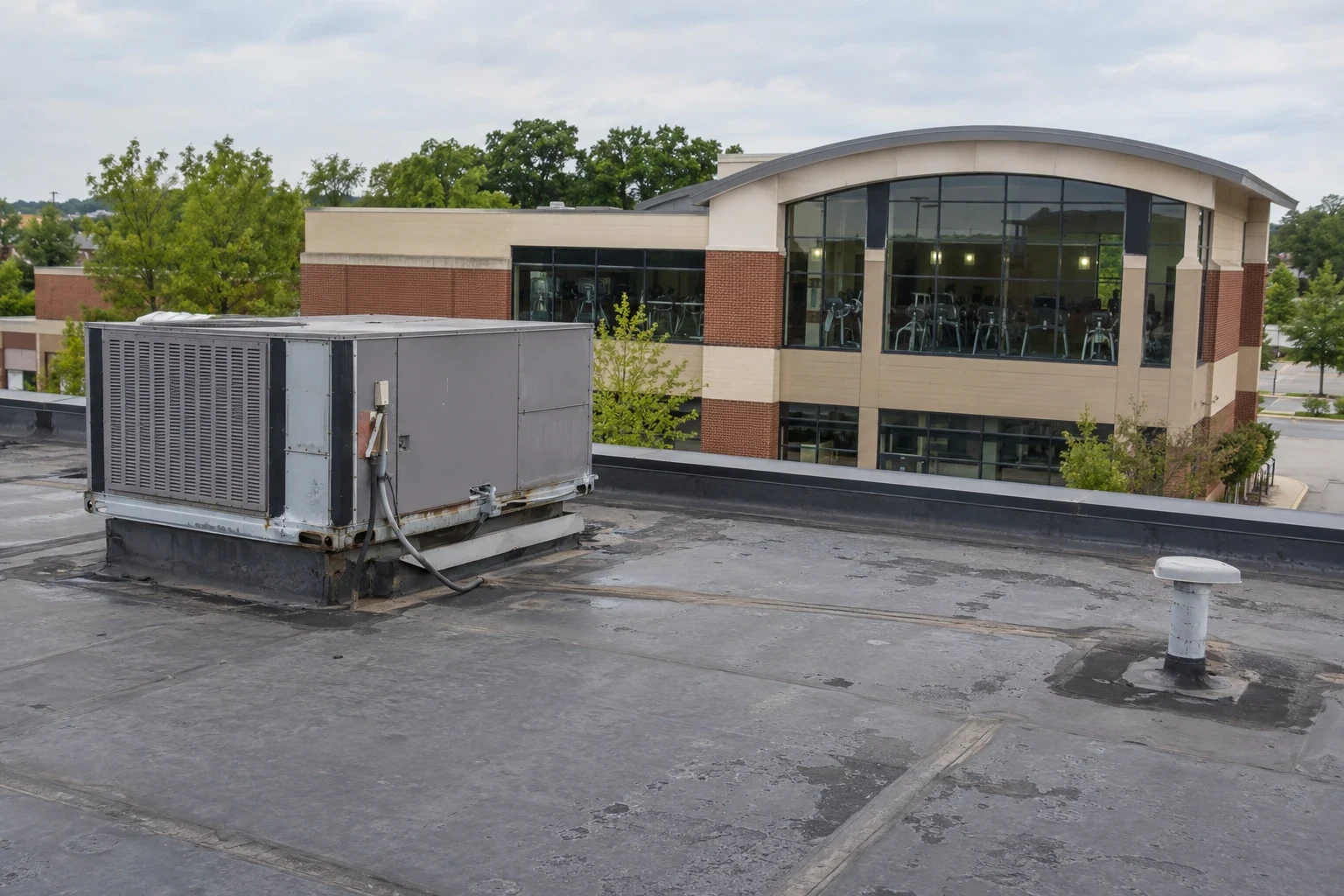
Several reported leaks call for separate roof zones rather than one assumption that every interior mark shares a cause. In Southland Hills, we map the reported areas and check seams, edges, drains and penetrations for a repairable connection. A Southland Hills dispatch can organize separate roof zones, while inspection determines the condition and assembly at each property. The site contact identifies the roof entrance, protected areas and person authorized to approve removal. The proposal names included zones, permanent tie-ins and any test-opening allowance. If exposed layers differ from expectations, the crew secures the opening and sends measurements before adding work. A commercial roof inspection records what was examined and what remains unresolved.
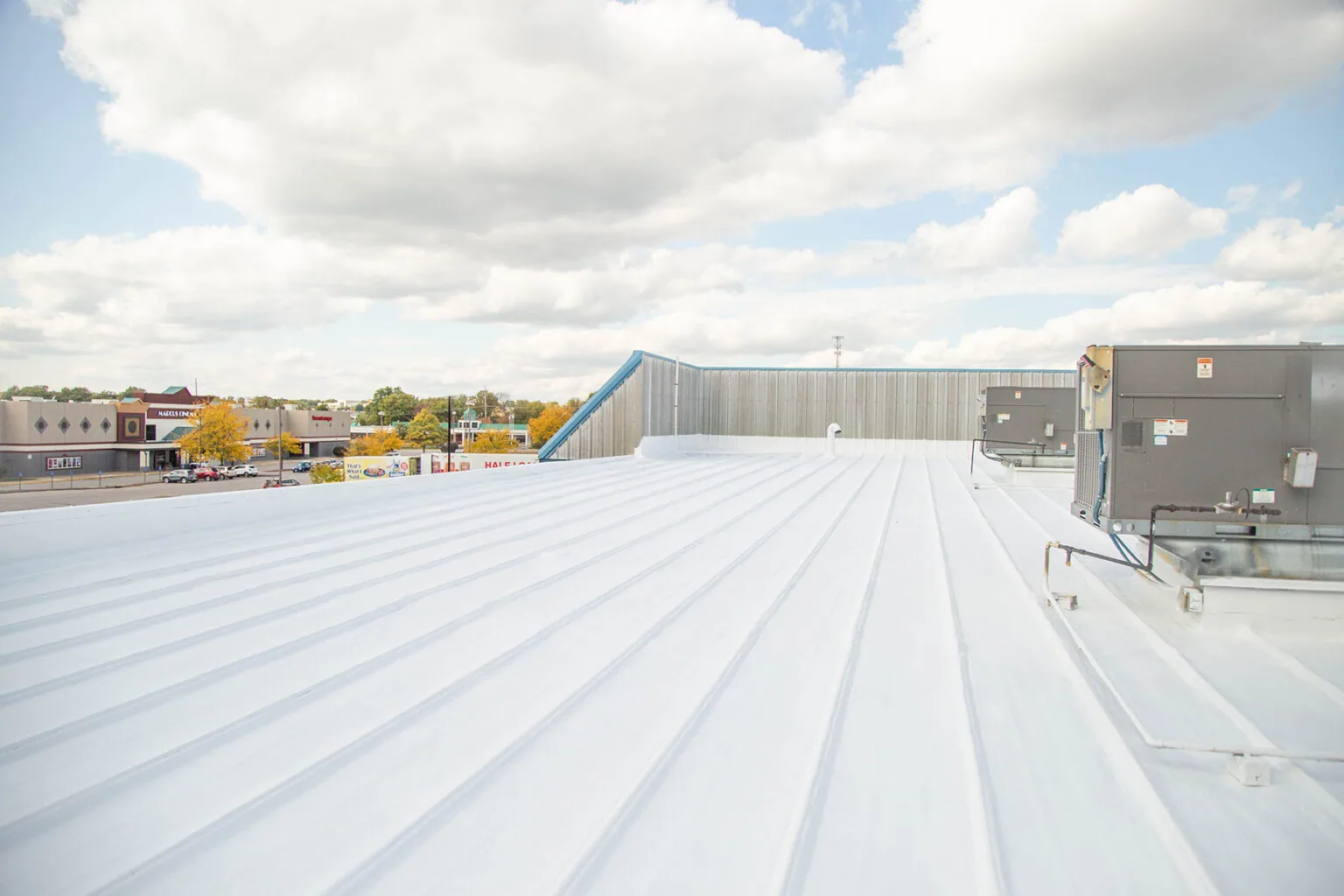
Southland Hills District
Start with the building contact and access route
A phase board is most useful when it records evidence, not just crew status. For each Southland Hills roof zone, the supervisor notes the reported symptom, visible detail, temporary measure and decision still needed. The manager can see whether access is pending, a test is approved or a permanent tie-in is complete. Before the crew leaves, the daily record identifies who accepted the protected condition and what remains outside authorization. That handoff supports the next visit without blending separate buildings or leak reports.
Set a clear Southland Hills District repair release Send the property location, roof concern, access contact, approval authority and available repair records. We will document the supported scope and any test allowance.
Southland Hills District
Trace the reported water path
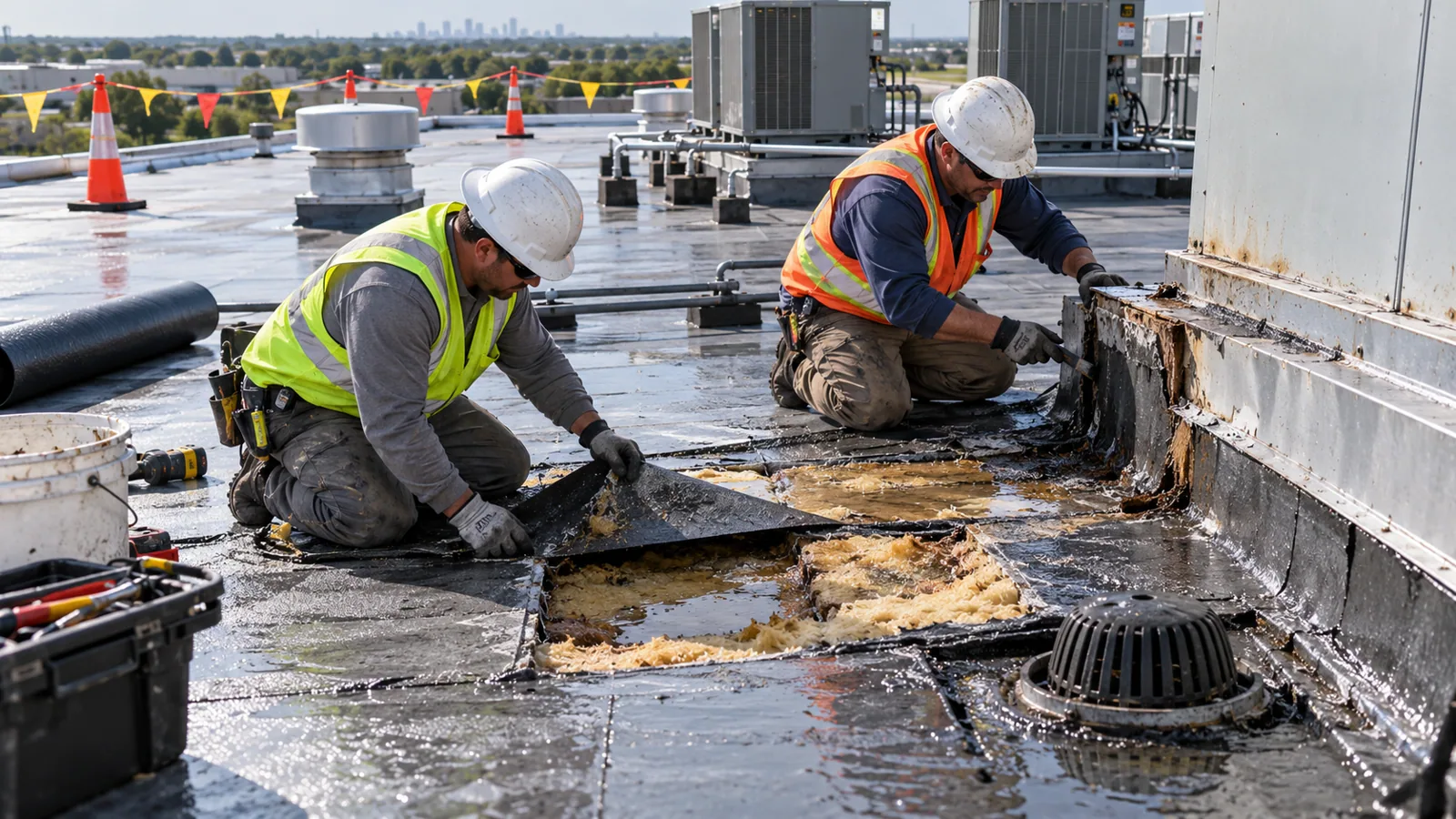
Water can move laterally along the deck or insulation before appearing below. We compare the interior location with roof seams, wall flashing, equipment penetrations and drainage paths. A leak repair needs evidence of the entry and a suitable material for the new tie-in. If the stain sits below a plumbing or mechanical line, the report notes whether another trade should inspect that source. We do not cover an interior symptom without checking the roof area above and around it. When no opening is visible, ownership receives that finding and an optional diagnostic step. If a test opening is approved, the proposal gives its dimensions and describes how it will close before removal starts. The crew photographs the exposed layer sequence and measures any damp or unstable area. A change in quantity is submitted for approval, allowing the owner to choose repair, further testing or a safe pause. If an opening is made, the crew notes the size and layer order in the closeout. A narrow cut may show moisture at the edge while leaving the full affected area unknown. We state whether the material was dry, damp, compressed or otherwise unsuitable where exposed, and what additional test would resolve the remaining question. The owner may approve a larger boundary or stop at the original test limit. Either way, the permanent tie-in and temporary protection receive separate descriptions. A measured record gives the next reviewer a clear basis for the repair price and avoids treating an exploratory cut as blanket authority.
When separate Southland Hills leak reports arrive, each gets its own location and status. The crew maps the ceiling symptom, roof zone, likely water path and visible detail so a repair in one area does not imply that another has been corrected. A zone may be confirmed, repaired, inaccessible, monitored or awaiting an approved opening. For every proposed test, the scope states the size, weather protection and closure method. The manager can prioritize active water entry while retaining a clear list of unresolved areas. That record is useful for a multi-building owner as well as a single property representative.
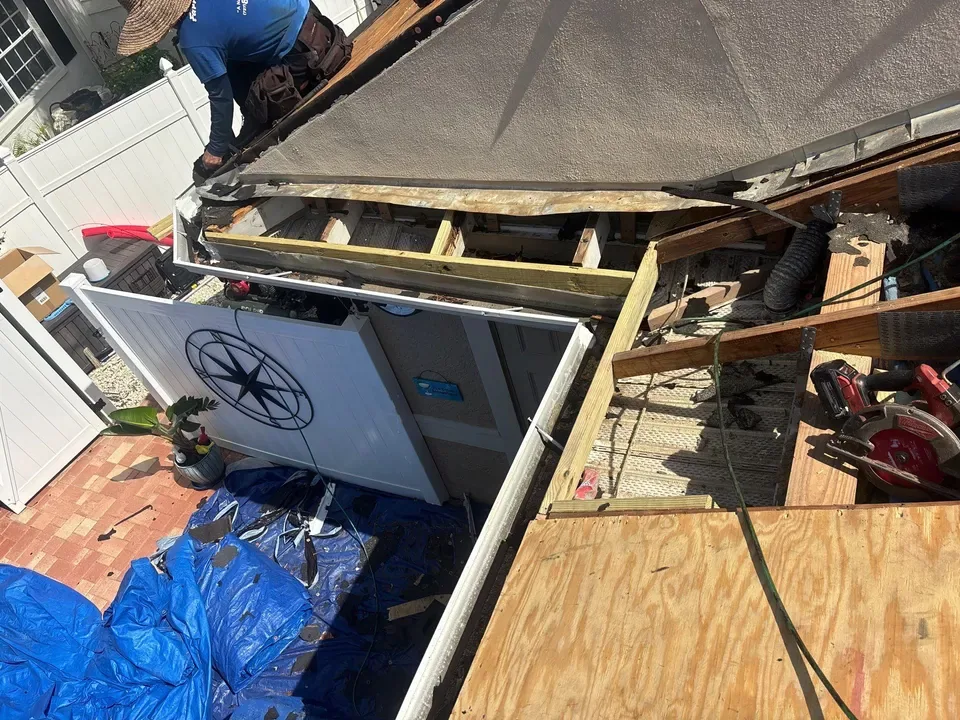
Before a phased repair, the crew and site contact agree on daily limits and the condition required before leaving the roof. Materials are staged where deliveries and emergency access can continue; protected rooms below are identified in advance. If the forecast changes, the supervisor secures the opened area and documents the reason work paused. At closeout, photos connect each repaired zone with the material used and the edge of the authorized work. The report then distinguishes completed items from recommendations requiring a new approval, so the next visit can begin with a known boundary.
Southland Hills District
Inspect drainage without assuming a cause
Roof drains, scuppers and the surface feeding them need separate attention. We check whether the outlet is clear, the surrounding flashing remains attached and water has a path to the opening. A drain correction can fix a failed bowl or connection, while a low area caused by roof slope may need another analysis. The estimate distinguishes debris work, outlet replacement and slope changes. If standing water is reported, we note the location and the time the condition was observed. One dry-day photograph may not show the drainage response to rain. We can propose a limited check with safeguards and an agreed result that would change the scope. At closeout, the crew confirms new material does not obstruct the outlet and records any adjacent area not included. This gives the owner a concrete next decision instead of promising that one drain service corrected every water issue on the roof.
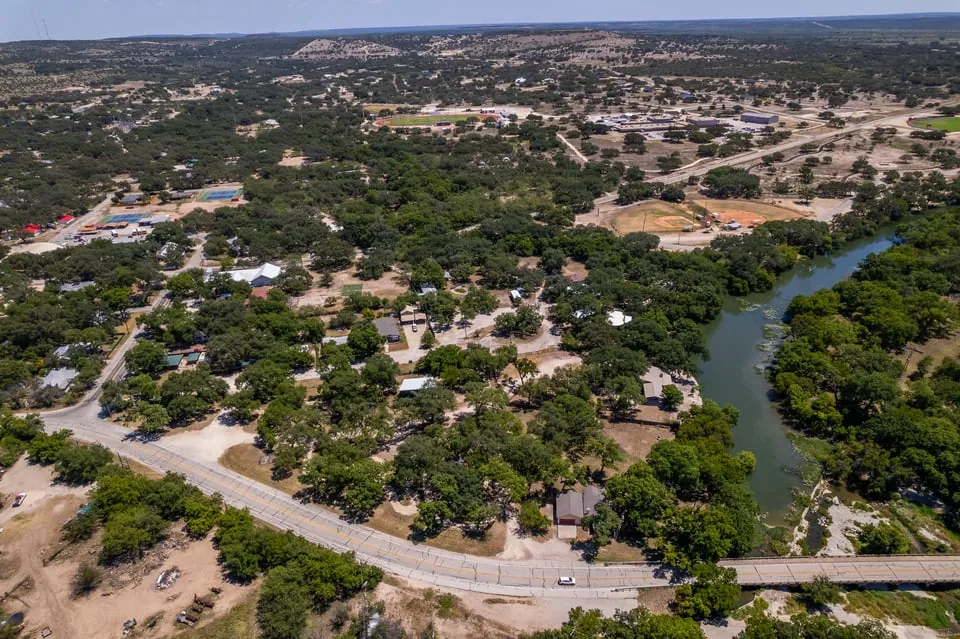
Southland Hills District
Coordinate staged work and temporary protection
Before staging materials, the property contact identifies loading access, protected areas below and the daily stopping point. The supervisor checks that drains remain clear, temporary covers are secured and no open edge is left without the agreed weather protection. If a forecast or delivery delay changes the sequence, the owner receives a revised work window before the crew opens another zone. A concise end-of-day log records the condition left in place and the next approval needed. A July normal high of 96 to 99 degrees Fahrenheit is listed for San Angelo; on a Southland Hills job, that is a scheduling cue for safe rooftop work, not evidence of roof damage.
Southland Hills District
Set a funding choice from recorded conditions
On a Southland Hills service call, a status board can keep several roof findings separate: active leak, detail repaired, access pending, test requested or monitoring. Each status is tied to one roof zone and one approval contact. When multiple crews or tenants are involved, the manager confirms who may close a room, move protection and accept the daily closeout. The roofing supervisor records the temporary condition before leaving and the permanent tie-in after completion. That sequence gives the next shift a clear starting point without expanding the approved work. The next phase should retain the same zone labels so bids, approvals and closeout records remain comparable.
For geographic context, the site can also review the Downtown San Angelo service-area page and the business-and-industrial-park page. Those targets are separate districts, not a claim that they share a property or roof condition. A response plan for urgent leaks should still begin with an inspected opening, safe access and an approved temporary closure.
A useful final record keeps temporary measures distinct from permanent work. It notes who accepted the roof at the end of the shift, the weather protection left in place, and the next inspection or trade coordination date. That prevents a temporary cover from being mistaken for a completed repair.
Before approving another phase, the owner can compare the open-item list with dated photographs and the original repair boundary, then authorize only the measured next task.
Questions and answers
Questions About Southland Hills District
Who needs to approve a roof test opening?
The property contact identifies the person authorized for removal and added cost. We record that approval path before exposing concealed material.
Can a stain below a roof drain prove the drain is leaking?
No. We inspect the drain, surrounding flashing and other likely water paths before pricing a correction.
Does one repair cover every roof zone on the building?
Only the areas listed in the scope. Closeout records the completed boundary and any separate condition left for review.
How does the crew handle a changed removal quantity?
It secures the opening, photographs and measures the exposed condition, then submits the added work for approval.